The Boring Choices That Deter Wear
Most cars don’t need fussy treatment to last a long time. They need a driver who doesn’t punish the brakes at every light, ignore the tires all winter, or pretend that a warning light just doesn’t exist. Any and all cars benefit from the same basic idea: smoother driving makes life easier on the parts doing the work. You don’t have to drive slowly everywhere or become precious about every bump in the road, either. These 20 habits can help your car feel better, age better, and avoid some very avoidable repair bills.
1. Accelerate Smoothly
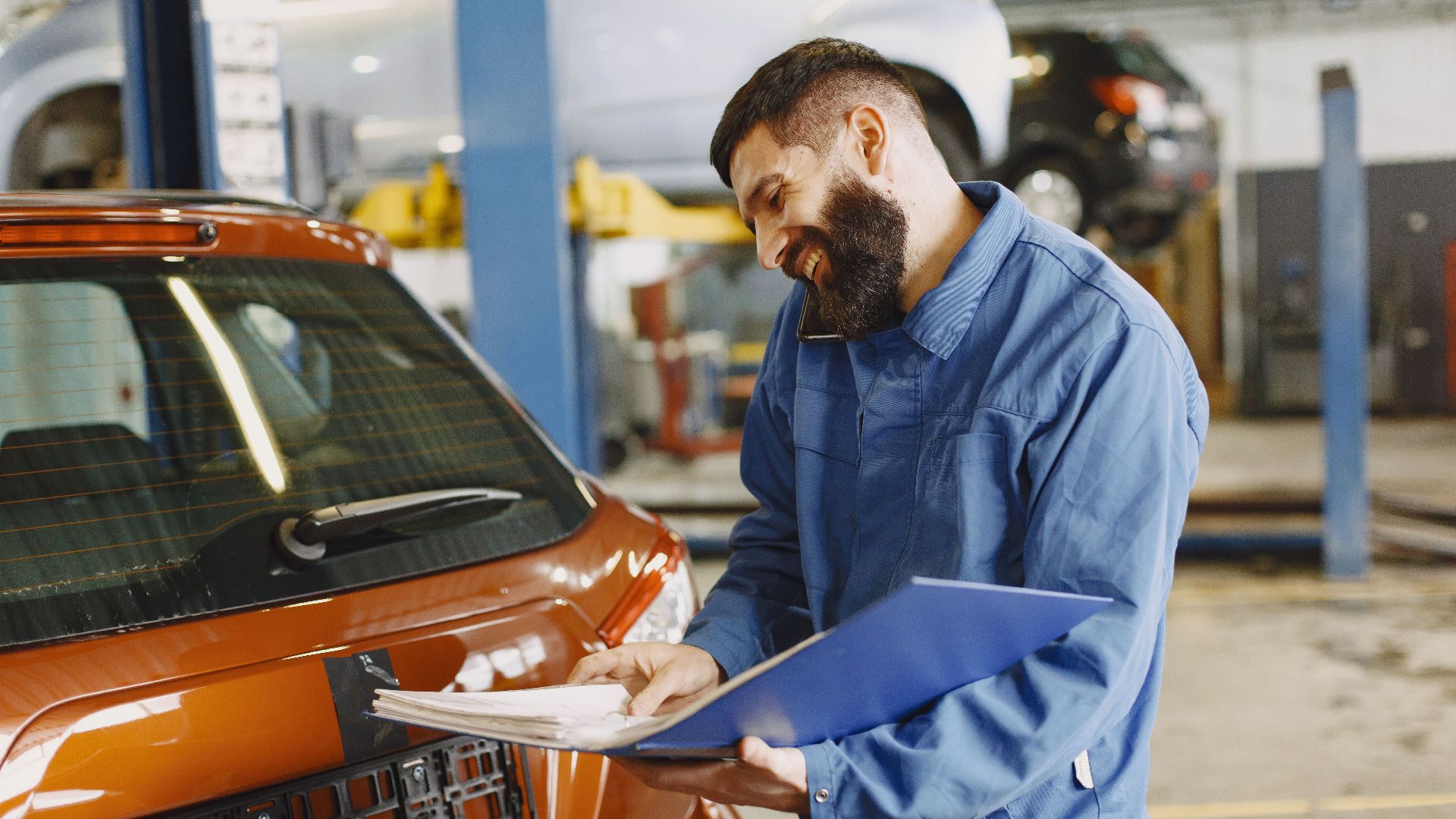
Hard acceleration puts extra strain on the engine, transmission, tires, and drivetrain. A smooth start from a stoplight gives those parts an easier job, especially during your daily driving.
2. Brake Earlier
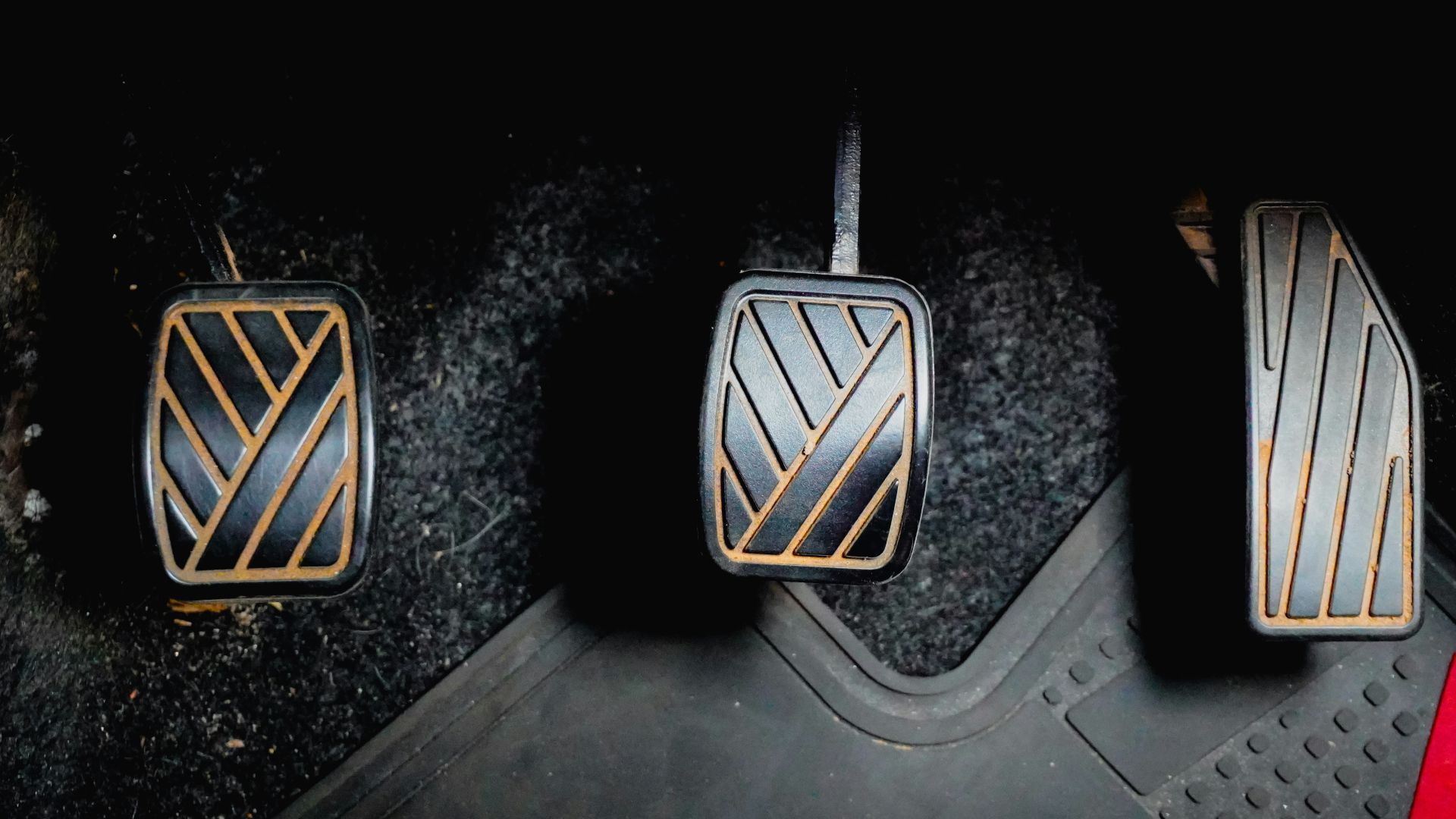
Late braking wears down pads and rotors faster, and it makes every drive feel more stressful than it needs to be. Look farther ahead, ease off the gas sooner, and give yourself time to slow down without slamming the pedal. Any passengers you have in the car will also thank you.

3. Stop Tailgating
Following too closely forces you into constant panic stops, especially during rush hour, and especially on the highway. More space gives you time to brake gently, which helps care for your brakes and tires.

4. Keep Your Speed Reasonable
Driving well above the limit makes the car work harder against wind resistance and puts more heat into the tires and mechanical parts. A steadier pace on the highway is easier on the vehicle and usually makes the whole drive feel less frantic.

5. Warm Up Gently
Modern cars don’t need to sit idling in the driveway for 15 minutes on a cold January morning. Start driving gently after a short moment, and avoid hard revving until the engine oil and other fluids have had time to circulate.
6. Avoid Long Idling
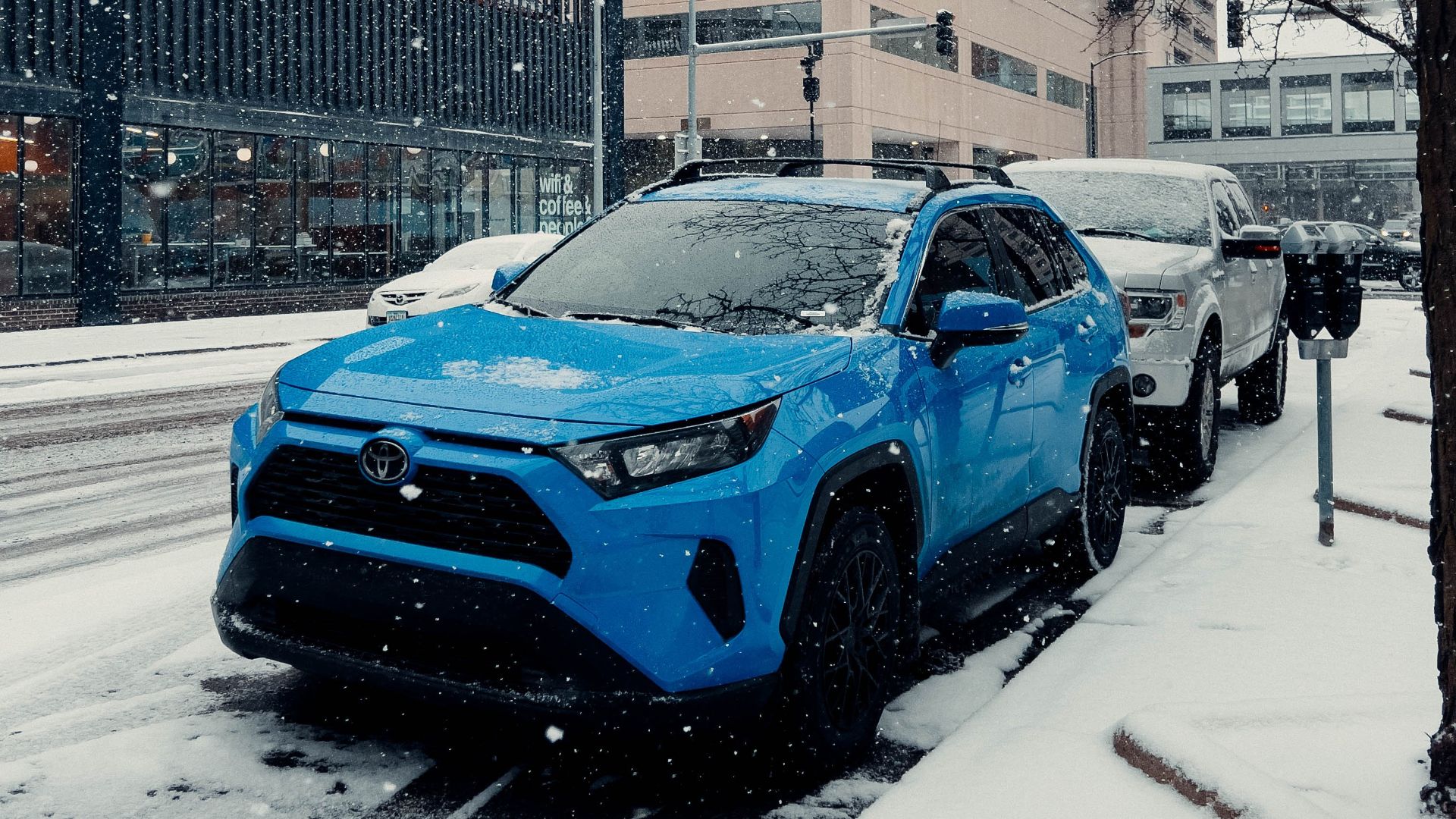
Idling still uses fuel and keeps the engine running, even though the car isn’t going anywhere. If you’re sitting in a parking lot, a school pickup line, or outside a store for more than a brief wait, shutting it off is usually the better habit.

7. Combine Short Trips
Short drives can be tough because the engine and fluids may not reach their normal operating temperature. If you can do the pharmacy, grocery store, and gas station in one loop, that’s easier on the car than three separate cold starts.
 Carrie Allen www.carrieallen.com on Unsplash
8. Check Tire Pressure
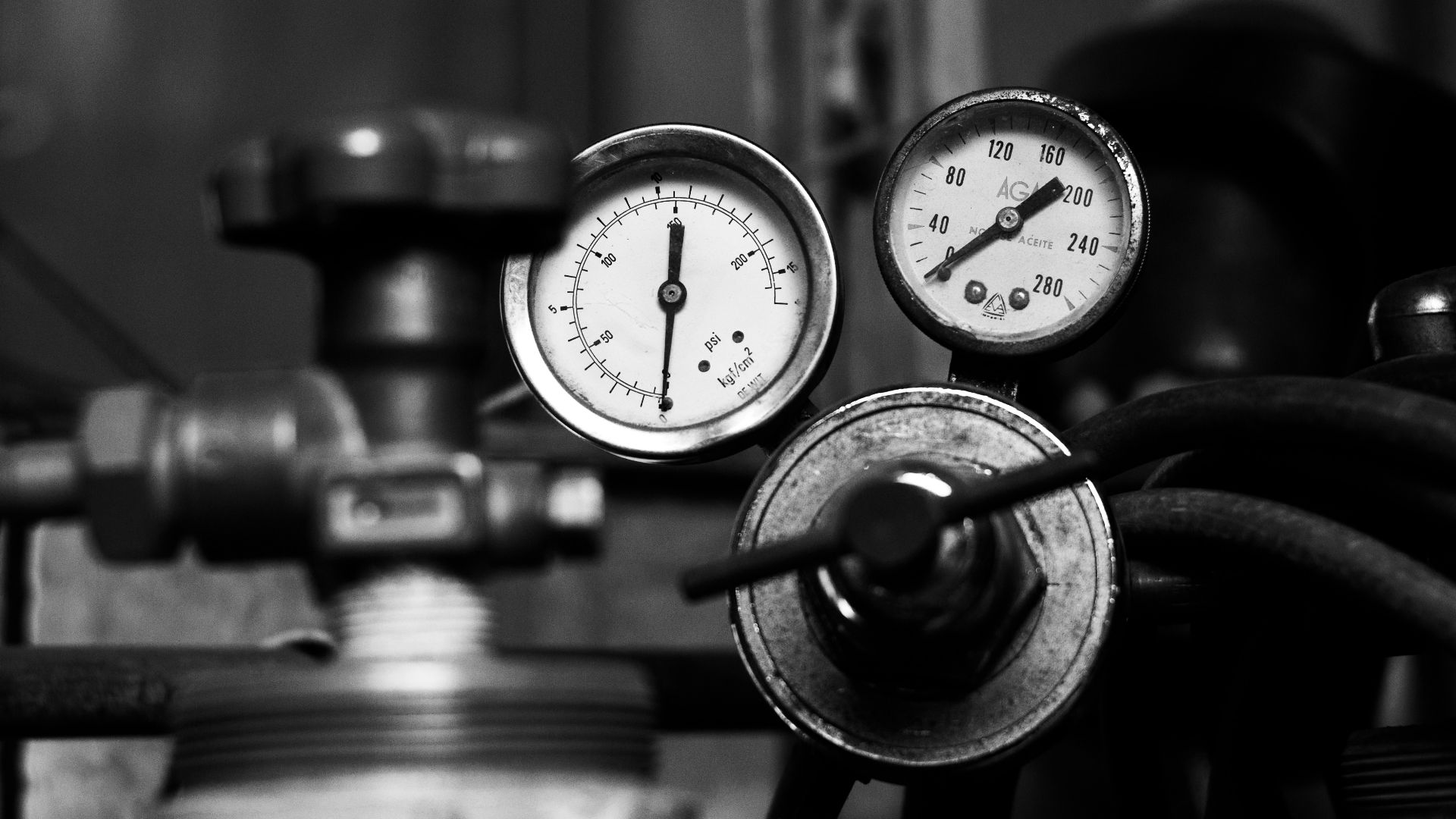
Underinflated tires can hurt handling, braking, fuel economy, and tire life. Check the pressure when the tires are cold, and use the number listed for your car, usually on the driver’s door jamb, not the maximum number printed on the tire. Your car should also tell you when the tire pressure is getting a little too low.
 Miguel Ángel Padriñán Alba on Unsplash
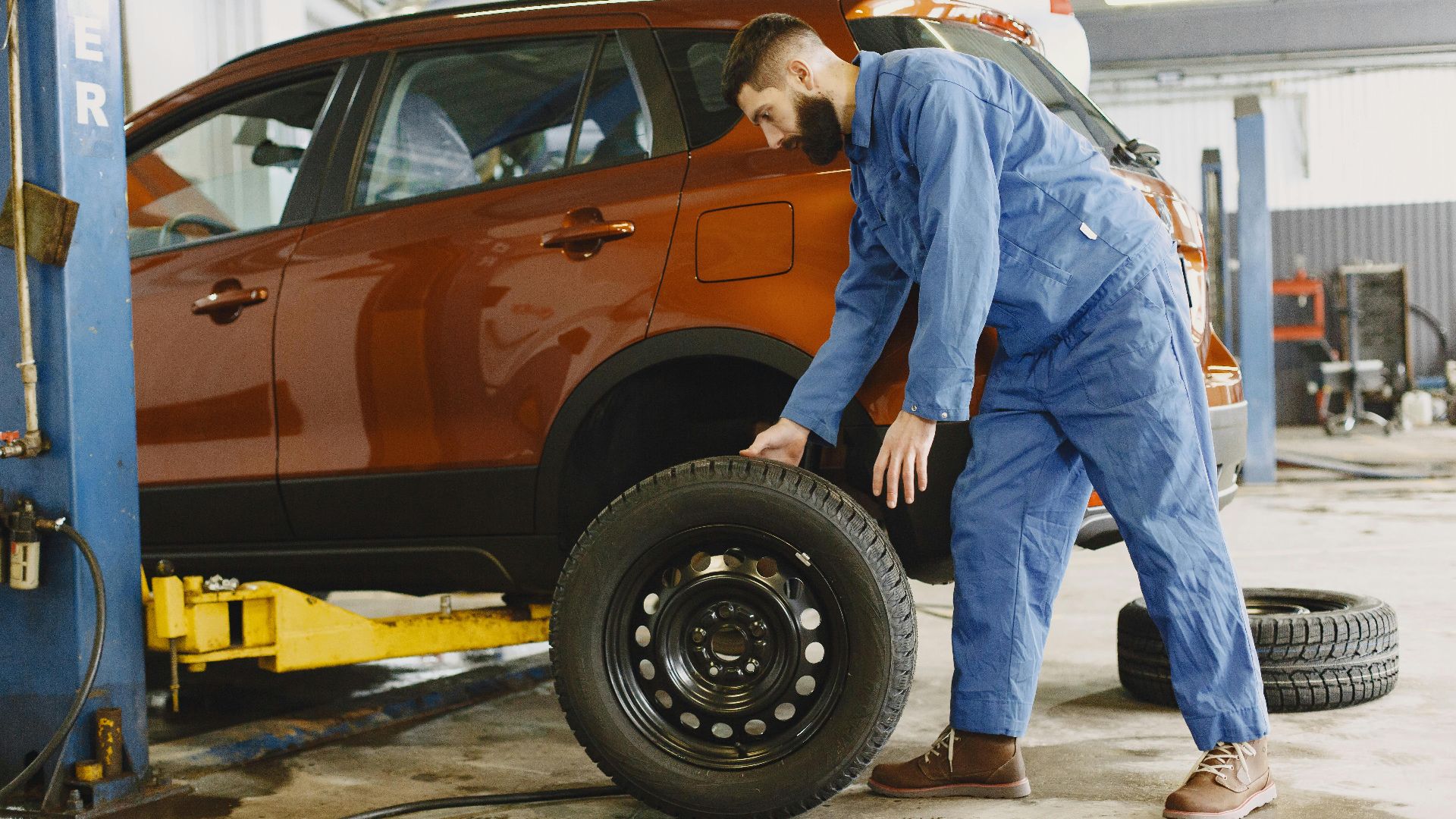
9. Rotate And Inspect Your Tires
Tires don’t wear evenly from corner to corner, especially on front-wheel-drive cars that ask the front tires to steer and pull the car. Rotating them on schedule and checking for cracks, bulges, cuts, or uneven tread can help you catch trouble early.
10. Slow Down For Rough Roads
Potholes, broken pavement, gravel roads, and sharp speed bumps can damage wheels, suspension parts, and alignment. Slow down before the impact, especially after winter freeze-thaw cycles leave streets looking worse for wear.
 Juanita Geldenhuys on Unsplash
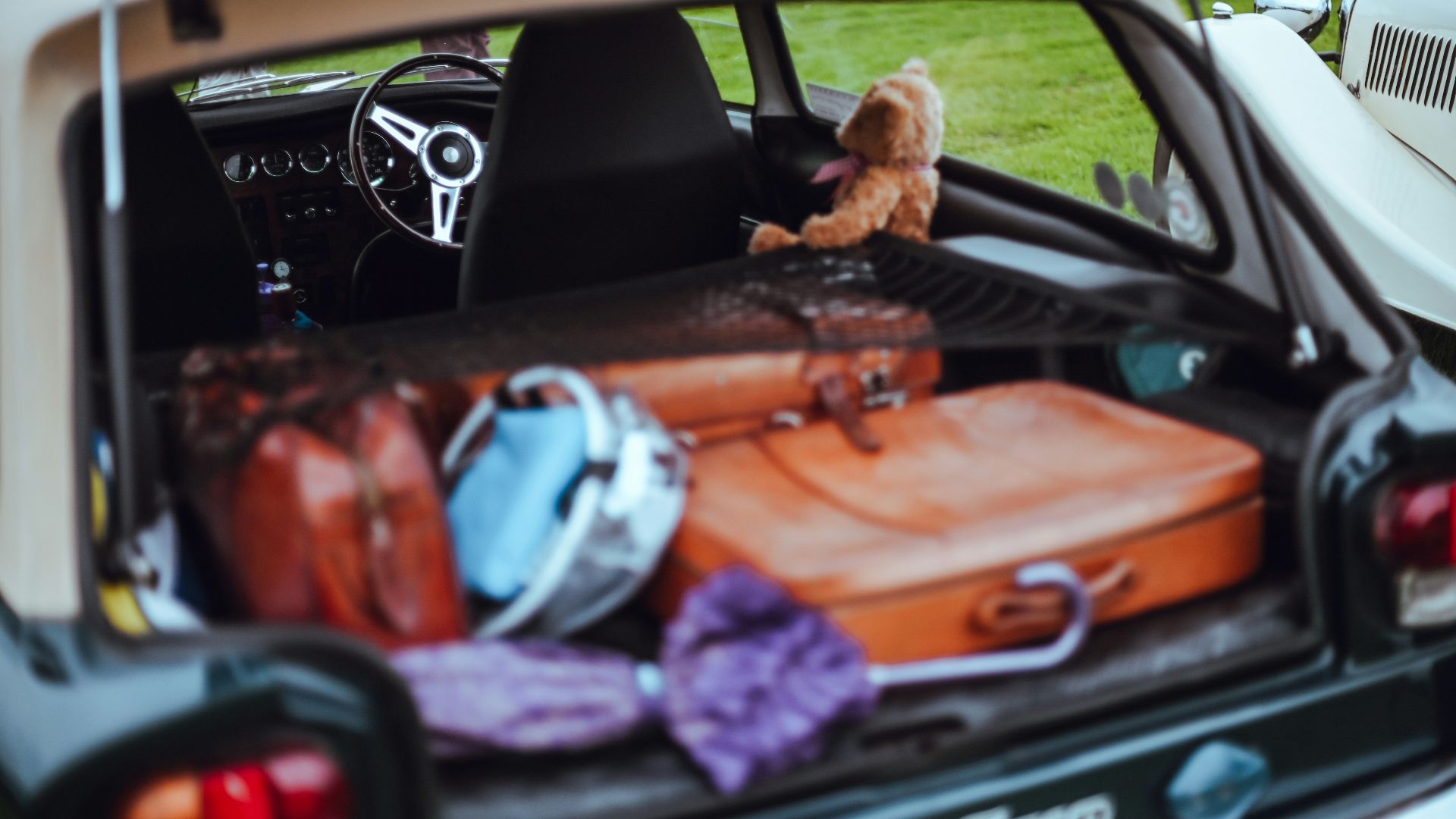
11. Clear Out Extra Weight
A trunk packed with old tools, sports gear, bottled water, and forgotten home-improvement supplies makes the car carry more than it needs to. Less weight means less work for the engine, brakes, tires, and suspension every time you drive.
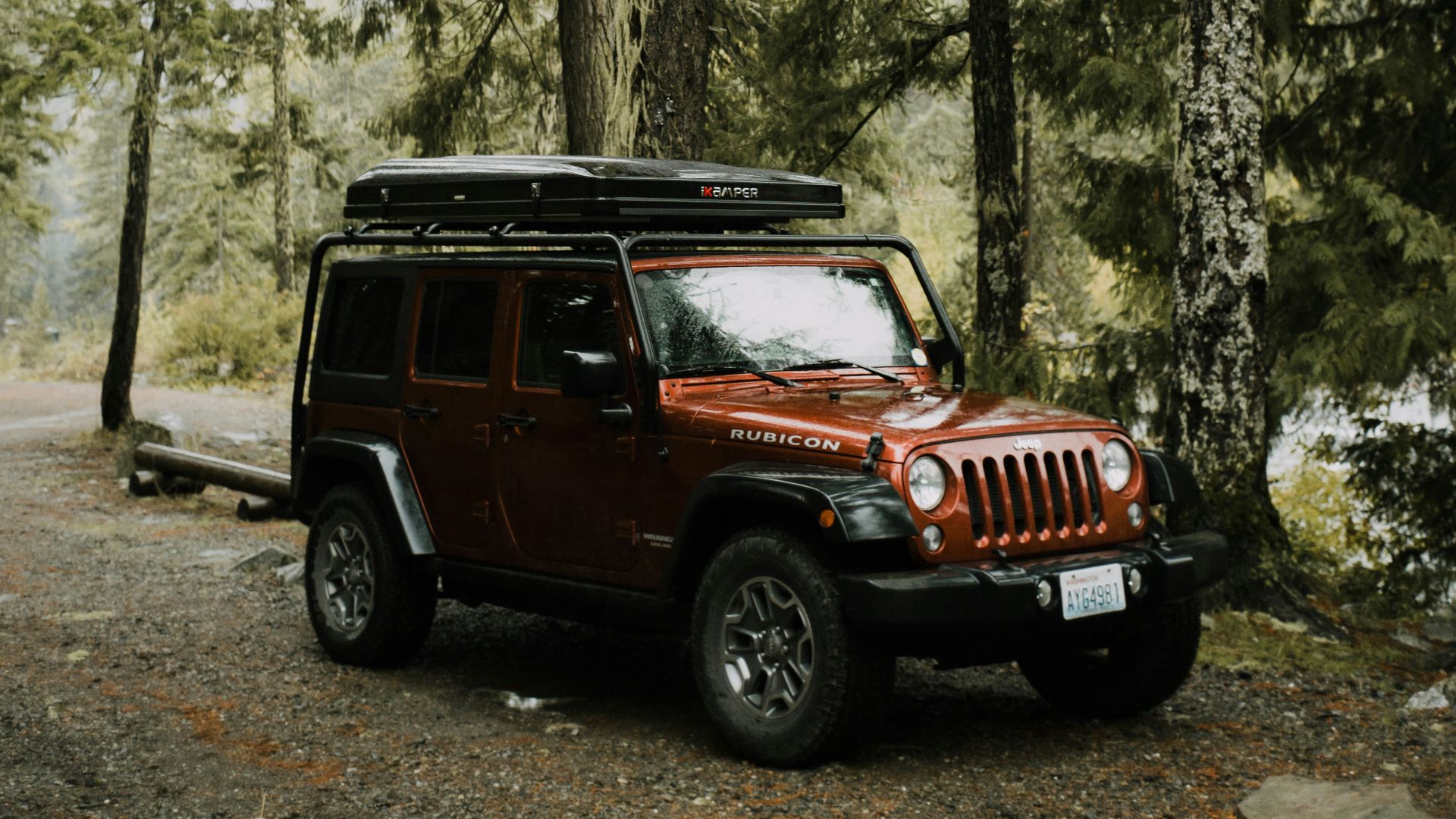
12. Remove Roof Racks
Roof racks, cargo boxes, and bike carriers are useful for summer trips and ski weekends. Once the trip is over, taking them off helps the car move more easily through the air and avoids extra drag during everyday driving.
13. Use Cruise Control Wisely
On open, dry highways, cruise control can help the car hold a steady speed instead of constantly speeding up and slowing down. Leave it off in heavy traffic, rain, snow, or hilly areas where your own foot can respond more smoothly.
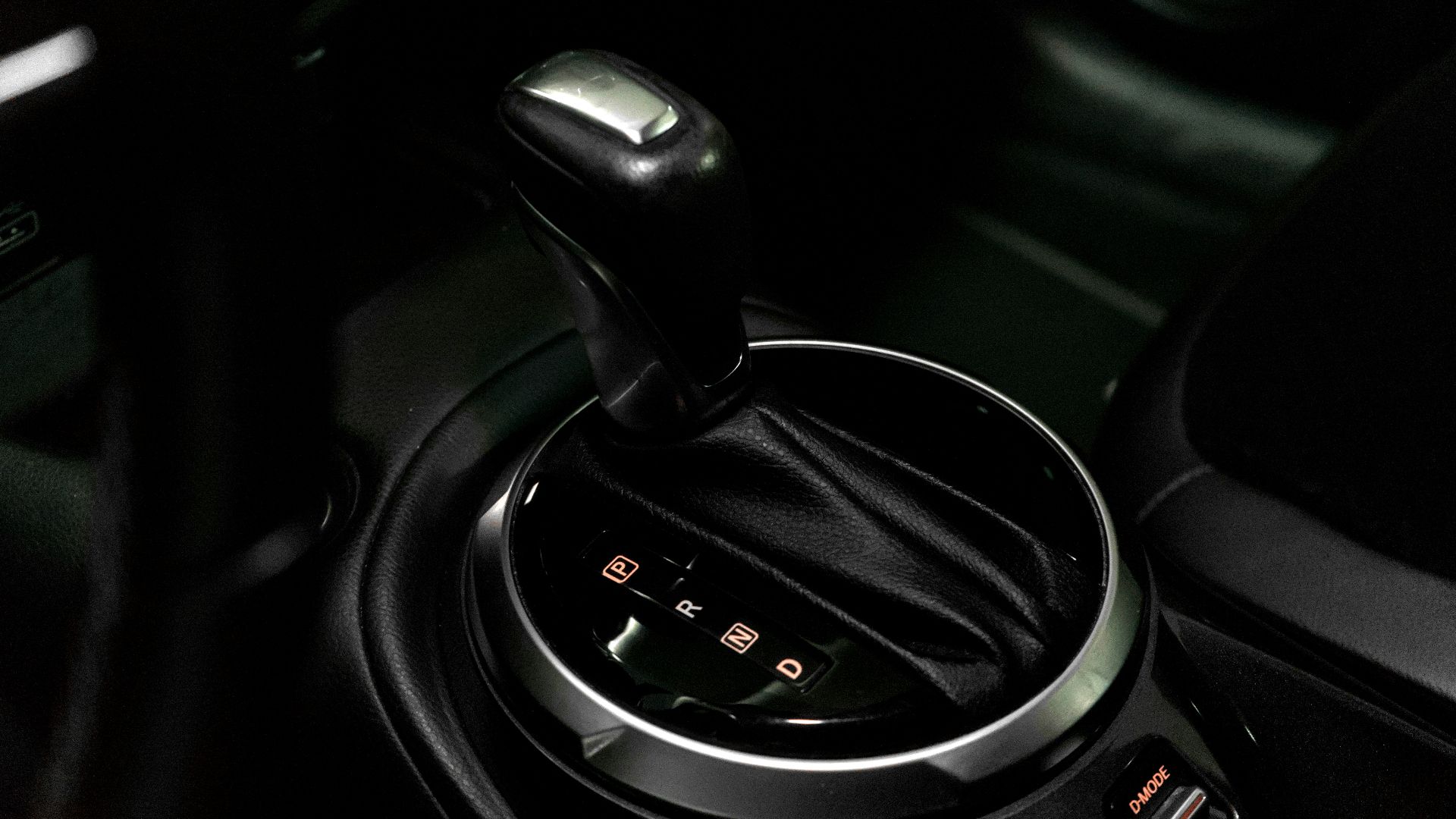
14. Stop Before Shifting Direction
Shifting from reverse to drive while the car is still rolling can stress the transmission. Come to a complete stop first, then shift, even when you’re backing out of a driveway or straightening up in a tight parking spot.
15. Take Heavy-Duty Driving Seriously
Towing a trailer, hauling mulch, climbing steep roads, sitting in stop-and-go traffic, or driving through extreme heat all make a car work harder. If your normal driving includes those conditions, don’t stretch maintenance just because the car still seems fine.

16. Listen For New Noises
A fresh squeak, hum, grind, rattle, or vibration usually means something has changed. You don’t need to panic over every little sound, but letting a new noise hang around for months can turn a small repair into a much bigger one.

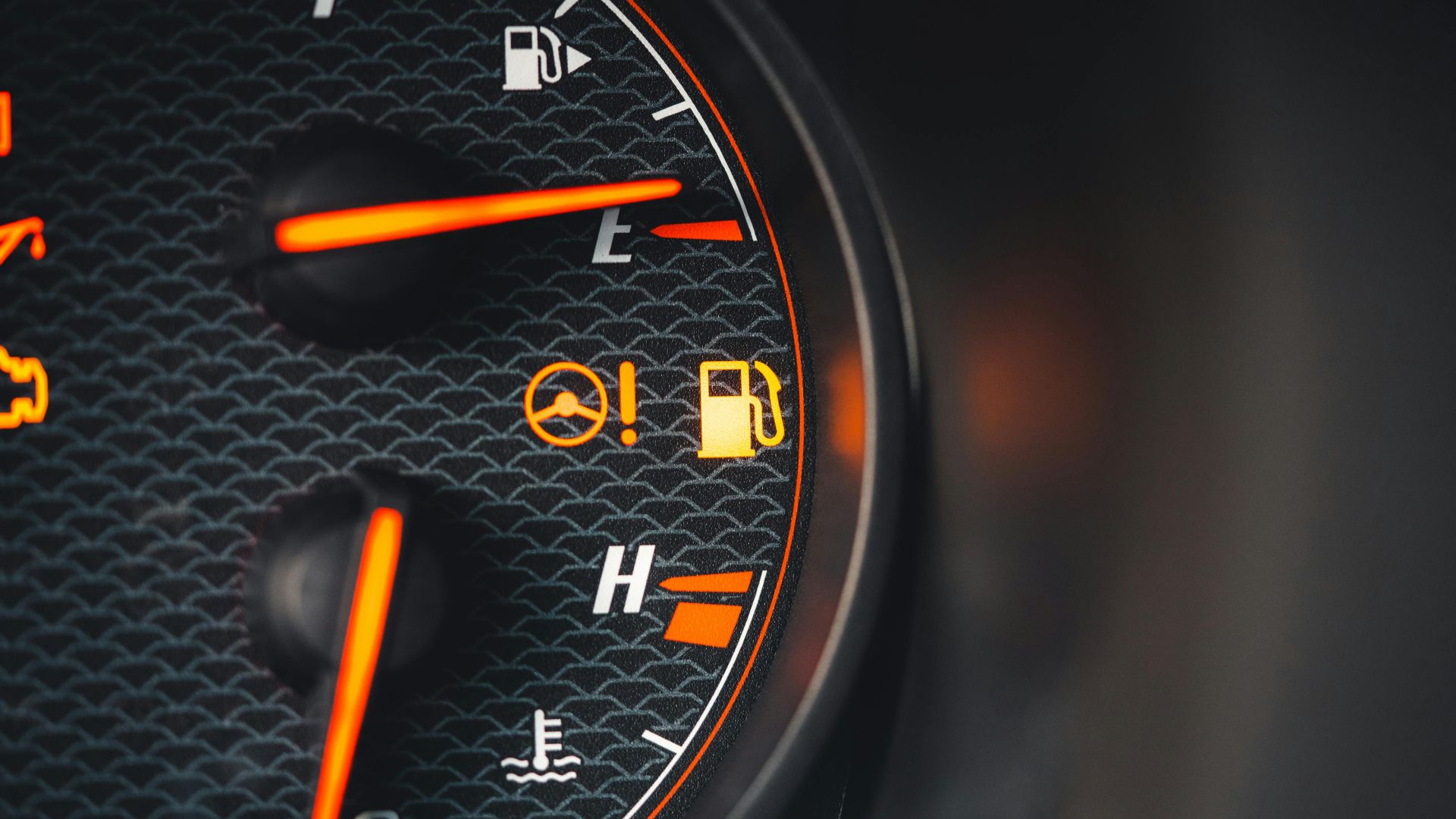
17. Take Warning Lights Seriously
Warning lights are easy to ignore when the car still feels normal. Oil pressure, temperature, brake, charging system, and flashing engine warnings need quick attention because they can point to much bigger damage.
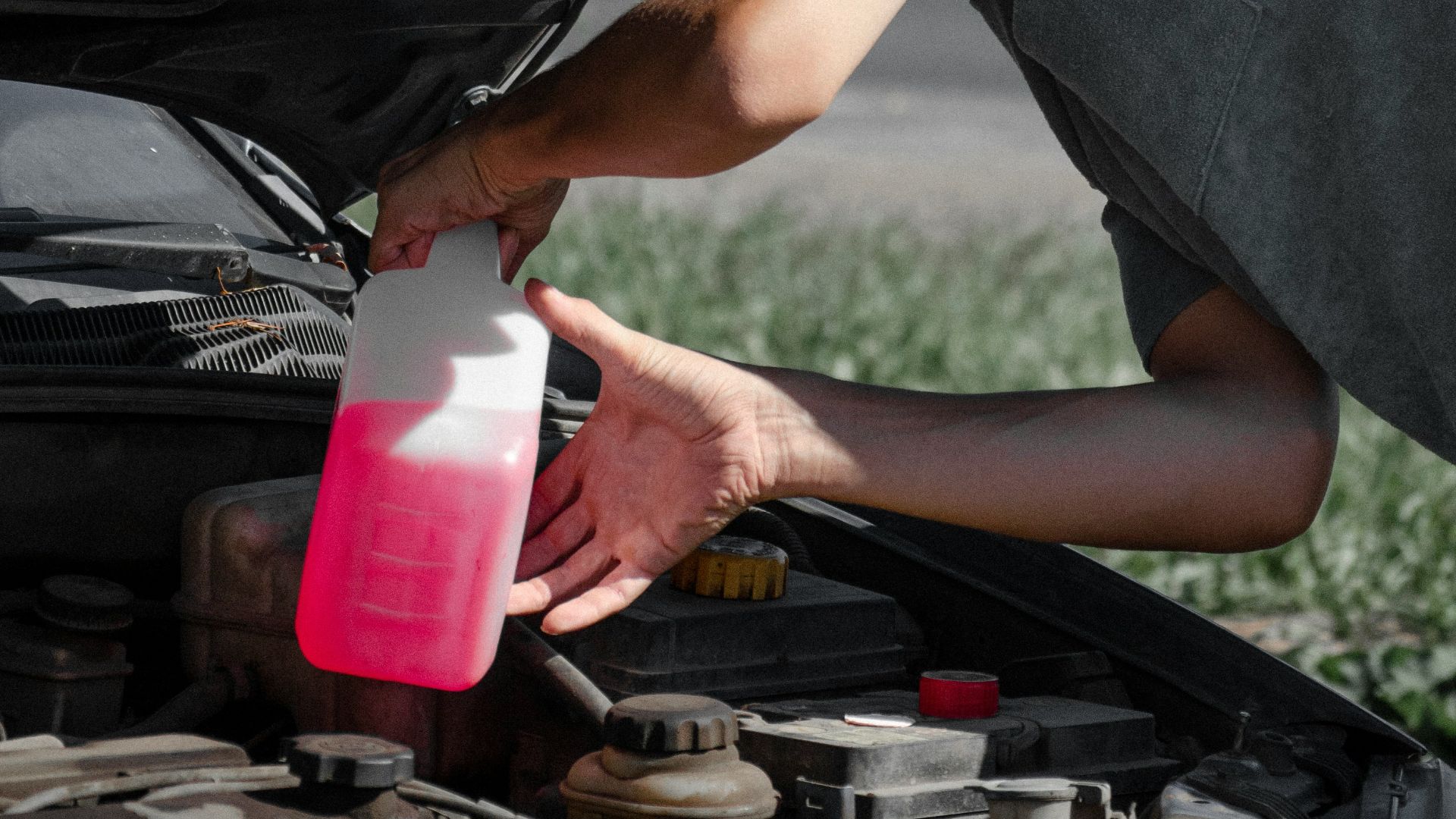
18. Check Fluids Before Long Drives
Oil, coolant, brake fluid, transmission fluid, and other key fluids help major systems handle heat, friction, and long stretches of driving. Before a road trip, especially one with mountain grades or summer traffic, a quick check can catch low levels or leaks.
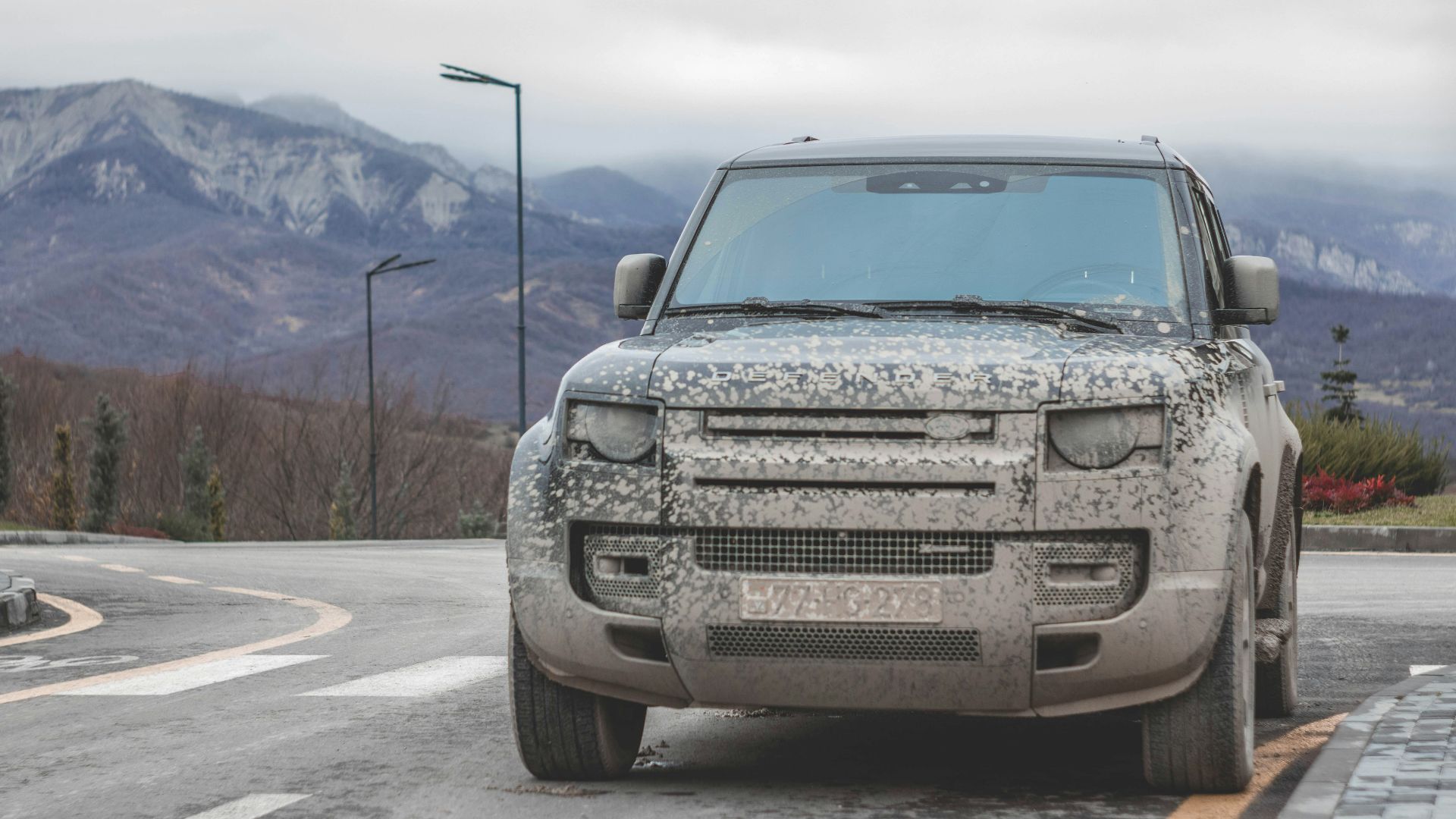
19. Wash Off Salt And Grime
Road salt and winter grime can cling to the underside of a vehicle and speed up corrosion. Regular washes, including undercarriage rinses during salty months, help protect the parts you don’t see during a normal walkaround.
20. Follow The Owner’s Manual
Your owner’s manual gives the service intervals, tire pressure, fluid specs, and maintenance details for your specific car. Keep records, follow the schedule, and don’t let a random comment online replace the guidance your vehicle was built around.