The Cars That Become Legends Usually Leave Clues
Not every expensive or limited-production car becomes collectible, and plenty of future classics start overlooked or underappreciated when they’re new. Over time, enthusiasts usually begin valuing models that represent the end of an era, deliver a unique driving experience, or stand apart from changing industry trends. While nobody predicts the collector market perfectly, certain patterns consistently show up before a car gains serious long-term respect. Here are 20 ways to spot a future classic before everyone else does.
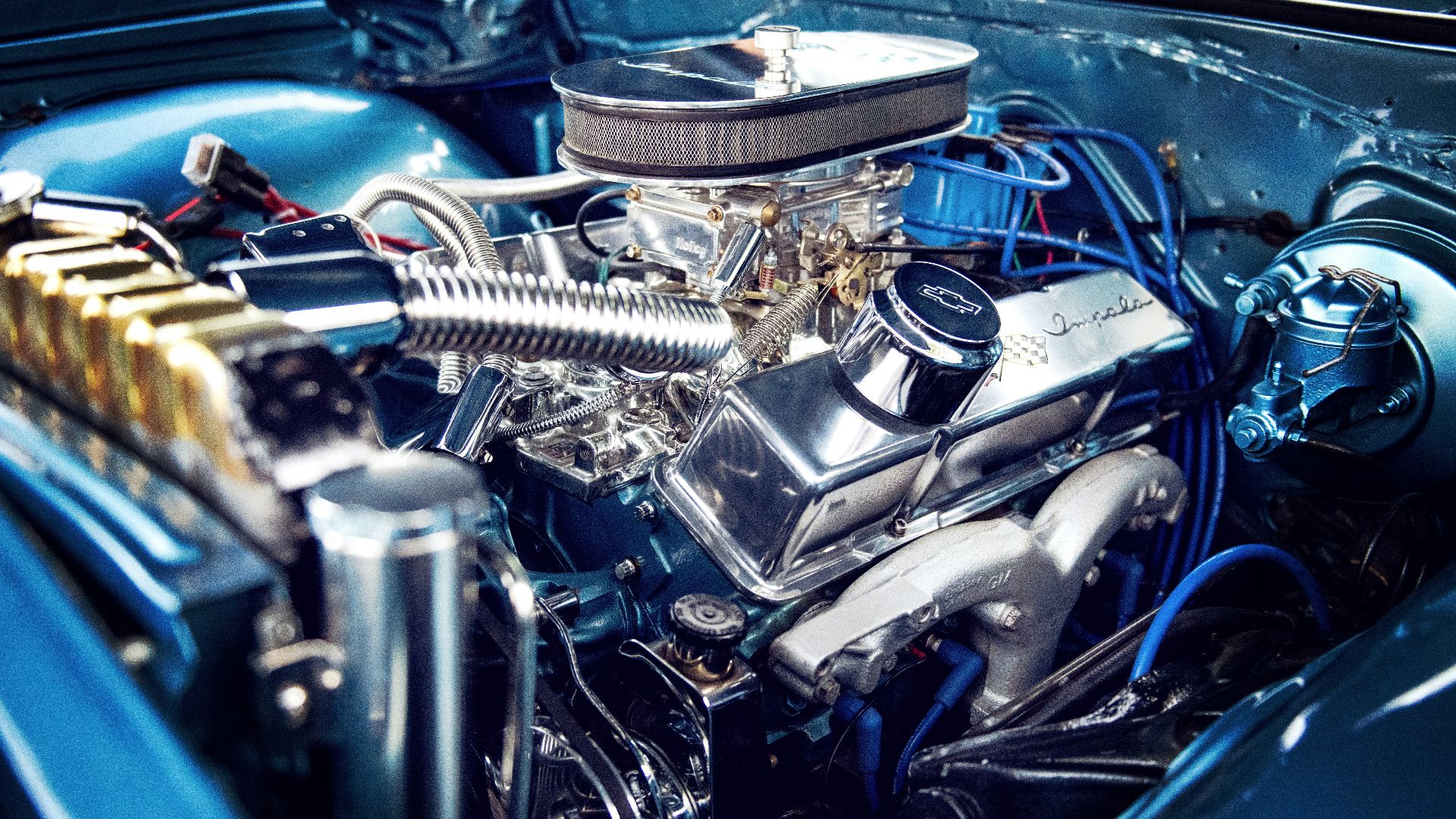
1. It Has a Naturally Aspirated Engine in a Turbocharged Era
As manufacturers continue downsizing engines for emissions and efficiency reasons, naturally aspirated performance cars are becoming increasingly rare. Enthusiasts often value throttle response, engine sound, and high-revving character that turbocharged setups don’t fully replicate.
2. The Transmission Choices Are Disappearing
Manual transmissions have become dramatically less common across the industry, especially in performance vehicles. Cars offering engaging manual gearboxes often gain stronger enthusiast followings once newer alternatives abandon them entirely.

3. Enthusiasts Love It More Than Critics
Some future classics receive mixed reviews at launch because journalists focus heavily on practicality, pricing, or technology shortcomings. Meanwhile, passionate owners connect deeply with the driving experience itself. Cars that create emotional loyalty often age better than technically perfect but forgettable models.
4. Production Numbers Stay Relatively Low
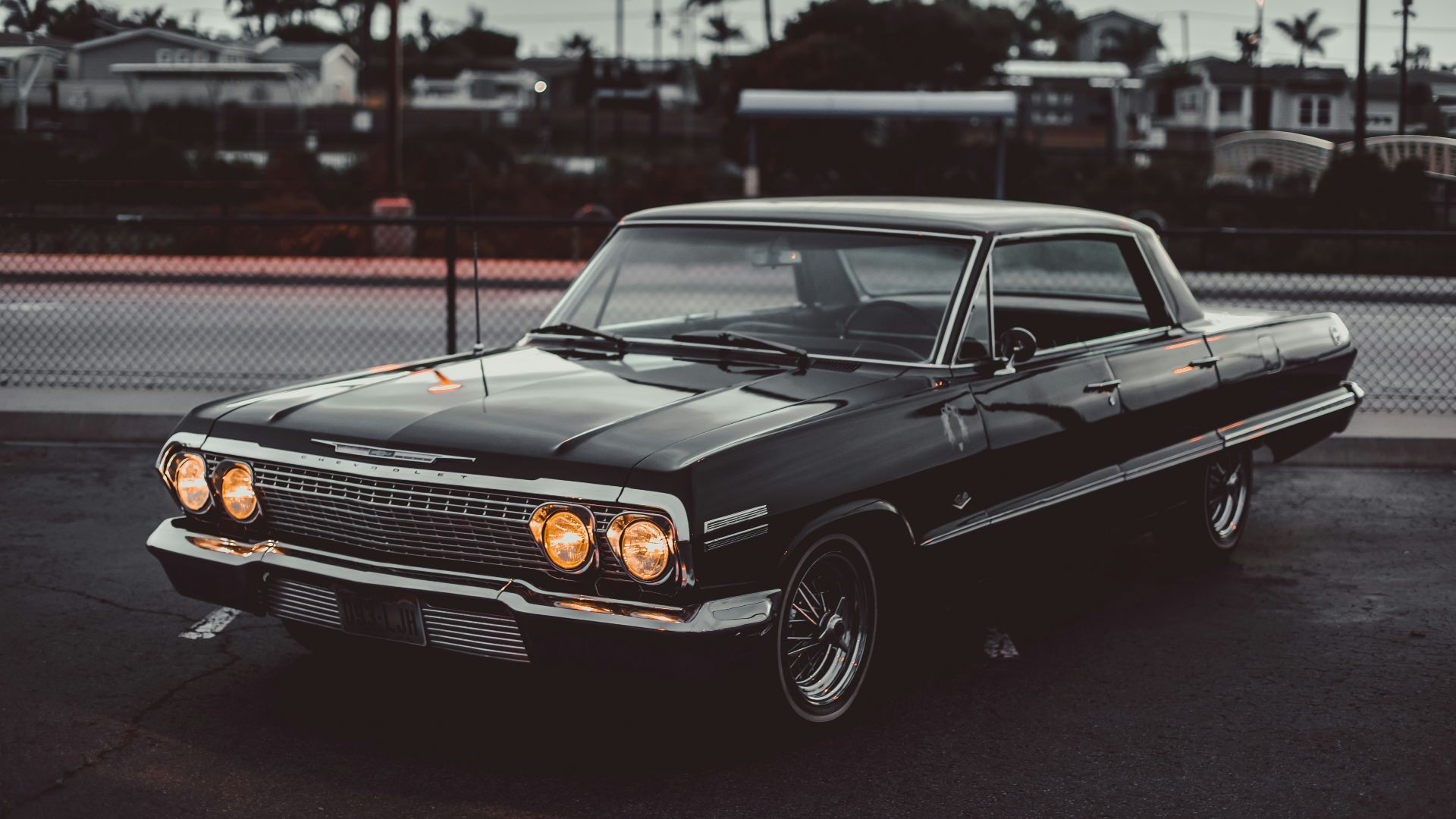
Limited availability naturally increases collectibility when demand grows later. This doesn’t necessarily mean ultra-rare supercar production either, since even moderately low-volume enthusiast cars can become highly desirable.
5. It Represents the “Last” Version of Something
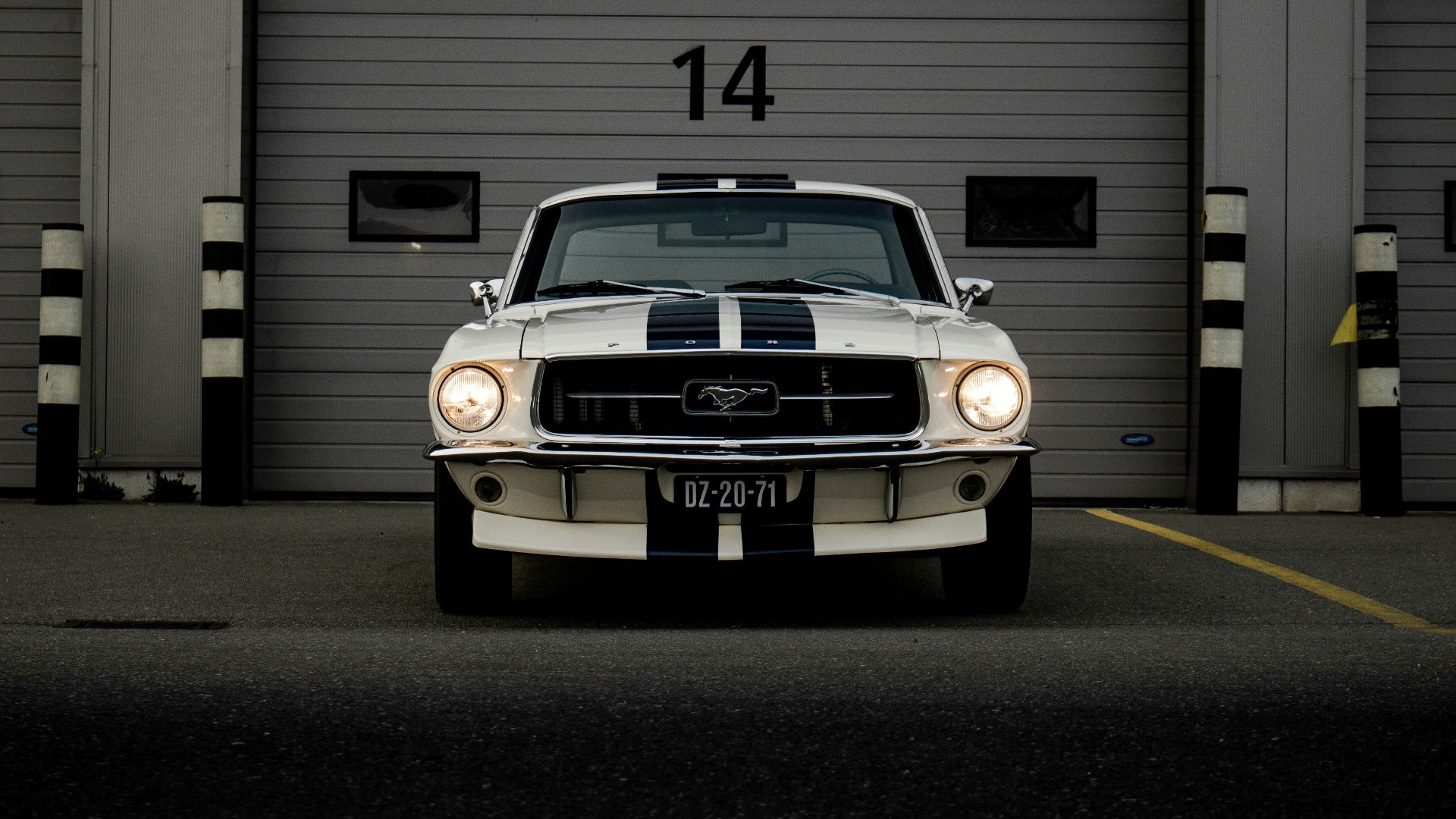
Collectors love cars tied to the end of an era. Whether it’s the last V8 sedan from a brand, the final gasoline-powered sports coupe, or the last hydraulic steering system, endings matter emotionally. Buyers often realize years later that certain experiences disappeared permanently.
6. It Prioritizes Driving Feel Over Technology
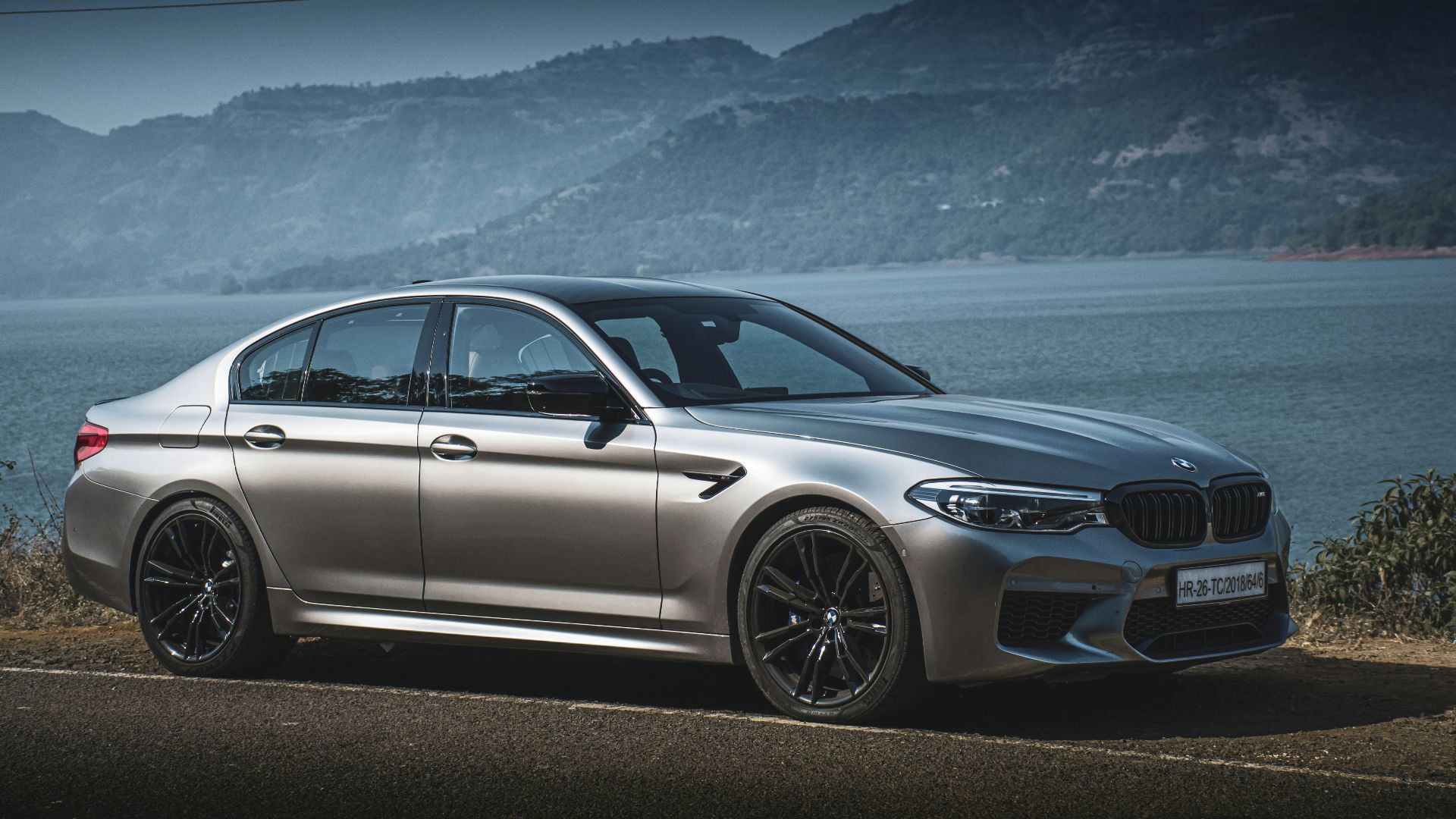
Cars focused heavily on steering feel, chassis balance, and driver engagement often age better than those built around trendy technology. Infotainment systems and flashy features become outdated quickly, but rewarding driving dynamics usually remain timeless.

7. It Has an Unusual Design That Ages Well
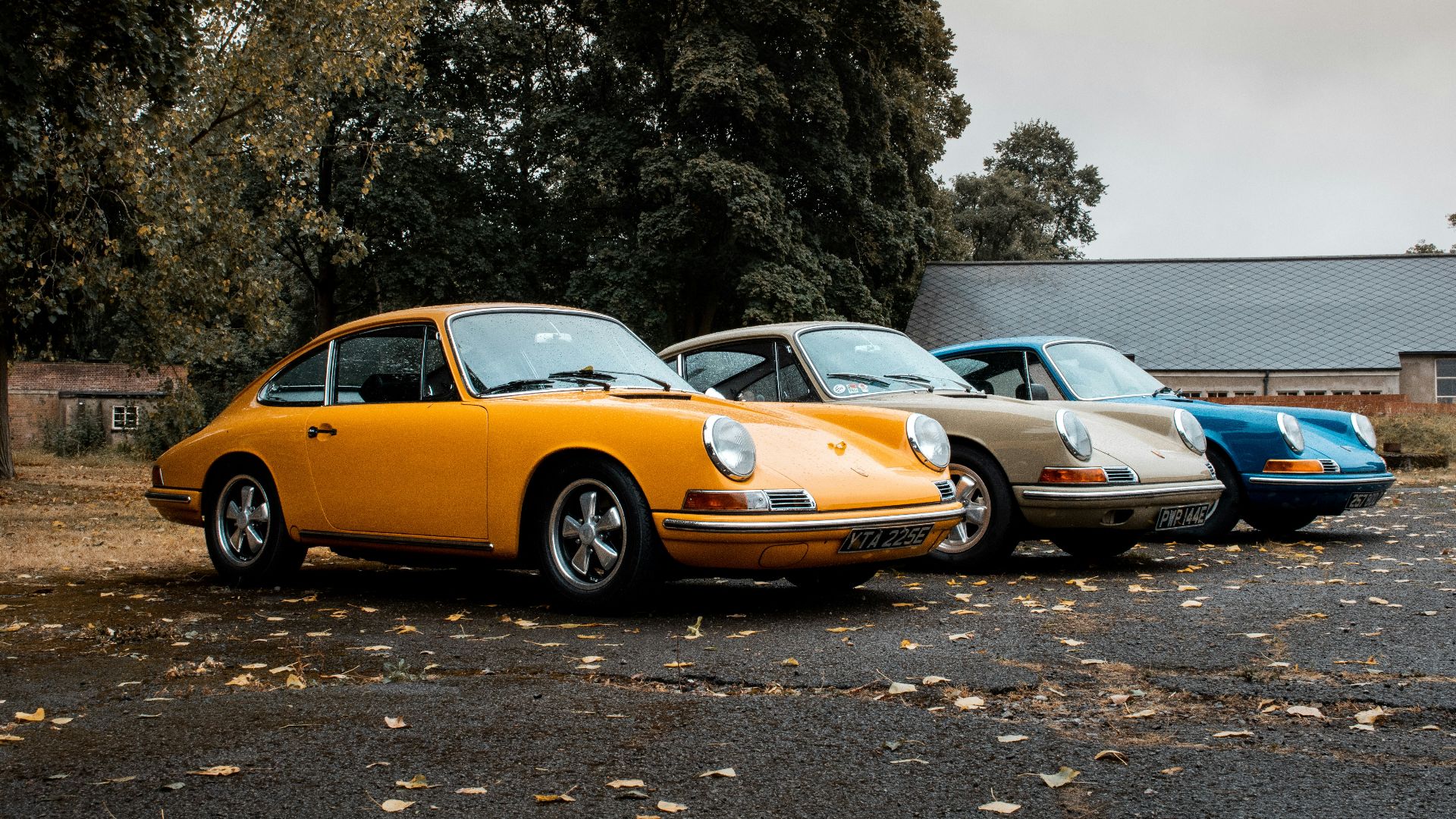
Some cars initially seem polarizing before eventually becoming iconic. Distinctive styling often helps a model stand out decades later than more generic designs. Unique proportions, lighting, or body shapes can become defining visual traits.
 Valdemaras Januška on Unsplash
8. Motorsport Connection Exists
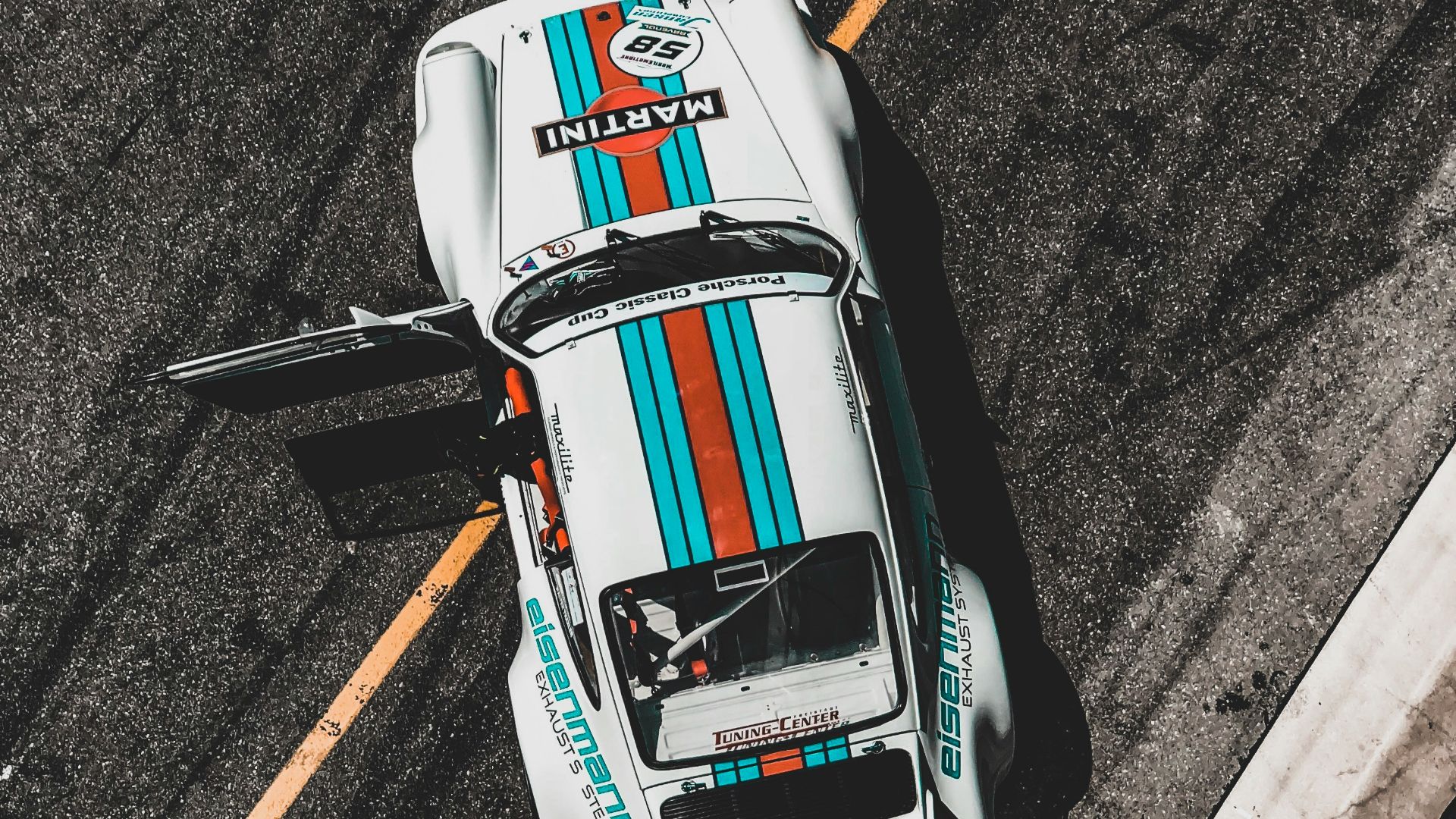
Racing heritage consistently boosts long-term enthusiast interest. Cars linked to touring cars, rally racing, endurance competition, or homologation requirements often gain stronger collector credibility later.
9. It Feels Different From Everything Else on the Road
Future classics usually offer something difficult to replace. That could mean unusual handling, engine sound, seating position, or overall personality. Cars that feel genuinely distinct tend to develop dedicated fanbases over time. Uniqueness often matters more than perfection.
10. The Manufacturer Changes Direction Afterward
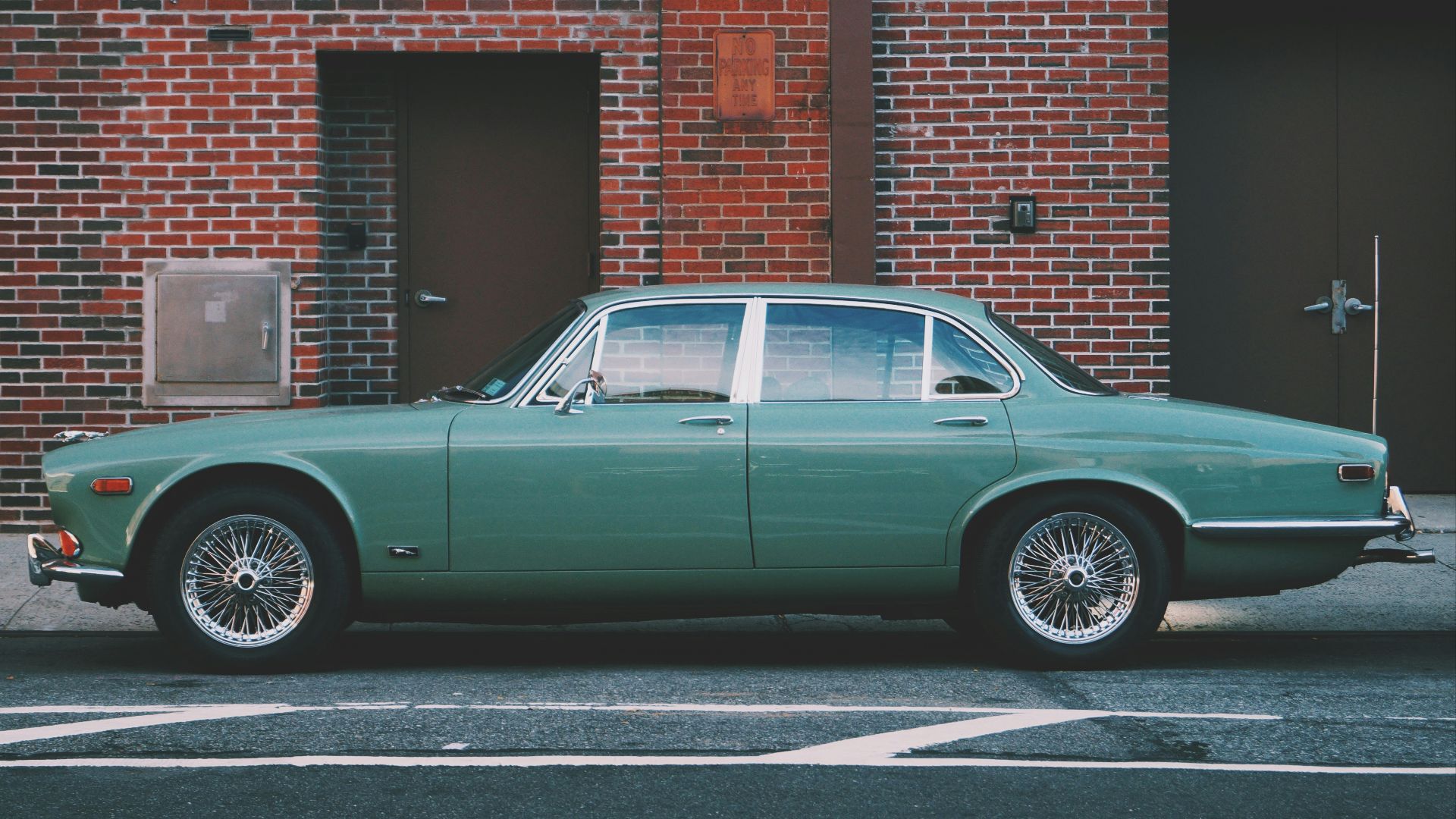
When automakers dramatically shift priorities, older models often gain appreciation in hindsight. A lightweight analog sports car becomes more valuable emotionally once the company moves toward heavier electrified models.

11. Owners Refuse to Sell Them
Strong owner attachment is often an early sign of future collectibility. When enthusiasts keep cars for years despite rising maintenance costs or newer alternatives, it usually reflects emotional value beyond simple transportation.

12. It Gets Better With Age Instead of Feeling Outdated
Some cars lose appeal quickly once newer technology arrives, while others become more charming over time. Simpler interiors, clean styling, and mechanical driving experiences often age gracefully. If enthusiasts still enjoy driving a model years later despite newer competition, that’s usually meaningful. Longevity matters in collector culture.
13. It Was Overlooked When New
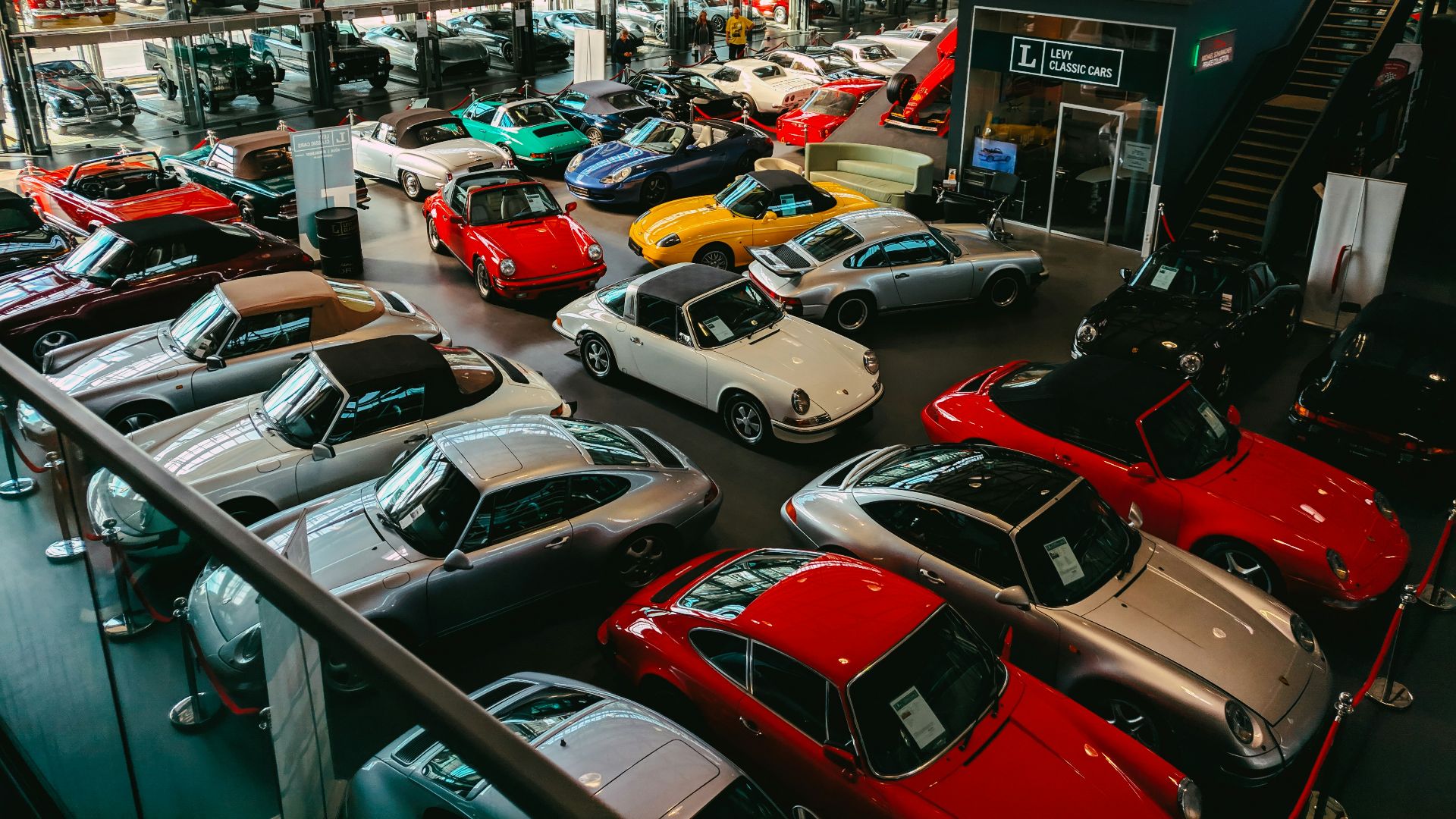
A surprising number of classics originally sold poorly or received little mainstream attention. Once production stops, enthusiasts sometimes realize those cars offered something unique that buyers missed initially.
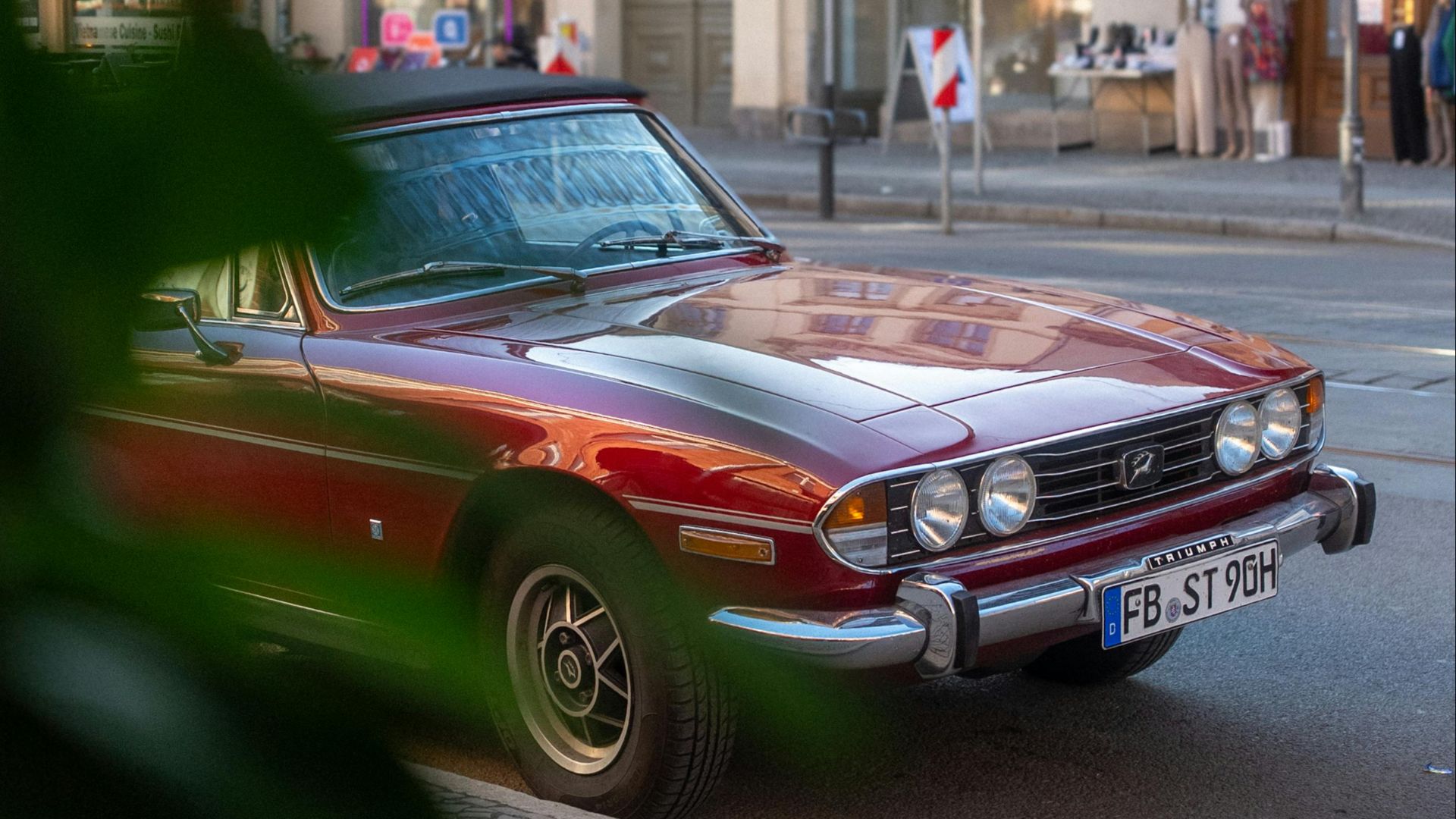
14. Modders and Purists Both Want It
Cars attracting both modification communities and originality-focused collectors often maintain strong long-term demand. Performance potential creates one audience while factory authenticity creates another. That broad appeal helps preserve relevance across generations of enthusiasts. Multiple enthusiast groups strengthen survivability.
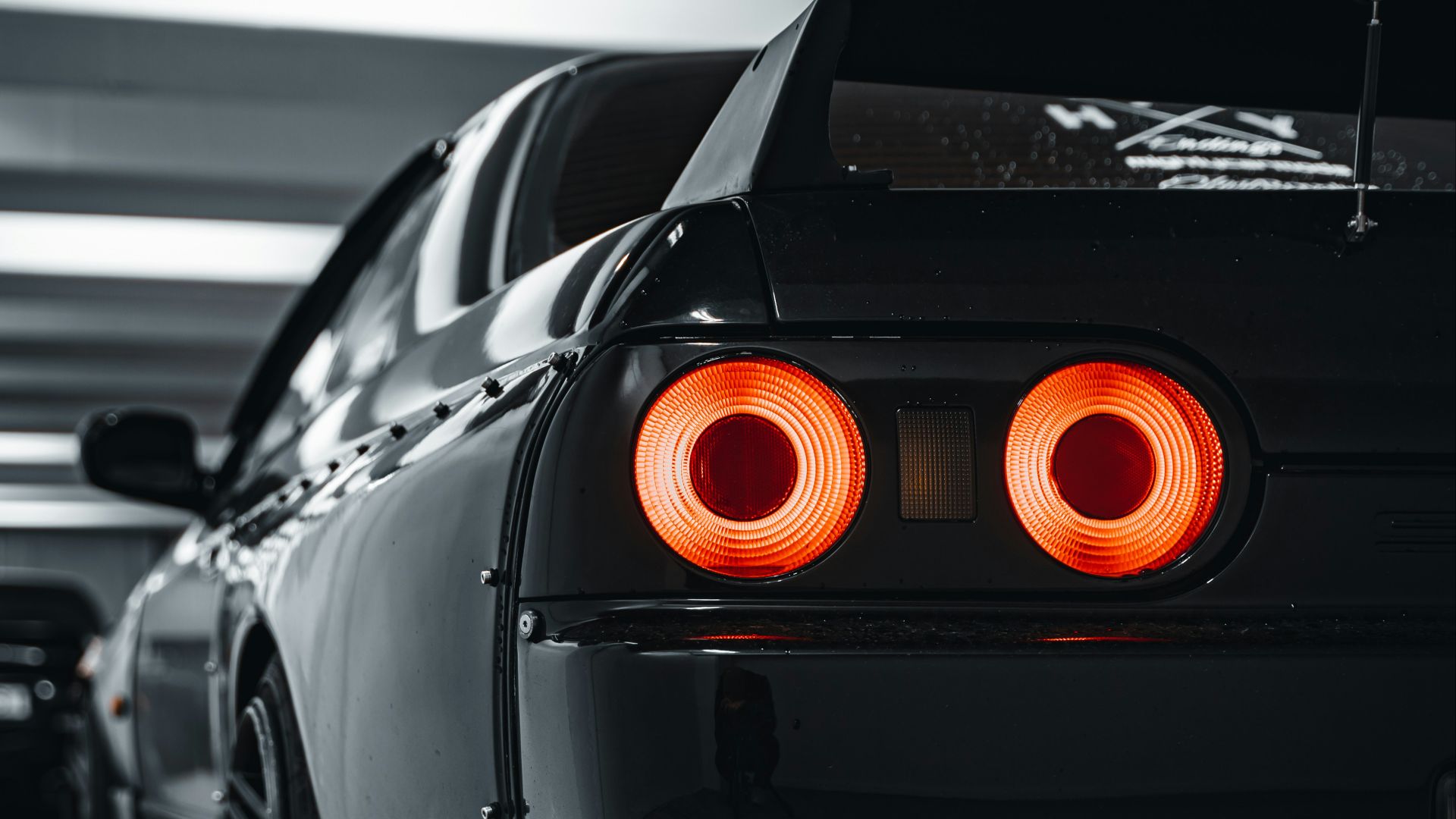 Patrik Storm (Alstra Pictures) on Unsplash
15. The Engine Has a Strong Reputation
Reliable, characterful, or unusually powerful engines often become central to a car’s long-term identity. Enthusiasts remember motors that sound special, rev uniquely, or handle modifications well. Once a powertrain earns legendary status, the surrounding vehicle often benefits too.
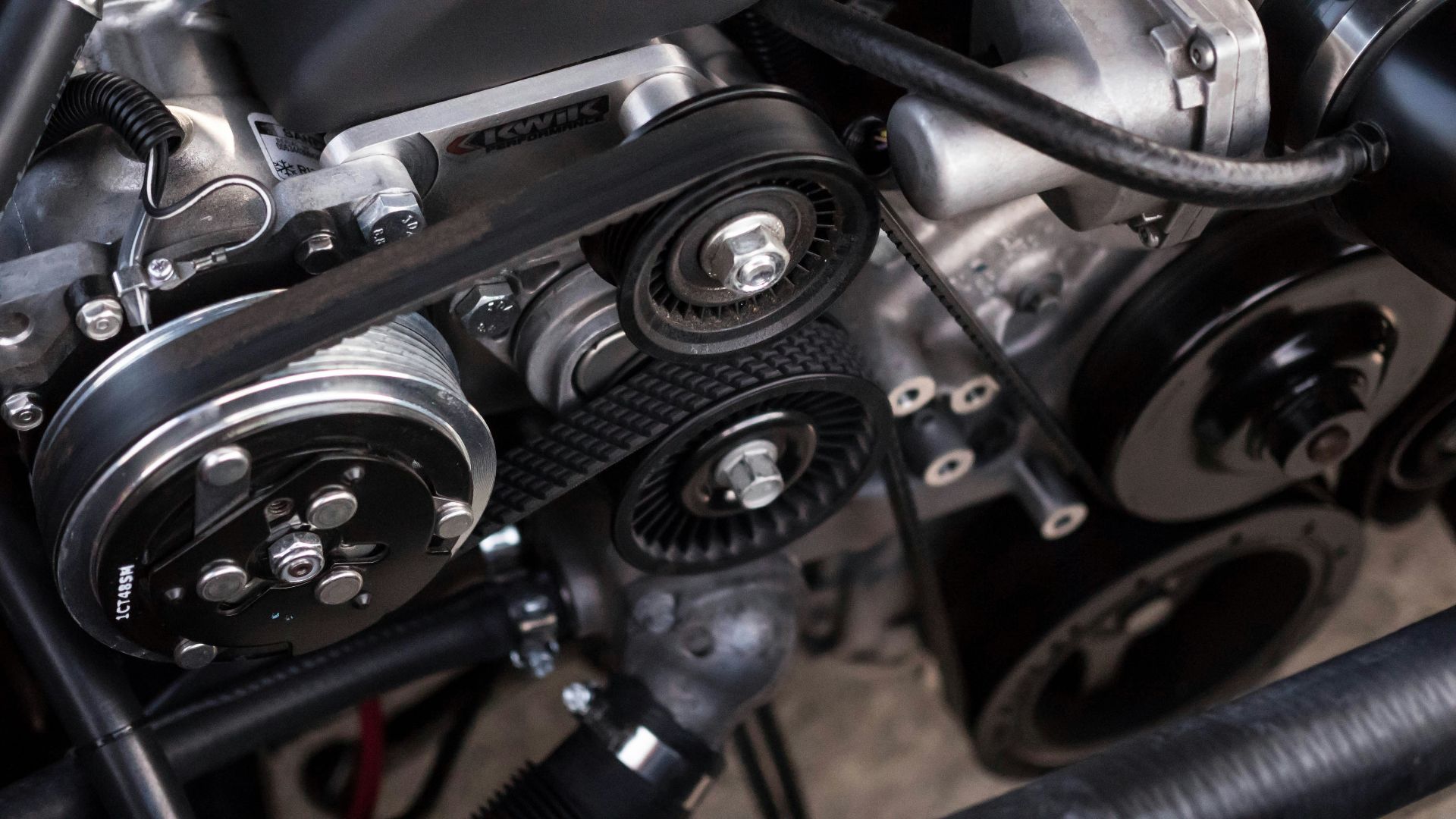
16. It Avoids Overcomplicated Features
Cars loaded with fragile experimental technology sometimes age poorly due to repair complexity and reliability concerns. Simpler enthusiast-focused cars often survive longer because they remain usable and maintainable.
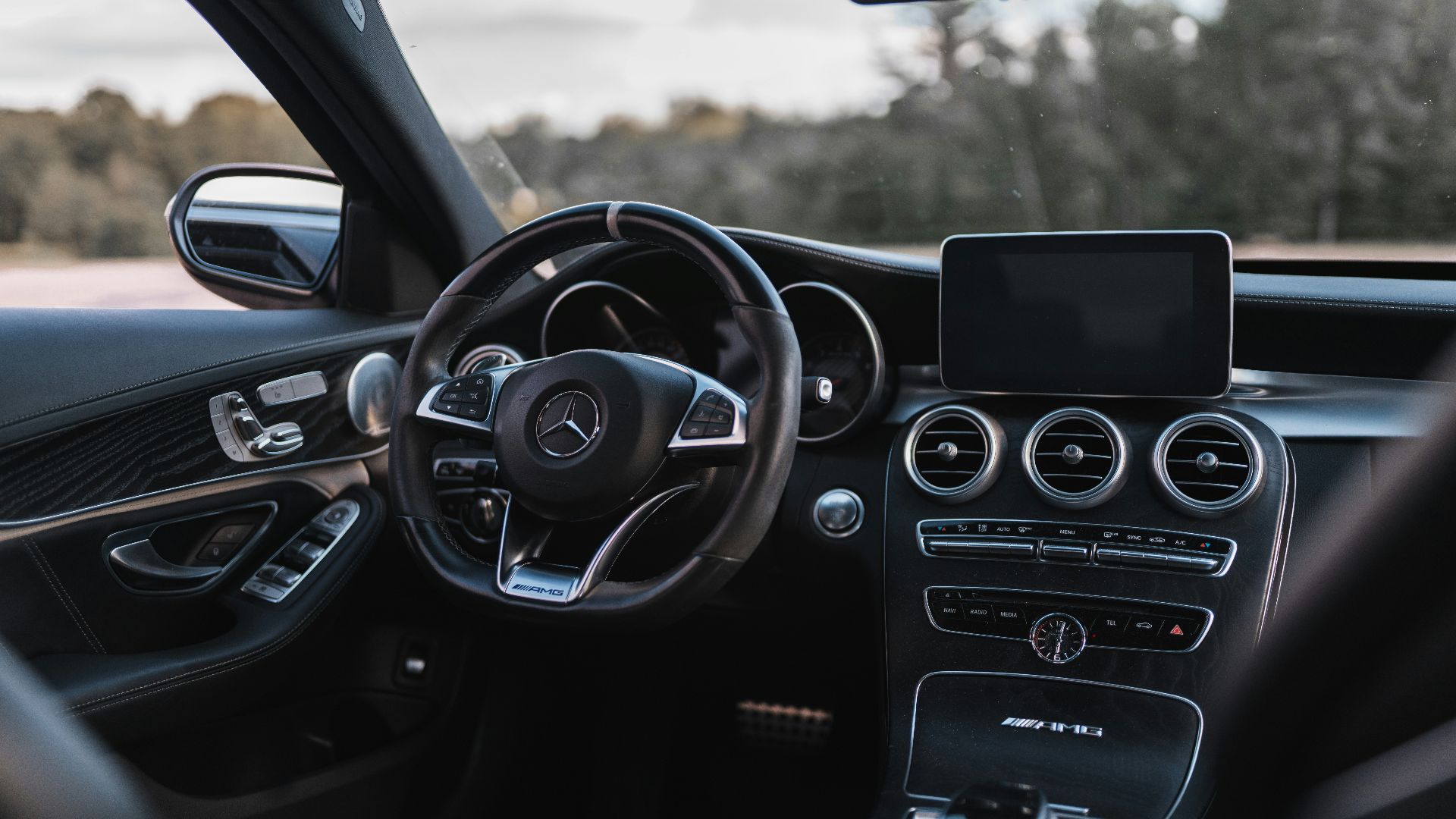
17. Clean Examples Become Hard to Find Quickly
Some vehicles get heavily modified, crashed, neglected, or driven into the ground early in life. Once original, well-maintained examples become rare, collector interest often rises sharply. Survivorship plays a huge role in future values. Scarcity within the surviving market matters just as much as original production numbers.
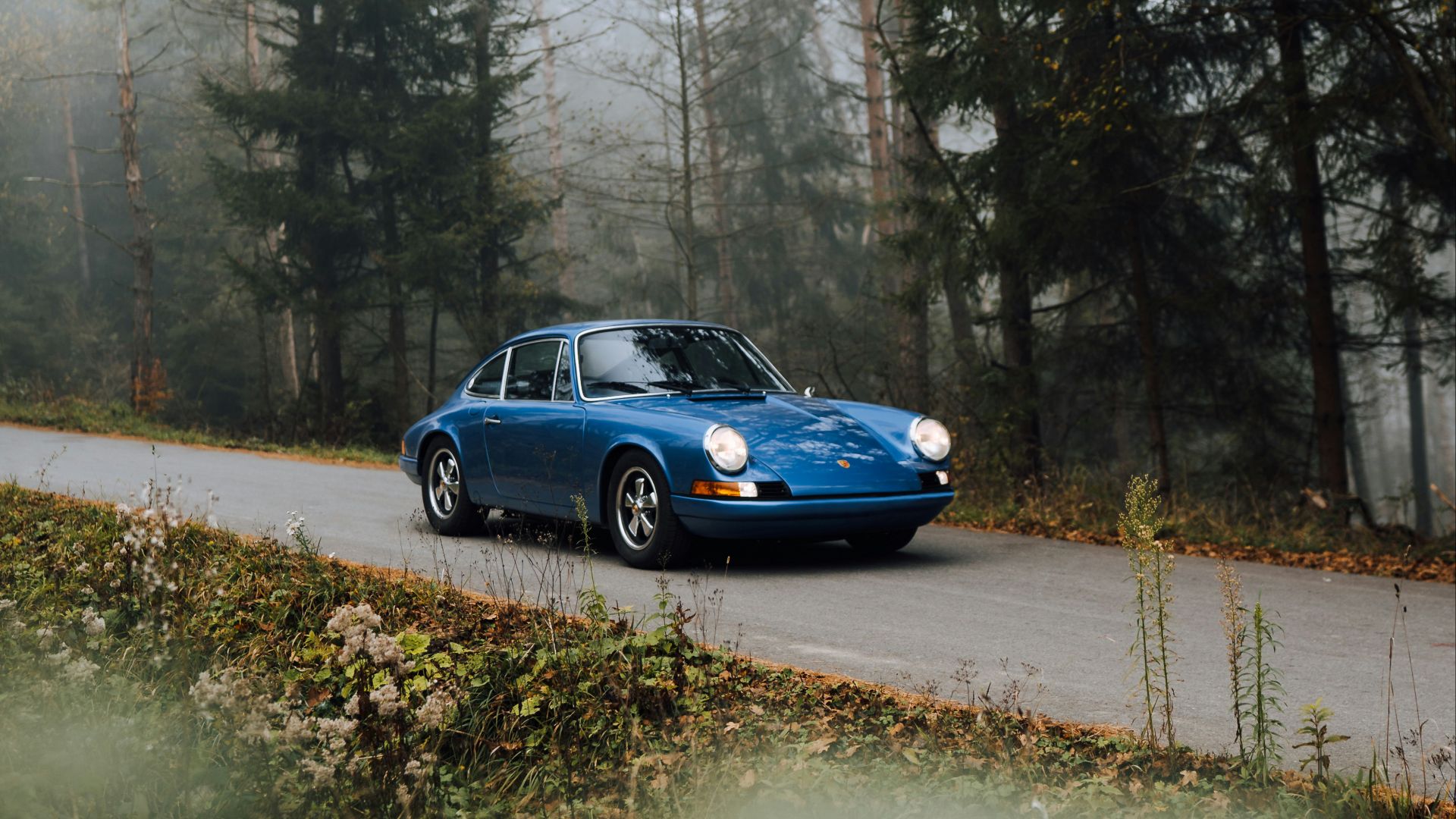
18. Younger Enthusiasts Obsess Over It
Cars that inspire posters, online communities, video game fandoms, or social media admiration early often build future demand naturally. Nostalgia heavily influences collector markets once younger enthusiasts gain purchasing power. Emotional attachment formed early tends to last decades. Cultural relevance matters as much as mechanical quality sometimes.
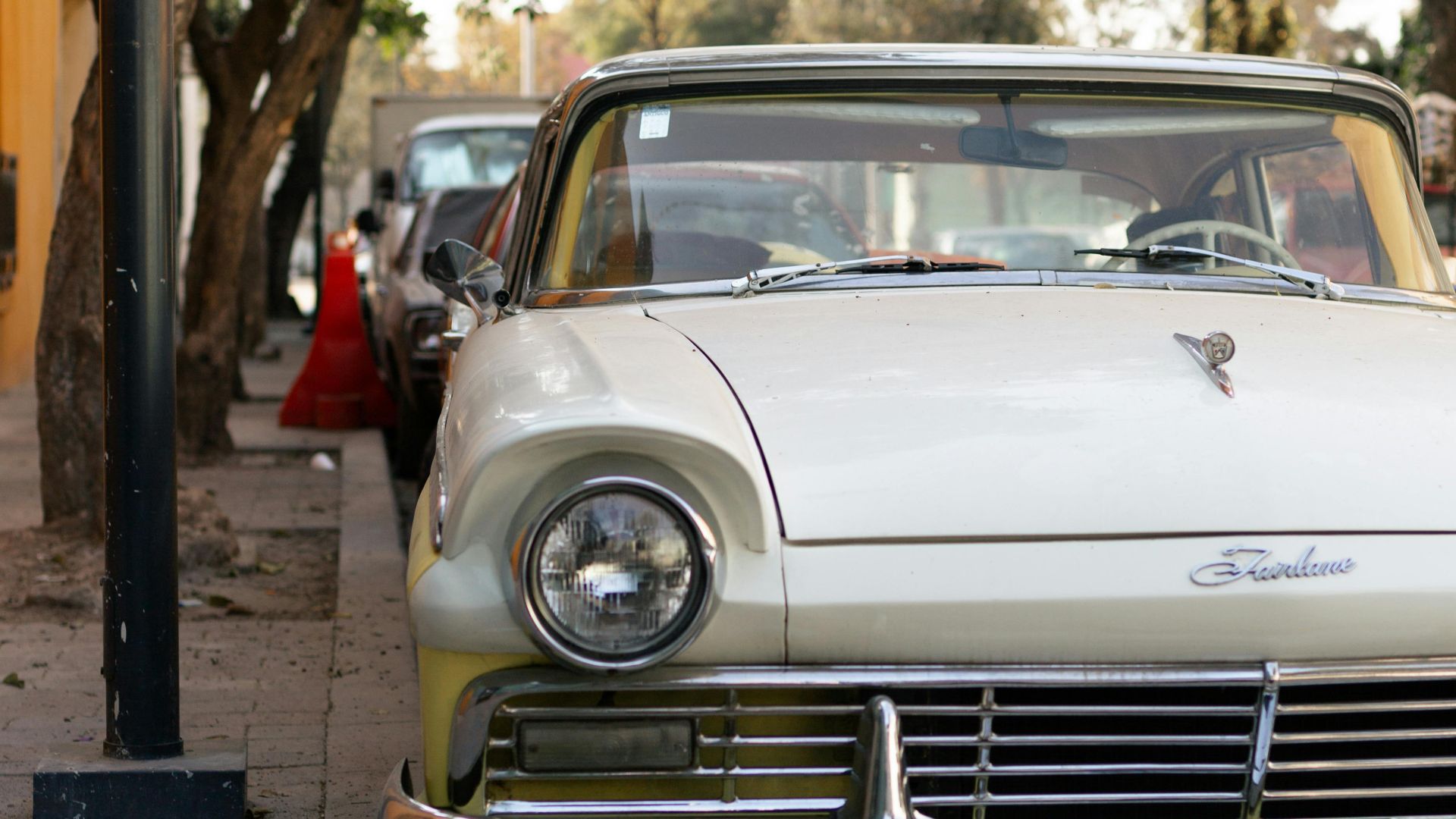
19. The Sound Alone Feels Memorable
As modern regulations continue quieting exhausts and changing powertrains, distinctive engine sounds become increasingly valuable emotionally. Cars with memorable exhaust notes or unique induction noise often gain a stronger nostalgic appeal later.
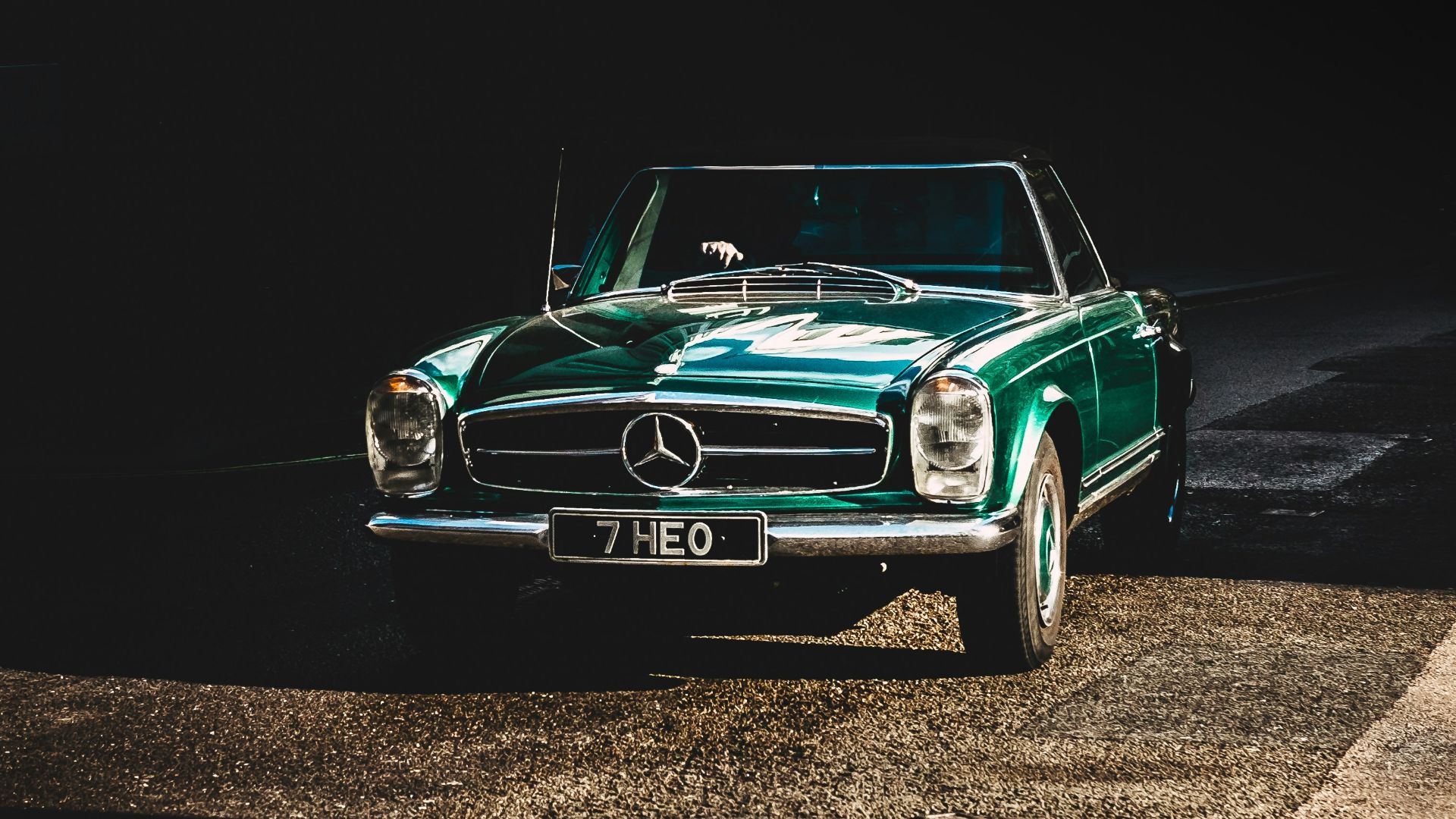
20. People Keep Saying “They Don’t Make Them Like This Anymore.”
This phrase usually appears when a car delivers something that's becoming increasingly rare in the industry. Lightweight construction, analog steering, mechanical simplicity, or emotional character often inspire that reaction.