
Parking is one of those driving habits people notice before they know anything else about you. A car left crooked across the lines, wedged too close to the next door, or spread over two spaces near the entrance tells people what to think. It may not be the whole truth, but it gives everyone walking past a pretty quick impression.
That doesn’t mean one rough parking job proves someone is careless. Parking lots are busy places, with drivers trying to do many things at once. With tens of thousands of crashes happening in parking lots and garage structures each year, it’s no surprise that there’s a larger story amid one person’s wonky parking job.
Parking Shows How Far Ahead You Think
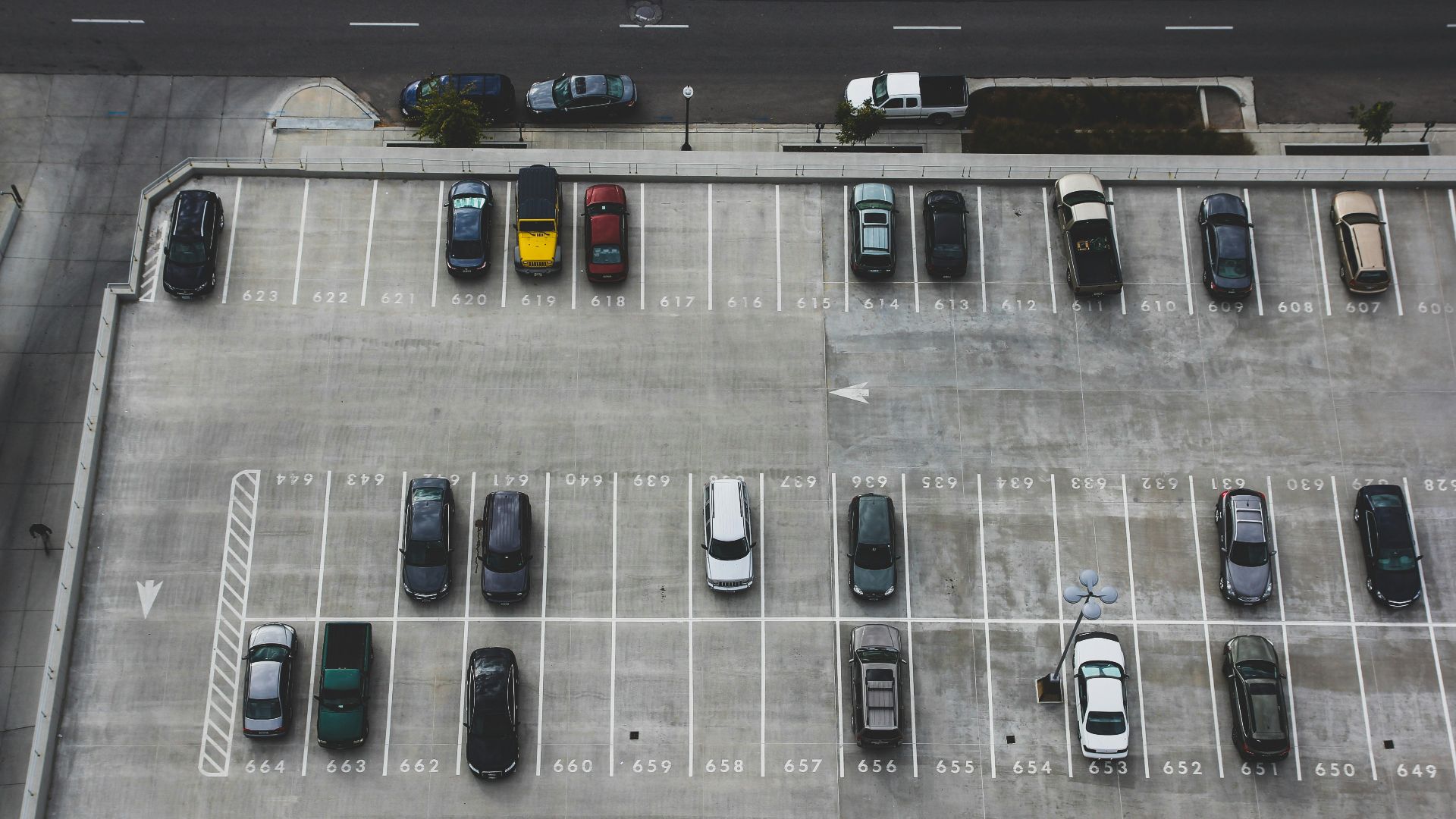
The driver who backs in or pulls through is usually thinking about the exit before the errand has even started. That can look a little fussy when there’s a line of cars behind them, but the reasoning is easy to understand. Leaving a space forward generally gives the driver a clearer look at pedestrians, carts, and passing traffic than blindly reversing out between two larger vehicles.
The National Safety Council specifically advises drivers to “pull through on arrival when possible and if it works with the flow of traffic”. That doesn’t make every back-in parker a safety expert, and it doesn’t mean every lot is designed for it. It does suggest that facing out can be the more practical choice, especially when the lot is crowded, dark, or full of people walking between rows.
There’s also a personality aspect to consider as well. The driver who spends a few extra seconds lining up now often wants the cleanest exit later. They may be cautious, particular, or just tired of reversing out next to tall SUVs. Either way, the move says they’re not treating parking as an afterthought.
Small Mistakes
A crooked parking job is easy to mock, but the first mistake isn’t always the most important part. Lots can be cramped, lines can be hard to see, and many modern vehicles have thick pillars, high beltlines, and awkward rear visibility. A driver can misjudge the angle on the way in without being hopeless behind the wheel. The louder message comes when they look at the result and decide it’s fine.
That’s where awareness comes in. A quick correction usually takes only a few seconds, and it can keep the next person from squeezing into half a space. Leaving the car crooked in a packed lot suggests the driver either didn’t notice or didn’t feel like fixing it. Neither option makes a great case for their attention to detail.
Technology helps, but it doesn’t take responsibility off the driver. NHTSA explains that backup cameras help drivers see behind a vehicle while reversing, but they aren’t a replacement for mirrors or turning around to look. That point matters because parking is full of close-range surprises, from a child walking behind a bumper to a cart rolling out from between cars. Screens and sensors are useful, but good parking still depends on the person using them.
The same goes for the driver hunting endlessly for the closest possible space. A study published in Frontiers in Psychology looked at 28 participants driving in downtown Toronto and found that searching for street parking increased perceived workload and changed drivers’ glance behavior. In real life, that shows up as the slow crawl behind shoppers, the long wait for a spot that may or may not open, and the distracted scan across every row. Sometimes the smarter move is taking the open space and walking a little farther.
Courtesy
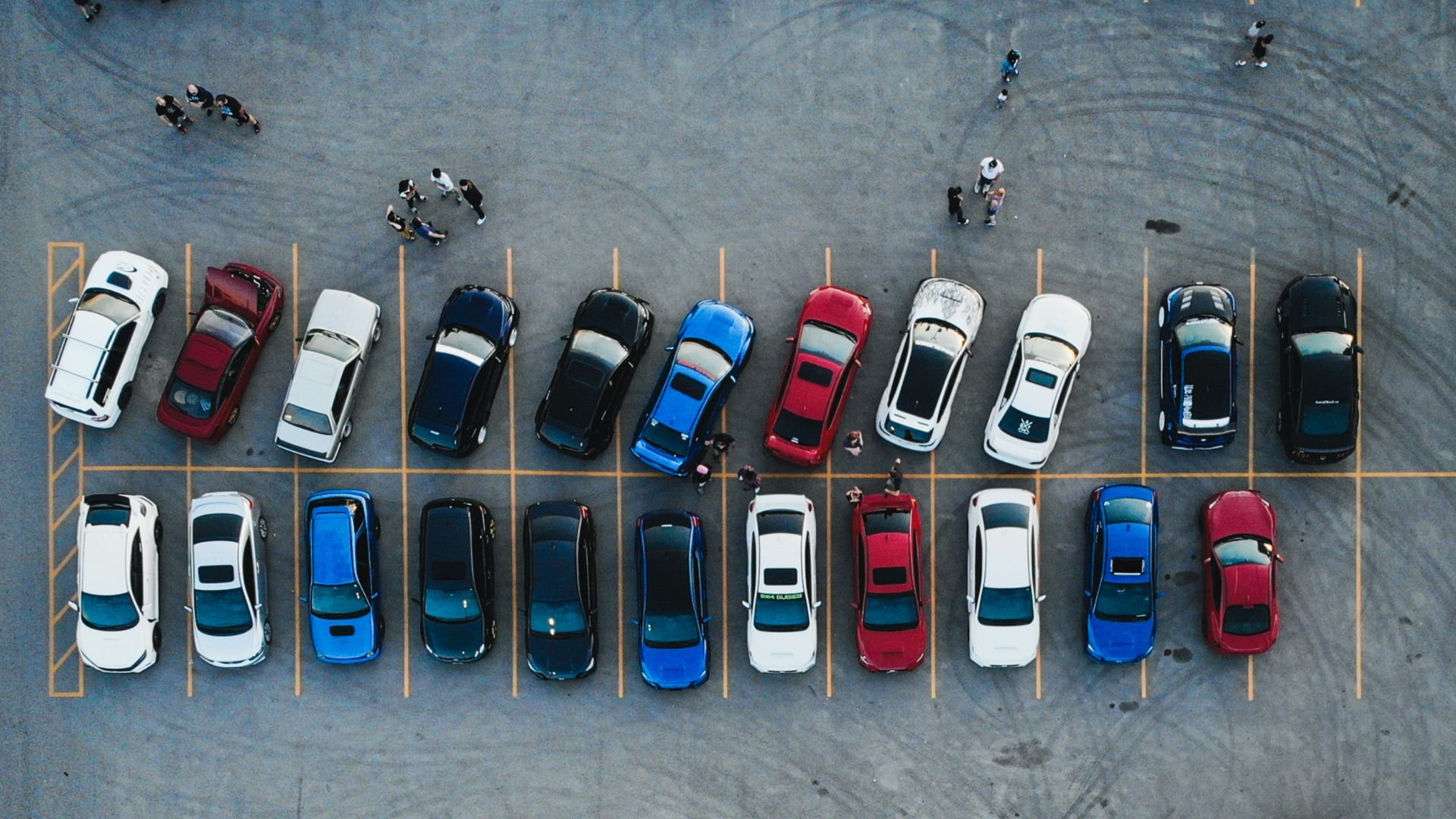
Two-space parking gets such a strong reaction because it feels wasteful. Sometimes it’s just a bad angle, worn-out striping, or a vehicle that’s too large for an older lot. Other times, especially when the car is close to the entrance and clearly planted across two spots, it’s seen as a deliberate choice. That choice usually says the driver values their convenience or paintwork over everyone else’s access.
Car people understand the fear of door dings. A clean classic, a freshly detailed sports car, or a carefully kept daily driver can make any owner hesitate before parking beside a battered minivan. The more considerate answer is usually simple: park farther away, where there’s more room and less door traffic. Protecting your car is reasonable, but making everyone else work around it is where other folks get frustrated. The faraway parker is usually seen as more considerate. They may care deeply about the car, but they’re willing to trade a short walk for space and peace of mind.
Basic parking etiquette also matters more than people think. Staying inside the lines, keeping crosswalks clear, avoiding fire lanes, and not blocking cart returns all play a role in how people perceive you. How you park doesn’t reveal your entire personality, and everyone has had an ugly attempt now and then. But what it does show is whether you notice the space around you, whether you think beyond your own door, and whether you’re willing to make things easier for the next person. A clean parking job won’t make anyone a saint, but it does make them easier to share pavement with.