The Shine Can Lie
A used car can look perfectly fine in a driveway. The paint shines, the tires hold air, the seller has a friendly story, and suddenly the whole thing starts feeling less risky than it is. Most buyers know to check the mileage and ask about accidents, but the real warnings are often smaller and easier to explain away. They show up in smells, sounds, gaps, paperwork, and little moments when something feels just a bit too rehearsed. Here are 20 used car red flags normal buyers miss.

1. A Warm Engine When You Arrive
A car that has already been warmed up can hide a lot. Cold starts reveal weak batteries, rough idles, smoke, ticking, and hesitation that disappear once the engine settles. If the hood is warm before the test drive, it is worth asking why.

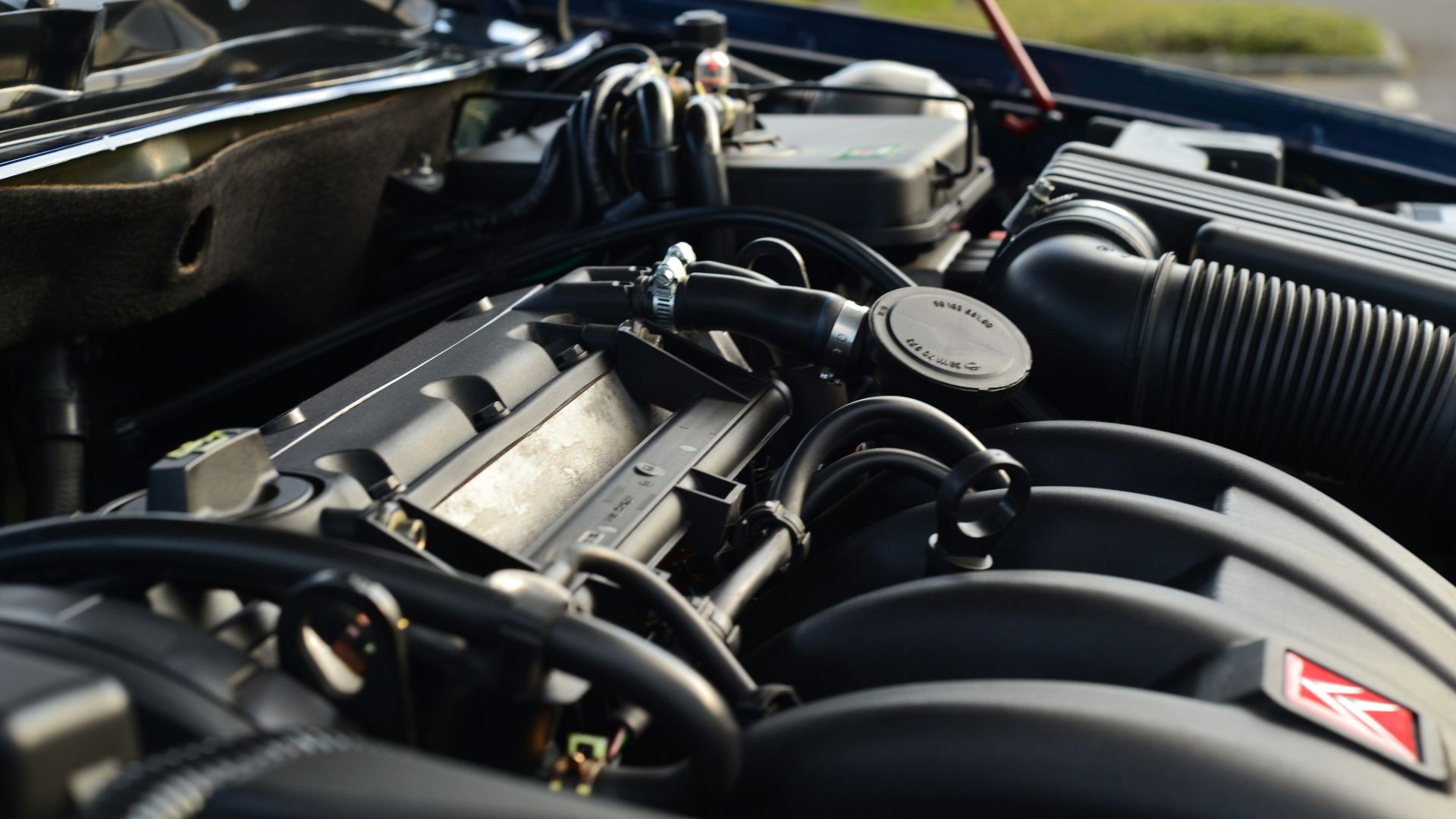
2. Freshly Cleaned Engine Bay
A clean engine bay looks responsible at first glance. But if it is spotless in a way the rest of the car is not, someone may be washing away oil leaks, coolant stains, or old grime that tells a more honest story. Dust is not always bad; sometimes it is evidence.
3. Strong Air Freshener
One little air freshener is normal. Three hanging from the mirror, plus a vent clip and a scented spray smell, usually means something is being covered. Smoke, mildew, pet odor, and flood smells have a way of coming back after the perfume fades.

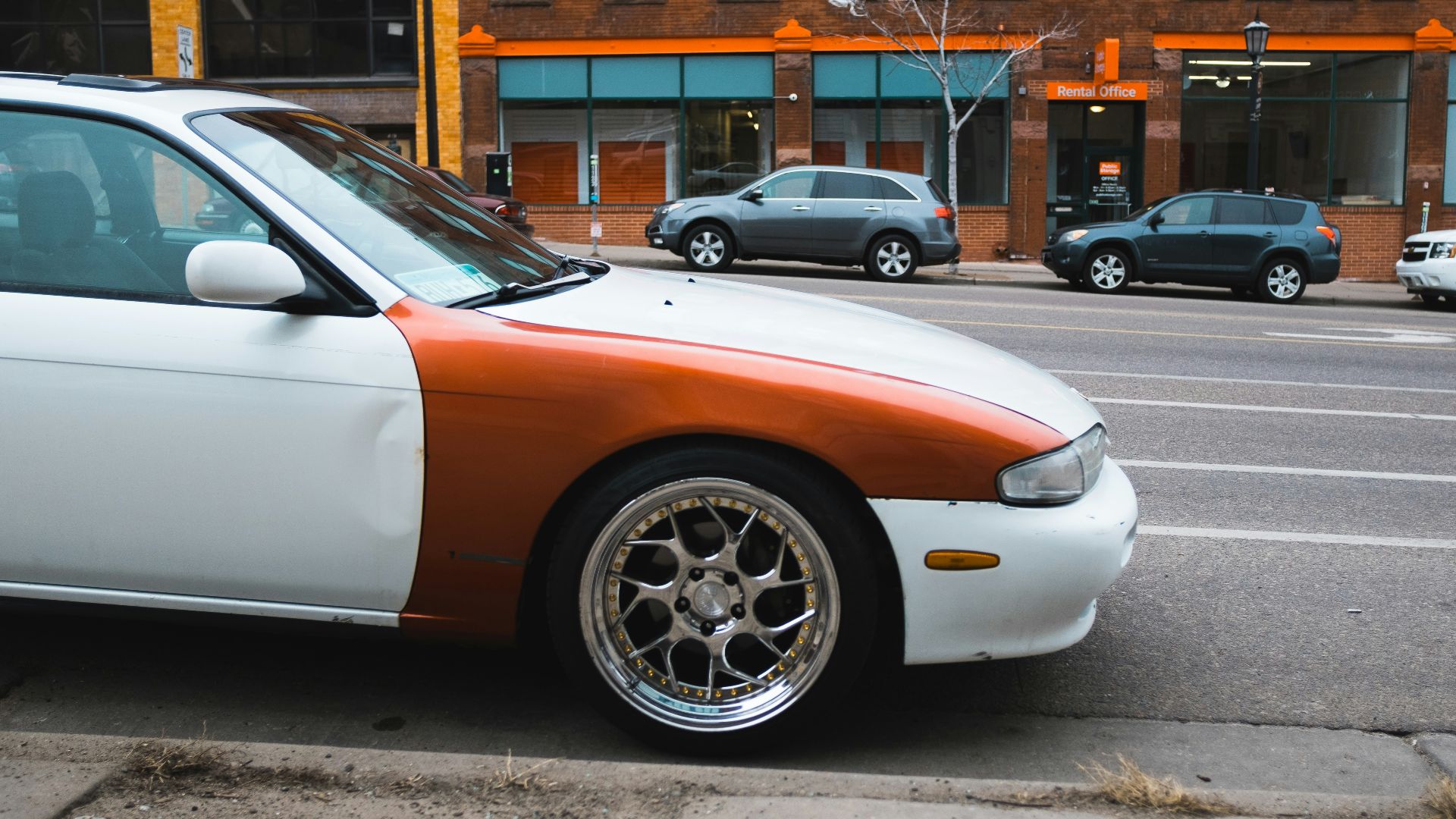
4. Mismatched Paint
Paint does not have to be perfect on a used car, but panels should look like they belong to the same vehicle. A door, bumper, or fender that catches light differently may point to body work. That does not automatically kill the deal, but it should change the questions.
5. Uneven Panel Gaps
Look at the spaces around the hood, trunk, and doors. If one side is tight and the other side has a wide gap, the car may have been repaired after a crash. Good repairs exist, but sloppy gaps often mean sloppy work underneath.
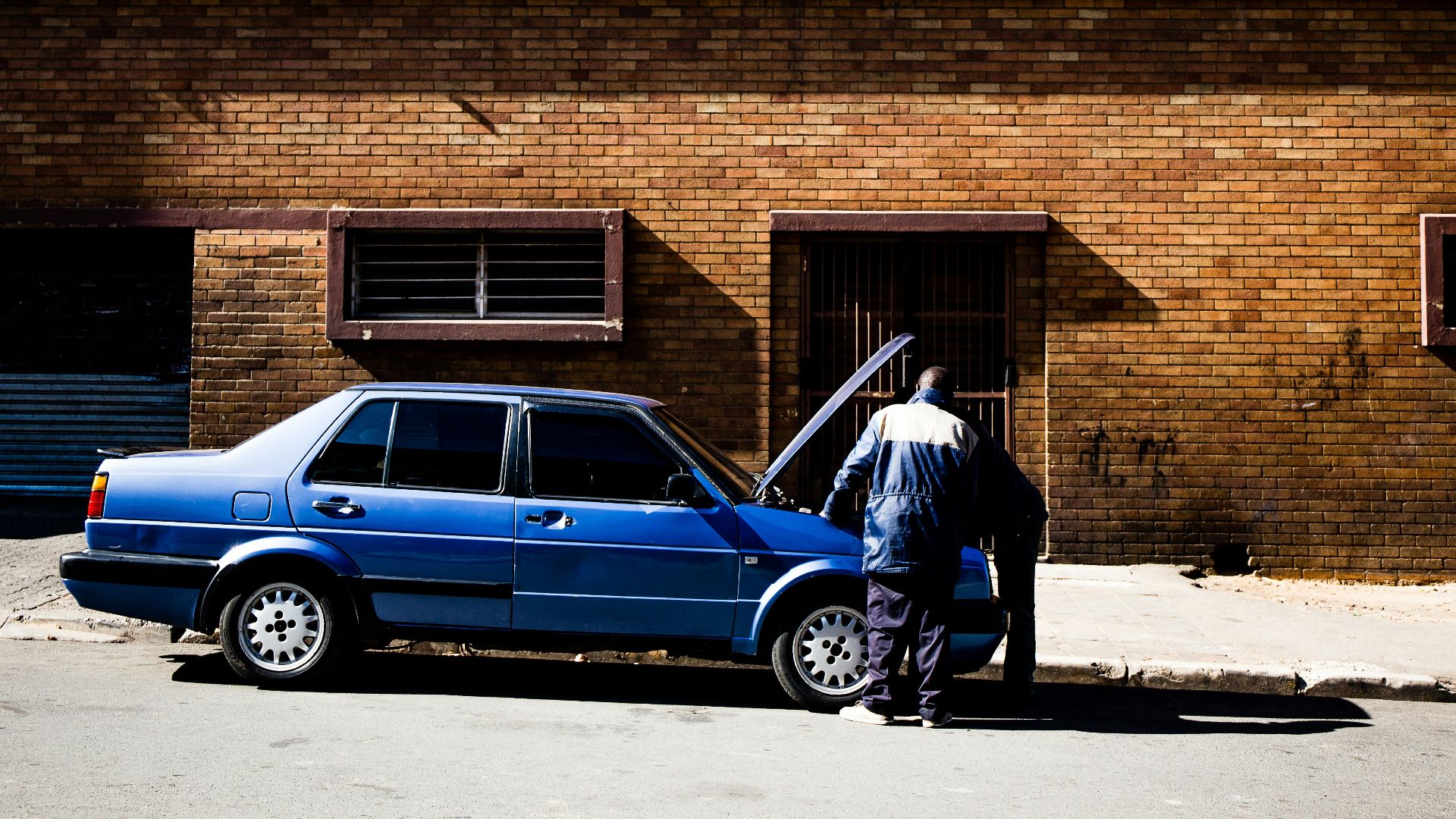
6. New Tires On A Rough Car
New tires can be a nice bonus, but they can also distract from bigger problems. A seller may throw on cheap tires to make a worn-out car look refreshed. If the suspension clunks, pulls, or feels loose, the tires are not the story.
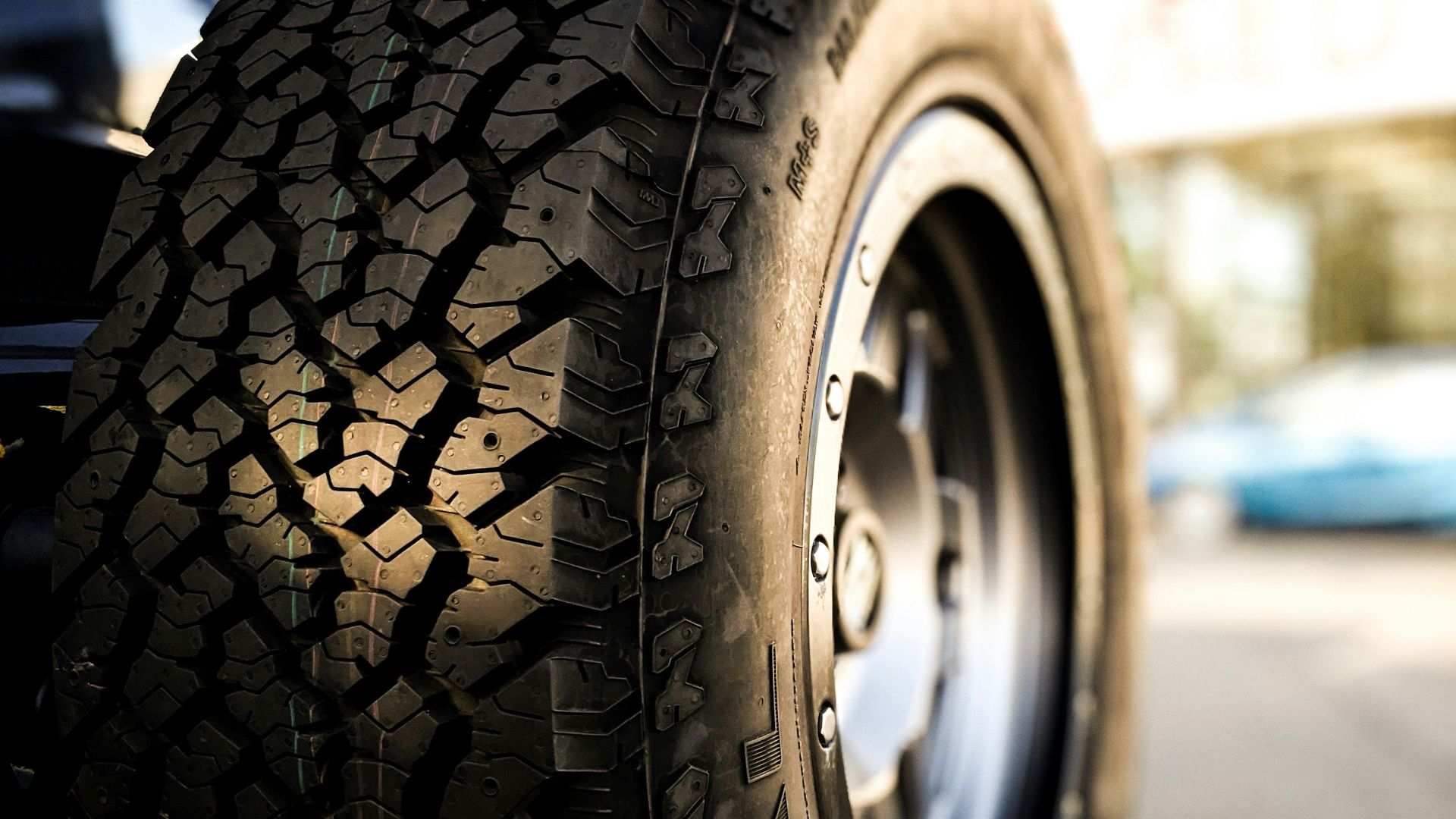
7. Uneven Tire Wear
Tires tell on a car. Heavy wear on one edge can mean bad alignment, tired suspension parts, or past damage that was never corrected. Even if the tires still have tread, uneven wear can point to repairs waiting nearby.
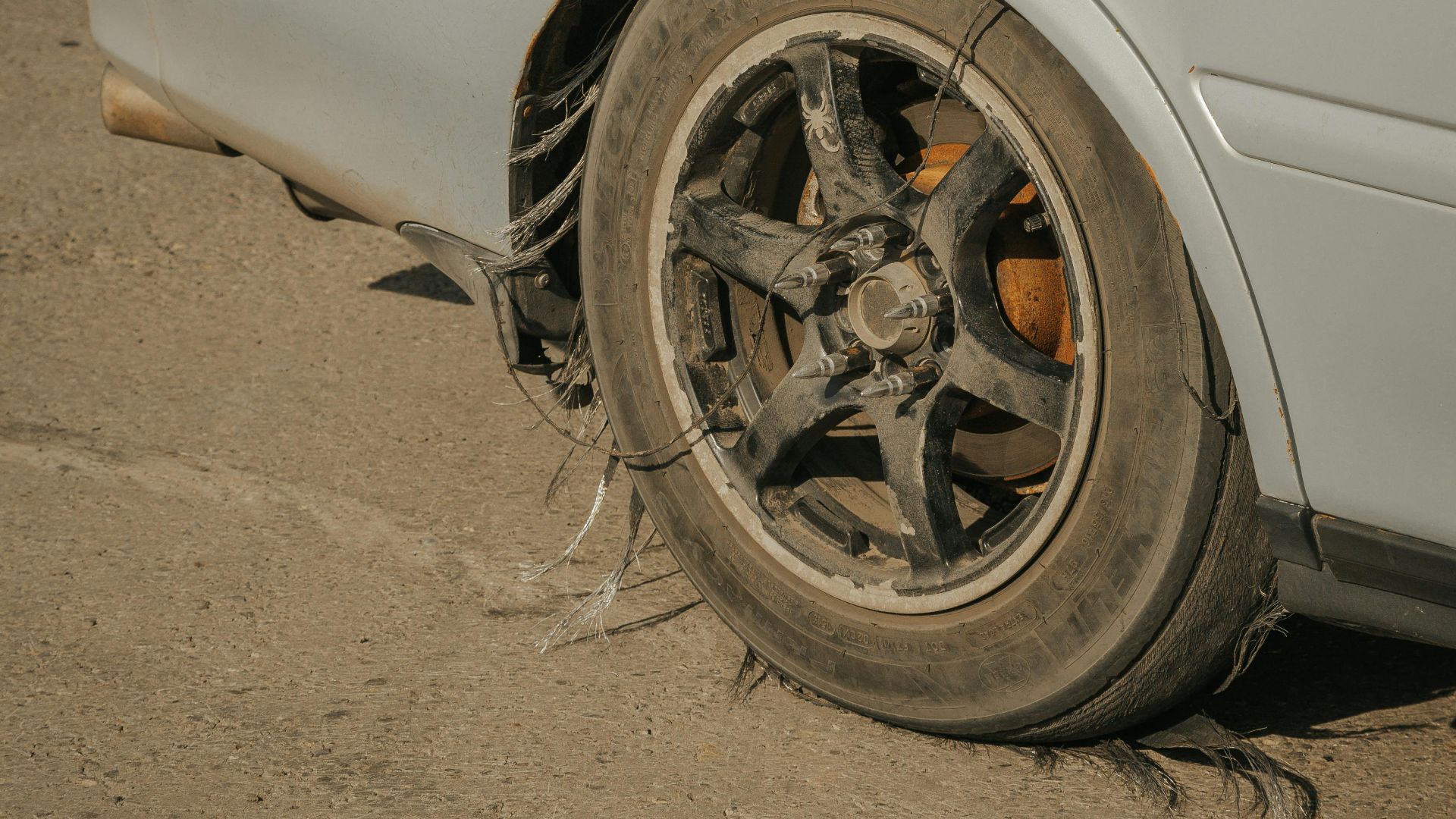
8. A Seller Who Avoids Paperwork
A smooth talker with no records is still a problem. Maintenance receipts, title history, inspection papers, and registration details matter because they anchor the story to something real. When everything is supposedly fine but nothing can be shown, caution is earned.

9. Title Confusion
The title should be boring. If it is missing, not in the seller’s name, branded, rebuilt, or tied up in some vague explanation about a cousin or a bank, slow down. Title problems can follow a car long after the seller disappears.

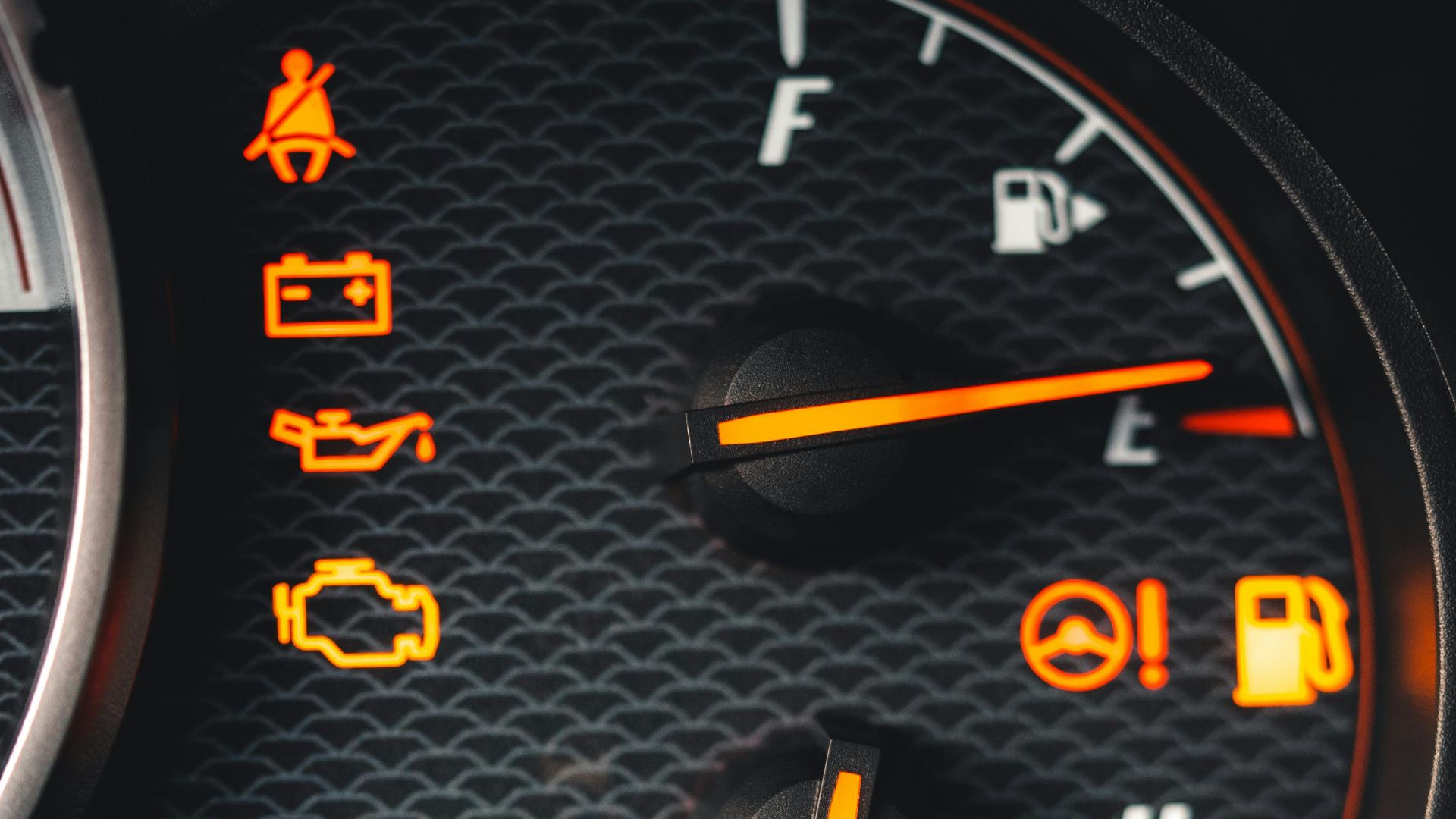
10. Warning Lights That “Just Need Resetting”
A dashboard light is not always expensive, but the phrase just needs resetting should make your ears perk up. Sensors, emissions systems, airbags, and transmission faults can all hide behind that little glow. If it is truly nothing, a mechanic can confirm it.
11. Too Many Recent Repairs
A stack of recent repairs sounds reassuring until you notice they all happened in the last month. That can mean the owner was chasing problems and finally gave up. A car that was lovingly maintained for years feels different from one patched together for sale.
12. Low Coolant Or Oil
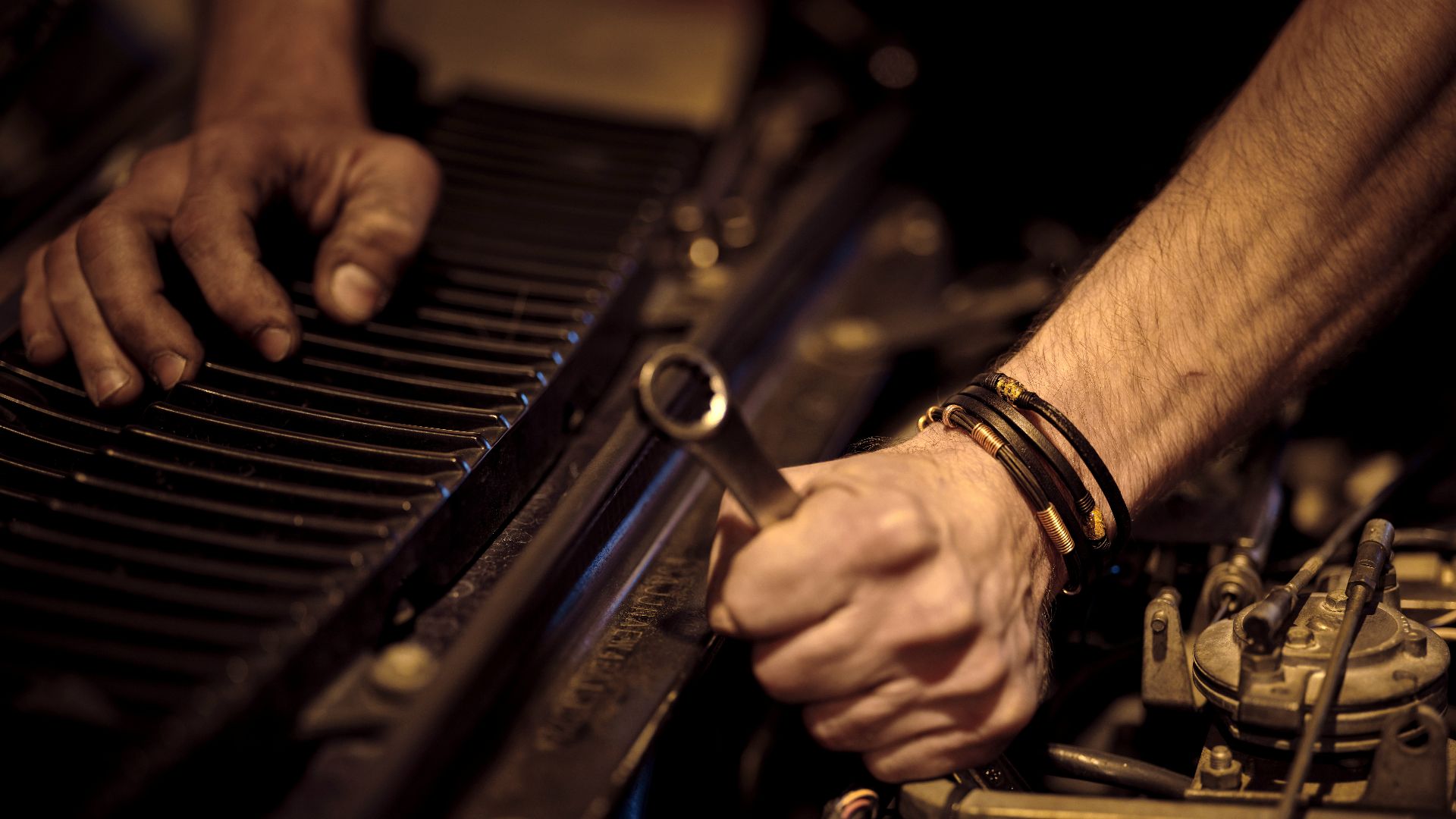
Fluids should not be mysterious. Low oil, low coolant, milky residue, burnt smells, or glittery metal flakes are all signs to take seriously. A seller may say they just forgot to top it off, but engines usually remember neglect.
13. Damp Carpets
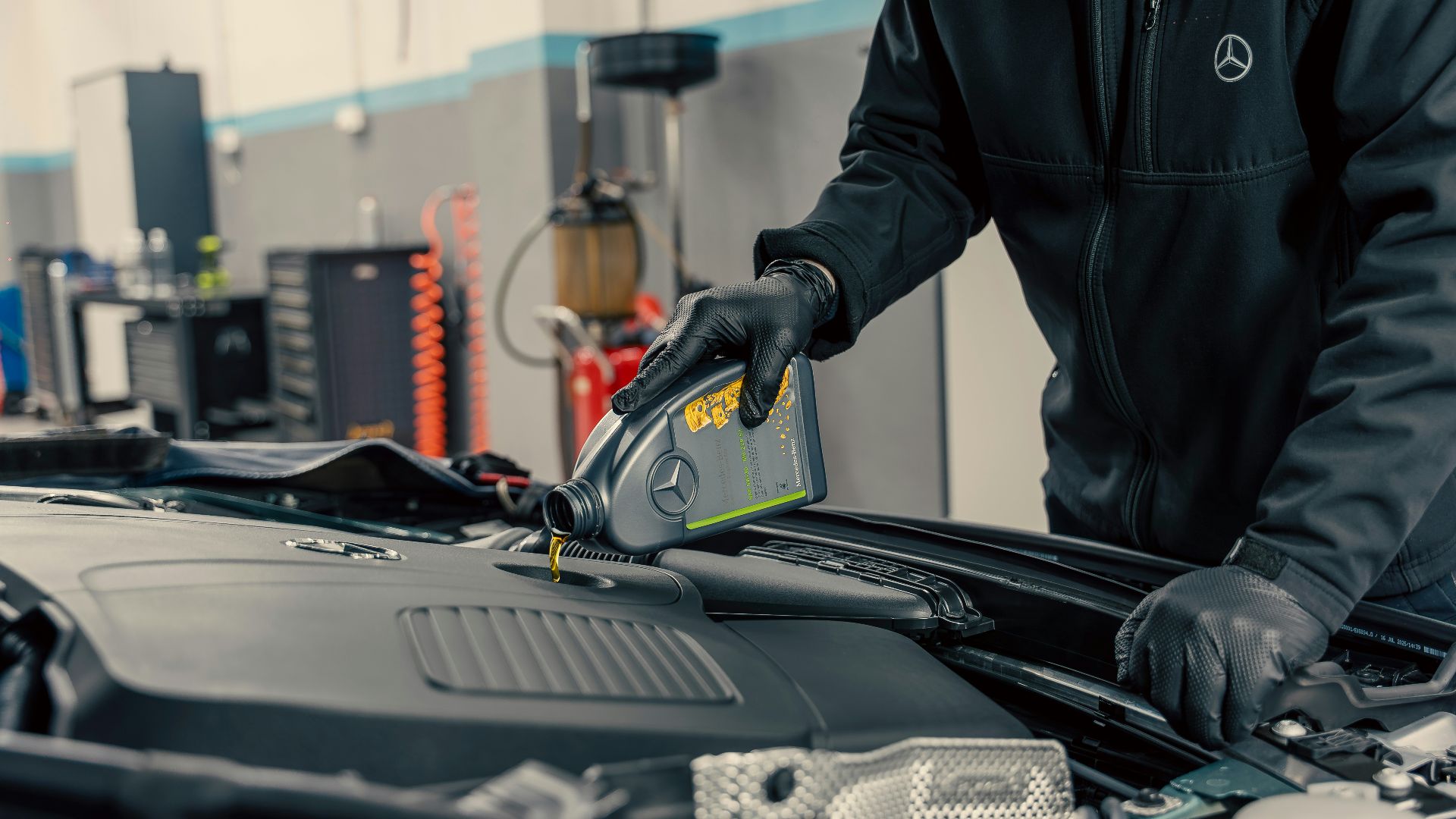
Wet carpet is easy to miss if you are focused on the seats and screen. Press your hand into the floor mats, trunk lining, and spare tire well. Dampness can point to leaks, poor repairs, or flood history, and none of those are small headaches.
14. Rust In Odd Places
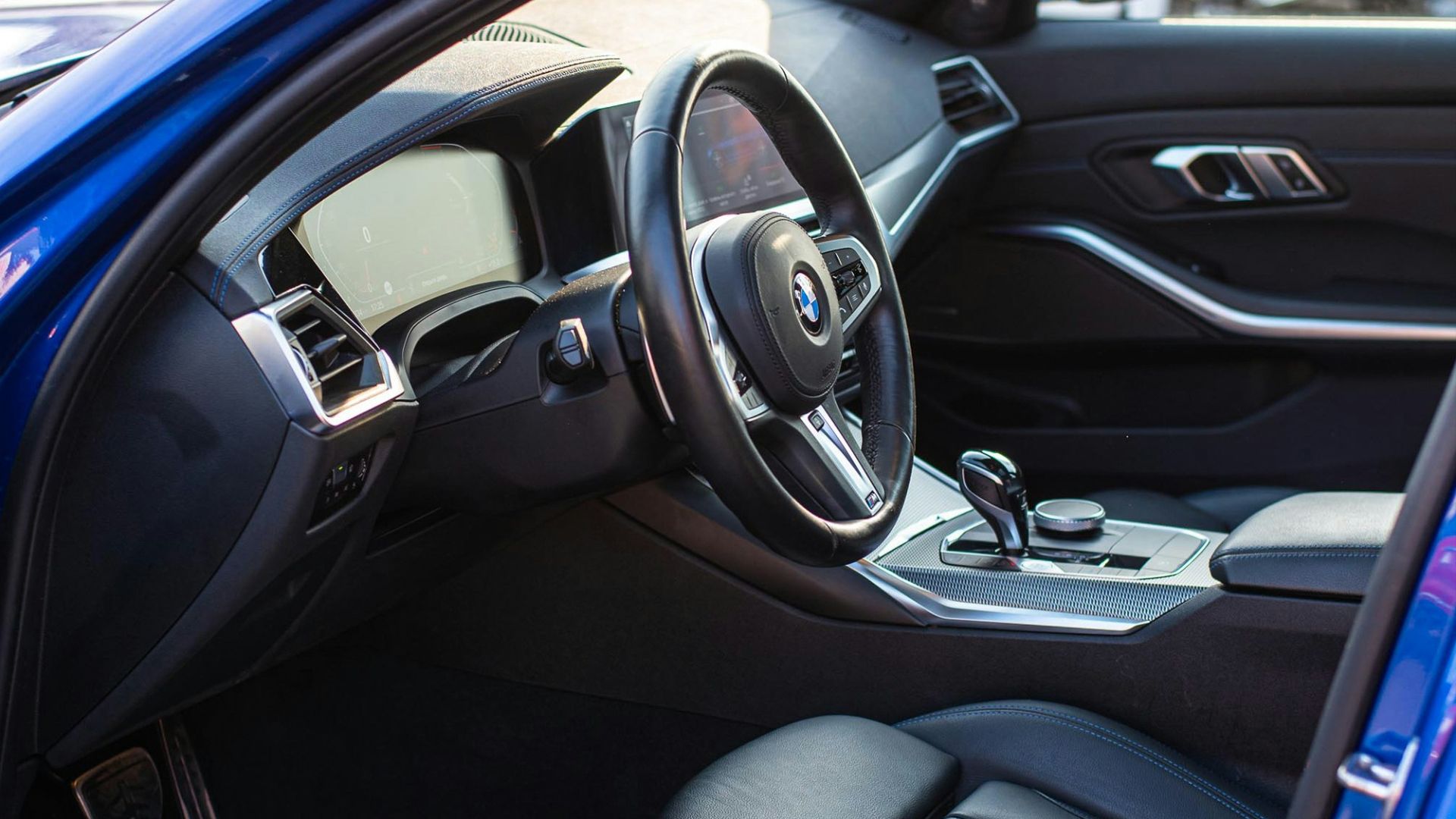
Rust on an old exhaust pipe is one thing. Rust around door jambs, seat rails, trunk seams, or under the carpet is more concerning. Hidden rust suggests water has been sitting where it should not, and metal problems rarely get cheaper with time.
15. A Test Drive That Stays Too Short
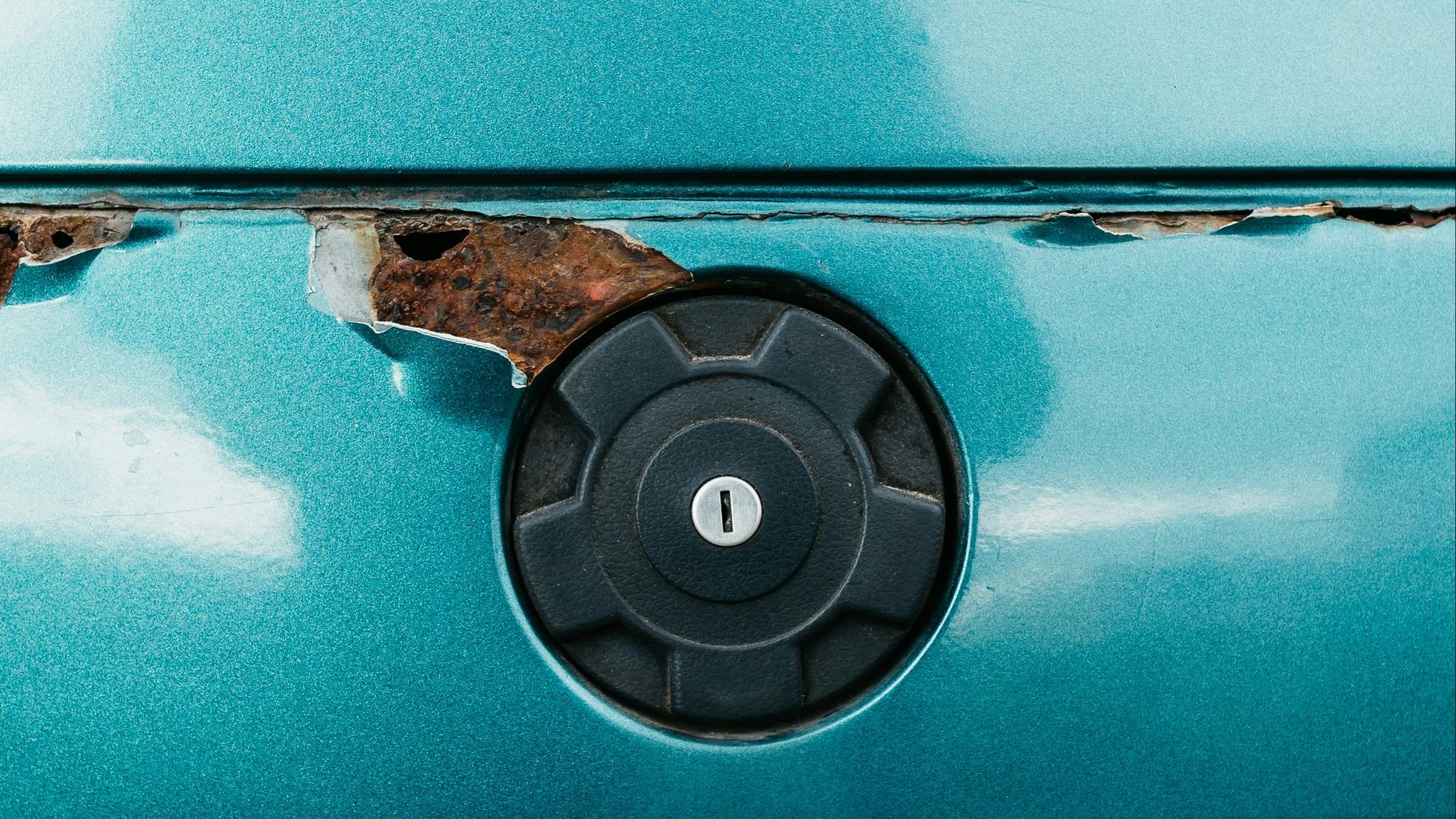
A five-minute loop around quiet streets does not tell you much. You need stops, turns, bumps, acceleration, braking, and a little highway speed if possible. If the seller keeps the drive short or avoids certain roads, pay attention.

16. Pulling Under Braking
A car that pulls when braking is trying to say something. It could be alignment, tires, brakes, suspension, or uneven wear, but none of those should be waved off. Good used cars do not need you to fight the steering wheel.

17. Transmission Hesitation
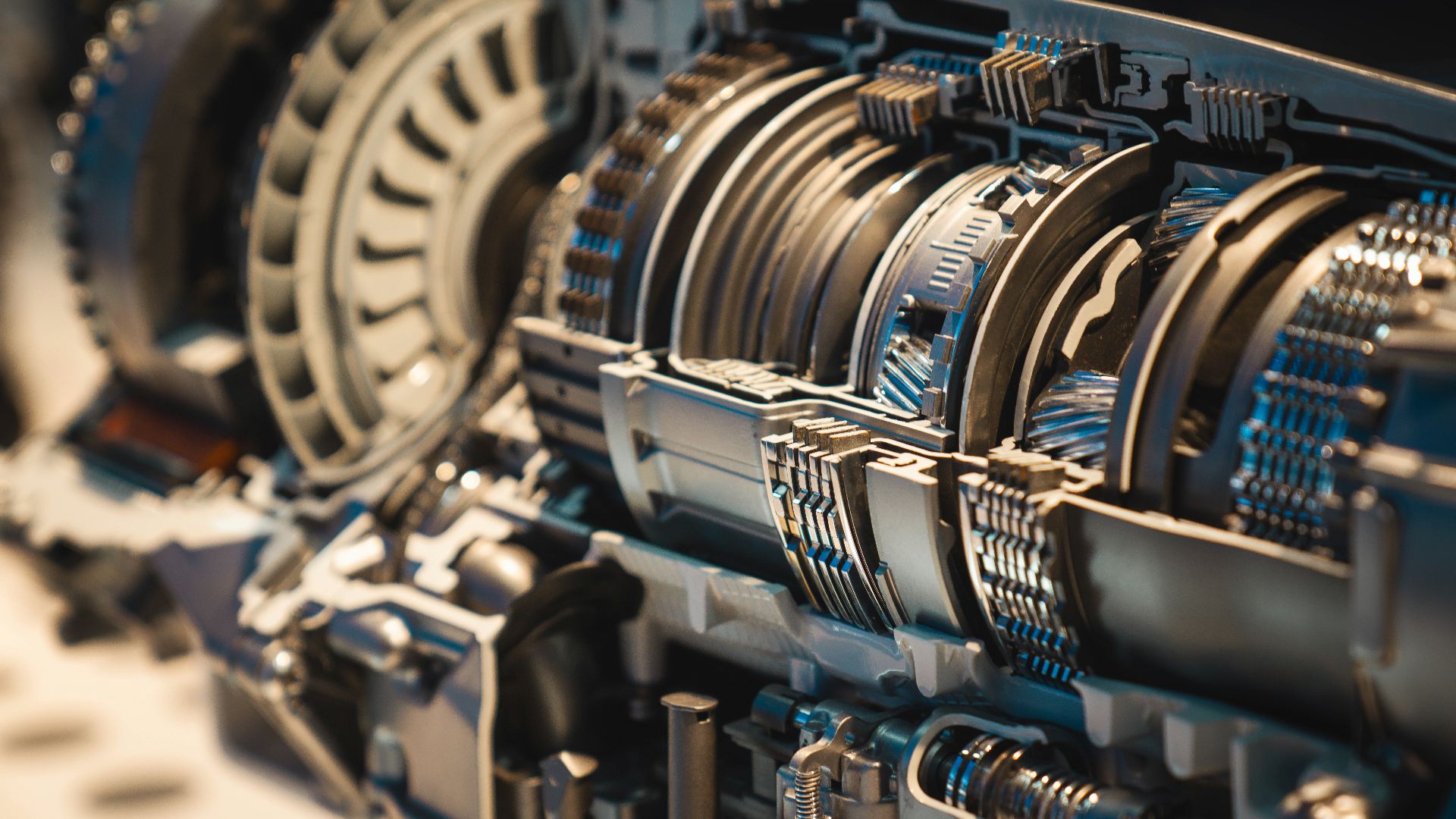
Transmission problems often start as small pauses. A delayed shift, a hard clunk, or a strange flare in revs can be easy to dismiss during a nervous test drive. Repairs can be expensive enough that even one odd shift deserves a second look.
18. Overly Perfect Photos
Great photos are not a red flag by themselves, but photos that avoid corners, close-ups, tires, seats, and the dashboard can be strategic. Some listings show the same flattering angle five times and nothing useful. A seller who hides the boring details may also be hiding the important ones.

19. Pressure To Decide Fast
There is always another buyer, at least according to the person selling the car. Real urgency can happen, but pressure is also a classic way to keep you from thinking clearly. A good deal should survive a mechanic’s inspection and a night of sleep.

20. Your Own Need For It To Work Out
This is the red flag buyers miss because it does not come from the car. It comes from wanting the search to be over. When the price works, the color is right, or the seller seems decent enough, you can start turning every warning into something manageable. That is exactly when it pays to pause, because the car you want to believe in is often the one you need to inspect the hardest.