The Overlooked Jobs Behind Every Green Flag
Most fans remember the driver’s last-lap move, the pit stop that went wrong, or the radio call that made everyone at home lean toward the TV. The work around those moments is much bigger than the few people we see on camera. A race weekend depends on engineers, mechanics, logistics staff, officials, medical teams, and media workers who all have to be ready before the cars roll out. Their jobs can be tense, technical, and repetitive, but without their detail-oriented minds, racing fans would have much bigger problems to worry about. These are 20 racing support careers fans rarely think about.
1. Race Engineer
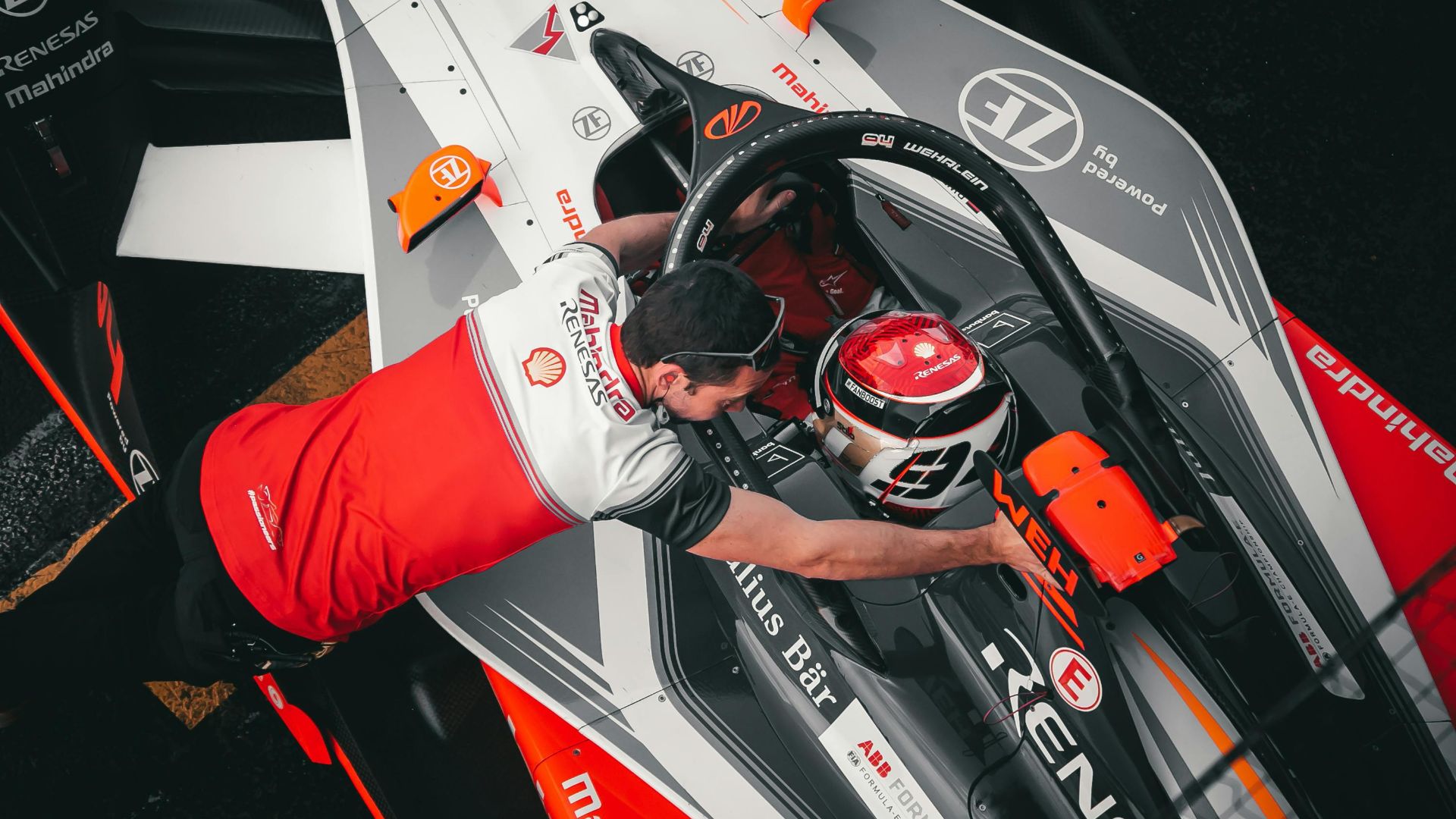
A race engineer is usually the driver’s main technical contact. They listen to feedback from the cockpit, compare it with car data, and help shape setup choices as the track changes from practice to qualifying to race day. When a driver says the rear feels nervous through a fast corner, this is the person who’s trying to solve that problem.
2. Performance Engineer
Performance engineers spend their time reading lap times, telemetry, balance notes, and run-to-run changes. They help the team understand whether the car is actually improving, or where time is being lost.
3. Strategy Engineer
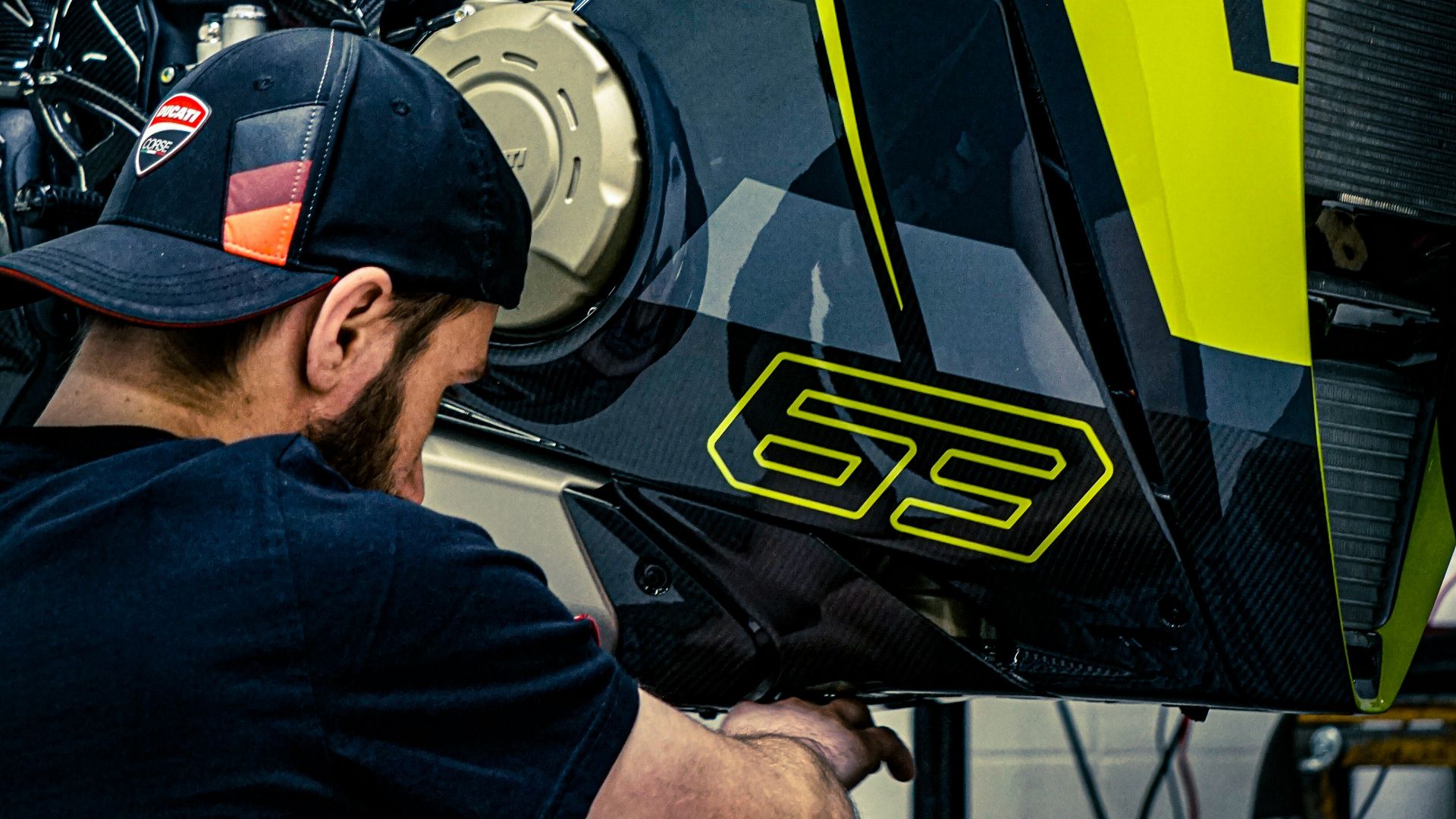
Strategy engineers plan pit windows, tire choices, traffic gaps, and race scenarios. They also have to react quickly when the weather shifts, a rival pits early, or if the driver is having safety concerns.
4. Pit Crew Member
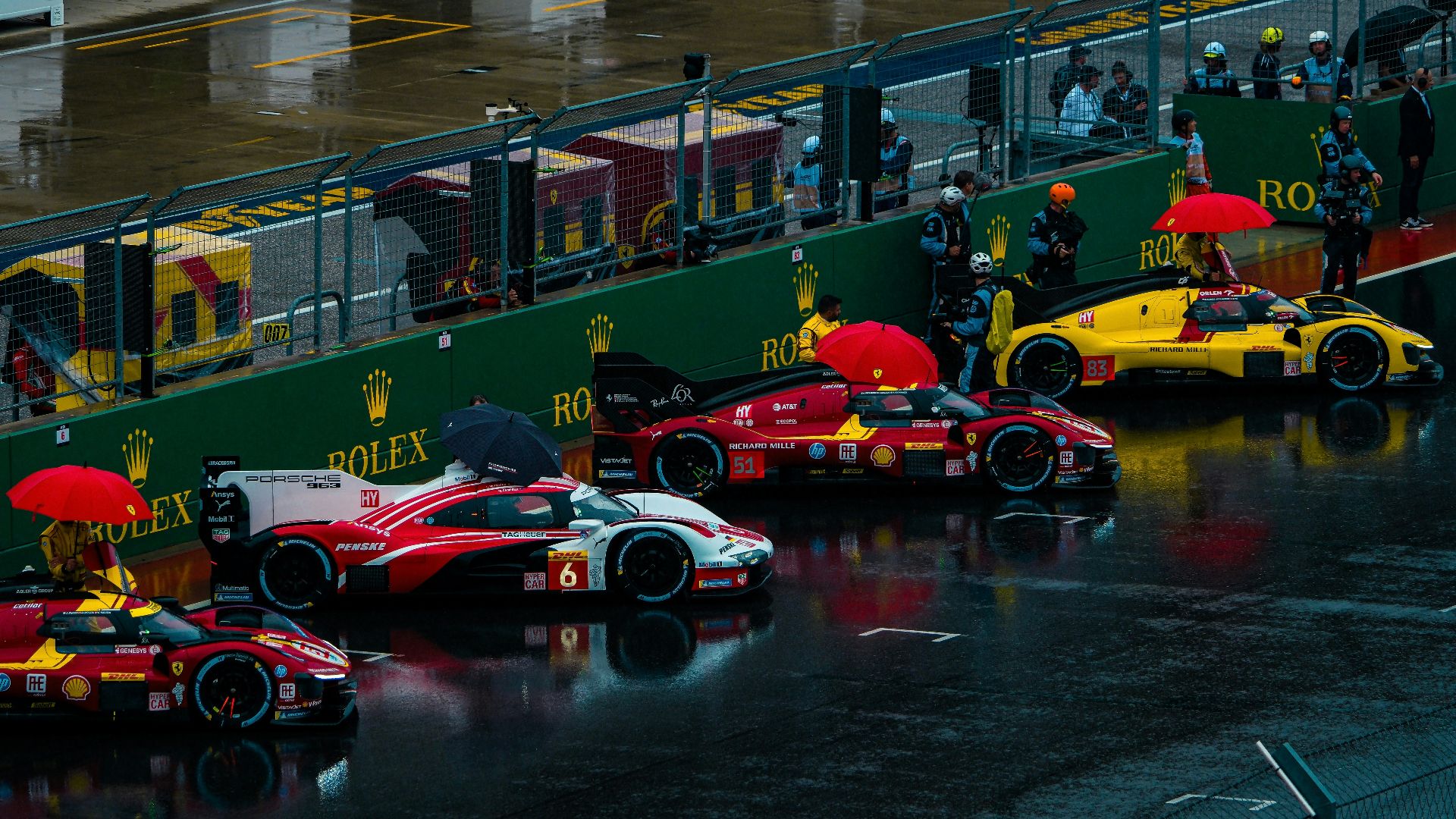
Pit crew members handle the quick service work fans see for only a few seconds. Wheel changes, small adjustments, and emergency fixes take hours and hours of practice.
5. No. 1 Mechanic
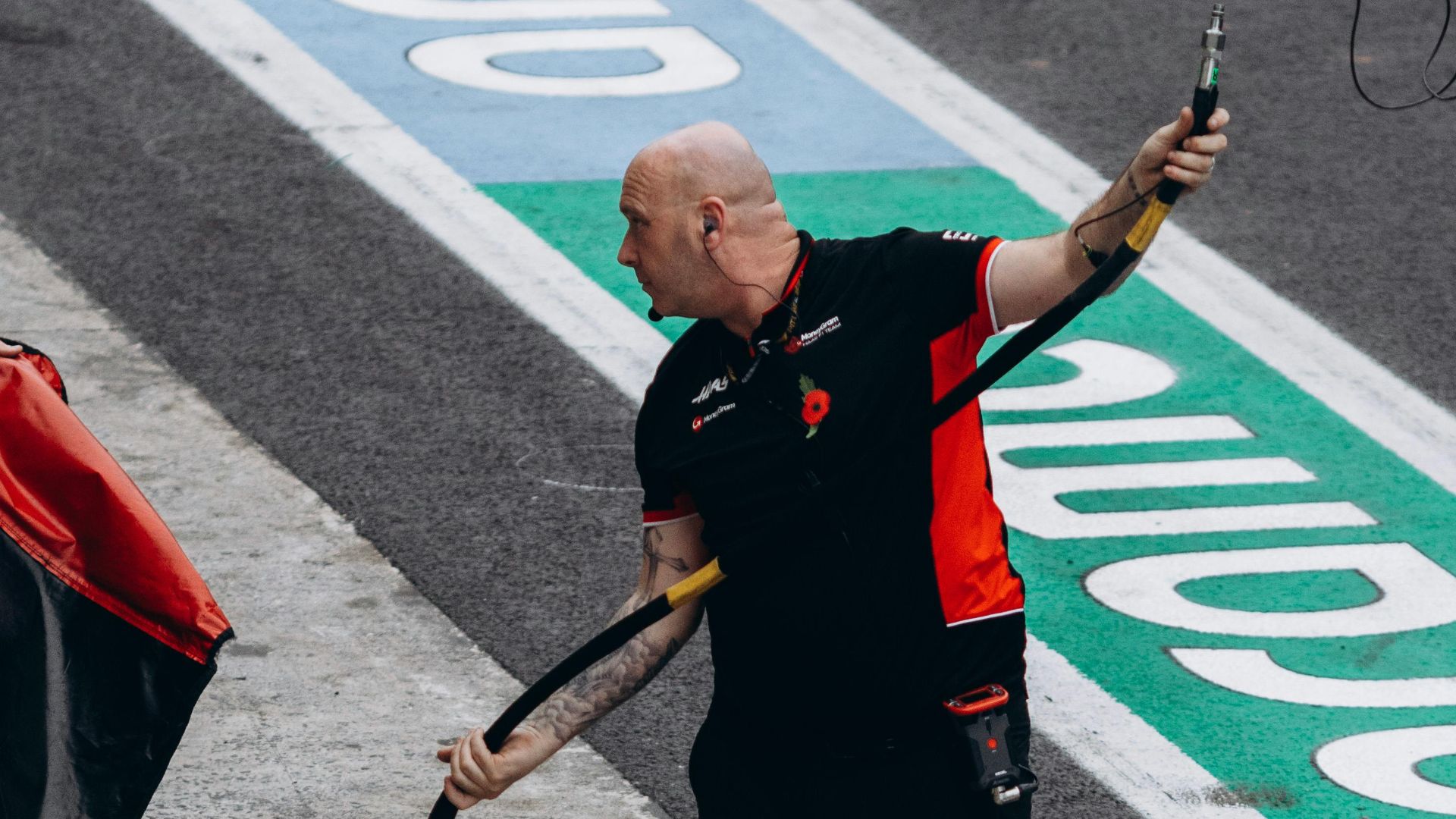
A No. 1 mechanic often leads the crew preparing a specific car. They’re close to the build, the repairs, and the last-minute checks, which means they see the car at its neatest, messiest, and most stressful. On a rough weekend, this can mean helping turn a damaged car around between races.
6. Composite Technician
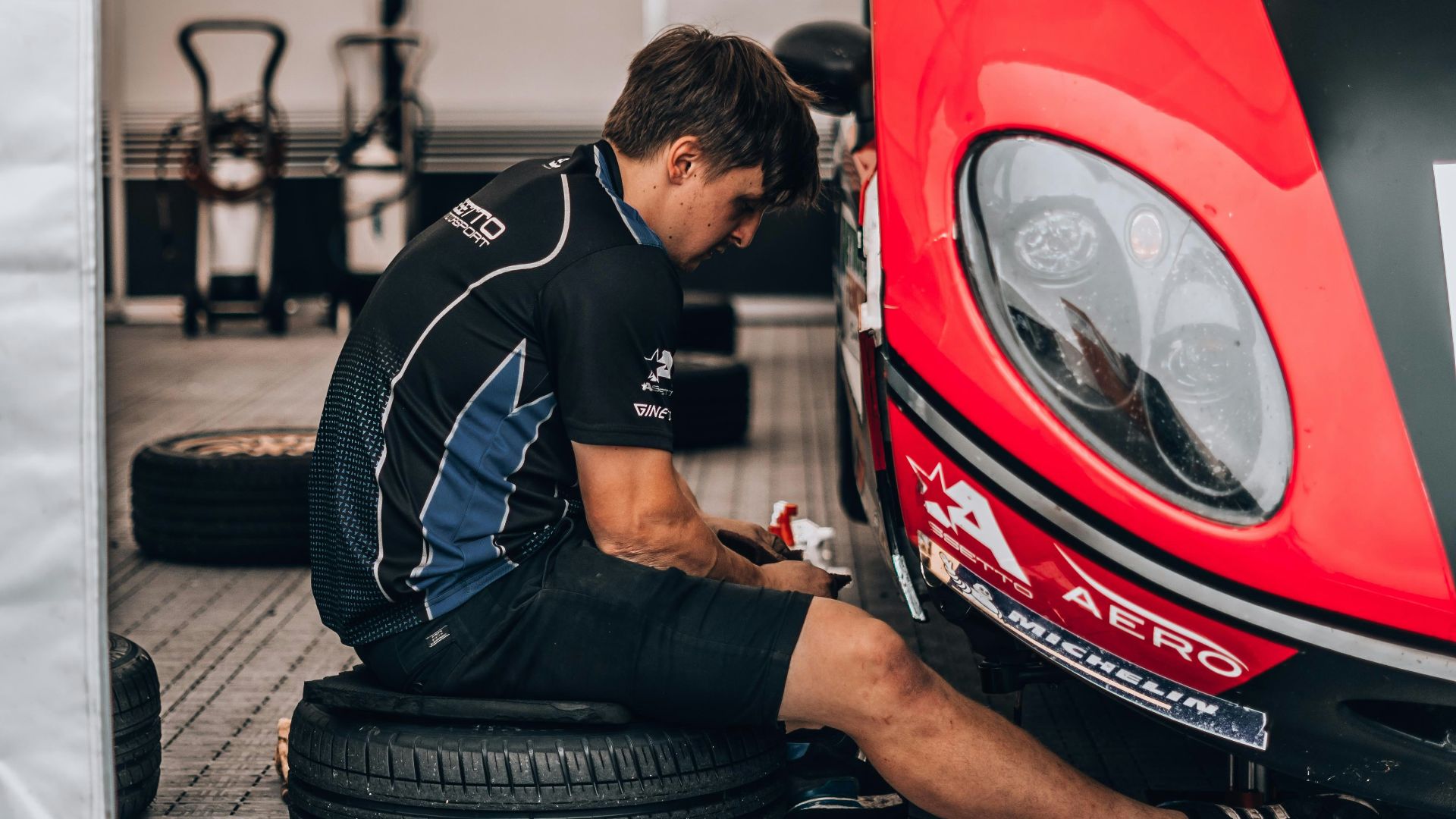
Composite technicians build and repair lightweight carbon-fiber parts used on many modern race cars. Wings, body panels, floors, and other pieces can affect performance and safety, so this work has to be careful, clean, and calm under deadline pressure.
7. Design Engineer
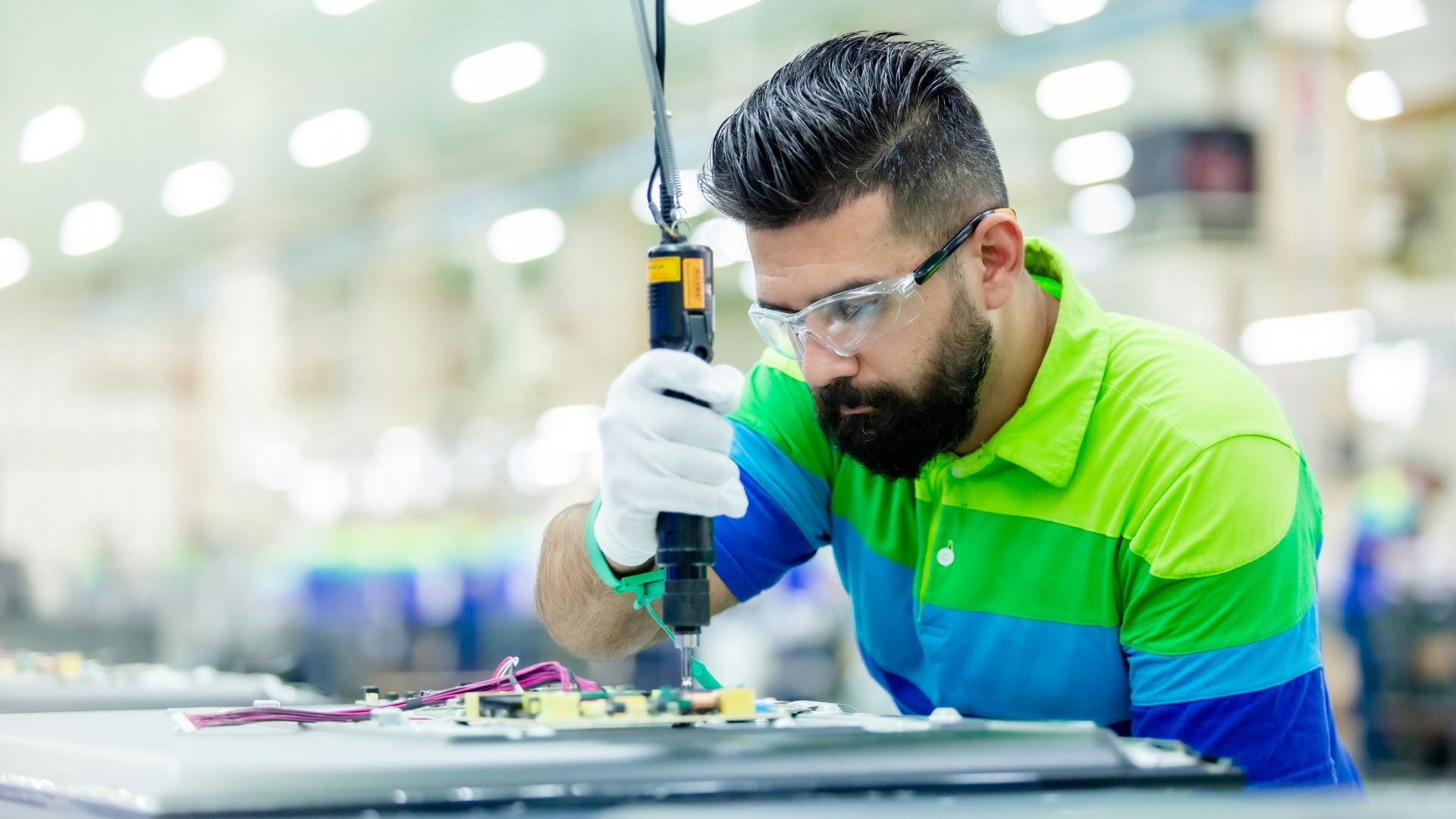
Design engineers create or improve the parts that make up the car. Their work can cover mechanical pieces, aero-related parts, packaging, mounts, brackets, or electronic housings. A part that looks simple from the outside may need to handle vibration, heat, access for mechanics, and weight targets.
8. Aerodynamicist
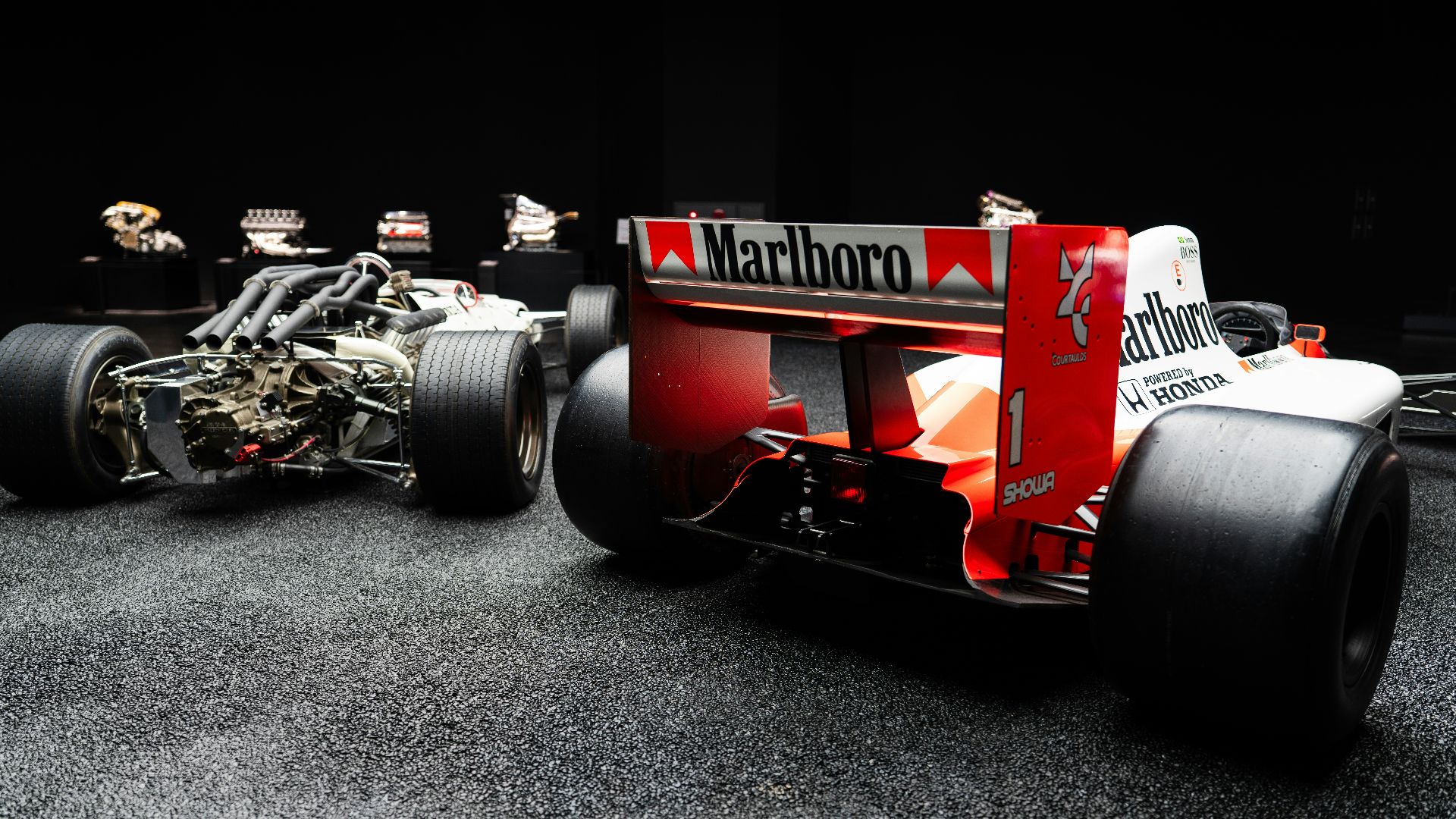
Aerodynamicists study how air moves around the car at speed. They may work with simulation, wind-tunnel testing, and track data to help the car make more grip, stay stable, cool properly, and avoid wasting speed down the straights. On circuits with big contrasts, aero choices can shape how confident a driver feels before the race even starts.
9. Simulation Engineer
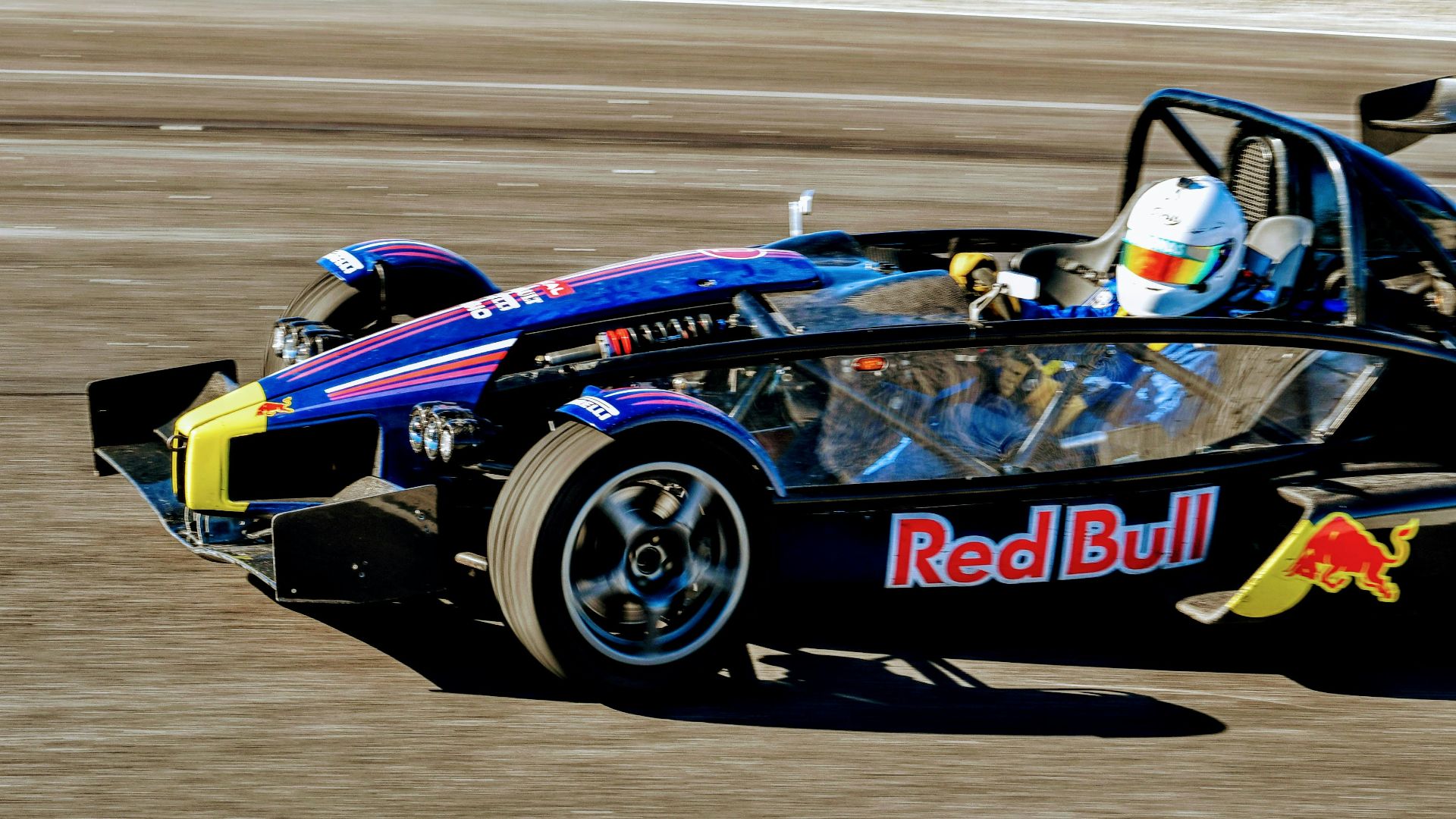
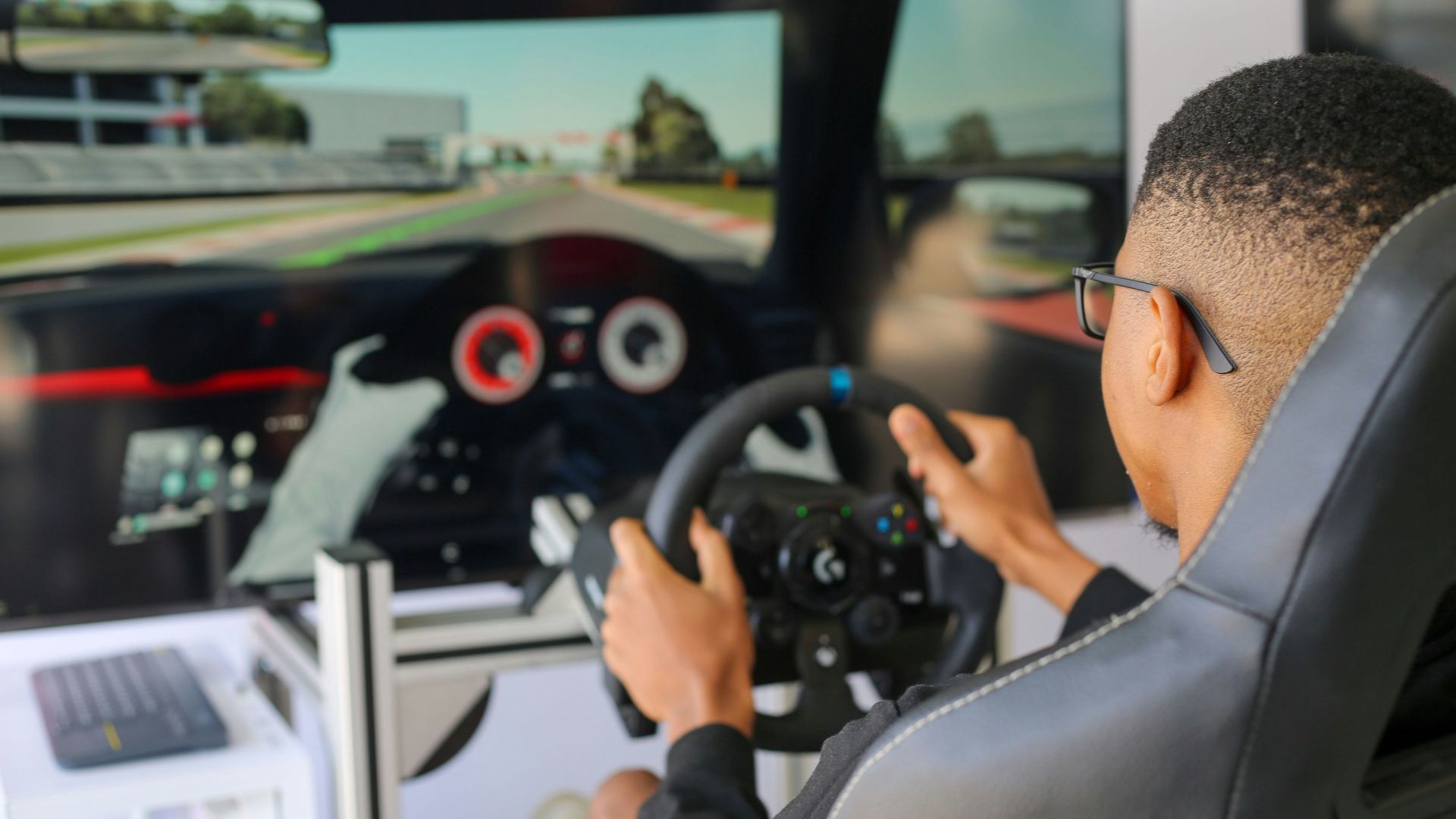
Simulation engineers use digital models to test ideas before the team spends money and time on the track. That can help narrow setup options, compare new parts, or prepare for upcoming circuits.
10. Data Engineer
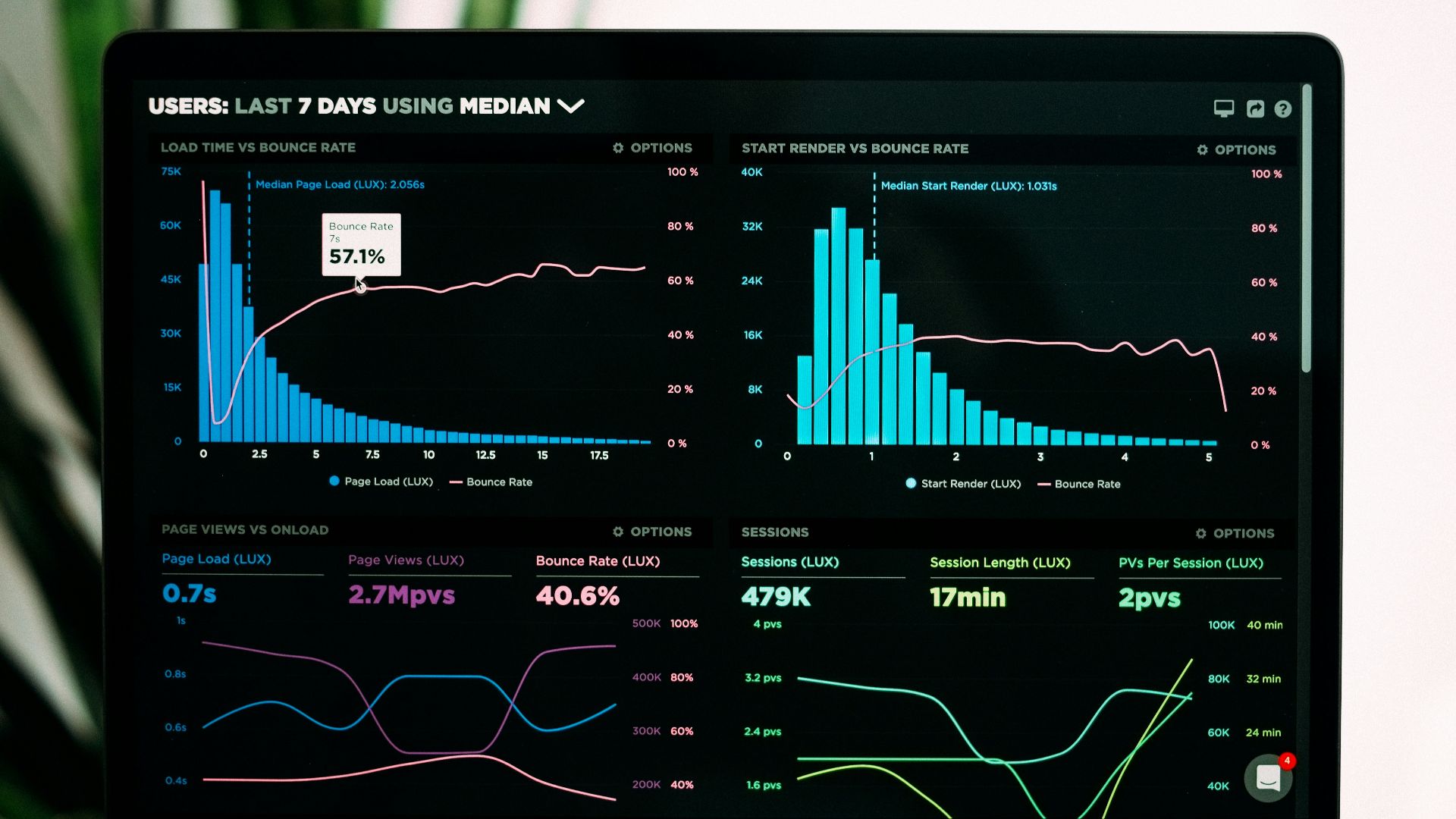
Data engineers help teams make sense of sensor information. Modern race cars send back huge amounts of information, and someone has to make sure those numbers are accurate, readable, and useful. A good data engineer can help spot a reliability concern early, confirm whether a setup change worked, or give the rest of the team a clearer picture of what the car is doing.
11. Tire Engineer
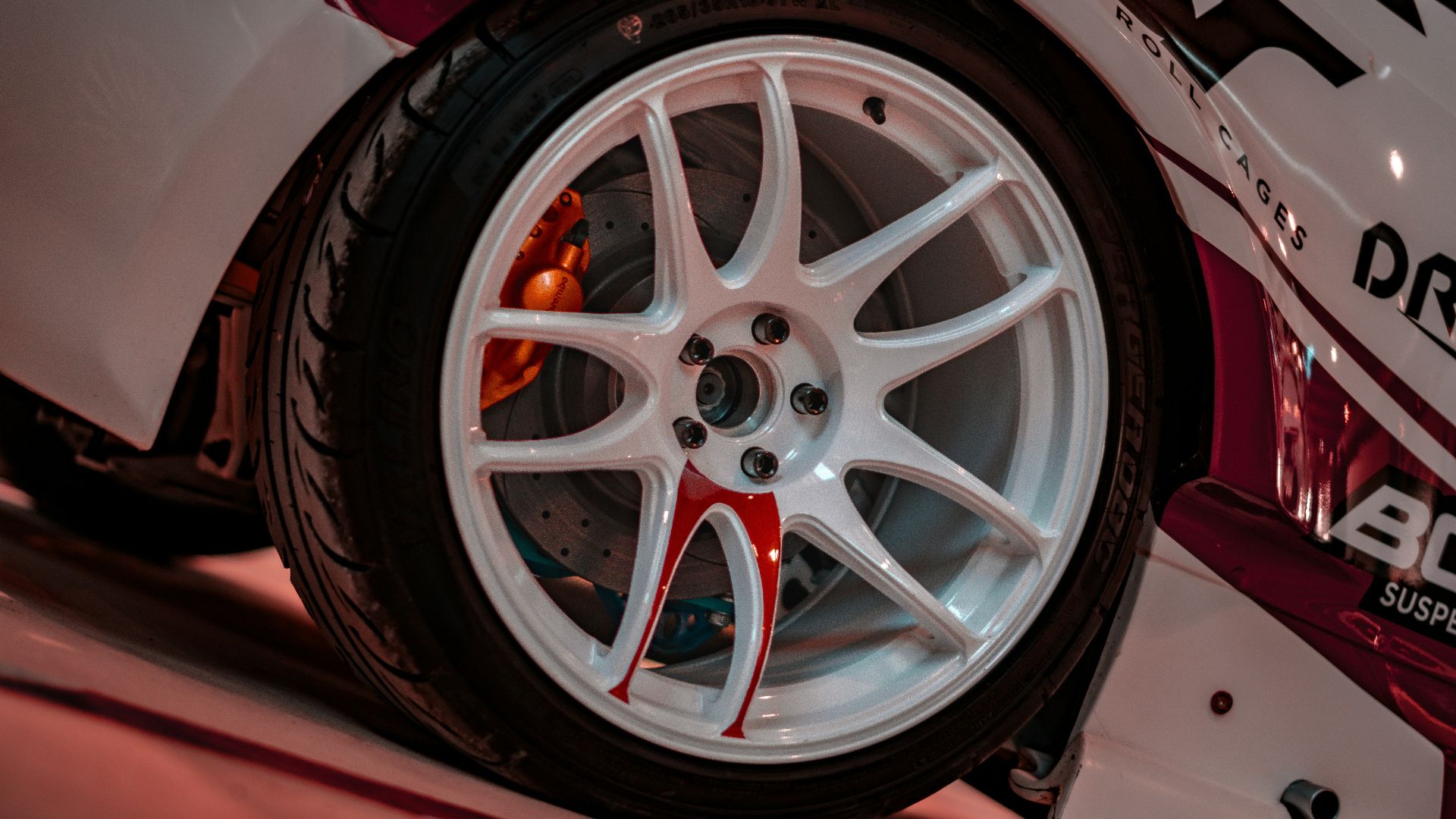
Tire engineers track pressure, temperature, wear, grip, and how a tire changes over a stint. Tire performance can shift quickly, so it’s important to have someone on deck who can understand why that’s happening.
12. Systems Engineer
Systems engineers look after the connected electronics, software, and control systems that help the car operate properly. When something odd shows up in the data, or a warning appears at the worst possible moment, systems engineers are often part of the group trying to understand what the problem is.
13. Electronics Engineer
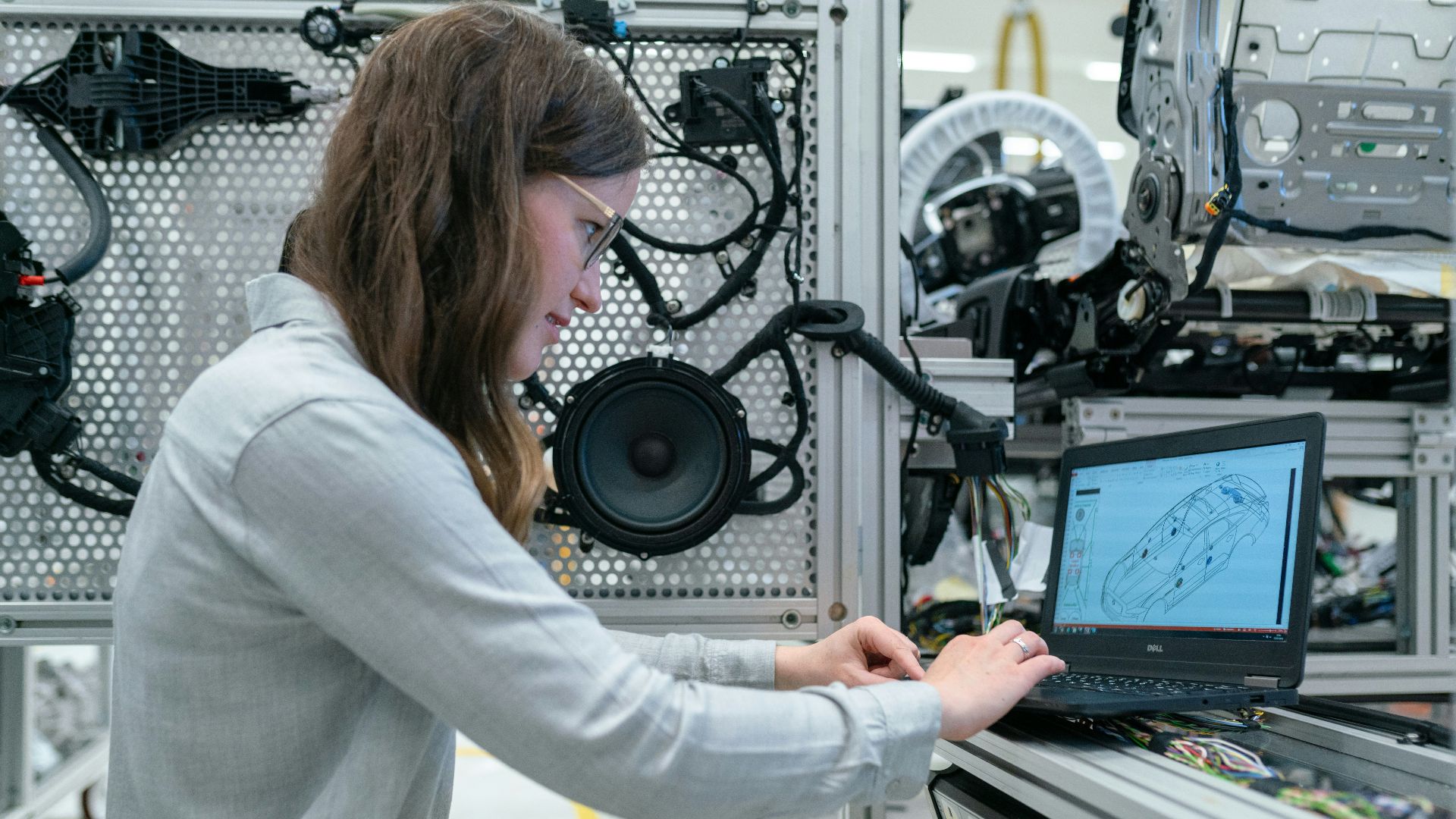
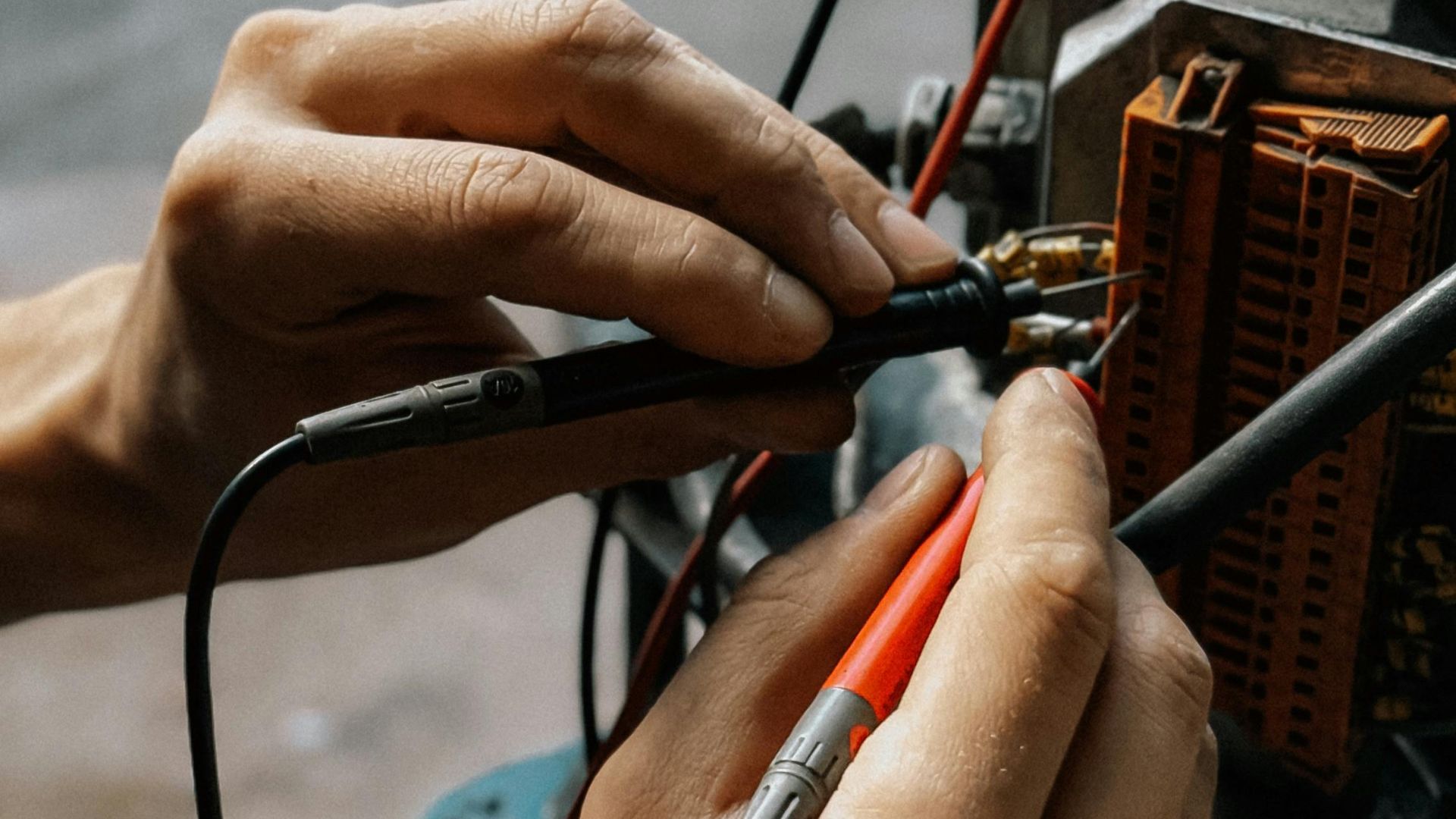
Under the fantastic bodywork, racecars are a collection of signals and fault codes. Electronics engineers handle wiring, sensors, looms, connectors, and related electrical systems. One loose connection or damaged sensor can muddy the success of a race.
14. Powertrain Engineer
Powertrain engineers work on the systems that create, manage, and send power to the wheels. Depending on the series, this work can involve engines, hybrid systems, gearboxes, energy recovery, cooling, or driveline parts that have to survive race conditions. Their work isn’t only about making the car quick, but also durable and reliable.
15. Logistics Coordinator
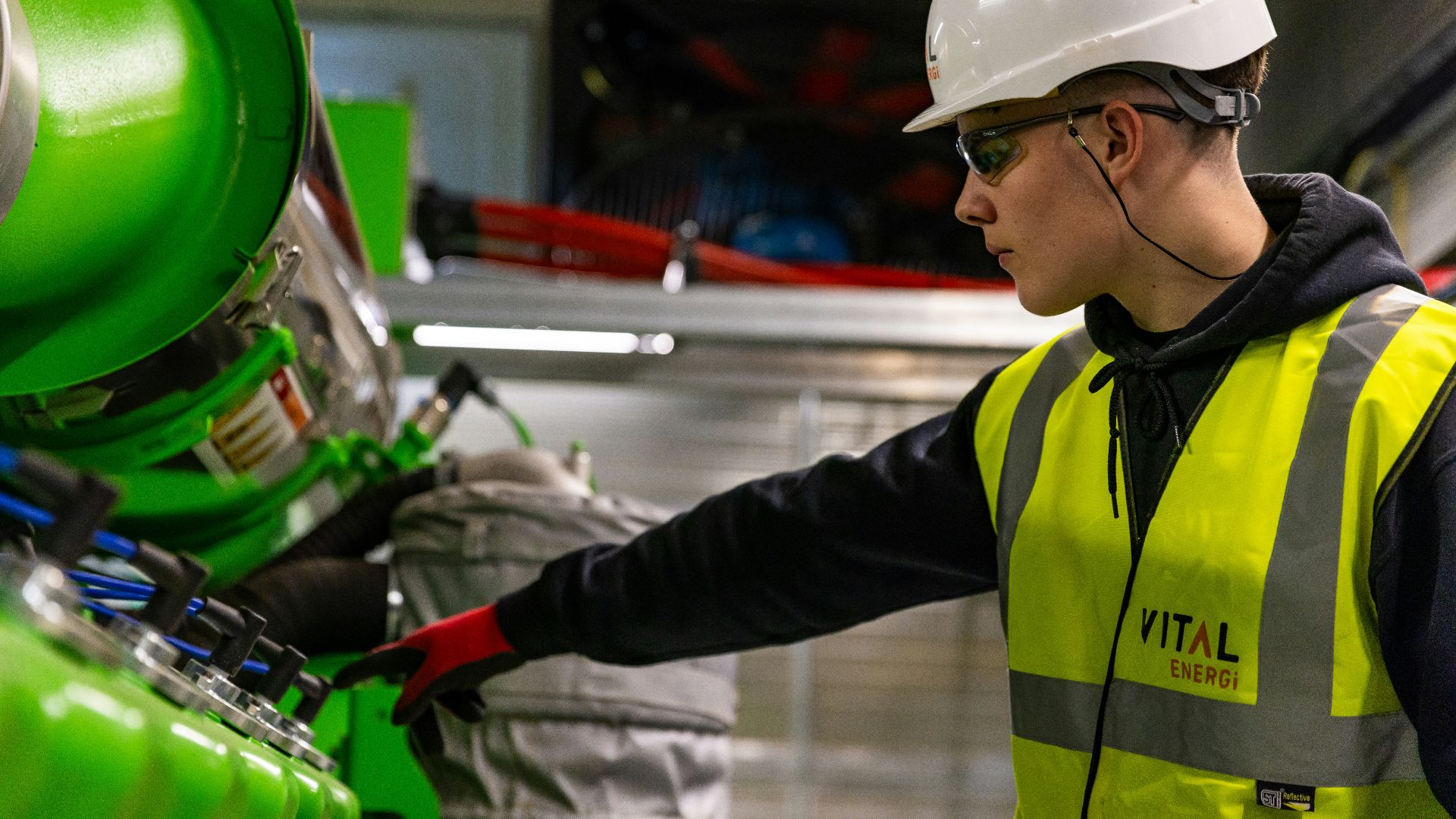
Logistics coordinators help get cars, tools, tires, spares, garage equipment, and team material where they need to be. A flyaway race or back-to-back weekend can turn into a paperwork-and-freight marathon before anyone waves the green flag.
 Centre for Ageing Better on Unsplash
16. Parts Coordinator
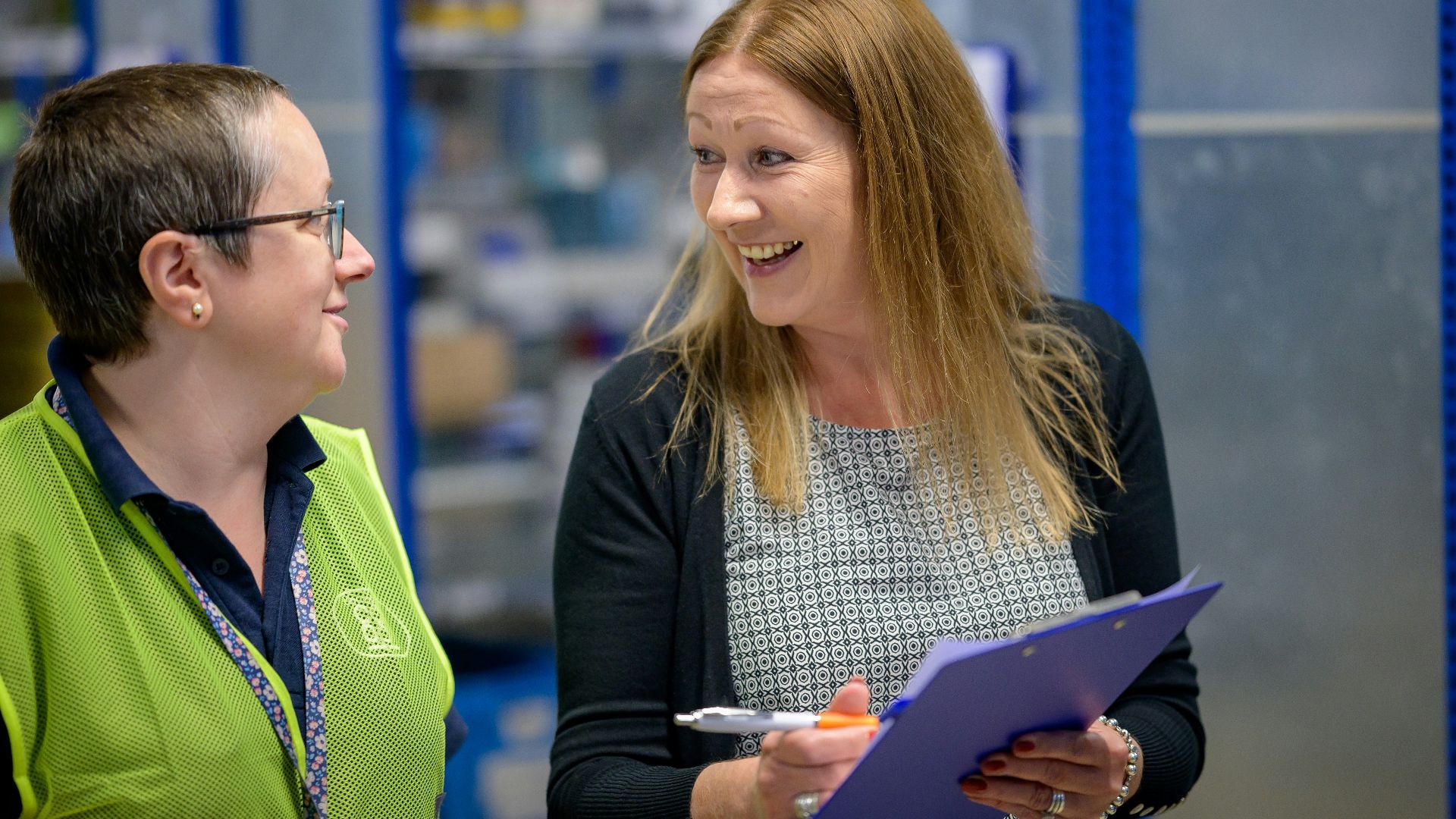
Parts coordinators track components, spares, replacements, and the life of key pieces. Essentially, parts coordinators are professional organizers for every nut, bolt, and screw in the garage. On top of staying organized, they also need to make sure parts are serviced, allocated, and available for test days, race weekends, and rebuilds.

17. Scrutineer
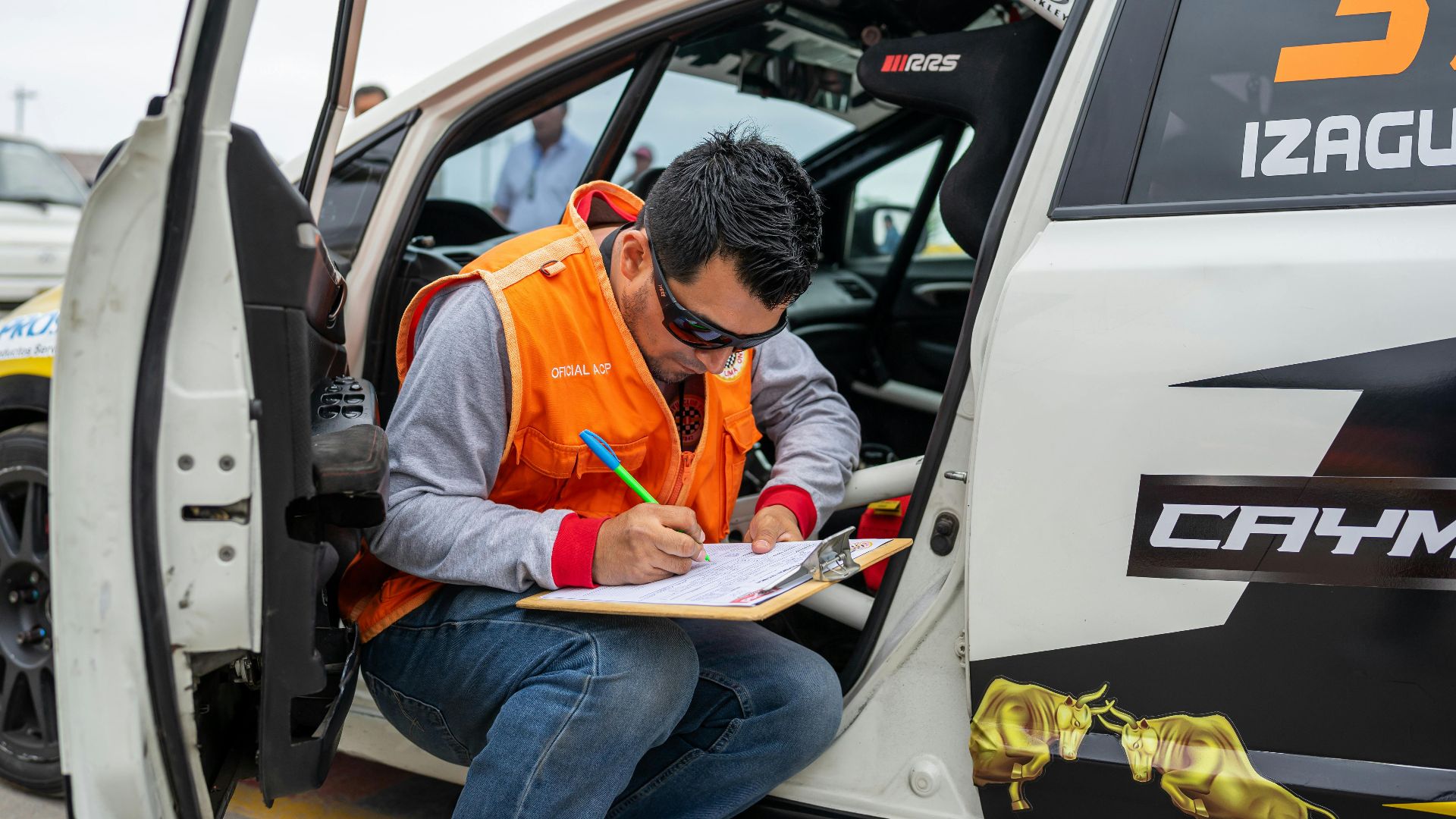
Scrutineers inspect cars to make sure they meet the technical and safety rules for the event. They also help to keep the race as fair as possible, checking for any rule-breakers before the race starts. The work can include pre-event checks, spot checks, or more detailed inspections after a session, depending on the event and the regulations in place.
18. Marshal
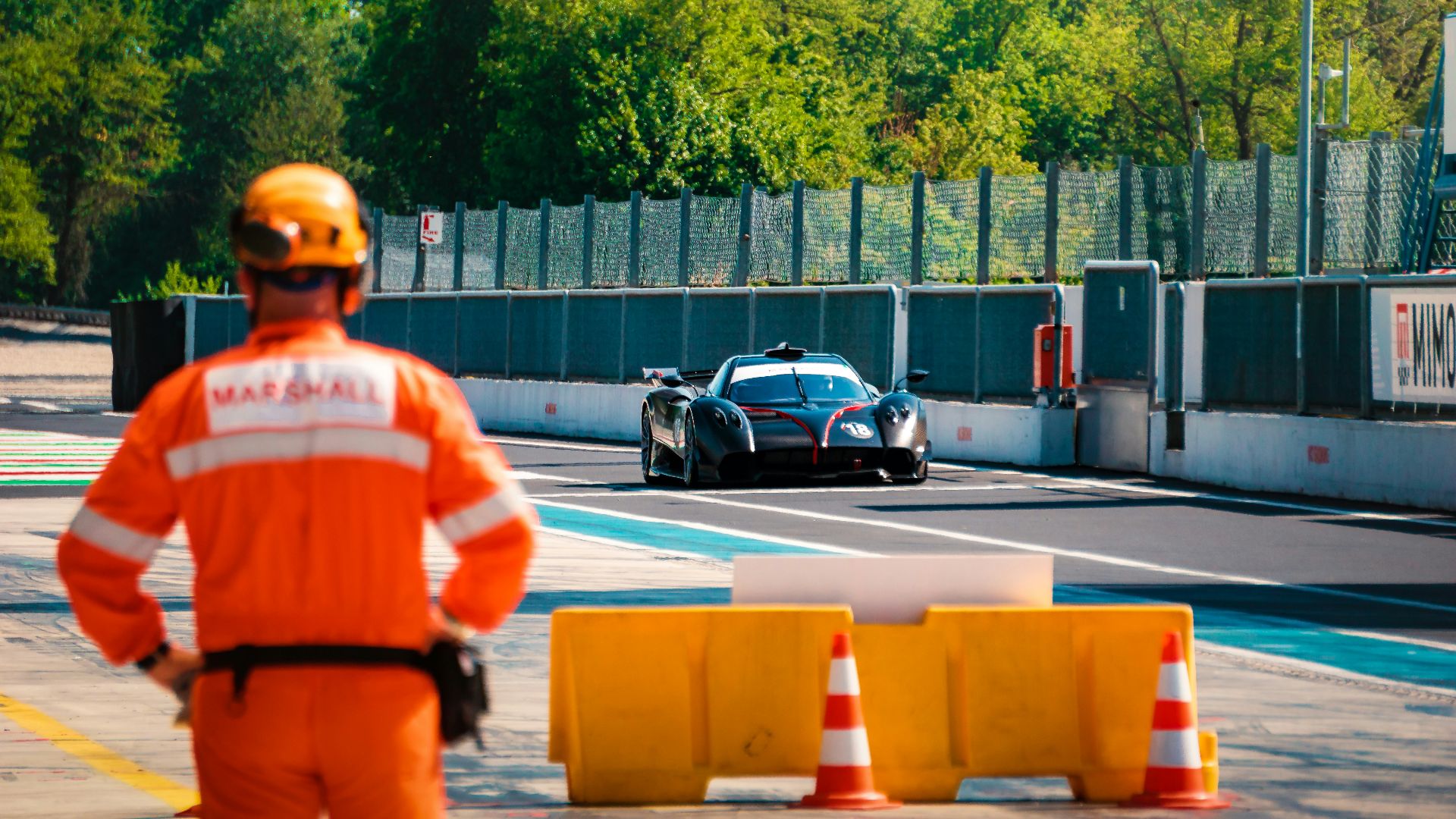
Marshals help keep race events running safely from posts around the circuit. They may display flags, report incidents, clear debris, assist with stopped cars, or help when a driver crashes. Many marshals are volunteers, and while fans may only notice them when something goes wrong, racing would not function without people willing to stand trackside and do the unglamorous work.
19. Medical Car Crew
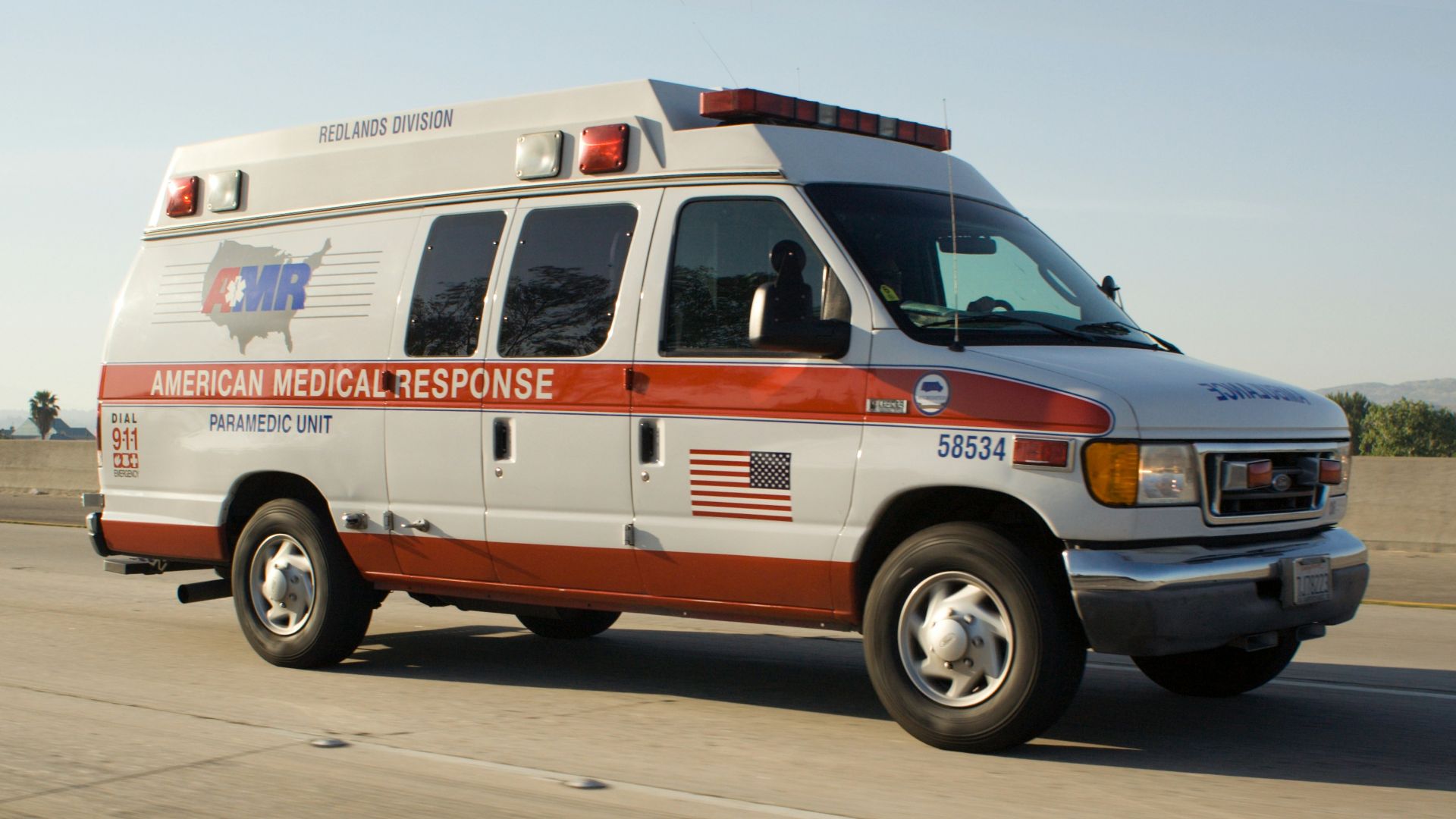
Medical car crews are there so trained responders can reach a serious incident quickly. In Formula One, the medical car carries a professional driver and medical staff, with equipment ready in case a crash needs fast assessment and treatment.
20. Press Officer
Press officers manage interview requests, media schedules, official statements, and public messaging around drivers, teams, or series. They’re the people trying to keep everyone informed in a very hectic workplace. On a difficult weekend, that can mean helping a driver handle questions after a crash, getting sponsor obligations covered, and making sure everyone stays on task.