Some People Can't Drive With The Radio On, And The Reason Goes Deeper Than Preference
Some People Can't Drive With The Radio On, And The Reason Goes Deeper Than Preference
Plenty of drivers know the move. Traffic tightens, rain starts streaking across the windshield, or a tricky merge appears, and suddenly the music has to go. Not down a little, not politely ignored, but off. It can seem like a personal quirk, but the reason is more practical than picky.
Driving asks the brain to manage a lot at once. You're watching brake lights, reading signs, checking mirrors, judging space, and guessing what another driver might do next. Add loud music, unfamiliar lyrics, or a fast beat, and the brain has another stream of information to sort. This is why so many people nix it the moment they really need to focus.
Needing The Quiet
While we all know that listening to the radio doesn’t blur your vision, it doesn’t necessarily make things easier. What changes, especially during extreme weather or tense road conditions, is how much attention your brain has left for the road. When driving becomes more demanding, extra sound can feel like one task too many.
The Children's Hospital of Philadelphia's Center for Injury Research and Prevention notes that there isn't strong evidence that loud music actually impairs vision. It does, however, point to research suggesting that dividing attention between hearing and vision can slow reactions and make tasks feel harder. It's more about the mental effort required to process everything at once.
This is where working memory comes into the picture. Working memory is the mental scratchpad we use to hold and update information in real time, like whether the light is changing, whether the car ahead is slowing, or whether a pedestrian is stepping off the curb. Discover Magazine connects this driving habit to cognitive load and working memory, noting that stressful road conditions can push drivers to reduce extra input. In plain English, silence gives the brain fewer things to deal with.
Music Isn’t Always The Problem
Most people love listening to music on the road, so we’re not suggesting keeping the volume at zero for your entire drive. Research on music and driving is more mixed. Some studies suggest music can add mental load, while others find it can help drivers stay alert in dull conditions.
A University of Groningen report on researcher Ayça Berfu Ünal's work found that experienced drivers could generally listen to music or radio without driving worse. On long, monotonous roads, the drivers who listened to music were more focused and performed better than drivers without music. That makes everyday sense: a quiet, straight road can become boring, and boredom comes with its own risks.
The same source also explains why the radio often gets turned down in busier moments. Ünal noted that drivers naturally tend to lower or shut off sound in demanding traffic. When the road required more attention, participants appeared to focus more on traffic and remembered less of what had been playing. The upside to this study: Safety took priority.
Volume, Familiarity, And Experience
Volume is one of the easier pieces to understand. Louder sound asks for more attention, and it can raise arousal, which isn’t always useful when driving already feels tense. A 2025 Phys.org article, republished from The Conversation, describes the research picture as complicated but says music can increase arousal and mental workload. It also notes that high- and medium-volume music have been linked with slightly higher speeds, while low-volume music is more consistently associated with slower driving.
Tempo is trickier. Fast music has a reputation for making drivers more aggressive, but the pooled research isn’t that simple. A few studies' results found no clear overall effect of tempo for an average driver, even though individual studies suggest high-arousal or aggressive tracks can push some drivers toward more errors or riskier behavior.
Familiar music can also work differently from music someone else picked. The same Phys.org piece says self-selected music may be less distracting than music chosen by someone else, partly because drivers often use familiar songs to manage mood and alertness. That said, favorite music is not automatically harmless. If it's loud, emotional, or tempting enough to pull attention away from the road, the playlist has become part of the problem.
New Drivers

Experience changes the picture yet again. A driver who has spent years scanning traffic may handle background audio more easily than someone still thinking through every lane change, mirror check, and braking decision. That doesn't make experienced drivers immune to distraction, but the basics of driving feel a little more natural to someone with a few years under their belt.
Teen and novice drivers are a clearer caution point. The Association for Psychological Science summarized a study involving 85 novice drivers ages 17 and 18. The teens drove with their own music, with researcher-designed instrumental "safe-driving" music, and with no music. When they listened to their own music, they played it louder and made more driving errors.
CHOP describes the same young-driver research and notes that participants drove more safely with calming music or no music than with their preferred playlists. Obviously, we want teens to enjoy their driving experience as much as the next person, but the research suggests that new drivers should keep the audio simple and low, especially in traffic, bad weather, unfamiliar neighborhoods, or night driving.
The Takeaway
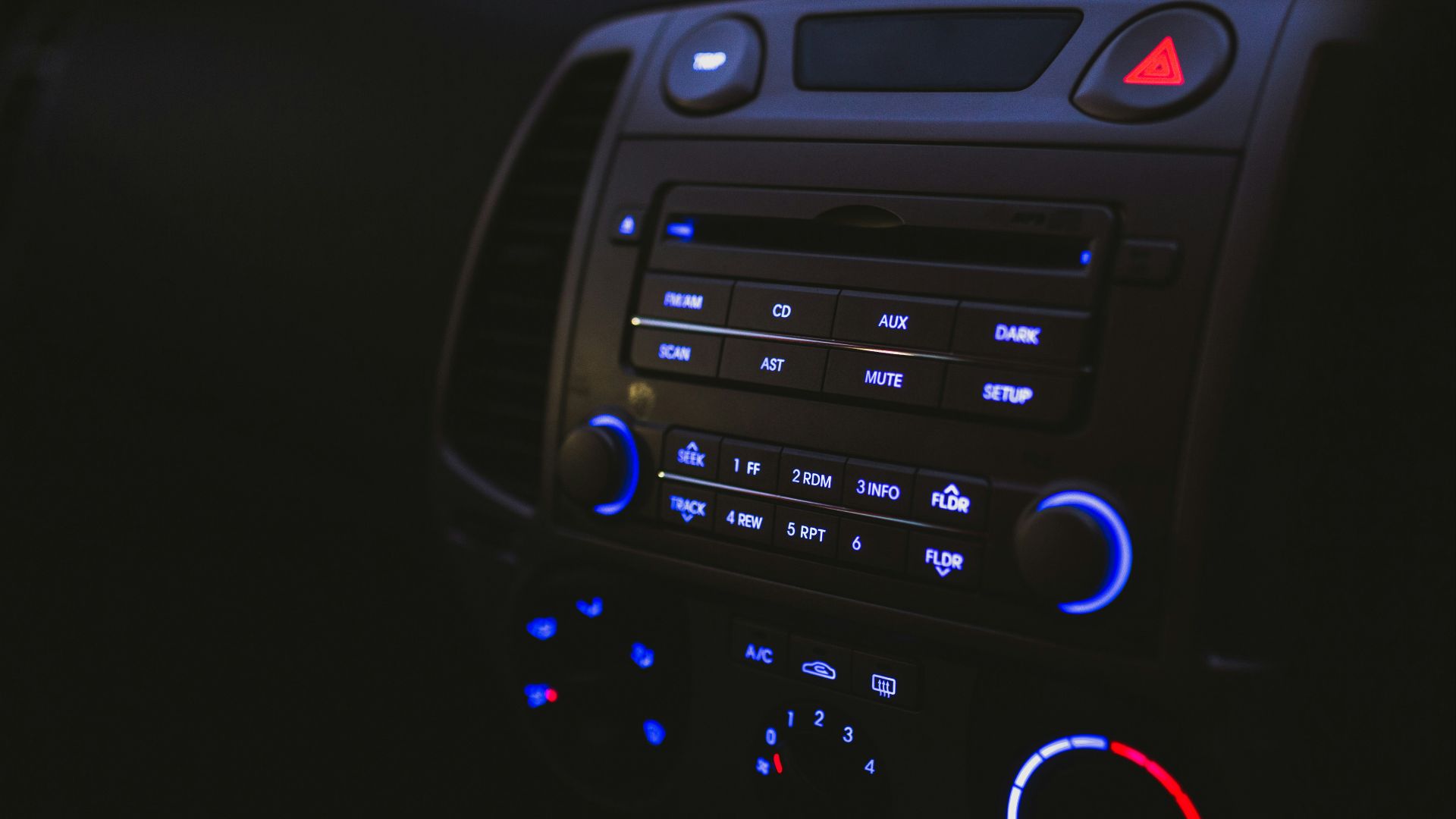
The practical answer is not dramatic. Keep the volume moderate, choose something familiar or calm when the road is easy, and turn the sound down when conditions get more complicated. If you're entering a construction zone, threading through city traffic, or reversing into a tight spot, quieter is better.
Instrumental music may help when lyrics feel distracting, and a playlist set before driving can reduce the temptation to poke at the screen. Voice controls can help, too, though no technology has yet solved the classic problem of people trying to pick the perfect song while moving through actual traffic. On long, quiet highways, mild music may keep the drive from feeling too flat. In dense, unpredictable driving, less sound often means more attention.
All this to say, needing the radio off during a hard merge is common. It means the brain is cutting a nonessential input so it can focus on the thing with the highest stakes. The music can come back once the stressful moment passes. Until then, silence is doing useful work.