For Better Or For Worse
Racing has always been shaped by more than brave drivers and fast cars. The rules, albeit unpopular, decide how much power is allowed, how much grip teams can chase, how much risk the sport is willing to accept, and how much money teams can burn before someone finally says enough. Some changes came after cars got a little too fast for comfort, while others arrived to put humanity back into too-technology-driven vehicles. The most important rules came after a couple of nasty crashes made old safety standards impossible to defend. These 20 rule changes show how Formula 1 and NASCAR kept rewriting themselves, one regulation at a time.
1. Formula 1’s Engine Cuts
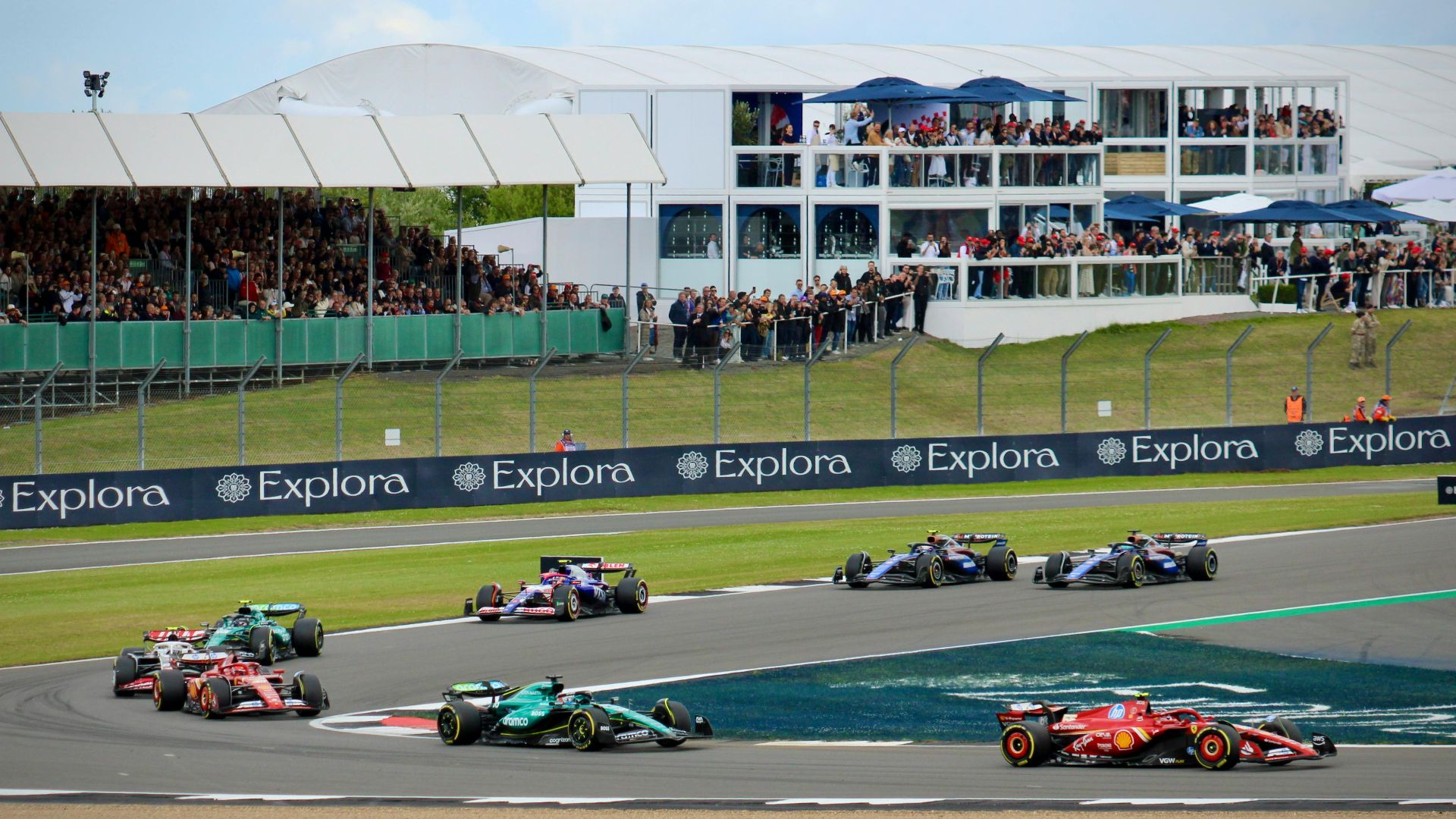
In 1961, Formula 1 cut naturally aspirated engine capacity from two-and-a-half liters to one-and-a-half liters and introduced a 450-kilogram minimum weight. The change was meant to bring performance back under control, and it pushed teams toward lighter cars, better packaging, and smarter engine design.
2. Formula 1’s Flat-Bottom Rule
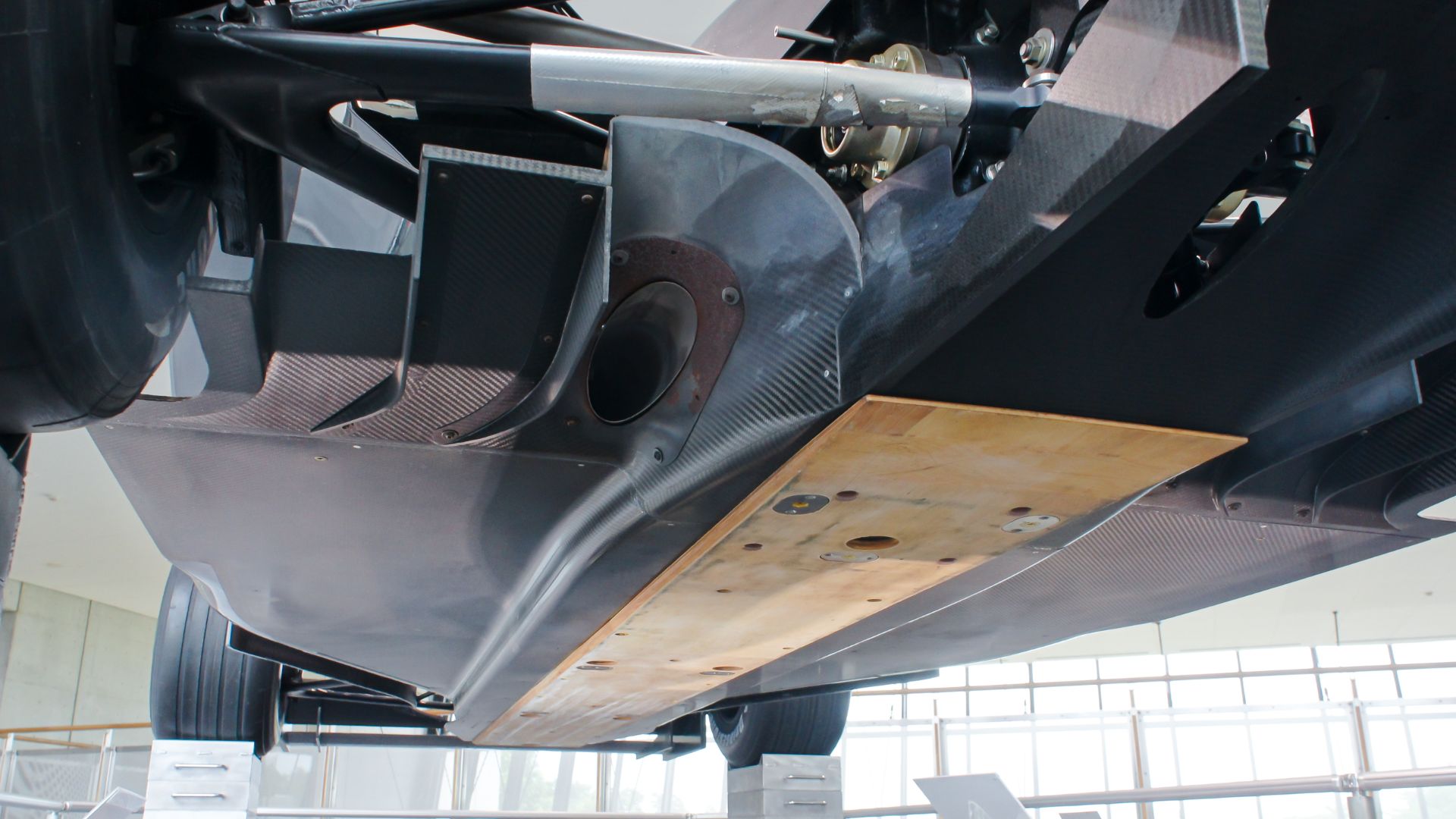
The 1983 rules ended the full ground-effect floor era by requiring flat-bottomed cars. Ground-effect designs had created a huge cornering grip, especially after Lotus showed what was possible in the late 1970s. F1 wanted to slow the rise in cornering speeds before the cars got even harder to control.
3. Formula 1’s Turbo Ban
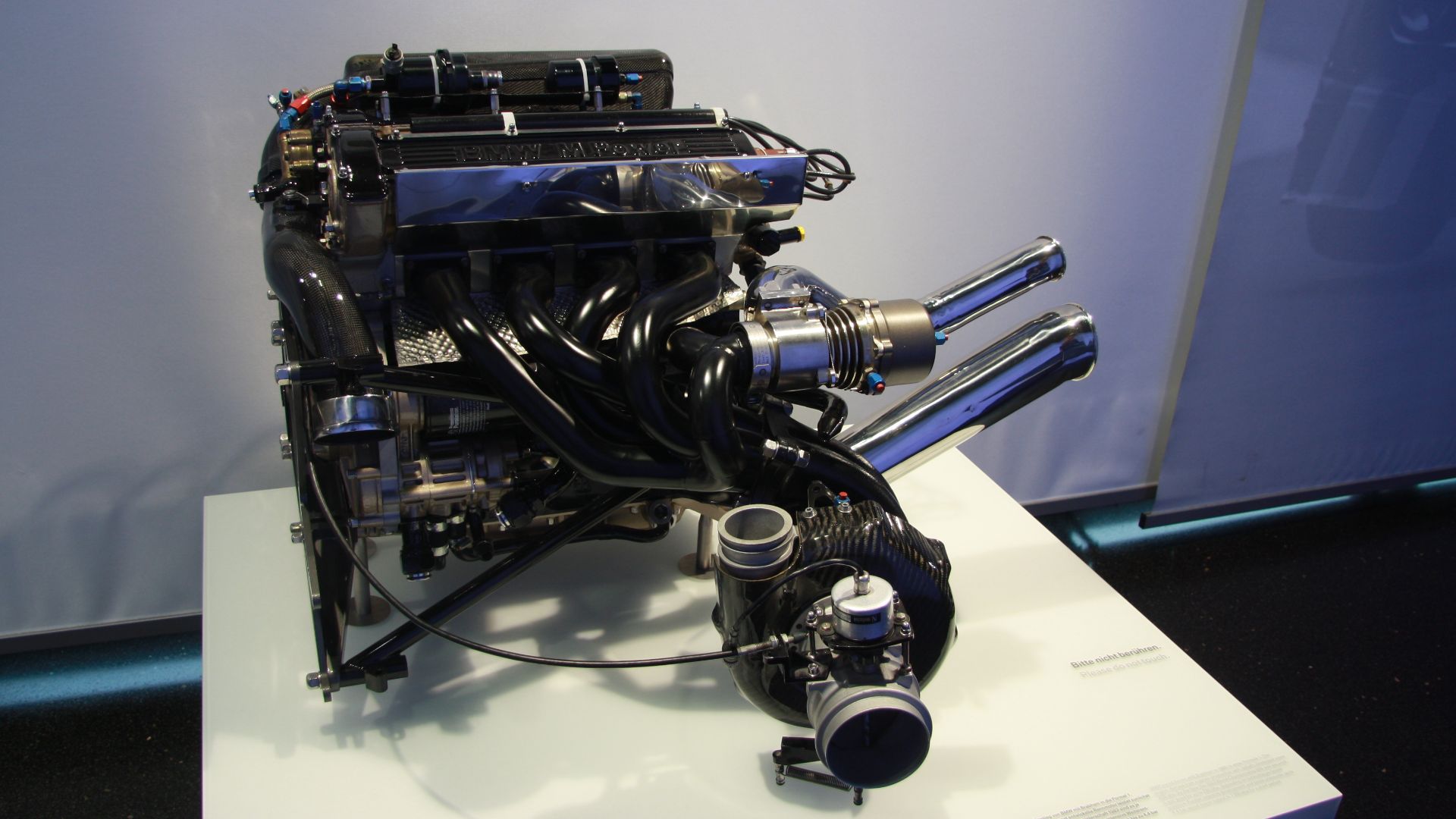
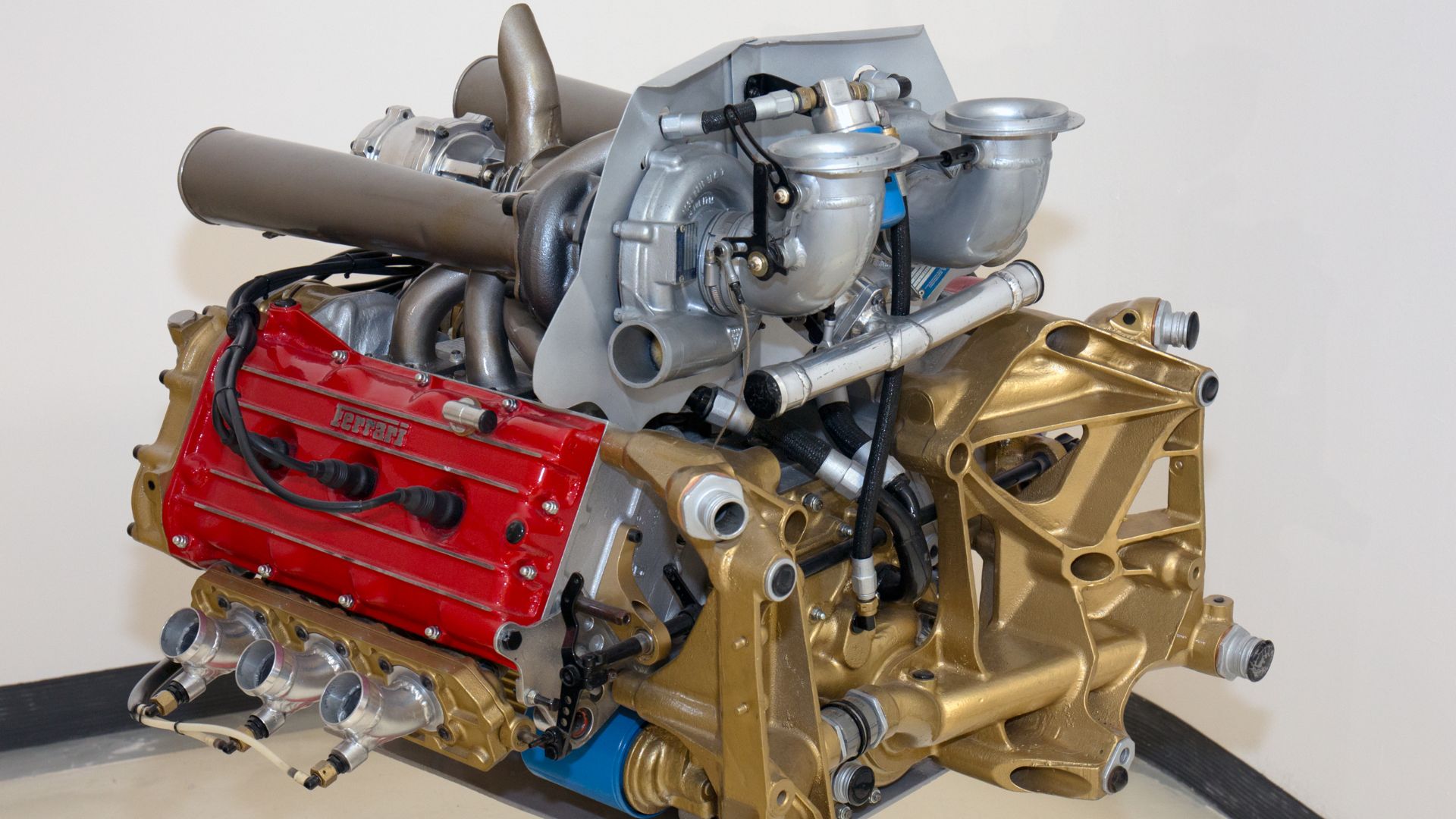
Turbocharged engines were banned in 1989 after they entered dangerous territory in terms of speed, handling, and money. Teams returned to naturally aspirated engines, ending the first turbo era and forcing engine builders to pursue performance in a cleaner, more controlled way.
4. Formula 1’s Driver Aid Ban
In 1994, F1 banned systems such as active suspension, traction control, anti-lock brakes, and related electronic driver aids. The change reduced how much the car could manage itself and put more responsibility back on the driver’s throttle control, braking judgment, and feel for grip.

5. Formula 1’s Tire Changes
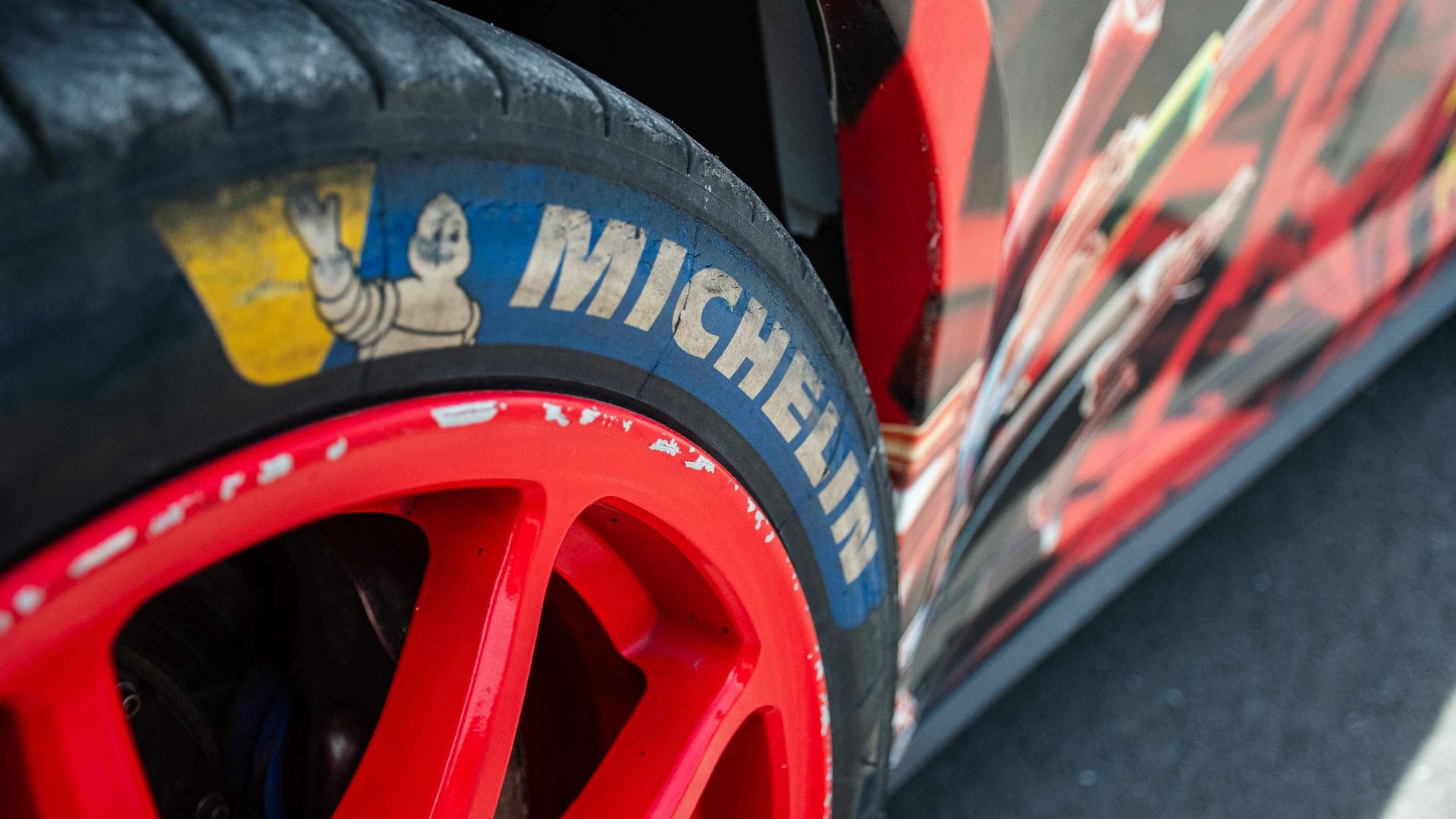
In 1998, Formula 1 narrowed cars from two meters to 1.8 meters and introduced grooved tires, with three grooves on the front tires and four on the rear. The rule was designed to reduce grip and slow cornering speeds, which changed both the look of the cars and the way drivers had to manage traction.
6. Formula 1’s Testing Restrictions
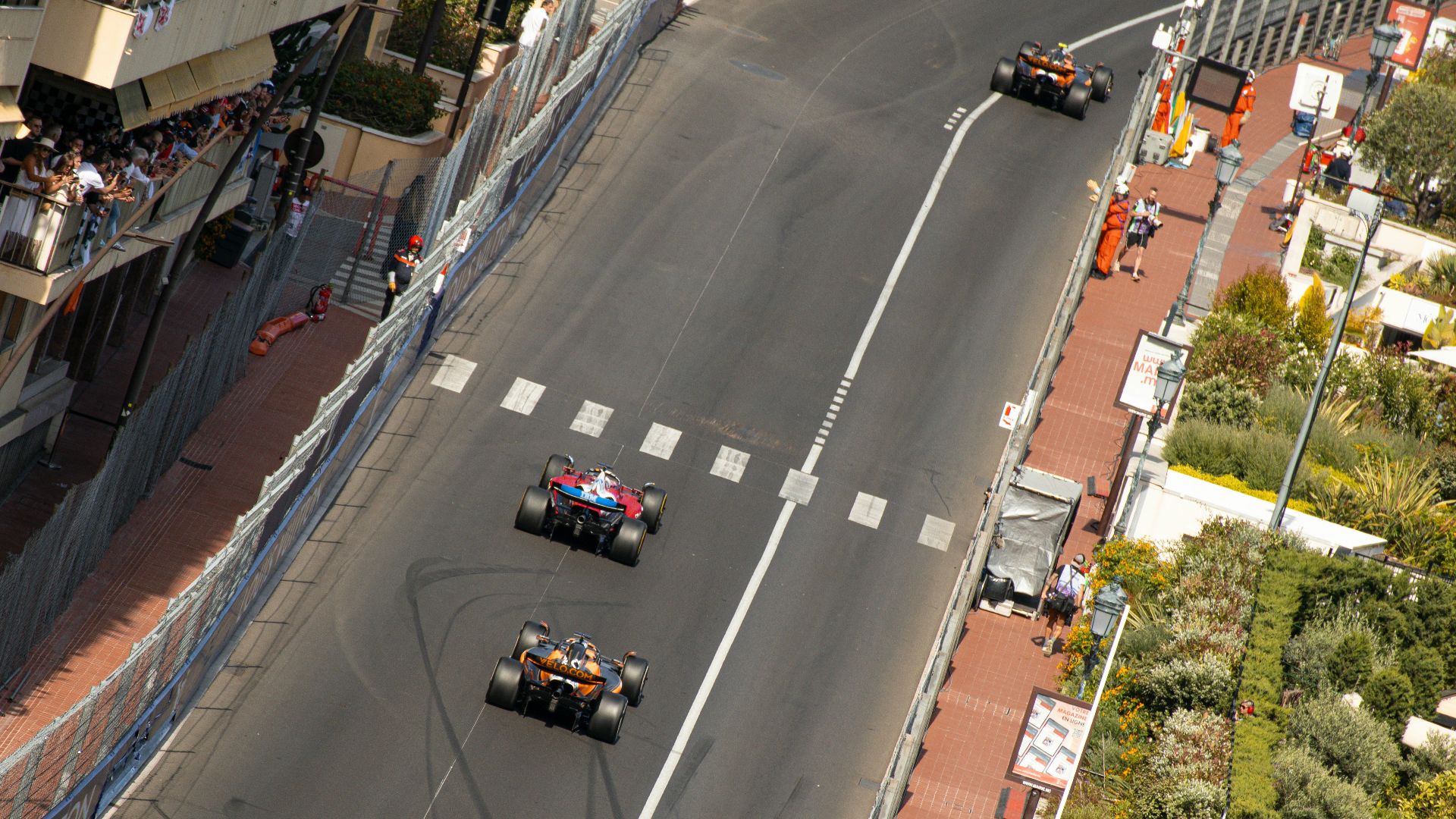
In 2009, F1 heavily restricted in-season private testing, which meant teams couldn’t just keep running cars between races to solve every problem. The goal was to control costs and reduce the advantage of the richest teams, while making simulation, wind tunnels, and race-weekend data more important and necessary for success.
7. Formula 1’s KERS Introduction
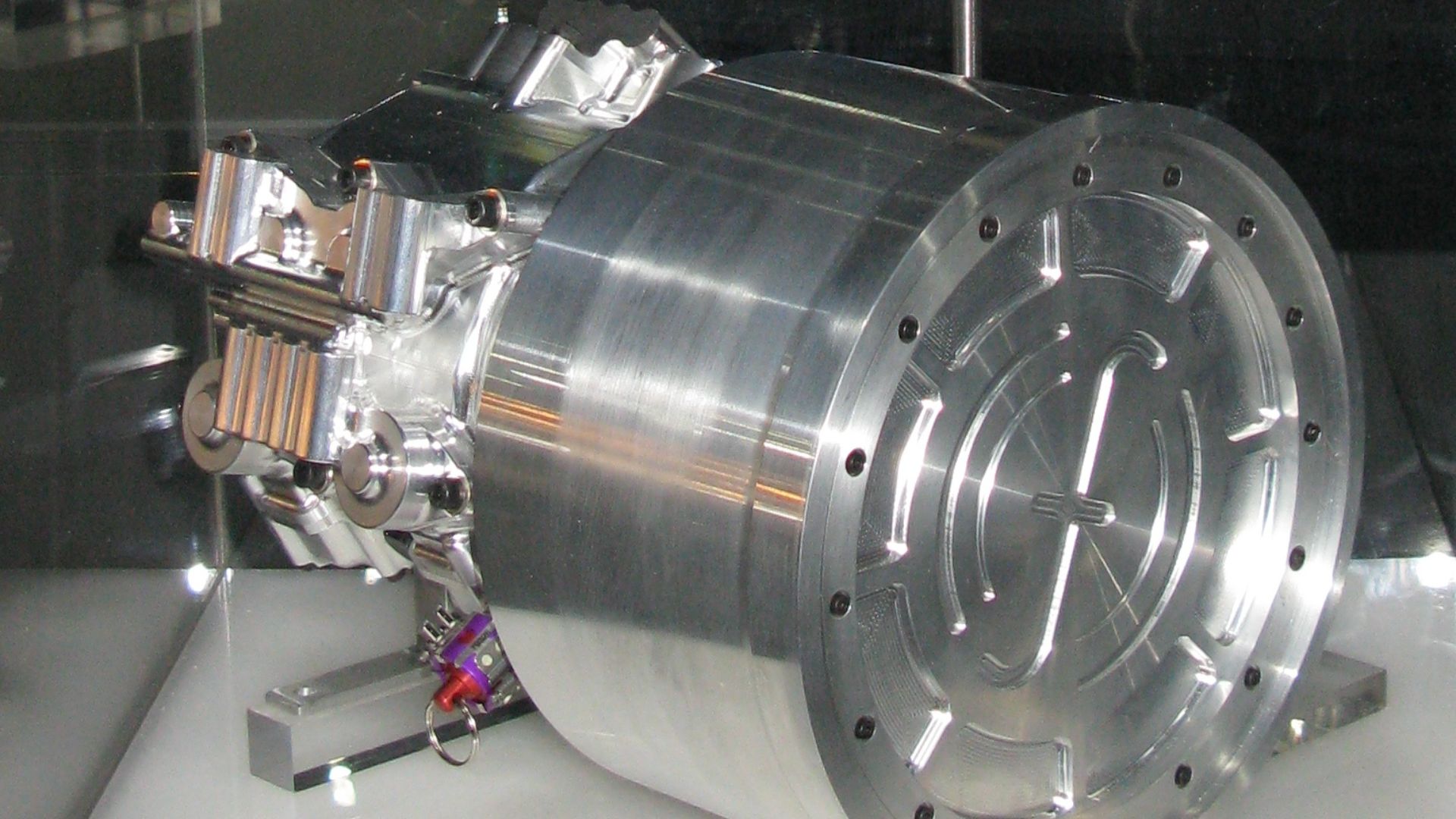
The 2009 rules allowed teams to use KERS, a system that recovered energy under braking and redeployed it as a short power boost. It added a new layer to race strategy, as teams now had to deal with extra weight, cooling needs, reliability worries, and the timing of power deployment.
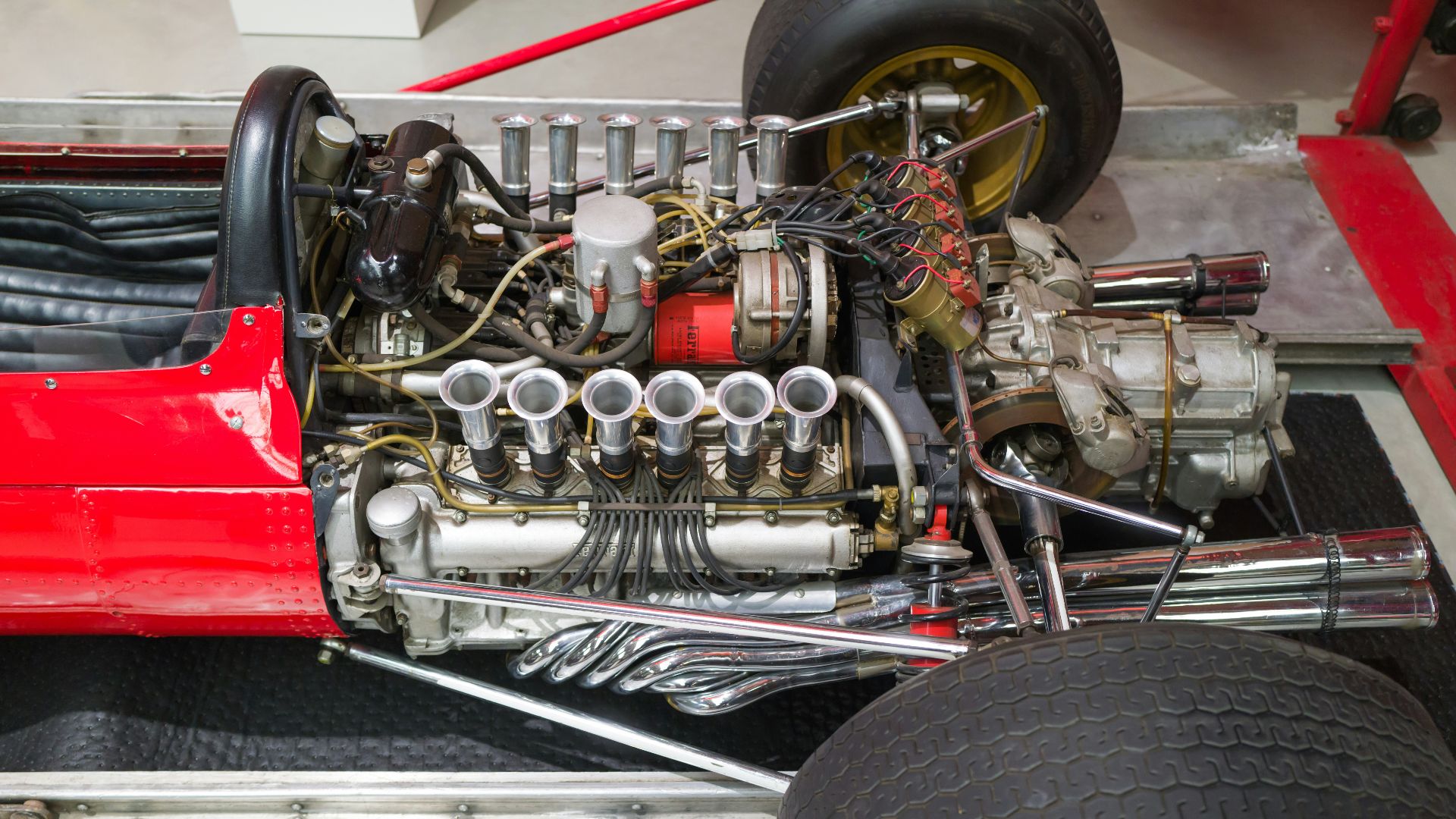
8. Formula 1’s Hybrid Power Units
In 2014, F1 replaced 2.4-liter naturally aspirated V8 engines with 1.6-liter turbo-hybrid V6 power units. The new formula relied on kinetic and heat energy recovery, so efficiency and energy management became central to winning races.
9. Formula 1’s Ground-Effect Return
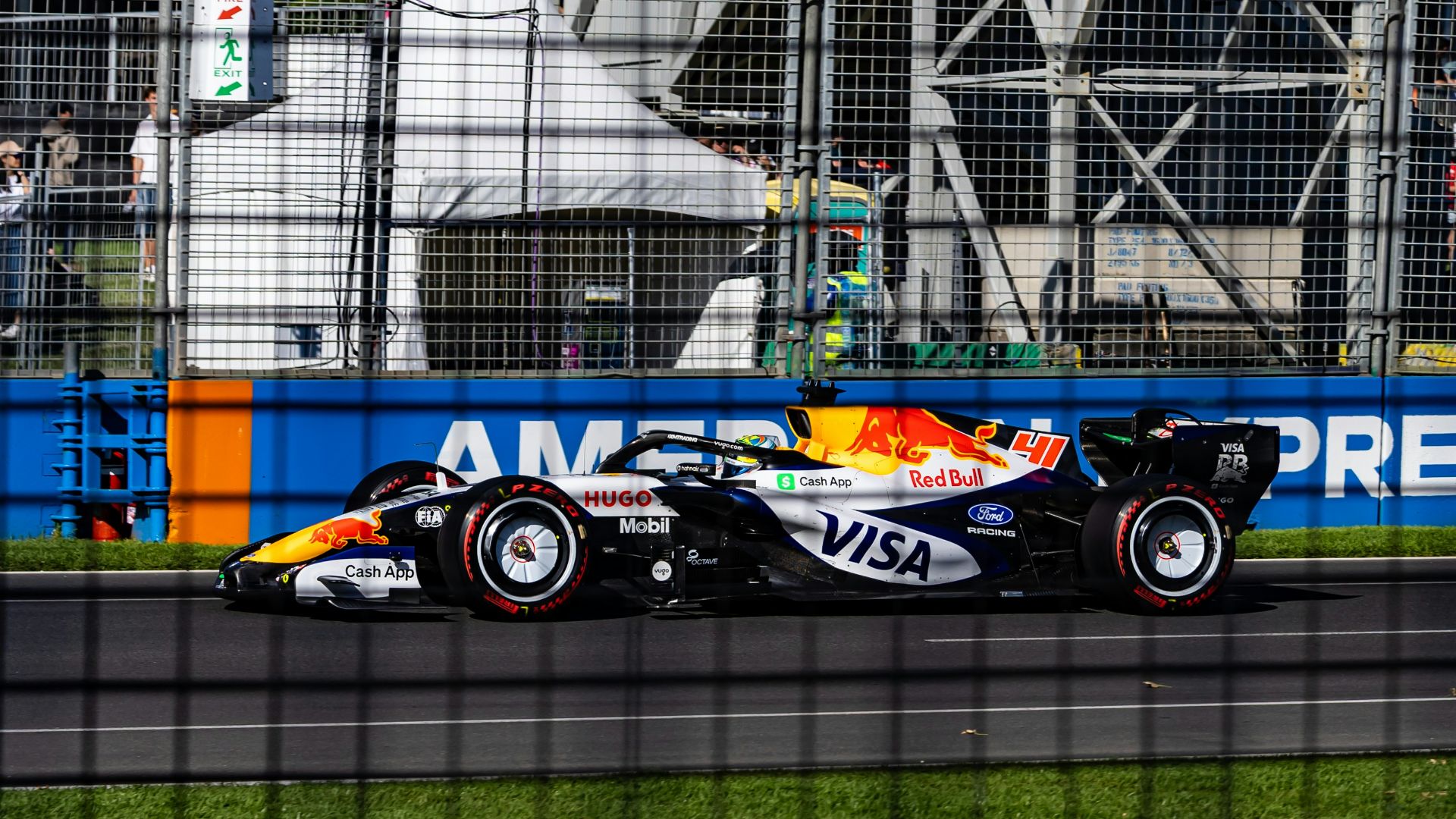
The 2022 rules brought back underfloor aerodynamics, changed the front and rear wings, removed bargeboards, and introduced larger 18-inch wheels with lower-profile tires. The goal was to help cars follow each other more closely, since previous designs made passing harder when a driver got stuck in dirty air.
 Talon-Kai Honeyman on Unsplash
10. Formula 1’s Energy And Aero Rules
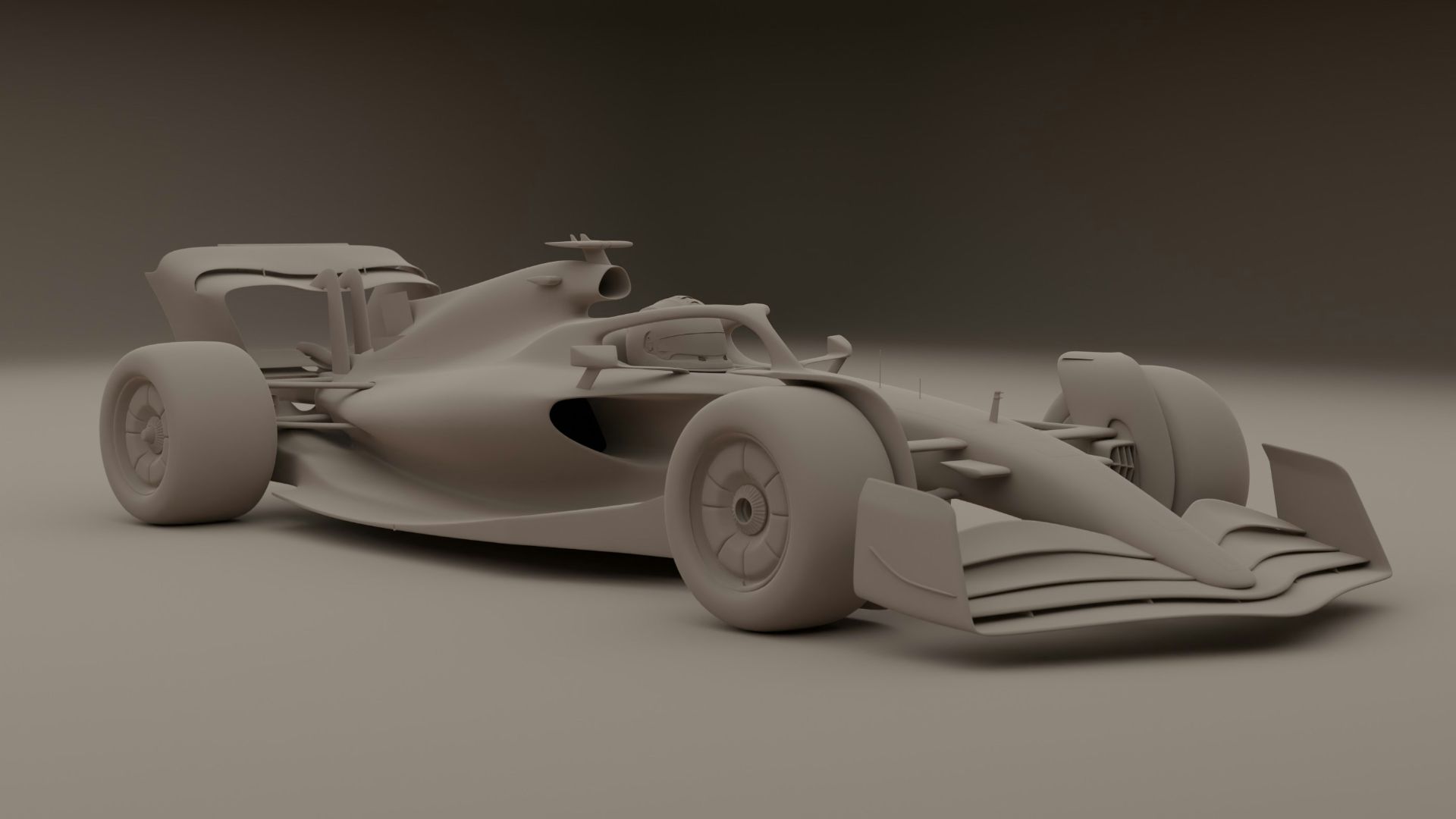
The 2026 regulations introduced smaller, narrower, lighter cars, active aerodynamics, reduced downforce, reduced drag, and a stronger electric role within the power unit. Later refinements addressed energy deployment, closing speeds, starts, qualifying, and wet-weather behavior.
11. NASCAR’s Aero-Car Restriction
NASCAR’s 1971 rules limited special aero cars, including the Dodge Charger Daytona and Plymouth Superbird, to a maximum 305-cubic-inch engine and a 3,800-pound minimum weight. Those cars weren’t formally removed, but the restrictions made them much less competitive and effectively ended the winged-car period.
12. NASCAR’s Points System
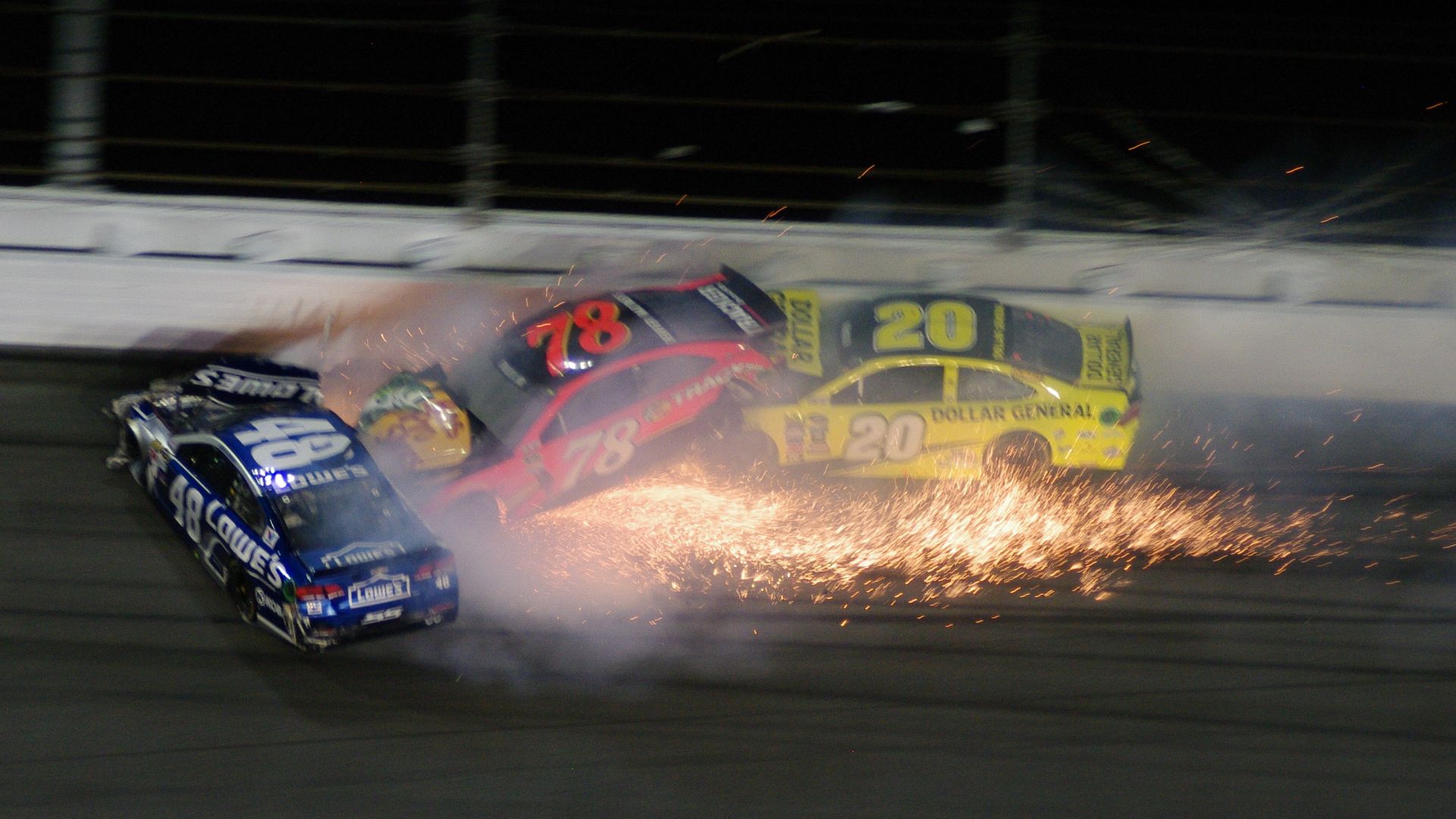
In 1975, NASCAR adopted a more standardized points system that gave races equal championship value regardless of purse or distance. That changed the season into a more consistent championship contest, where showing up every week and finishing well mattered more than chasing only the biggest events.
13. NASCAR’s Restrictor Plates
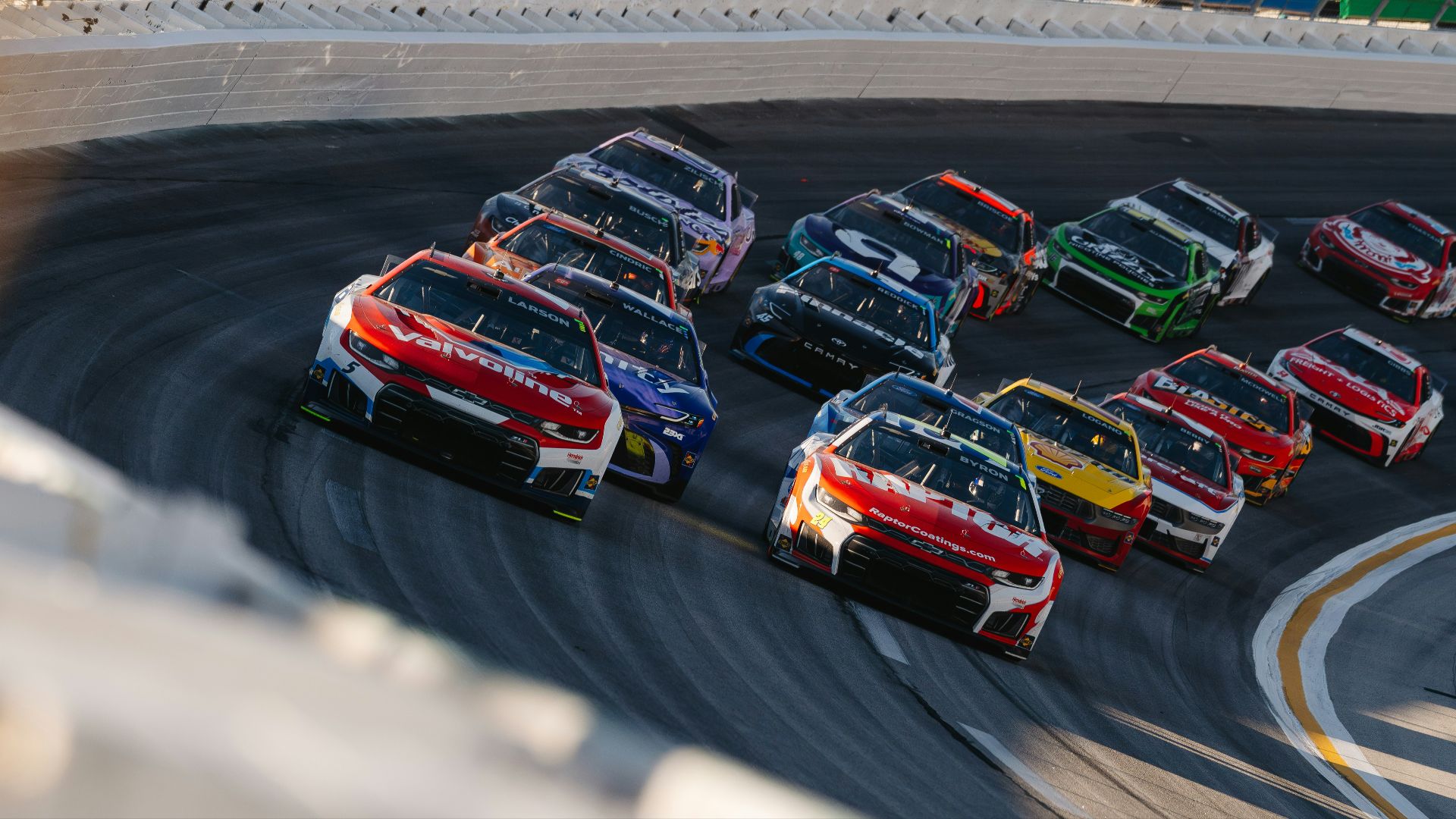
Restrictor plates were introduced in 1988 at the Daytona and Talladega racetracks, looking to limit airflow into the engine and reduce horsepower. The rule followed major concern over superspeedway speeds, especially after Bobby Allison’s 1987 Talladega crash.
14. NASCAR’s Pit-Road Speed Limits
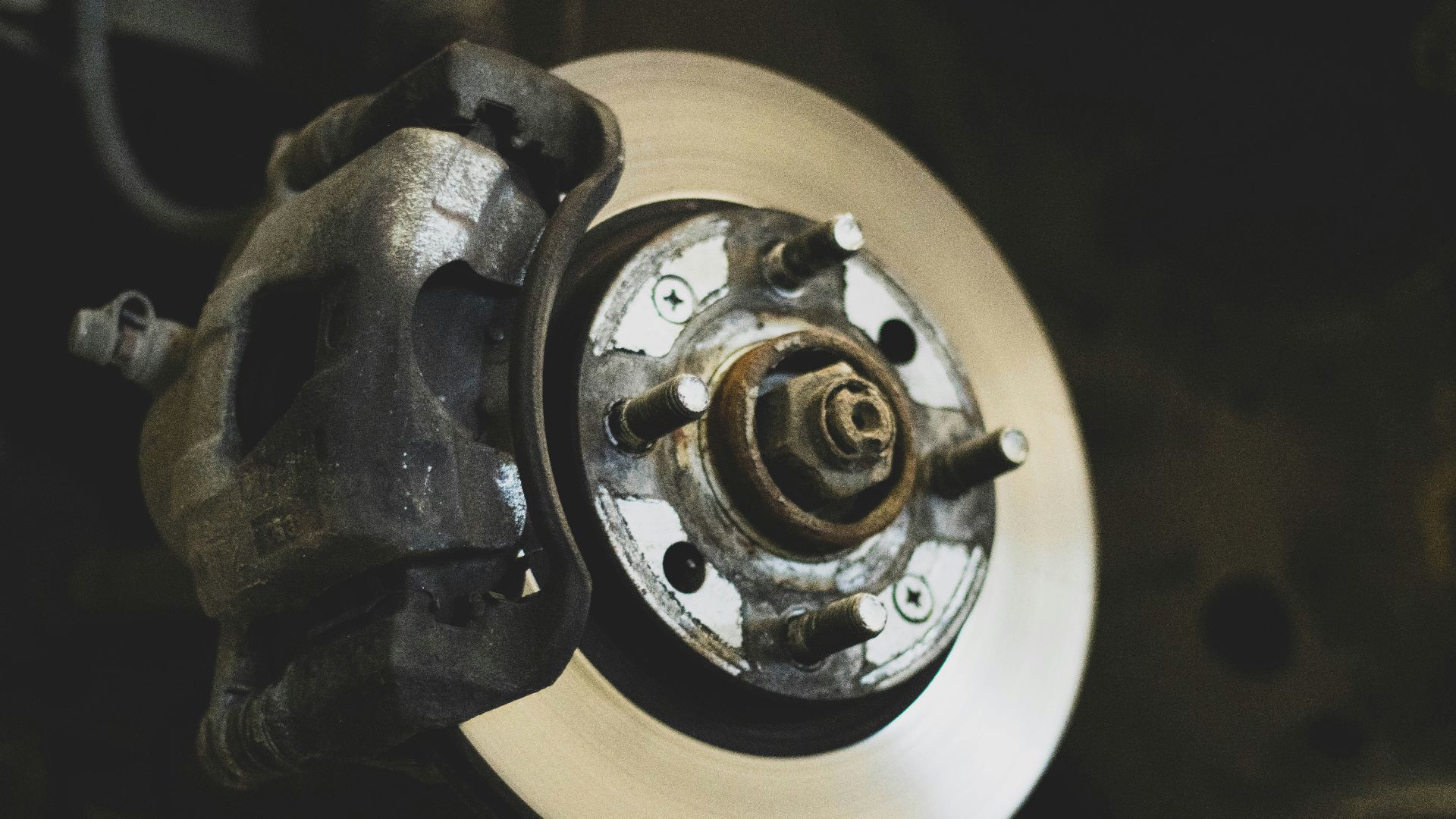
NASCAR introduced pit-road speed limits to make stops safer for crews, officials, and drivers moving through crowded pit lanes. The rule added another pressure point to race strategy, since a driver could lose track position or take a penalty for carrying too much speed into a stop.
15. NASCAR’s Roof Flaps
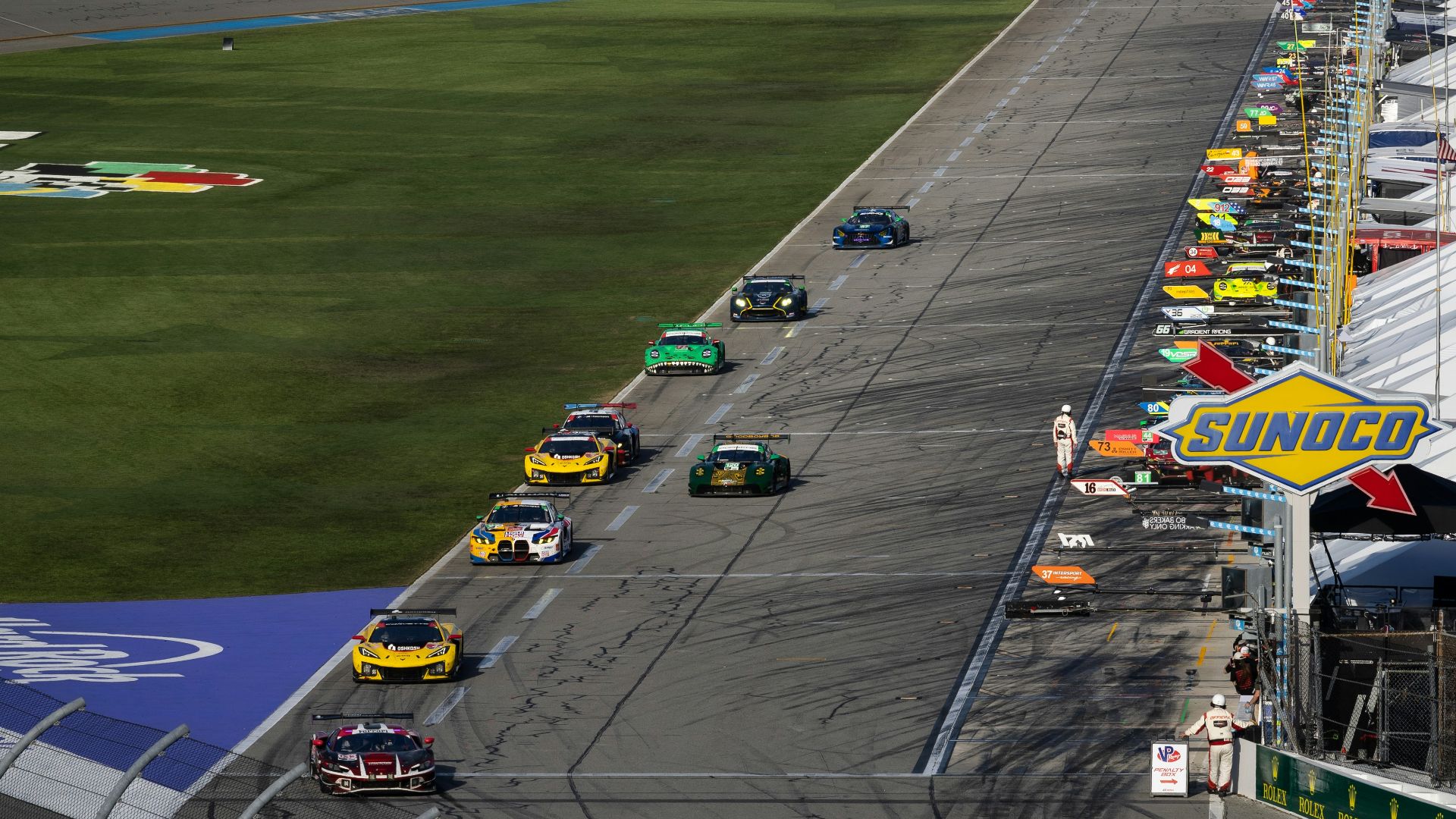
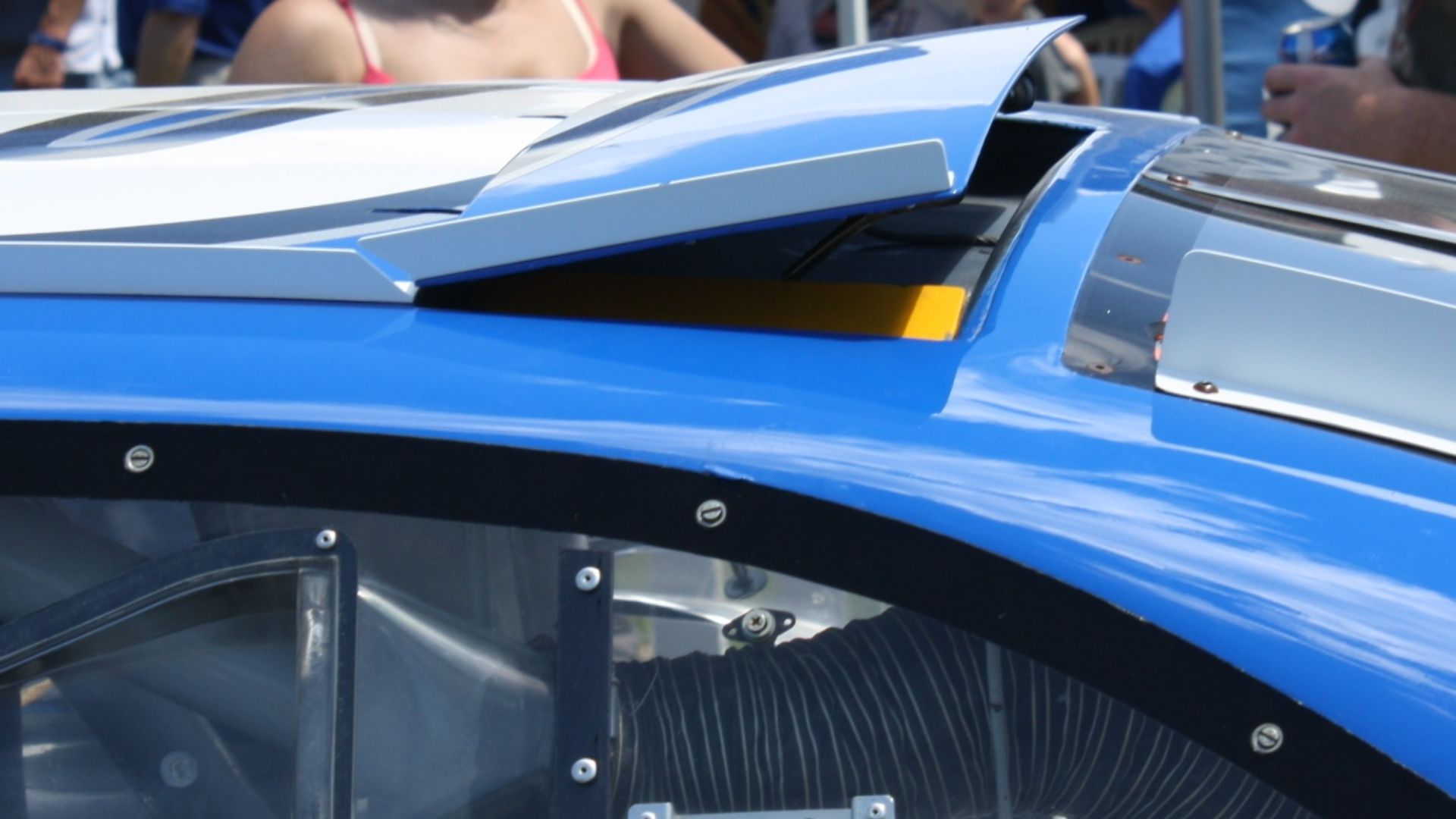
Roof flaps became mandatory in 1994 to reduce the chance of stock cars becoming airborne during spins. When a car turns backward or sideways at high speed, the flaps deploy and disrupt airflow over the roof, helping the car stay on the ground.
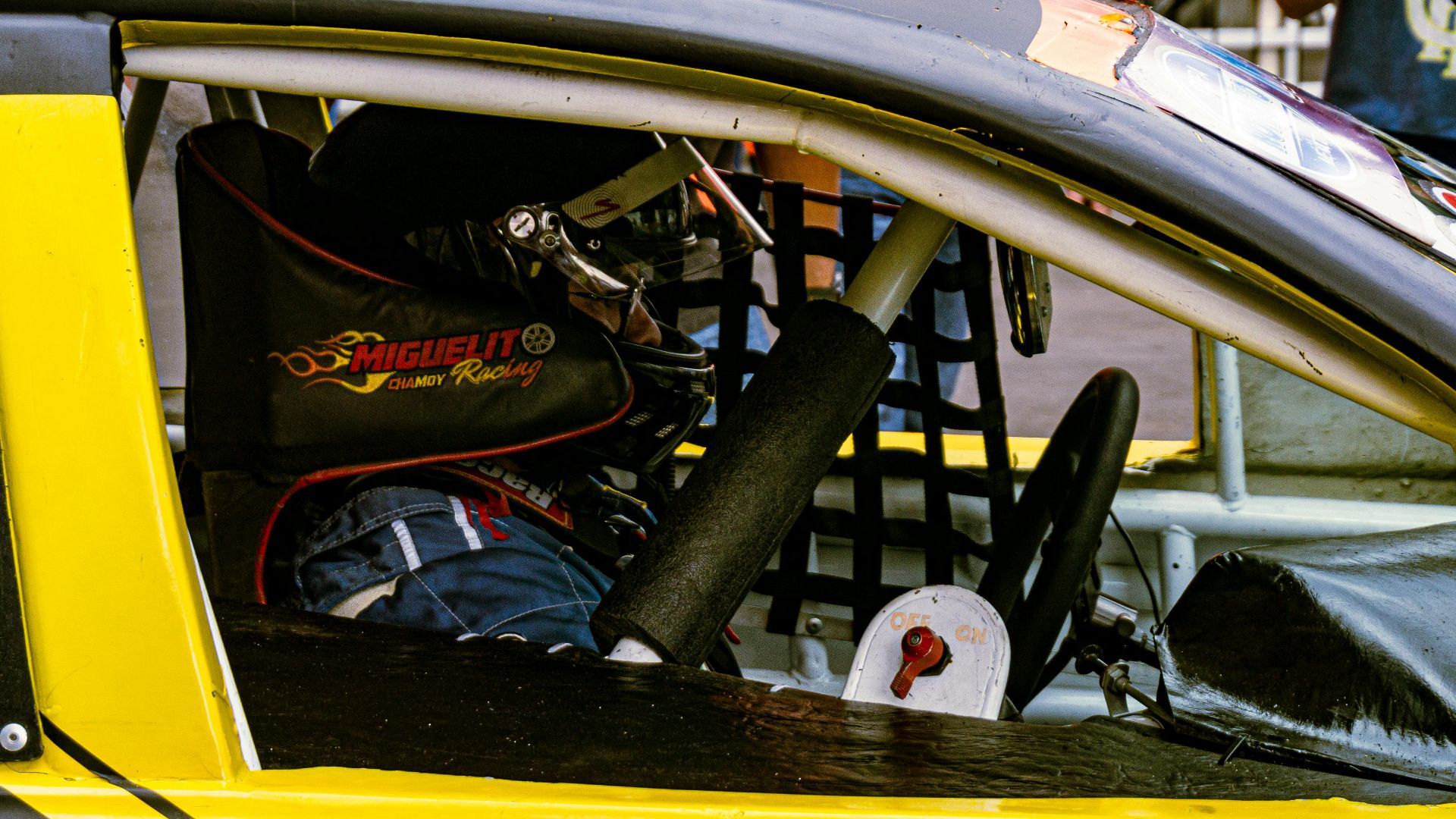
16. NASCAR’s Head-And-Neck Restraint Mandate
In 2001, NASCAR required approved head-and-neck restraint devices in its top national series. The mandate came after a brutal stretch of fatal crashes, and it addressed the dangerous movement between the head and torso during heavy impacts.
17. NASCAR’s SAFER Barriers
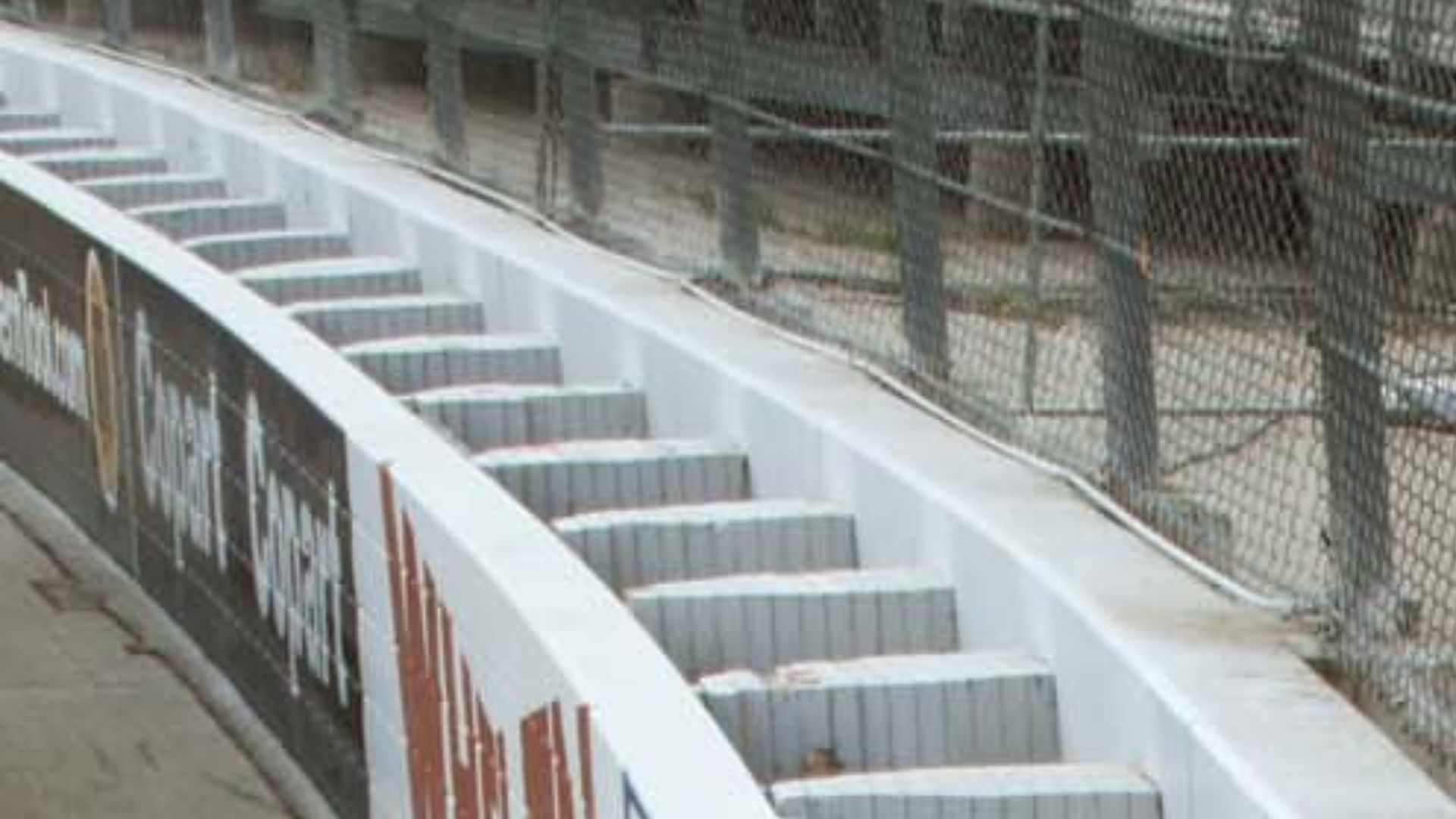
In the early 2000s, tracks began adopting SAFER barriers, which use steel and foam elements to absorb crash energy. The change reduced the force of impacts with hard walls and became one of the most important safety upgrades for high-speed oval racing.
18. NASCAR’s Green-White-Checkered Rule
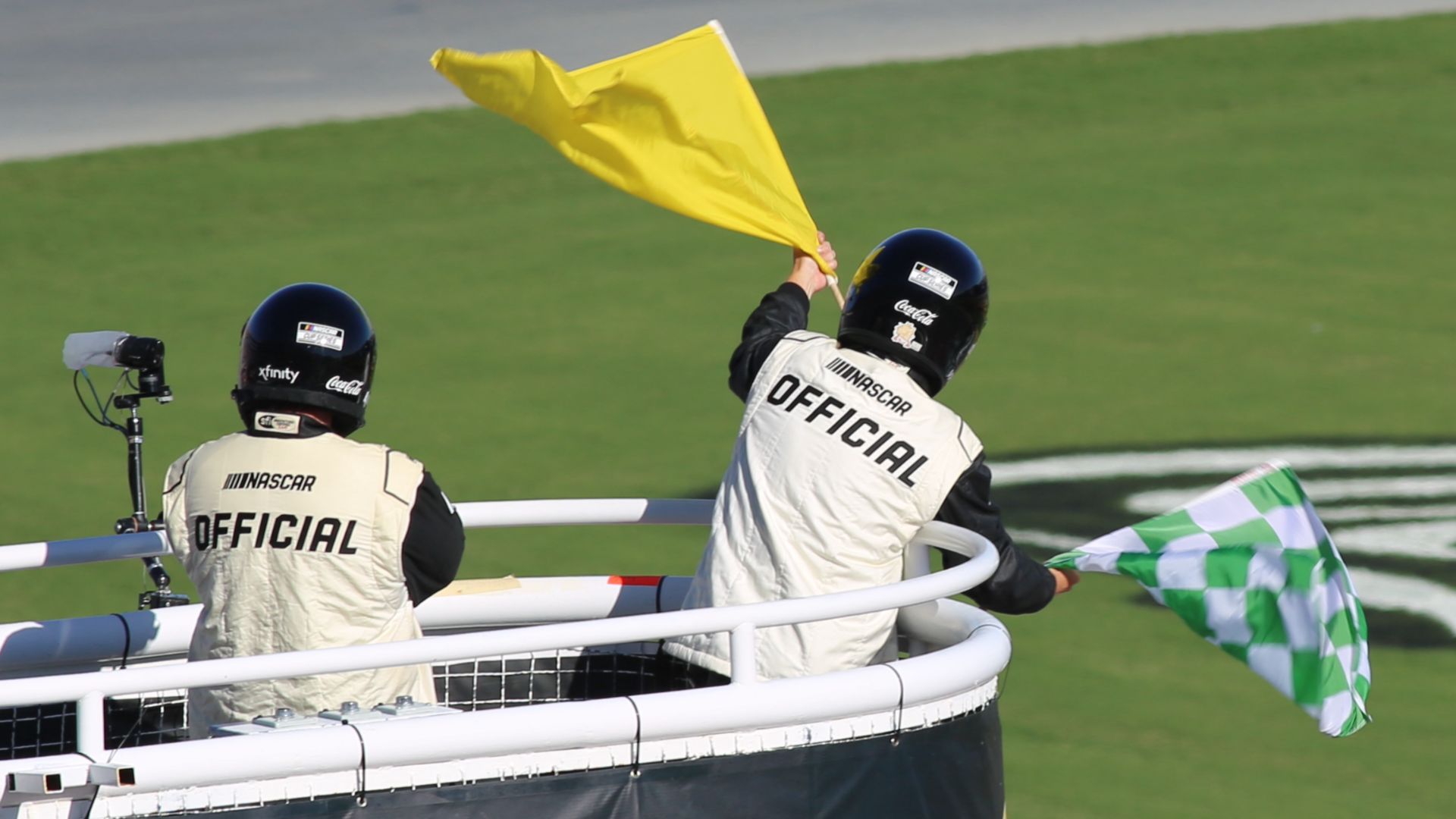
In 2004, NASCAR expanded the green-white-checkered format to its national series, allowing one attempt to finish a race under green-flag conditions after a late caution. The rule reduced caution-flag endings and made late restarts more meaningful.
19. NASCAR’s Car Of Tomorrow
The 2007 Car of Tomorrow debuted with a larger body, revised driver placement, a front splitter, a rear wing, and major safety changes. It was built to improve crash protection and control development costs, though many drivers and fans criticized how awkward it felt on track.
20. NASCAR’s Next Gen Car
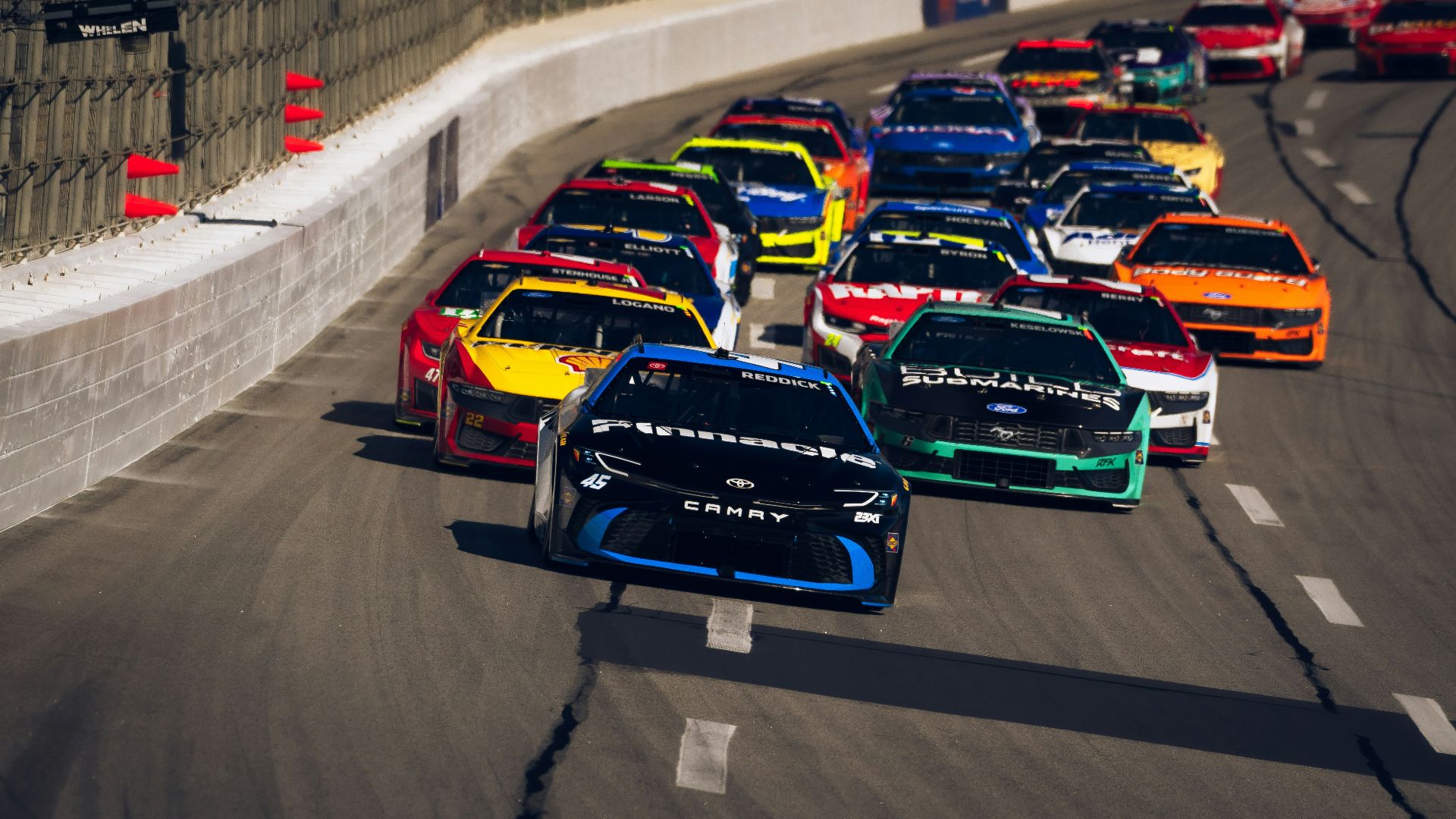
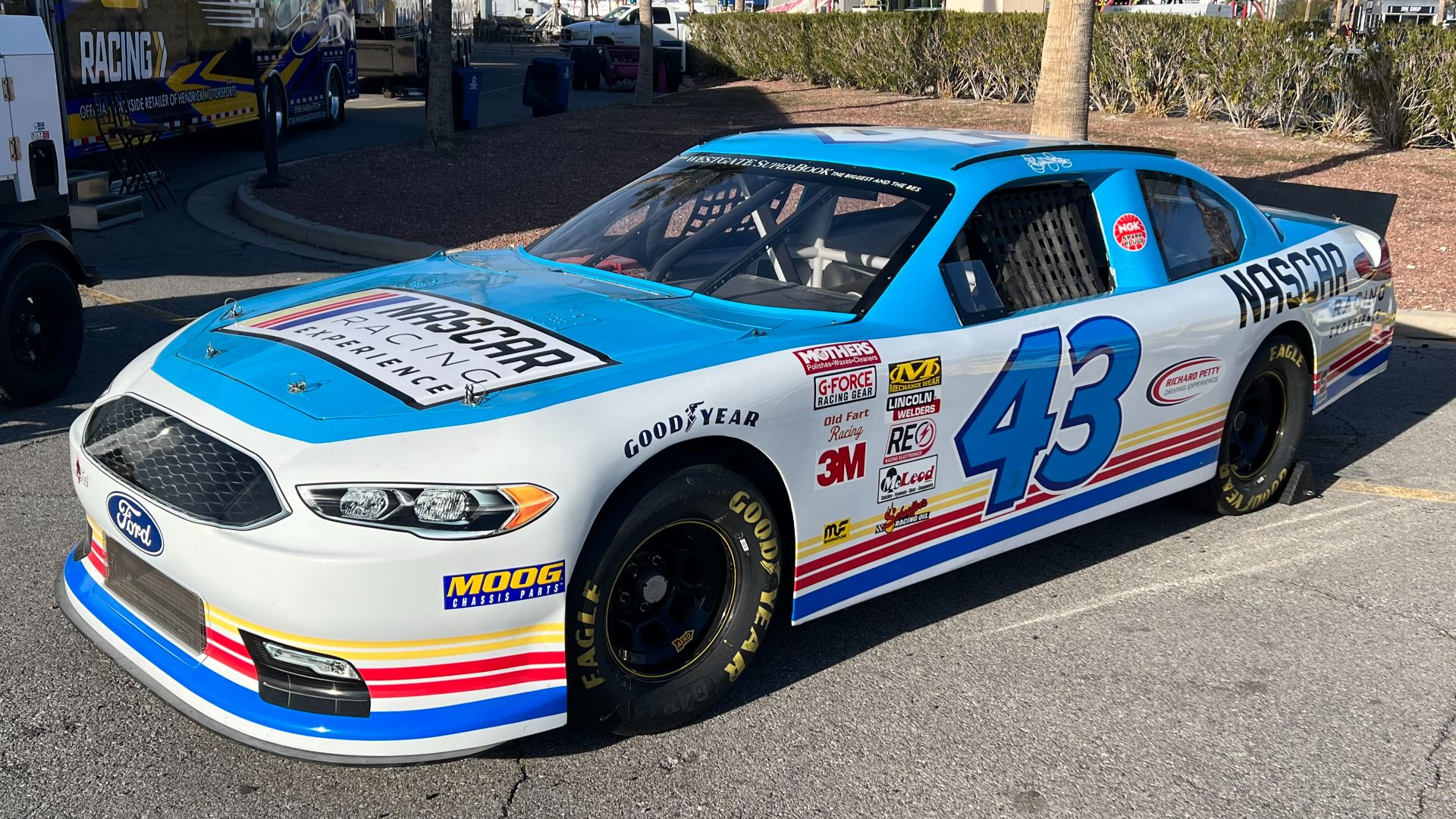
The 2022 Next Gen car introduced a composite body, independent rear suspension, a sequential gearbox, larger 18-inch wheels, and more standardized parts. The change modernized the Cup Series car and forced teams to relearn setup habits that had been built over years of working with older stock-car designs.