There's a reason a familiar song can feel better in the car than it does almost anywhere else. The chorus hits at exactly the right moment, the bass feels closer, and even an old playlist can suddenly sound like it was built for the highway. Part of that comes from the car itself, and part of it comes from the very human way music pairs with movement.
A car isn’t the highest-quality way to listen to music. It's small, sealed, uneven, and full of hard and soft surfaces that shape the sound before it reaches your ears. Add road motion, a changing view, and the little emotional boost of going somewhere, and music can feel less like background noise and more like a scene out of a movie.
The Cabin Makes Music Feel Closer
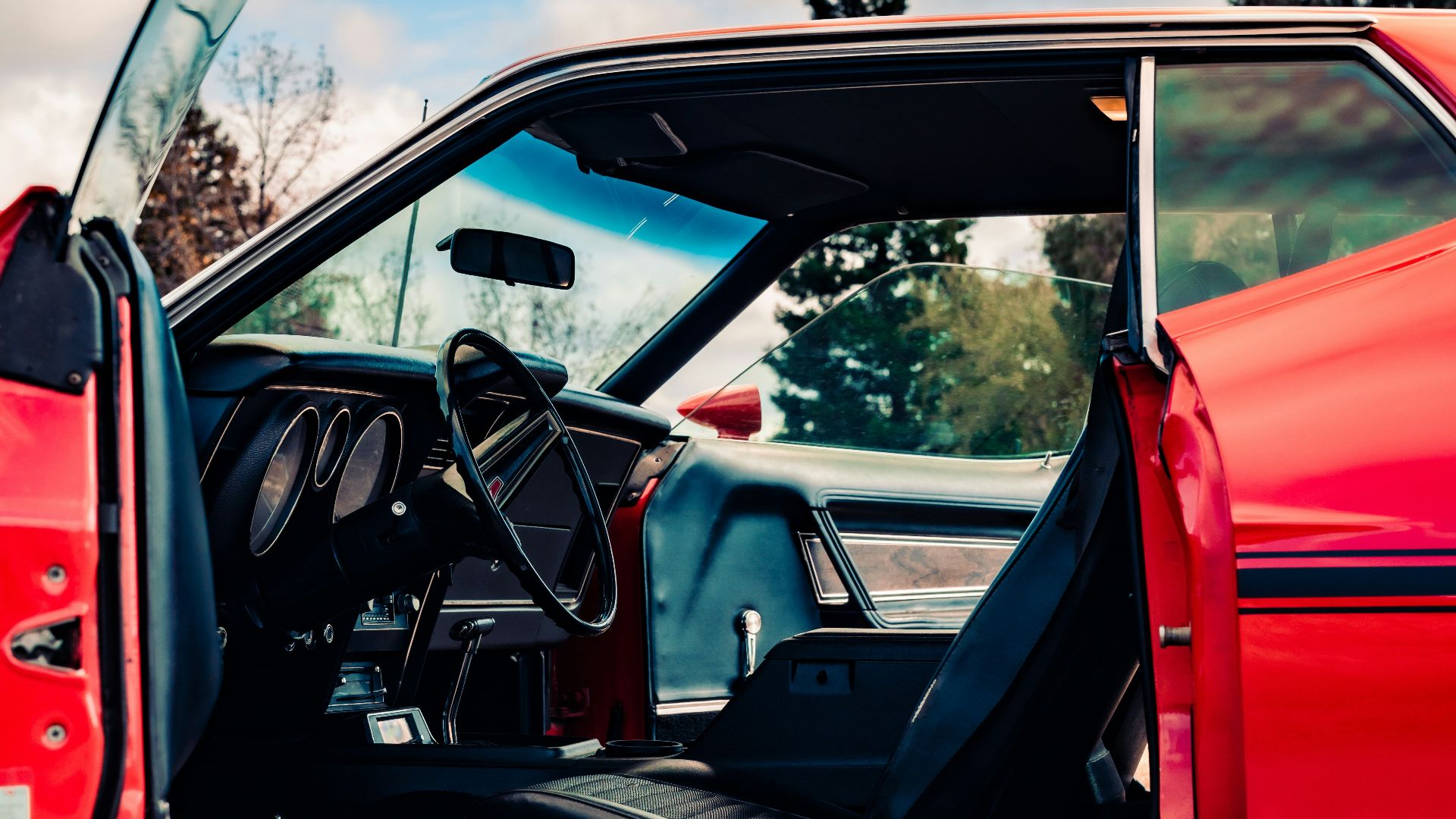
A car cabin changes music before you consciously notice it. Vehicle interiors are packed with materials that reflect, absorb, and scatter sound, including glass, plastic, carpet, cloth, leather, foam, and dashboard surfaces. Car audio experts note that interior materials, speaker placement, seating position, road noise, and tuning can all affect how clear, balanced, or uneven a system sounds.
That means the sound you hear in a car is never just the song coming straight from the speakers. It's the song bouncing around a tight space, interacting with doors, windows, seats, and trim panels on its way to you. That can create flaws, but it can also make the listening experience feel intimate in a way a big living room rarely does.
The driver's seat also creates a very specific listening position. You're not usually centered between the left and right speakers, so one side may reach your ears sooner or louder than the other. Digital signal processing, equalization, and time alignment can help compensate for that imbalance, which is why a well-tuned car system can make vocals and instruments feel as if they're sitting across the dashboard instead of coming from a random door panel.
The Road Changes What You Hear
Once the car starts moving, the road becomes part of the listening experience. Tire noise, wind, engine sound, vibration, and changing pavement can all compete with the stereo. Miami Pro Audio notes that a system can sound different on the highway than it does in the city because speed and outside noise affect what details come through.
That doesn't mean road noise magically improves audio quality. It can actually cover up quieter details, especially at higher speeds. The trick is that many drivers turn the music up just enough to rise above the cabin noise, and at that level, a song can feel fuller, more physical, and more dramatic.
The setting matters, too. City driving breaks songs into little pieces, with stops, turns, crosswalks, and traffic lights constantly interrupting the flow. On an open road, music has more room to breathe, so a long bridge, a guitar solo, or a slow-building chorus can stretch out with the scenery instead of fighting every intersection for attention.
That physical setting is a big part of why the same track can hit differently behind the wheel. The car gives you movement, direction, and a private space. Music feels attached to the moment, not just played over it.
The Brain Brings The Rest
 Ben Blennerhassett on Unsplash
Music already has a strong emotional pull, even before a car gets involved. Research published in Nature Neuroscience found that intense pleasure during music listening can be associated with dopamine release in the striatum, a part of the brain involved in reward. That doesn't prove cars make music more powerful on their own, but it does help explain why a favorite song can feel so rewarding when the mood is right.
Driving can make that reward feel more vivid because it gives music a story to follow. A familiar song plays while the scenery changes, and your brain starts stitching the two together. That's how a normal stretch of highway can suddenly feel cinematic, even if you're just on your regular commute.
There's also the capsule effect of being in a car. You're separated from the rest of the world. That can make lyrics feel sharper, melodies feel warmer, and old songs feel tied to memories you didn't plan on revisiting during your errands.
That said, music behind the wheel still needs some restraint. The Children's Hospital of Philadelphia summarizes research showing that background music made people respond nearly 30 milliseconds faster in certain tasks, while also reducing the odds of a correct response by 11% to 13%. Faster isn’t always better, which is worth keeping in mind.
Research on novice drivers is especially worth handling carefully. A study in Accident Analysis & Prevention found that fast-tempo music increased mental load and reduced hazard perception among novice drivers in simulated traffic situations.
The safest takeaway isn’t to drain all joy from the playlist. It's to match the music to the drive. Familiar songs at a reasonable volume can make the road feel better, while complicated traffic, bad weather, new drivers, and fast, loud music deserve a little more caution.
That balance is why music sounds so good in the car without needing any miracle explanation. The cabin changes the sound, the road gives it motion, and the brain fills in the emotional weather. For a few minutes, even a normal drive can feel like it has a soundtrack.