When Color Becomes More Than Just Appearance
Vehicle paint choices often seem like a purely aesthetic decision, but they can carry surprising weight when it comes to rarity, desirability, and long-term value. Some colors are produced in such limited numbers that they become collector highlights, while others consistently appeal to buyers and help vehicles sell faster. Over time, patterns have emerged showing how certain shades influence perception and demand. Understanding the difference between rarity and resale appeal can help you make more informed choices. Here are the 10 rarest factory paint colors and 10 that instantly boost resale value.
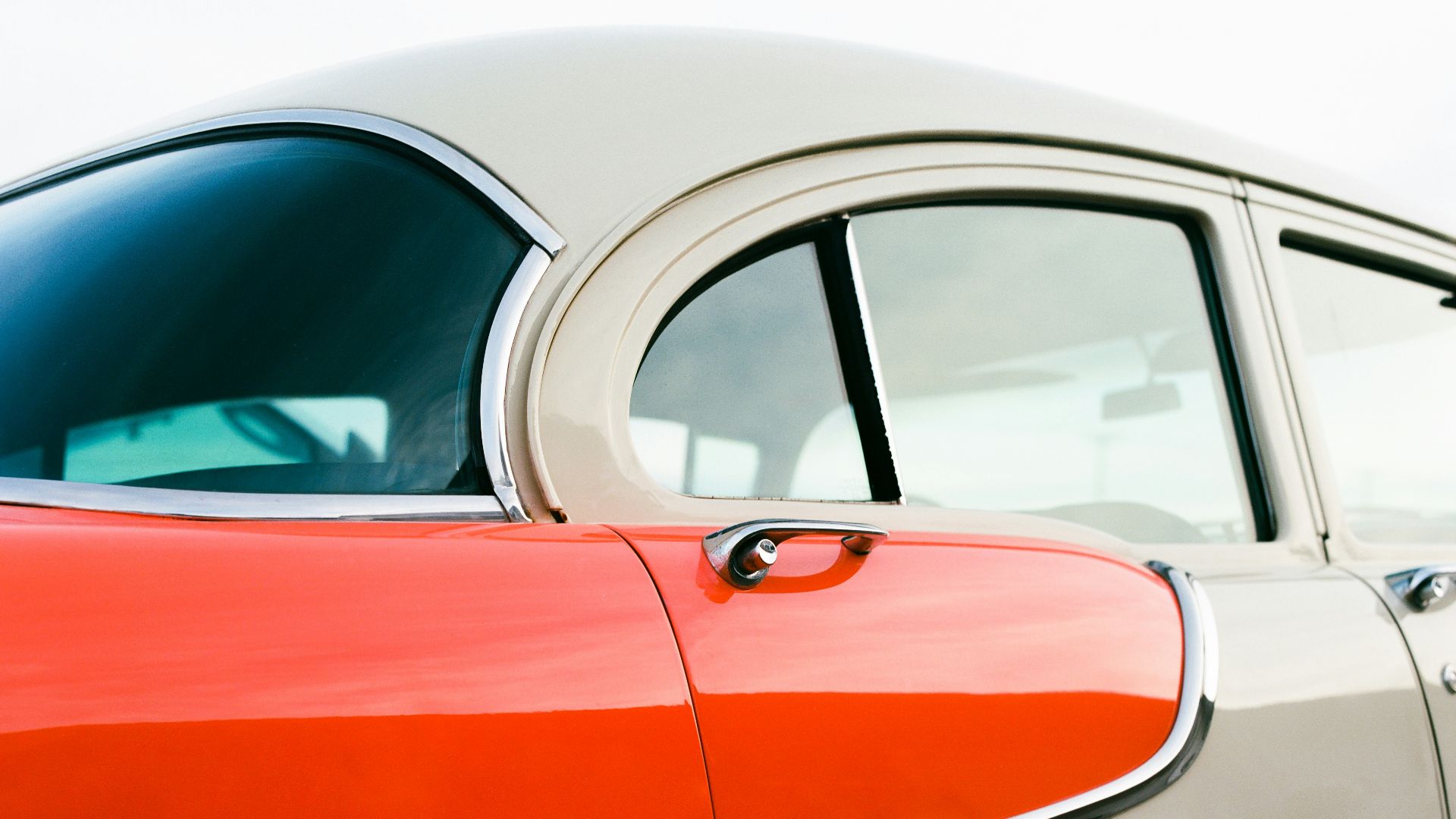
1. Plum Crazy Purple — Dodge
This vibrant purple shade has appeared only in select model years, often in limited runs tied to performance vehicles. Its bold appearance made it less commonly ordered compared to neutral colors. You’ll notice that it stands out immediately, which adds to its uniqueness. That limited production has made it highly recognizable among enthusiasts.
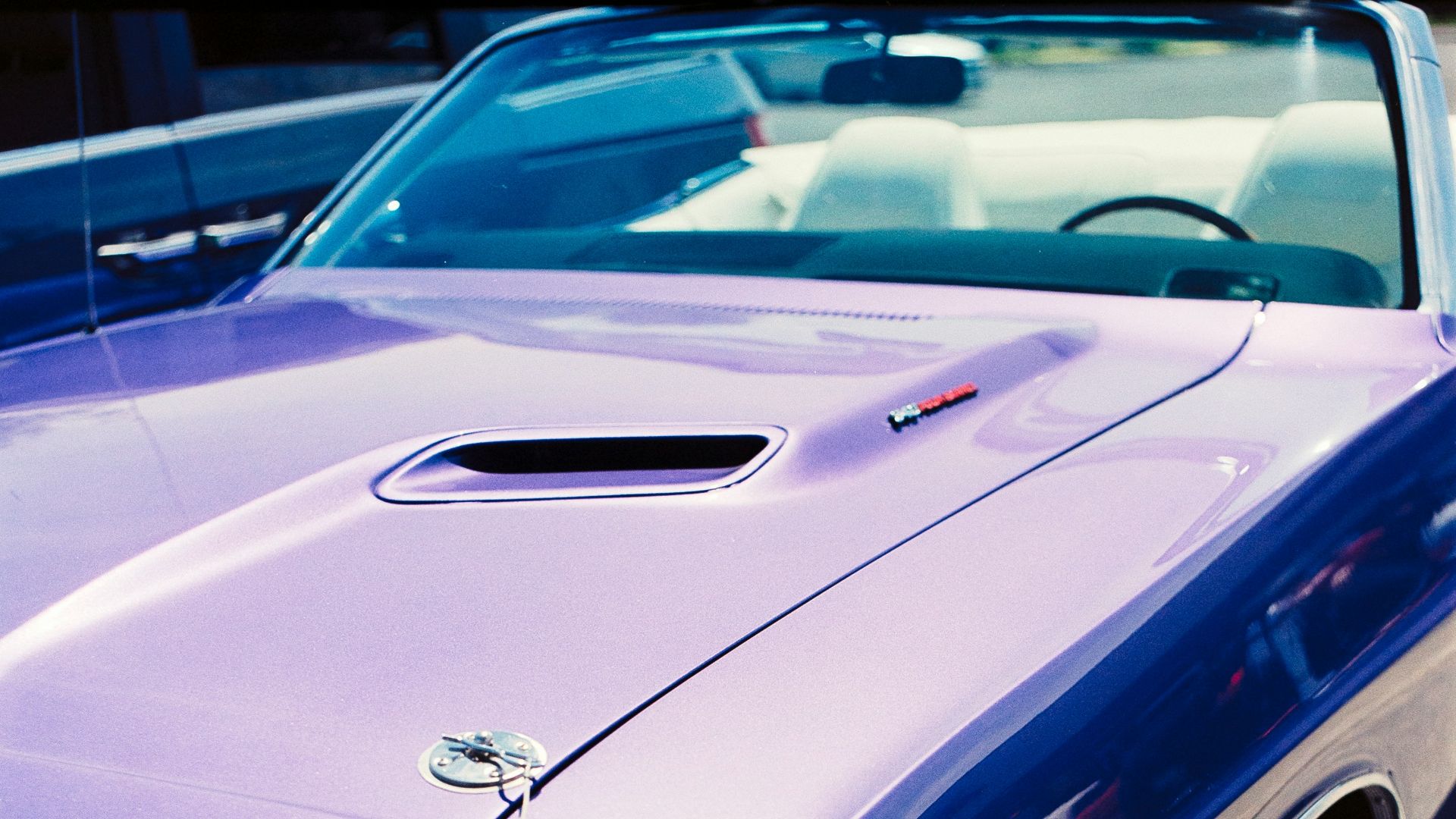
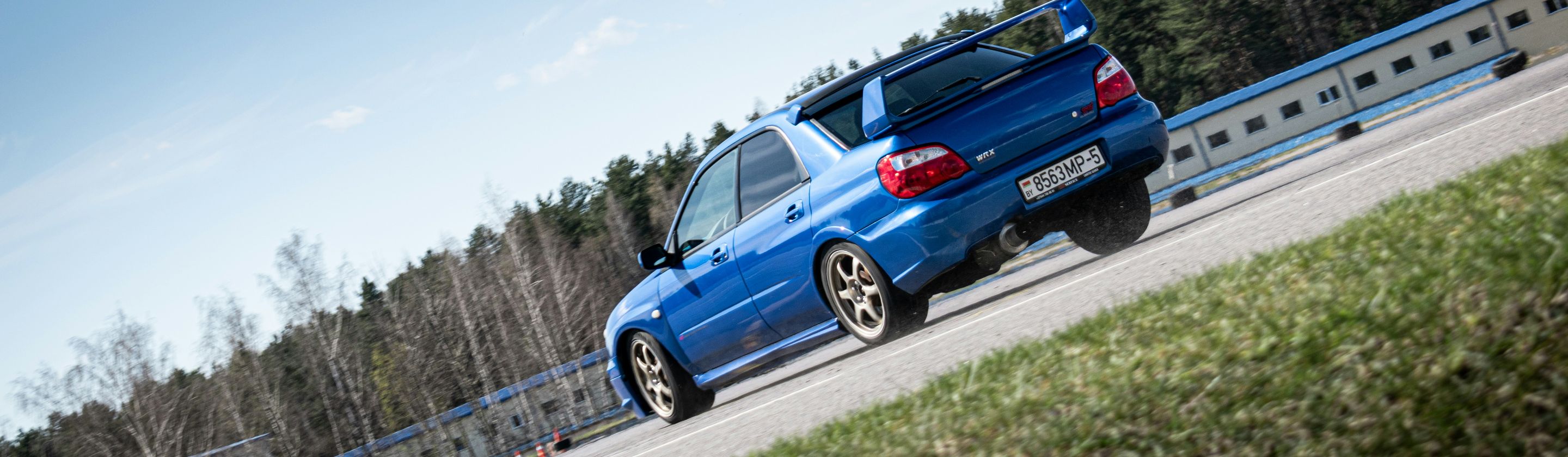
2. Laguna Seca Blue — BMW
This distinctive blue was originally offered on a specific high-performance model in the early 2000s. It wasn’t widely available across the brand’s lineup, which contributed to its rarity. You might find it associated with a very particular era of design. That exclusivity has helped maintain its appeal.
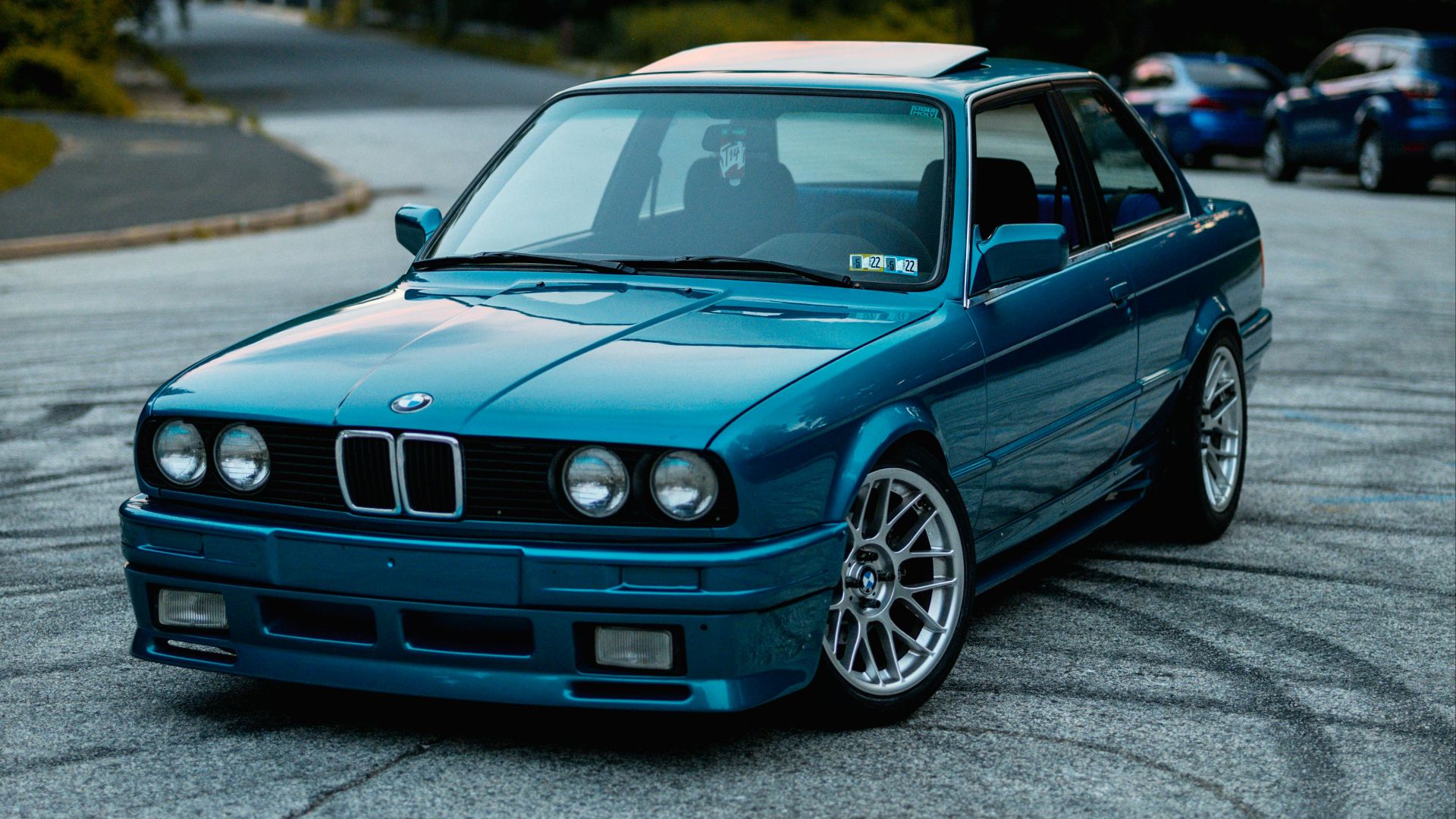
3. British Racing Green (Specific Limited Variants) — Various Brands
While the general shade is well known, certain factory-specific versions were produced in very small quantities. These variations often appeared on special editions or regional releases. You may notice subtle differences that set them apart from standard greens. Those distinctions make them harder to find.
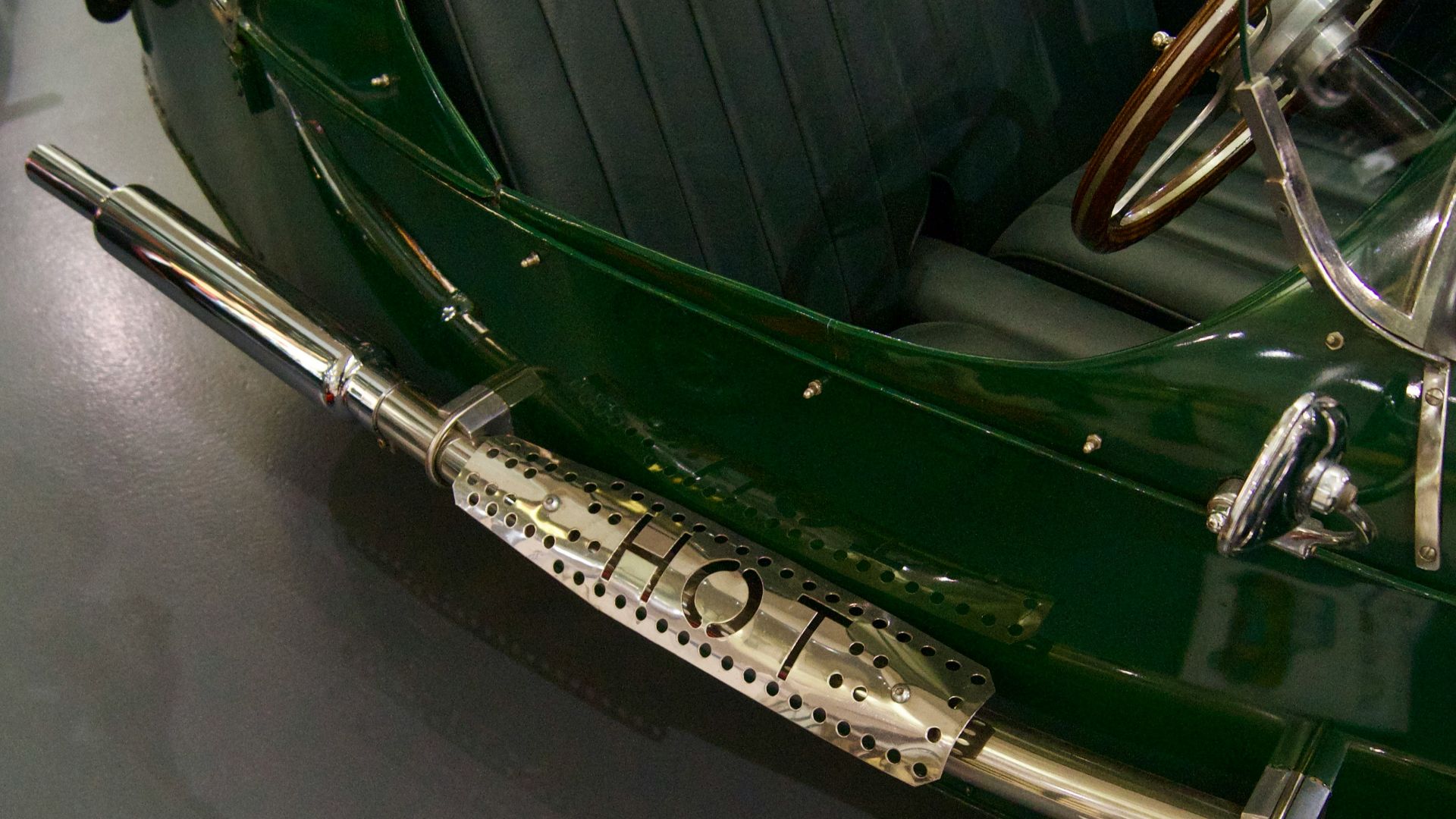
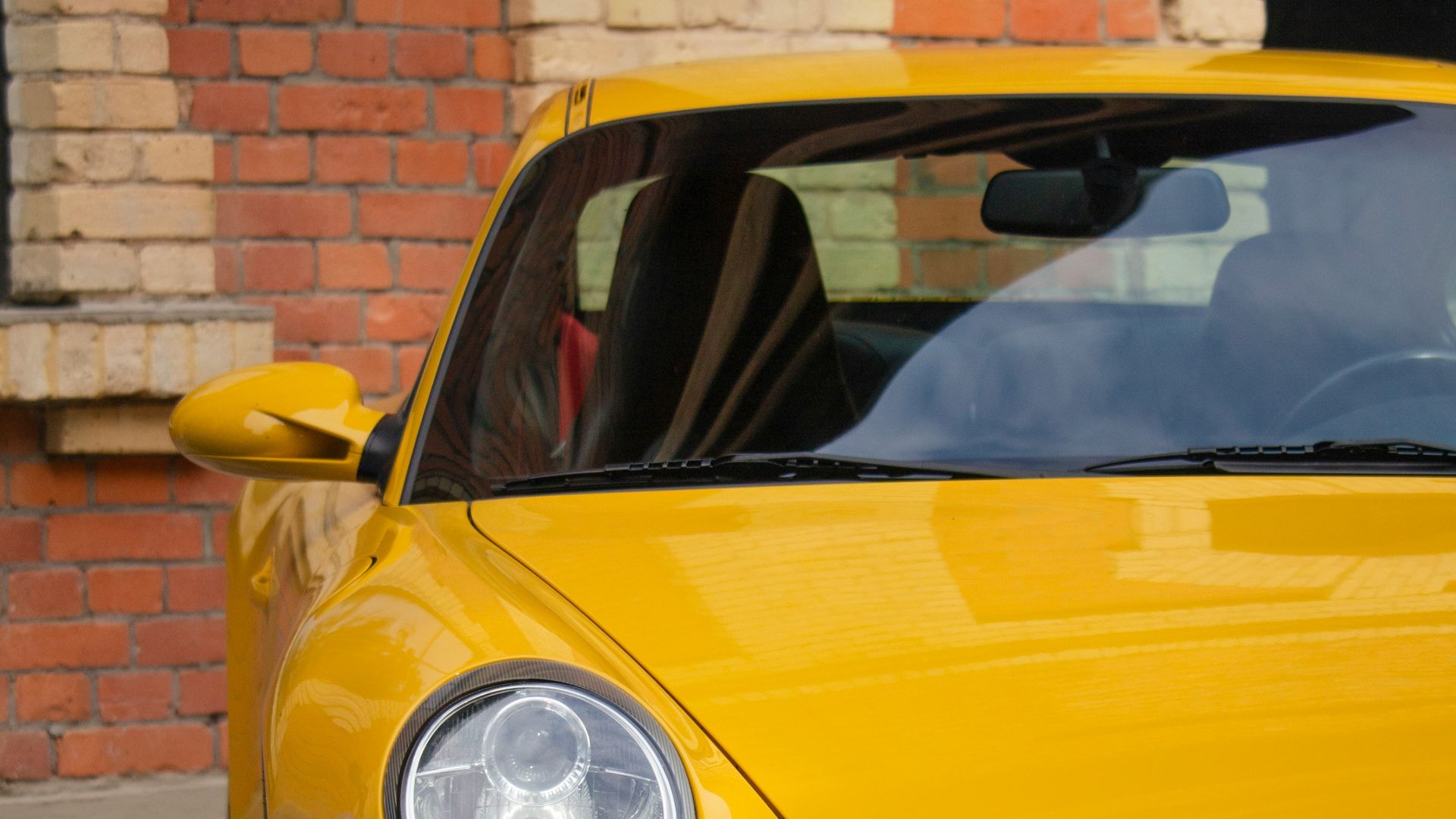
4. Speed Yellow — Porsche
This bright yellow was offered on select performance models and wasn’t commonly chosen by buyers. Its bold tone limited its popularity at the time.
5. Phoenix Yellow — Acura
This metallic yellow-green shade was only available for a short production period. Its unusual tone made it less widely ordered, which reduced overall numbers. You might notice how distinct it looks compared to more traditional colors. That uniqueness contributes to its rarity.

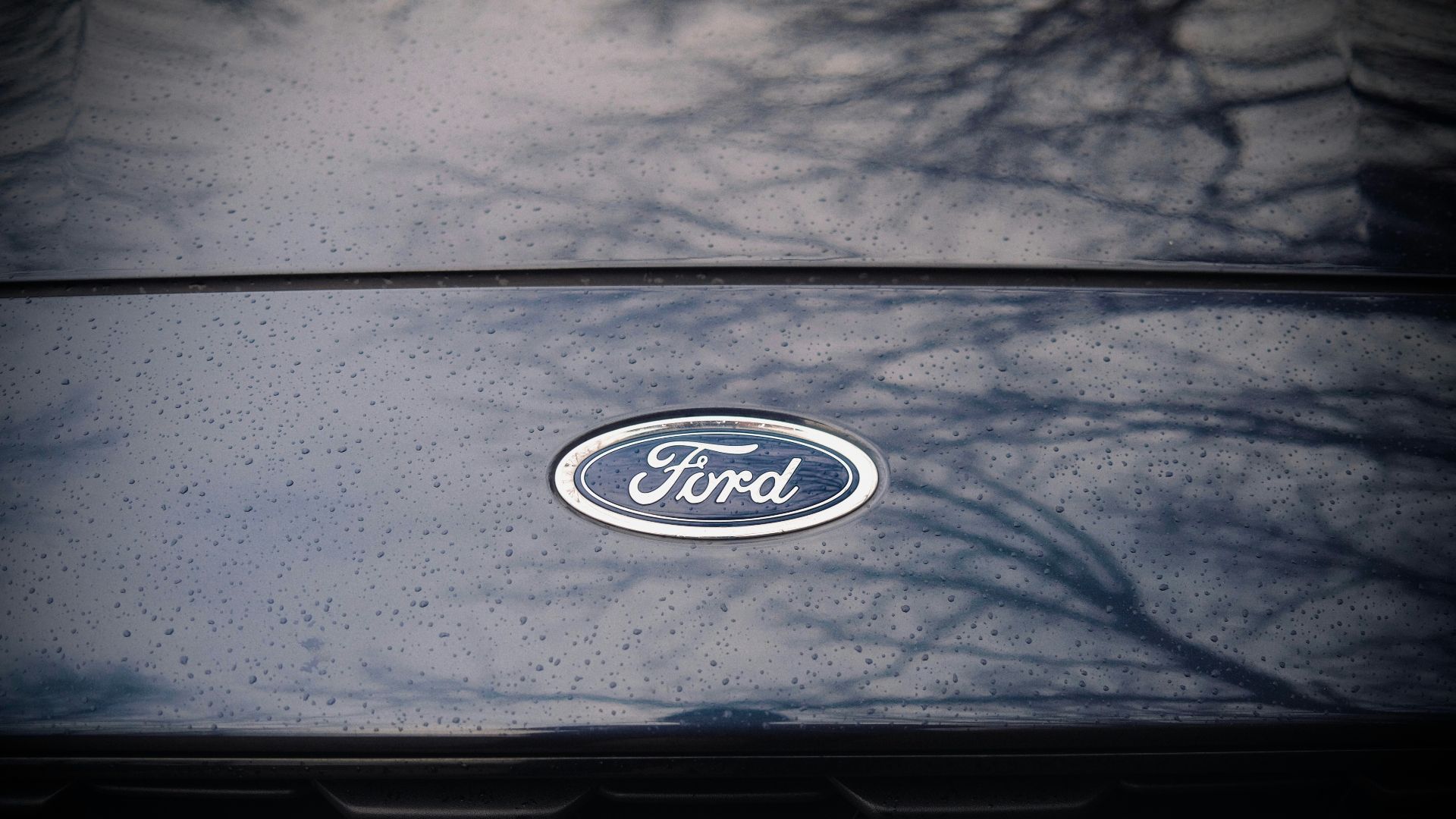
6. Mystic Chrome — Ford
This color-shifting paint changes appearance depending on lighting and angle, making it technically complex to produce. It was limited to a small number of vehicles due to cost and production challenges. You’ll notice it shifts between multiple tones in motion. That complexity makes it particularly rare.
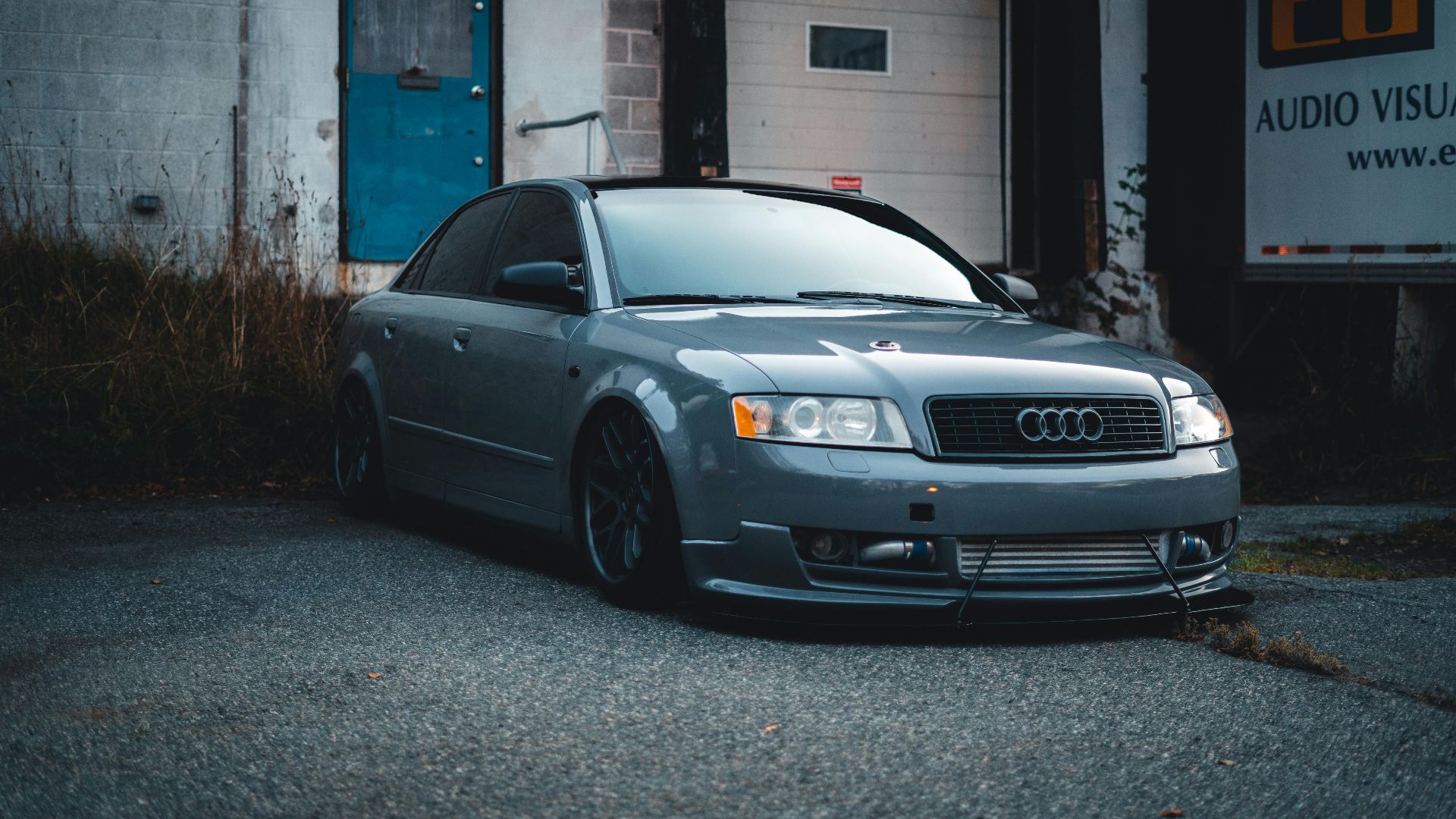
7. Nardo Gray (Early Limited Releases) — Audi
Although now more common, early factory applications of this flat gray were limited to specific performance models. At the time, it was considered unconventional compared to traditional metallic finishes. You may find that earlier versions are harder to locate. That early exclusivity adds to its rarity.
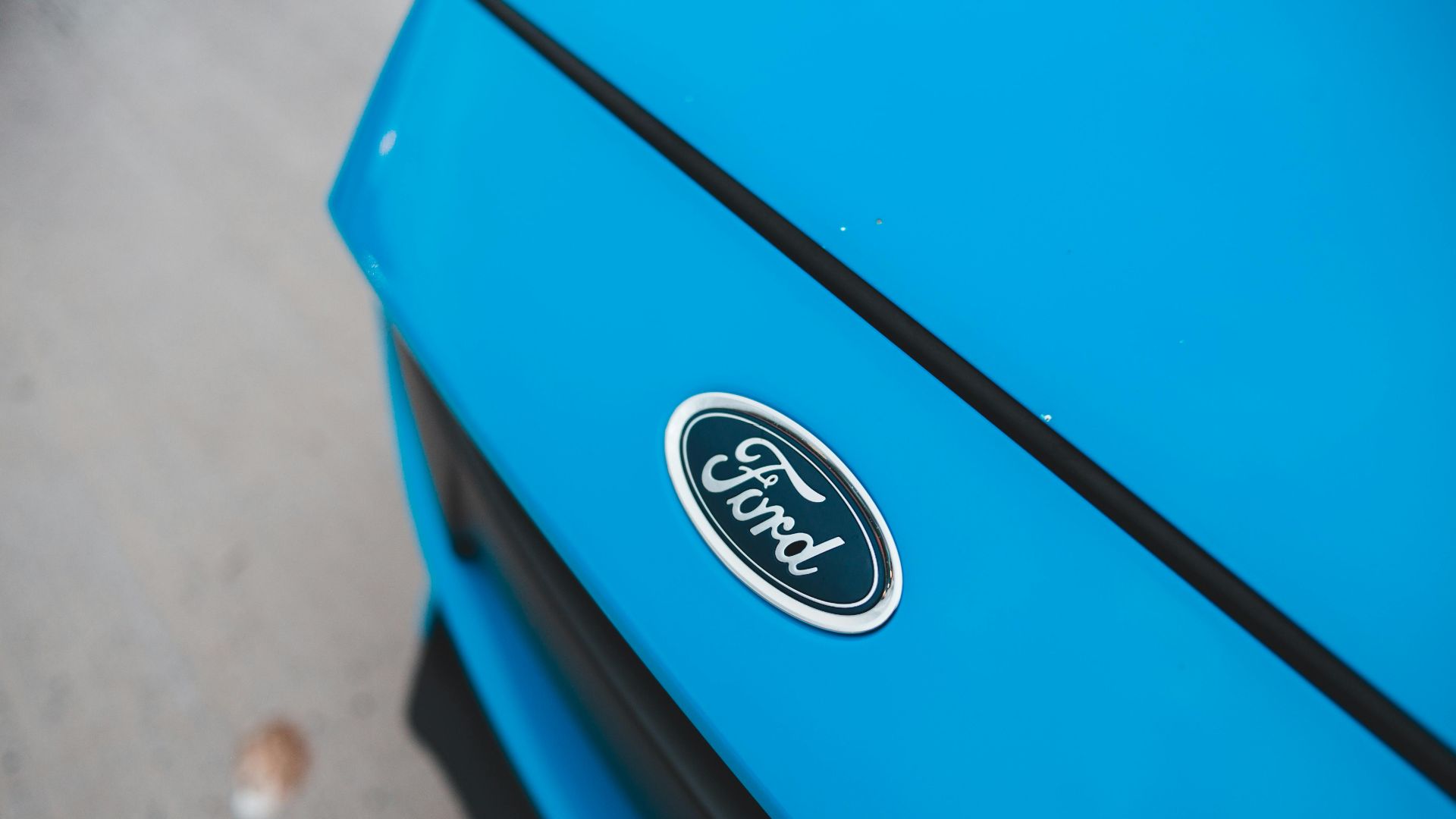
8. Grabber Blue (Limited Runs) — Ford
This bright blue has appeared intermittently across different model years, often in limited batches. Its availability wasn’t consistent, which reduced overall production numbers. You might notice its strong visual impact. That intermittent production contributes to its uniqueness.
9. Signal Orange — Porsche
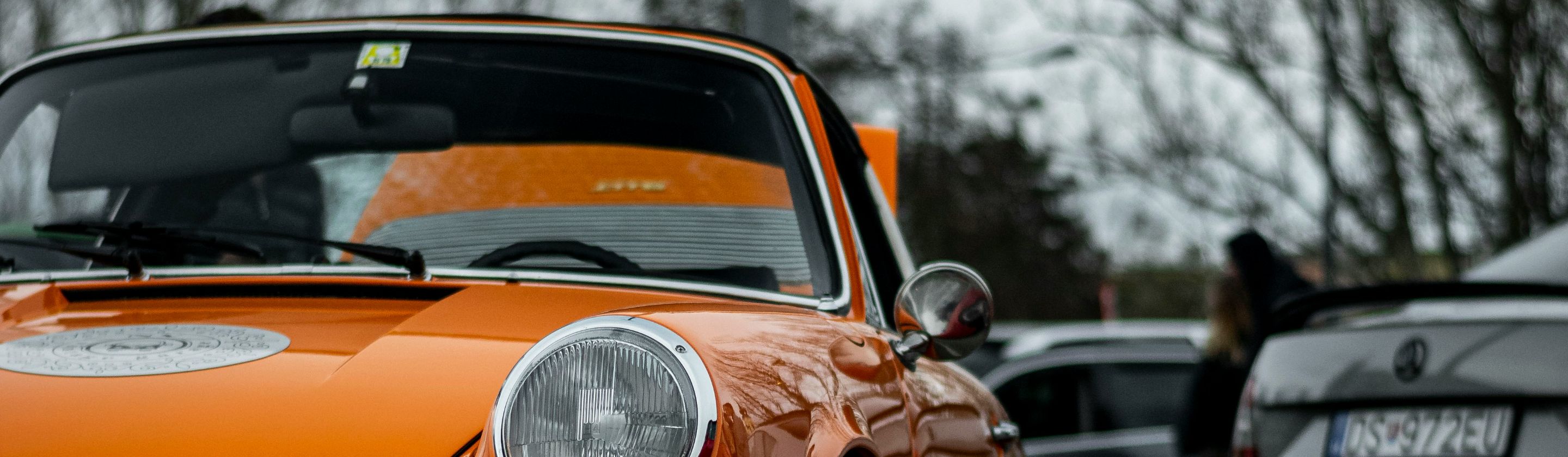
This bold orange shade was offered during specific periods and wasn’t widely selected. Its intensity made it less common on the road.
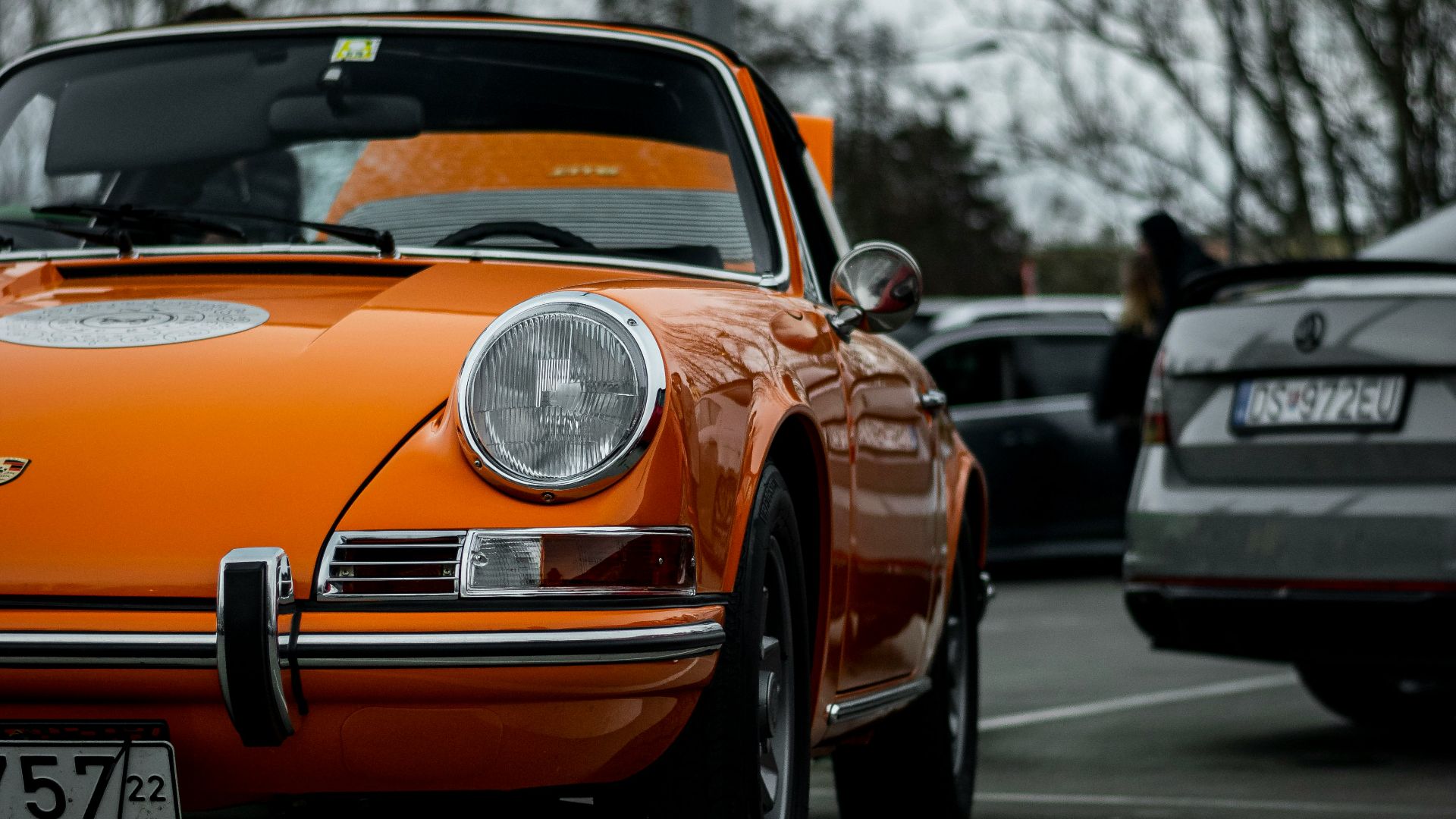
10. Isle of Man Green — BMW
This deep green was introduced on a newer performance model but hasn’t been widely distributed across the lineup. Its limited application keeps overall numbers relatively low. You may notice its rich tone stands out without being overly bright. That balance adds to its distinctiveness.
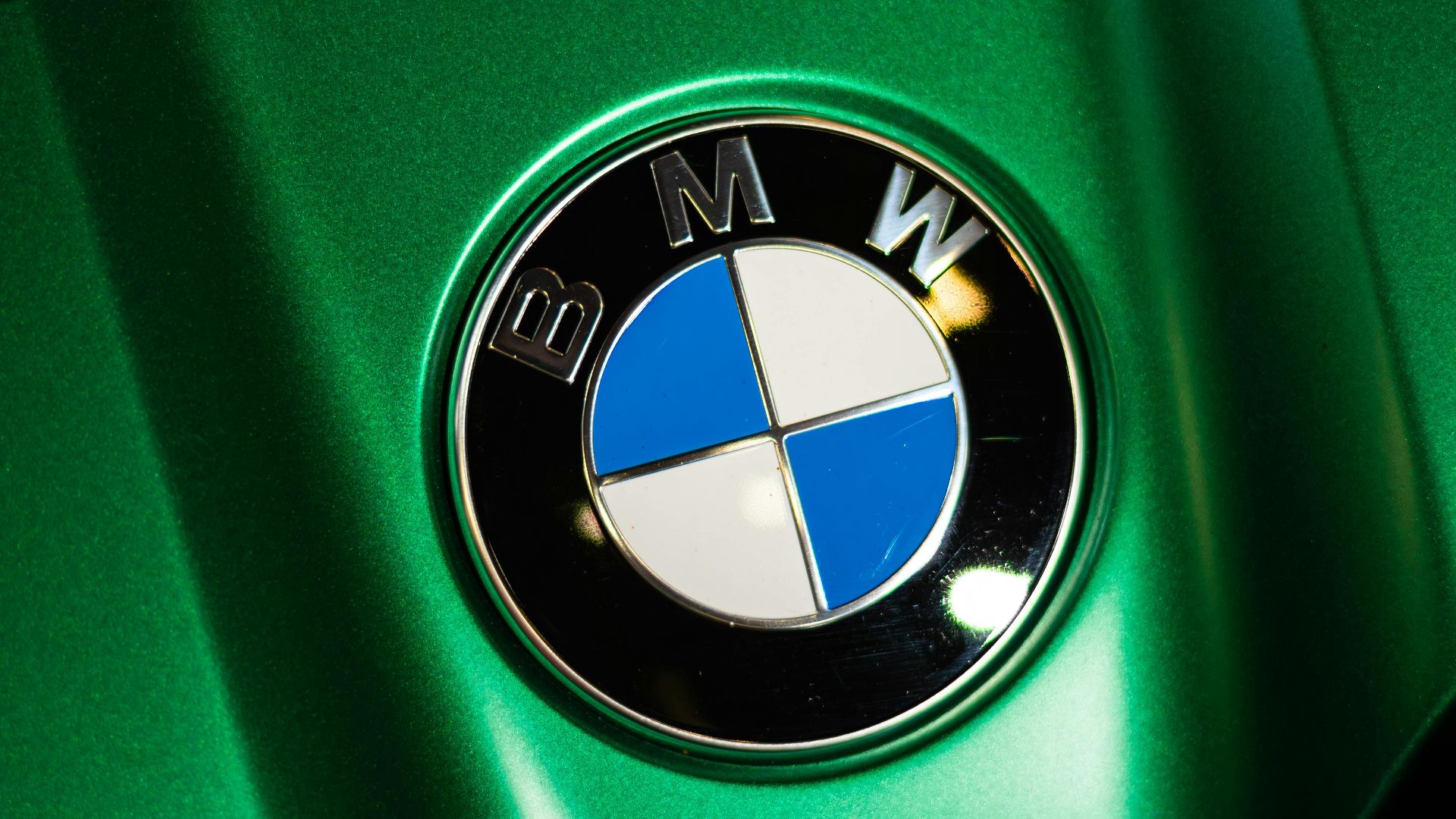
1. White
White remains one of the most consistently popular vehicle colors across different markets. It reflects heat well and tends to show fewer minor imperfections. You might find that it appeals to a wide range of buyers. This broad demand often helps resale value.
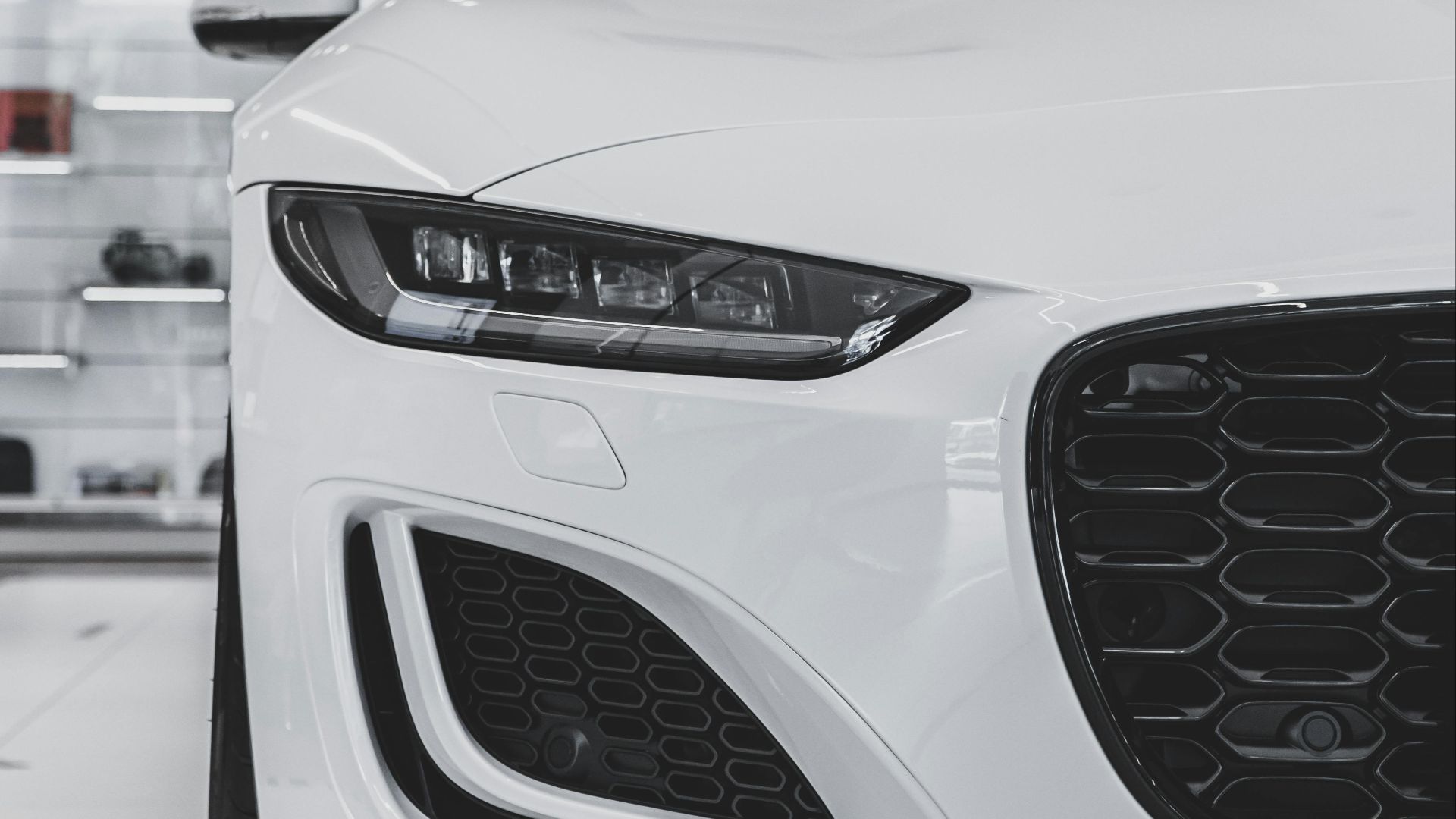
2. Black
Black vehicles carry a sleek and formal appearance that many buyers prefer. Although it requires more maintenance to keep clean, its visual appeal remains strong. You may notice it’s commonly associated with higher-end trims. That perception can support resale value.
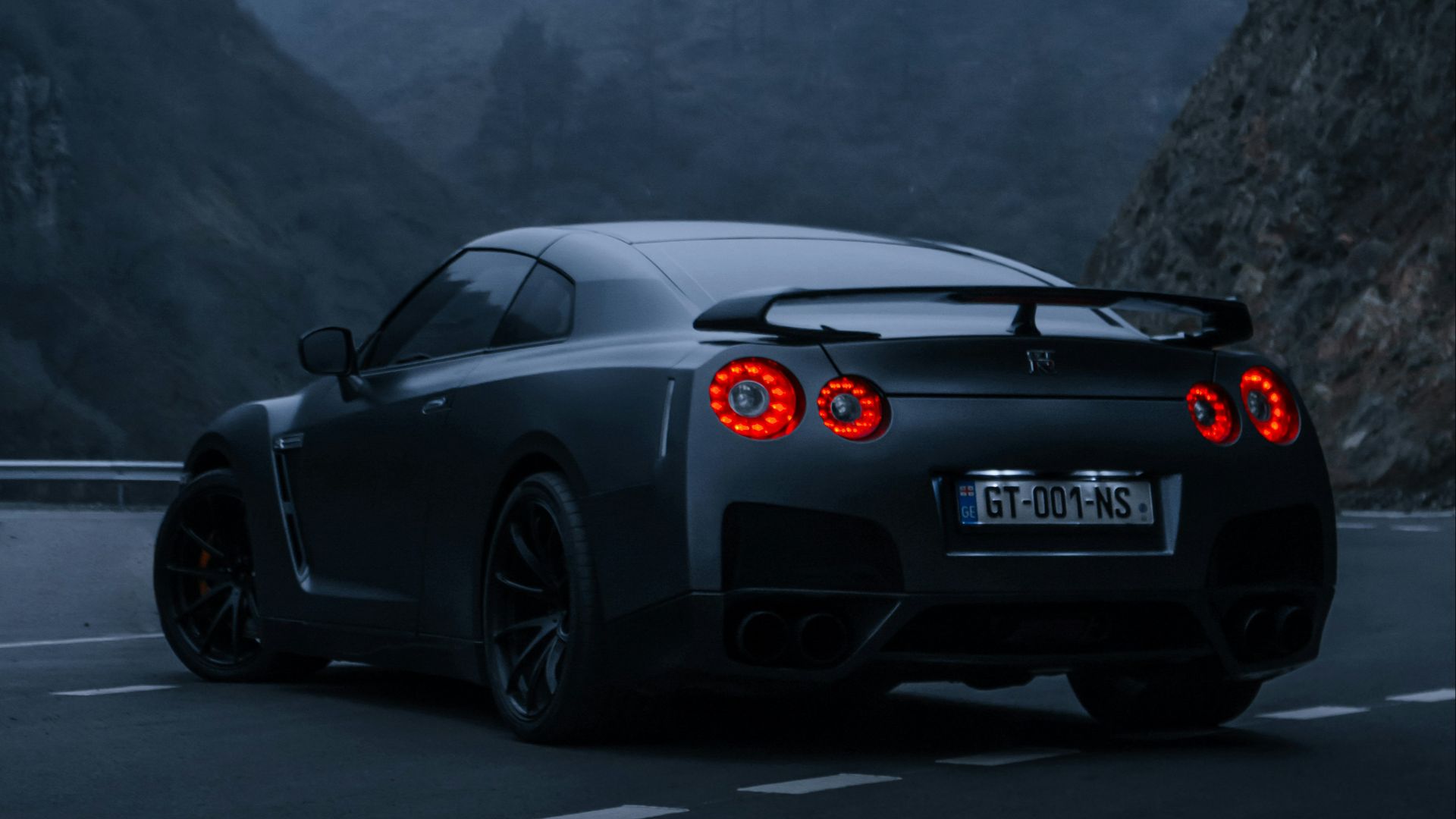
3. Silver
Silver is known for its practicality and ability to hide dirt and small scratches. It has remained a popular choice for decades due to its low-maintenance appearance. You might find that it appeals to buyers looking for convenience. This makes it easier to resell.
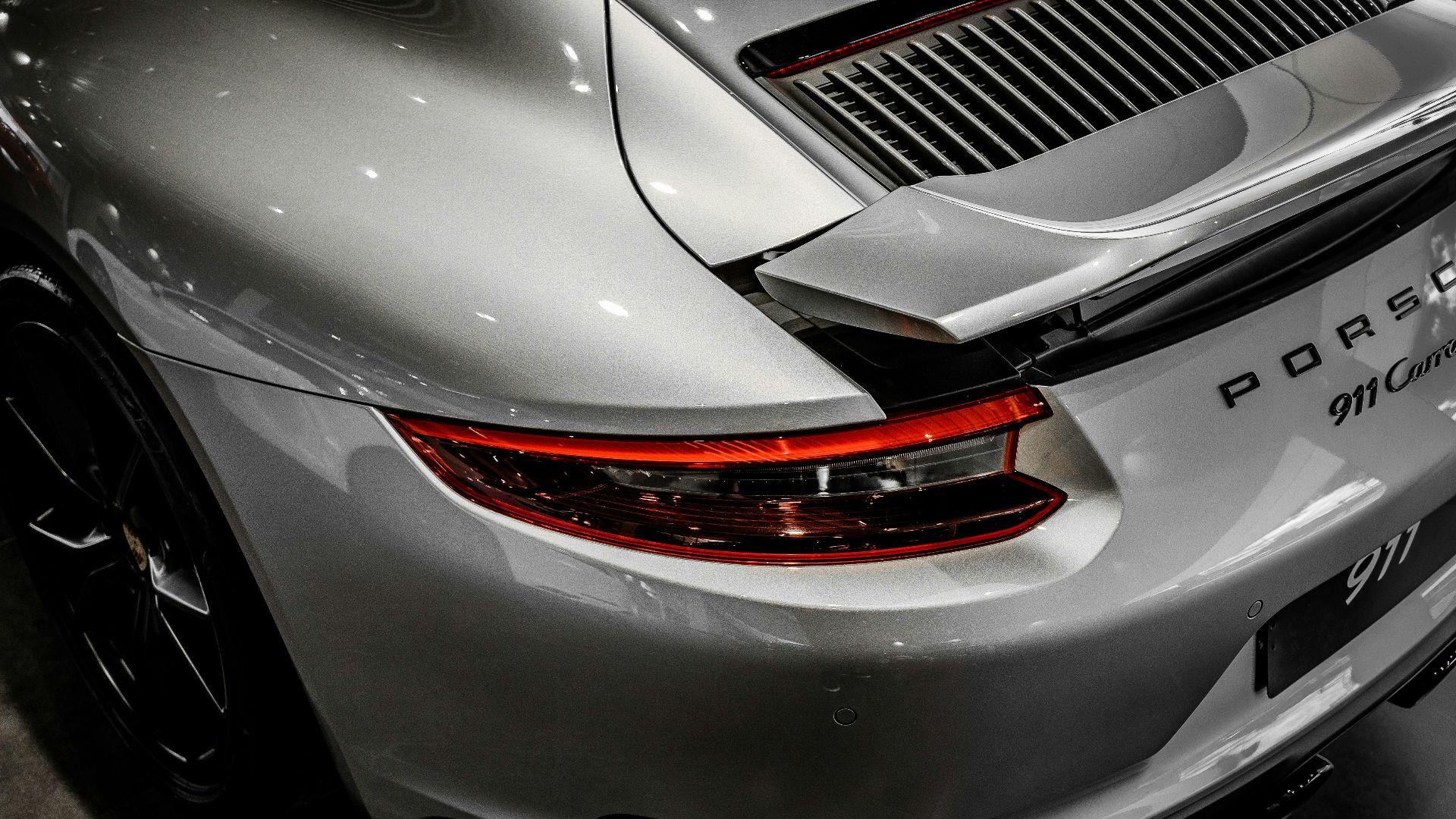
4. Gray
Modern gray shades have become increasingly popular, especially in metallic or matte-like finishes. They offer a balance between boldness and neutrality. You may notice they feel more contemporary than traditional colors. This trend has strengthened their resale appeal.
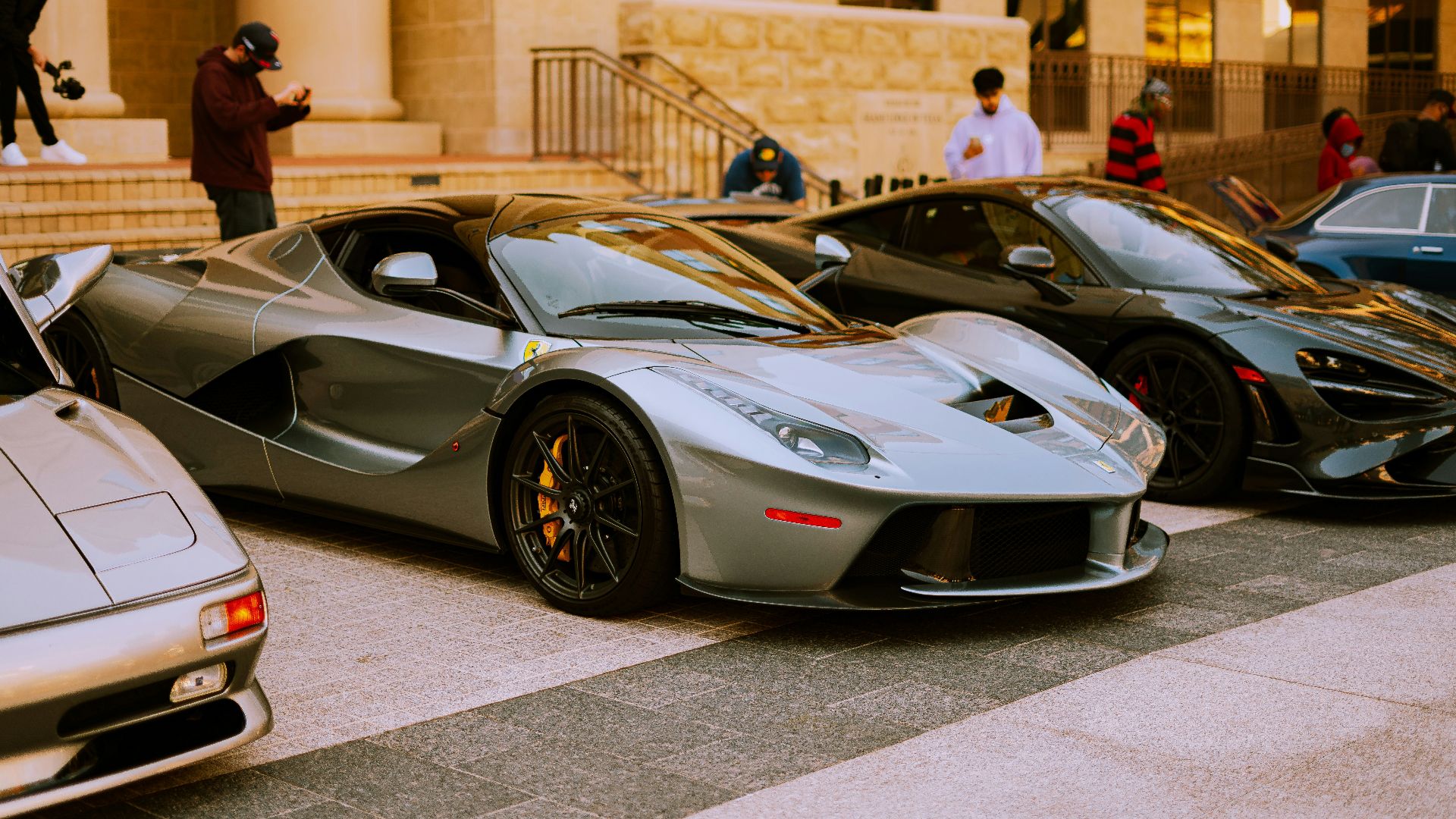
5. Blue (Deep or Navy Tones)
Darker blue shades tend to attract buyers who want something slightly different without being too bold. These tones often feel refined and versatile. You might find they work across a variety of vehicle types. This flexibility supports resale demand.
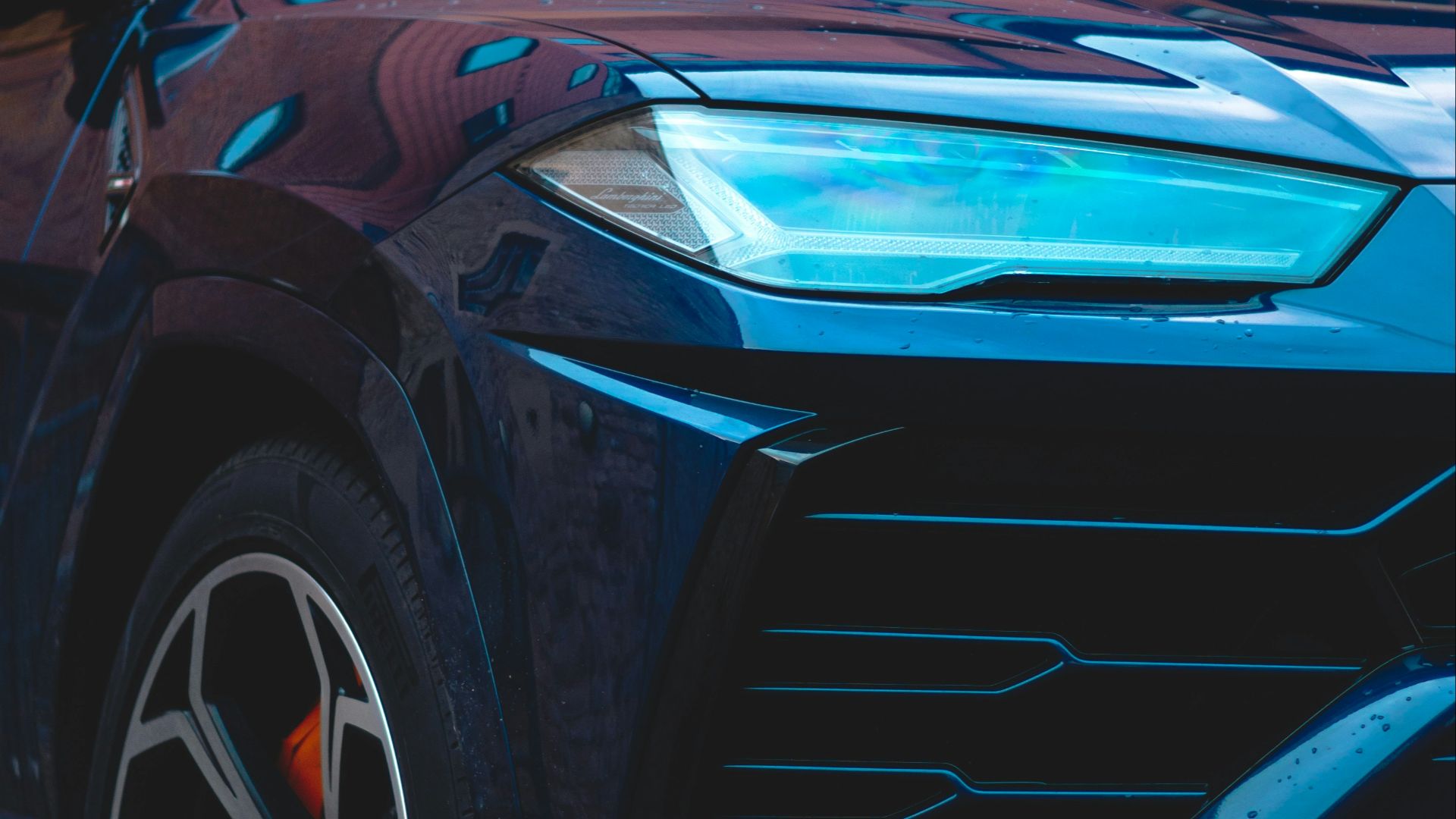
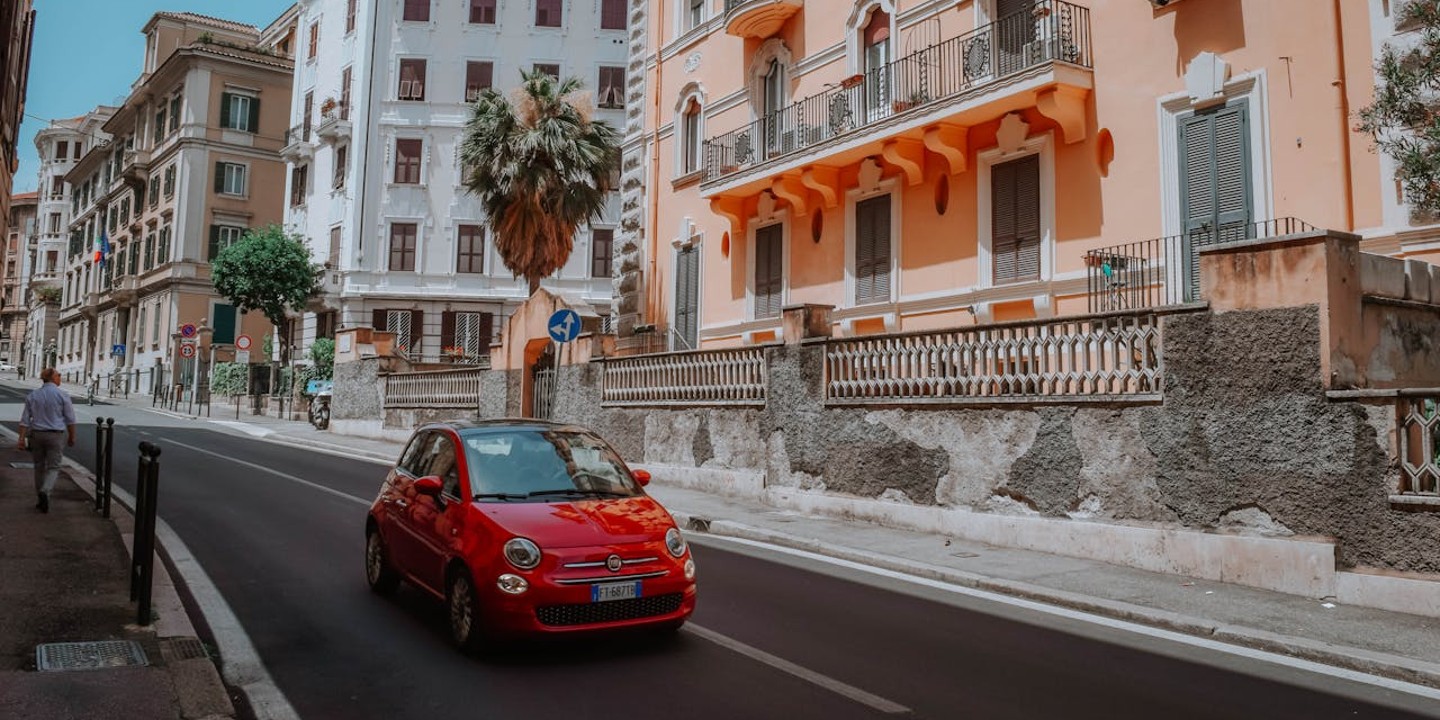
6. Red (Classic Shades)
Red can stand out while still maintaining broad appeal, particularly in classic or deeper tones. It’s often associated with sportier models, which adds to its desirability. You may notice it draws attention without being too niche. This balance can help resale value.
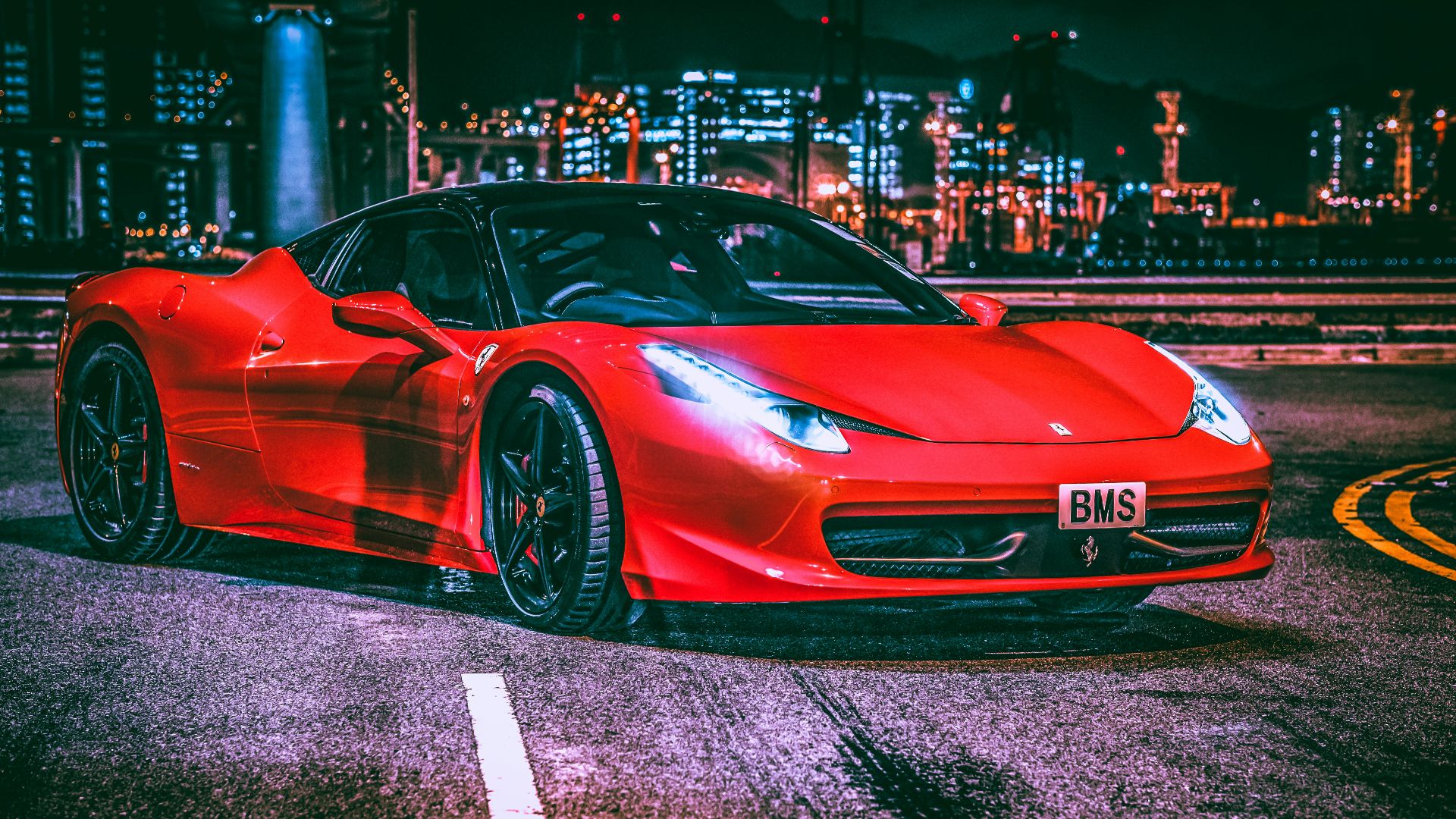
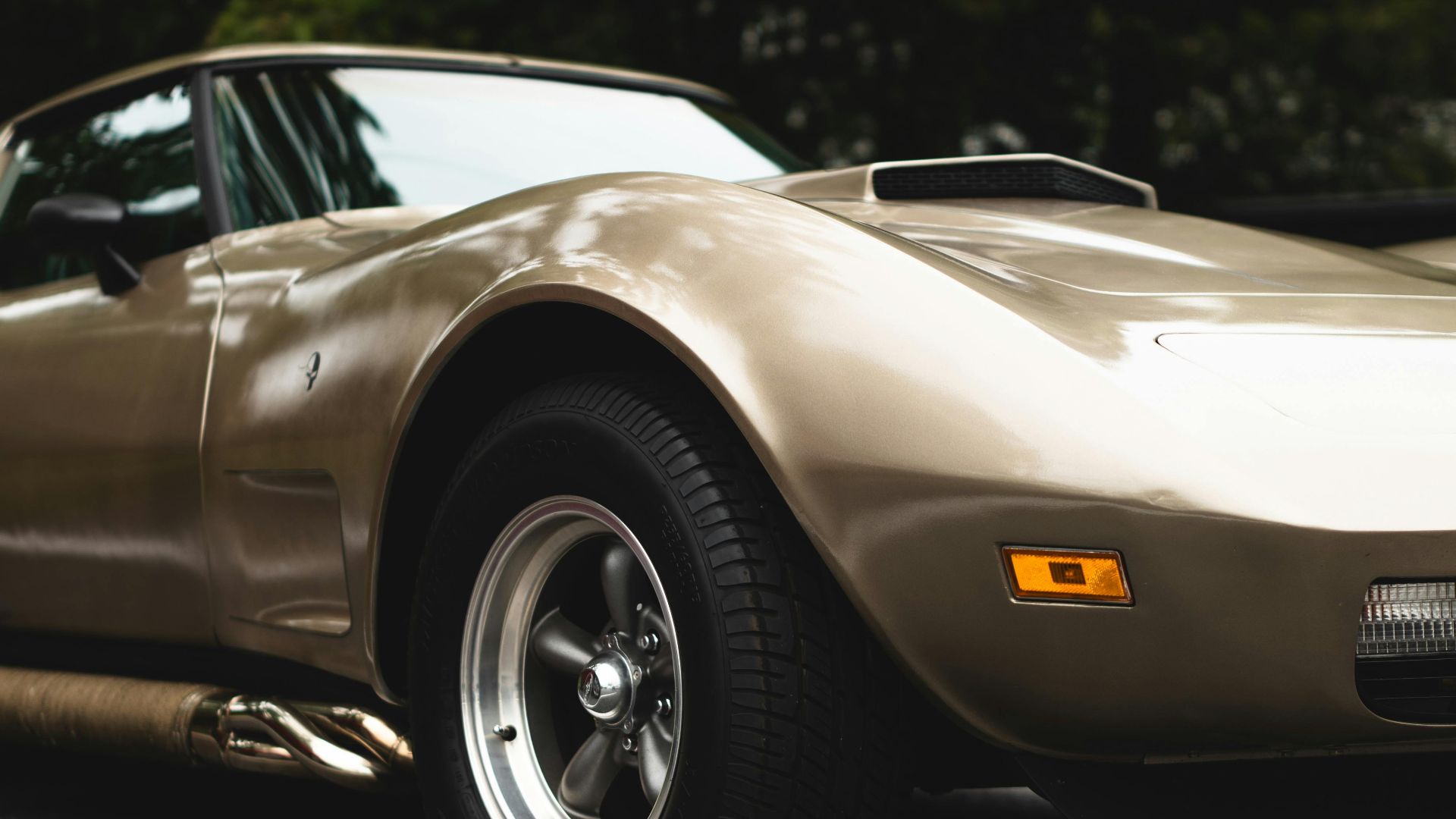
7. Beige or Champagne
These neutral tones appeal to buyers looking for a softer, understated look. They’re less common than white or silver but still widely accepted.
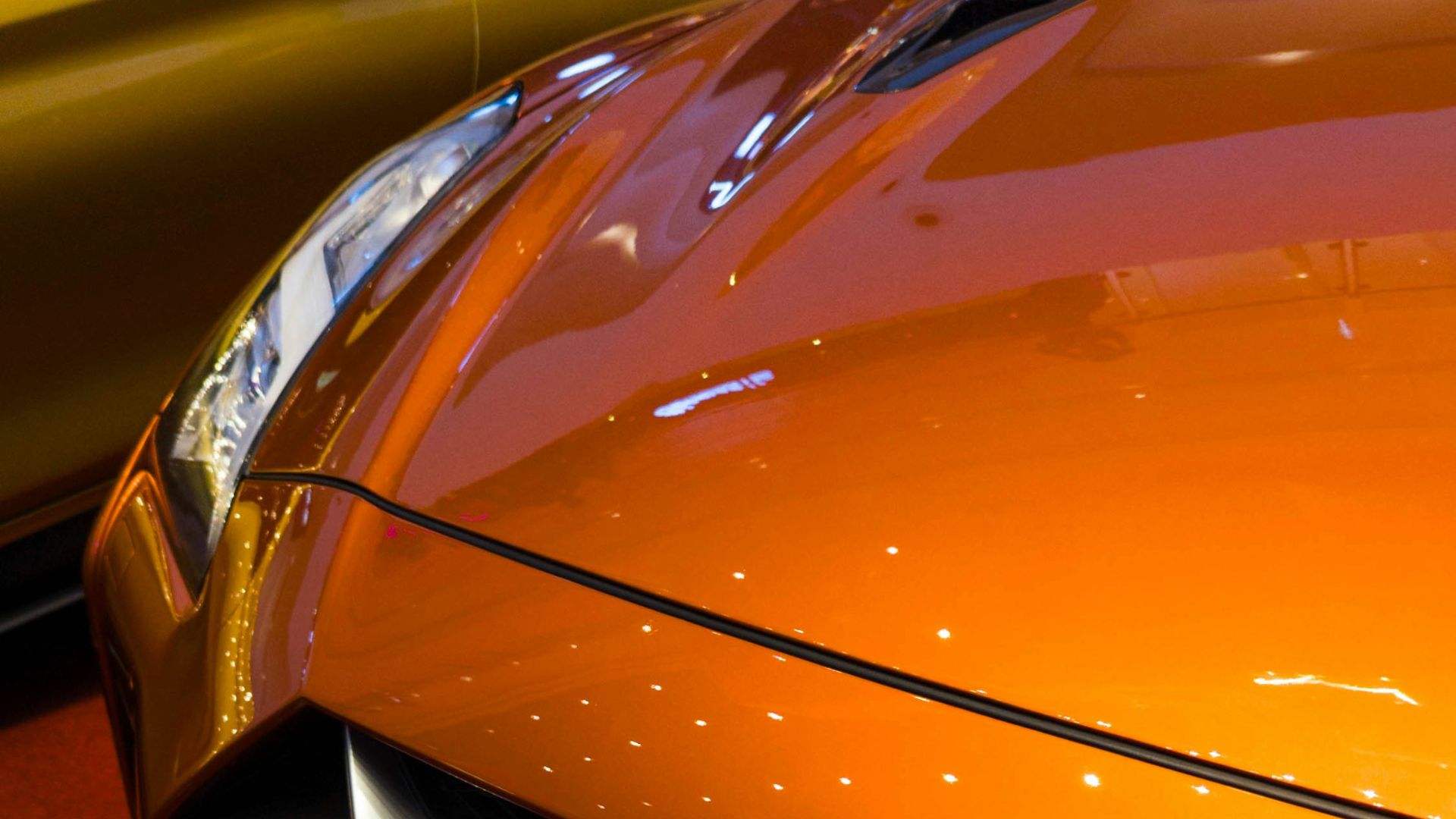
8. Metallic Finishes
Colors with metallic finishes tend to appear more premium than flat paints. They reflect light in a way that enhances the vehicle’s design.
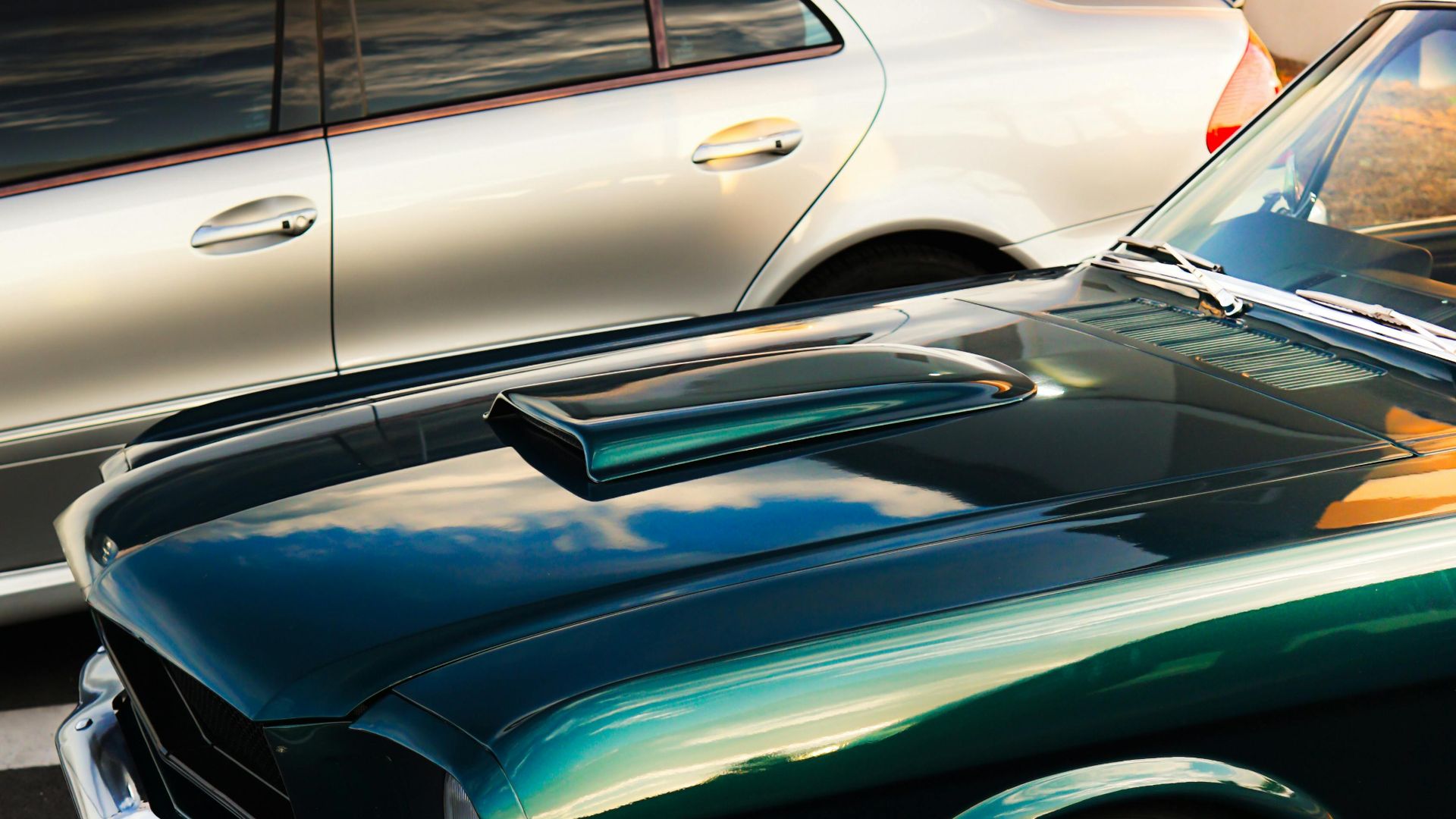
9. Dark Green
Deep green shades have regained popularity, especially on SUVs and luxury vehicles. They offer a distinctive look without being overly bold.
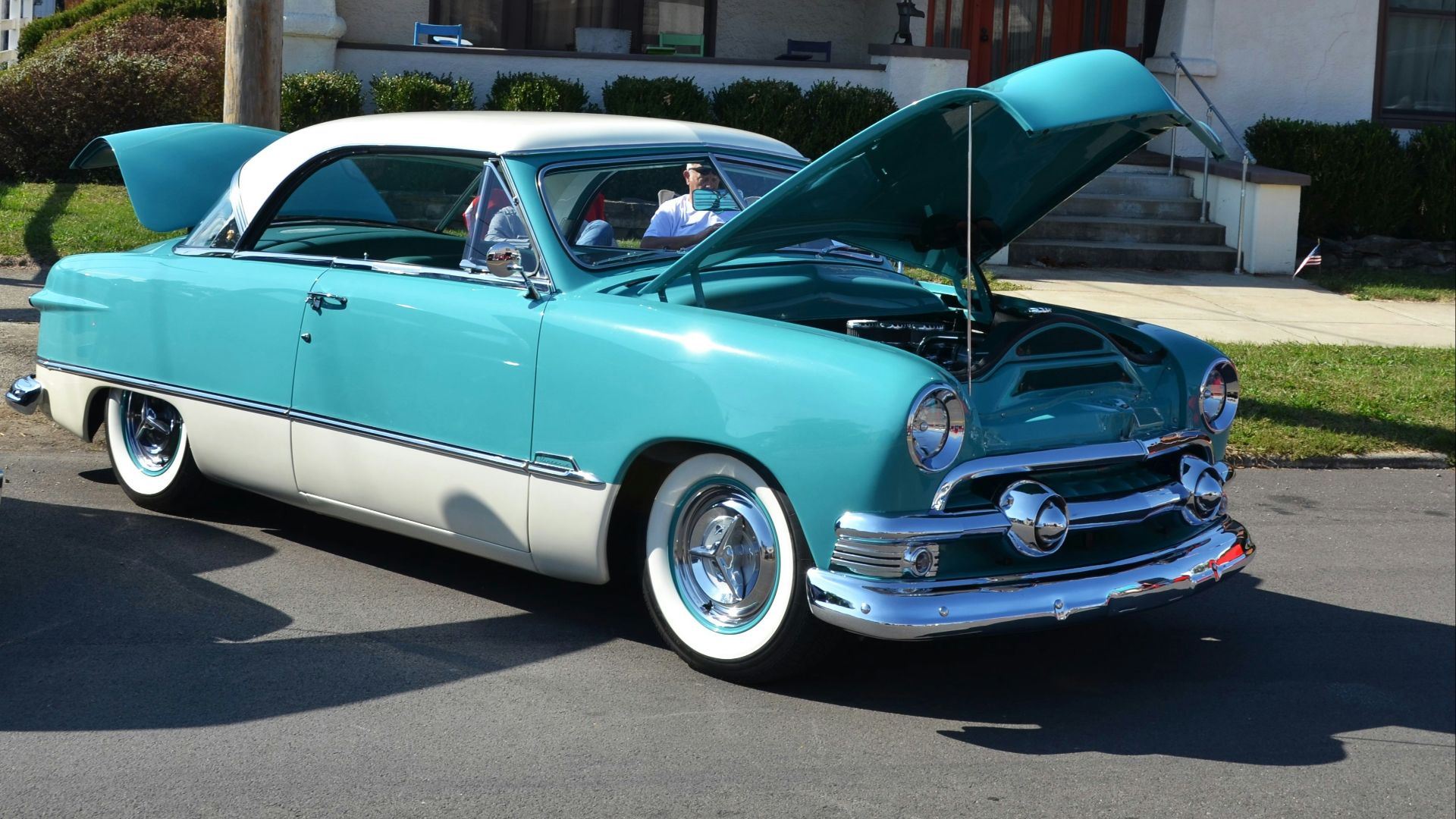
10. Two-Tone Factory Options
Factory two-tone color schemes can add uniqueness while still maintaining manufacturer quality standards. They’re less common than single-color finishes but not overly niche.