Modern Car Ownership Has Changed Dramatically
For decades, many drivers replaced their vehicles every few years, especially when new models introduced major design changes or improved reliability. Today, however, people are holding onto their cars much longer than previous generations did, and several economic, technological, and practical factors are driving that shift. Modern vehicles often last longer than expected, while rising costs have also made frequent replacements less appealing for many households. Here are 20 reasons drivers are keeping their cars longer than ever.
 Pedram Normohamadian on Unsplash
1. Modern Cars Last Much Longer
Vehicle durability has improved significantly compared to earlier decades. Many modern engines and transmissions can now exceed 200,000 miles with proper maintenance, which was far less common in the past.
2. New Cars Have Become Extremely Expensive
The average price of a new vehicle has risen dramatically over the last several years. Higher manufacturing costs, advanced technology, and inflation have pushed many new cars well beyond what buyers once considered affordable. Keeping an existing vehicle often feels financially safer than taking on a large monthly payment.
3. Interest Rates Increased Financing Costs
Auto loans became noticeably more expensive as interest rates climbed in many countries during recent years. Even drivers who can technically afford a new vehicle sometimes avoid buying because financing adds thousands of dollars to the final cost. Longer ownership periods help people avoid repeating those expenses too frequently.

4. Reliability Has Improved Across the Industry
Many automakers now produce vehicles that remain dependable far longer than earlier generations of cars. Improvements in engineering, electronics, rust protection, and manufacturing consistency reduced the frequency of catastrophic breakdowns. Drivers are less motivated to replace vehicles that still run smoothly after a decade or more.
5. Maintenance Is Usually Cheaper Than Replacement
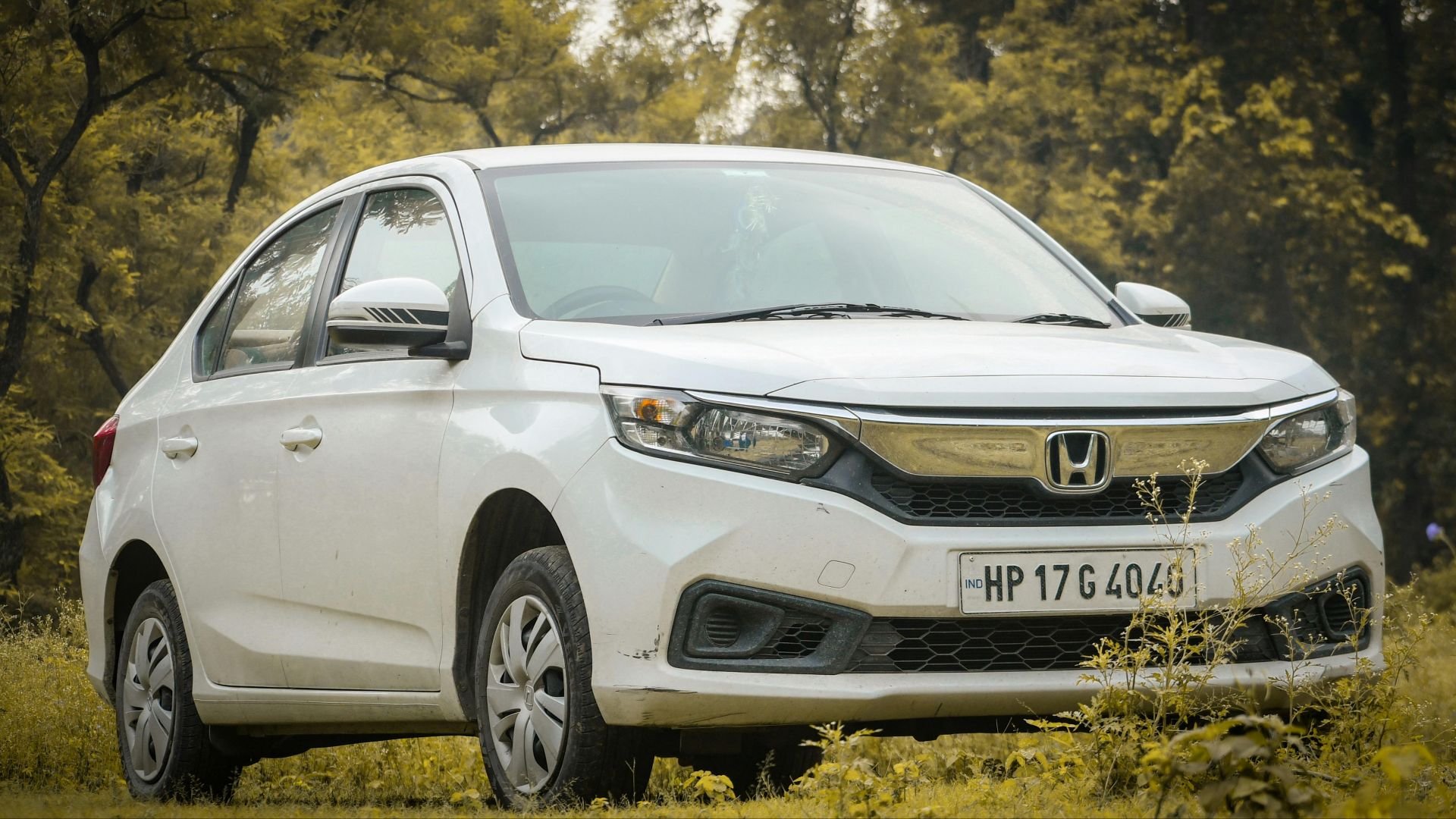
Repair bills can feel frustrating, but they’re often still less expensive than replacing an entire vehicle. Even major repairs may cost far less than years of new car payments, higher insurance premiums, and registration fees. Many drivers now compare repair costs more carefully before deciding to trade in a car.
6. Insurance Costs Keep Rising
Insurance premiums increased sharply in many regions because of higher repair costs, expensive replacement parts, and more advanced vehicle technology. Newer cars with sophisticated sensors and electronics are often more expensive to insure. Holding onto an older paid-off vehicle sometimes reduces overall monthly expenses significantly.
7. Cars Have More Technology Already
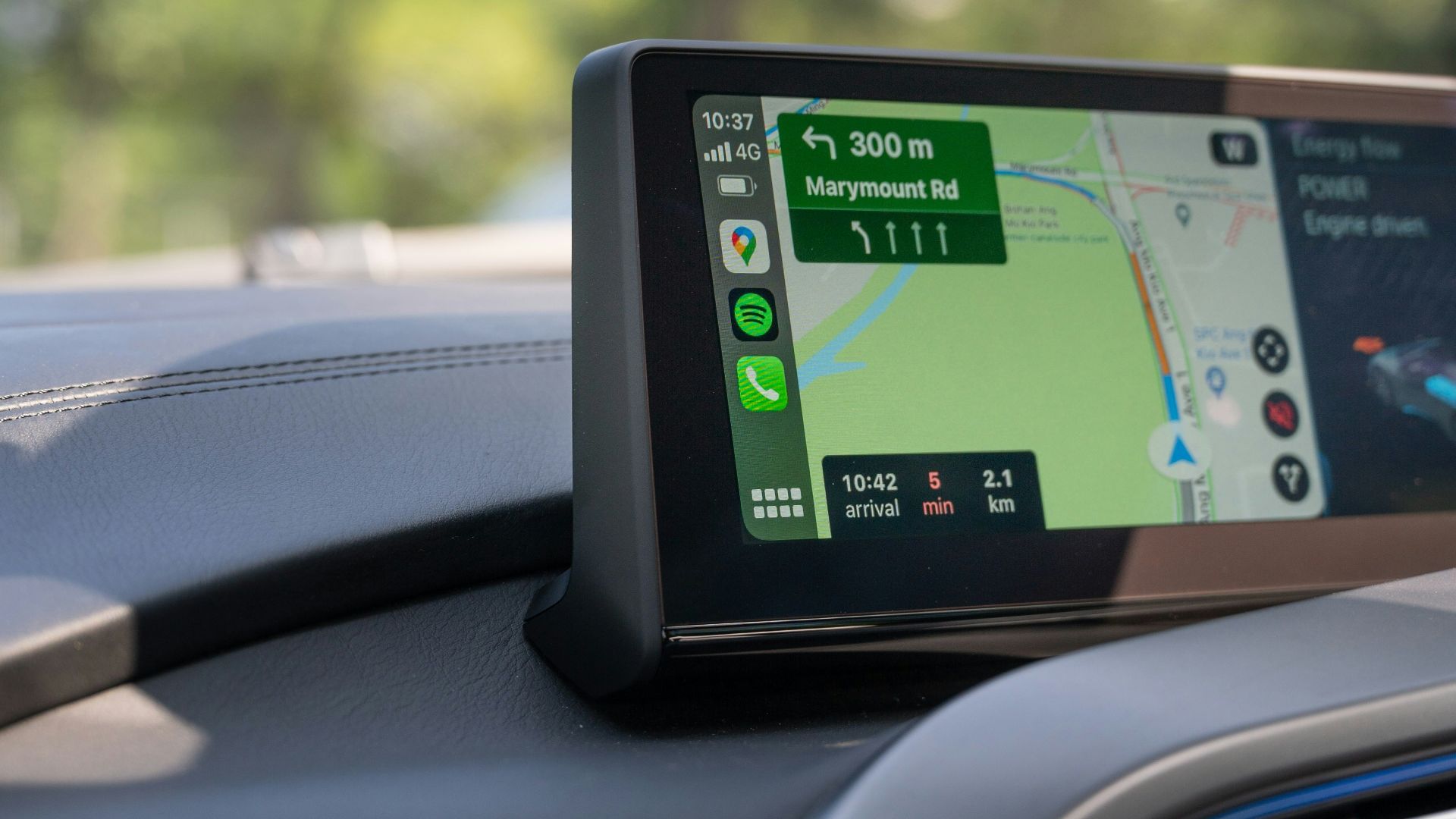
Modern vehicles already include features that once felt luxurious, including backup cameras, Bluetooth connectivity, heated seats, navigation systems, and advanced safety technology. Because many drivers already have the features they want, newer models may not feel dramatically different from their current cars.
8. Supply Chain Problems Delayed Purchases
Vehicle shortages during the early 2020s made buying new cars more difficult and expensive. Limited inventory, semiconductor shortages, and shipping delays forced many consumers to postpone replacements longer than originally planned.
9. Used Car Values Increased
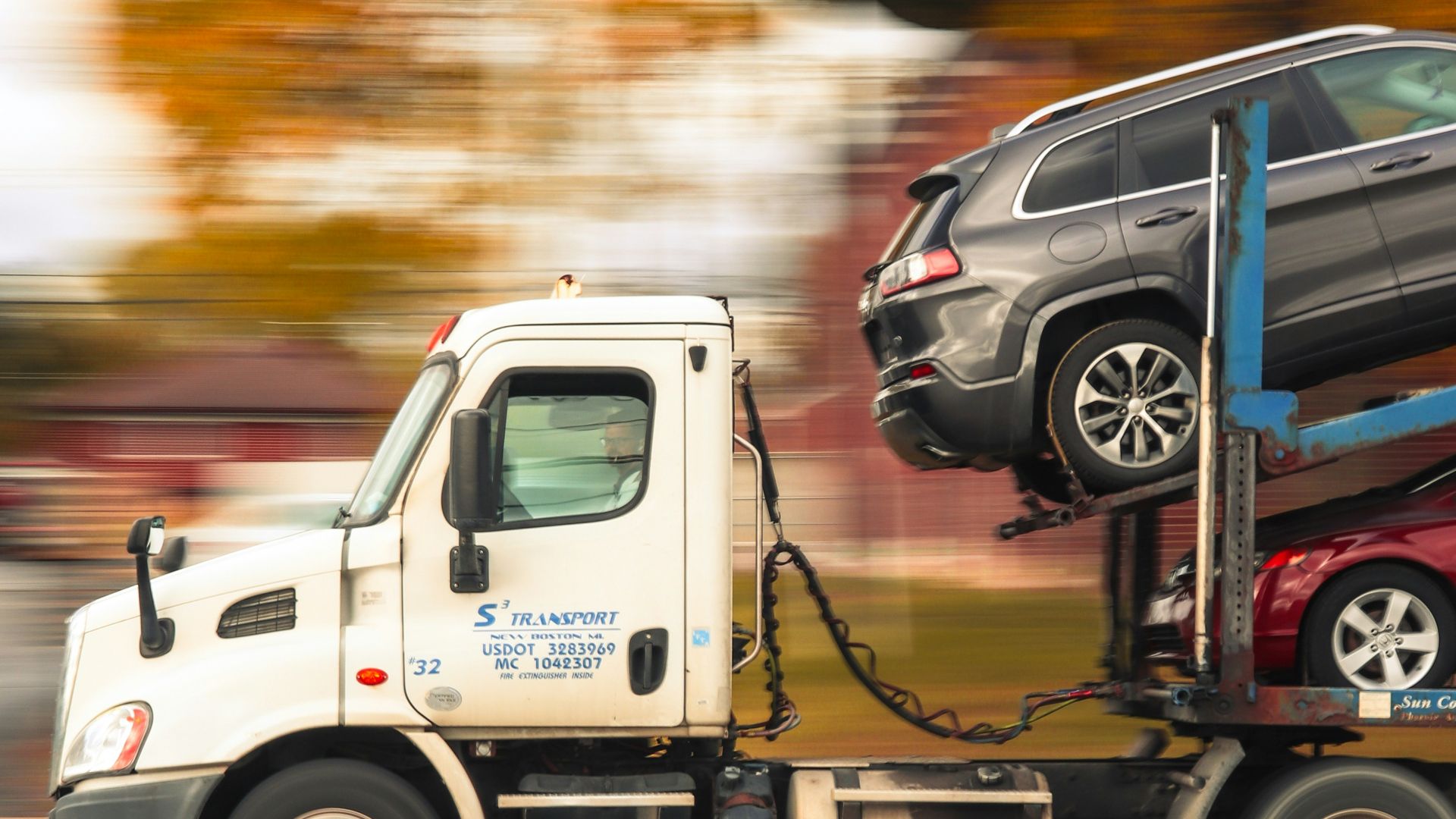
Used vehicle prices rose sharply during recent years, which changed how people viewed their current cars. Owners realized their vehicles retained value longer than expected, especially if they remained reliable and well-maintained.
10. Drivers Trust Familiar Vehicles
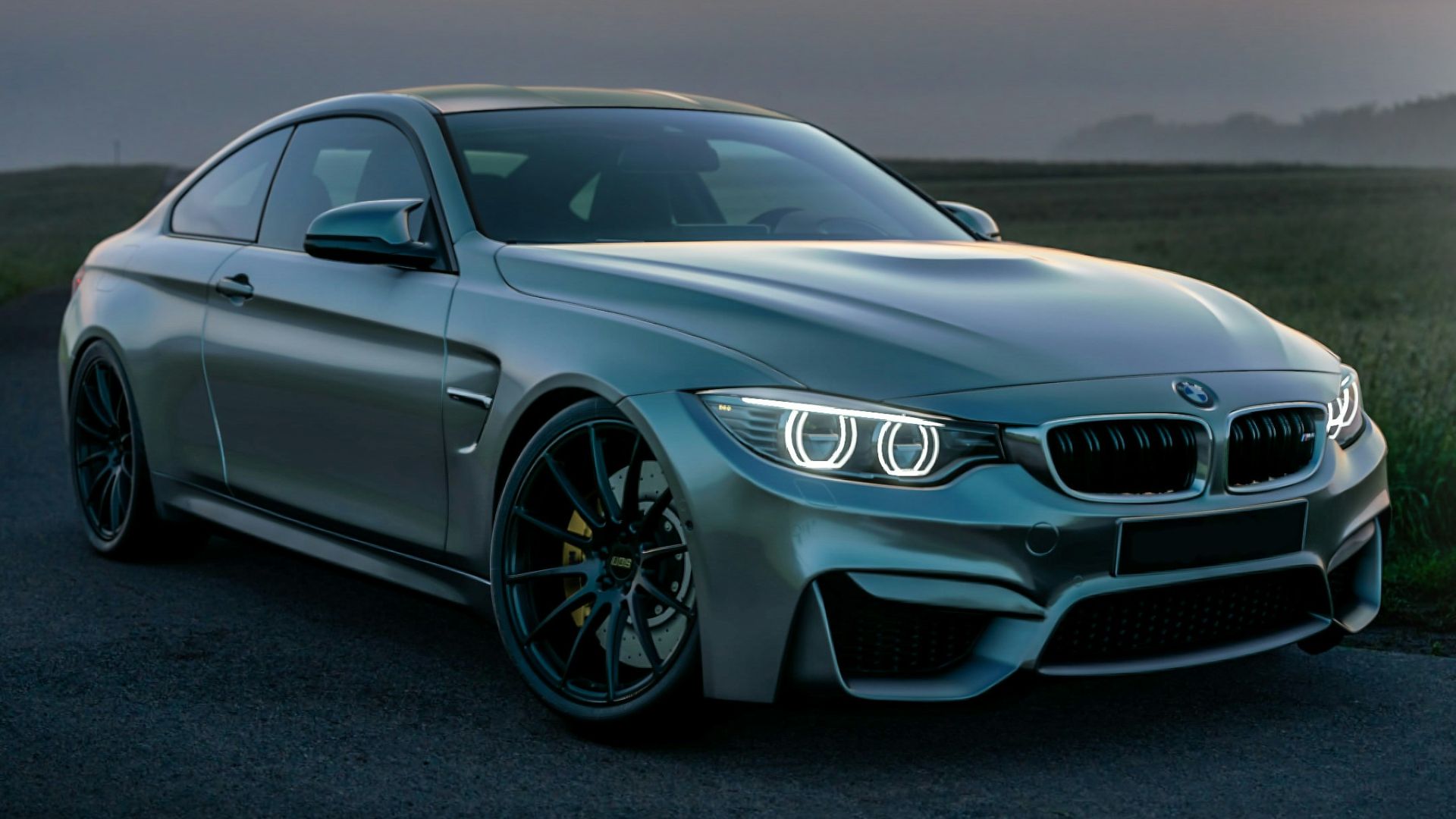
People often become comfortable with vehicles they’ve owned for years because they understand the maintenance history and driving behavior. A familiar car may feel more dependable than purchasing an unfamiliar used vehicle or learning the quirks of a new model.
11. Repairs Are Easier to Predict Over Time
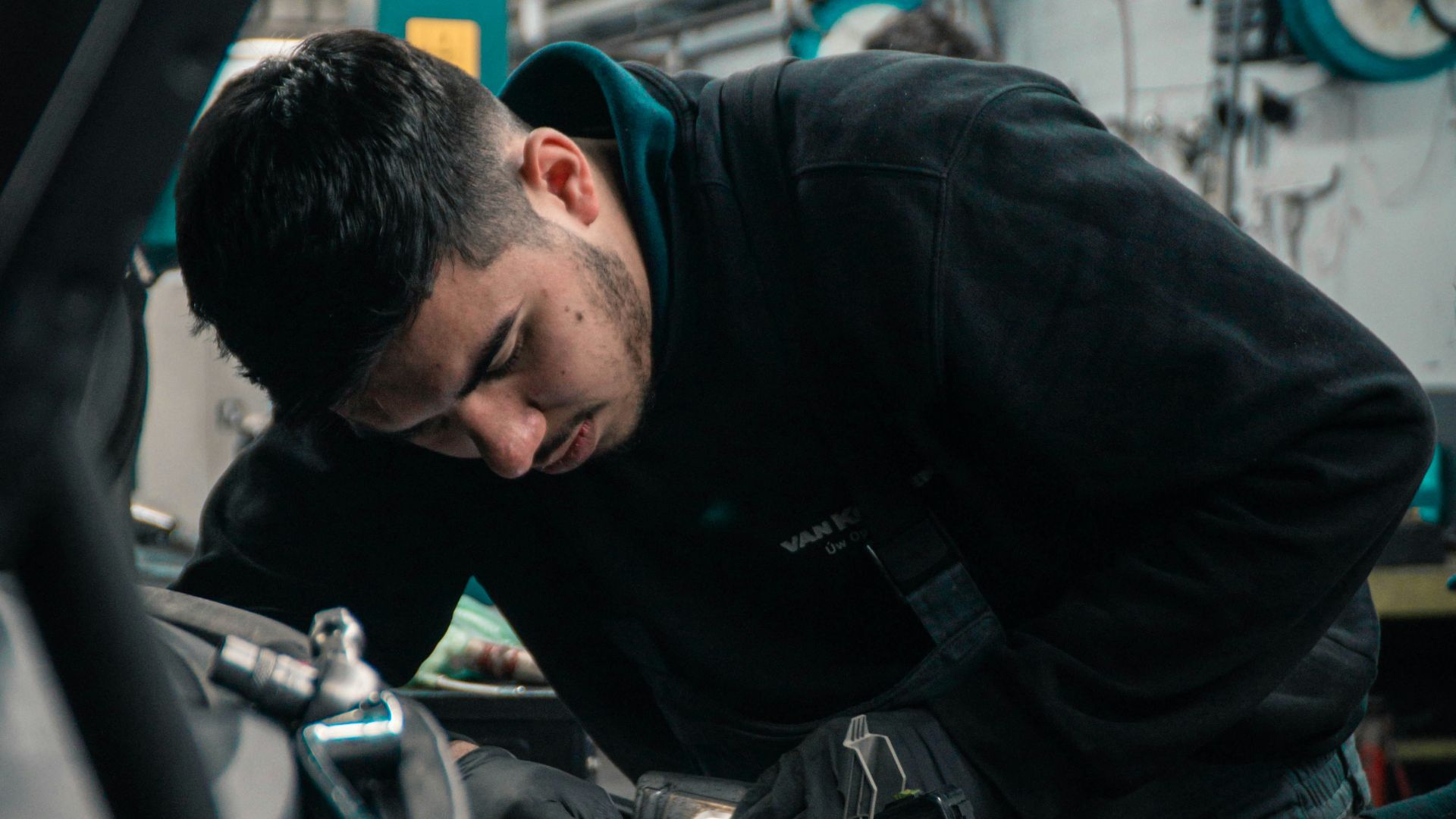
Long-term owners usually develop a better understanding of recurring maintenance needs and repair schedules. Predictability makes budgeting easier because drivers know which components may eventually need replacement.
12. Environmental Concerns Influence Buying Habits
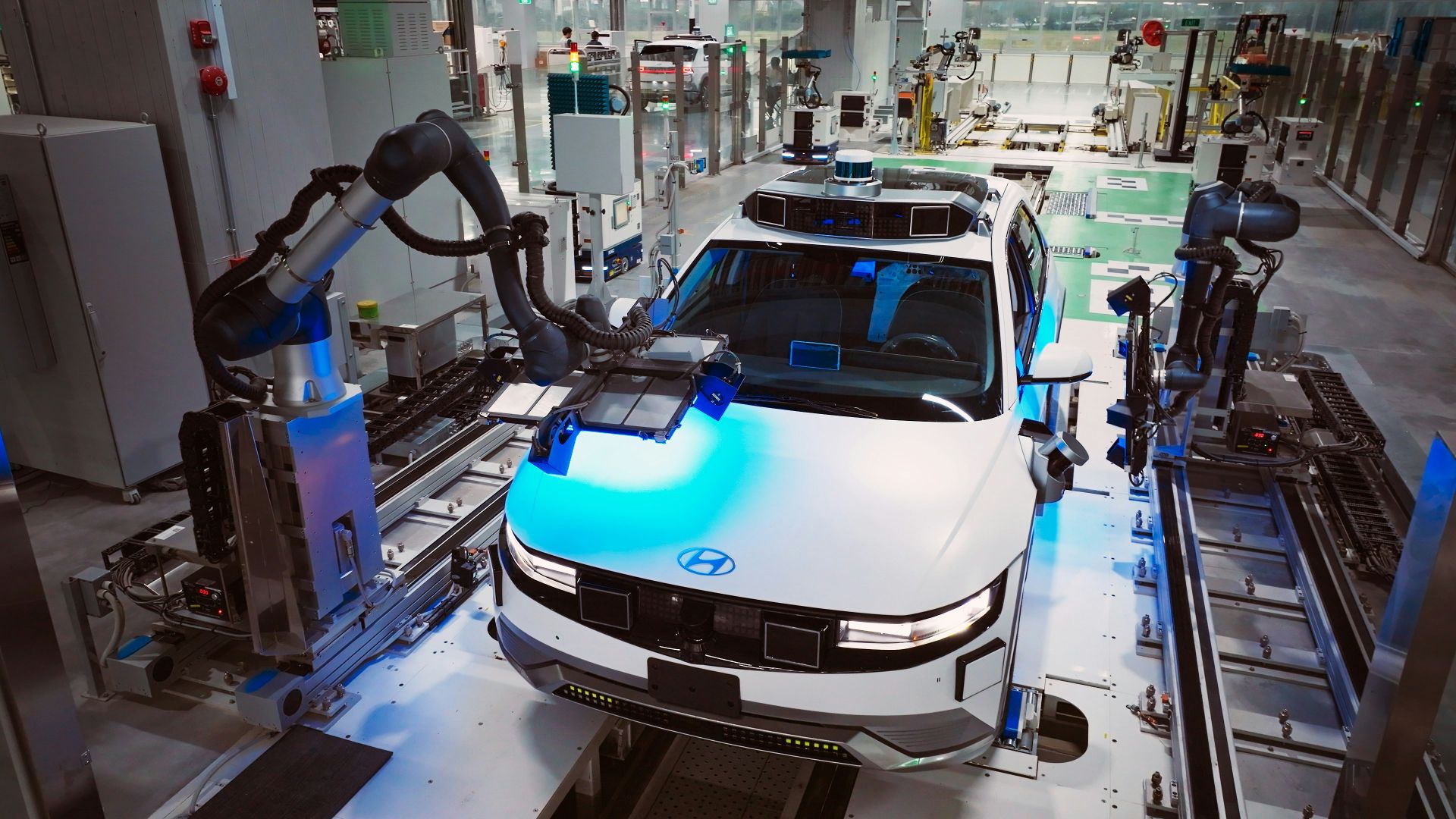
Some drivers keep cars longer because manufacturing new vehicles also has environmental costs. Producing steel, batteries, plastics, and electronics requires significant energy and raw materials.
 Hyundai Motor Group on Unsplash
13. Vehicles Are Better Protected Against Rust
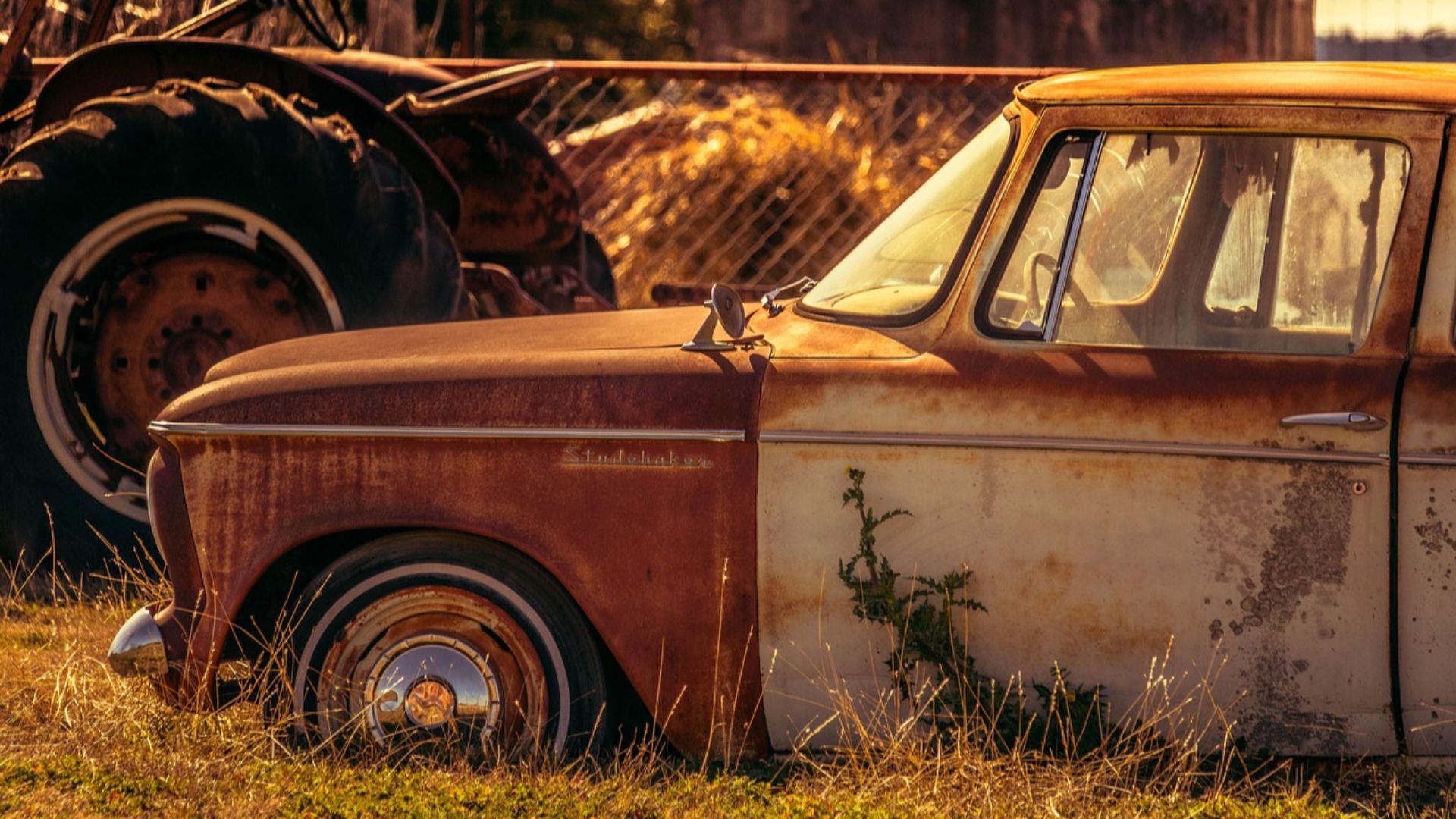
Older cars often deteriorated quickly because rust damaged frames, body panels, and critical components. Modern rustproofing methods, galvanized steel, and improved paint systems helped vehicles survive much longer in harsh climates. Cars that physically hold together better naturally stay on the road longer.
14. Pickup Trucks and SUVs Are Built for Longevity
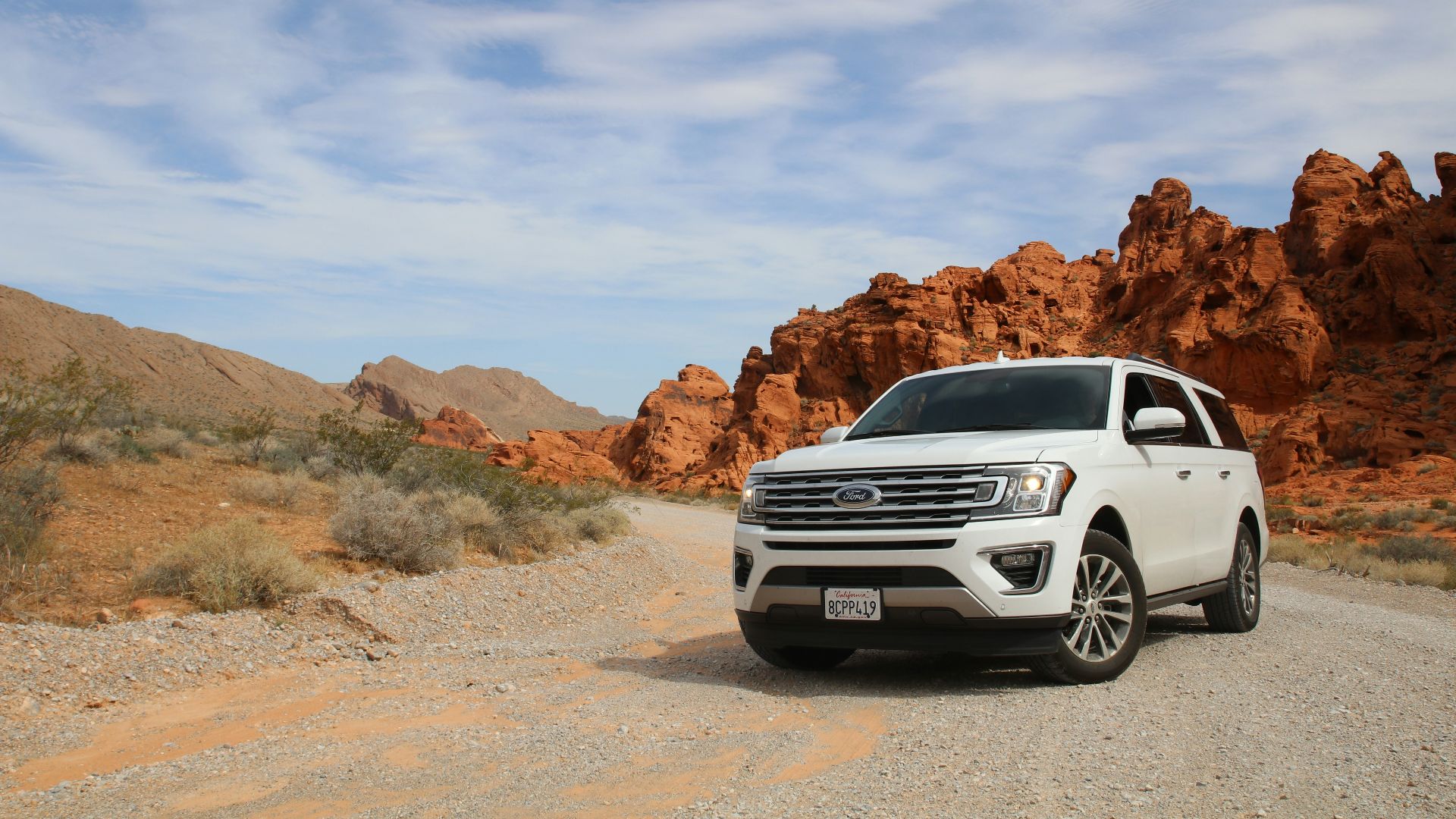
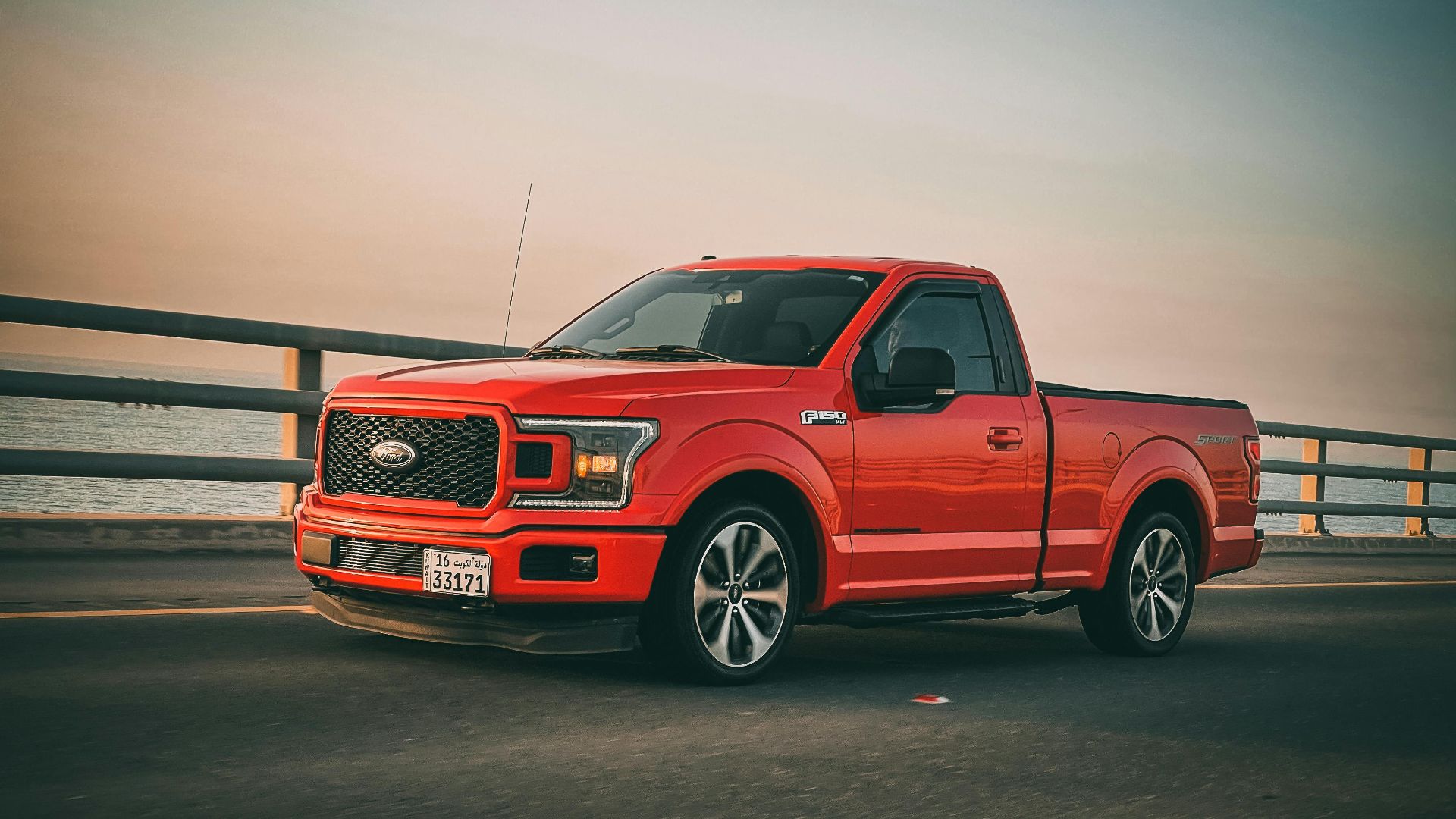
Many trucks and larger SUVs are specifically designed for heavy use and extended ownership. Drivers who use vehicles for work, towing, or family transportation often expect them to remain functional for many years.
15. Subscription Features Frustrate Buyers
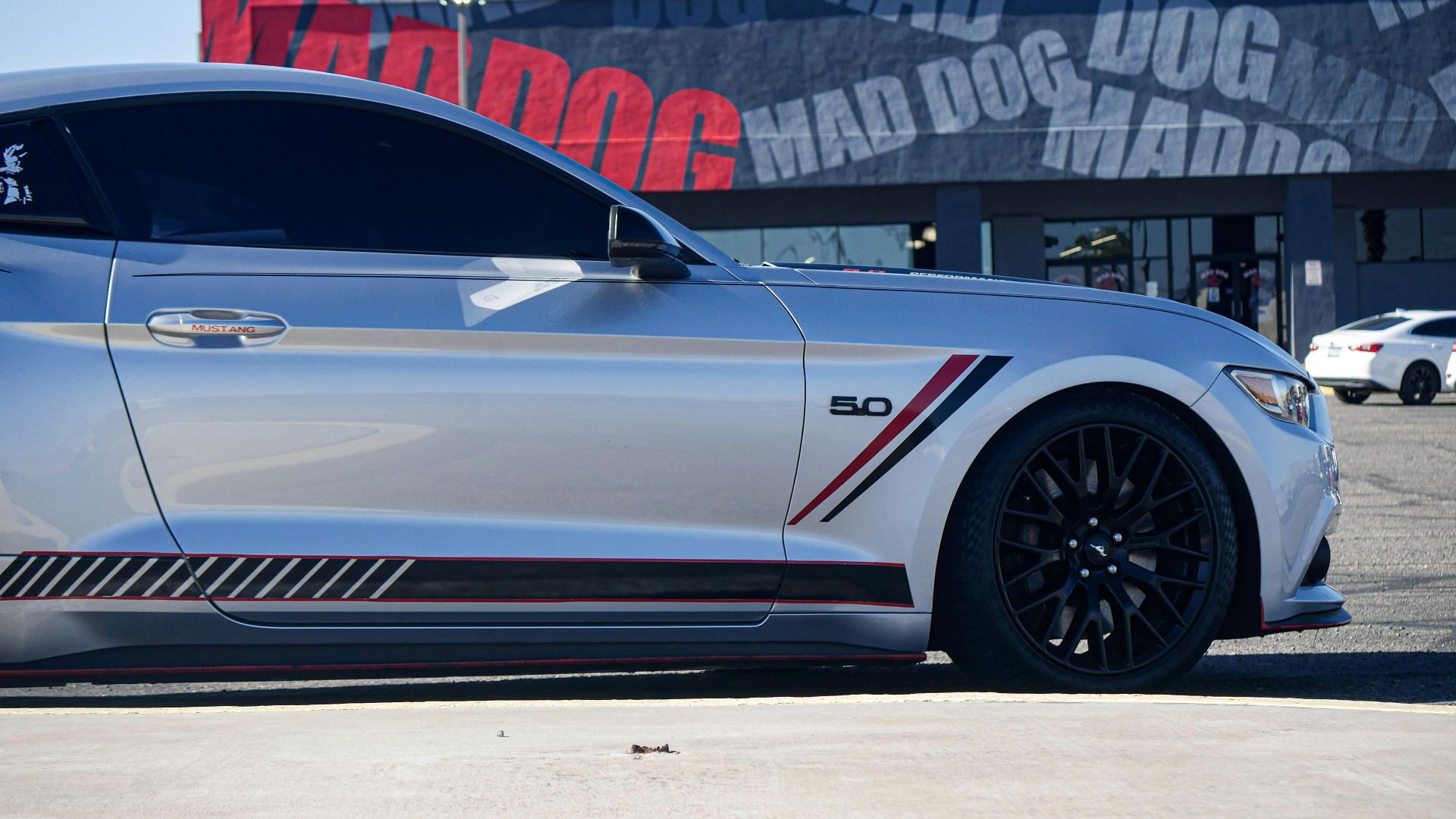
Some automakers introduced subscription-based software features for functions like heated seats or advanced driving systems. Many consumers reacted negatively to paying recurring fees for features already installed in the vehicle. Keeping an older car without those added costs sometimes feels more appealing.
16. Economic Uncertainty Makes People More Cautious
Periods of inflation, layoffs, and rising living costs often change consumer spending habits. Large purchases become harder to justify when households prioritize savings and financial stability.
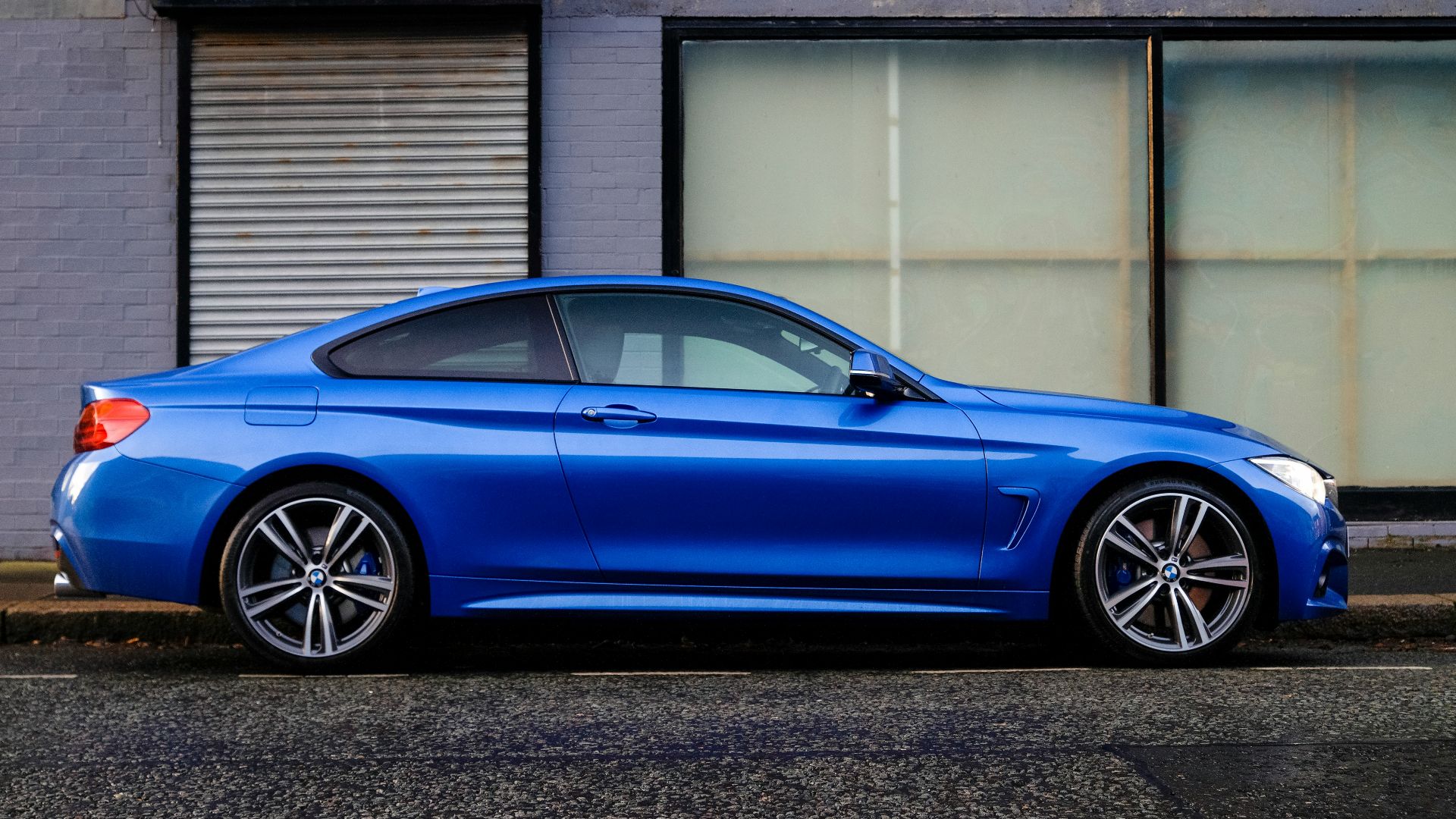
17. Independent Mechanics Help Extend Vehicle Life
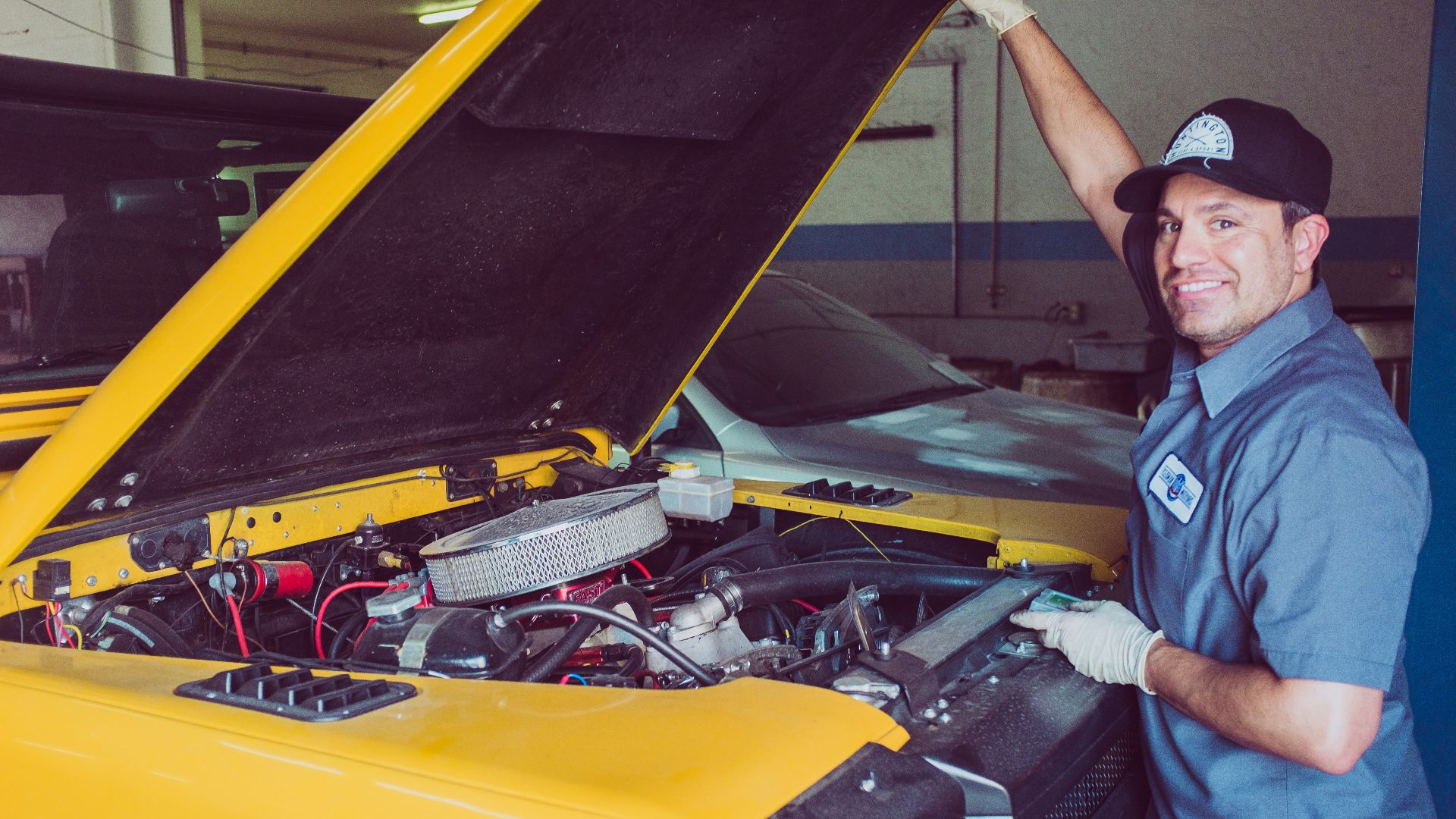
Access to skilled independent repair shops makes long-term ownership more manageable and affordable. Many mechanics specialize in maintaining older vehicles and sourcing replacement parts at lower prices than dealerships.
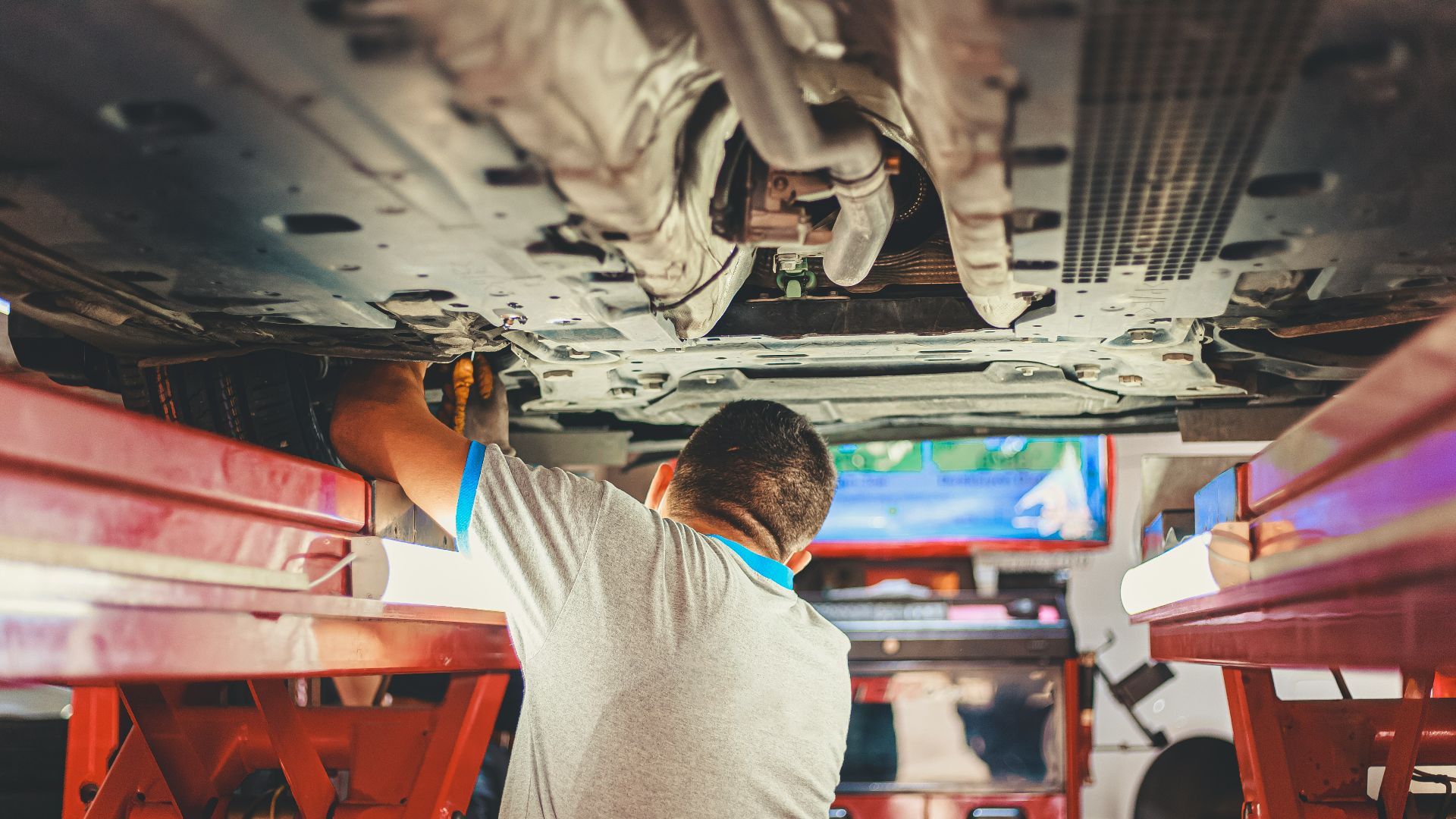
18. Design Changes Aren’t Always Dramatic
New vehicle generations often look less revolutionary than they once did. In earlier decades, redesigns sometimes introduced major visual or mechanical differences that encouraged upgrades more frequently.
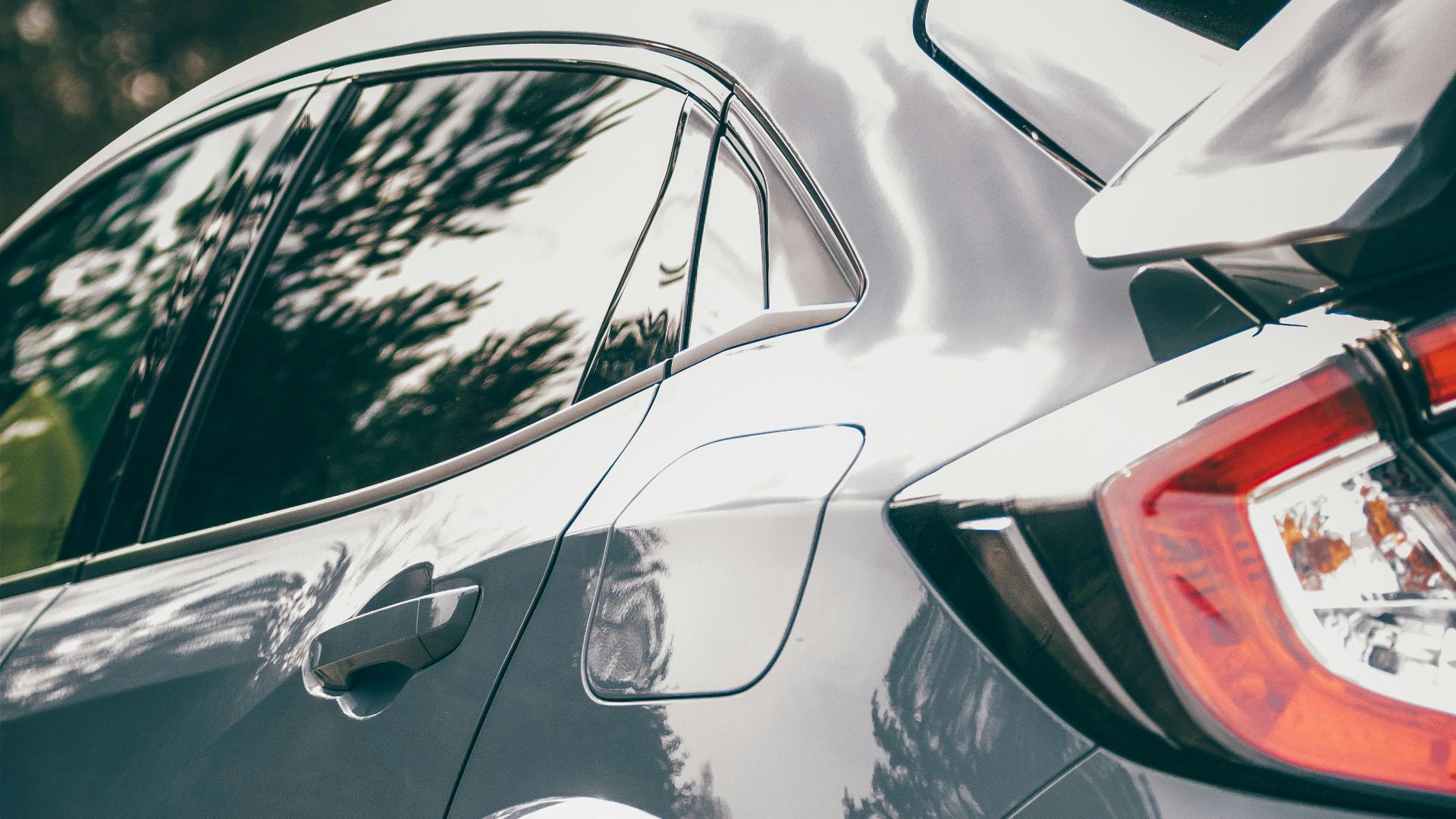
19. Paid-Off Cars Provide Financial Relief
One of the biggest advantages of keeping a vehicle longer is eventually reaching a period without monthly payments. Many drivers prefer redirecting that money toward savings, housing, travel, or other expenses instead of replacing a functioning car.

20. Emotional Attachment Matters More Than People Admit
Cars often become connected to memories, routines, and major life experiences over time. Some drivers simply enjoy continuing to use a vehicle they trust and genuinely like driving.
 Leonhard_Niederwimmer on Pixabay