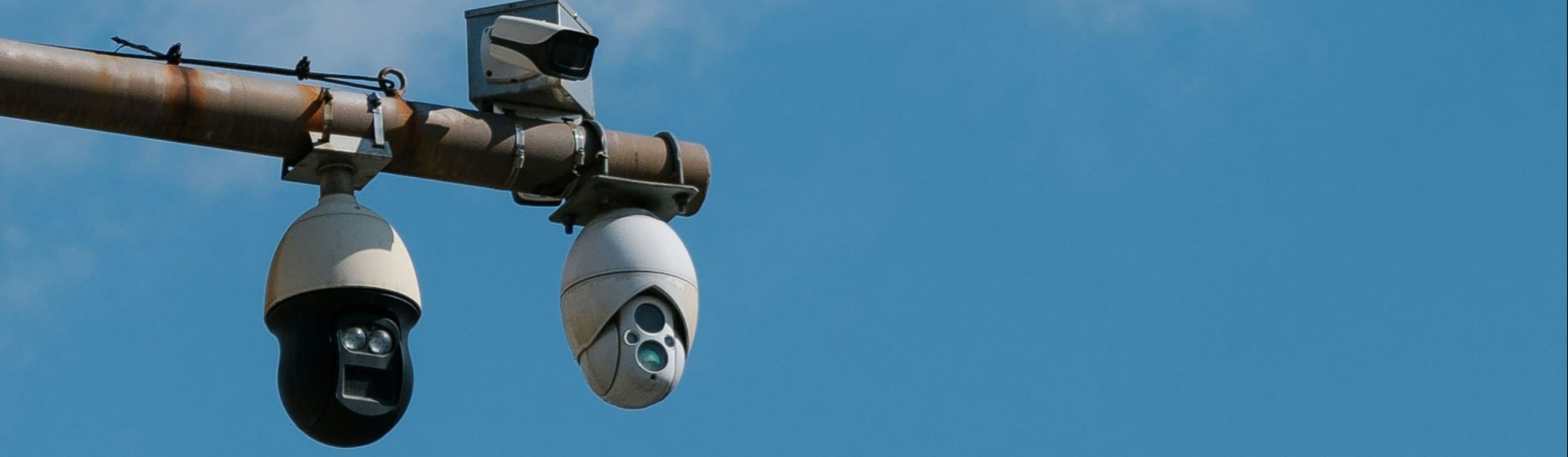
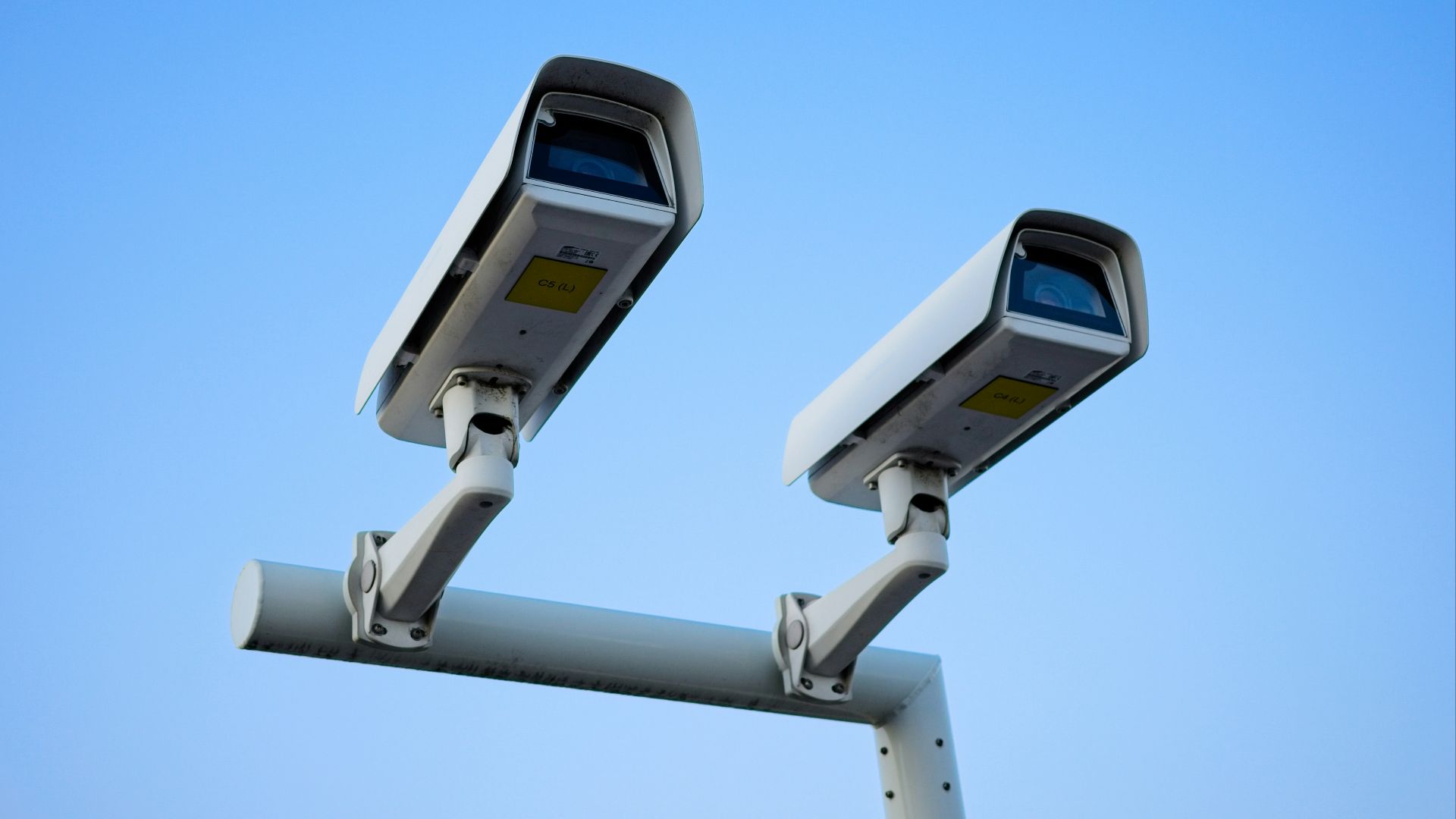
Every time you drive through an intersection with a mounted camera, a record gets made. Not just whether you ran a red light, but where you were, at what time, and traveling in which direction, often with your license plate captured in enough resolution to be run through a database before you've reached the next block. The question of who owns that record, who can access it, how long it lives, and what it can be used for turns out to have a surprisingly unclear answer for something that happens millions of times a day across the country.
The short version is that ownership of traffic camera data depends almost entirely on local contracting arrangements, and those arrangements vary so widely that two cities in the same state can operate under effectively opposite rules. The legal framework governing what municipalities can do with what they capture has not kept pace with how capable the capturing has become, and the gap between those two things is where the most consequential questions currently live.
The Contractor Standing Between You and the City
Traffic camera infrastructure across the United States is frequently operated not by the cities that install it, but by private vendors contracted to manage the hardware, software, and data. Companies like Verra Mobility, which operates red-light and speed camera programs in dozens of American jurisdictions, and Flock Safety, which sells automated license plate reader systems to municipalities and private communities alike, hold significant custody over data that most people assume sits with local government. The contractual terms governing what those vendors can do with captured data, whether they can aggregate it, retain it after a contract ends, or share it with third parties, are not standardized and are not always publicly accessible.
This matters in practical terms. When a city ends a contract with a traffic camera vendor, the question of what happens to the stored data is determined by whatever language appeared in the original agreement, assuming that language addressed the question at all. The Electronic Frontier Foundation's Street-Level Surveillance project has documented cases in which license plate reader data collected under municipal contracts was retained by vendors for periods extending well beyond any operational justification, and in some instances remained accessible to parties that had no direct relationship with the contracting city.
Flock Safety's operating model is worth understanding in more detail because it occupies a space that blurs the line between municipal and private surveillance. The company sells license plate reader systems not only to police departments but to homeowners associations and private residential communities, whose data feeds into a shared network. A plate captured by a camera in a private HOA can be queried by law enforcement agencies subscribed to the same system. The distinction between public infrastructure and private surveillance architecture, at that point, has become administrative rather than functional.
What Law Enforcement Can Access Without Asking
The Fourth Amendment question hanging over traffic camera data received significant framing from the Supreme Court's 2018 decision in Carpenter v. United States, which held that accessing a person's historical cell-site location records without a warrant constituted an unreasonable search under the Fourth Amendment. The majority opinion, written by Chief Justice John Roberts, addressed cell records specifically, but its underlying logic, that aggregated location data over time creates a detailed portrait of a person's movements that carries constitutional weight, has direct implications for automated license plate reader systems that produce structurally equivalent records through a different mechanism.
How far Carpenter extends to traffic camera data is still being worked out in lower courts with inconsistent results. What is documented is that law enforcement agencies at multiple levels have accessed traffic camera and license plate reader data without individual warrants. In 2019, reporting confirmed that Immigration and Customs Enforcement had accessed commercial license plate reader databases to assist in locating individuals, using data pipelines that did not require direct cooperation from the municipal governments whose infrastructure had generated the records.
Data retention policies, where they exist at all, are set at the state level and vary considerably. California's Vehicle Code establishes specific limits on how long automated enforcement camera footage can be retained for traffic violation purposes, though those limits apply to violation-related records rather than general surveillance feeds. States without equivalent statutes leave retention periods to the discretion of individual municipalities or, in practice, to whatever their vendor contracts specify.
The Regulation That Hasn't Caught Up
Several states have passed laws specifically governing automated license plate reader data, with Minnesota and New Hampshire among those that have enacted meaningful restrictions on retention periods and permitted uses. At the federal level, comprehensive legislation governing how government-collected location data can be stored, shared, or transferred to commercial entities has not materialized despite sustained advocacy from organizations including the ACLU and the EFF. The patchwork that exists in its place means your data has meaningfully different legal protection depending entirely on which side of a state line the camera was mounted on.
Surveillance technology policy runs into a recurring timing problem. Camera systems get deployed, vendor contracts get signed, and data starts accumulating years before the regulatory conversation catches up. By the time a legislature is prepared to address what license plate readers can do, the infrastructure is embedded, the contracts are multi-year, and the data collected during the gap has already traveled through systems that no retroactive statute can reach. The policy conversation almost always begins from a position of playing catch-up.
The question of who owns the data from traffic cameras does not have a clean answer because we collectively built the infrastructure before we decided what rules should govern it. The cameras are neutral on the question. They capture what is in front of them and hand the resulting problem to whoever is willing to engage with it, which, so far, has not reliably included the people the data most directly affects.