 Bengkel Mobil Matic Bandung on Unsplash
Most drivers have experienced brake noise at some point, whether it’s a squeal at a stoplight or a grinding sound during heavy braking. Because brakes still seem to function normally at first, many people assume the noise isn’t serious or can wait until the next service appointment. In reality, unusual brake sounds are often early warning signs that something within the braking system is wearing down or malfunctioning. Ignoring those sounds can eventually lead to more expensive repairs and, in some cases, dangerous driving conditions.
Modern braking systems are designed with safety in mind, and many components intentionally make noise when they begin reaching the end of their lifespan. While some sounds can result from harmless conditions like moisture or surface rust, repeated or worsening brake noise should always be checked properly. Paying attention early often prevents larger mechanical failures later. Understanding what those sounds may indicate can help drivers make safer decisions before problems become severe.
What Different Brake Noises Usually Mean
One of the most common brake sounds is a high-pitched squealing noise that occurs while slowing down. In many cases, this comes from wear indicators built into brake pads that create noise once the pads become too thin. These indicators are intentionally designed to alert drivers before metal components begin grinding together. Replacing worn pads early is usually much less expensive than waiting longer.
Grinding noises are generally more serious because they often suggest the brake pad material has worn away completely. When that happens, metal backing plates can scrape directly against the brake rotors during braking. This not only reduces braking efficiency but can also damage rotors badly enough to require replacement. Continuing to drive in that condition increases repair costs very quickly.
Clicking, rattling, or thumping sounds can also point to brake-related issues. Loose hardware, worn calipers, or damaged components may shift during braking and create unusual noises. Sometimes suspension or wheel problems can mimic brake sounds as well, which is why professional inspection matters. Even noises that seem minor can indicate developing mechanical wear underneath.
How Ignoring Brake Problems Can Become Dangerous
Brake systems rely on multiple components working together properly to stop a vehicle safely. When worn parts are ignored, braking performance can gradually decrease without the driver immediately noticing it. Longer stopping distances and uneven braking can develop over time. In emergencies, even small reductions in braking effectiveness can become extremely dangerous.
Overheated or damaged brake components can also affect vehicle control during driving. Warped rotors may cause vibrations through the steering wheel, while failing calipers can create uneven braking pressure between wheels. These issues become especially risky during wet weather, highway driving, or sudden stops. What starts as a simple noise can eventually affect overall handling and stability.
Ignoring brake noise may also lead to complete component failure in difficult situations. Brake fluid leaks, damaged lines, or seized components can compromise the braking system entirely if left unresolved long enough. Modern vehicles include warning systems for major failures, but relying solely on dashboard alerts isn’t always enough. Early attention to unusual sounds is often the safest approach.
Why Early Repairs Usually Save Money
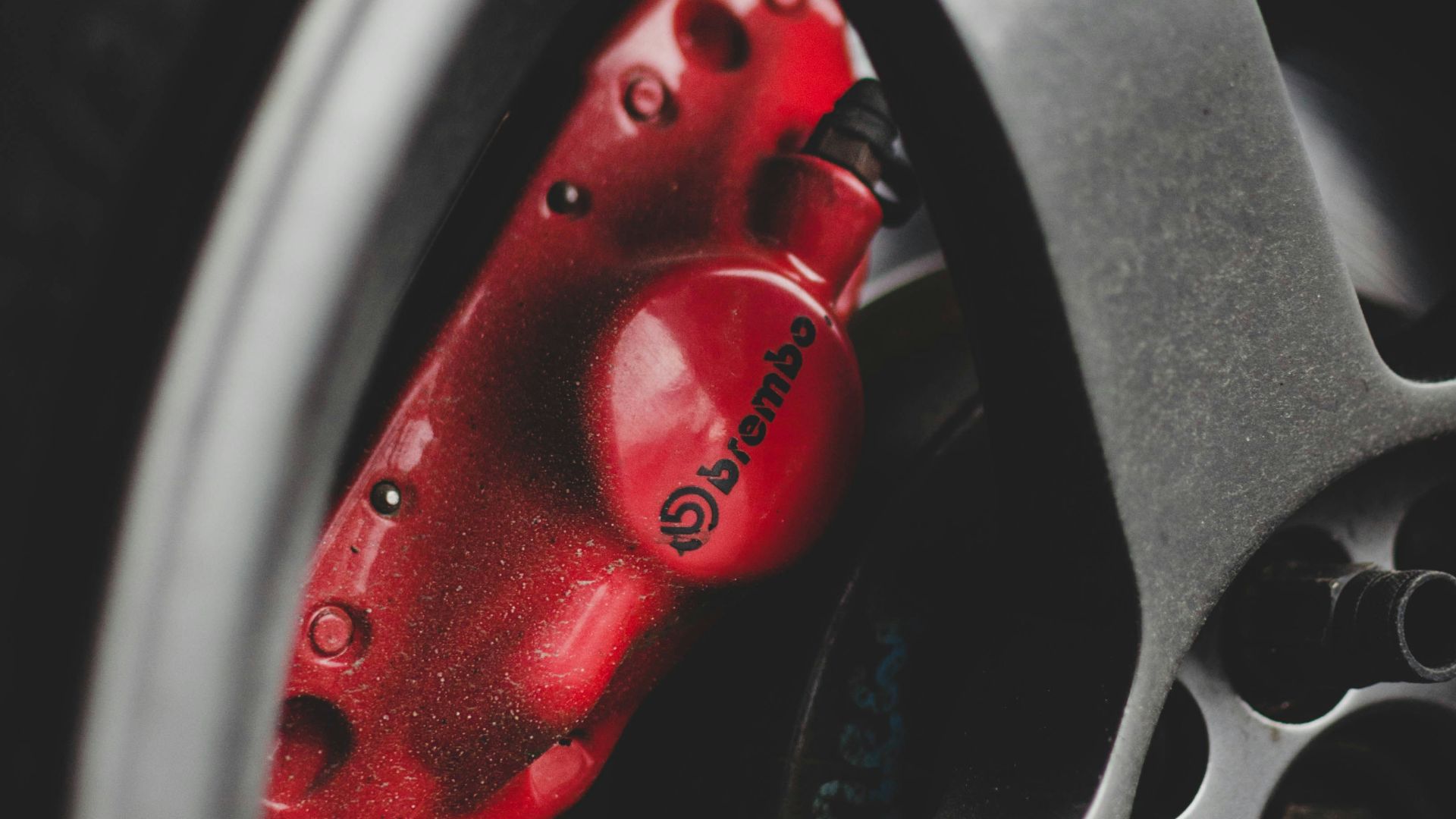
Many drivers delay brake service because they hope the problem will disappear on its own or because repairs seem inconvenient. In reality, catching brake issues early is usually much cheaper than waiting for additional damage to occur. Replacing brake pads is relatively affordable compared to replacing rotors, calipers, or other major components. Small repairs rarely stay small when ignored for long periods.
Routine brake inspections can also help mechanics identify uneven wear before serious problems develop. Driving habits, road conditions, and climate all affect how quickly brake components wear down. Regular maintenance allows technicians to monitor those patterns and address issues before they become expensive. Preventive care often extends the lifespan of the entire braking system.
Modern vehicles are heavily dependent on reliable braking performance for both safety and electronic driver-assistance systems. Features like anti-lock brakes and stability control work best when the mechanical braking system remains in good condition. Addressing brake noise early helps maintain not only stopping power but also the overall safety systems built into the vehicle. Taking unusual sounds seriously is one of the simplest ways drivers can protect themselves and others on the road.
Brake noise may seem easy to ignore at first, especially when the car still appears to drive normally. However, those sounds are often the vehicle’s earliest warning signs that attention is needed. From worn brake pads to more serious mechanical failures, unusual noises can signal problems that become increasingly expensive and dangerous over time. Paying attention early, scheduling inspections promptly, and maintaining the braking system properly can make a major difference in both vehicle safety and long-term repair costs.