Cheap Fixes Get Expensive
Saving money on a car is not automatically a bad instinct. Repairs are expensive, shops can feel intimidating, and nobody enjoys being told a small noise might cost half a paycheck. The trouble starts when saving money means ignoring basic maintenance, buying the cheapest possible part, or pretending a warning light is just being dramatic. Cars usually give people a little time to make the right choice, but they do not give unlimited time. Here are 20 car problems people create by trying to save money.

1. Skipping Oil Changes
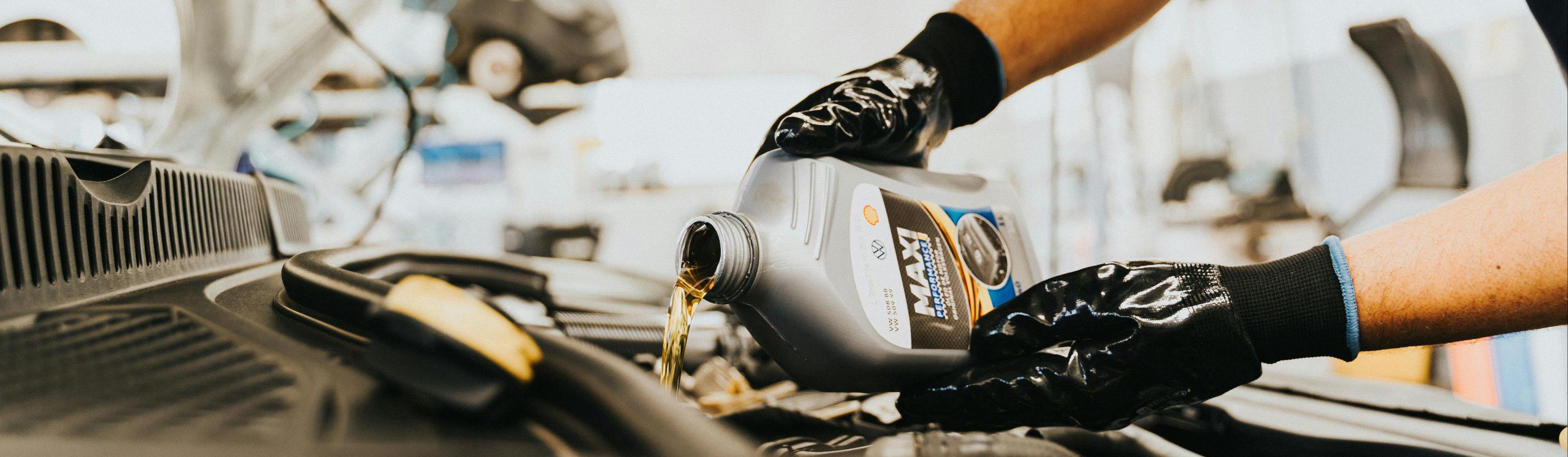
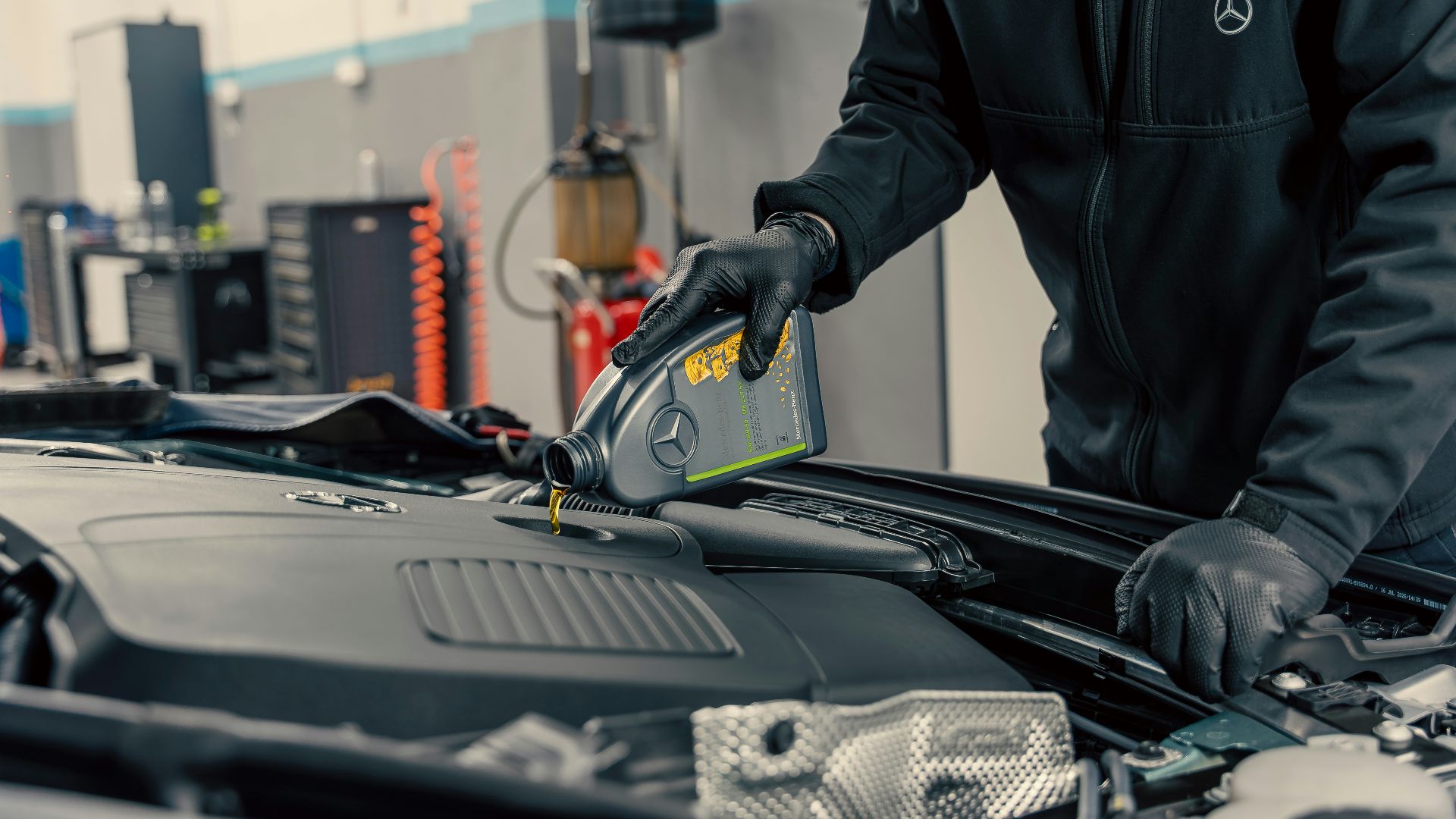
Oil changes feel easy to delay because the car usually keeps running fine at first. The problem is that old oil stops protecting the engine the way it should. What could have been a routine service can turn into worn engine parts, sludge, or serious engine damage.
2. Buying The Cheapest Tires
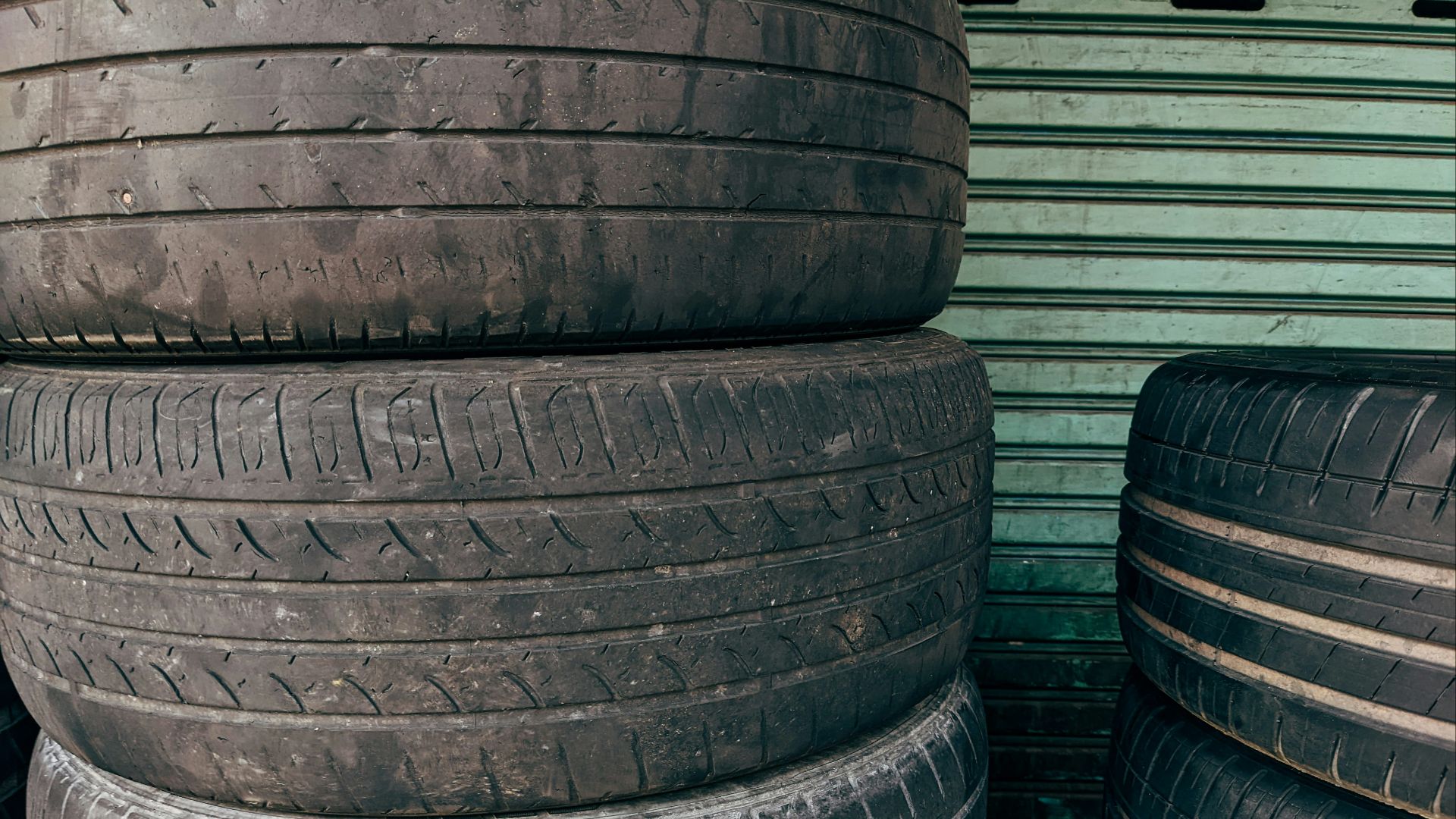
Cheap tires can seem like a smart place to save until rain, hard braking, or a sharp turn exposes the difference. Good tires affect stopping distance, traction, handling, and comfort. Saving a little upfront can create a much bigger risk every time the road gets slick.
3. Ignoring The Check Engine Light
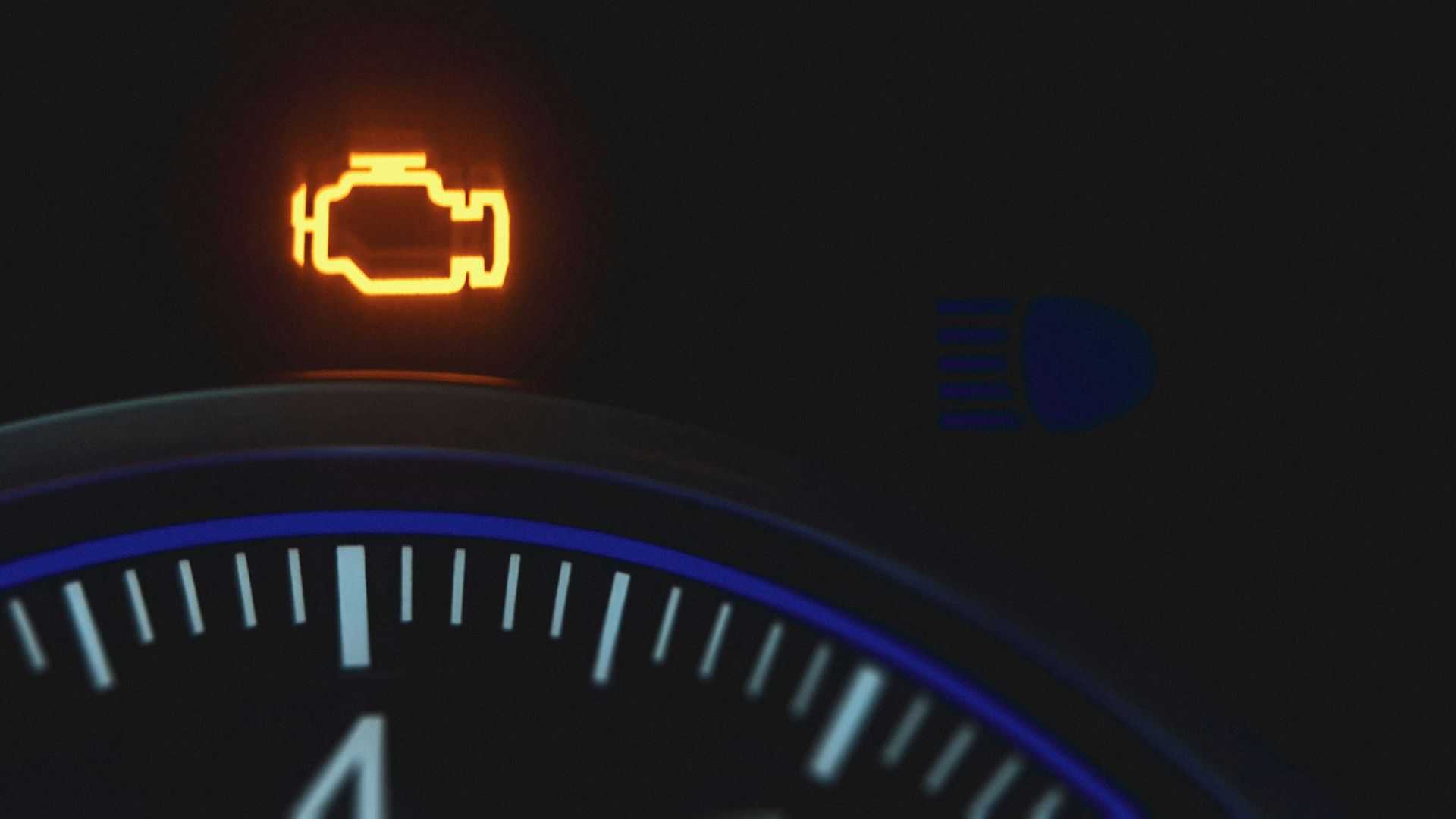
A check engine light does not always mean disaster, which is exactly why people talk themselves into ignoring it. Sometimes it is a loose gas cap, but sometimes it is a misfire, sensor issue, or emissions problem that gets worse with time. Waiting can turn a manageable repair into a chain reaction.
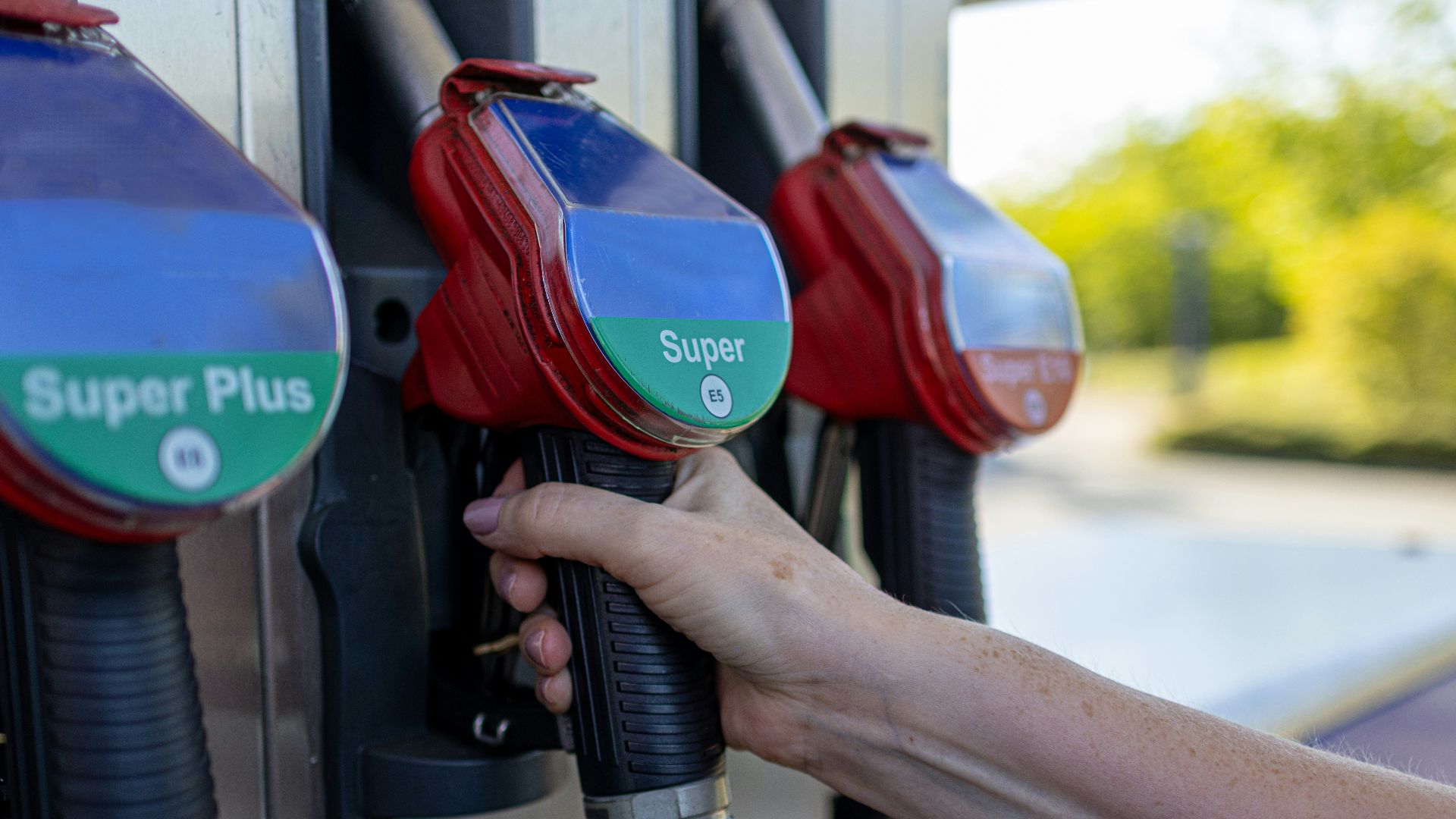
4. Using The Wrong Fuel
If a car requires premium fuel, using regular to save money can create knocking, poor performance, and long-term stress on the engine. Some modern cars can adjust, but that does not mean they run their best that way. The money saved at the pump may come back as lower efficiency or future repairs.
5. Delaying Brake Work
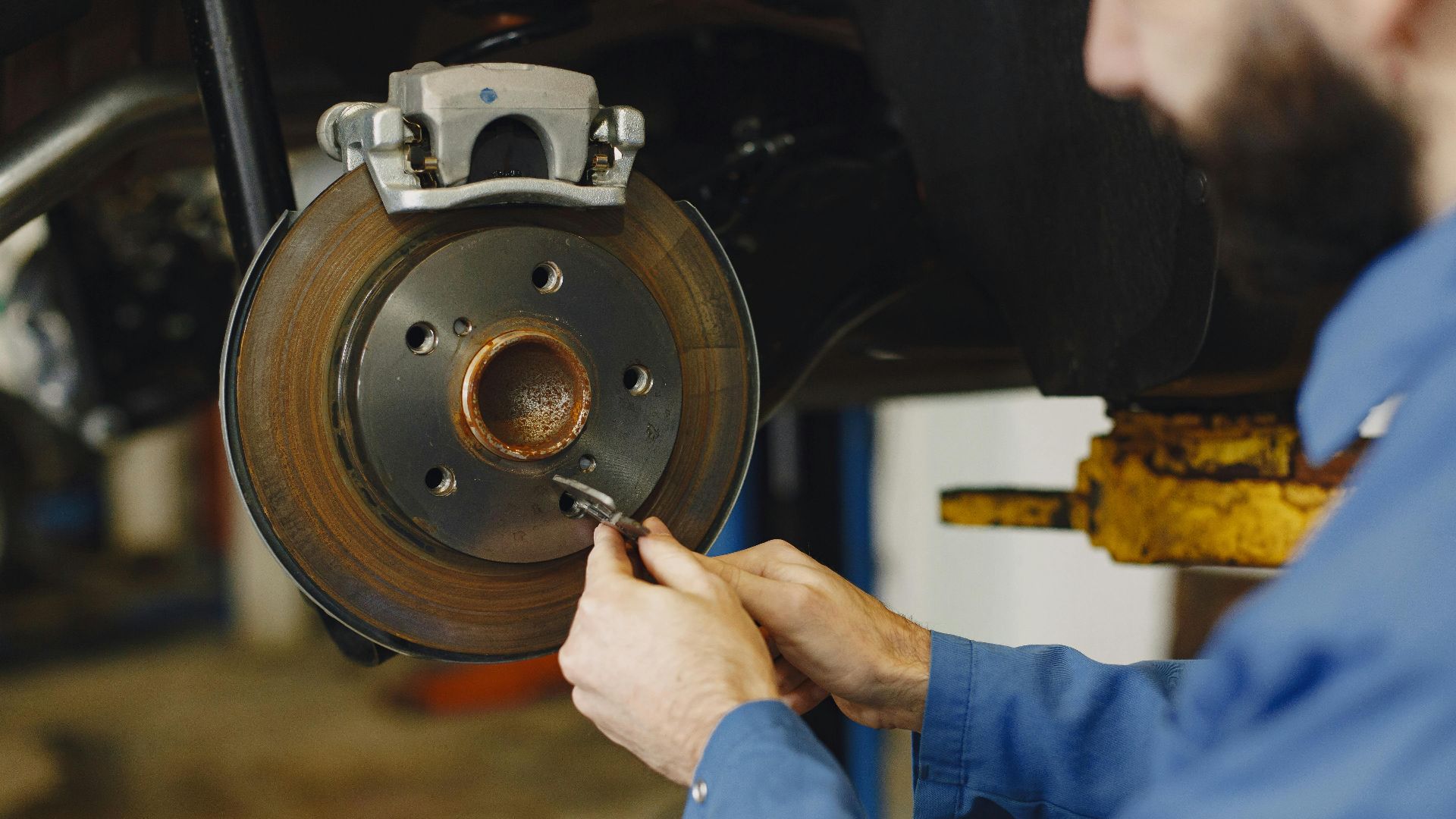
Brakes rarely fail all at once without warning. They squeal, grind, pulse, or feel soft first. Ignoring those signs can turn a simple pad replacement into damaged rotors, calipers, or a car that no longer stops the way it should.
6. Driving On Low Coolant
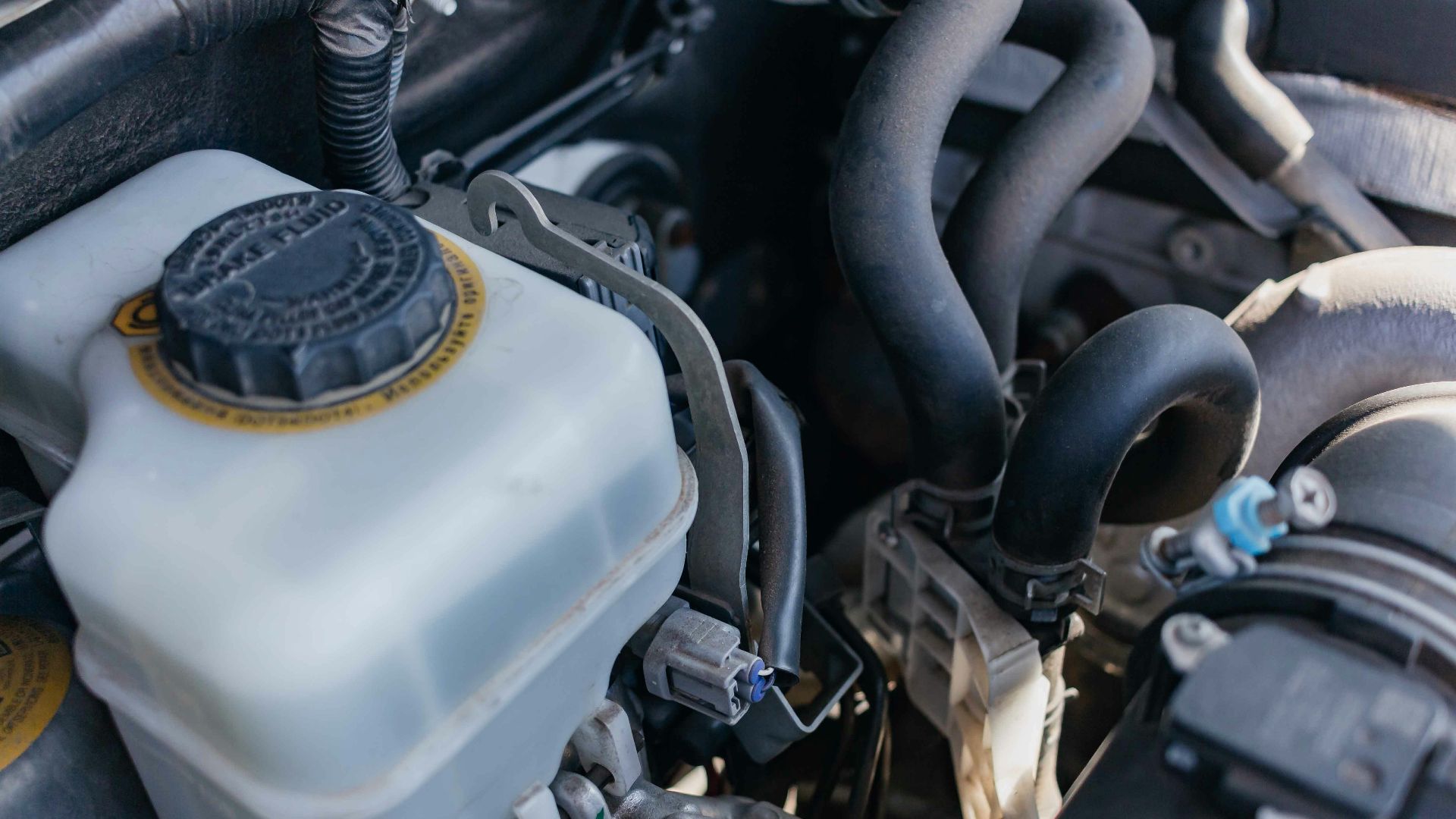
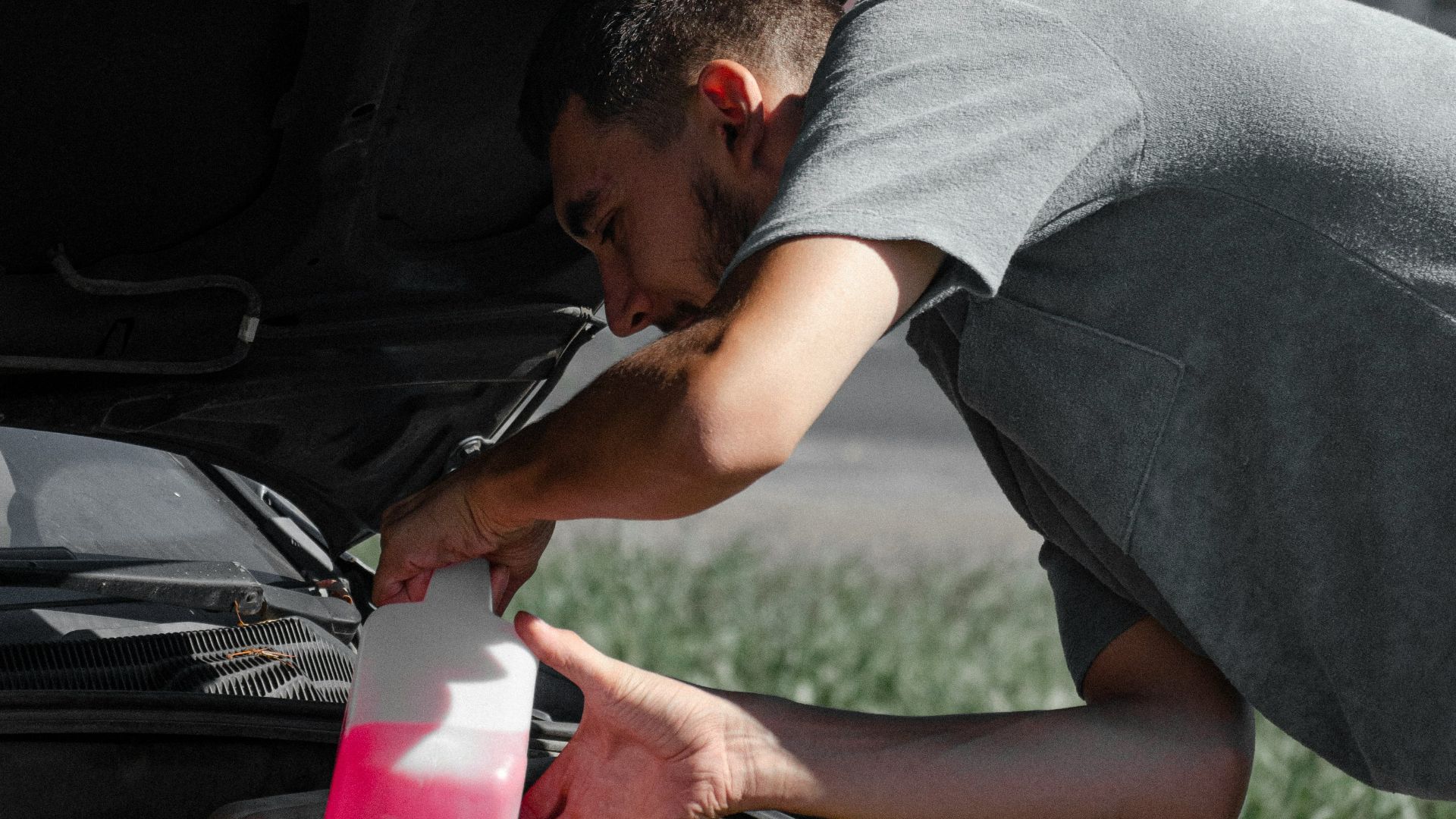
Topping off coolant sounds minor, so people sometimes put it off. But coolant is what keeps the engine from overheating, and overheating can do expensive damage fast. A small leak or low fluid level can become a warped head gasket before anyone is ready for the bill.
7. Reusing Old Windshield Wipers
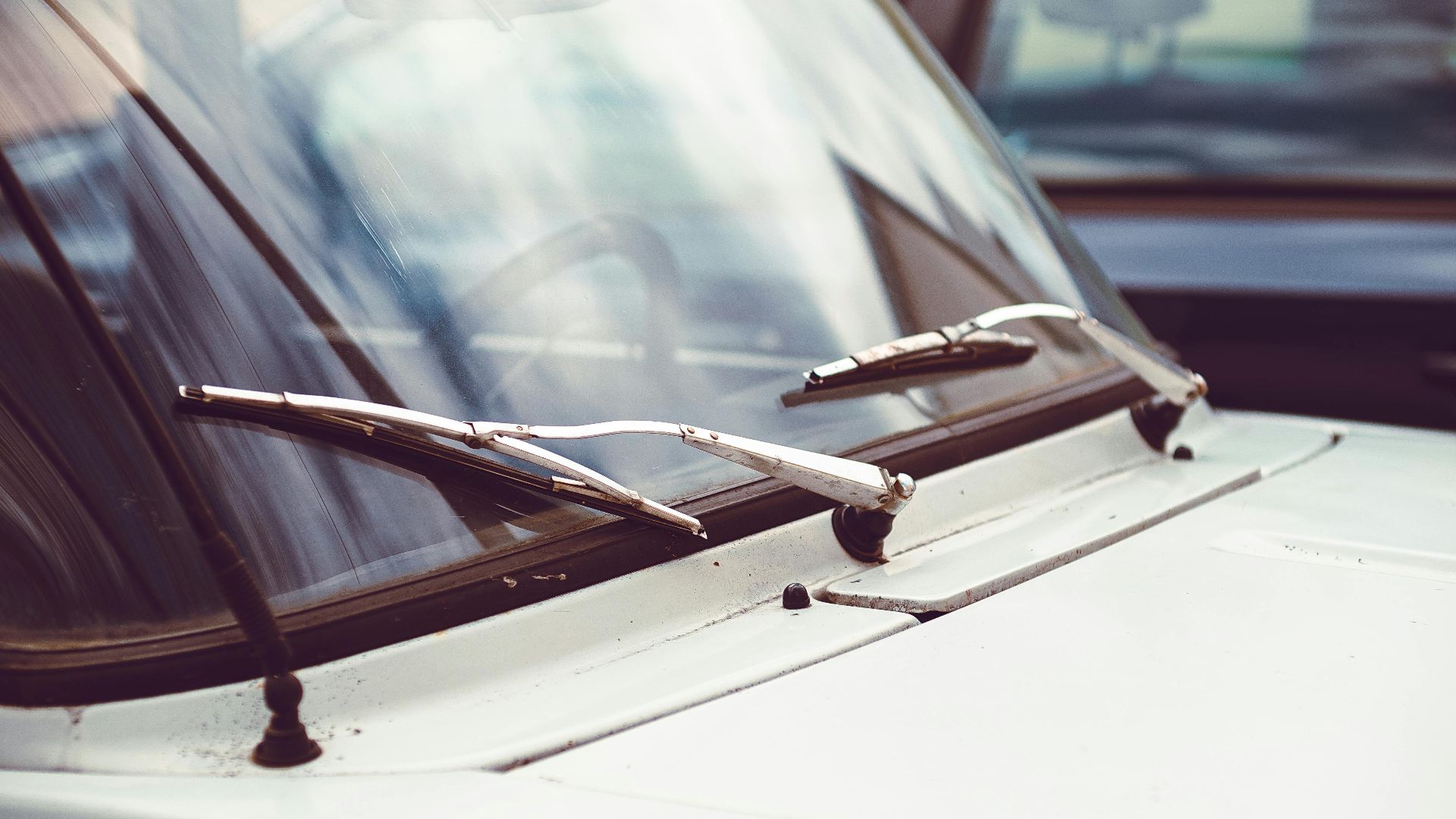
Old wipers are one of those small things people avoid replacing because they still technically move. Then a hard rain hits, and the windshield turns into a smeared mess. Poor visibility is not a charming inconvenience; it is a safety problem.
8. Choosing Cheap Replacement Parts
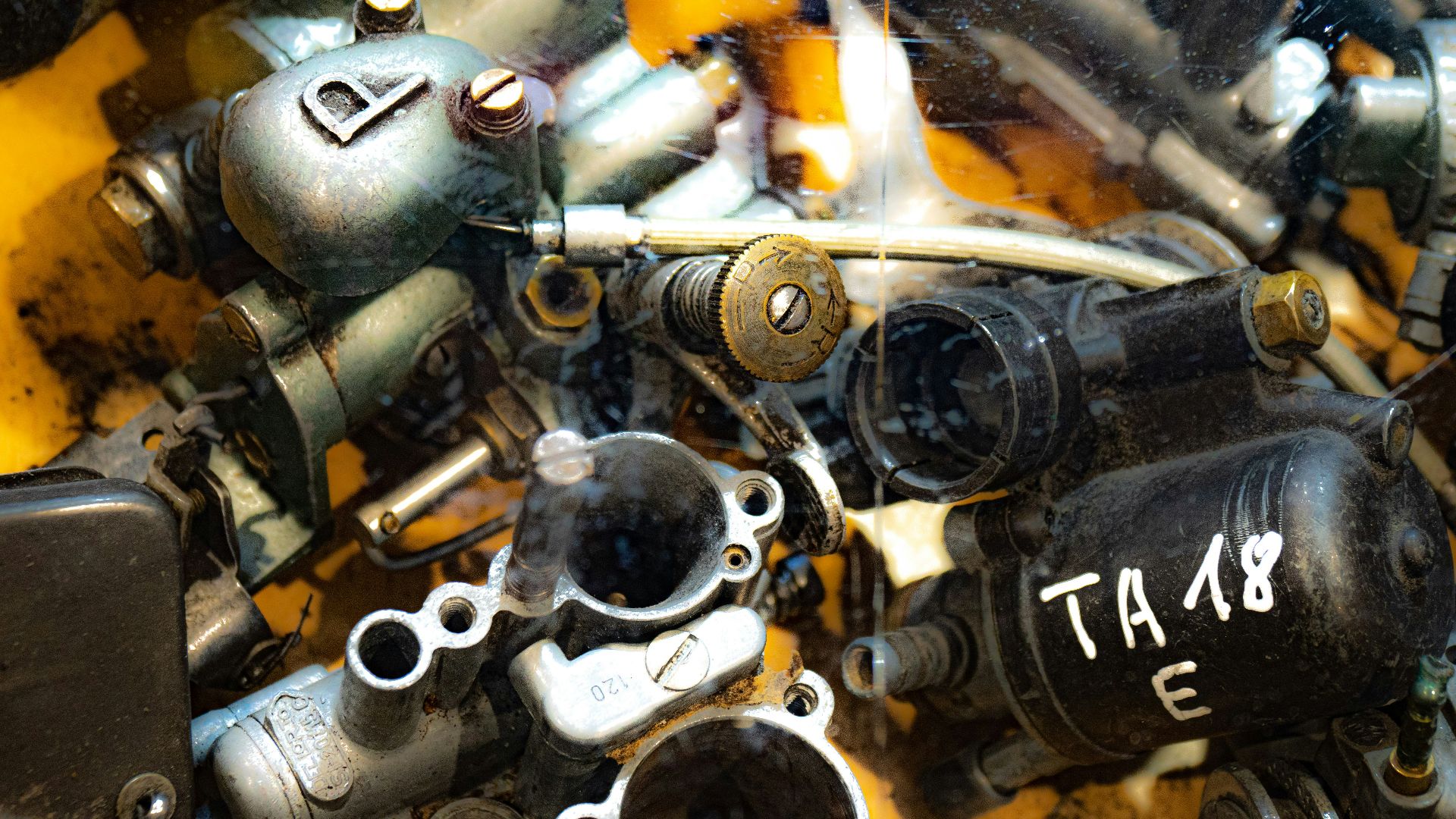
Not every inexpensive part is bad, but the cheapest part is not always a bargain. Low-quality parts may fit poorly, wear out quickly, or cause other components to work harder. Paying twice for the same repair is one of the most annoying ways to save money.
9. Ignoring Tire Pressure
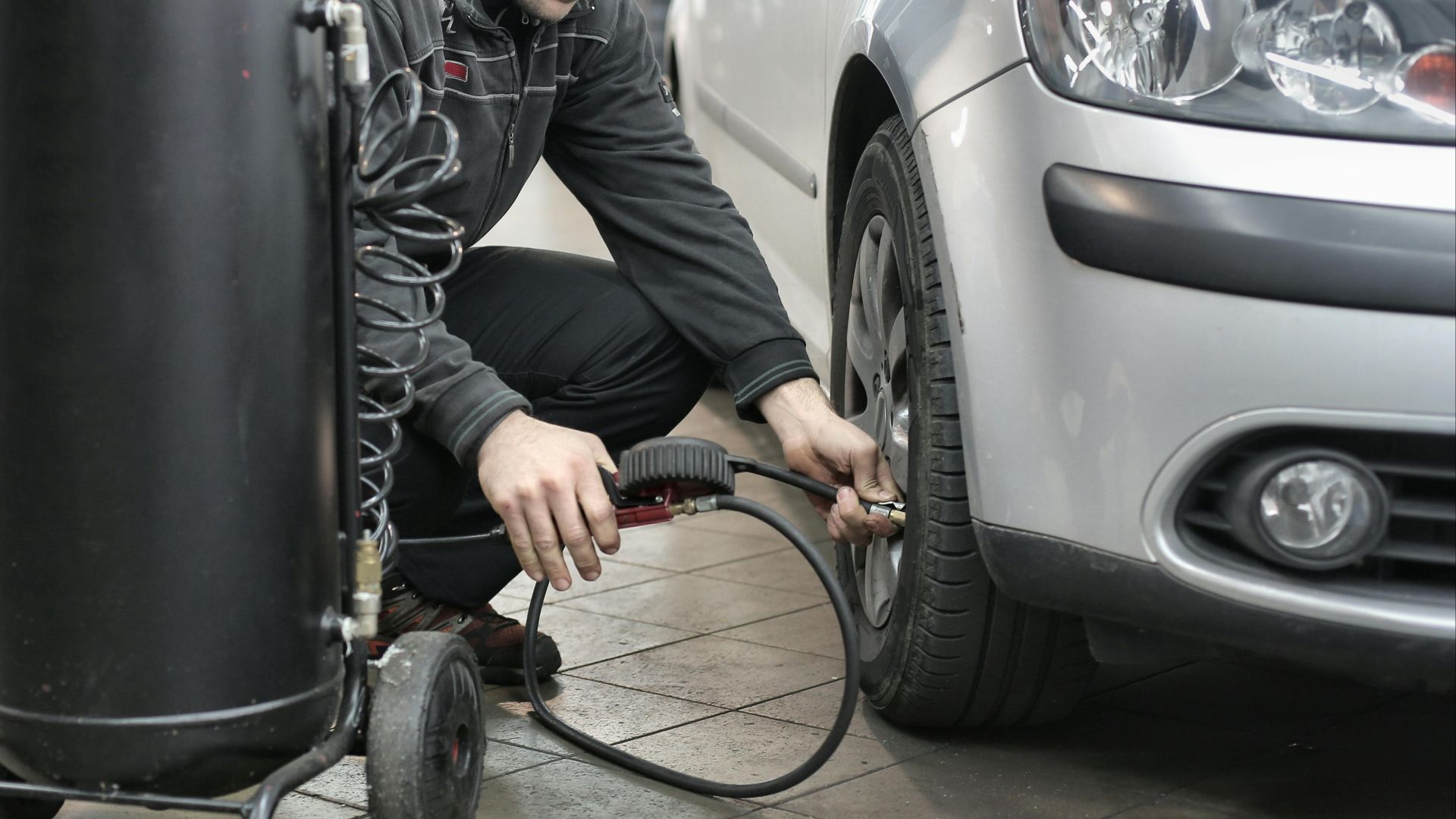
Air is free or close to it, which makes this one especially frustrating. Low tire pressure reduces fuel economy, wears tires unevenly, and can make the car handle badly. Overinflating to avoid checking often is not better, because it can reduce grip and wear the tire center too quickly.
10. Stretching A Battery Too Long
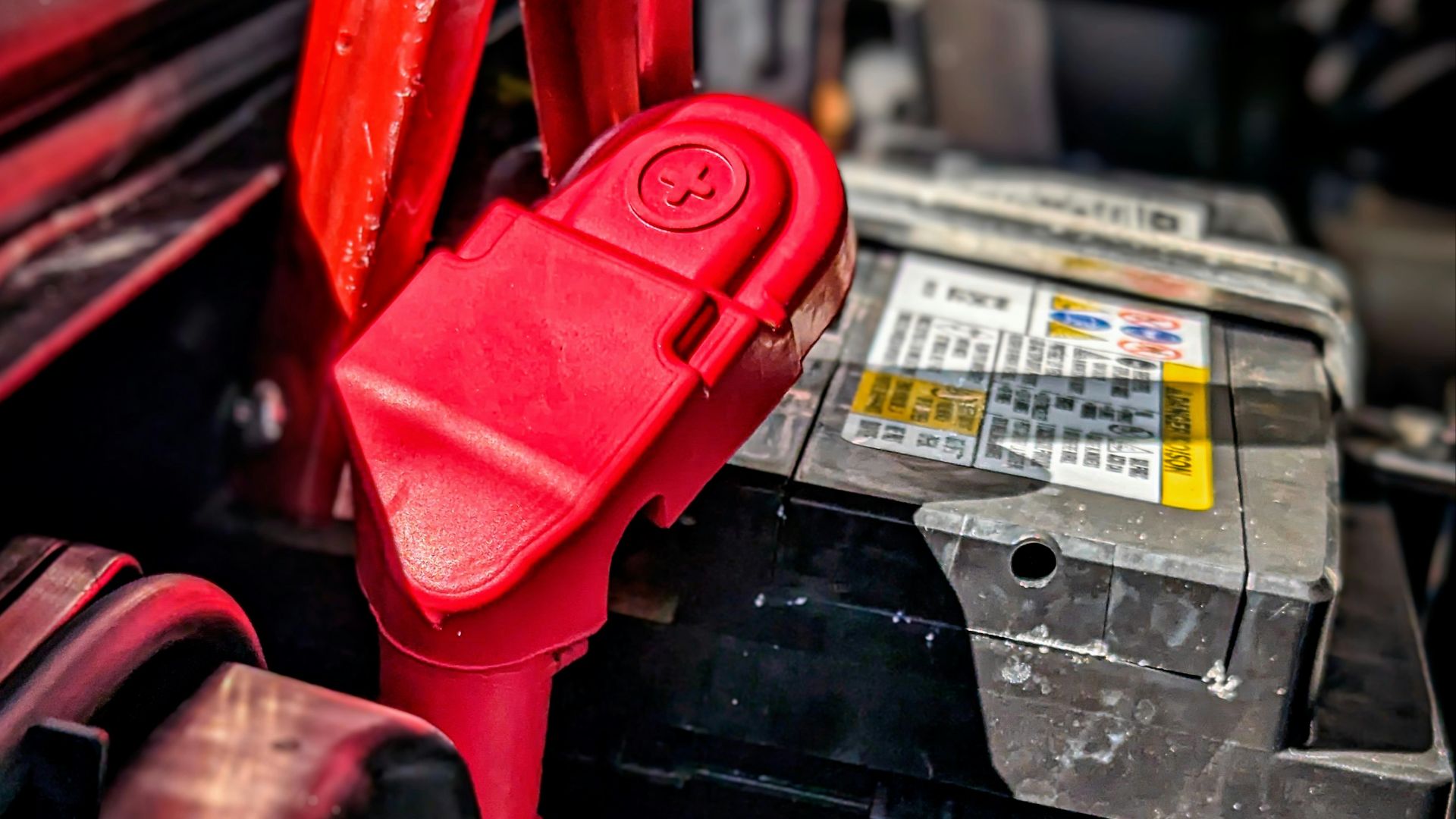
A weak battery can limp along for weeks and still leave you stranded at the worst possible time. People often wait because the car starts most days, and most days feel like enough evidence. Then one cold morning, it is not enough.
11. Skipping Alignment
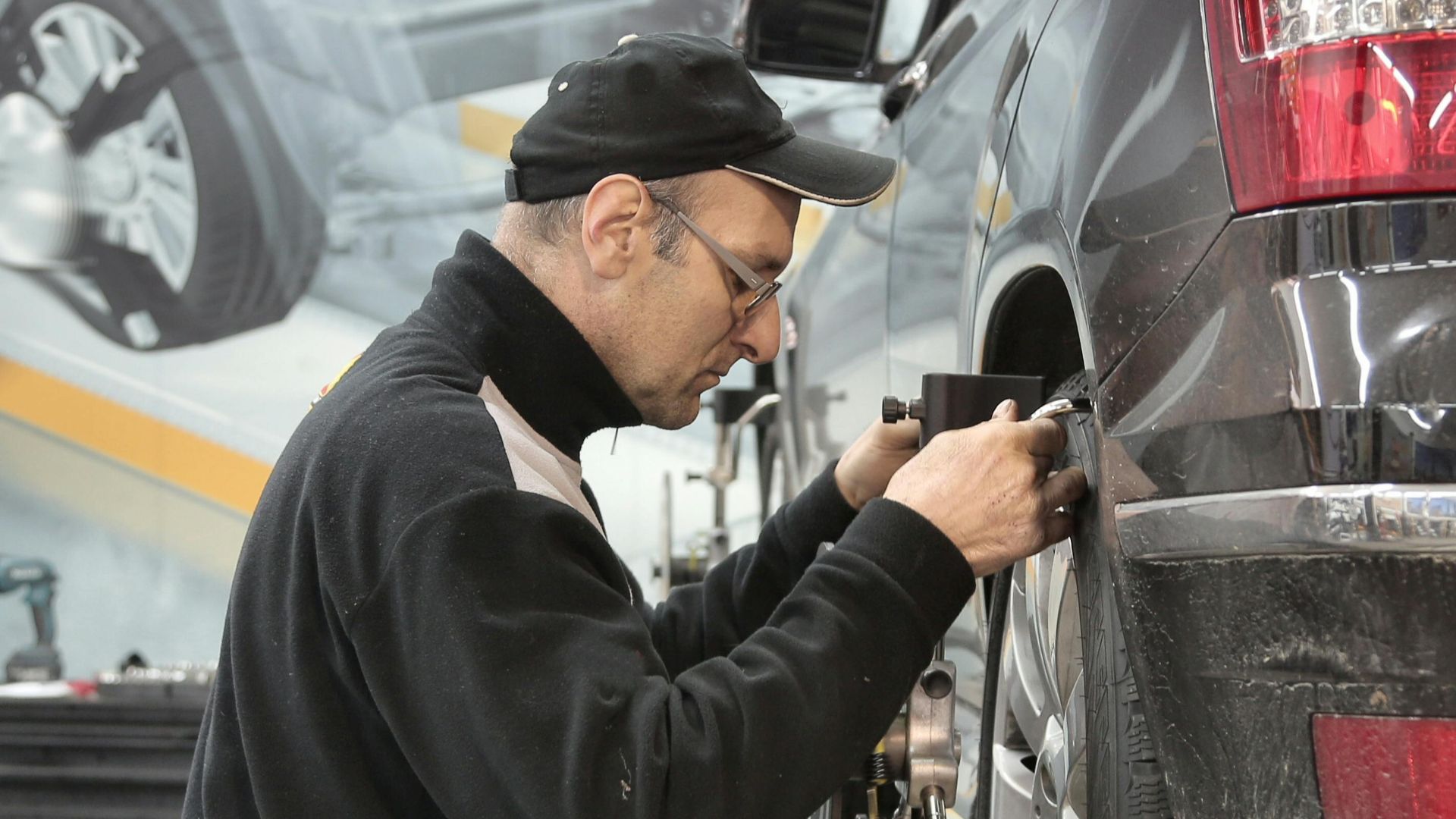
An alignment does not feel urgent because the car still moves. But if the steering pulls, the wheel sits crooked, or the tires are wearing strangely, the problem is already costing money. Bad alignment can destroy a decent set of tires long before their time.
12. Using Universal Fluids Carelessly
Cars are picky about fluids for a reason. Transmission fluid, brake fluid, coolant, and power steering fluid are not all interchangeable, even when the bottle makes it sound convenient. The wrong fluid can cause slipping, corrosion, leaks, or damage that costs much more than buying the correct product.
13. Letting Small Leaks Go
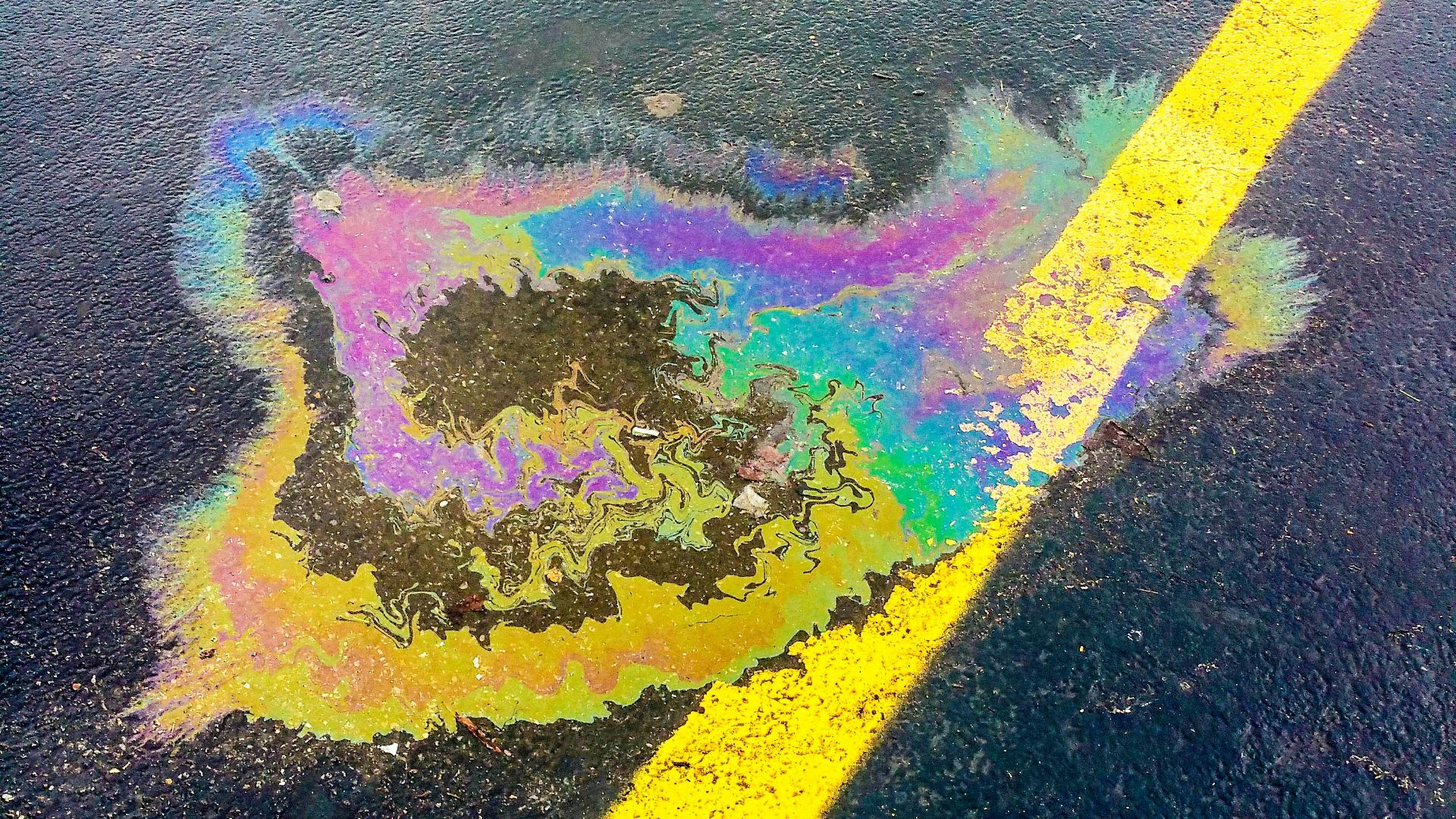
A few drops in the driveway can seem harmless. But leaks rarely fix themselves, and they often get worse once seals, hoses, or gaskets continue to fail. Oil, coolant, brake fluid, or transmission fluid on the ground is the car asking for attention early.
14. Putting Off Spark Plugs
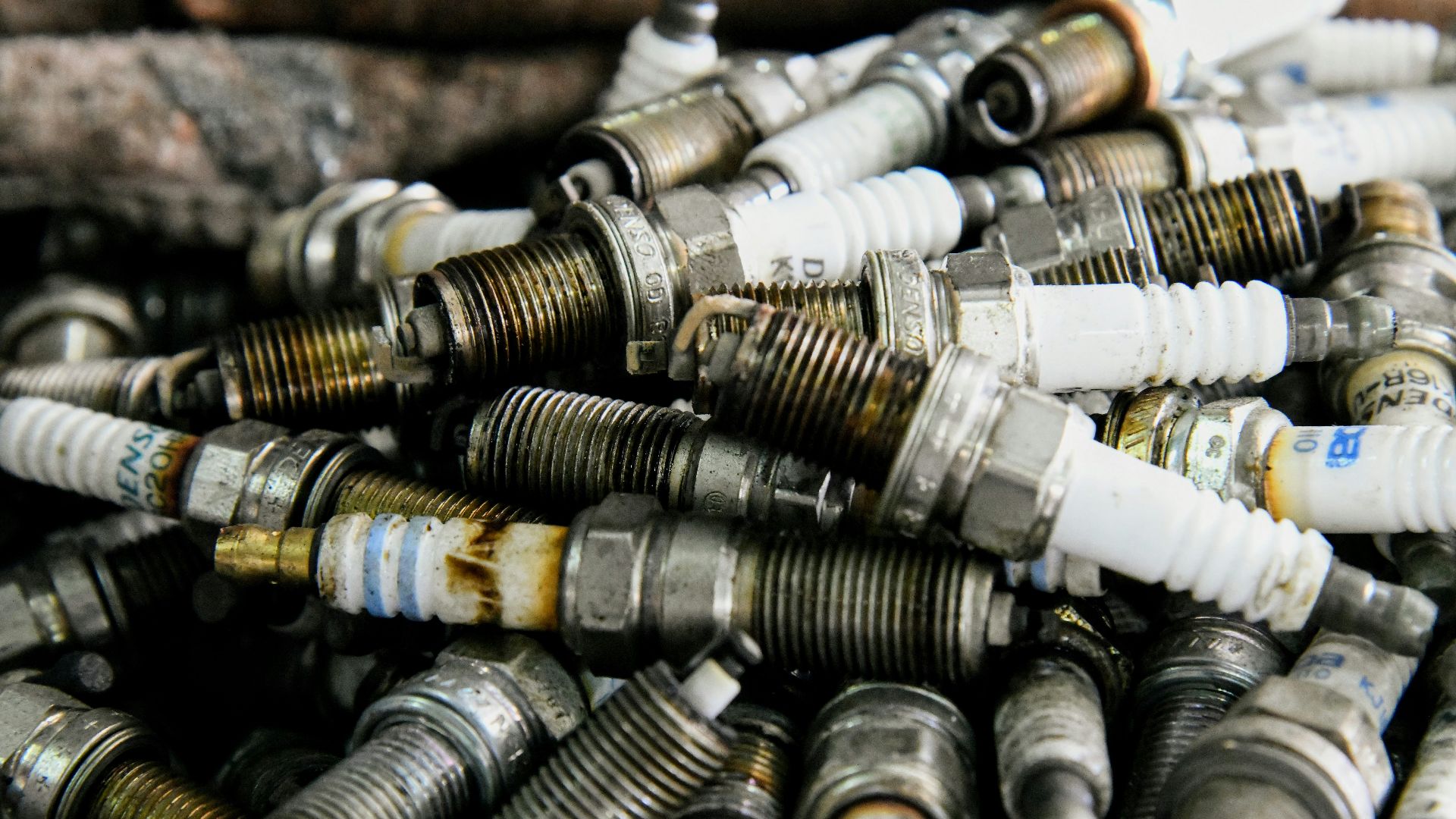
Spark plugs are small, relatively inexpensive parts, which makes them easy to underestimate. When they wear out, the engine may misfire, idle roughly, waste fuel, or struggle under load. Ignoring them can stress ignition coils and other parts that cost more to replace.
15. Washing The Car Almost Never
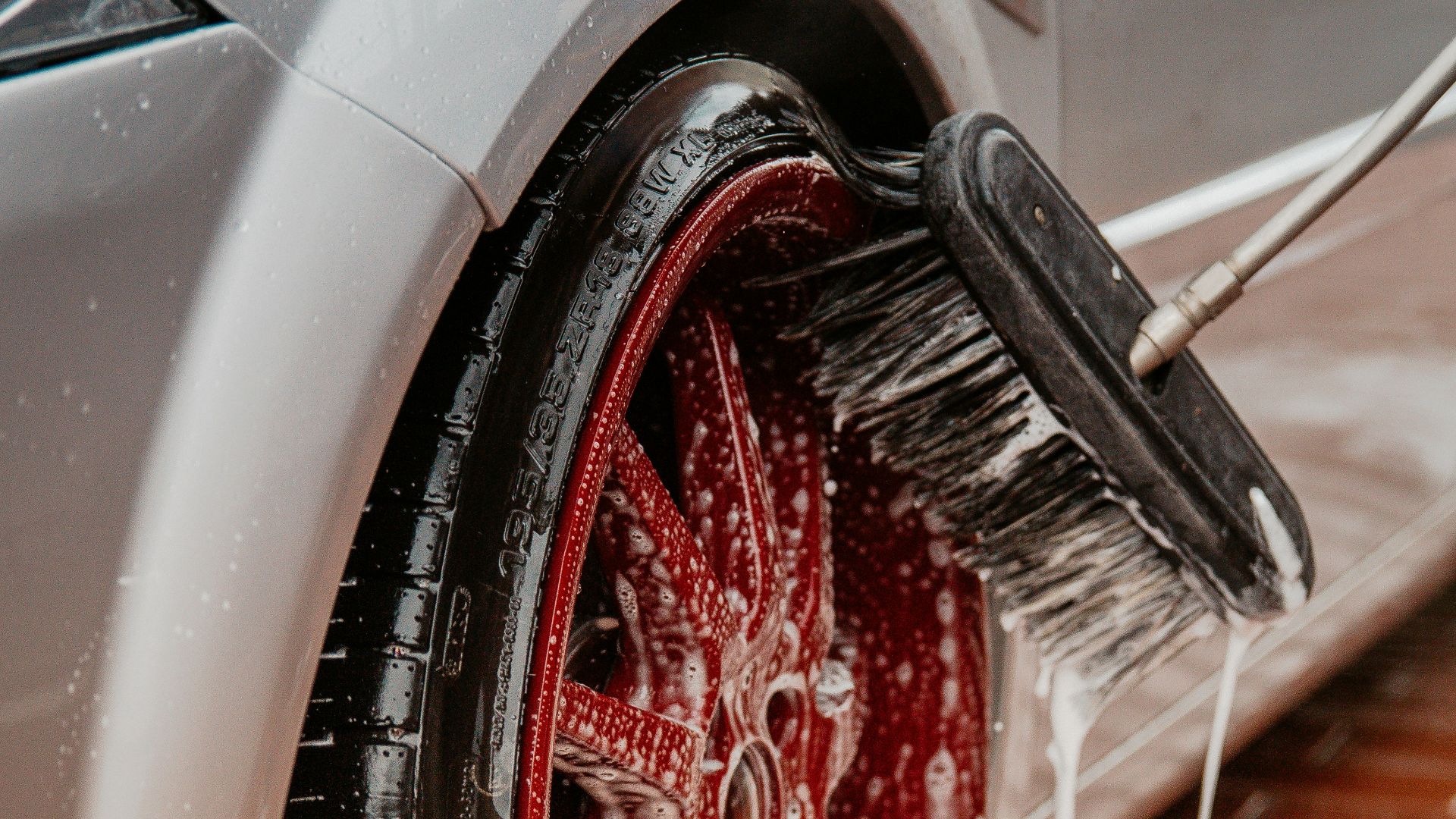
Car washes can feel cosmetic, especially when money is tight. But road salt, grime, bird droppings, and tree sap can damage paint and speed up rust. Cleaning the car is not just vanity when the body and undercarriage are being slowly eaten.
16. Driving With Worn Suspension
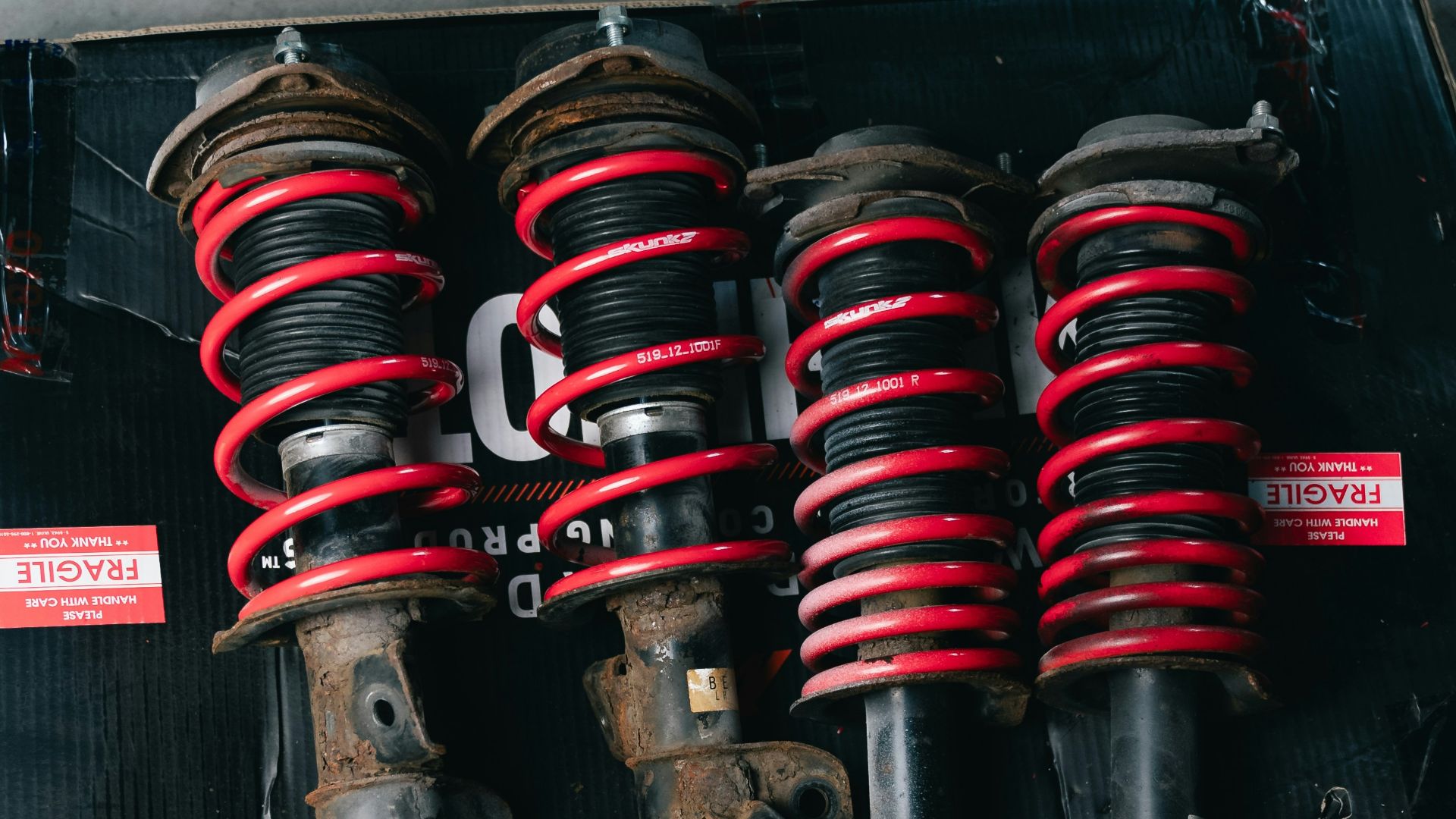
Bad shocks, struts, bushings, or ball joints can make a car feel loose, noisy, or bouncy. People often delay suspension work because the car still gets them around. Over time, worn suspension can affect tire wear, braking, steering, and overall control.
17. Ignoring Strange Noises
A new noise is information. Clicking, grinding, humming, knocking, and squealing all mean something changed. Pretending not to hear it may feel cheaper for a while, but cars have a way of making the sound louder and the invoice longer.
18. Doing DIY Repairs Without The Right Tools
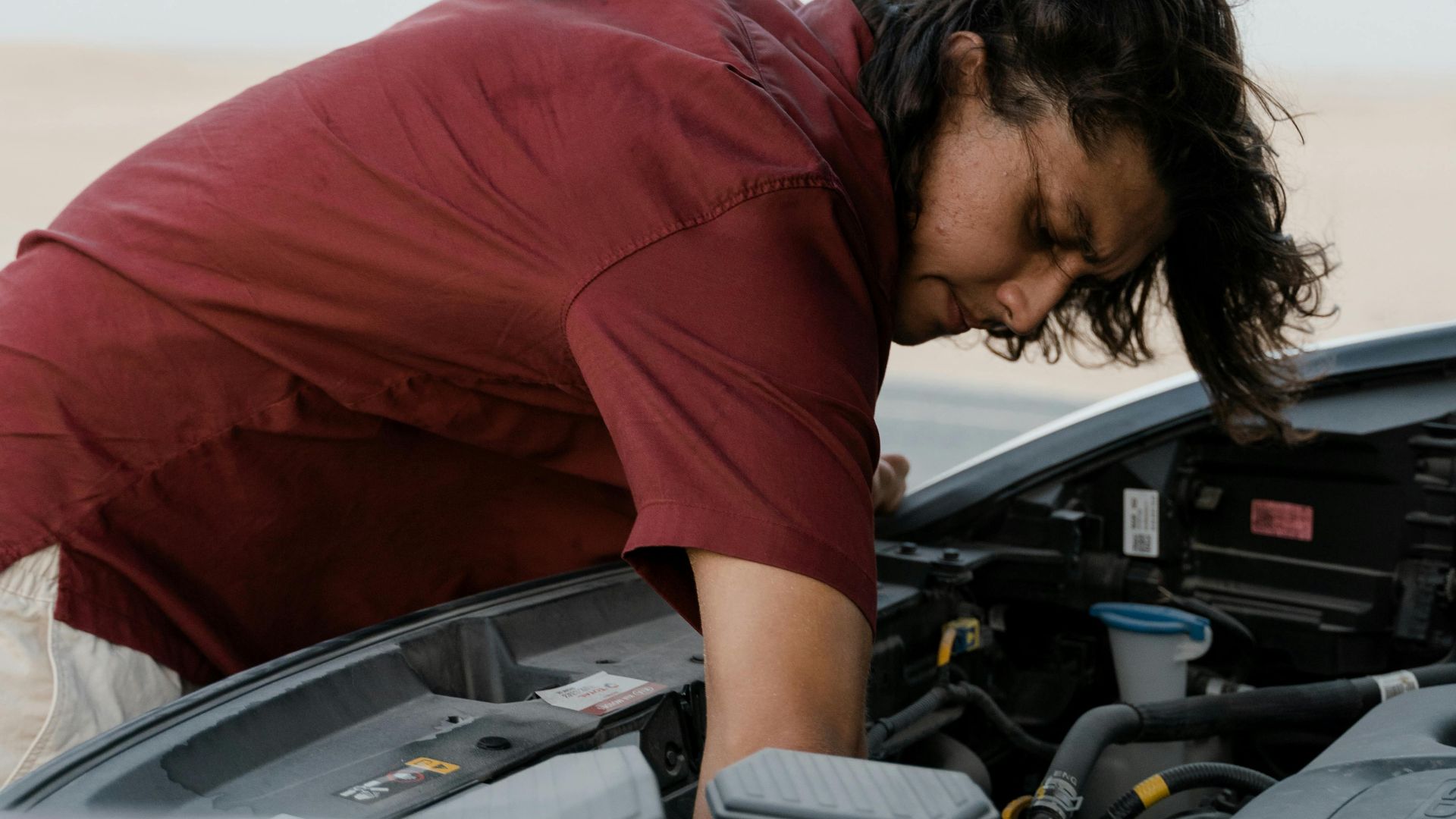
Fixing your own car can save real money when you know what you are doing. The problem comes from guessing, forcing parts, skipping torque specs, or using whatever tool happens to be nearby. A repair that starts as a weekend project can end with a tow truck and a sheepish explanation.
19. Skipping Regular Inspections
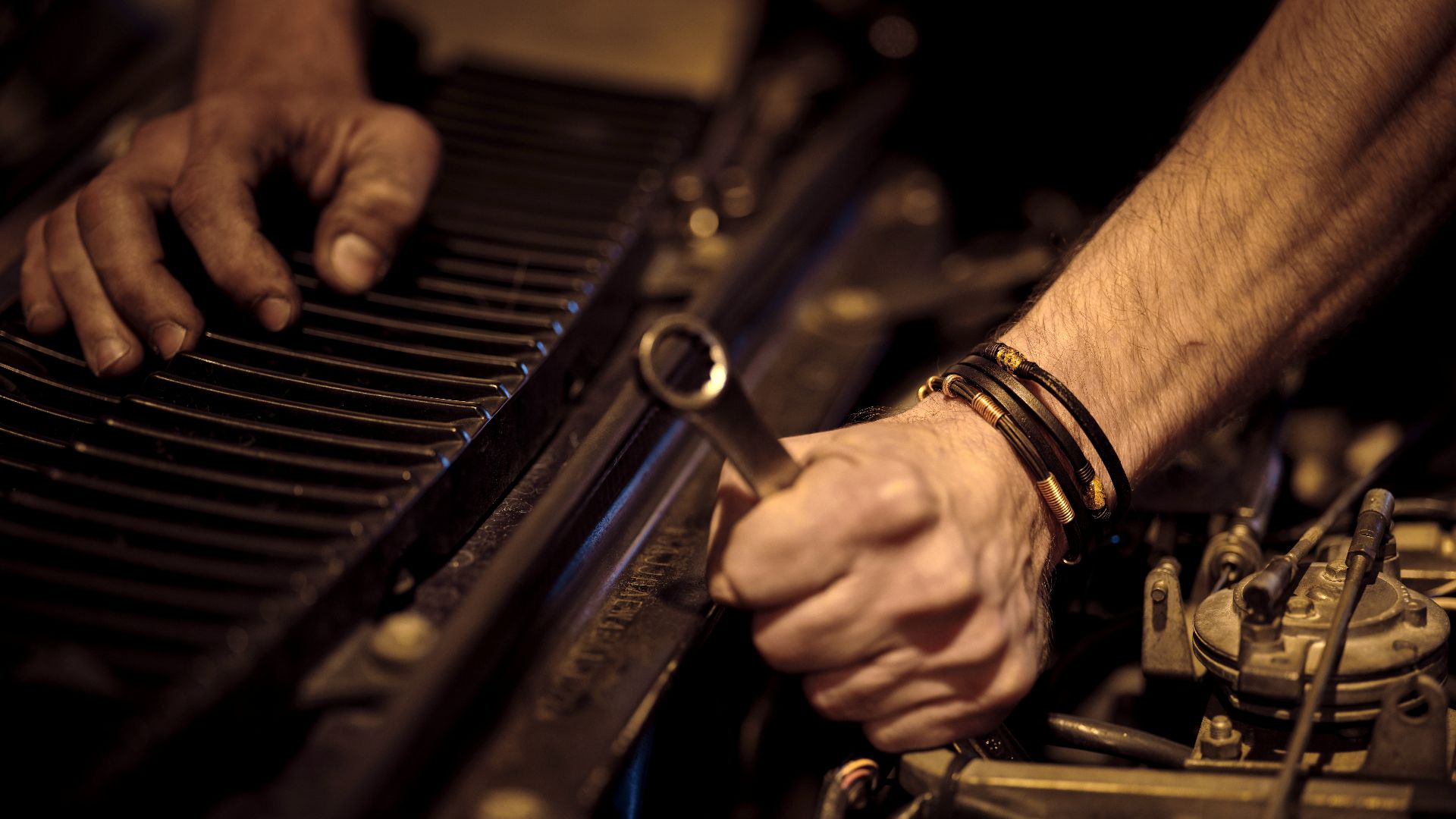
A basic inspection can catch worn belts, weak hoses, leaks, tire issues, and brake problems before they become urgent. Skipping it saves a little in the moment, but it removes the chance to catch small problems early. Surprise repairs are usually more expensive than planned ones.
20. Waiting Until The Car Breaks Down
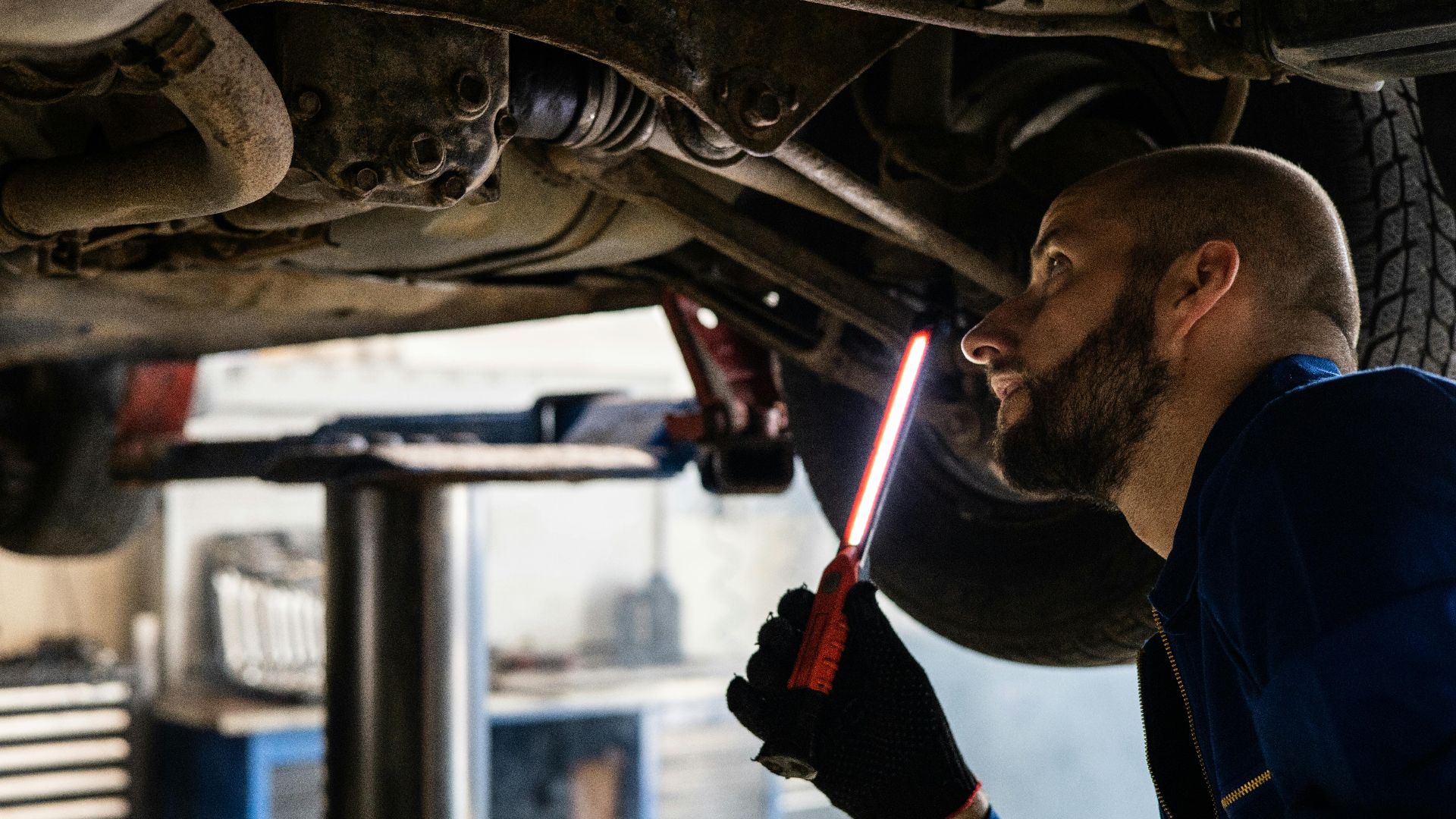
Some people treat maintenance as optional until the car refuses to move. That approach almost always costs more because breakdowns add towing, emergency labor, missed work, and fewer choices. Preventive care feels boring, but boring is exactly what you want from car ownership.