Modern Engines Changed Faster Than Many Drivers Realize
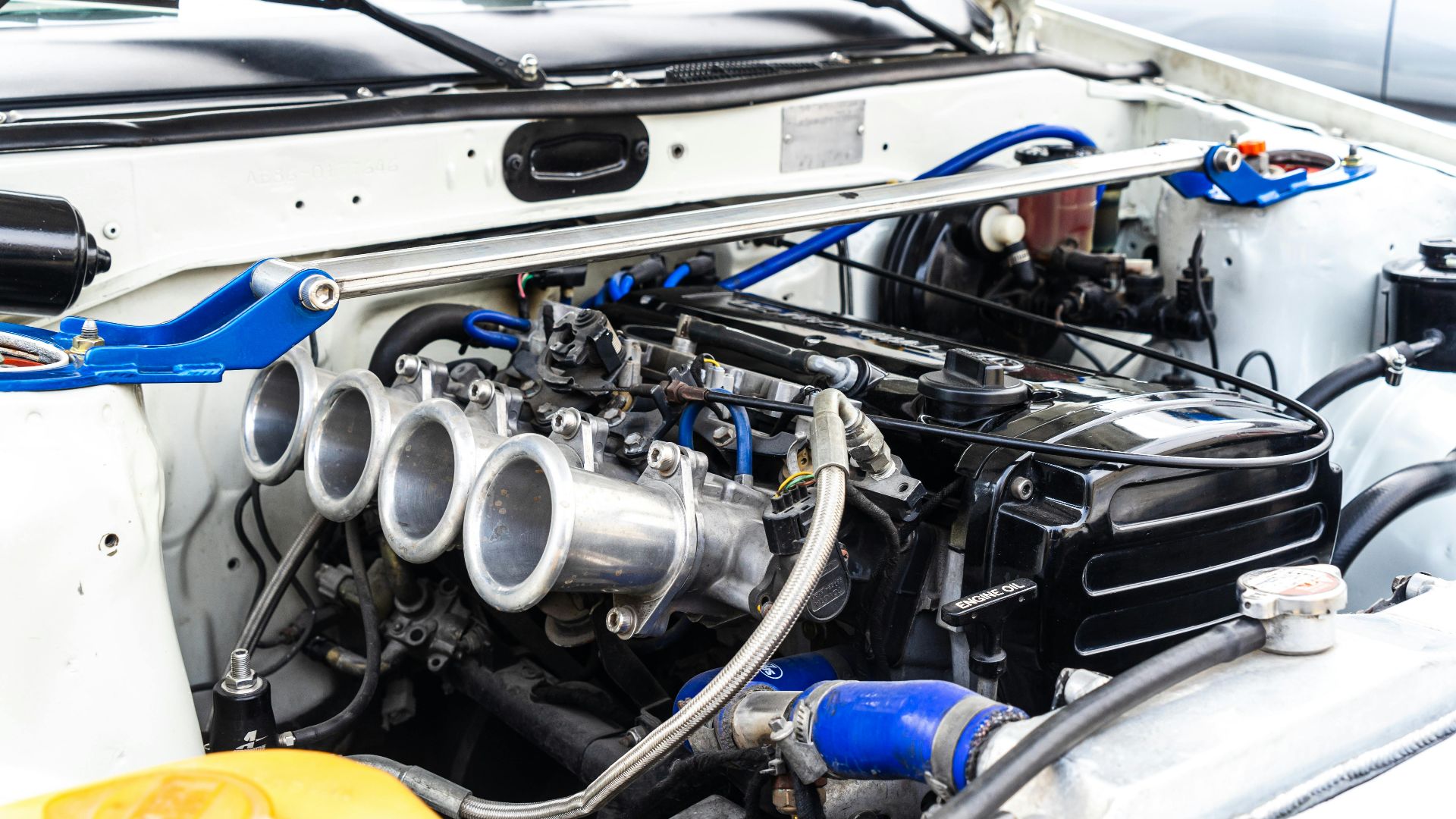
Over the last decade, automakers have dramatically reshaped engine technology in response to stricter emissions rules, rising fuel costs, and growing demand for better performance. Manufacturers focused heavily on improving efficiency without completely sacrificing power, which led to breakthroughs in combustion systems, turbocharging, hybrid integration, and advanced engine management software. Even as electric vehicles continue growing in popularity, gasoline and hybrid engines have evolved more in the past ten years than many people expected. Here are 20 game-changing engine innovations from the last decade.

1. Variable Compression Ratio Engines
Variable compression technology allows engines to adjust compression levels while driving, depending on performance or efficiency needs. Infiniti’s VC-Turbo engine became one of the first mass-produced examples of the concept in modern vehicles. Higher compression improves fuel economy during relaxed driving, while lower compression supports turbocharged power under heavier loads.
2. Mild Hybrid Engine Systems
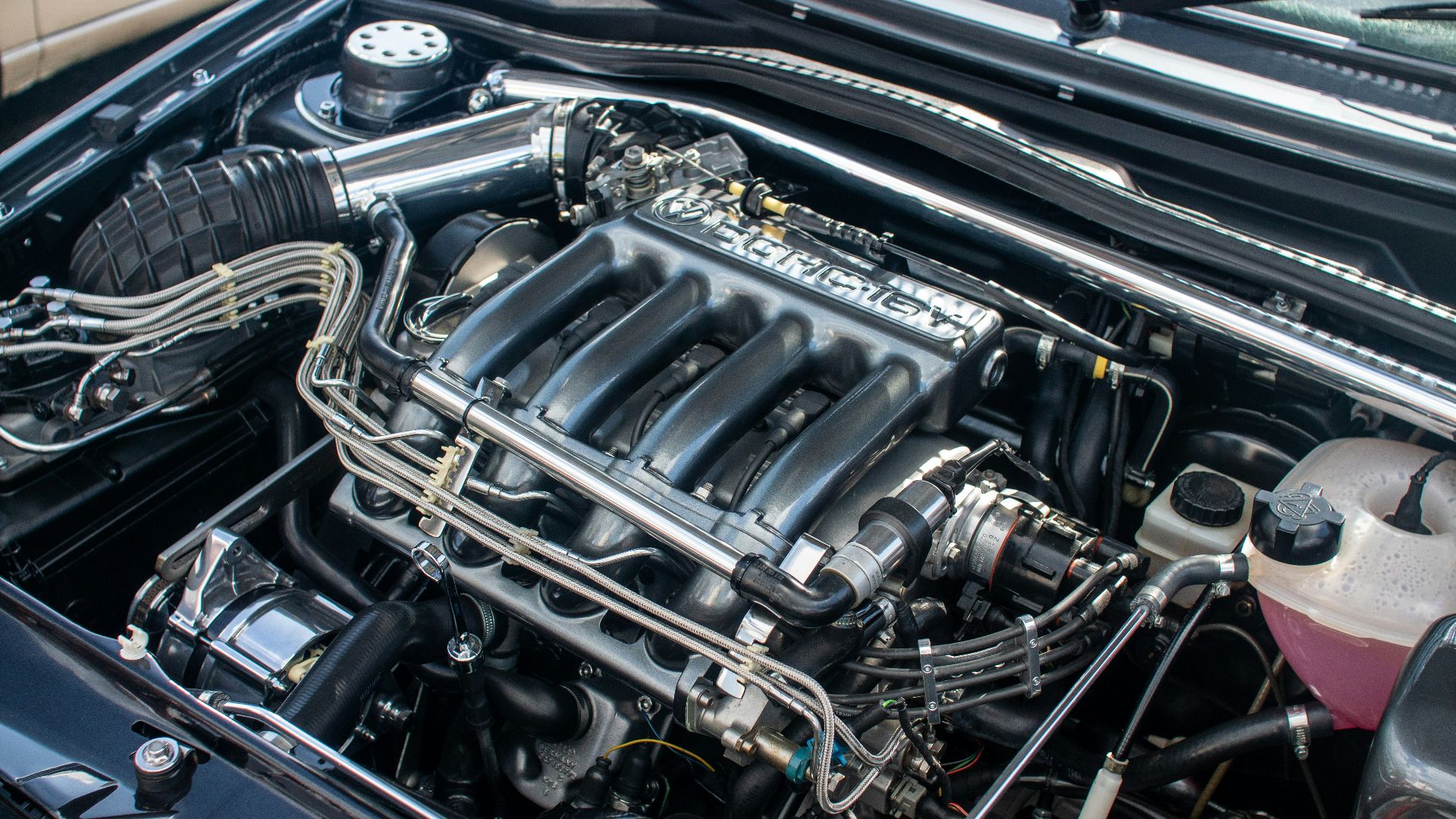
Mild hybrid systems combine traditional internal combustion engines with small electric motors that assist during acceleration and reduce fuel consumption. Unlike full hybrids, these systems don’t power the car independently for long distances. They improve efficiency by supporting stop-start functions and reducing strain on the gasoline engine during low-speed driving.
3. Electrically Assisted Turbochargers
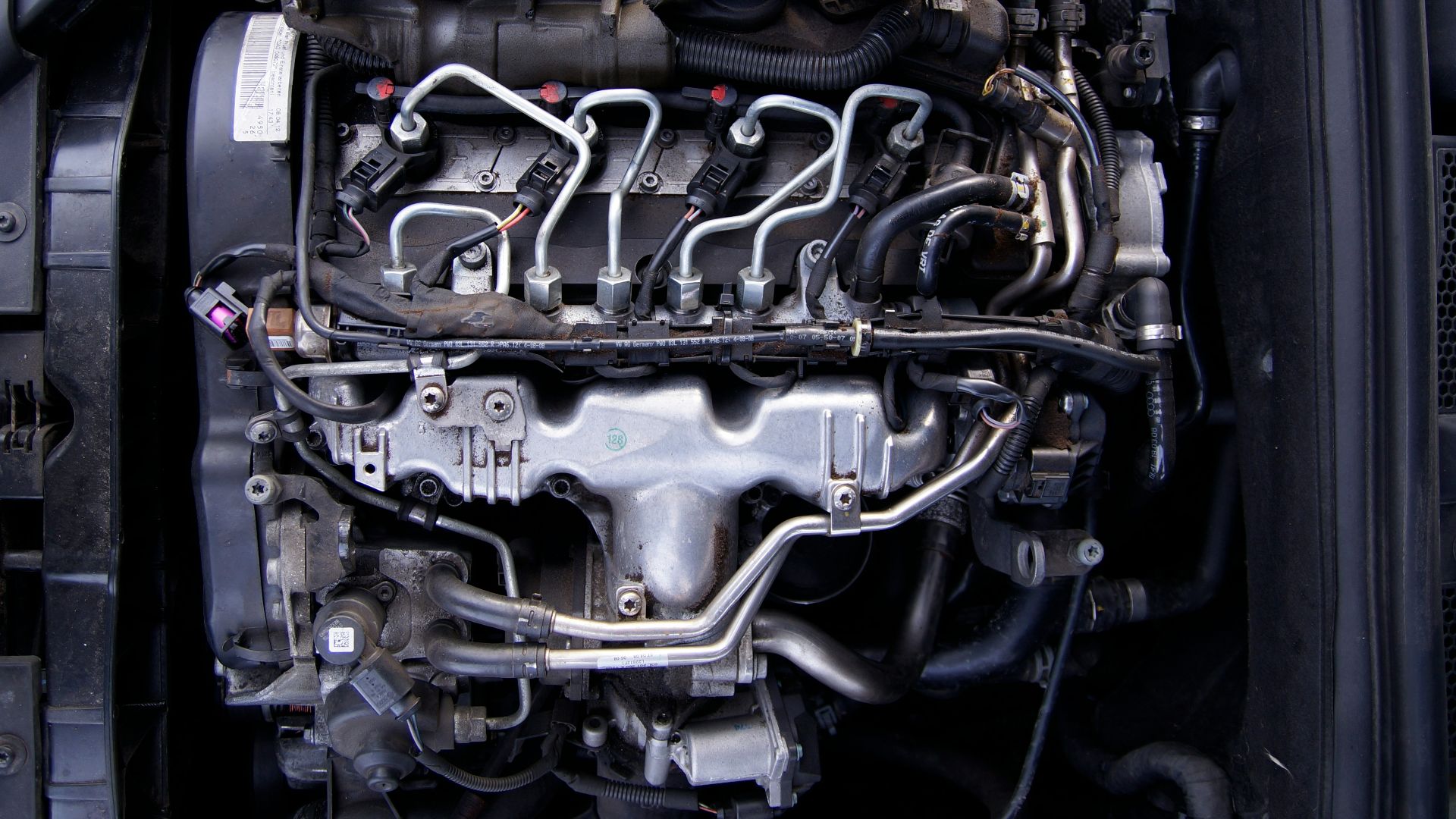
Traditional turbochargers often suffer from lag because they rely on exhaust gases building pressure before delivering boost. Electrically assisted turbos use electric motors to spool up faster, greatly reducing response delays.
4. Cylinder Deactivation Technology Improvements
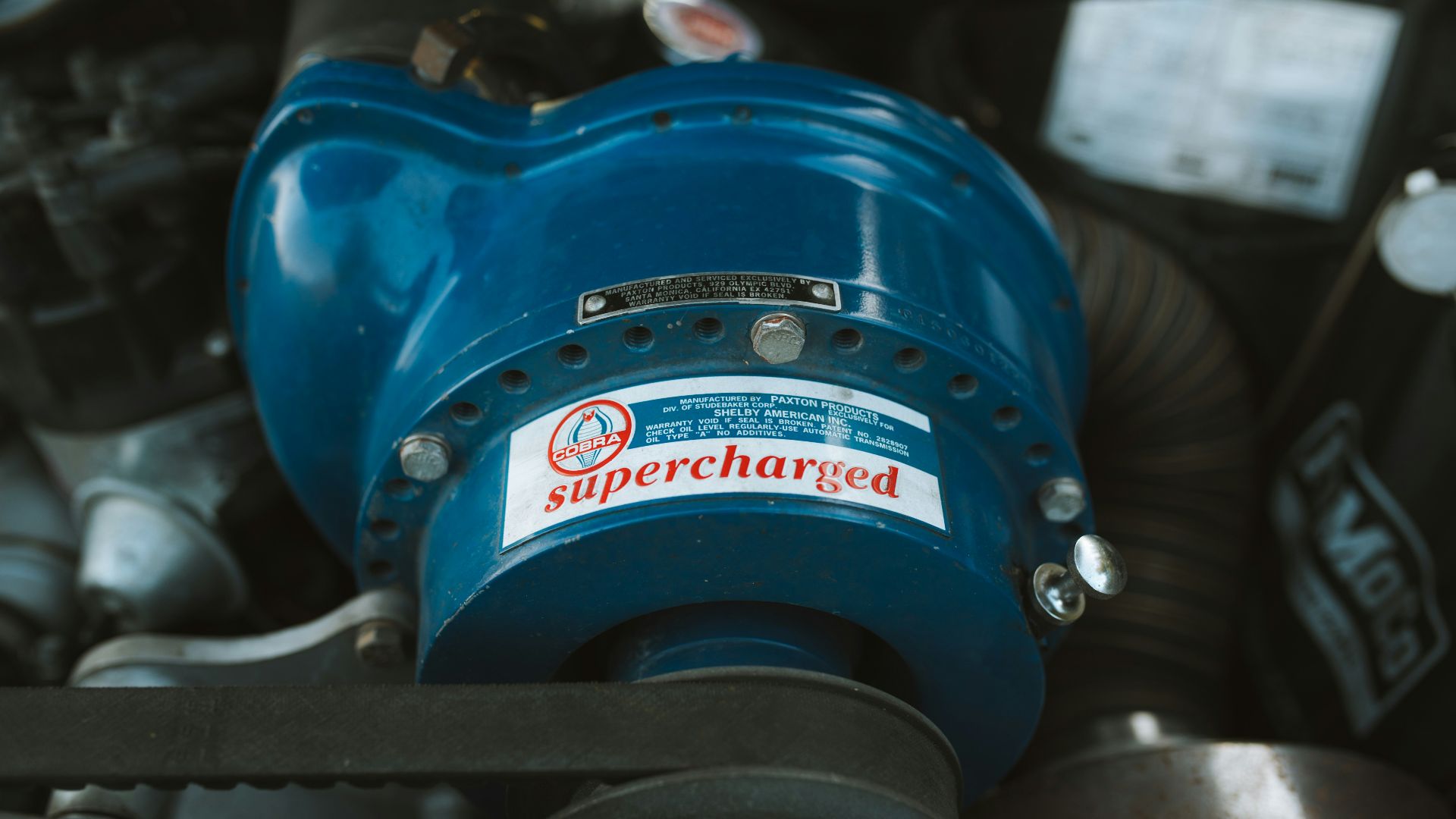
Cylinder deactivation systems shut down some engine cylinders during light driving to improve fuel economy. Earlier versions sometimes caused roughness or reliability complaints, but modern systems have become far smoother and more refined over the last decade.
5. Dual Injection Fuel Systems
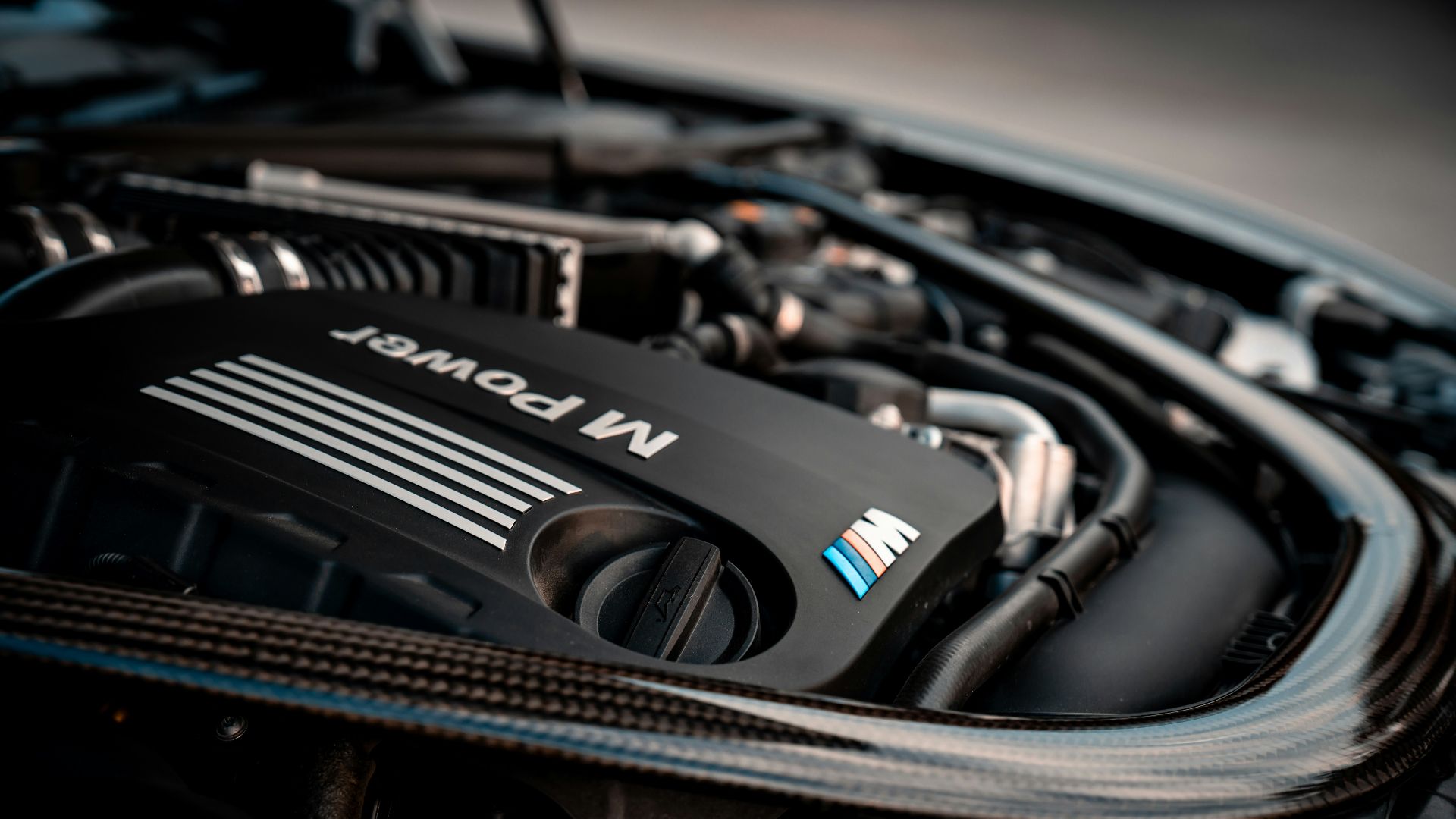
Dual injection systems combine both direct injection and traditional port fuel injection within the same engine. Direct injection improves efficiency and power, while port injection helps reduce carbon buildup on intake valves. Toyota and several other automakers adopted the approach to balance performance, emissions, and long-term reliability.
6. Smaller Turbocharged Engines
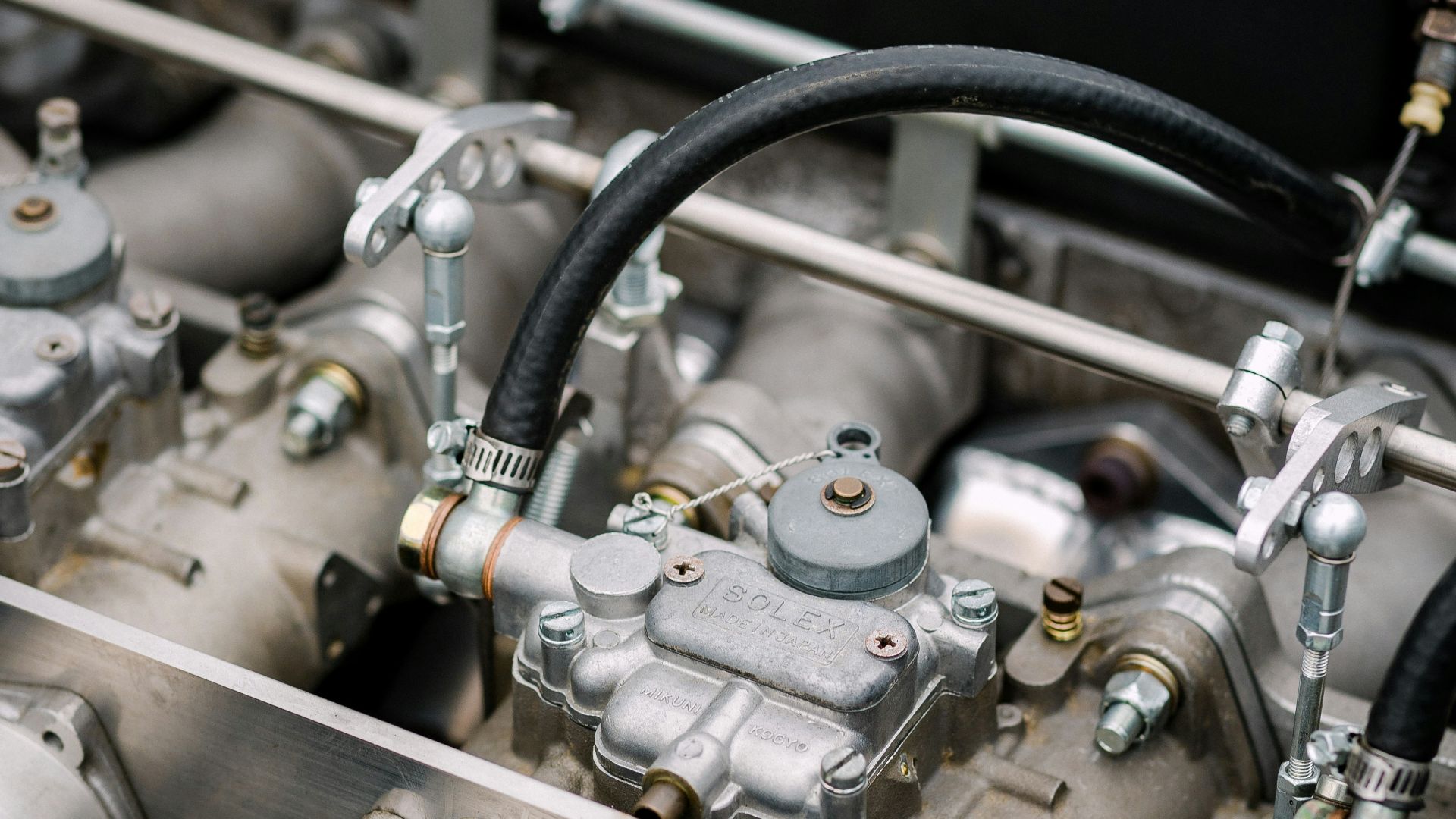
Downsized turbocharged engines became one of the defining automotive trends of the last decade. Manufacturers replaced larger naturally aspirated engines with smaller turbocharged versions that produced similar power while improving fuel economy. Ford’s EcoBoost engines helped popularize the approach across mainstream vehicles.
7. Advanced Stop-Start Systems
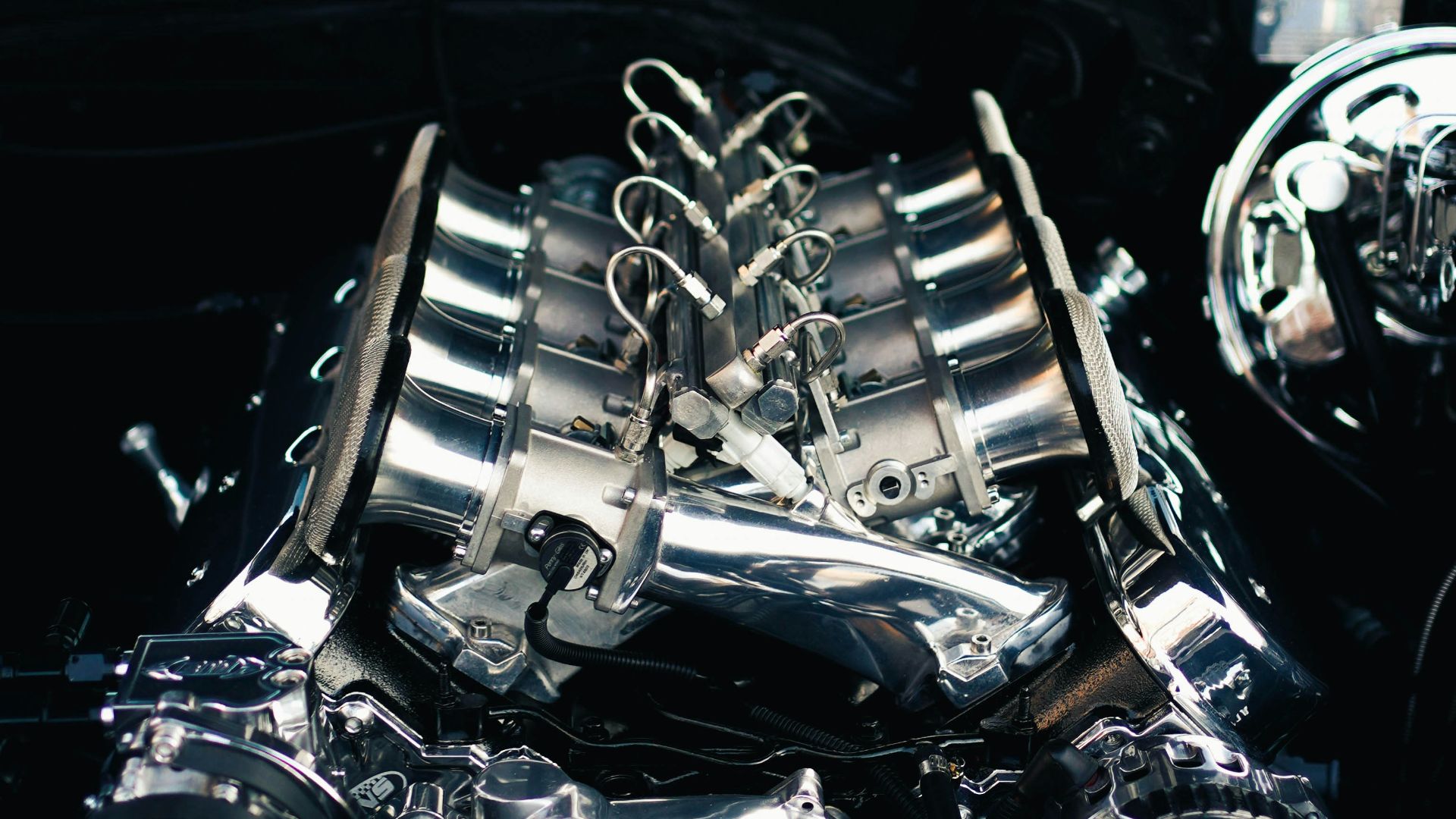
Automatic stop-start systems shut engines off temporarily while vehicles sit at traffic lights or in heavy traffic. Earlier systems often felt slow or intrusive, but newer versions became faster and far less noticeable.

8. Integrated Exhaust Manifolds
Many modern engines now integrate exhaust manifolds directly into the cylinder head rather than using separate external components. This design helps engines warm up faster, improves thermal efficiency, and reduces turbo lag in turbocharged applications.
9. Water Injection Systems
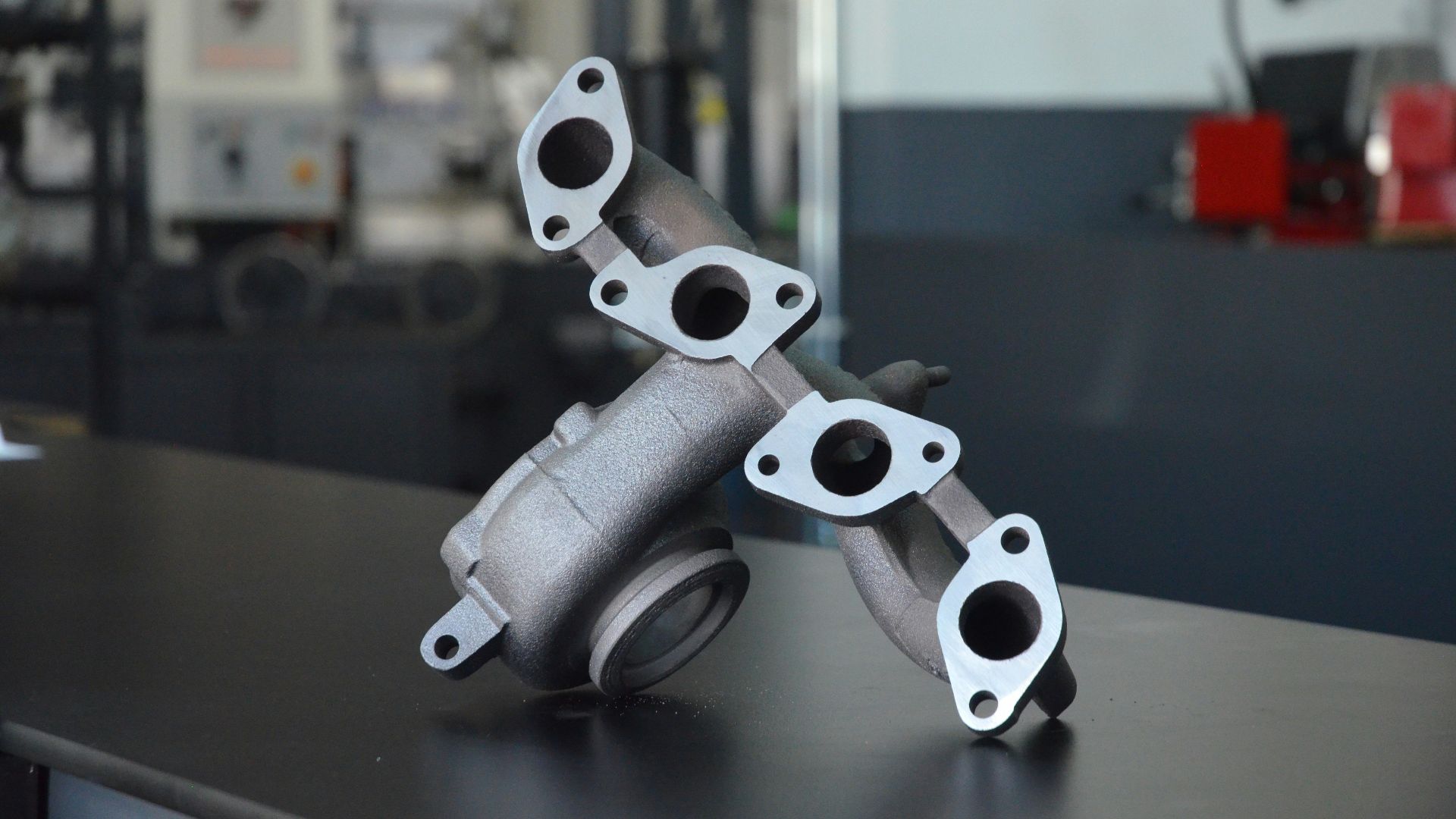
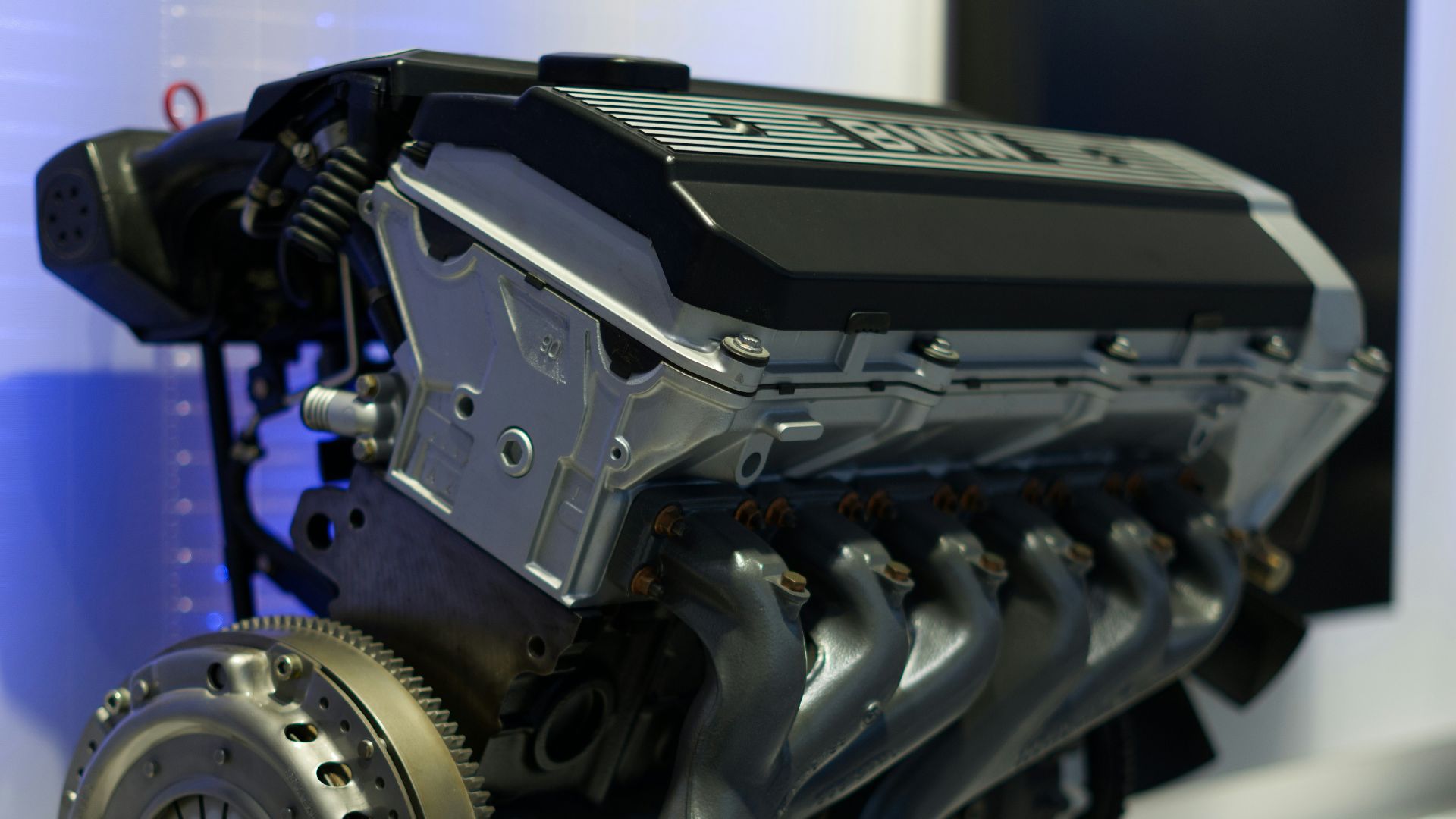
BMW reintroduced water injection technology in limited high-performance applications to help cool combustion temperatures. Cooler combustion reduces the risk of engine knock while allowing more aggressive turbocharging and ignition timing.
10. Plasma Cylinder Coatings
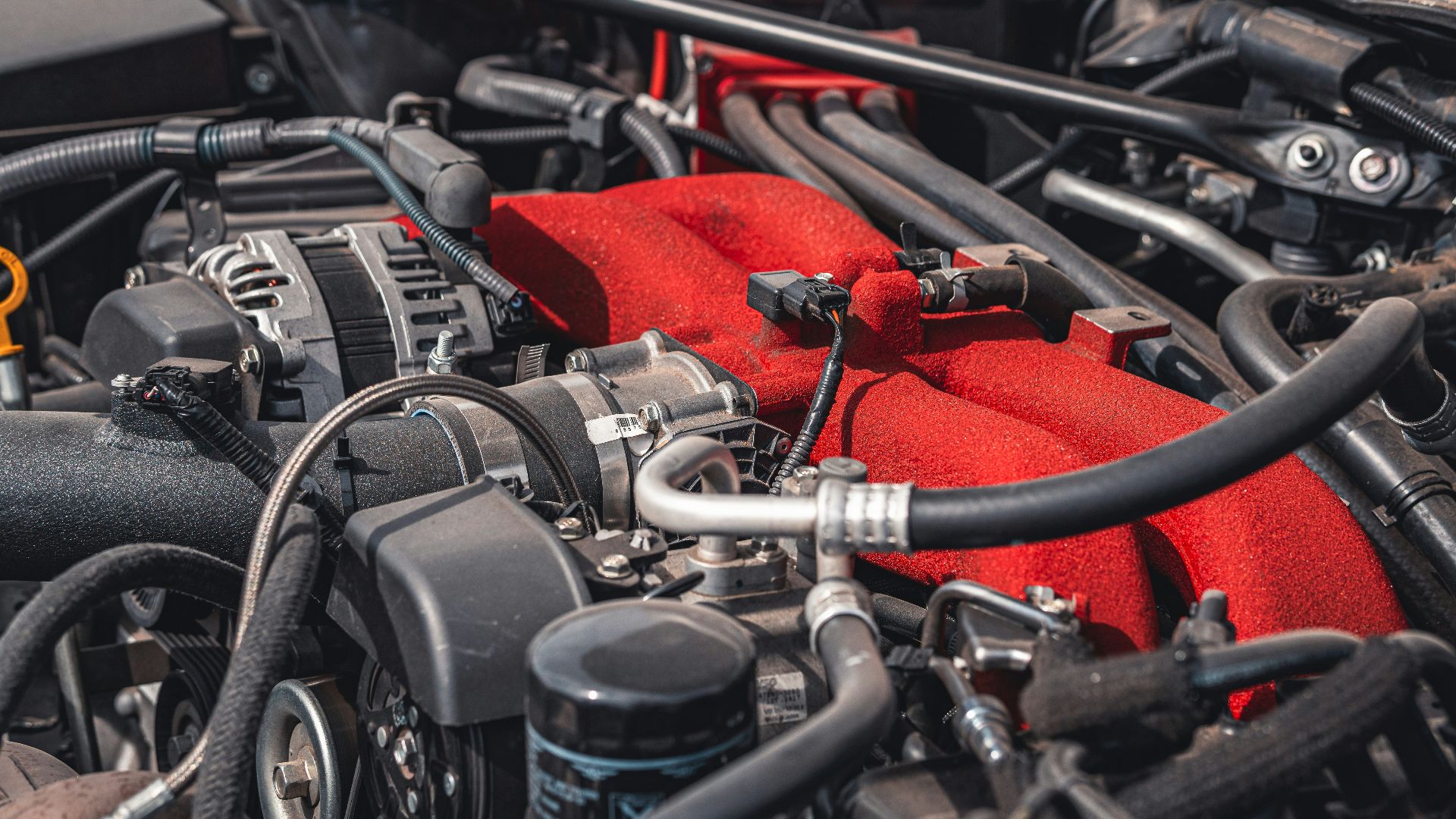
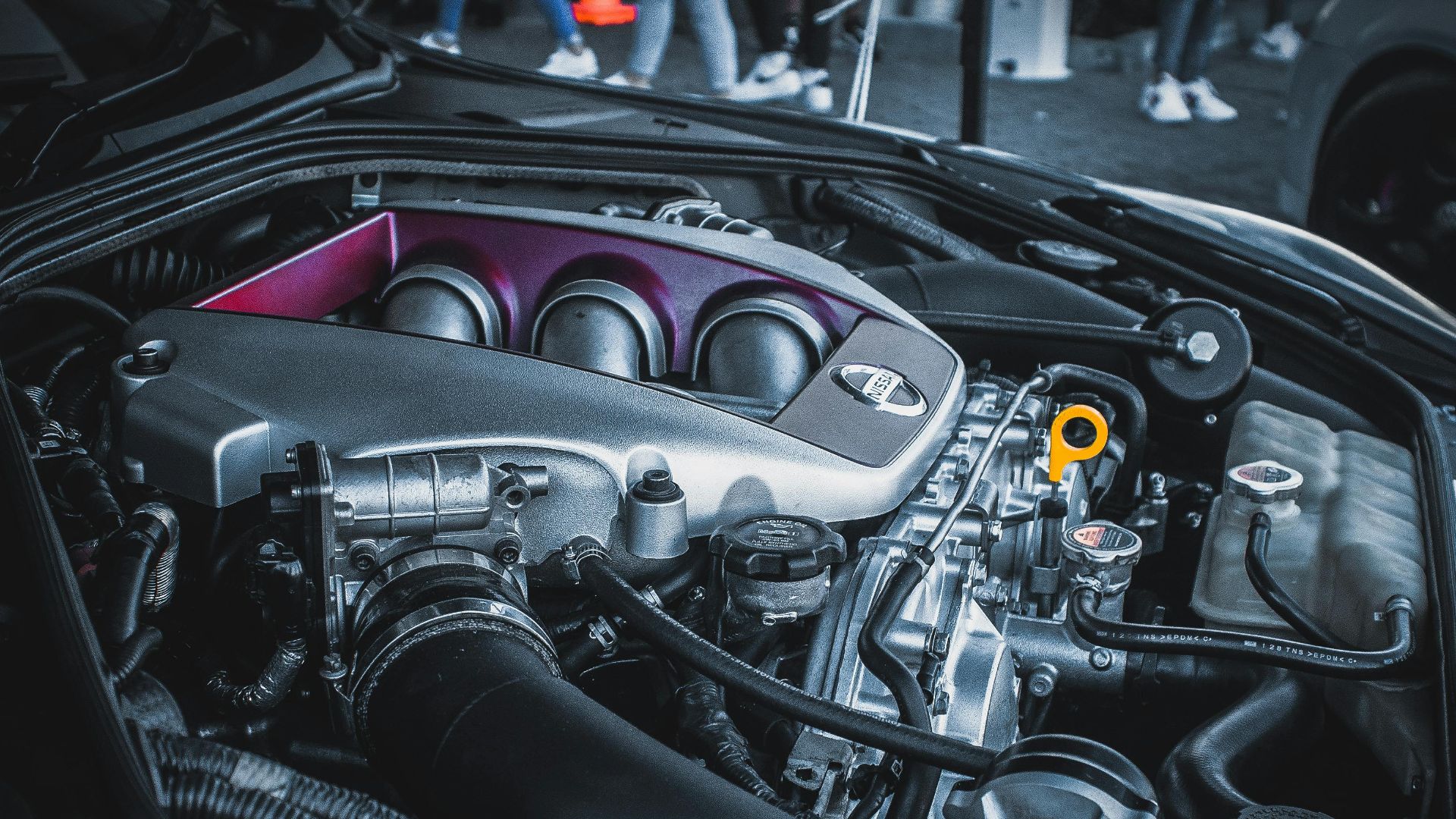
Instead of using traditional iron cylinder liners, some manufacturers adopted plasma-coated cylinder walls to reduce friction and weight. Nissan’s GT-R and several high-performance engines used variations of this technology.
11. Smart Thermal Management Systems
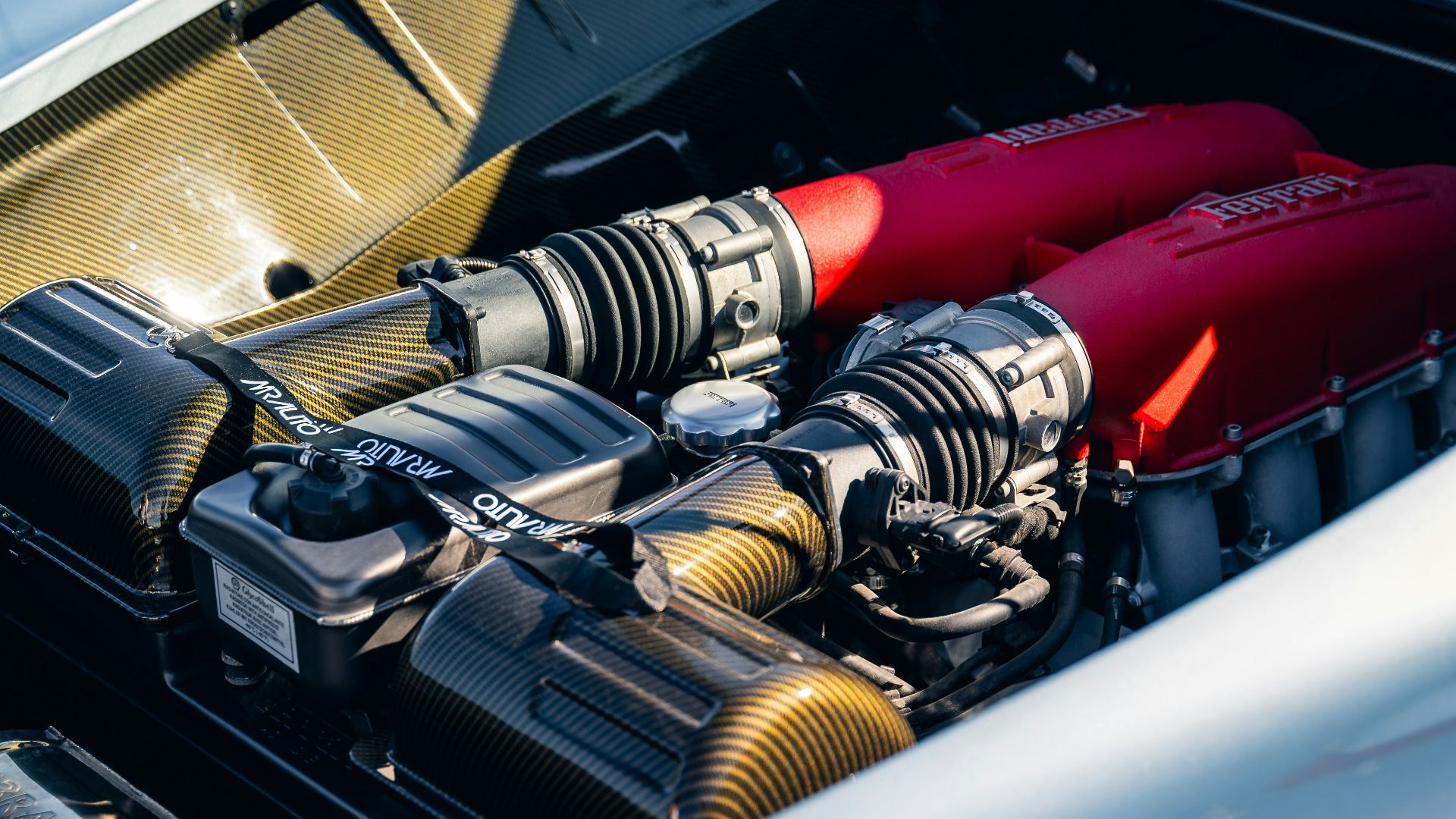
Modern engines increasingly use advanced thermal management systems that carefully control operating temperatures for efficiency and emissions reduction. Electronic thermostats, multiple cooling circuits, and active grille shutters all contribute to faster warm-up times and improved performance.
12. High-Pressure Direct Injection
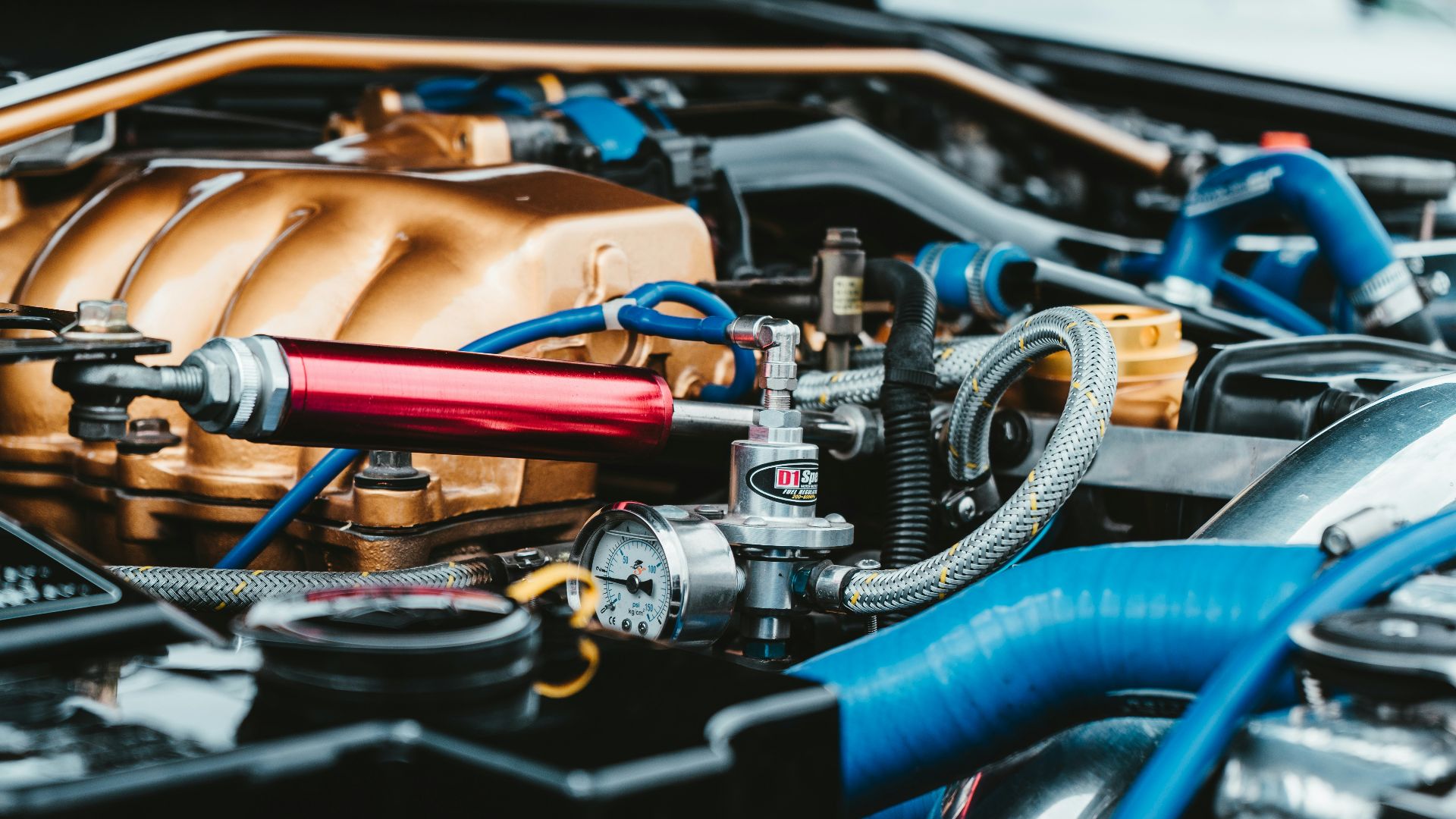
Fuel injection pressures increased dramatically over the last decade, allowing finer fuel atomization inside combustion chambers. Better fuel distribution improves efficiency, power, and emissions performance.
13. Freevalve Camless Engine Technology
Koenigsegg-backed Freevalve technology eliminates traditional camshafts in favor of electronically controlled valve actuators. This system allows precise independent control over each valve for improved efficiency and performance flexibility.
 Jay jay Redelinghuys on Pexels
14. Advanced Hybrid Performance Engines
Performance hybrids evolved dramatically as automakers combined electric motors with gasoline engines for both efficiency and speed. Cars like the Ferrari SF90 and Acura NSX demonstrated how hybrid systems could enhance acceleration rather than simply save fuel.
15. Particulate Filters for Gasoline Engines
Gasoline particulate filters became increasingly common as emissions standards tightened worldwide. These filters reduce fine particle emissions produced by direct injection engines.
16. Dynamic Engine Mount Systems
Modern electronically controlled engine mounts actively adjust stiffness and vibration control depending on driving conditions. Softer settings improve comfort during normal driving, while firmer settings increase stability during aggressive acceleration.
17. Multi-Stage Turbocharging
Multi-stage turbocharging systems use multiple turbochargers operating at different engine speeds to improve both low-end response and high-end power. Sequential setups became more refined and reliable over the last decade.
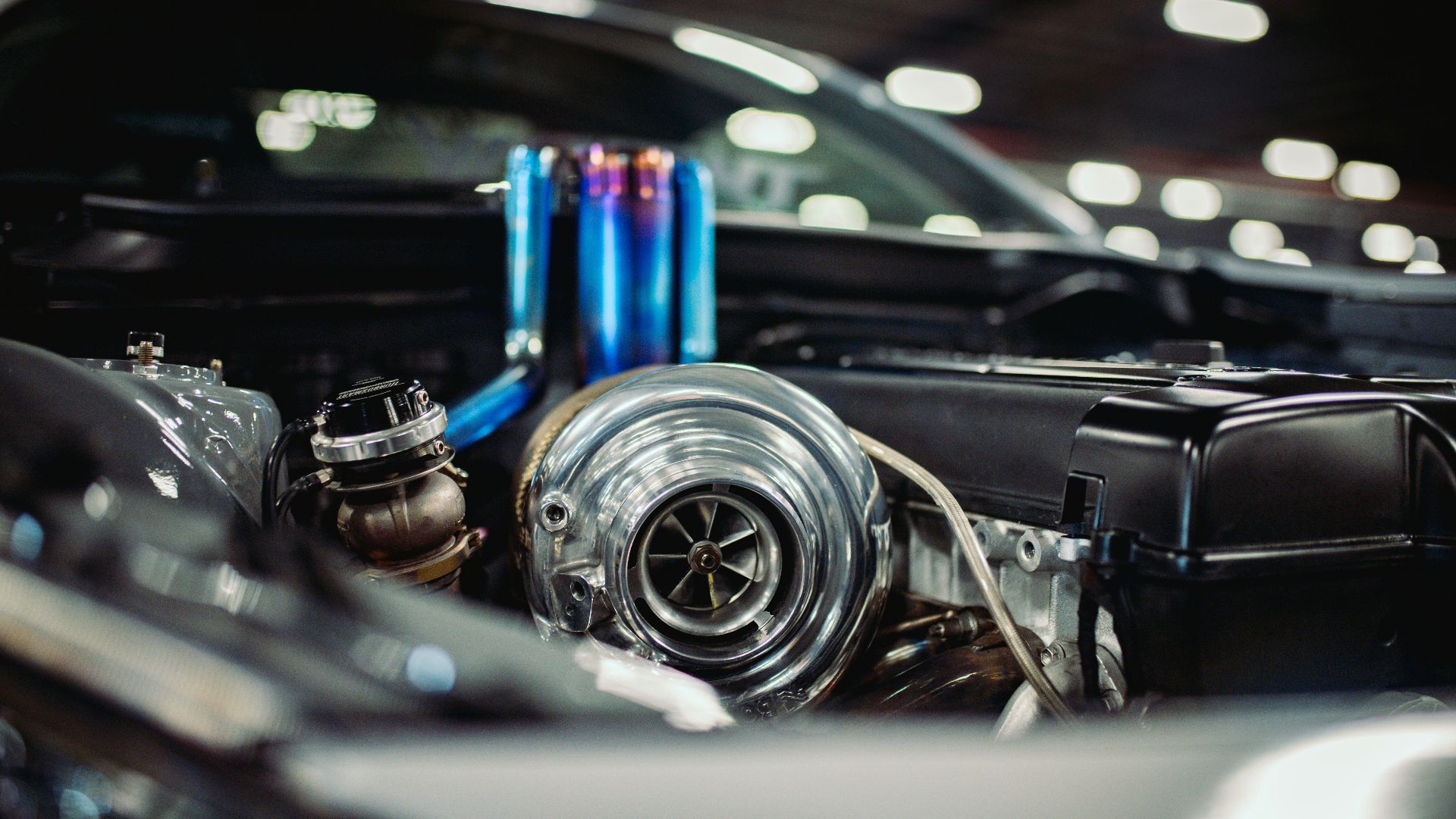 Danny Sleeuwenhoek on Unsplash
18. Artificial Engine Sound Engineering
As engines became quieter and smaller, automakers increasingly introduced artificial sound enhancement systems. Some systems amplify real engine sounds through speakers, while others generate entirely synthetic tones.

19. 48-Volt Electrical Architectures
Many modern vehicles have adopted 48-volt systems to support advanced engine technologies and reduce strain on traditional electrical systems. Higher voltage allows more efficient operation of electric turbochargers, active suspension systems, and hybrid assistance features.

20. Hydrogen Internal Combustion Experiments
While electric vehicles dominate headlines, several manufacturers continued developing hydrogen-powered combustion engines during the last decade. Unlike hydrogen fuel cells, these engines still burn fuel internally, much like gasoline engines.