

Mileage is one of the first details people check when buying or selling a vehicle because it offers clues about wear, maintenance needs, and long-term reliability. Even cars that look nearly identical on the surface can have very different values depending on how many miles they’ve been driven. Buyers often use mileage to estimate how much usable life may remain in the vehicle before major repairs become more likely.
At the same time, mileage alone doesn’t tell the entire story about a vehicle’s condition or overall worth. A well-maintained car with higher mileage may still perform better than a neglected vehicle showing fewer miles on the odometer. Driving habits, maintenance history, accident records, and vehicle age all work together when determining true value. Understanding how mileage fits into that larger picture can help buyers make smarter decisions and avoid overpaying.
Lower Mileage Usually Increases Market Value
Vehicles with lower mileage generally sell for higher prices because buyers associate fewer miles with less mechanical wear. Engines, transmissions, suspension systems, and brakes naturally experience stress over time as vehicles are driven regularly. Lower mileage can suggest that major components may last longer before expensive repairs become necessary. Because of that perception, dealerships and private buyers often place a premium on vehicles with relatively low odometer readings.
Many pricing tools and insurance valuation systems also weigh mileage heavily when estimating resale value. Cars driven significantly below average annual mileage often retain stronger market appeal compared to similar models with heavier usage. In the United States, drivers average roughly 12,000 to 15,000 miles per year, so buyers frequently compare vehicles against that benchmark. Cars far above that range may lose value more quickly because future maintenance concerns appear more likely.
Mileage also affects financing and warranty considerations in some situations. Certain manufacturer warranties expire after a specific mileage limit, even if the vehicle is still relatively new in age. Lenders may also hesitate to finance extremely high-mileage vehicles because of increased reliability risks. These factors can reduce the number of interested buyers, which may lower resale value further over time.
High Mileage Does Not Always Mean Poor Condition
A higher-mileage vehicle isn’t automatically unreliable because maintenance quality matters enormously. Cars that receive regular oil changes, brake service, tire rotations, and scheduled inspections often remain dependable well past 100,000 miles. Modern engines and transmissions are generally designed to last much longer than those produced several decades ago. Many properly maintained cars today can exceed 200,000 miles without catastrophic mechanical failure.
Driving conditions also influence how mileage affects wear on a vehicle. Highway miles are usually considered less damaging than constant stop-and-go city driving because the engine operates more consistently at steady speeds. A car driven mostly on highways may experience less brake and transmission strain despite having a higher odometer reading. Buyers who understand those differences often evaluate mileage more carefully instead of relying only on raw numbers.
Maintenance records can sometimes matter more than mileage itself when assessing value. Detailed service history shows whether previous owners addressed repairs responsibly and followed manufacturer recommendations. Vehicles lacking maintenance documentation may create more uncertainty for buyers, even if the mileage appears relatively low. A transparent maintenance history often improves confidence during both private sales and dealership negotiations.
Mileage Matters Most When Combined With Other Factors
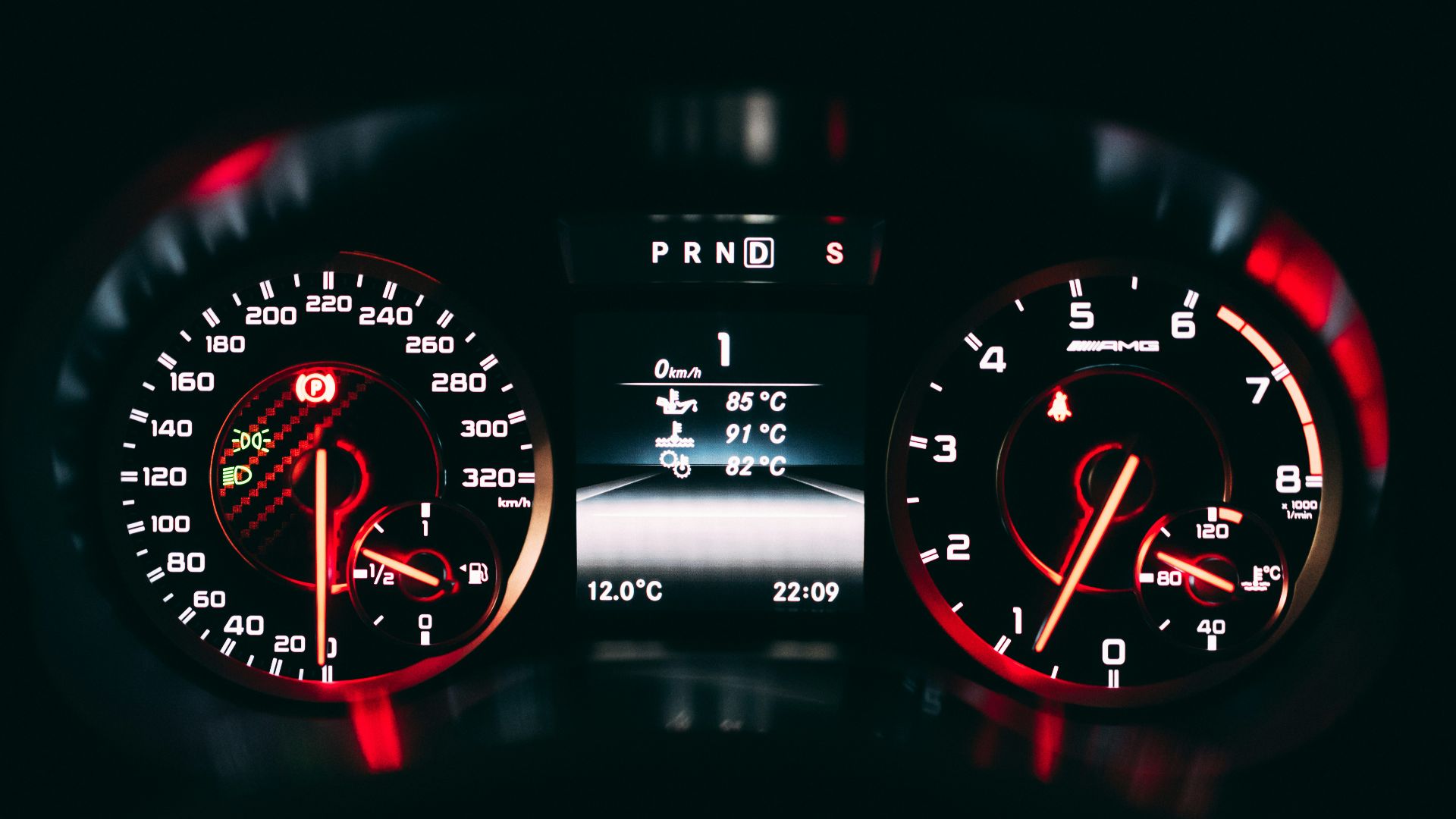
Vehicle age plays a major role alongside mileage when determining true market value. An older car with unusually low mileage might initially sound appealing, but long periods of inactivity can also create mechanical problems. Rubber seals, tires, batteries, and fluids may deteriorate over time even when a vehicle is rarely driven. Buyers often need to balance low mileage against the realities of age-related wear.
Accident history and overall condition also strongly affect value regardless of mileage. A low-mileage vehicle involved in major collisions may still be worth less than a higher-mileage car with a clean history and excellent maintenance. Interior condition, exterior appearance, and signs of neglect all influence how buyers perceive the vehicle overall.
Market demand can influence how heavily mileage affects certain vehicles as well. Trucks, sports cars, and luxury models sometimes retain stronger value despite higher mileage because of brand reputation or limited availability. Reliable brands with strong long-term durability records also tend to handle mileage better in the resale market. Buyers usually evaluate the complete ownership picture before deciding what a car is truly worth.
Mileage remains one of the clearest indicators buyers use when judging a vehicle’s potential lifespan and resale value. Lower mileage often increases appeal because it suggests reduced wear and possibly lower future repair costs, but numbers alone never tell the full story. Maintenance quality, driving conditions, accident history, and vehicle age all shape a car’s actual condition over time. Looking at mileage as part of a larger picture usually leads to more accurate decisions for both buyers and sellers.