
Most people assume that driving at night is when roads are at their most dangerous, and while darkness does play a role, the reality is surprisingly a lot more nuanced than that. In fact, the times of day that actually carry the highest risk aren't always the ones you'd expect, and knowing them can genuinely change how you approach your daily commute or next road trip.
Data from traffic safety researchers consistently shows that certain windows of the day produce far more collisions, fatalities, and near-misses than others. Some of these peak danger periods overlap with moments when drivers feel most alert and capable, which is exactly why it's so important to be aware of them. The next time you hop behind the wheel during the day, don't be so quick to think that you're safe as long as you're not in the dark.
Rush Hour Is More Dangerous Than Most Drivers Realize
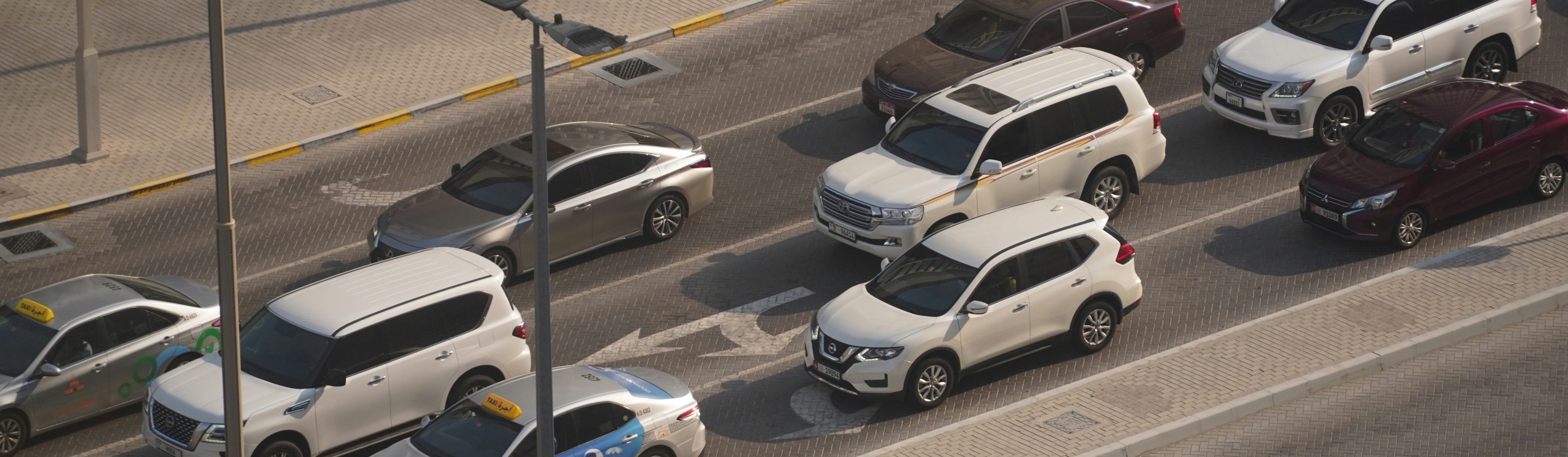
Do you commute to work? Well, then you might want to be wary: morning rush hour, typically running between 7 and 9 a.m., is one of the busiest windows on any given weekday. After all, the roads are packed with commuters who are often tired, distracted, or running late, which creates a volatile combination of high traffic volume and reduced attention spans. The sheer density of vehicles means that even minor lapses in judgment can result in serious consequences.
What makes this period particularly hazardous is the mix of different road users sharing the same space at the same time. School buses, cyclists, and pedestrians (not to mention jaywalkers) are all active during the morning hours, adding more variables for drivers to navigate. Congestion can also contribute to aggression and road rage, making drivers more likely to do something dangerous or unlawful.
Evening rush hour, roughly between 4 and 7 p.m., however, tends to be even more deadly than its morning counterpart. Drivers are fatigued after a full workday, daylight is fading during certain seasons, and roads are once again at peak capacity. Research from the National Safety Council (NSC) confirms that late afternoon and early evening hours account for a disproportionate share of fatal crashes throughout the week.
Late Night Hours Go Beyond Just Poor Visibility
While rush hour gets a lot of attention, the hours between midnight and 3–4 a.m. are statistically some of the deadliest on the road. Traffic volume drops significantly during this window, which leads many drivers to feel overly comfortable speeding or skipping precautions they'd otherwise take. That false sense of security, combined with genuine fatigue and impaired reaction times, creates conditions where crashes are both more likely and more severe.
Drunk driving is a major factor during late-night hours, particularly on weekends. The NSC reports that alcohol-impaired driving fatalities are significantly higher between midnight and 3 a.m. than during any other time of day. Even if you're sober and alert, sharing the road with impaired drivers dramatically increases your risk exposure.
Driver fatigue is another critical issue during this time, and it's one that's easy to underestimate. The body's natural circadian rhythm causes alertness to dip sharply in the early hours of the morning, even in people who feel like they're coping fine. Believe it or not, going 17 to 19 hours without sleep actually produces impairment comparable to a blood alcohol concentration of 0.05%, which is close to the legal limit in many states. Driving when you're tired is considered impaired driving.
The Late Afternoon Window on Weekends
Weekday patterns don't always carry over to weekends, and Saturday afternoon is actually one of the most dangerous times to be on the road across the entire week. More people are out running errands, heading to events, or driving longer distances for leisure, which increases overall traffic volume in ways that many drivers don't fully account for. The relaxed weekend mindset can also encourage riskier behaviors, including speeding and distracted driving. Sunday afternoons also bring their own set of risk factors, particularly as the day transitions into evening. Drivers returning from weekend trips are often fatigued, and highways see higher volumes of long-distance travelers during this window.
Alcohol consumption also plays a bigger role on weekend afternoons than many people expect. Social events, sporting occasions, and backyard gatherings mean that more drivers on the road have consumed alcohol earlier in the day, not just late at night. This shifts the impaired driving risk into daylight hours, which is a pattern that often goes overlooked in public discussions about road safety.
At the end of the day, it's important to remember that the road is never completely without risk. Adjusting your schedule even slightly, building in extra following distance during high-risk windows, and staying aware of who else is likely to be on the road can all make a meaningful difference. Staying informed—and, above all, vigilant behind the wheel—is one of the simplest and most effective tools you have.