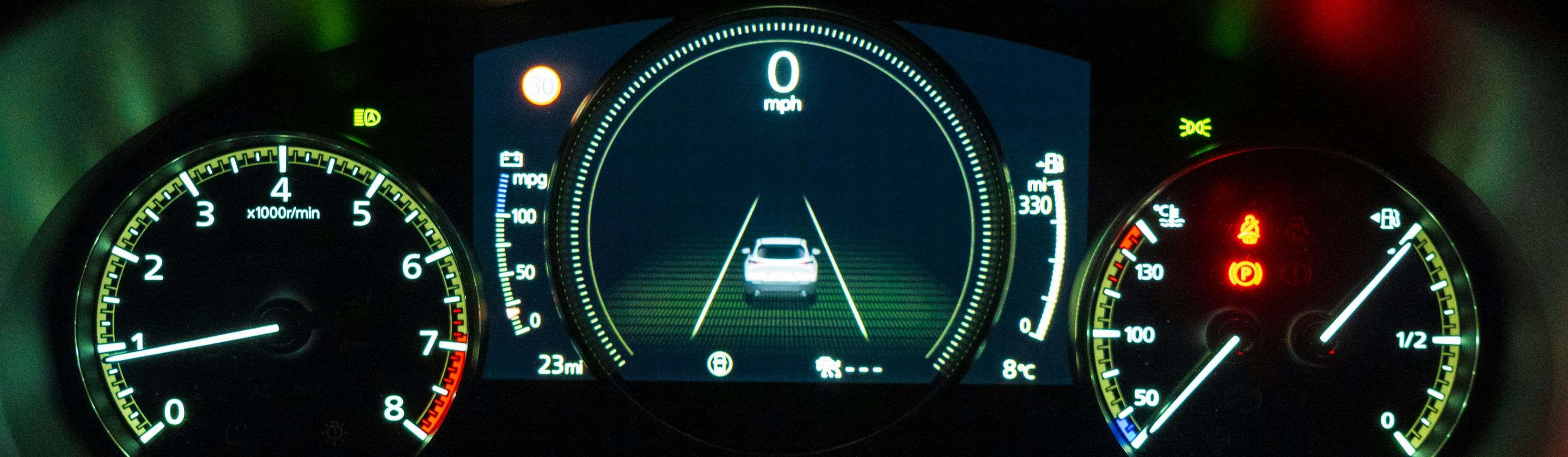

Some engines seem to wear out far earlier than expected, while others continue running reliably for decades and hundreds of thousands of miles. Although luck and manufacturing quality play a role, long-lasting engines usually share several important characteristics involving maintenance, engineering, and driving habits. Mechanics often point out that durability rarely comes from one single factor alone. Instead, engine longevity usually results from many small decisions made consistently over time.
Modern engines are more advanced than ever, but longevity still depends heavily on how heat, friction, and stress are managed throughout daily use. Small choices made by drivers and manufacturers can determine whether an engine survives well past 300,000 miles or develops serious problems much earlier. Understanding why certain engines last so long helps explain why some vehicles develop loyal followings among drivers who value reliability. Many famous high-mileage engines earned their reputations through simple but effective engineering choices.
Consistent Maintenance Makes The Biggest Difference
Oil changes remain one of the most important factors in engine longevity because motor oil reduces friction and carries heat away from moving parts. Dirty or degraded oil loses its ability to protect internal components properly, which increases wear over time. Engines that receive regular oil changes often maintain cleaner internals and more stable performance for far longer periods.
Cooling systems also play a major role in determining how long an engine survives under daily driving conditions. Excessive heat slowly damages gaskets, seals, and metal components, especially during repeated overheating episodes. Replacing coolant, inspecting hoses, and maintaining the radiator help control engine temperatures before serious damage develops. Many engines that reach exceptionally high mileage avoided major overheating problems throughout their lifespan.
Routine maintenance matters beyond just fluids because smaller components can eventually create larger failures when neglected. Timing belts, spark plugs, air filters, and fuel systems all affect how smoothly an engine operates under stress. A neglected part can force the engine to work harder than necessary and increase strain internally. Drivers who follow maintenance schedules consistently usually give engines the best possible chance to survive long term.
Simpler Engine Designs Often Age Better
Some of the longest-lasting engines became famous partly because of their mechanical simplicity compared to newer designs. Naturally aspirated engines with fewer turbochargers, sensors, and highly stressed components often experience fewer complicated failures over time. Simpler systems also tend to be easier and less expensive to repair before small problems become catastrophic. That doesn't mean modern engines are weak, but complexity can create more long-term failure points.
Lower-stressed engines also tend to survive longer because they aren't constantly operating near their mechanical limits. Large engines producing moderate horsepower often last longer than smaller engines pushed extremely hard for maximum efficiency or performance. Many older truck and sedan engines earned strong reputations because they prioritized durability over aggressive power output.
Engine materials and manufacturing quality matter significantly as well when discussing long-lasting vehicles. Strong internal components, precise machining, and durable metal alloys help engines tolerate years of heat cycles and mechanical stress. Japanese automakers especially became known for reliable engines, partly because of extremely strict manufacturing standards during the late twentieth century.
Driving Habits Affect Engine Life More Than People Realize
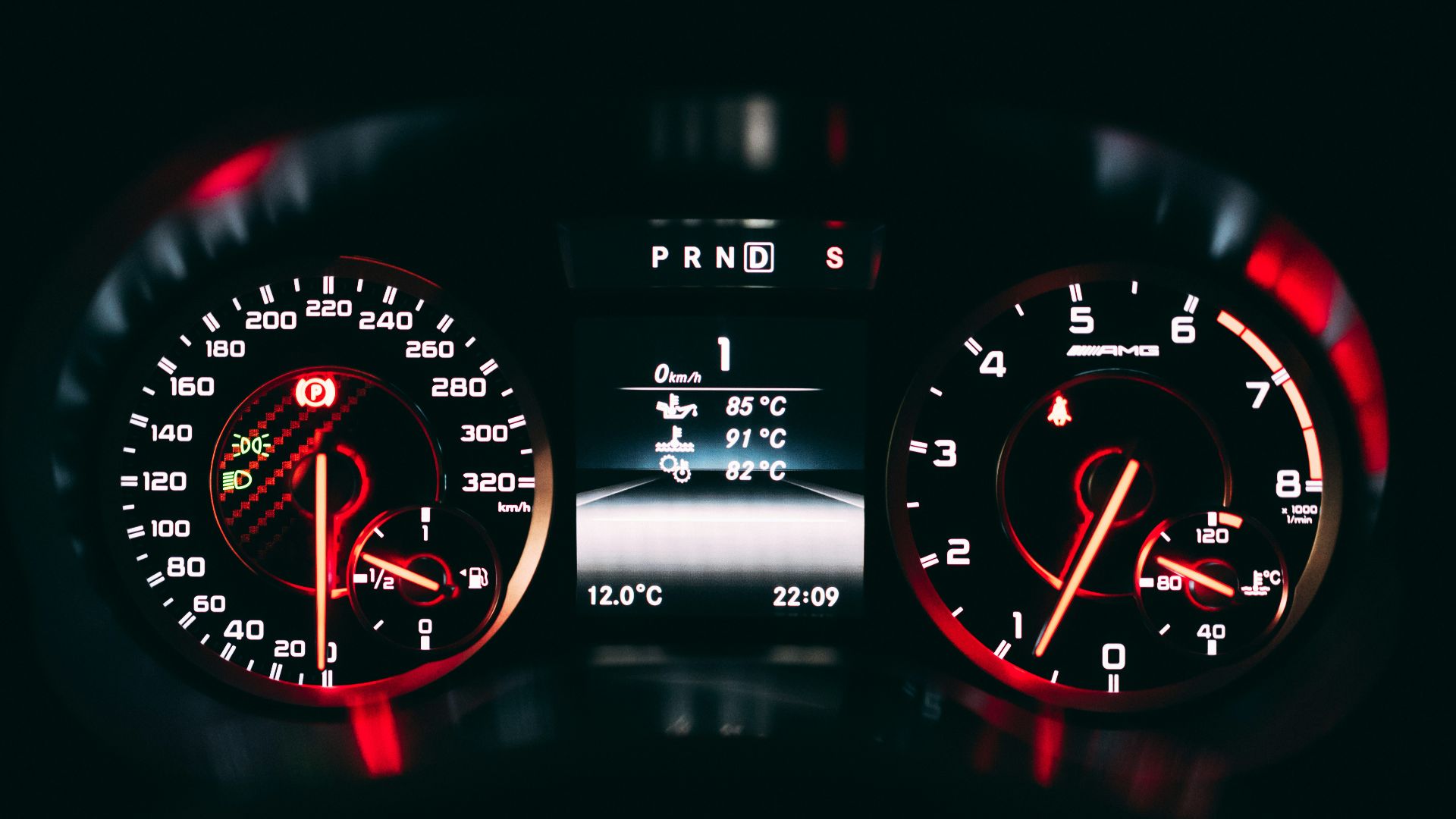
Cold starts place extra stress on engines because oil hasn't fully circulated through moving parts yet. Aggressive acceleration immediately after startup increases wear before the engine reaches proper operating temperature. Drivers who allow engines a short warm-up period usually reduce long-term strain significantly. Gentle driving during the first few minutes can make a surprisingly large difference over hundreds of thousands of miles.
Highway driving is generally easier on engines than constant stop-and-go city traffic. Steady highway speeds create less repeated stress from braking, idling, and acceleration cycles. Engines running at stable temperatures and RPM levels often experience less internal wear compared to vehicles used mostly for short urban trips. This is one reason high-mileage highway vehicles sometimes remain mechanically healthier than lower-mileage city cars.
Driving style also affects long-term durability because aggressive habits create more heat and stress throughout the engine itself. Frequent hard acceleration, towing beyond recommended limits, or constantly pushing engines at high RPM levels can shorten lifespan noticeably. Smooth driving habits allow internal components to operate under more controlled conditions for longer periods. Even reliable engines usually last much longer when they're not constantly abused or overheated unnecessarily.
Engines that last hundreds of thousands of miles rarely survive because of luck alone. Consistent maintenance, thoughtful engineering, careful driving habits, and proper temperature control all work together to extend engine life dramatically. While no engine lasts forever, many failures happen far earlier than necessary because small issues are repeatedly ignored over time. Drivers who understand how engines wear out often have a much easier time keeping vehicles reliable for decades.