The Little Things Older Cars Still Do Better
Modern vehicles are faster, safer, quieter, and packed with technology, but plenty of drivers still miss certain features that used to make cars feel simpler and more connected to the road. Some disappeared because of safety regulations, while others faded away as touchscreens and automation took over. Once you trade up to a newer model, you may realize those small old-school details mattered more than you expected. Here are 20 car features you'll miss once you trade up.

1. Physical Volume and Tuning Knobs
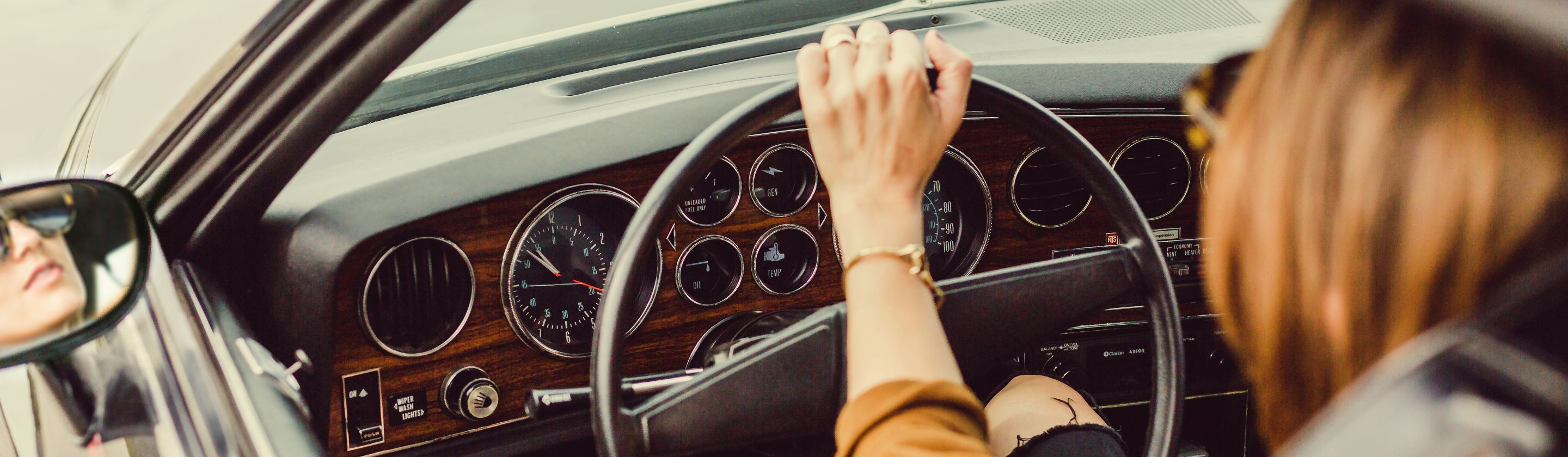
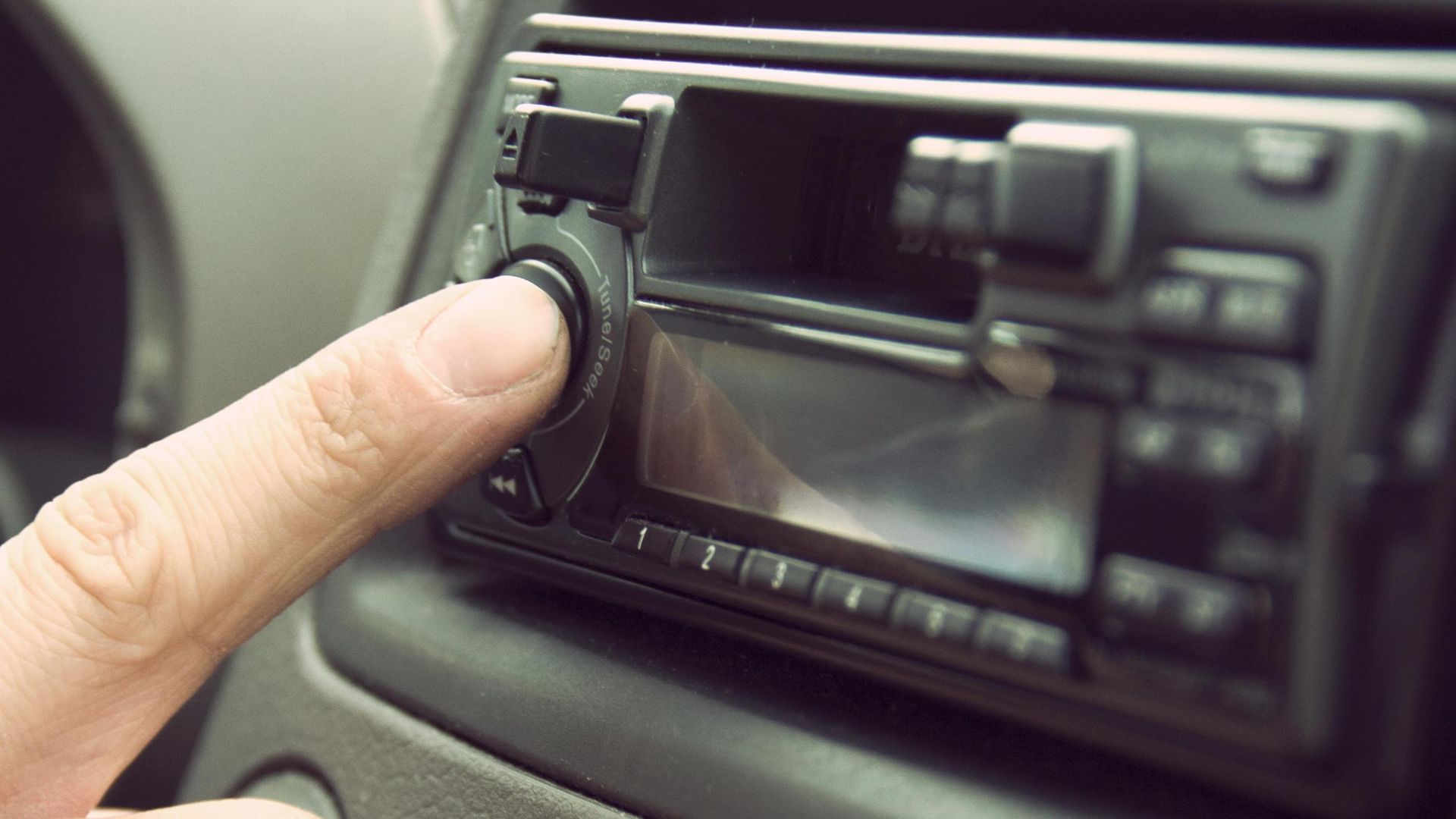
Many newer vehicles replaced traditional radio knobs with touchscreen sliders or small touch-sensitive panels. Physical controls were easier to use while driving because you could adjust them by feel without looking away from traffic. Drivers often discover how convenient those simple knobs were only after they're gone.
2. Built-In CD Players
CD players disappeared from most new vehicles surprisingly quickly once streaming became dominant. Plenty of drivers still have large music collections that suddenly became unusable in newer cars without adapters or external devices.
3. Traditional Gear Shifters
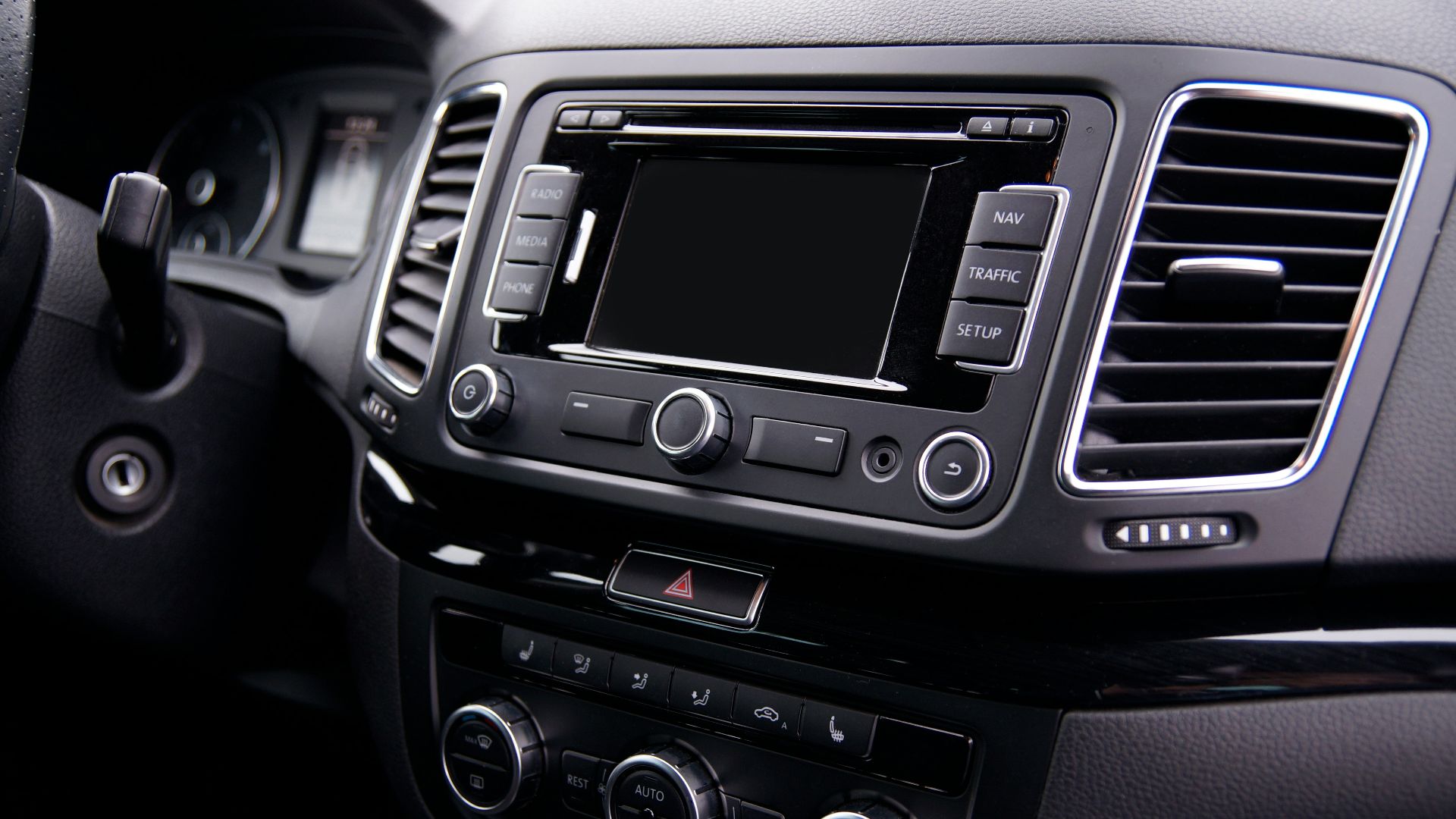
Modern cars increasingly use rotary dials, buttons, or tiny electronic toggles instead of full-sized gear selectors. Older shifters gave drivers immediate physical feedback and were easier to operate quickly during parking maneuvers. Some people simply preferred the familiar feel of moving an actual lever.
4. Simple Infotainment Systems
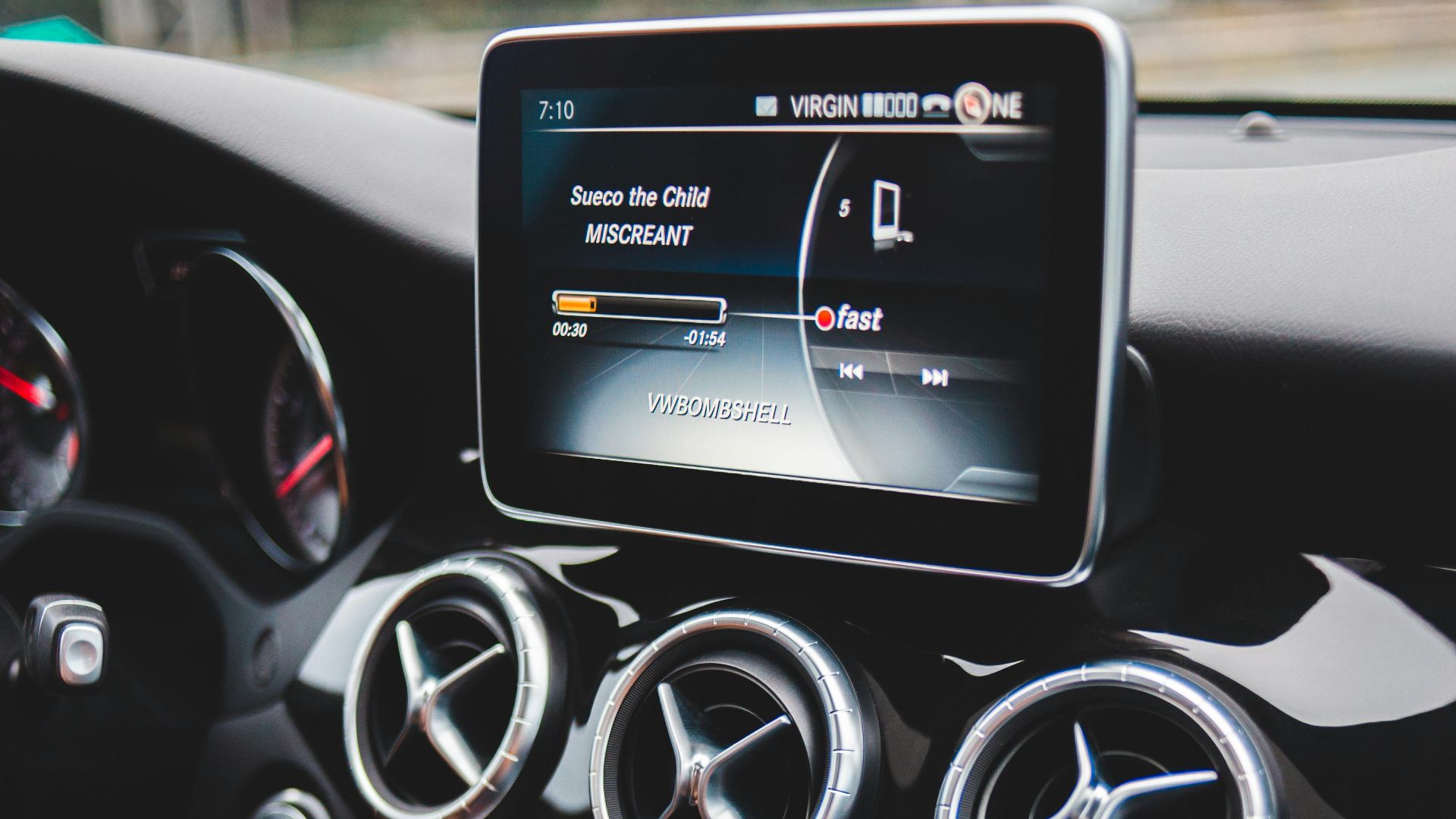
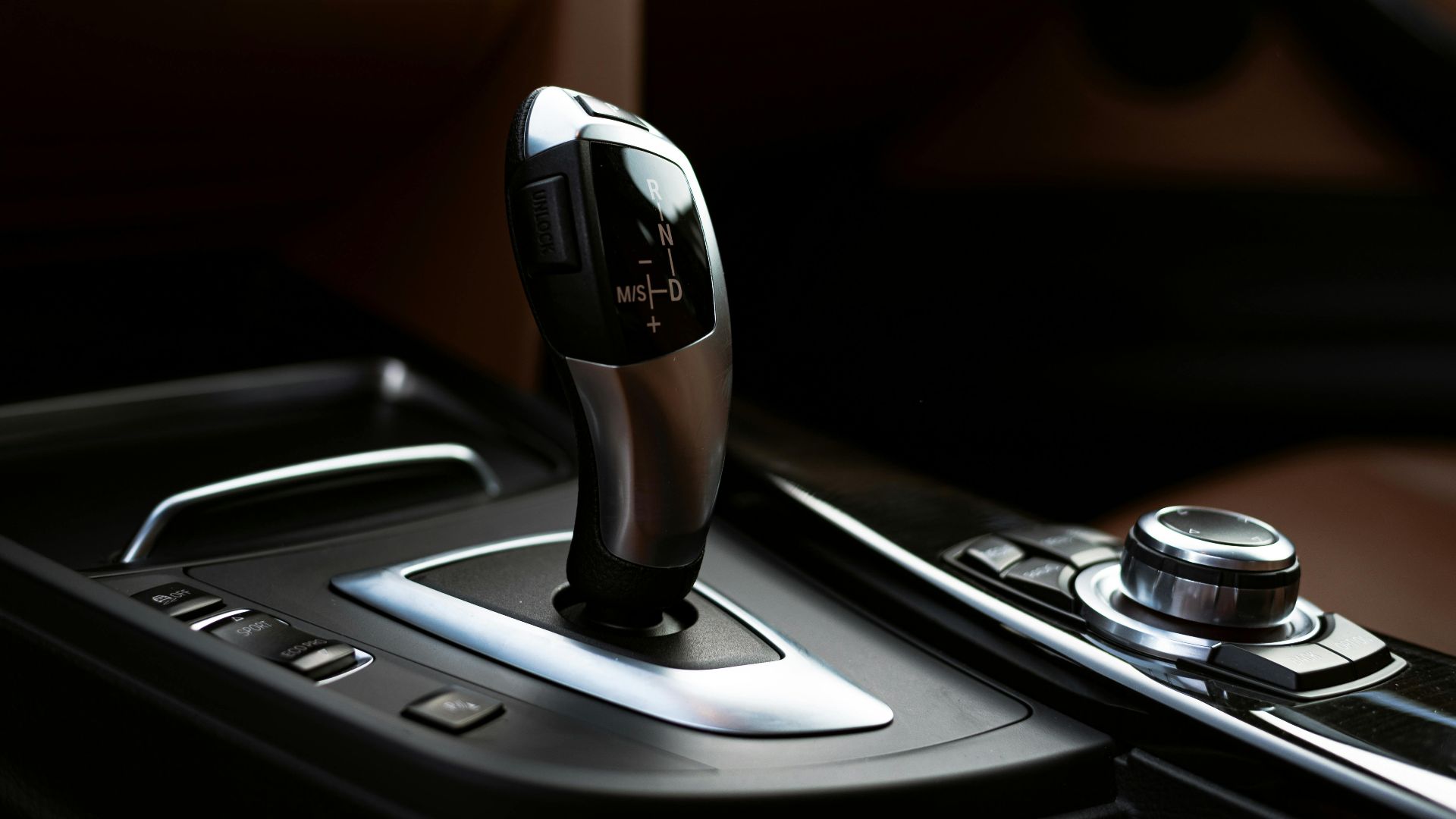
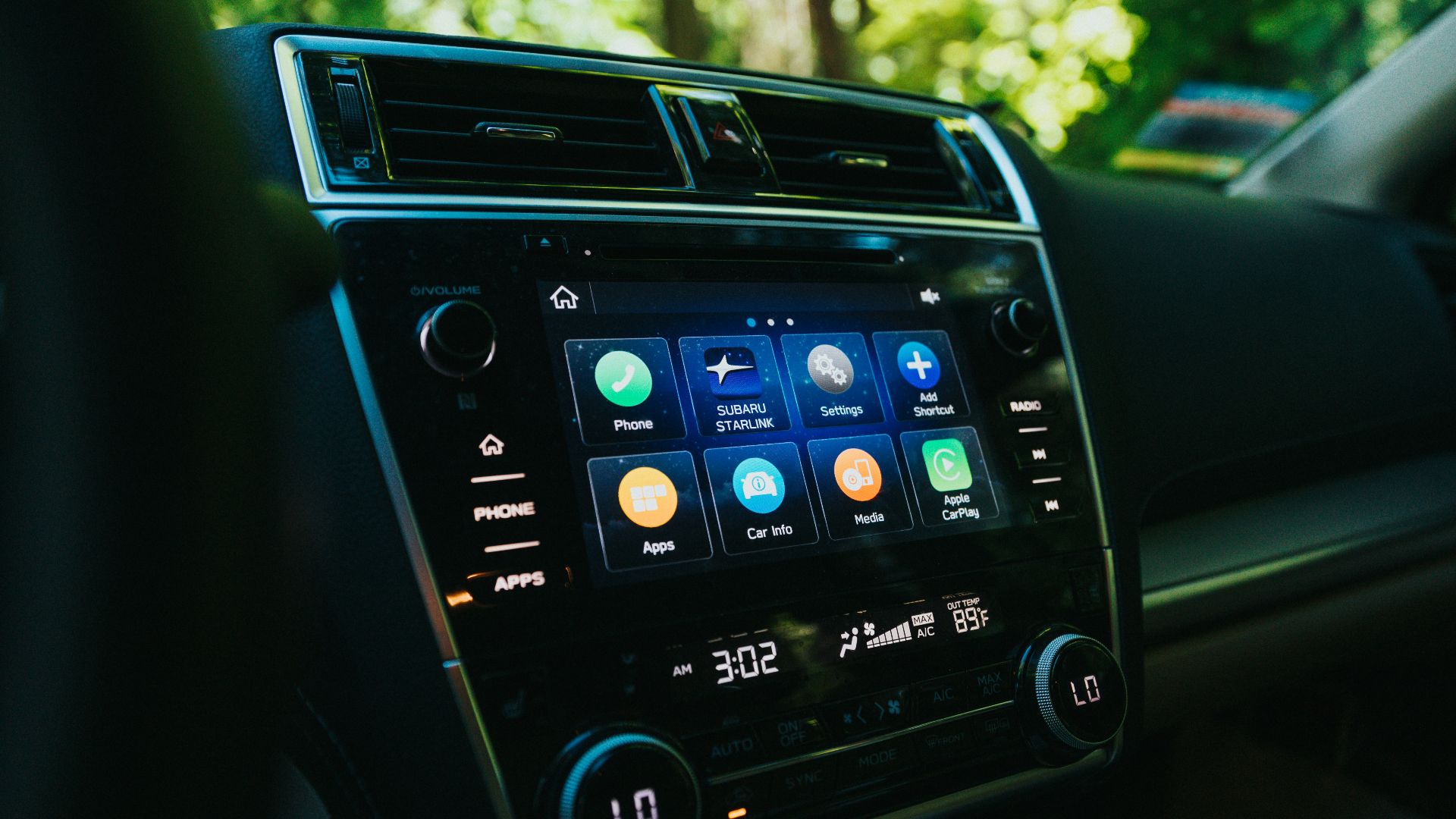
A few years ago, infotainment systems focused mainly on navigation, radio, and phone connectivity without overwhelming menus. Newer systems often control nearly every vehicle function through layered touchscreen layouts. Drivers sometimes miss when basic tasks require only one button press instead of several screen taps.
5. Naturally Aspirated V6 Engines
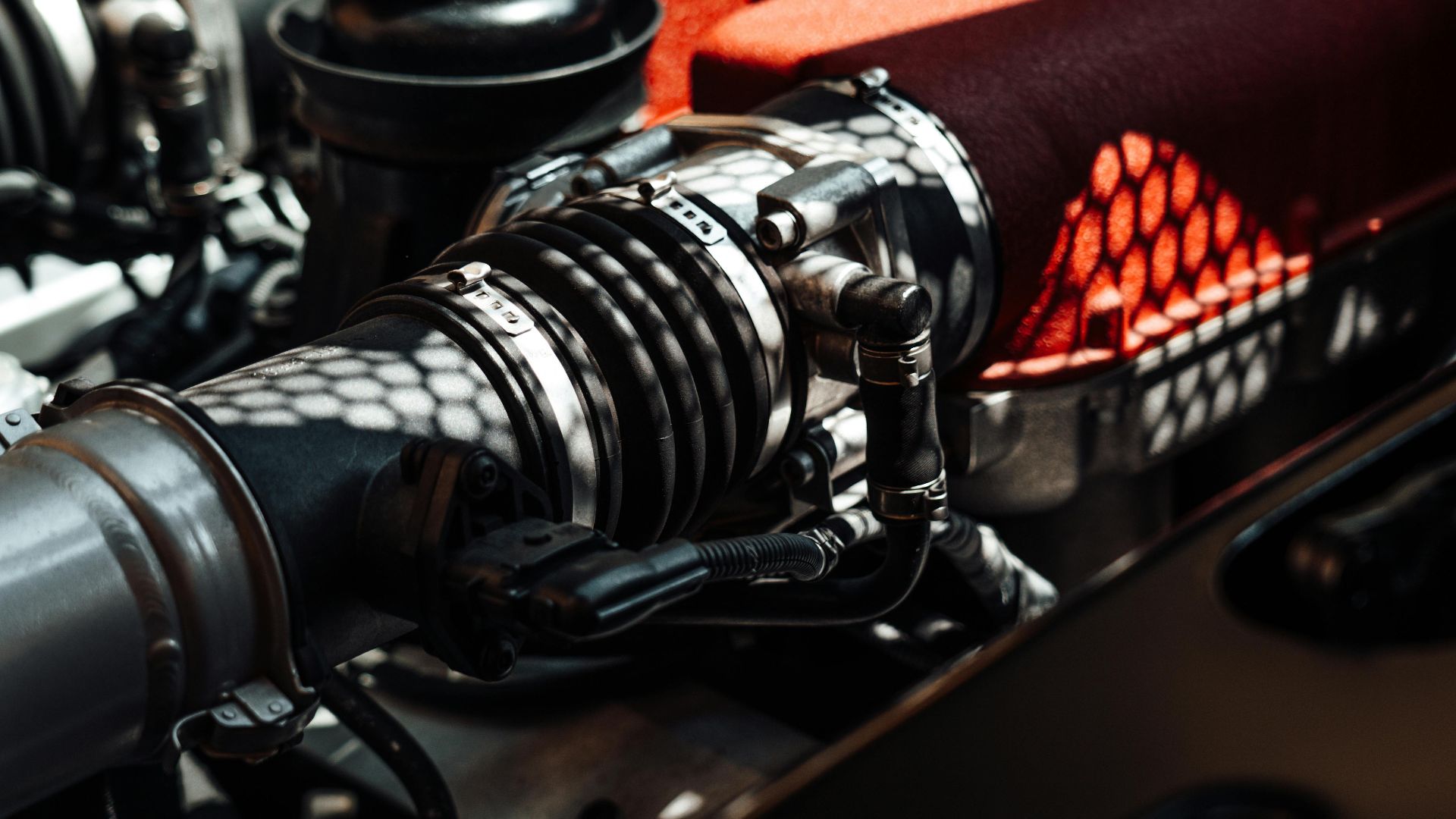
Many automakers replaced naturally aspirated V6 engines with smaller turbocharged four-cylinders to improve fuel economy standards. Turbo engines produce strong power, but some drivers miss the smoother sound and predictable acceleration of older V6 setups. The driving experience often felt quieter and more linear.
6. Smaller Screens
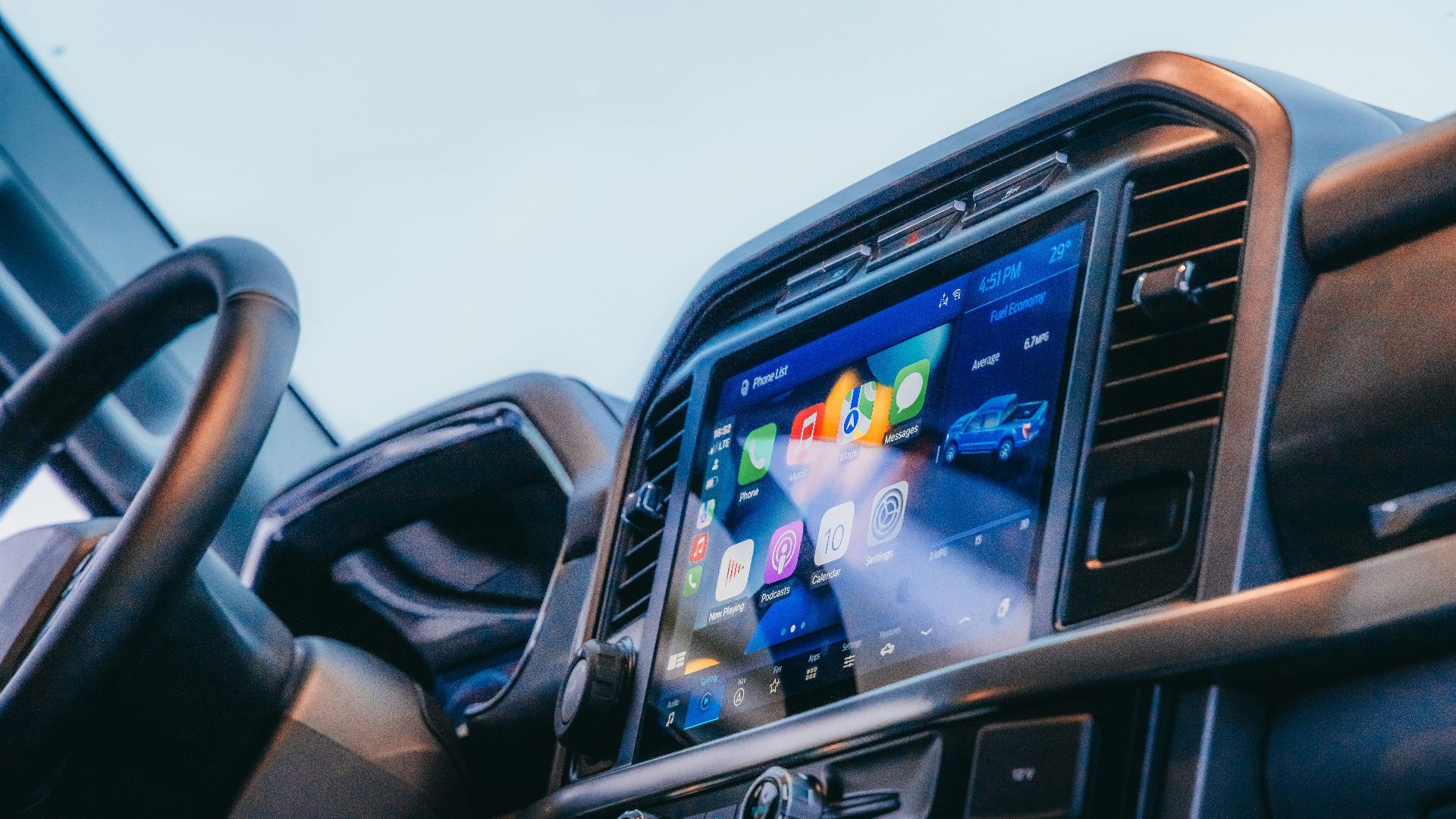
Large dashboard screens became status symbols in modern cars, but smaller displays were often less distracting while driving. Earlier systems allowed drivers to glance at information without feeling like they were using a tablet. Some people also preferred dashboards that left room for more physical controls.
7. Manual Seat Adjusters
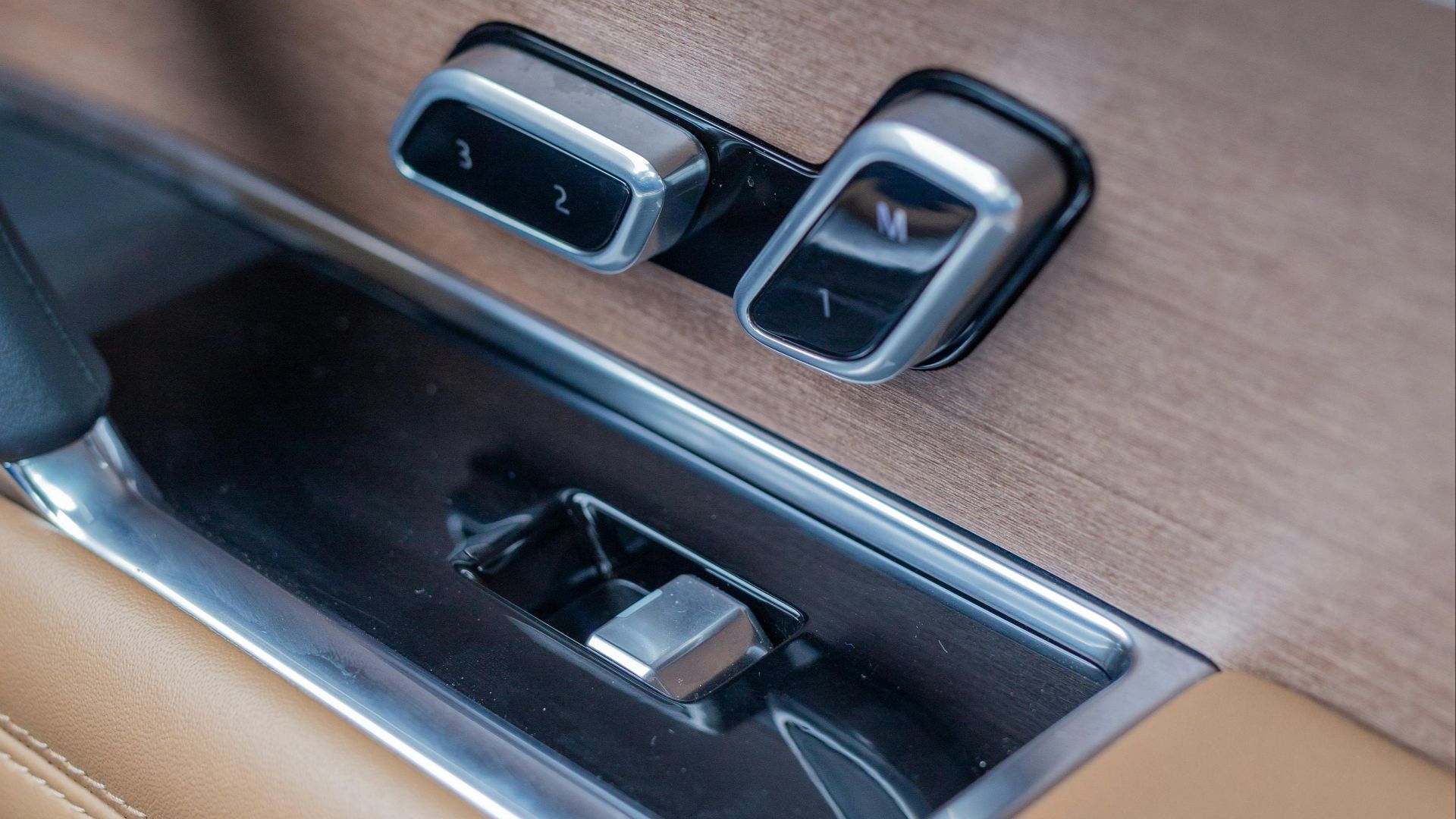
Power seats became common even in mid-range vehicles, yet manual seat controls were usually faster and simpler to use. They also weighed less and had fewer components that could fail over time. Many drivers didn't realize how reliable manual adjusters were until electronic motors started malfunctioning.
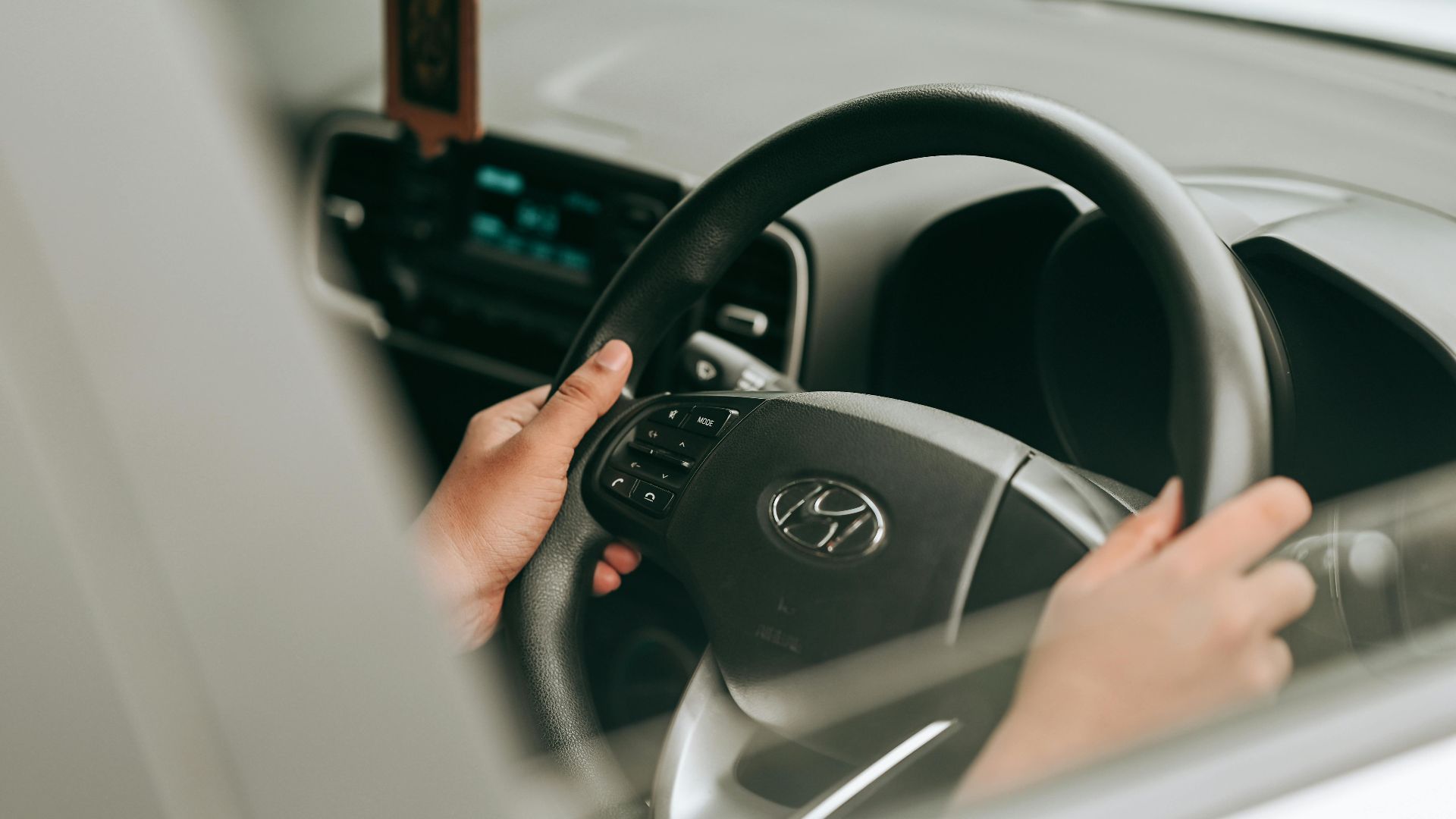
8. Real Leather-Wrapped Steering Wheels
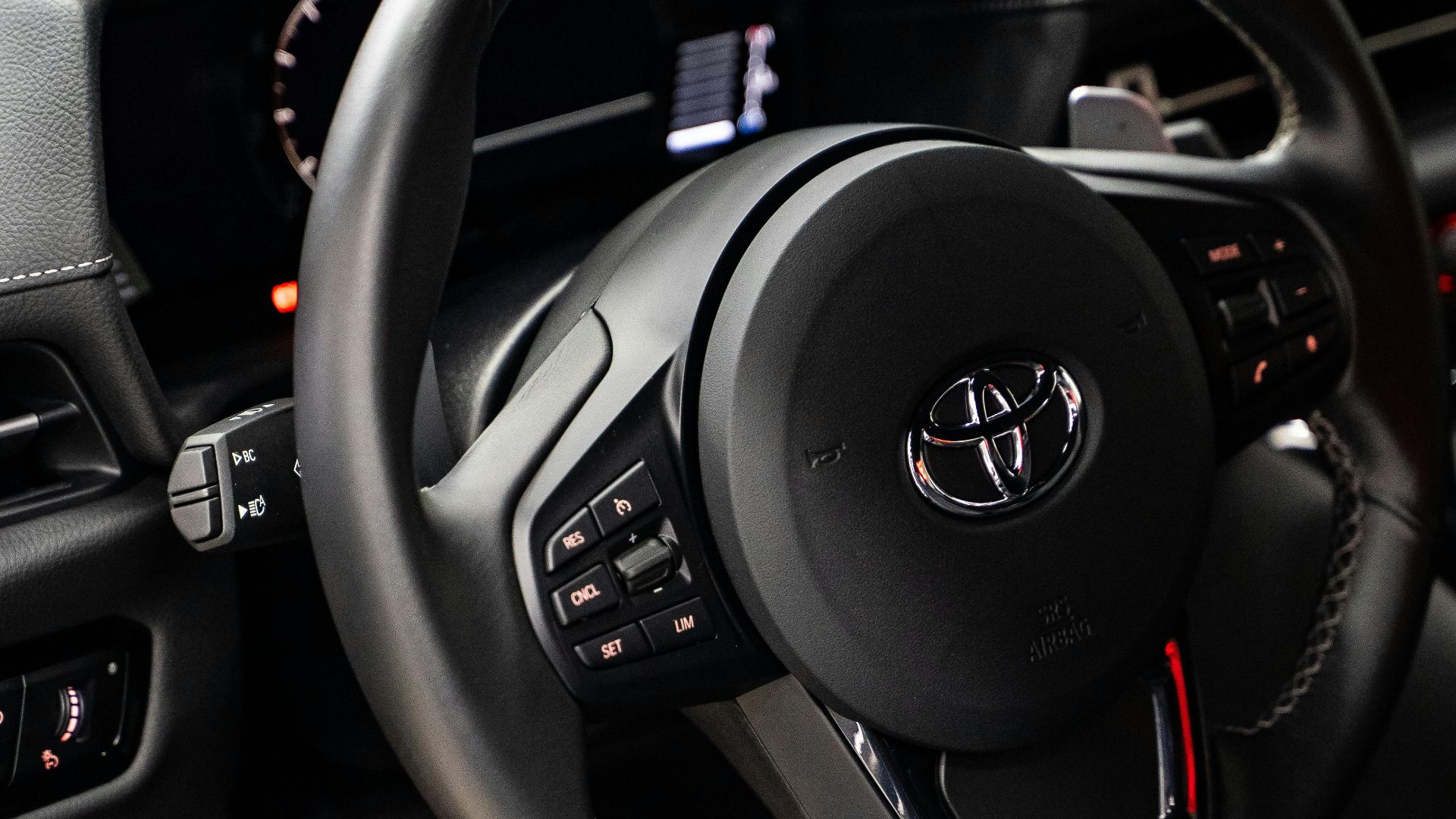
Several automakers now use synthetic materials instead of genuine leather in many trims that once included it. Older leather-wrapped wheels often felt softer and aged more naturally over time.
9. Compact Key Fobs
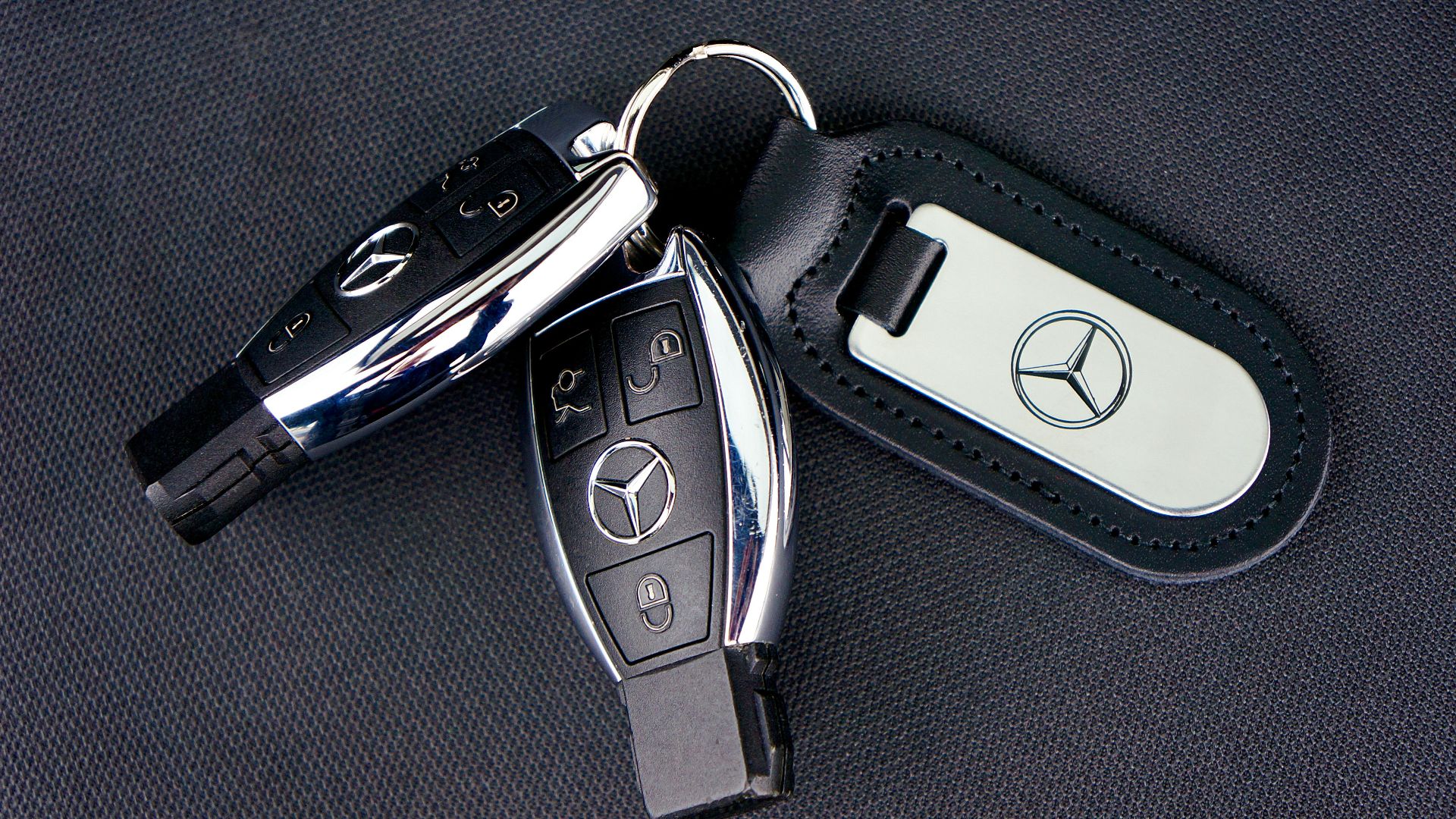
Modern key fobs have grown noticeably larger because they now include remote start, sensors, and extra functions. Older versions slipped easily into pockets and were far less bulky to carry every day. It seems minor until you're constantly feeling a giant fob in your pocket or bag.
10. Rear Windows That Fully Roll Down
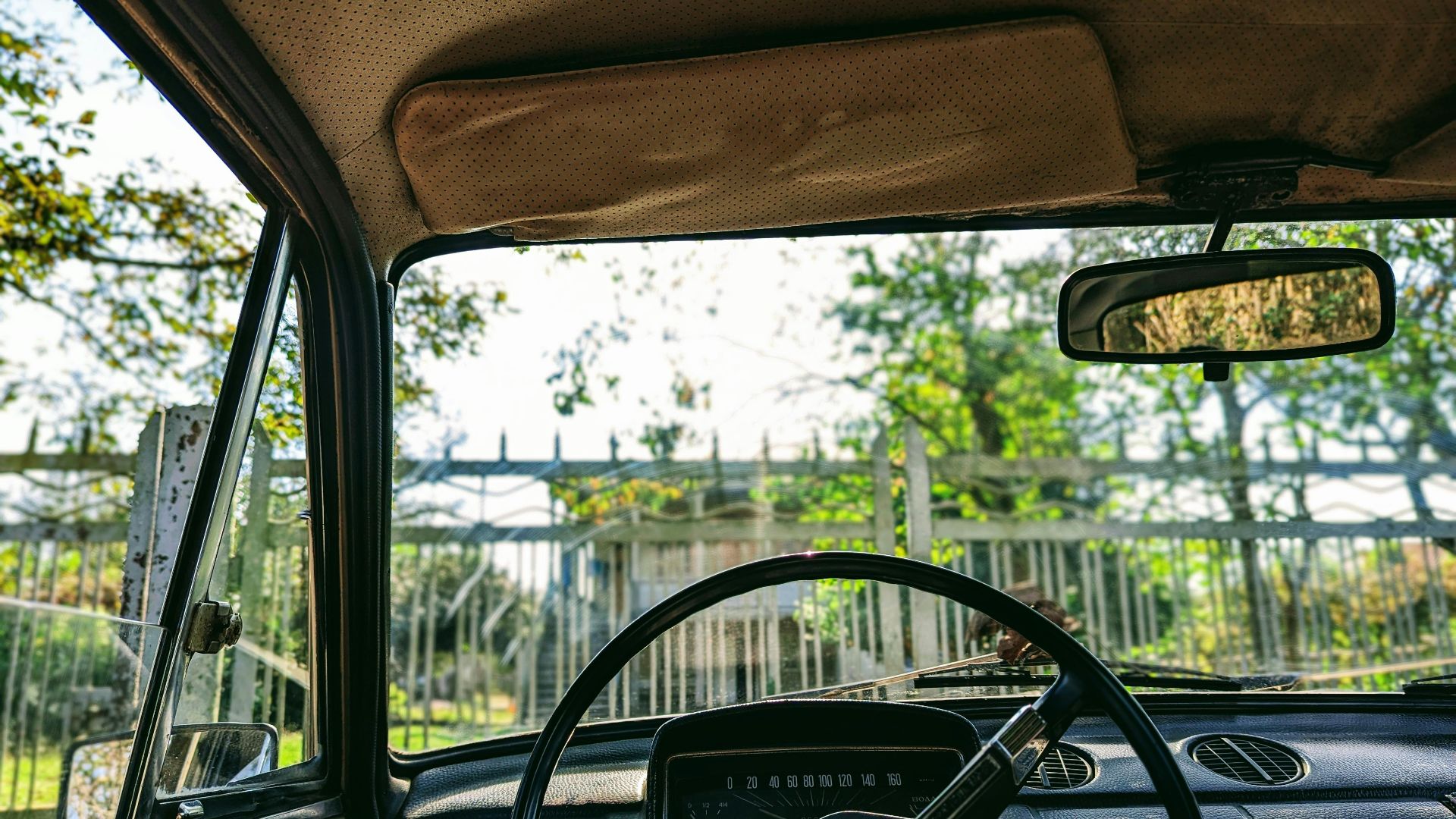
Many modern sedans and crossovers use rear door shapes that prevent windows from lowering completely. Older designs usually allowed the glass to disappear almost entirely into the door. Passengers especially notice the difference during warm weather or road trips.
11. Dedicated Climate Buttons
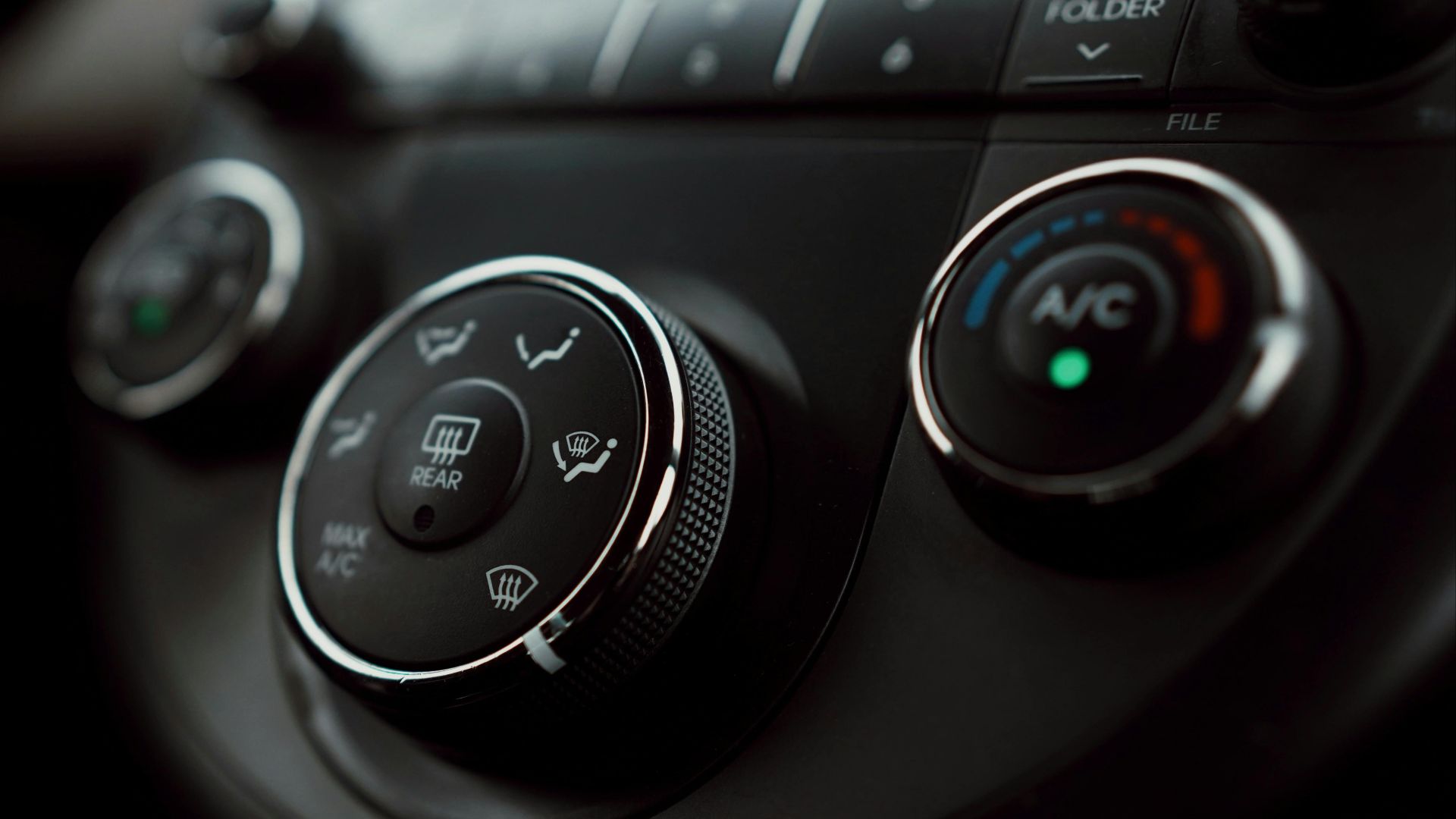
Earlier vehicles often placed heated seat controls, fan speeds, and temperature adjustments on separate buttons below the screen. Many newer cars moved these settings into touchscreen menus to create cleaner interiors. Drivers frequently miss how fast the old layouts were during winter driving.
12. Hood Struts
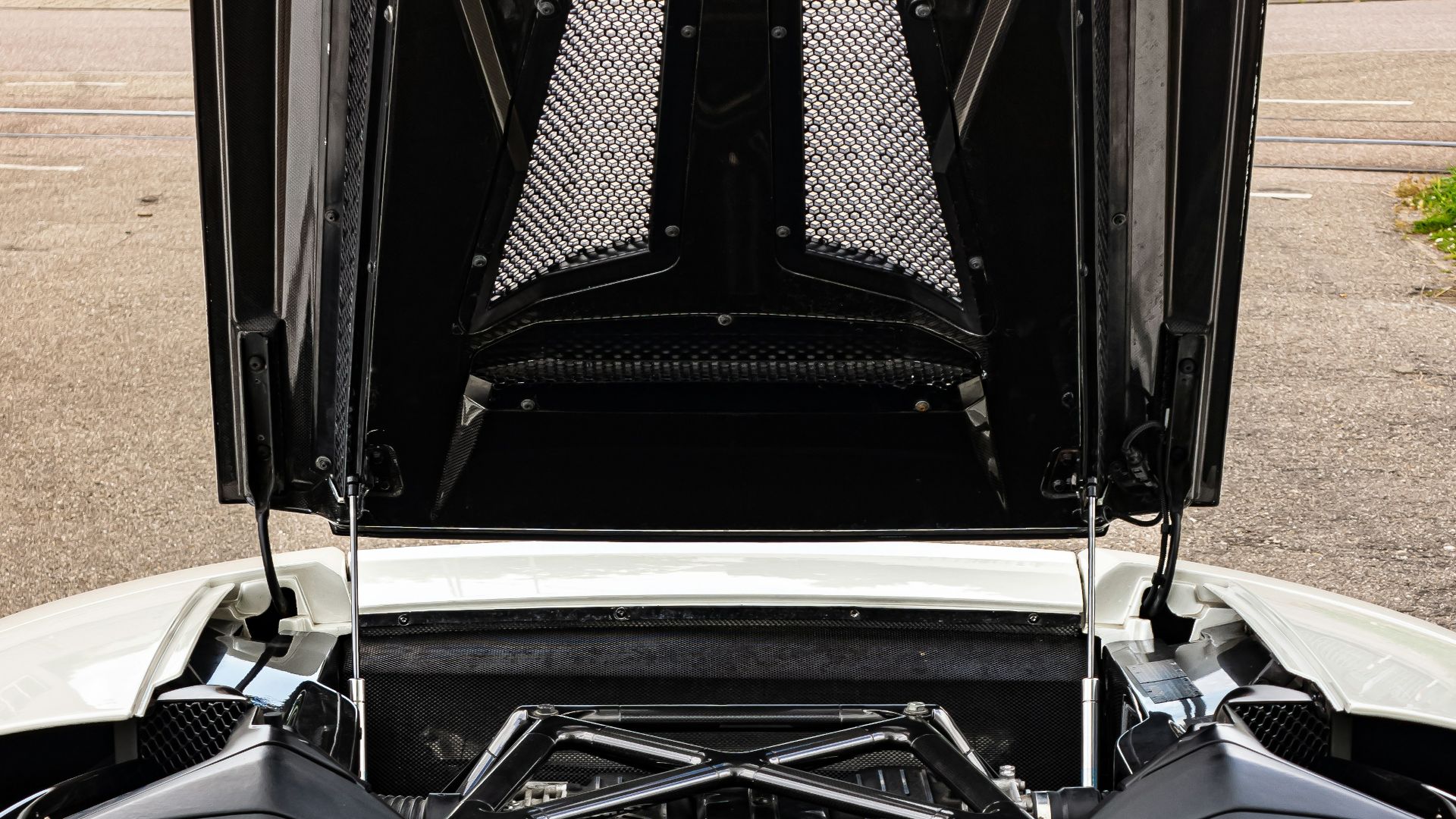
Gas struts that held the hood open automatically have quietly disappeared from some newer vehicles in favor of simple prop rods. Hood struts made engine access feel smoother and more premium, especially during maintenance.
13. Sunglasses Holders
Dedicated overhead sunglasses compartments used to appear in countless vehicles across different price ranges. As roof consoles filled with sensors and electronics, many manufacturers quietly removed them.

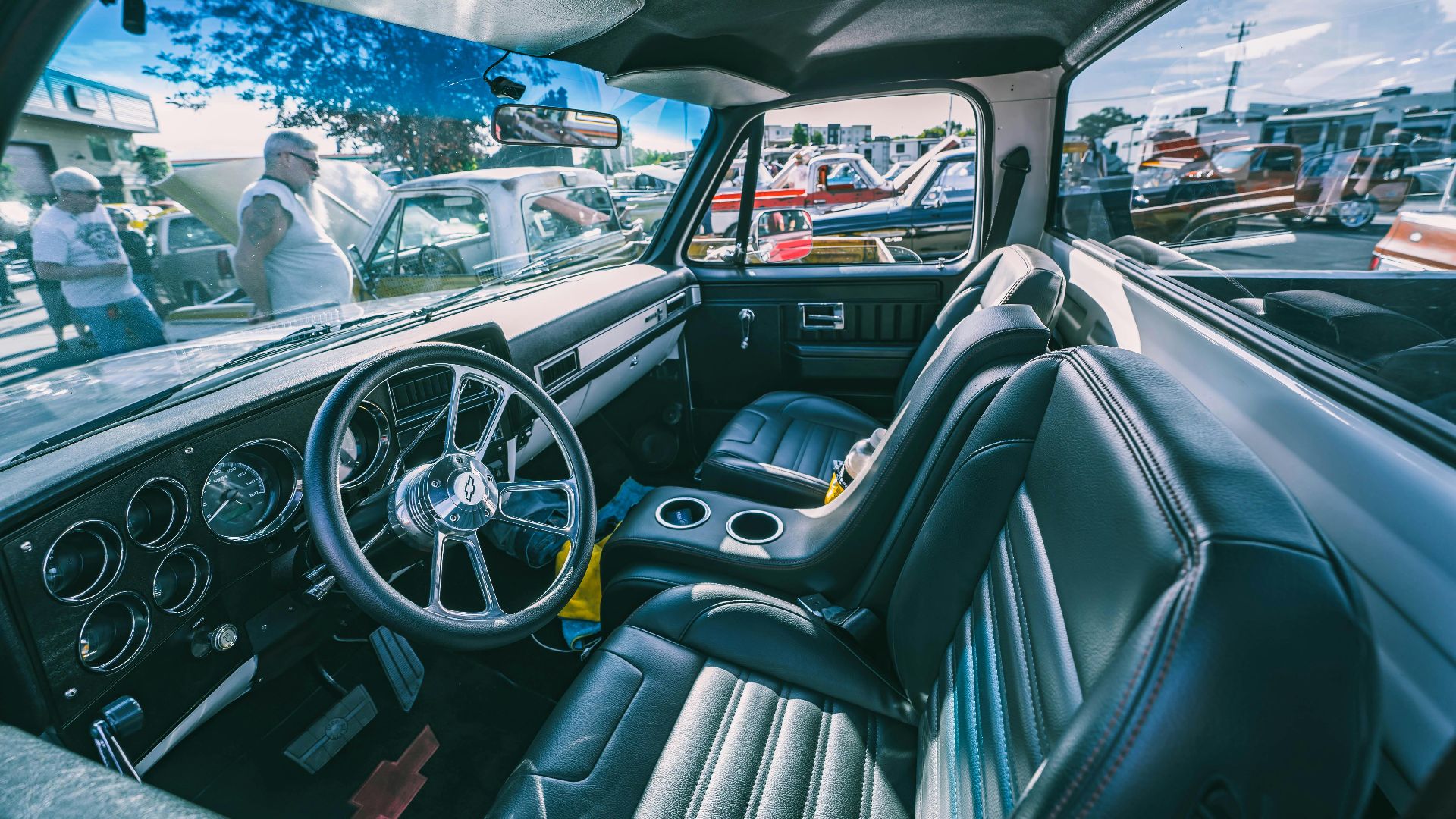
14. Front Bench Seats in Trucks
Modern trucks now focus heavily on center consoles packed with storage, screens, and charging ports. Older front bench seats allowed an extra passenger and created a more open cabin feel. Some owners also miss being able to slide across the seat easily after parking or while working.
15. Hydraulic Steering
Electric steering systems became nearly universal over the last decade because they improve efficiency and support driver-assistance technology. Older hydraulic setups often provided more road feedback and a heavier steering feel that many drivers enjoyed.
16. Non-Subscription Features
Some automakers now place certain connected services or convenience functions behind subscription plans. A few years ago, many of those same features came included for the life of the vehicle.

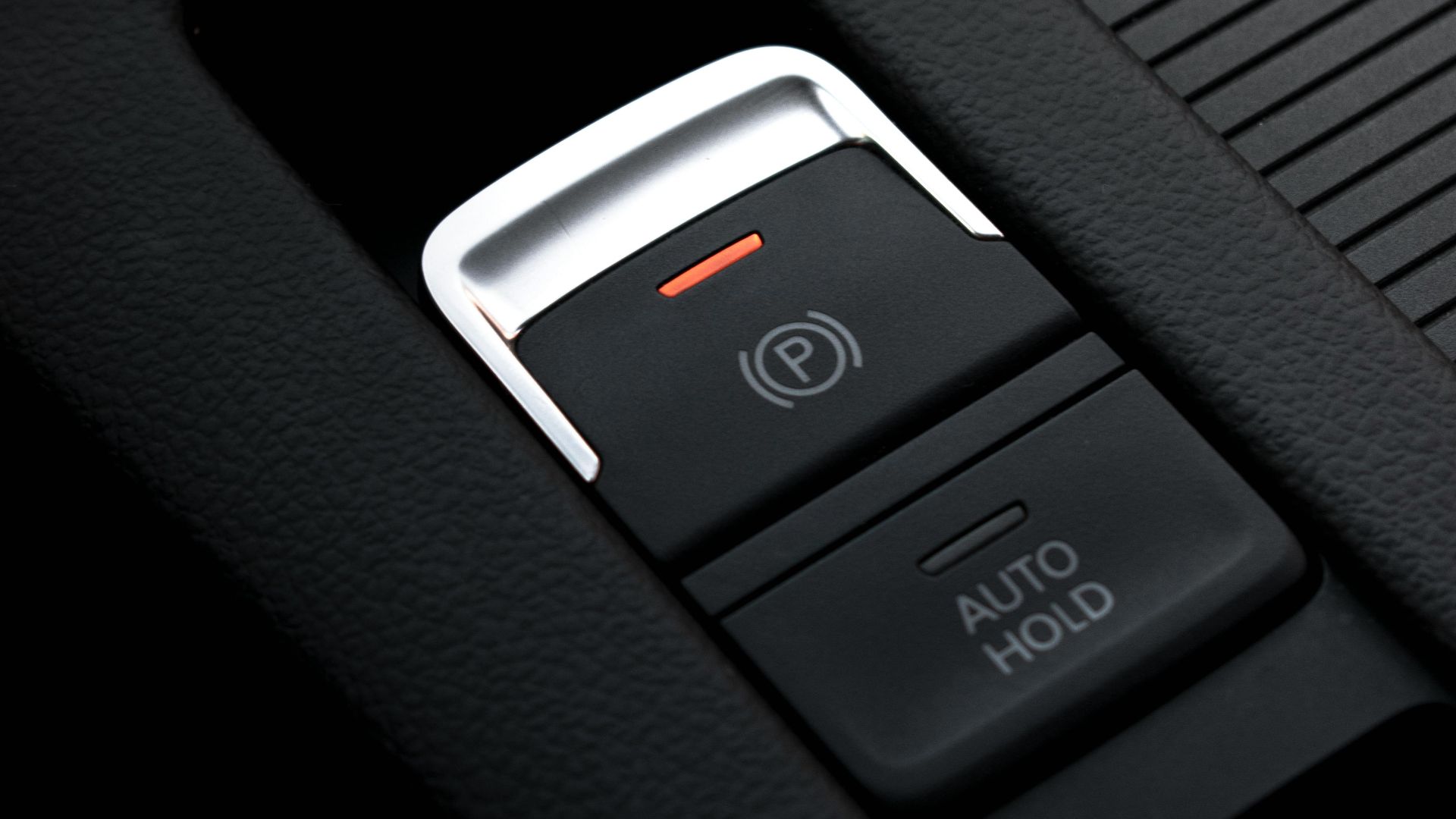
17. Traditional Handbrake Levers
Electronic parking brakes replaced manual handbrakes in many vehicles over the last decade. Older handbrake levers were simple, intuitive, and gave drivers more direct control during parking situations.
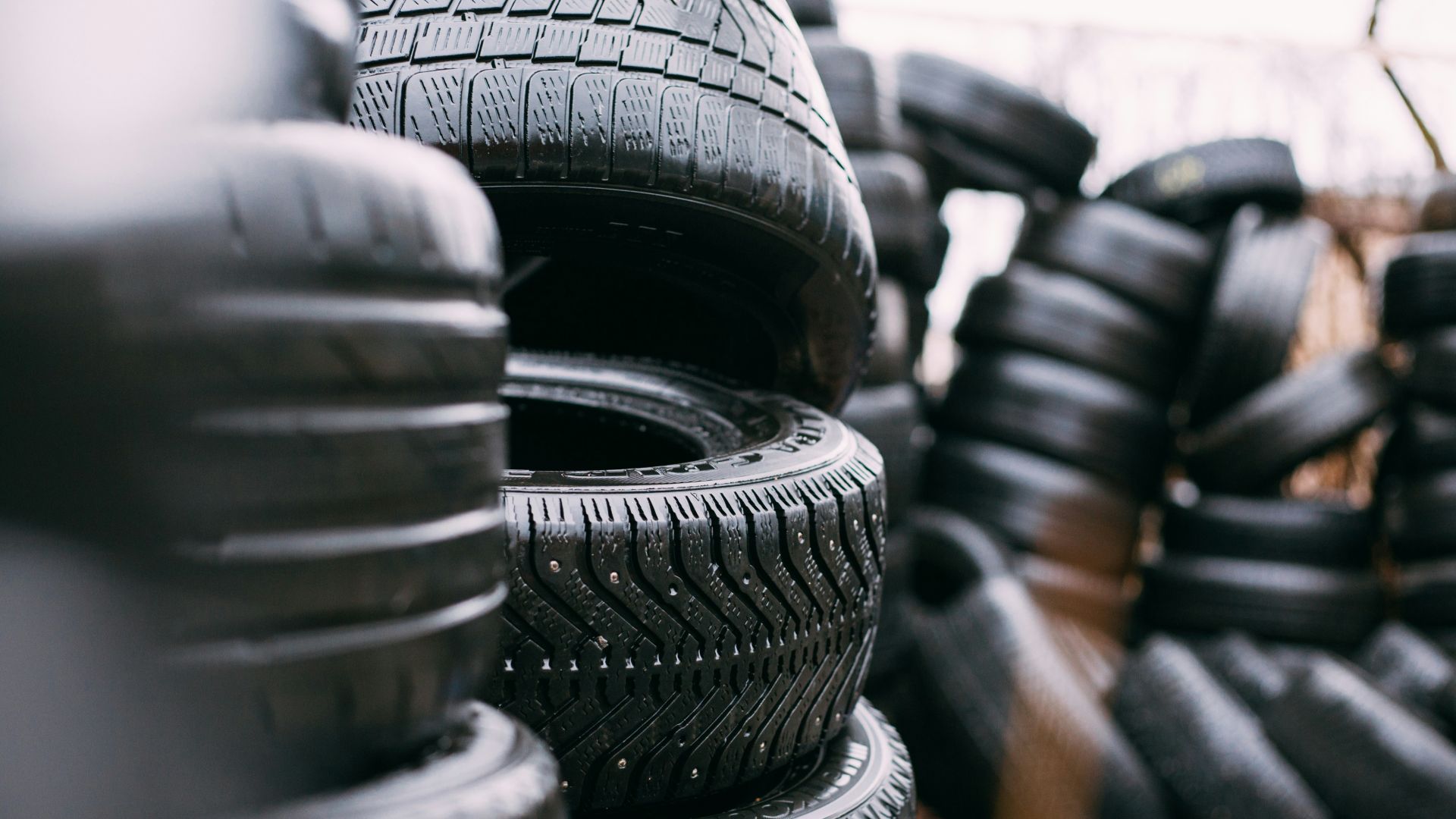
18. Spare Tires
More manufacturers now provide tire repair kits instead of actual spare tires to reduce weight and increase cargo space. Drivers often don't think about this change until they experience a serious flat tire far from home.
19. Independent Buttons for Drive Modes
Earlier drive mode systems often used simple physical switches for sport, snow, or eco settings. Newer vehicles sometimes bury those controls inside touchscreen menus or digital subpages.
20. Quiet Cabin Simplicity
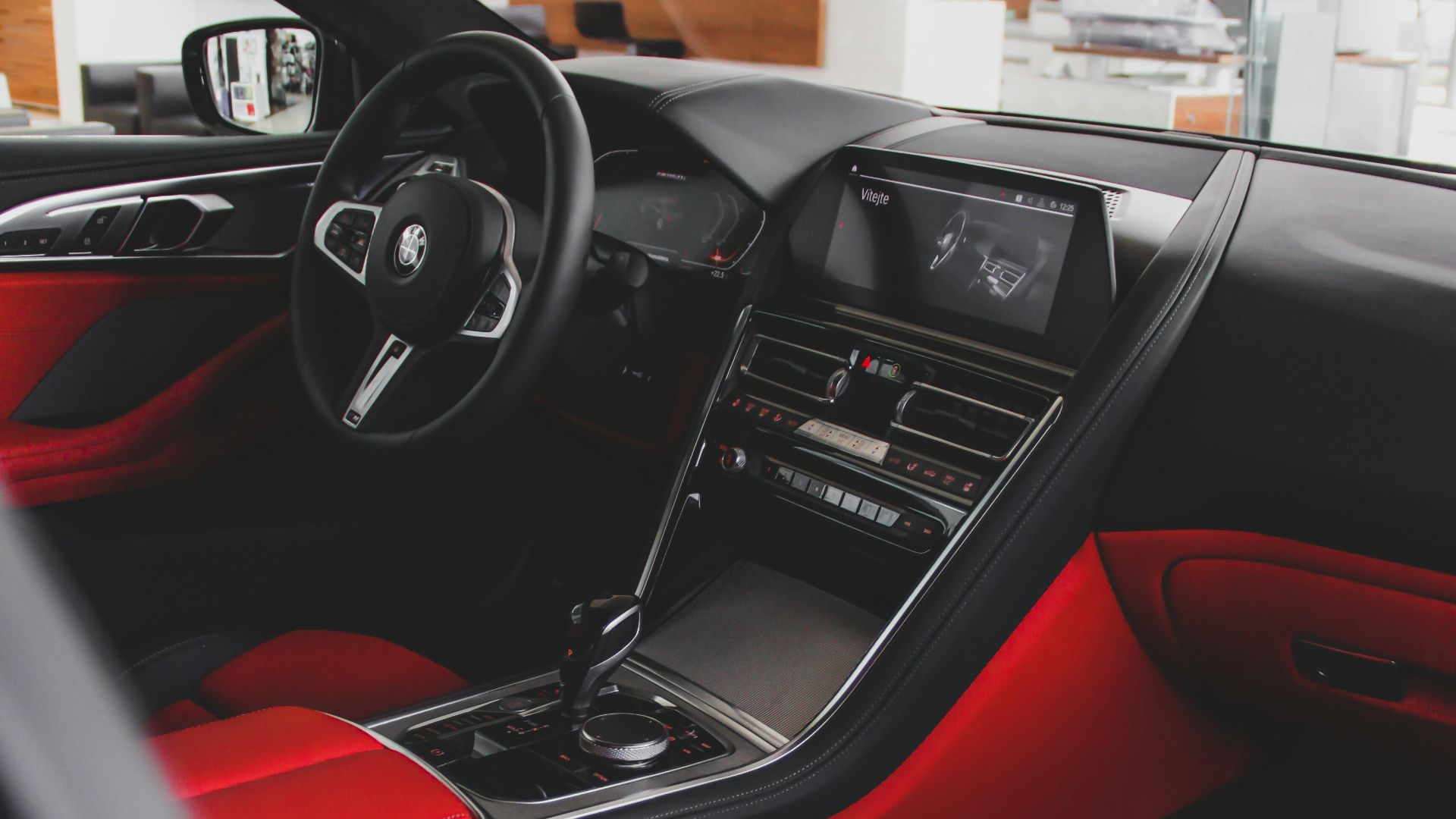
Many newer cars constantly display alerts, notifications, warnings, and driver-assistance messages across multiple screens. Vehicles from just a few years ago often felt calmer and less digitally crowded during everyday driving.