Why Jaguar's "Copy Nothing" Campaign Failed When It Should've Been Applauded
 Viktor Forgacs - click ↓↓ on Unsplash
Jaguar’s “Copy Nothing” campaign should have been the kind of bold creative swing people claim they want from legacy brands. It was colorful, strange, fashion-forward, and completely uninterested in doing another moody car commercial with a silver coupe speeding through rain. For a company trying to reinvent itself as an all-electric ultra-luxury brand, playing it safe would have been its own kind of failure.
Instead, the campaign became a very public punching bag. The teaser ad, released in late 2024, featured vivid styling, abstract sets, and no actual Jaguar car, which turned out to be a rather important detail for many viewers. The backlash was immediate, loud, and often gleefully brutal, with critics accusing Jaguar of abandoning its heritage and confusing the very people it needed to persuade. The funny thing is, the core idea wasn’t bad at all; the problem was that Jaguar asked the audience to applaud the revolution before showing them the car.
The Idea Was Braver Than People Admitted
Jaguar had good reason to do something dramatic. The brand had been struggling for years, and its old formula of elegant British performance wasn’t translating into enough sales. According to the Financial Times, Jaguar was undergoing a radical transformation under “Project Roar,” with plans to become an all-electric brand and move toward a much higher-price luxury position. That’s not the moment for a timid font refresh and a polite press release.
The slogan “Copy Nothing” also had a real connection to Jaguar’s own mythology. It drew from founder Sir William Lyons' original philosophy: "A Jaguar should be a copy of nothing." In theory, the campaign was trying to say that Jaguar wasn’t going to chase German luxury sedans, Tesla minimalism, or generic EV futurism. That’s a perfectly strong position, and honestly, more car brands could use that kind of backbone.
The trouble was that boldness needs translation. A campaign can be avant-garde, but it still has to help people understand what’s being sold, why it matters, and why they should care. Jaguar’s teaser gave audiences a mood, a color palette, and a philosophy, but it didn’t give them enough automotive substance. When a car company shows no car, that's kind of noticeable.
The Rollout Made Confusion Too Easy
The biggest mistake wasn’t that the ad was strange. Strange can work beautifully when the audience has something solid to attach it to. Jaguar led with a highly stylized brand film before many people had seen the Type 00 concept, leaving the campaign floating in a very expensive-looking cloud of mystery. That gap gave critics room to define the campaign before Jaguar could define it for itself.
This mattered because Jaguar wasn’t just changing an ad campaign; it was changing its entire identity. The company introduced a new wordmark, moved away from familiar leaper-and-growler imagery, and leaned into a more minimalist, fashion-like visual language. For longtime fans, that felt less like evolution and more like someone had taken the family silver and replaced it with a neon sculpture, completely alienating its rich, racing-heritage past. Reinvention can be exciting, but it lands better when people can still recognize the house they’re standing in.
The timing also made the backlash harder to contain. Jaguar was moving away from its existing gas and diesel lineup while its new electric models weren’t yet available in volume, creating a weird pause between old product and new promise. Reports later tied the brand’s sales plunge partly to this product gap, with Jaguar itself pointing to the phase-out of older models ahead of the EV rollout. A massive rebrand is easier to forgive when there’s a brilliant car sitting beside it.
Heritage Brands Can’t Pretend They Were Born Yesterday
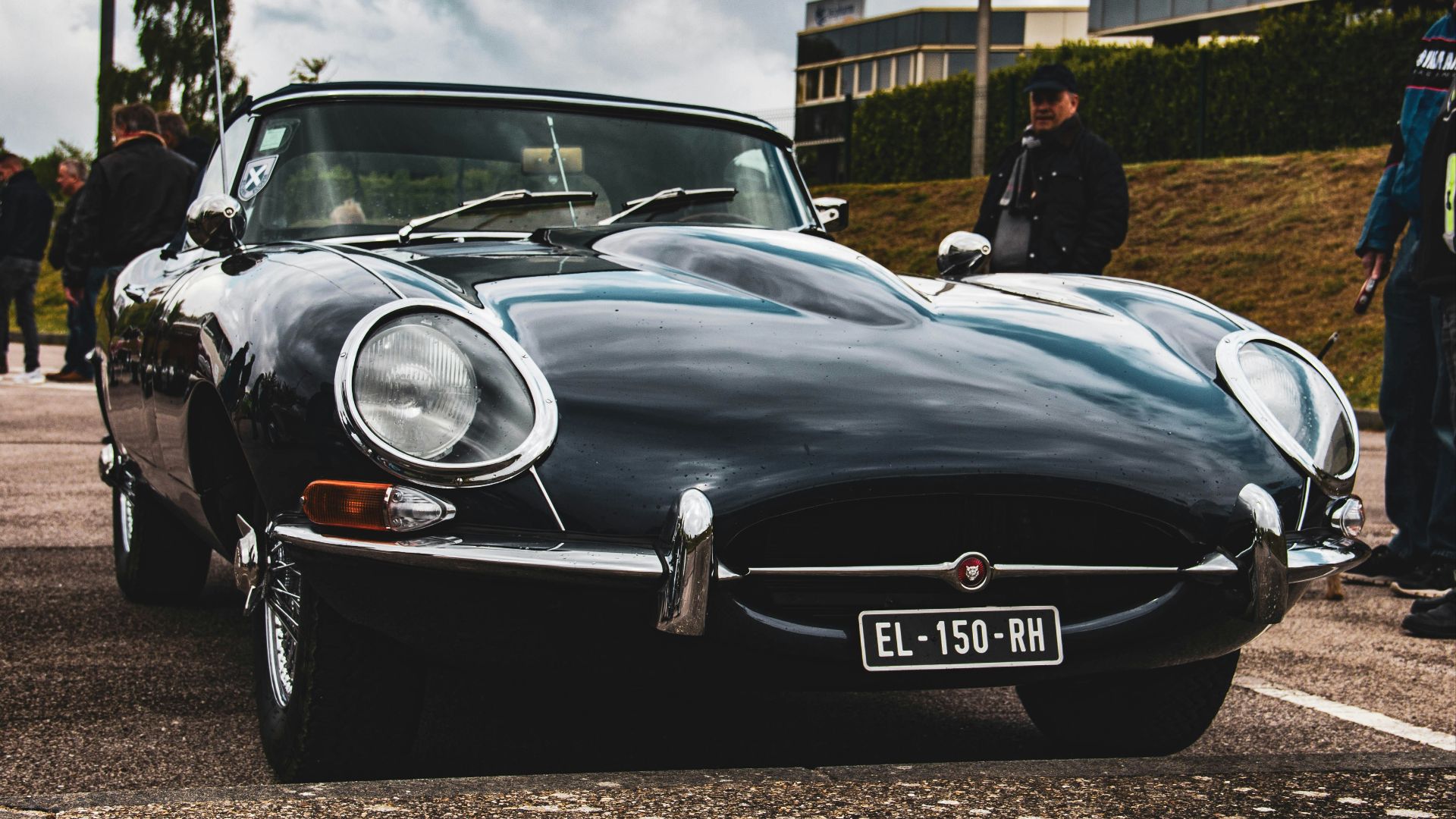
Jaguar’s campaign struggled because heritage isn’t something a brand can just set aside when it wants a fresh start. Jaguar has always been loved for a very specific mix of beauty, performance, elegance, and slightly rebellious British style. People don’t connect with the brand only because it makes luxury cars; they connect with it because its best cars feel distinctive and emotional. The campaign clearly wanted to look different, but for many viewers, it didn’t do enough to show how that difference still belonged to Jaguar.
That doesn’t mean Jaguar should have stayed trapped in nostalgia. The E-Type can't be relaunched forever, and no struggling automaker can survive by pleasing people who clap for old cars but don’t buy new ones. Jaguar executives defended the campaign as a declaration of intent, and managing director Rawdon Glover argued that the intense reaction included “vile hatred” but also massive attention. In that narrow sense, the campaign did succeed at making Jaguar impossible to ignore.
Attention, however, is not the same as trust. If a campaign makes people talk but also leaves them unsure what the brand stands for, it's created heat without enough light. Jaguar wanted to signal a clean break from the ordinary, but the execution let too many people conclude that the brand was breaking from itself.
It Should’ve Been Applauded, But It Needed A Better Bridge
The campaign deserved some applause because it refused to be another safe, interchangeable luxury ad. In a market full of silent EVs, glowing screens, and nearly identical promises about innovation, Jaguar tried to look weird, artistic, and emotionally disruptive. That instinct was correct because if you’re relaunching a 90-year-old brand into a new electric future, whispering probably won’t do the job.
What Jaguar needed was a stronger bridge between old desire and new ambition. The campaign could have kept the color, bold casting, and “Copy Nothing” energy while tying it more clearly to design, craftsmanship, performance, and the Type 00’s actual proportions. It didn’t need to show a car in every frame, but it did need to reassure people that Jaguar still remembered it even made cars. Even rebellion benefits from a little context.
The lesson isn’t that brands should avoid risk. The lesson is that risk works best when the audience can see the strategy under the spectacle. Jaguar’s “Copy Nothing” campaign failed because it asked people to celebrate originality before proving that originality had wheels, power, and a reason to exist. It should’ve been applauded for trying to escape the beige middle of luxury marketing, but instead it became a reminder that even the boldest reinvention needs a handrail.