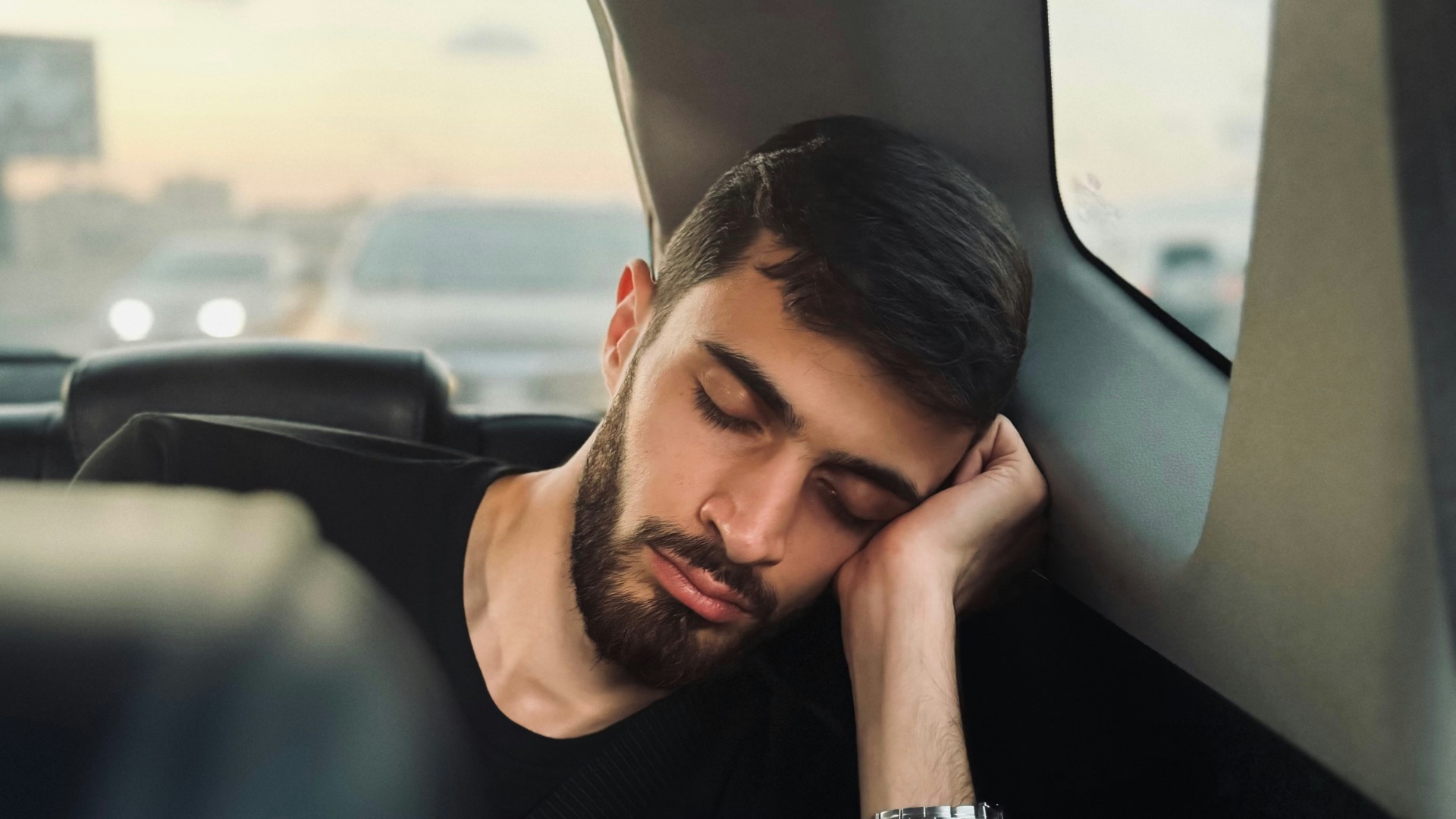
If you've ever found yourself struggling to keep your eyes open during a long drive or even a short trip across town, you're far from alone. Car rides have a well-known tendency to make people feel drowsy, after all, and it's not just because you're bored or didn't sleep well the night before. In fact, there are several physiological and environmental factors that work together to pull you toward sleep the moment you settle into your seat.
Understanding why this happens isn't just interesting from a scientific standpoint; it's also worth knowing for practical reasons. Whether you're a passenger trying to stay alert for conversation or a driver who needs to remain focused, knowing what's triggering that heavy-lidded feeling can help you manage it more effectively.
The Science Behind Motion and Sleep
One of the main reasons you feel sleepy in a car comes down to the way your body responds to motion. As the vehicle moves, your vestibular system—the part of your inner ear responsible for balance and spatial orientation—picks up on the low-frequency vibrations produced by the road. Research has found that vibrations in the 4 to 10 Hz frequency range are particularly effective at promoting drowsiness, which happens to be the range that most cars produce while driving at highway speeds.
Your body also tends to interpret the sensation of being carried as a signal to relax. When you're not the one physically exerting yourself to travel from place to place, your muscles disengage and your nervous system shifts into a more passive state. This physical passivity can accelerate the onset of sleepiness, especially if you're already a little tired to begin with.
The repetitive, rhythmic nature of a car ride compounds this effect further. Smooth, consistent motion sends a steady stream of low-stimulation signals to your brain, which can encourage it to wind down rather than stay engaged. It's a similar reason why rocking chairs and hammocks are associated with rest: the body has a natural tendency to associate rhythmic movement with sleep.
Warmth, Comfort, and the Environment Inside the Car
The interior of a car is essentially designed for comfort, and that comfort works against wakefulness in more ways than one. Heated seats, climate control, and padded cushioning create an environment that closely mimics the conditions your body associates with sleep. When you're warm, relaxed, and physically supported, your core body temperature rises slightly, which is actually a biological precursor to falling asleep.
Air quality inside a vehicle can also play a role in how alert you feel. Without adequate ventilation, carbon dioxide levels in the cabin can creep upward, and elevated CO2 has been linked to increased feelings of fatigue and reduced concentration. Cracking a window or running fresh air through the vents can make a noticeable difference in how alert both drivers and passengers feel during a trip.
Lighting conditions inside the car contribute to drowsiness as well. During nighttime drives, the absence of natural light signals to your brain that it's time to produce melatonin, the hormone responsible for regulating your sleep cycle. Even during the day, the consistent, glare-filtered light inside a moving car can lack the stimulating brightness needed to keep your alertness levels up.
Highway Hypnosis and Monotonous Driving Conditions
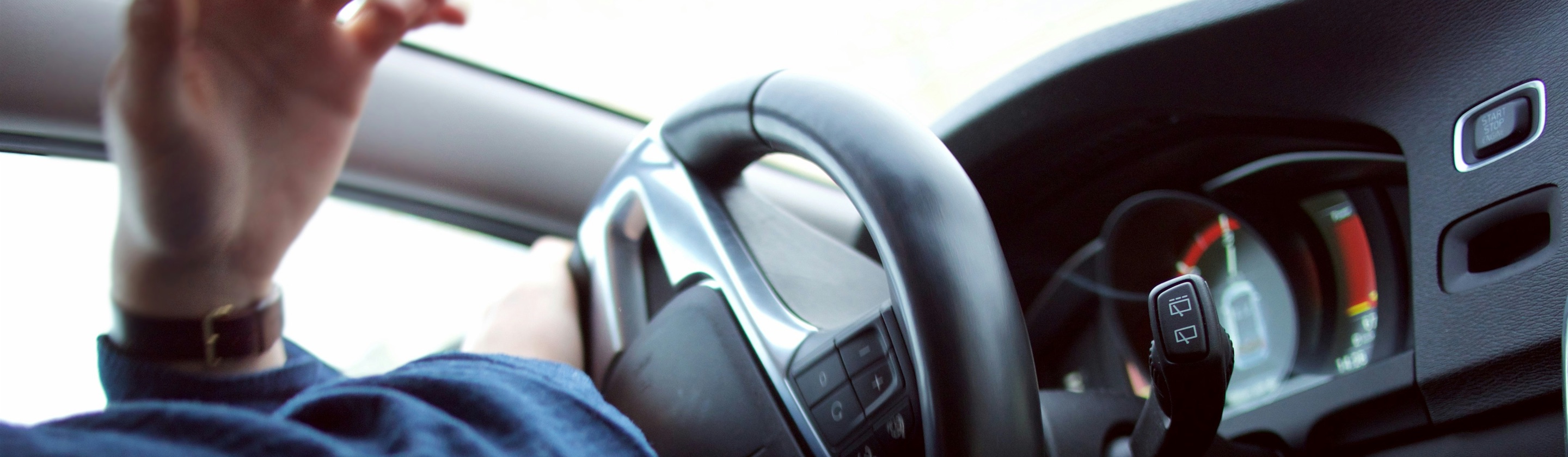
The rocking feeling of being in a moving car doesn't just lull passengers to sleep, though; drivers, too, can fall victim. Highway hypnosis, for example, is a real phenomenon that's particularly relevant for drivers. It refers to a trance-like state that can occur during long, monotonous stretches of road, where a driver continues to operate the vehicle without consciously processing their surroundings. It's the reason someone can drive for an hour on a straight, empty highway and arrive at their destination with little memory of the journey itself.
This state occurs because the brain is highly efficient at automating repetitive tasks; once it recognizes that a situation doesn't require active problem-solving, it reduces its level of conscious engagement. The result is a kind of autopilot mode that, while functional in the short term, can dangerously reduce a driver's ability to respond to unexpected hazards. Highway hypnosis is considered a significant contributor to fatigue-related crashes, particularly on long rural or interstate routes.
For passengers, the monotony of a long highway drive has a similar sedating effect, even without the demands of operating a vehicle. The lack of visual variety, the absence of meaningful tasks, and the steady hum of the engine all work together to push the brain toward a lower state of arousal. Taking breaks, changing your environment, or engaging in active conversation are among the most effective ways to counteract the pull of drowsiness on a long trip.
Ultimately, car rides are uniquely effective at combining motion, warmth, comfort, and monotony into a single experience that your body is practically programmed to find sleep-inducing. The next time you feel your eyelids drooping in the passenger seat, you can at least take comfort in knowing there's solid science behind it. Just make sure to stay alert if you're the one behind the wheel.