Sorry, Petrol Heads: Sports Cars Are Going Electric & They’re More Stunning Than Ever
For a long time, sports car fans treated electricity like an uninvited guest at a very loud dinner party. They loved engine noise, manual gearboxes, fuel smells, exhaust notes, and the dramatic little rituals that made combustion-powered performance feel alive. To them, an electric sports car sounded suspiciously like a silent appliance with nicer wheels.
However, that view is getting harder to defend. Electric performance cars are no longer awkward experiments. They’re fast, sculptural, technologically wild, and increasingly beautiful, with models like the Rimac Nevera, Porsche Taycan Turbo GT, Maserati GranTurismo Folgore, Lotus Evija, and MG Cyberster showing how broad the category has become.
Electric Speed Changed the Argument
The first thing electric sports cars did was make acceleration ridiculous. Electric motors deliver instant torque, which means the shove arrives immediately instead of building through revs, gears, and exhaust drama. Cars like the Rimac Nevera pushed performance numbers into territory that once sounded like a physics department prank, with reports citing a 0-to-60 mph time under two seconds. Petrol heads may miss the noise, but it’s hard to argue with that kind of speed.
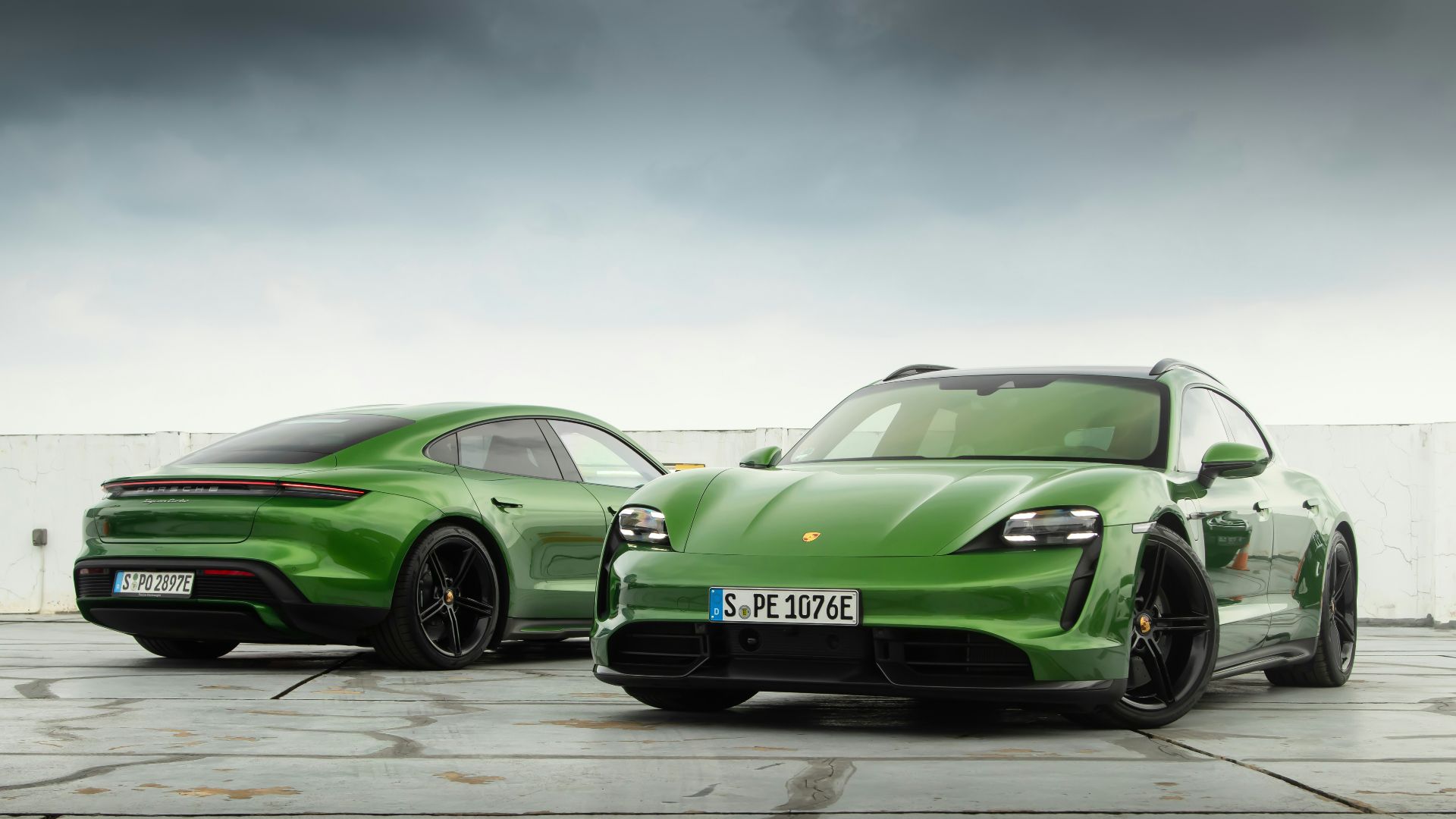
The Porsche Taycan also helped make electric performance feel less like a novelty and more like a serious driver’s category. In its more powerful forms, including the Turbo GT, the Taycan proves that EVs can be brutally quick while still feeling polished, controlled, and engineered for repeat performance. It’s not a tiny two-seat roadster, but it helped make electric speed respectable among people who usually distrust anything too quiet. Sometimes a four-door Porsche has to kick the door open for everyone else.
Electric cars also change how designers and engineers think about balance. Batteries are usually mounted low in the chassis, which can lower the center of gravity and improve stability. That doesn’t magically make every EV a sports car, because weight is still a real challenge. But when the engineering is done well, electric architecture can create cars that feel planted, precise, and deeply confident.
The Designs Are Getting More Dramatic
One of the best surprises of the electric sports car era is how much freedom designers suddenly have. Without a traditional engine, exhaust system, and transmission tunnel dictating every shape, there’s room to rethink proportions. That can mean lower noses, cleaner surfacing, dramatic lighting, and cabins pushed into places old sports car packaging wouldn’t allow. The result is that some electric performance cars look less like modified versions of the past and more like the future finally stopped being shy.
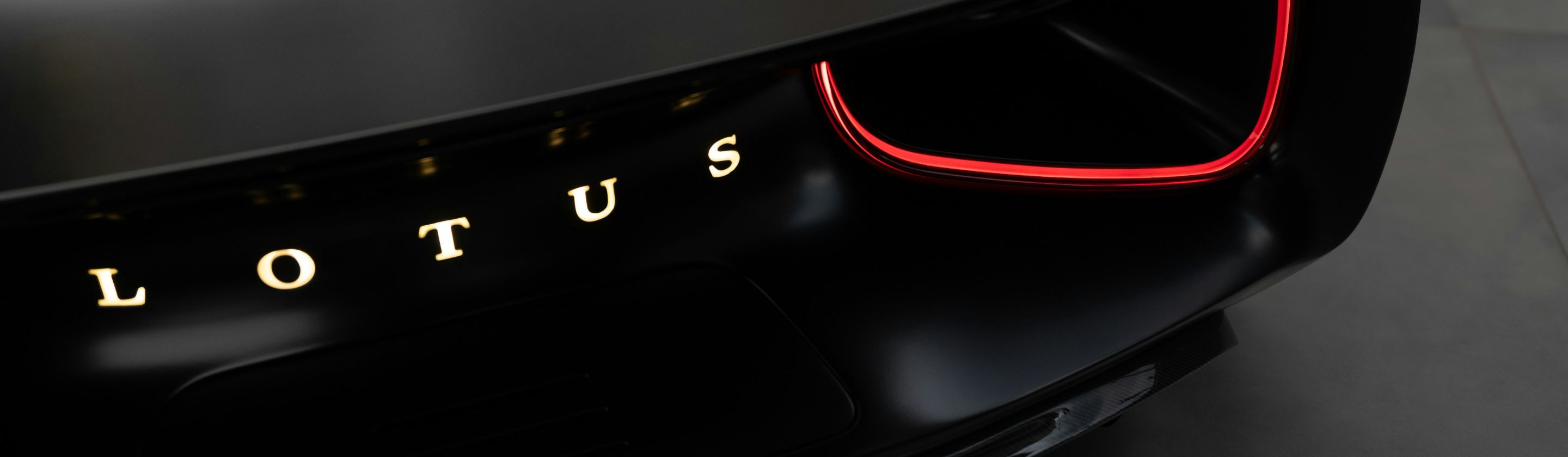
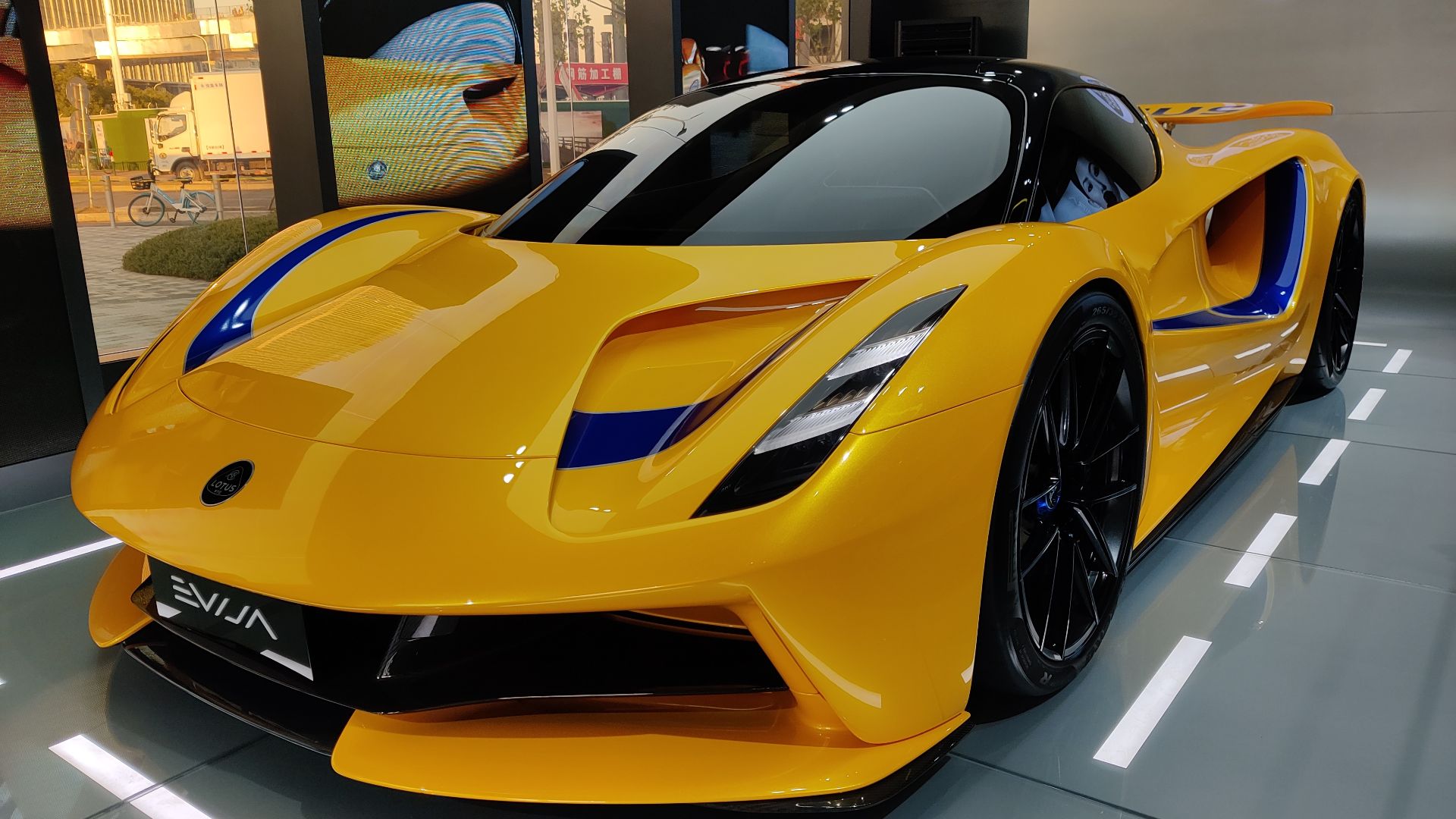
The Lotus Evija is a perfect example of electric drama taken seriously. Its bodywork is full of carved-out tunnels, aerodynamic openings, and sculptural surfaces that make it look like airflow was invited into the design meeting and given a vote. It’s extreme, yes, but it also shows how electric hypercars can use design as part of the engineering story. Even if you never see one at the grocery store, it changes what people imagine an electric sports car can be.
Then there are cars like the MG Cyberster, which bring the electric sports car idea closer to something more attainable and romantic. It has roadster proportions, dramatic doors, and the kind of visual confidence that reminds people EVs don’t have to look like anonymous commuting pods. The Cyberster matters because it brings style, open-air driving, and electric power into one package. It’s not trying to apologize for being electric, which is exactly the right attitude.
The Emotional Side Is Different, Not Gone
 JustAnotherCarDesigner on Wikimedia
The biggest complaint from traditional sports car fans is that electric cars lack soul. That concern makes sense if your idea of soul depends entirely on engine vibration, exhaust sound, and the perfect mechanical rhythm of a manual shift. Those things matter, and nobody should pretend a silent EV delivers the same experience as a naturally aspirated flat-six or a snarling V8. However, different doesn't mean soulless.
Electric sports cars create emotion in other ways. They offer instant response, surreal acceleration, futuristic cabins, regenerative braking strategies, and a sense of smooth force that combustion cars simply don’t deliver. There’s a strange thrill in pressing the accelerator and feeling the car leap forward without waiting for anything to wake up. It’s less theatrical, perhaps, but not exactly boring.
The best electric performance cars also make the driver rethink what skill means. In a combustion sports car, skill often involves gear selection, clutch control, throttle modulation, and listening to the engine. In an EV, the focus may shift toward managing speed, weight, braking, torque delivery, and corner entry with even more precision. The machine changes, but the challenge doesn’t disappear just because the exhaust pipes do.
The Transition Will Be Messy but Fascinating
None of this means the electric sports car takeover will be simple. Battery weight, charging infrastructure, cost, range under hard driving, and emotional resistance are all real issues. Porsche’s electric 718 plans, for example, have reportedly faced delays and questions as the company balances enthusiast expectations with development costs and market uncertainty. Even major brands know that replacing beloved gasoline sports cars is not as easy as swapping a fuel cap for a charging port.
There’s also a reason hybrids are becoming part of the performance conversation. Some automakers are using electrification to add power and response without fully abandoning combustion character. That middle ground may appeal to drivers who want the drama of an engine with the punch of electric assistance. For many petrol heads, the bridge to the future may have both a battery and a very loud start button.
Still, the direction is clear. Electric sports cars are becoming faster, better-looking, and more credible with every new generation. They may not replace every kind of enthusiast car, and there will always be people who treasure gasoline engines for their sound, smell, and mechanical feel. But the idea that electric performance is automatically dull is already outdated.