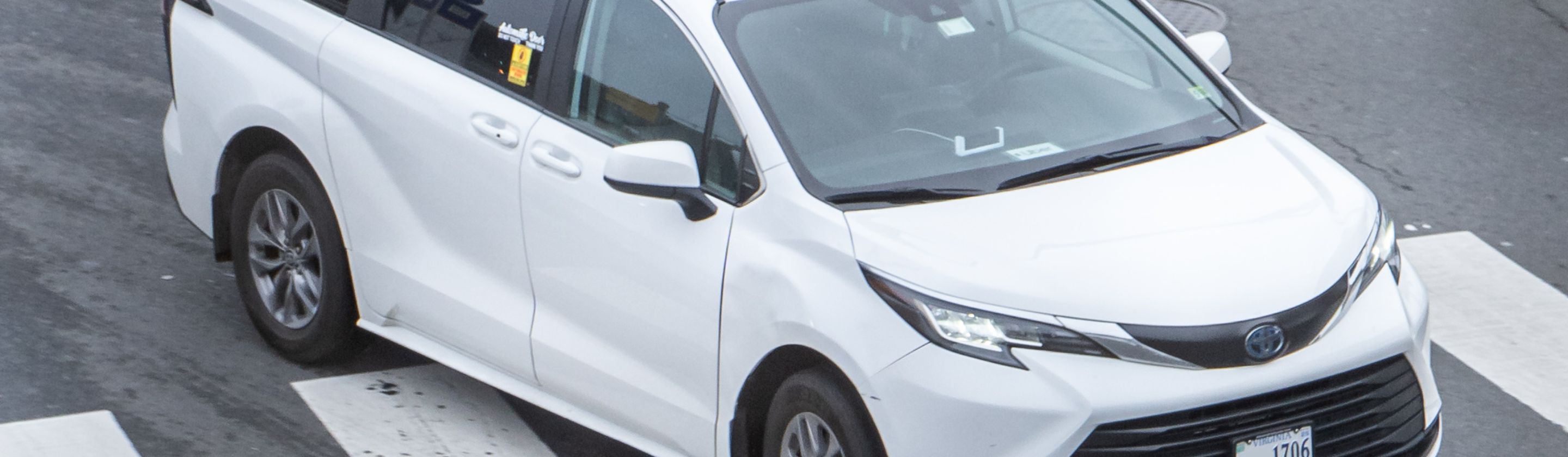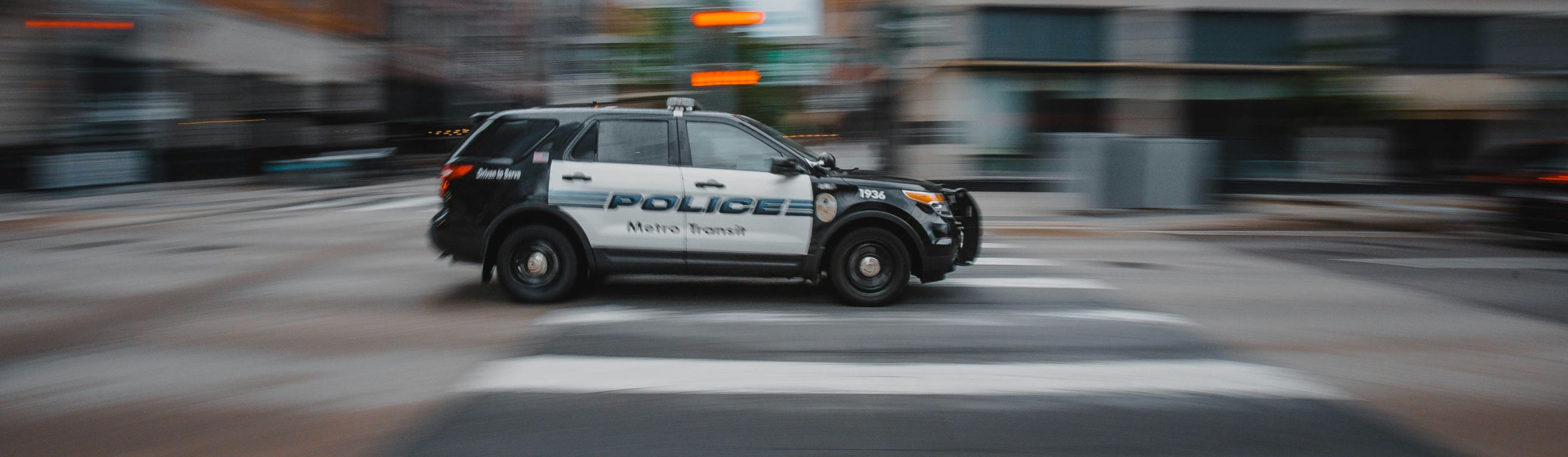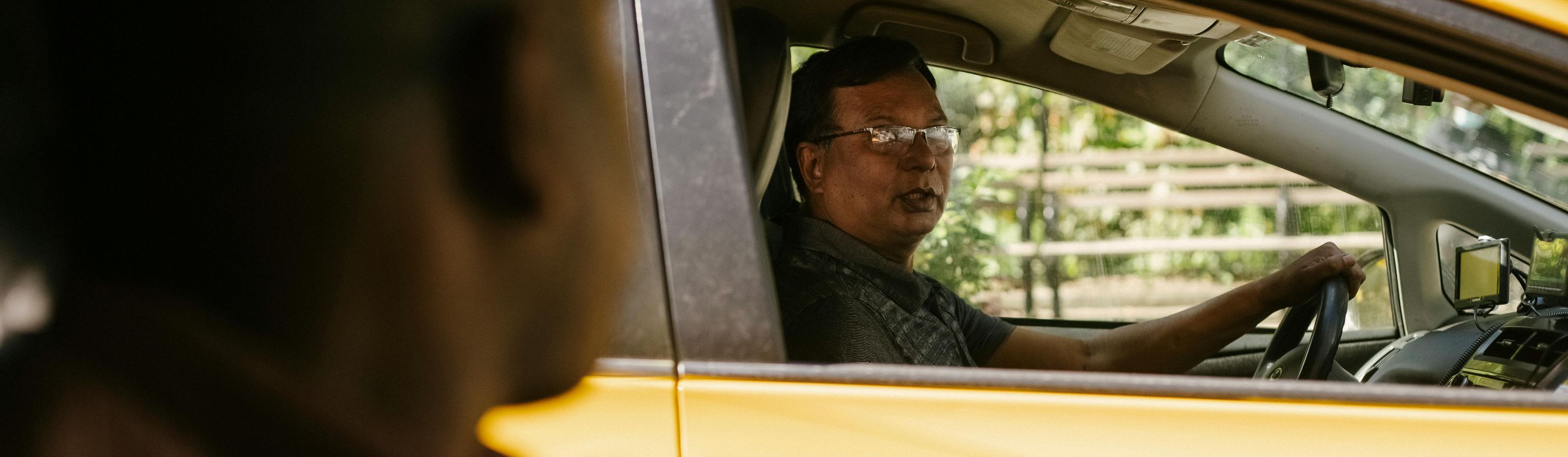
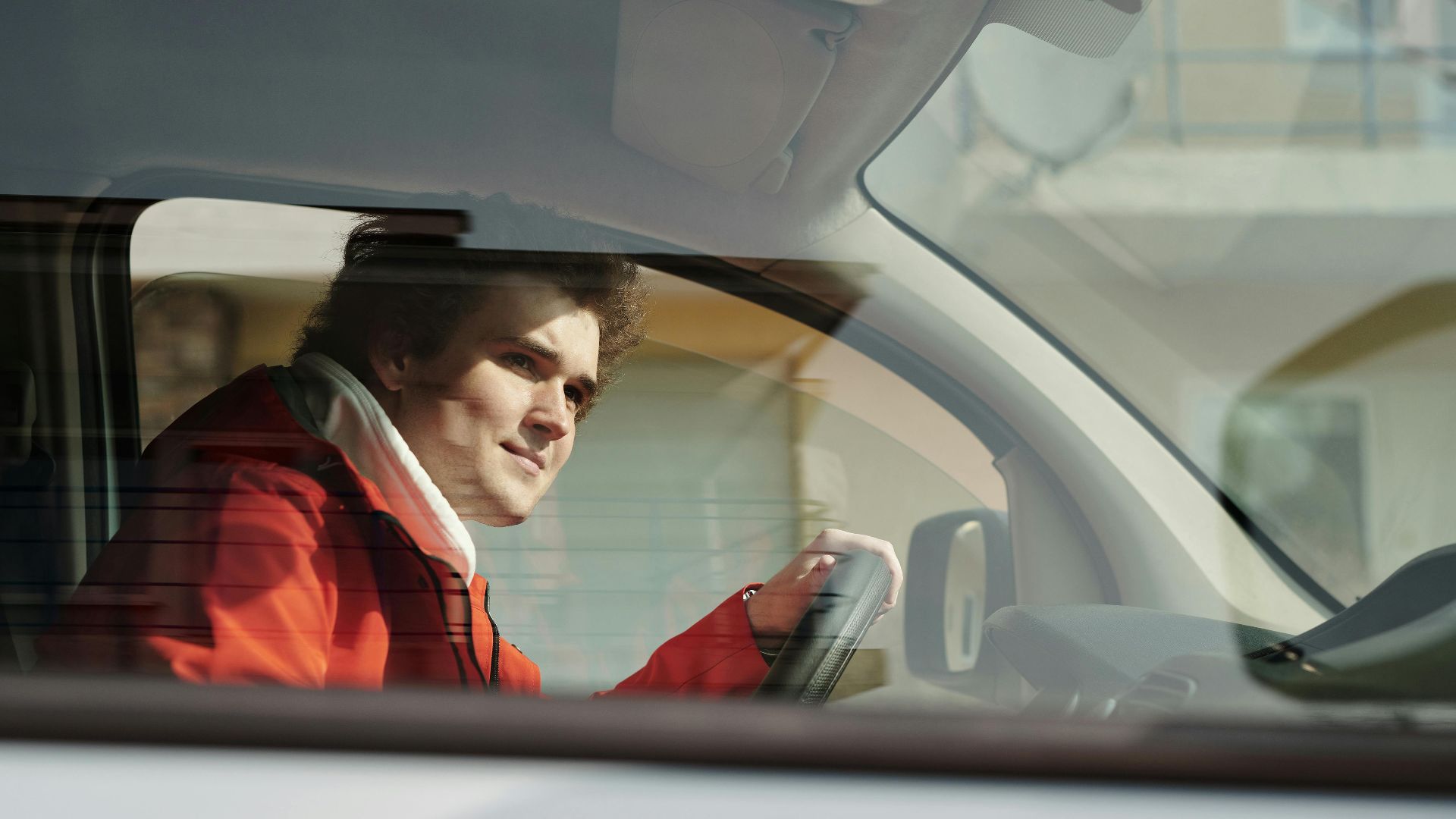
There is a specific, involuntary shame that arrives when you hold up traffic. You stall at a green light, take a few seconds too long crossing the street, or fumble with your turn signal at a four-way stop while cars idle behind you. The response is almost physical: a hot flush, an apologetic little wave, and the sudden need to move faster than your body or engine can reasonably manage. For something that lasts six seconds and involves strangers you will never see again, the discomfort lands disproportionately hard.
What makes it worth pulling apart is how universal and consistent it is. Most people experience some version of it regardless of age, driving history, or general anxiety levels. Traffic operates not just as a logistical system but as a performance environment, one with its own etiquette, its own audience expectations, and its own well-developed mechanisms for producing shame.
The Social Contract Nobody Signed
Roads run on a dense set of implicit agreements that most people never consciously register until they break one. Some are legal and codified. Most are not. Yielding the right of way in ambiguous situations, not lingering at a green light while checking your phone, and leaving adequate following distance are norms enforced not by any authority but by the collective disapproval of the people around you. The sociologist Erving Goffman helped shape how we understand public behavior in The Presentation of Self in Everyday Life, his 1959 study of how people manage the impressions they give off in social situations. In his earlier essay “On Face-Work,” Goffman described the constant, low-level effort people make to preserve their own dignity, protect others from embarrassment, and keep ordinary interactions running smoothly.
Traffic intensifies this dynamic because it introduces scarcity. When you hold up a line of cars, you are consuming a resource that belongs, in some loose collective sense, to everyone behind you. Time in traffic is zero-sum in a way that most social situations are not. A slow walker on a wide sidewalk is a mild inconvenience. A driver who stalls through a full light cycle on a congested street has effectively taken something from a dozen people who cannot get it back. The shame scales accordingly.
What also makes this interesting is that the norm did not always exist to violate. Mass automobile ownership became widespread in the United States only in the mid-20th century. The specific social scripts around traffic behavior, including the apologetic wave, the hazard-light thank-you, and the four-way-stop negotiation glance, are cultural inventions that emerged to manage a new kind of shared space. We inherited them without instruction.
Why the Feeling Is So Much Bigger Than the Event
Part of what makes the shame disproportionate is a well-documented cognitive bias called the spotlight effect. Research by Thomas Gilovich, Victoria Medvec, and Kenneth Savitsky, published in the Journal of Personality and Social Psychology in 2000, demonstrated that people consistently overestimate how much attention others pay to their actions. In their experiments, participants who wore an embarrassing shirt into a room estimated that roughly half the people there would notice. The actual figure was closer to 25 percent.
The same principle applies in traffic. The driver behind you is not cataloguing your failure; they are thinking about where they are going, whether they sent that email, and why the radio keeps cutting out. The attention you imagine bearing down on you from six cars back is largely a projection of your own heightened self-awareness. The mortification is real, but the audience registering it is mostly not.
There is also a paradox in how cars shape social perception. Driving tends to produce a sense of anonymity, the feeling that comes from being enclosed in a metal shell and separated from others by glass and speed. You feel less observed than you would walking down a street. Yet the moment you slow down or stop unexpectedly, that anonymity collapses and you feel intensely, suddenly visible. The transition from invisible participant to conspicuous obstacle happens in an instant, which may explain why the shame arrives so fast.
What the Apologetic Wave Actually Does
The reflex most people reach for when they hold up traffic is some version of a public apology, a raised hand, a sheepish nod through the rearview mirror, or an exaggerated speed-up to signal awareness of the inconvenience. These gestures are almost entirely performative in the technical sense, meaning they serve a social function rather than a practical one. Speeding up by two miles per hour does not materially reduce the delay. The wave communicates something more important, which is that you know the rules, you accept them, and your violation was accidental rather than contemptuous.
Goffman would have recognized this as a face-saving ritual, a public acknowledgment of a norm violation designed to restore the social equilibrium that the violation disrupted. The gesture signals that you are still a cooperative member of the shared system, temporarily malfunctioning rather than genuinely defecting. Research on social norm enforcement suggests this distinction matters enormously to how others respond. Accidental violations paired with visible remorse generate far less hostility than violations that appear deliberate or indifferent.
The deeper strangeness is that this entire exchange happens between strangers who will almost certainly never interact again, mediated by metal and glass, in a transaction lasting under ten seconds and forgotten by most parties within minutes. We have built a system of social accountability so robust and so internalized that it generates genuine shame in situations where the actual stakes are essentially zero. Traffic did not create this tendency in human psychology. It just gave it an unusually efficient set of triggers.