Rockets, Then Warning Lights
Oldsmobile’s story was not a simple fall from greatness. For much of the twentieth century, it sat in an important place inside General Motors: more upscale than Chevrolet, less formal than Cadillac, and often willing to test ideas before they became normal. At its best, Oldsmobile gave buyers real engineering or design reasons to care, from the Rocket V8 to front-wheel drive, turbocharging, and family wagons with a little imagination. At its weakest, especially near the end, the brand struggled to stand apart from the rest of GM’s lineup. Here are 10 Oldsmobiles that deserved better, and 10 that felt like the end was coming.
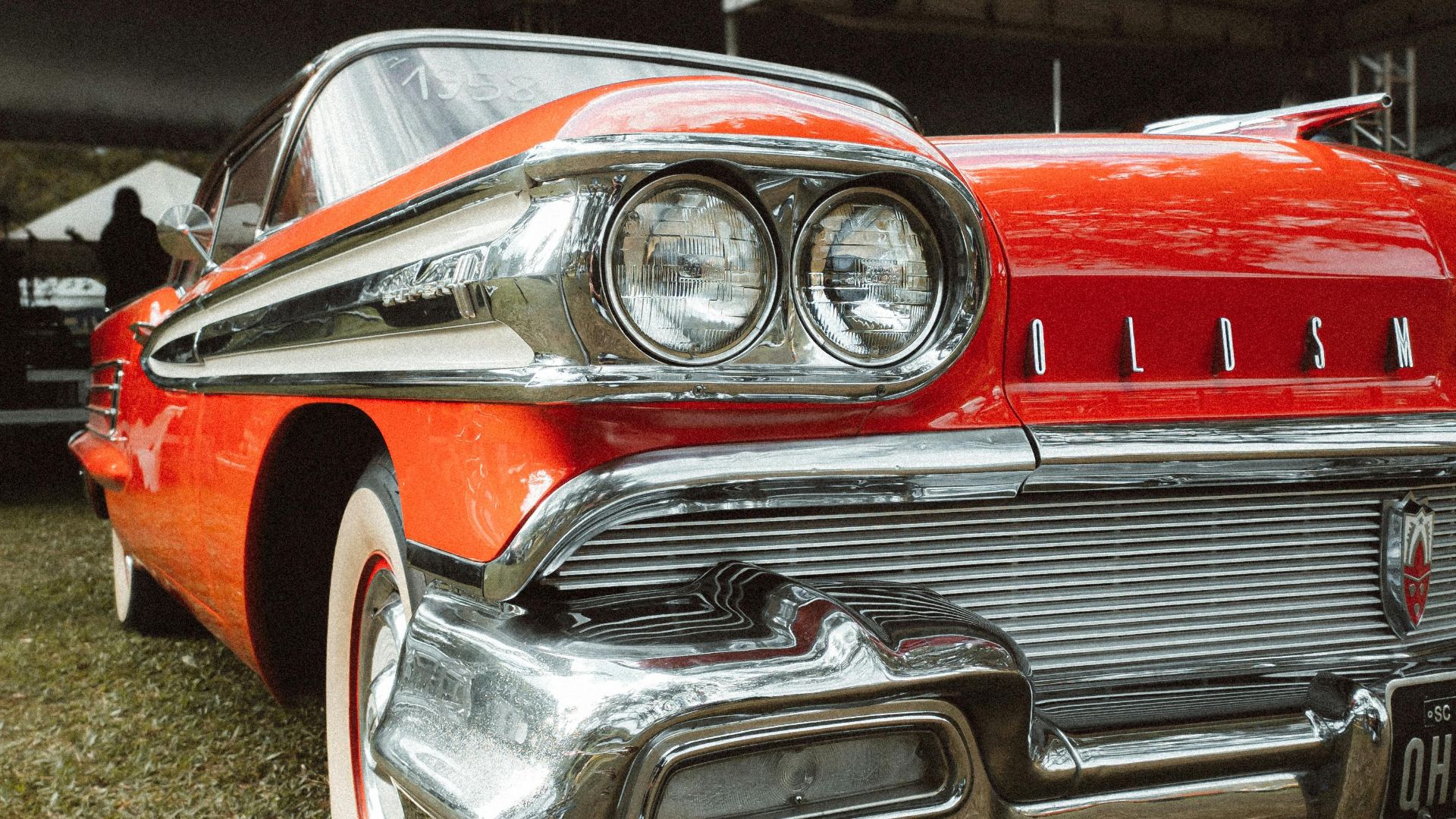
1. 1949 Oldsmobile 88
The 1949 Oldsmobile 88 deserves more credit for helping shape the American performance car. It put the Rocket V8 into a relatively light body and made Oldsmobile feel faster, younger, and less buttoned-up almost overnight. Long before the muscle car era had a name, the 88 had already made the basic argument.
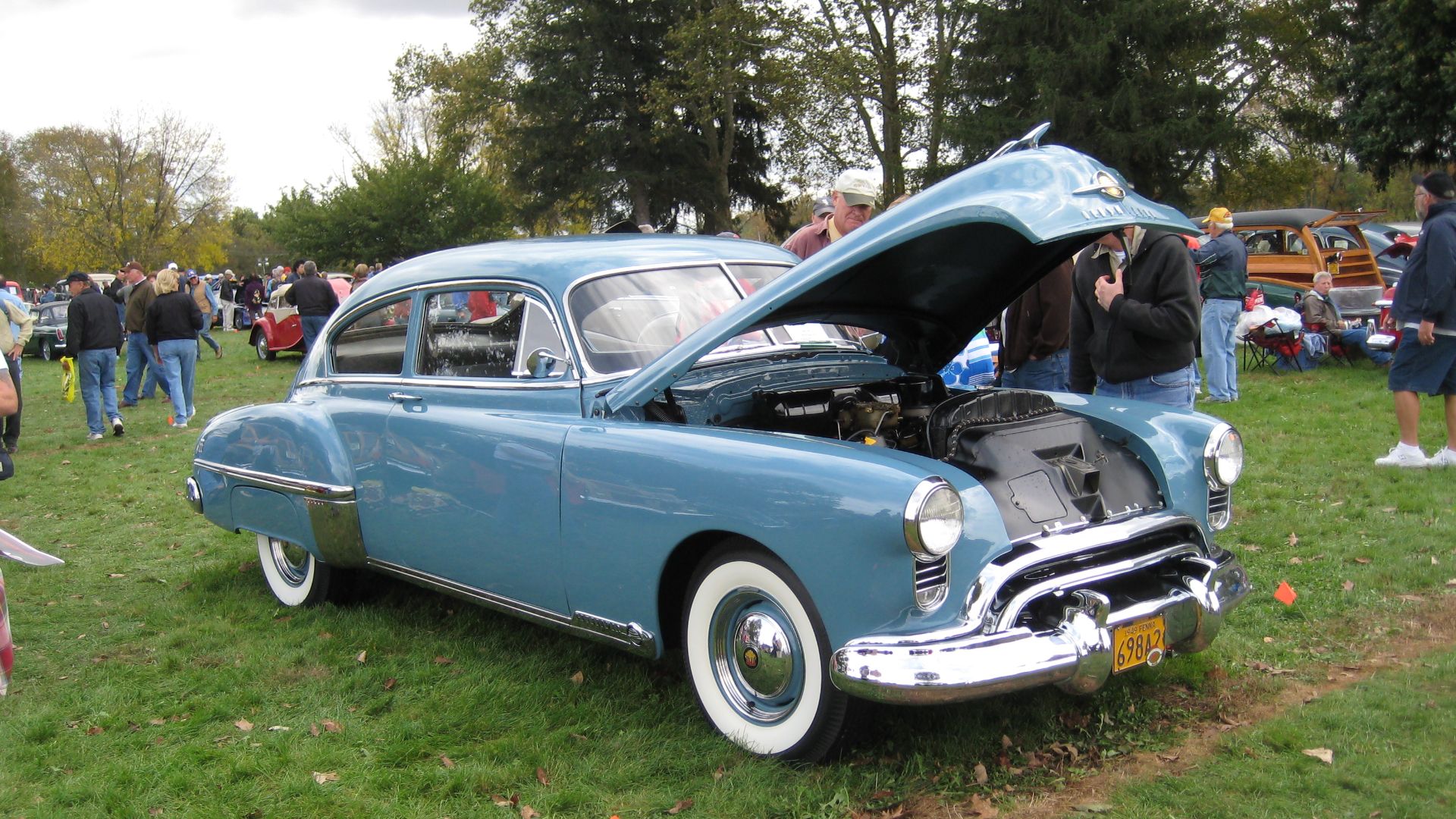 JOHN LLOYD from Concrete, Washington, United States on Wikimedia
2. 1962 Oldsmobile F-85 Jetfire
The Jetfire was one of those cars that arrived before the world knew what to do with it. A turbocharged small V8 in the early 1960s was ambitious, technical, and probably too fussy for the average owner. It deserved a longer runway, because the idea behind it would eventually become completely normal.
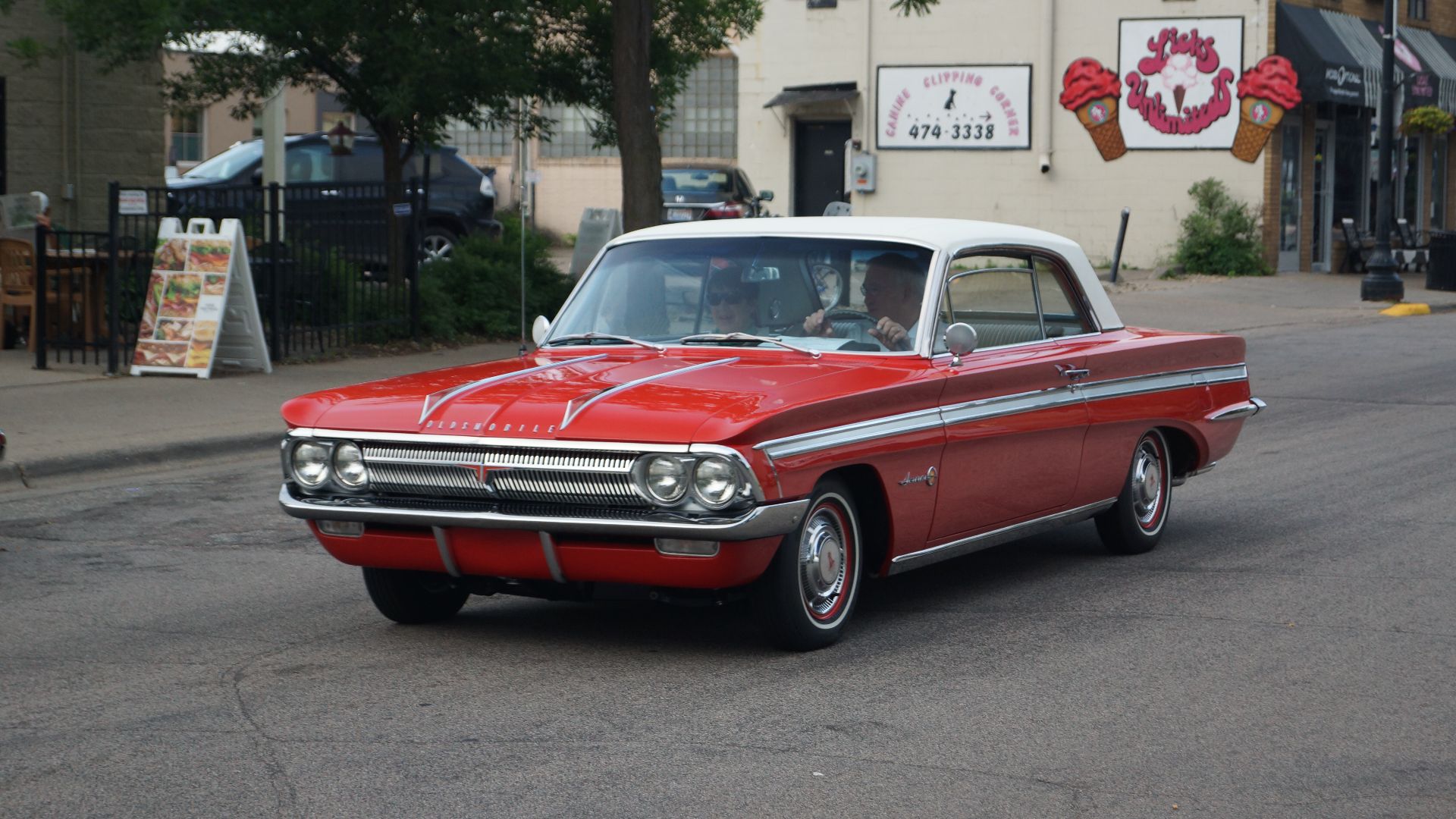 Greg Gjerdingen from Willmar, USA on Wikimedia
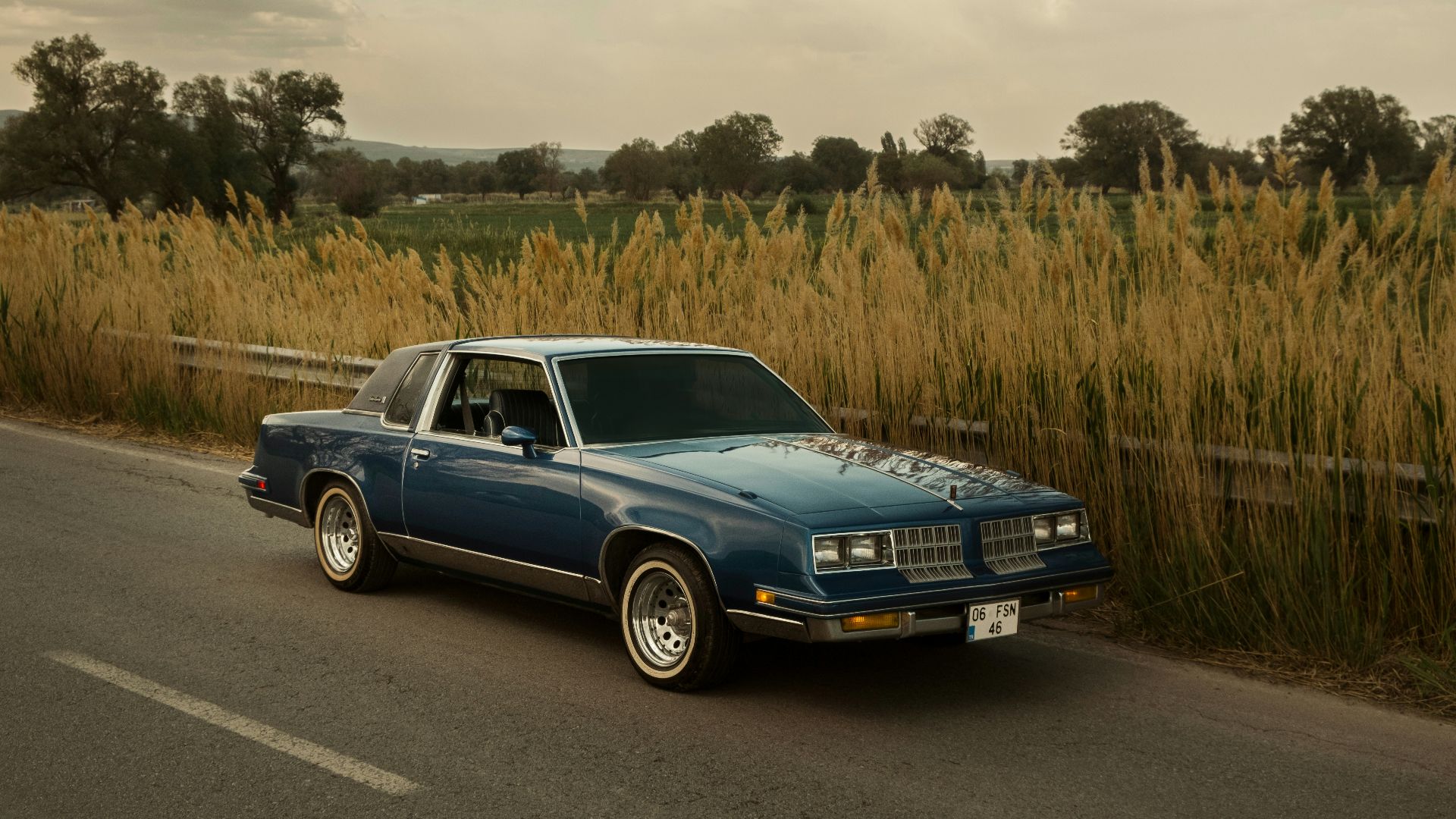
3. 1966 Oldsmobile Toronado
The first Toronado was not just another big coupe with a dramatic hood. It brought front-wheel drive to a powerful American personal-luxury car at a time when that sounded almost reckless. The shape still looks confident, and the engineering still feels like Oldsmobile swinging hard.
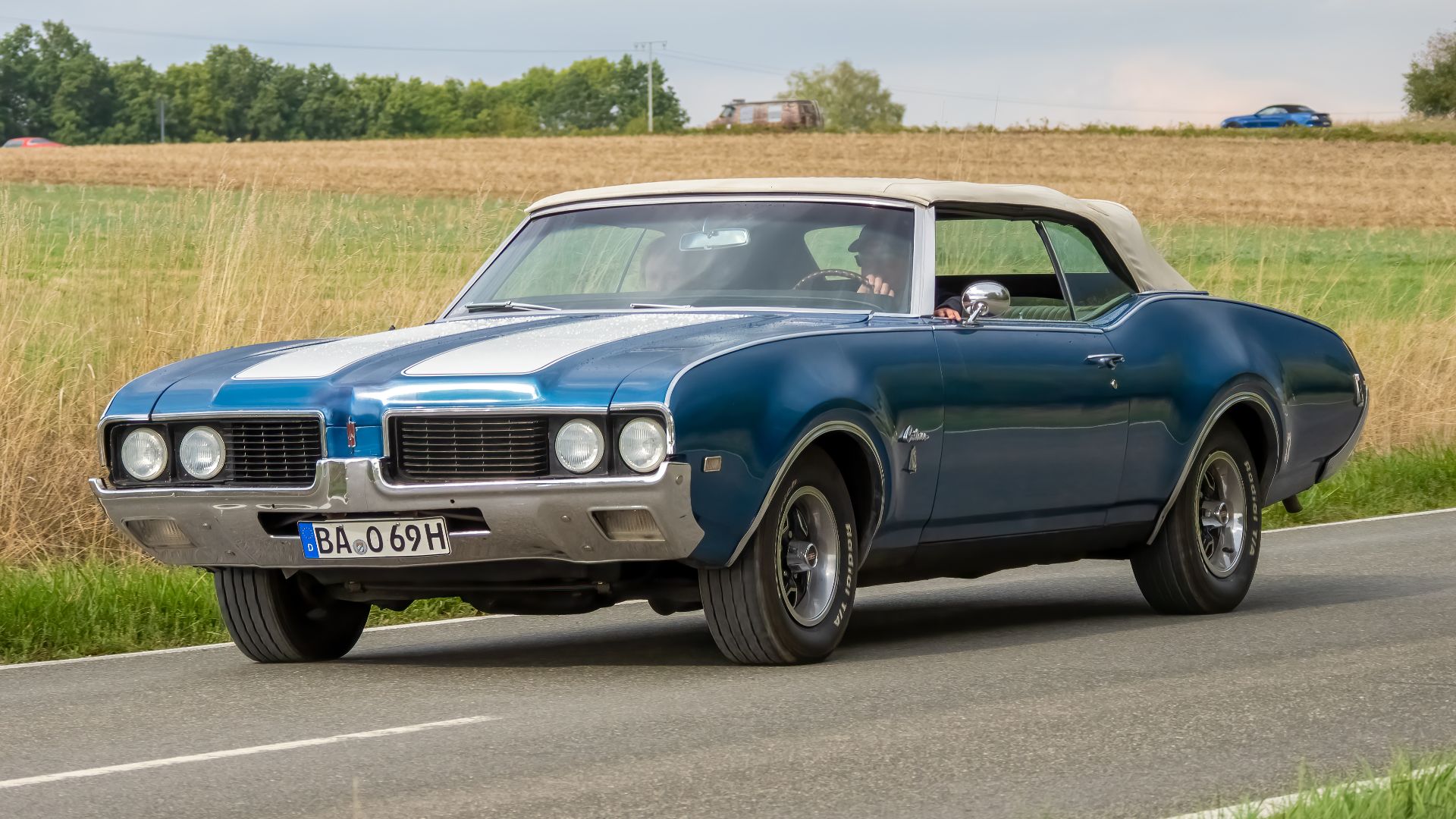
4. Oldsmobile 4-4-2
The 4-4-2 never had the easy mythmaking of some other muscle cars, which is part of why it deserved better. It was quick, mature, and less desperate for attention than many of its rivals. That restraint may have cost it some poster-wall fame, but it also made the best versions age beautifully.
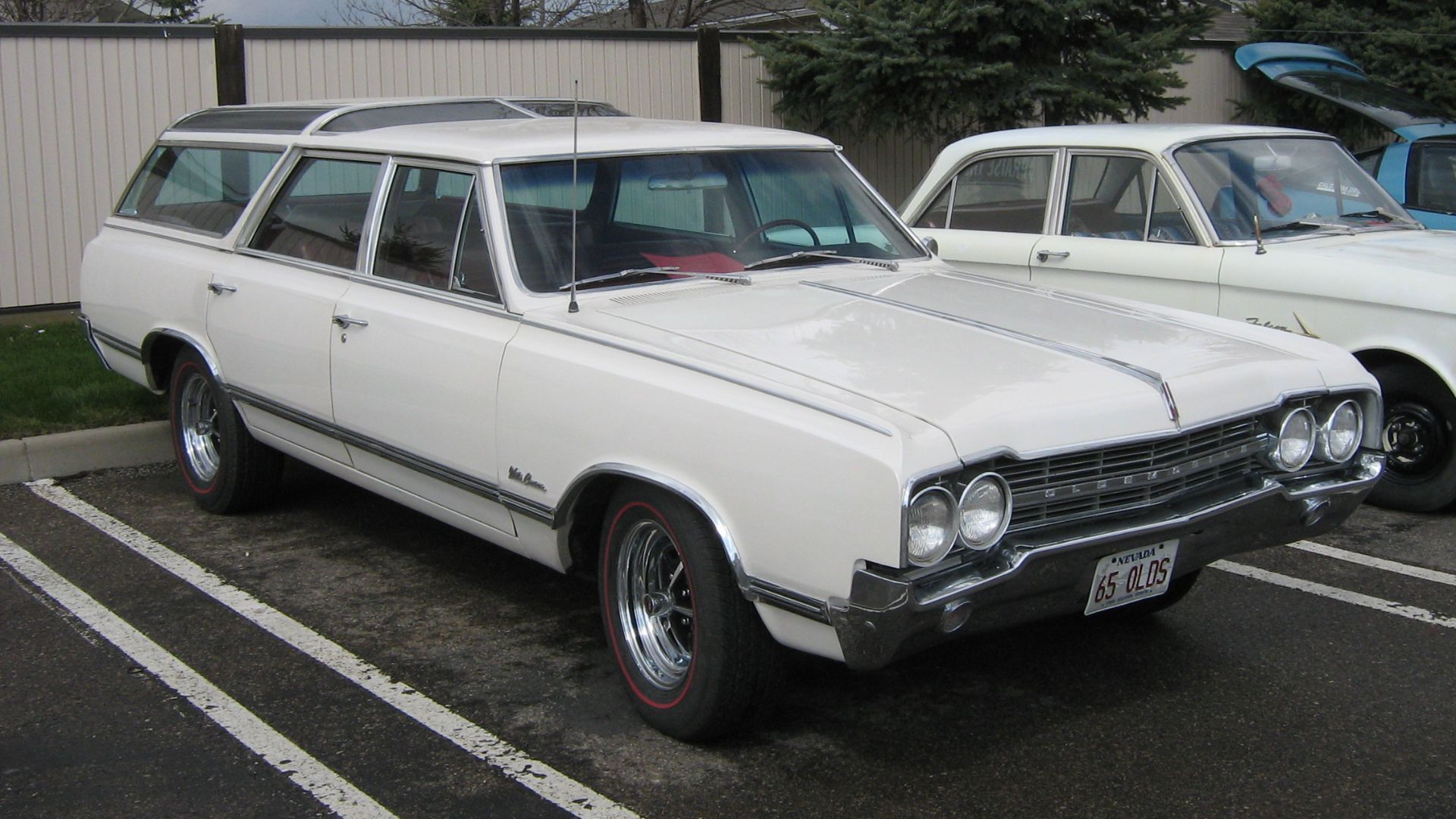
5. Oldsmobile Vista Cruiser
The Vista Cruiser turned the family wagon into something with a little theater. Those raised roof windows made the back seat feel like part of the trip instead of punishment for being small. It was practical, but not dull, which is a harder balance than people admit.
 dave_7 from Lethbridge, Canada on Wikimedia
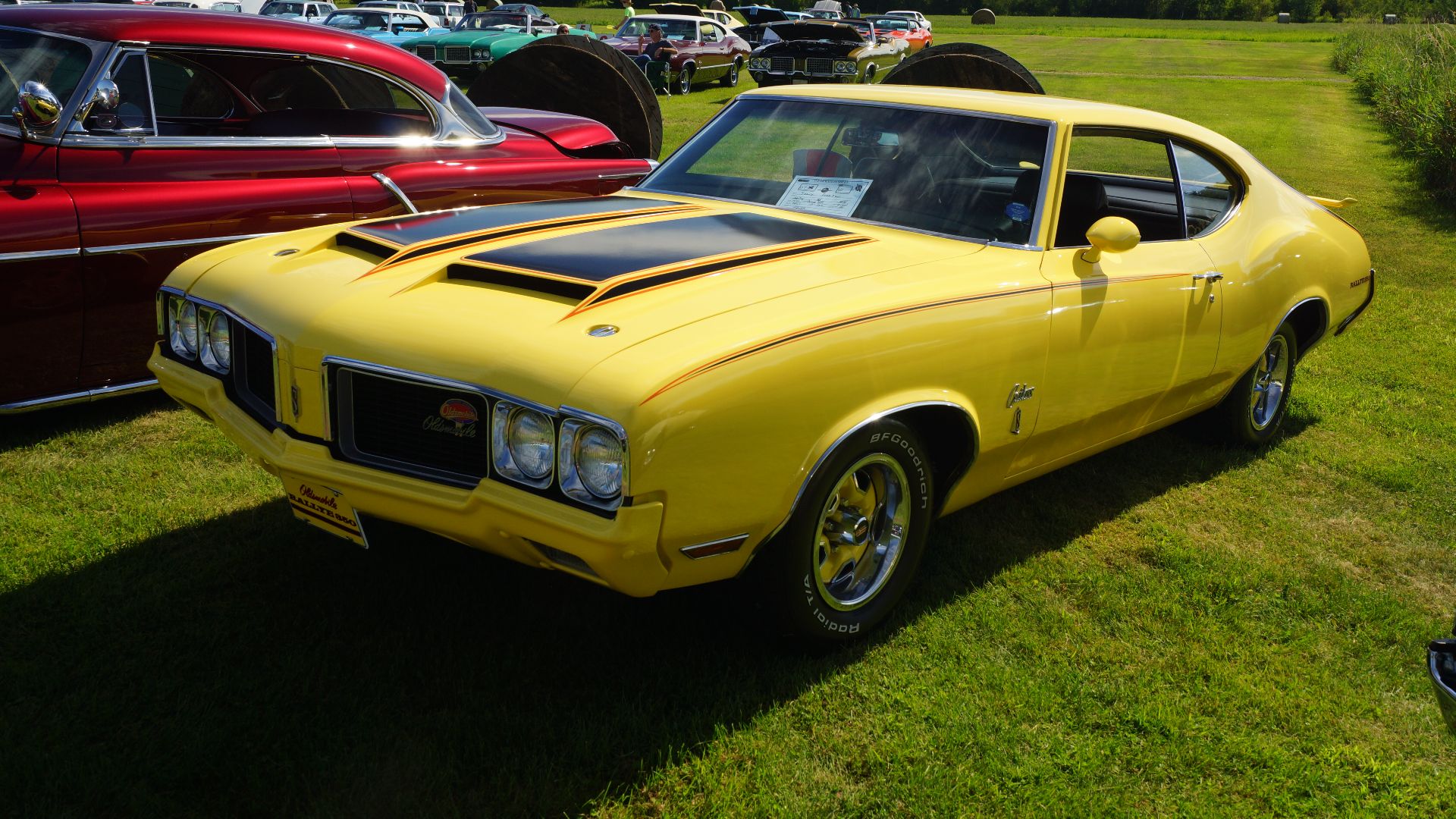
6. 1970 Oldsmobile Rallye 350
The Rallye 350 looked like somebody at Oldsmobile got tired of subtlety for one model year. The yellow paint, matching bumpers, and performance attitude gave it a strange charm that still feels underrated. It was not the biggest or baddest Olds, but it had personality in a brand that usually preferred polish.
 Greg Gjerdingen from Willmar, USA on Wikimedia
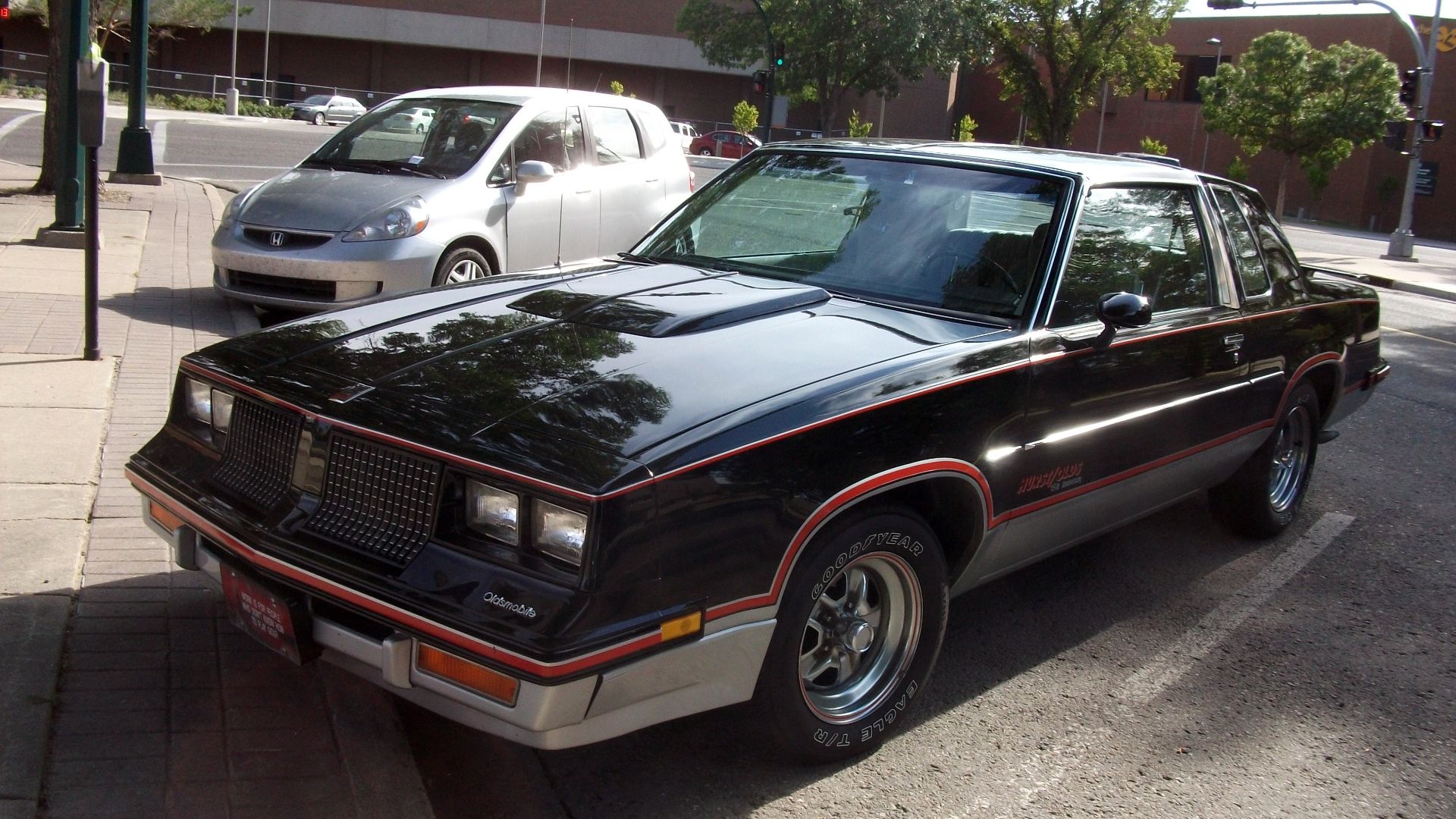
7. 1983 Hurst/Olds
By the early 1980s, old-school muscle was mostly living on memory and decals. The Hurst/Olds still managed to feel special, with rear-drive proportions and enough ceremony to remind buyers what the division used to be. It deserved better than being treated like a nostalgia act with a shifter.
 dave_7 from Lethbridge, Canada on Wikimedia
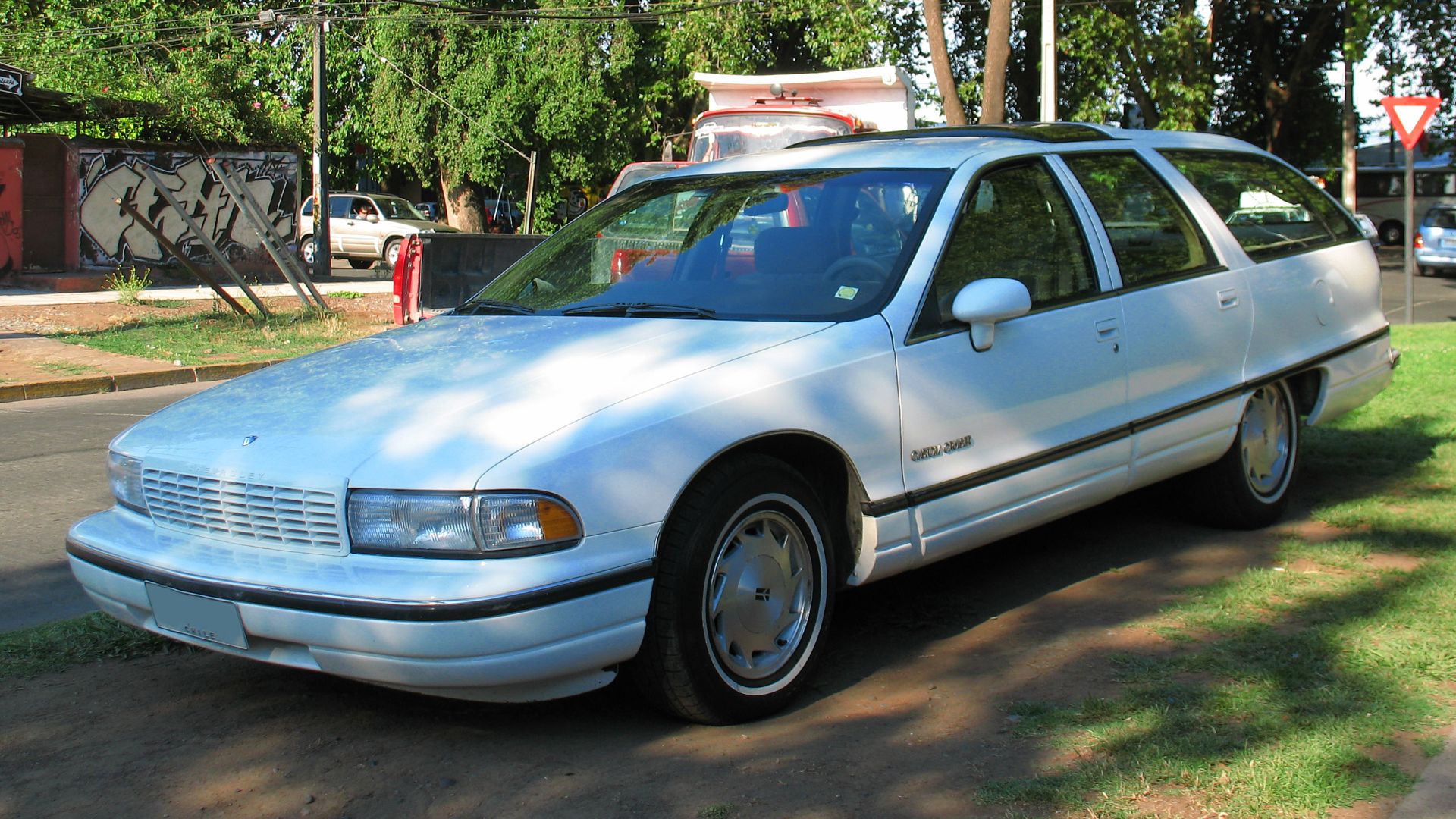
8. 1991 Oldsmobile Custom Cruiser
The last Custom Cruiser arrived just as America was drifting away from full-size wagons. It had room, presence, and a kind of unbothered usefulness that crossovers would later spend years trying to rediscover. The timing was terrible, but the car itself had an honest appeal.
 order_242 from Chile on Wikimedia
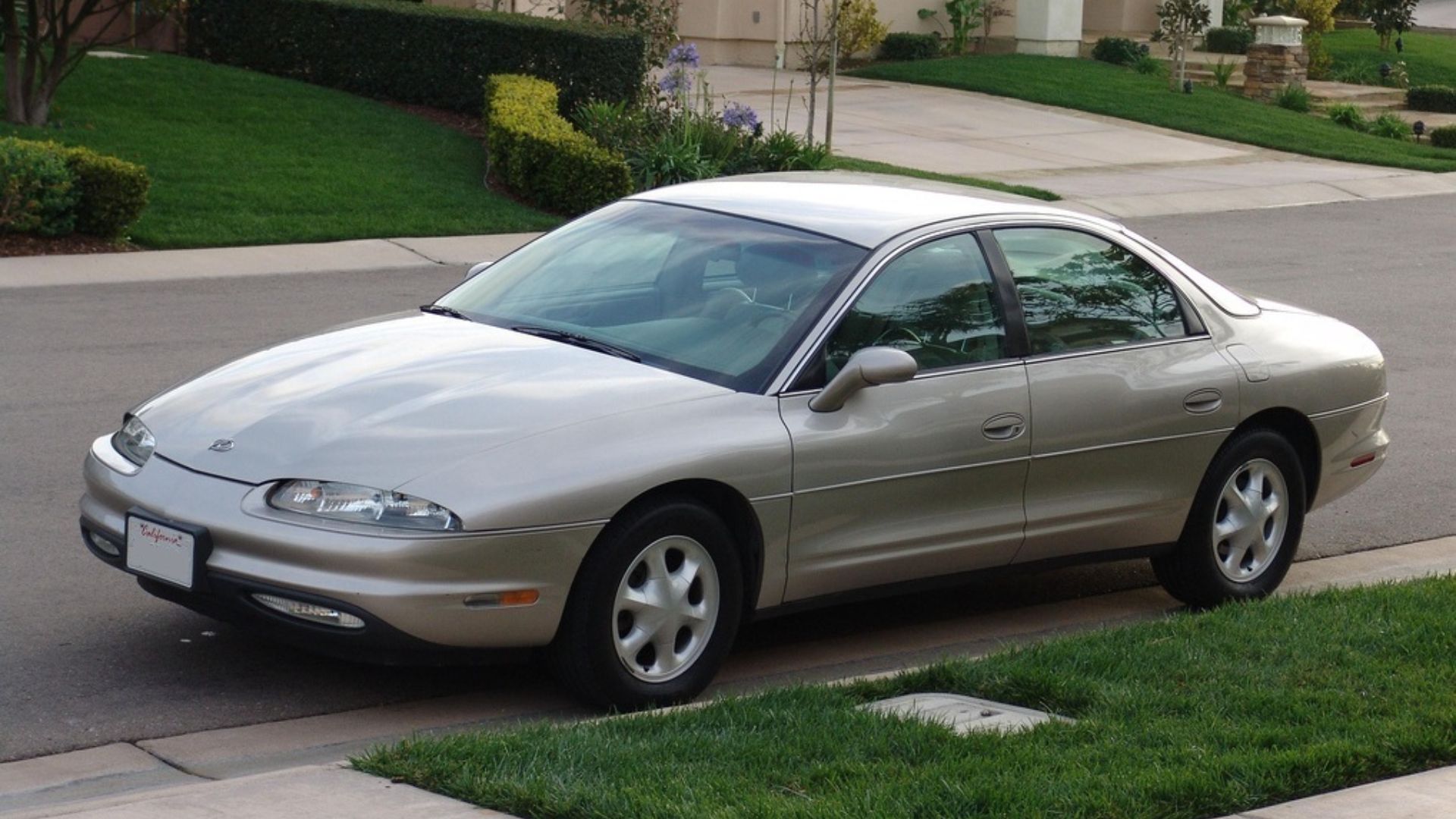
9. 1995 Oldsmobile Aurora
The Aurora was Oldsmobile trying to change the conversation. It looked cleaner and more modern than people expected, and it carried itself like a proper flagship instead of a badge-engineered apology. The problem was not the car so much as the weight of everything the badge had become.
 The Oldsmobile Edge on Wikimedia
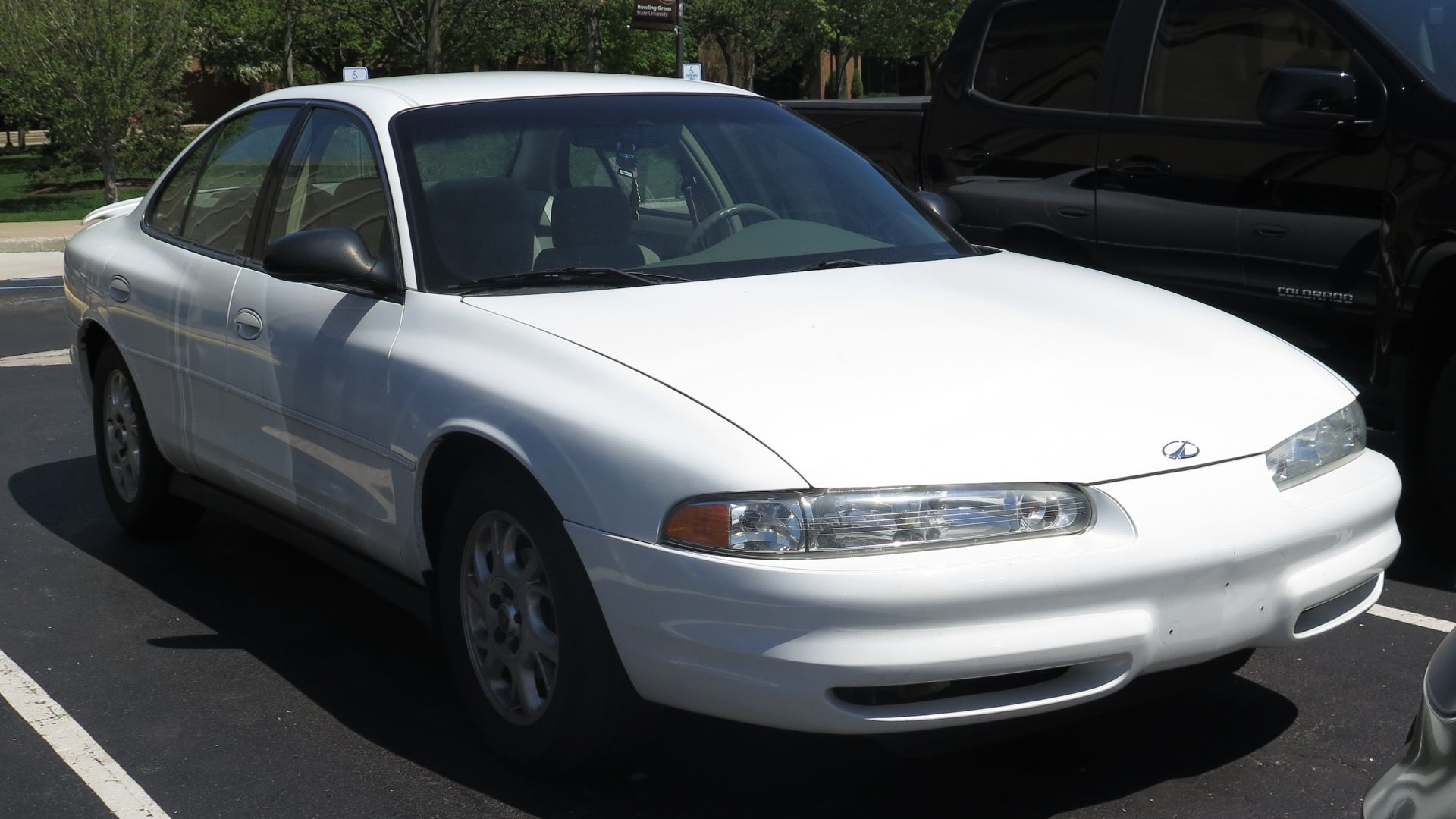
10. Oldsmobile Intrigue
The Intrigue was a better sedan than its reputation suggests. It had tidy styling, a more European mood than older Oldsmobiles, and a name that at least tried to move the brand somewhere new. It deserved a company with more time and a clearer plan.
Here are 10 that felt less like fresh chapters and more like the lights being turned off room by room.
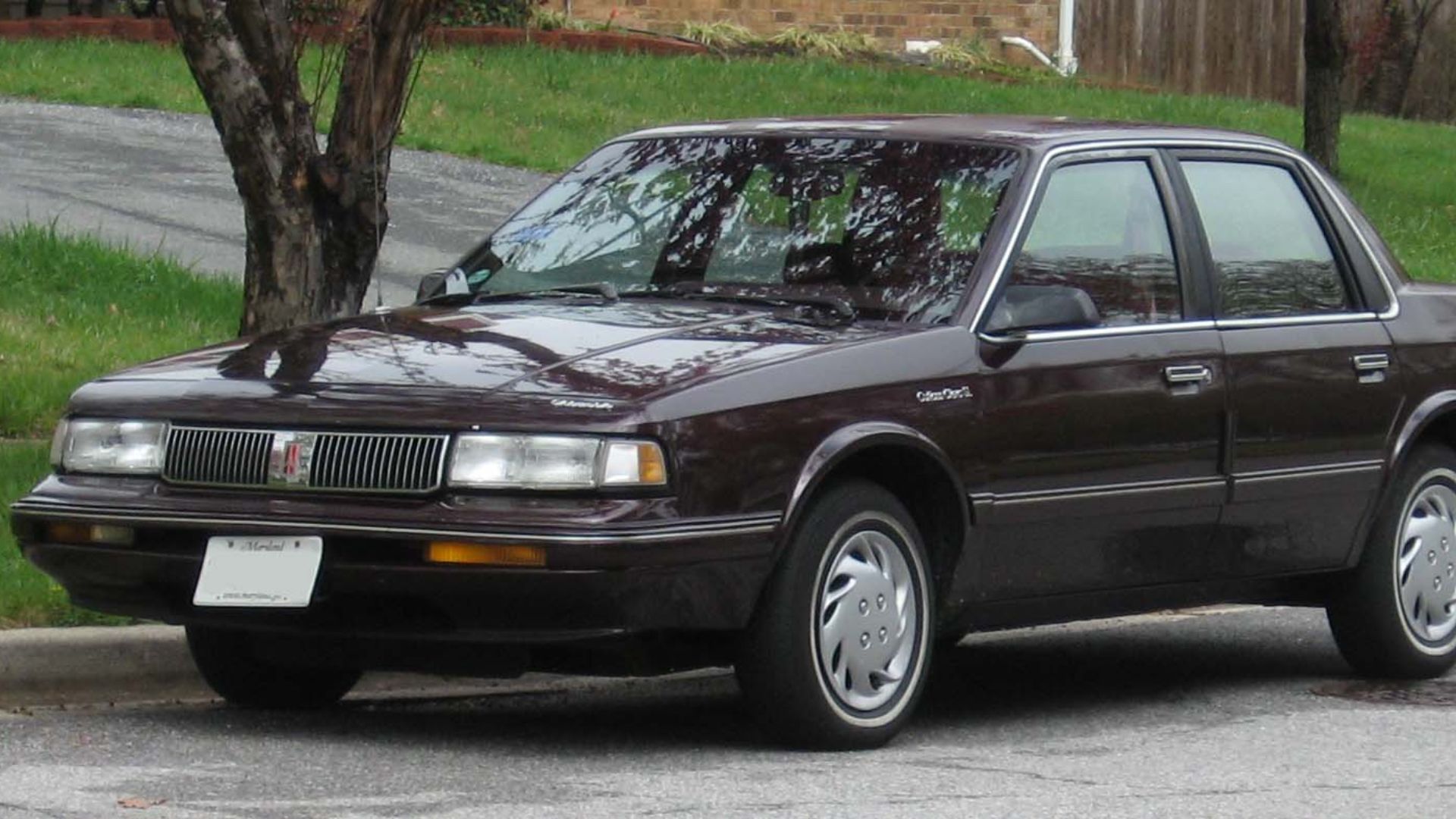
1. Oldsmobile Cutlass Ciera
The Cutlass Ciera was everywhere, which made it successful but also strangely anonymous. It did its job, but it helped turn Oldsmobile into something sensible, soft, and hard to get excited about. A brand built on Rocket V8s was now asking people to admire beige competence.
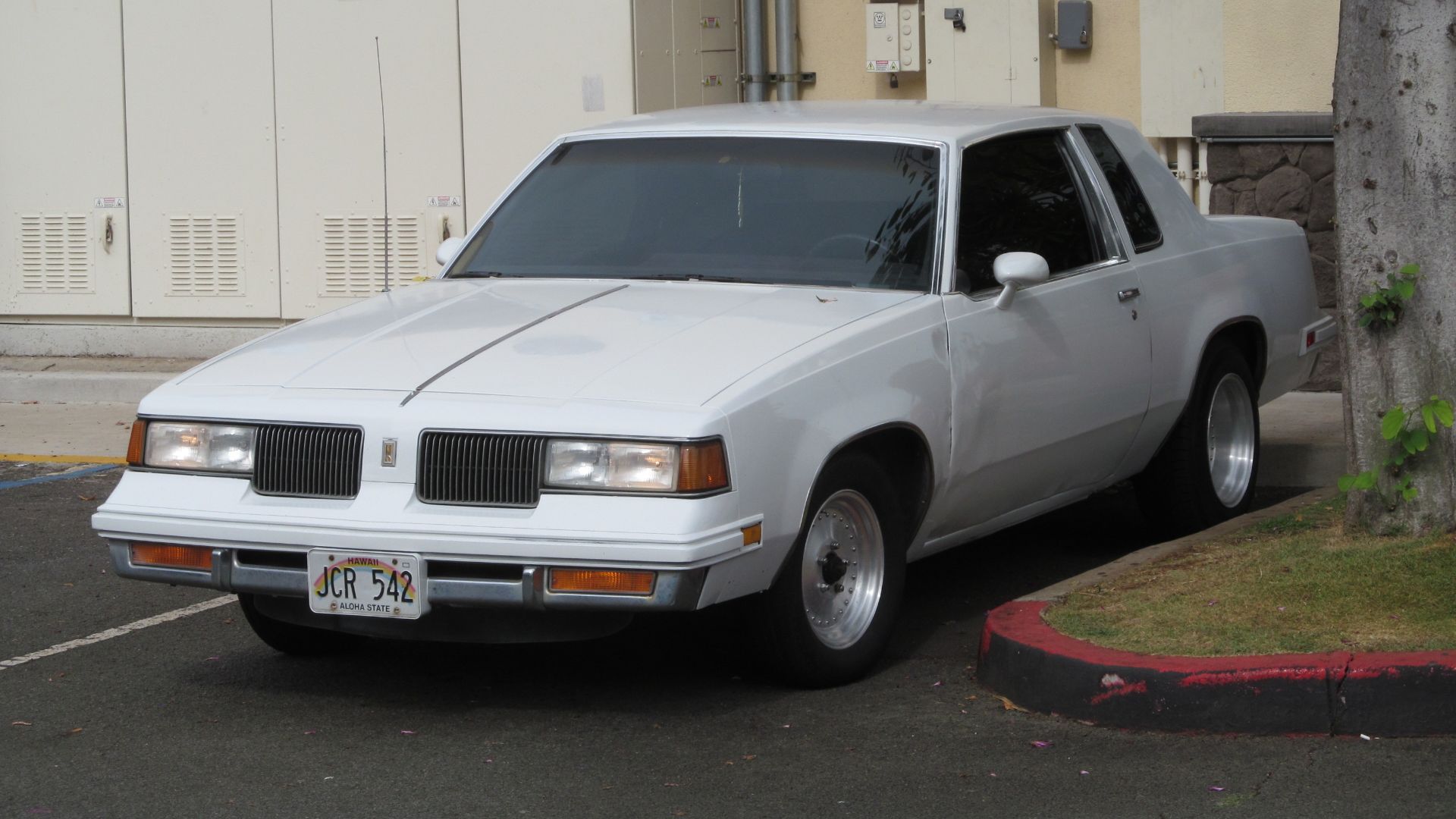
2. 1988 Oldsmobile Cutlass Supreme
The front-wheel-drive Cutlass Supreme was not a disaster, but it felt like a sign of the times. The old name carried decades of recognition, while the car underneath felt increasingly shared, packaged, and committee-shaped. It was modern on paper, yet somehow less memorable than what it replaced.
 Riley from Christchurch, New Zealand on Wikimedia
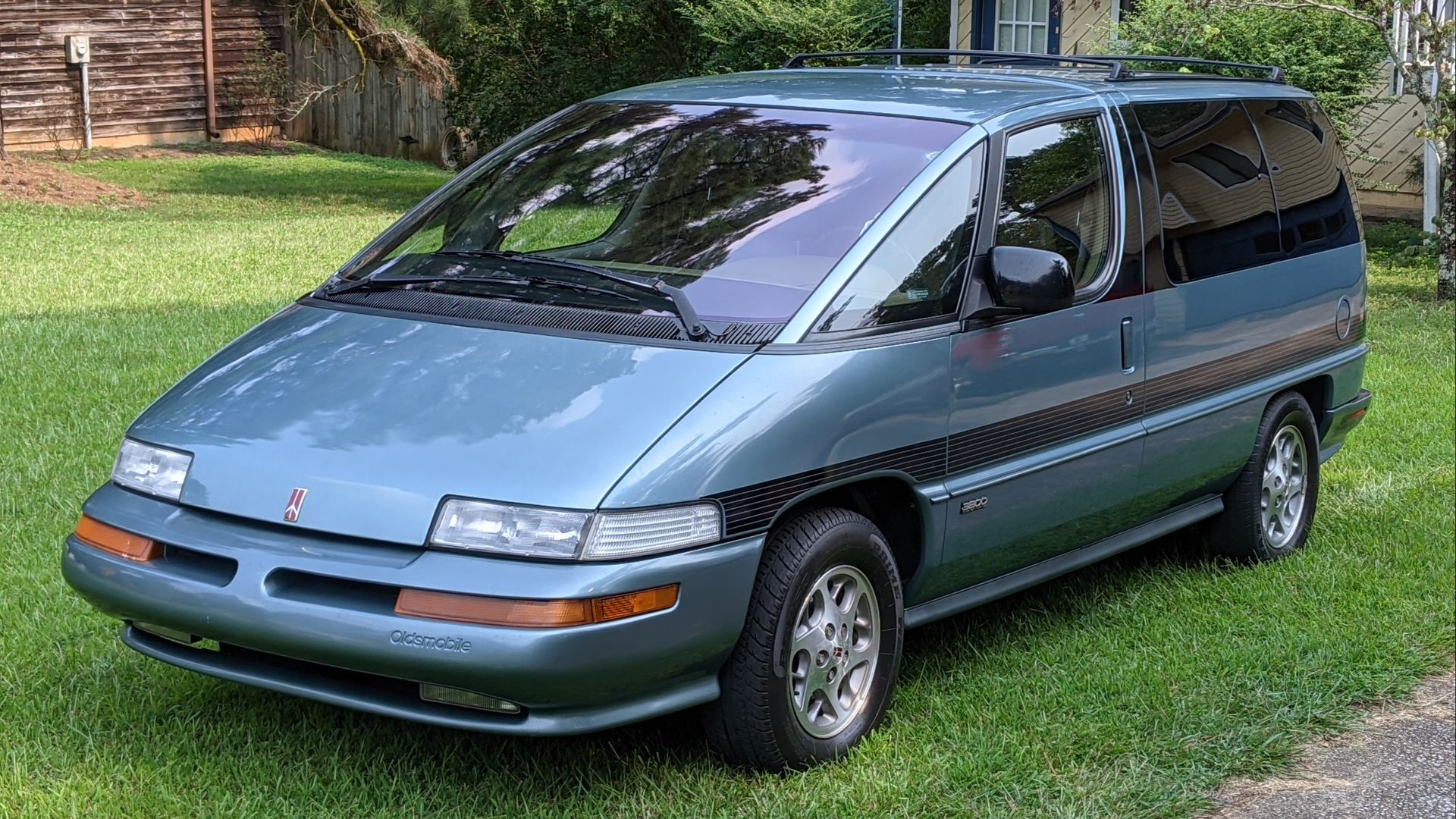
3. 1990 Oldsmobile Silhouette
The Silhouette tried to make the minivan futuristic and upscale. Unfortunately, its long windshield and unusual proportions made it famous for all the wrong reasons. It was bold, but not in the way a struggling brand needed bold to be.
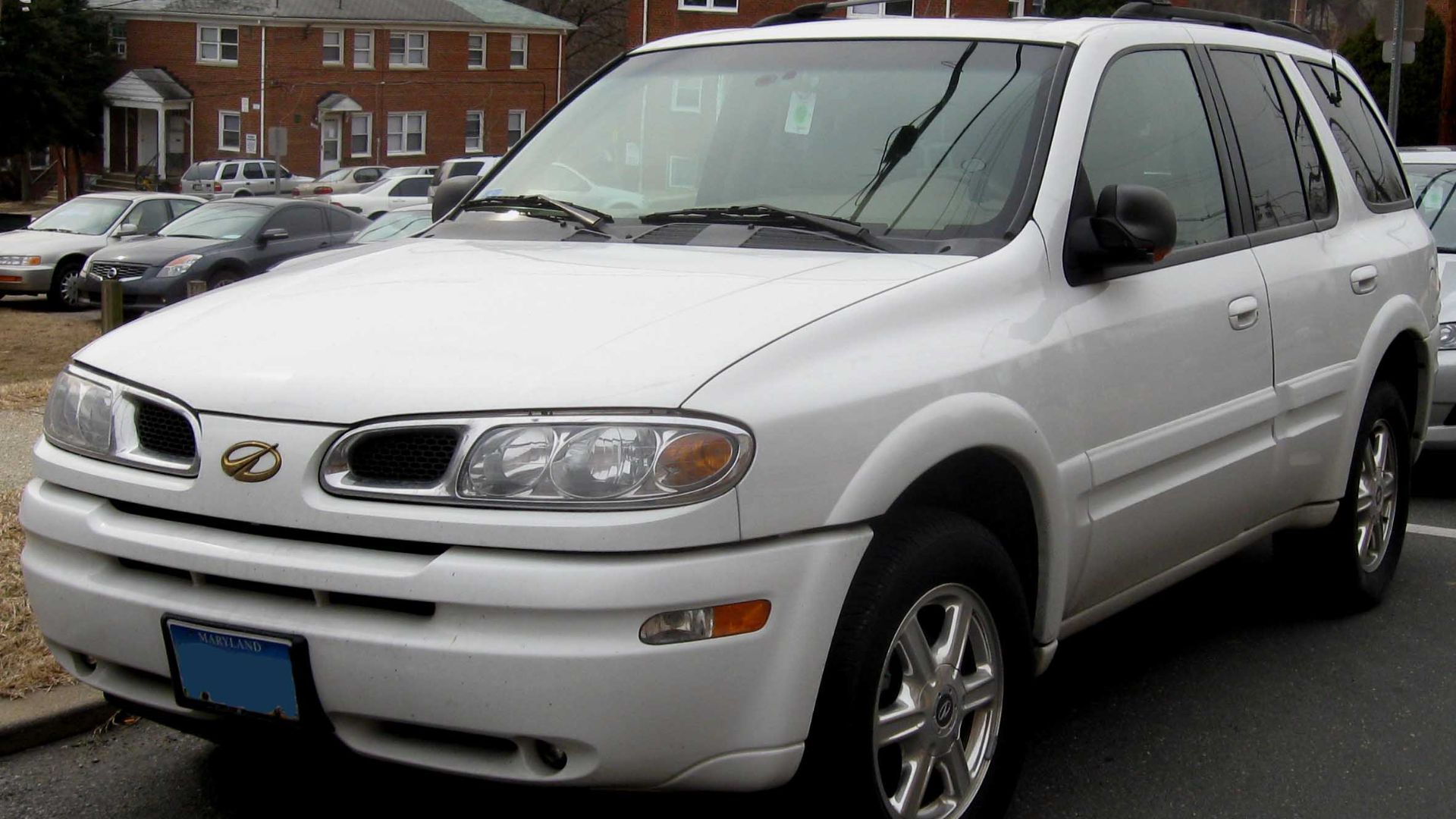
4. 1991 Oldsmobile Bravada
The Bravada was a smart idea caught in an awkward identity crisis. A nicer SUV should have been exactly where the market was heading, but Oldsmobile never quite made it feel essential. It hinted at the future while reminding everyone that the brand was not sure where it belonged.
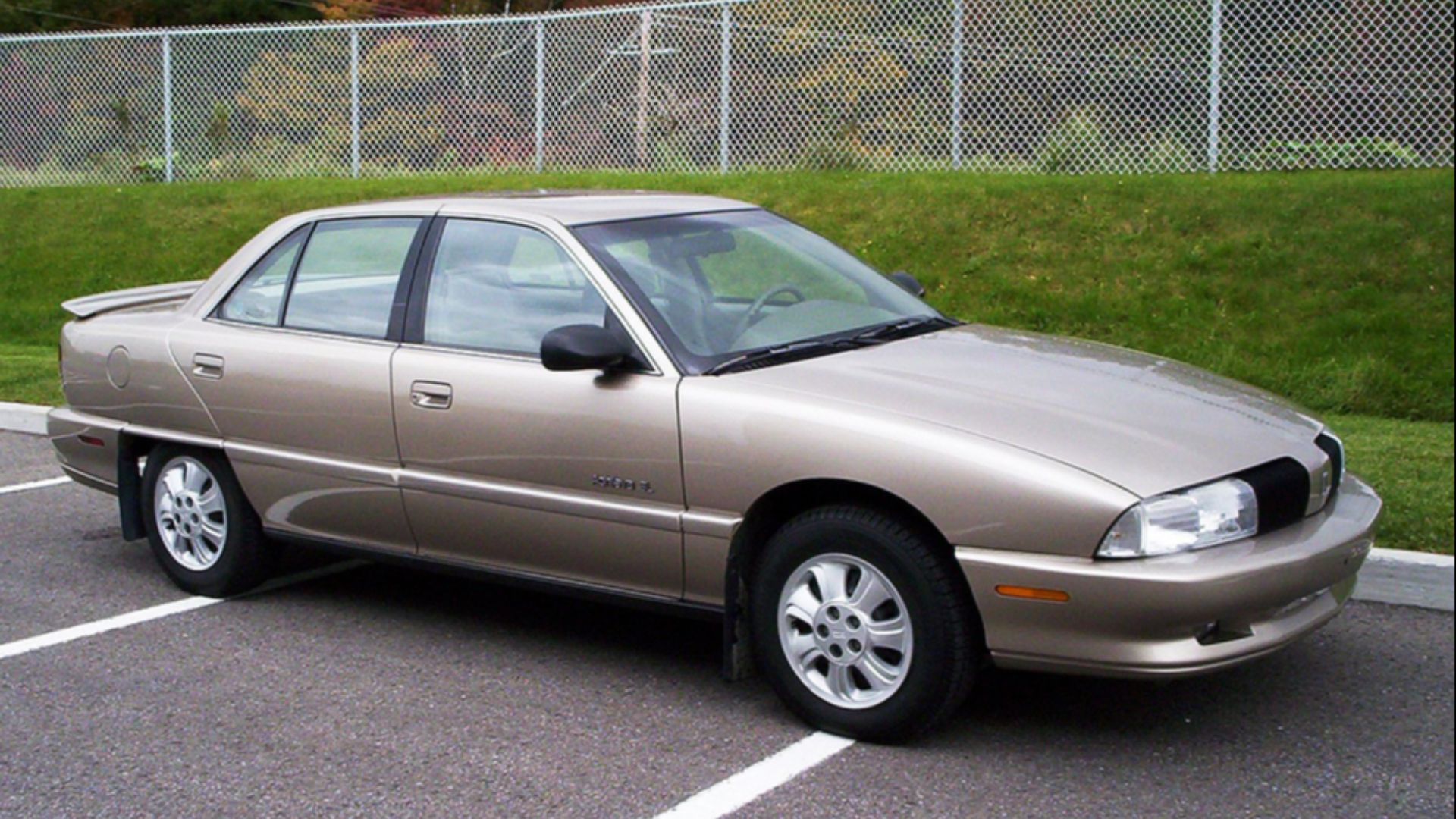
5. Oldsmobile Achieva
The Achieva had one of those names that sounded invented in a conference room nobody wanted to be in. As a compact car, it was not hopeless, but it carried very little of what people once liked about Oldsmobile. It felt less like reinvention and more like a brand trying to sound younger by force.
 The Oldsmobile Edge on Wikimedia
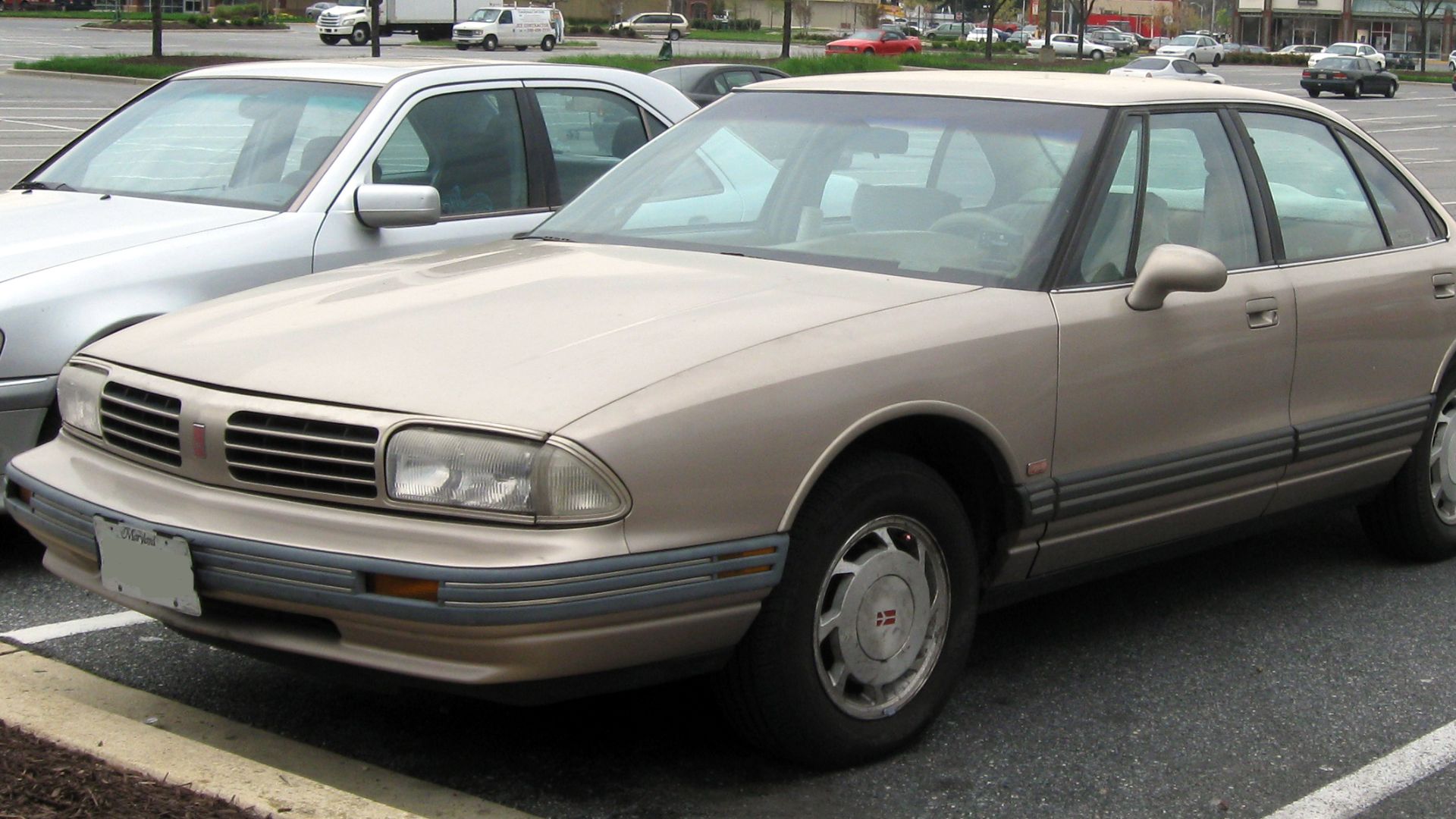
6. 1994 Oldsmobile Eighty Eight
The Eighty Eight name had history behind it, but by the 1990s it no longer carried much spark. The car was comfortable and familiar, which was useful, but also part of the problem. It seemed built for loyal buyers who already knew where the dealership coffee was.
7. 1997 Oldsmobile Cutlass
The late Cutlass felt like a placeholder wearing a famous name. It was based closely on the Chevrolet Malibu, and buyers could sense that kind of thing even when they did not know the platform codes. Oldsmobile needed identity, not another sedan that felt borrowed.
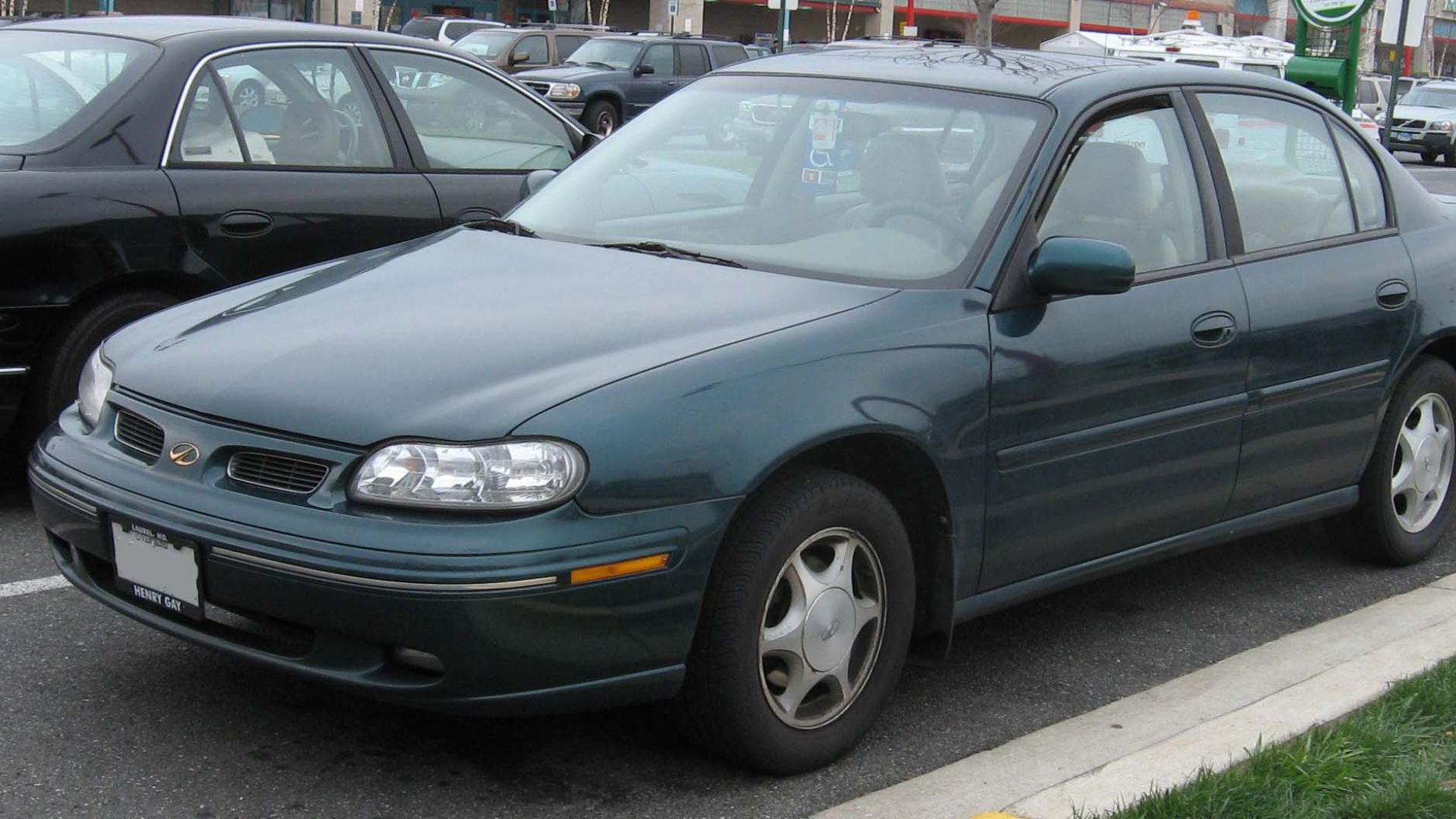
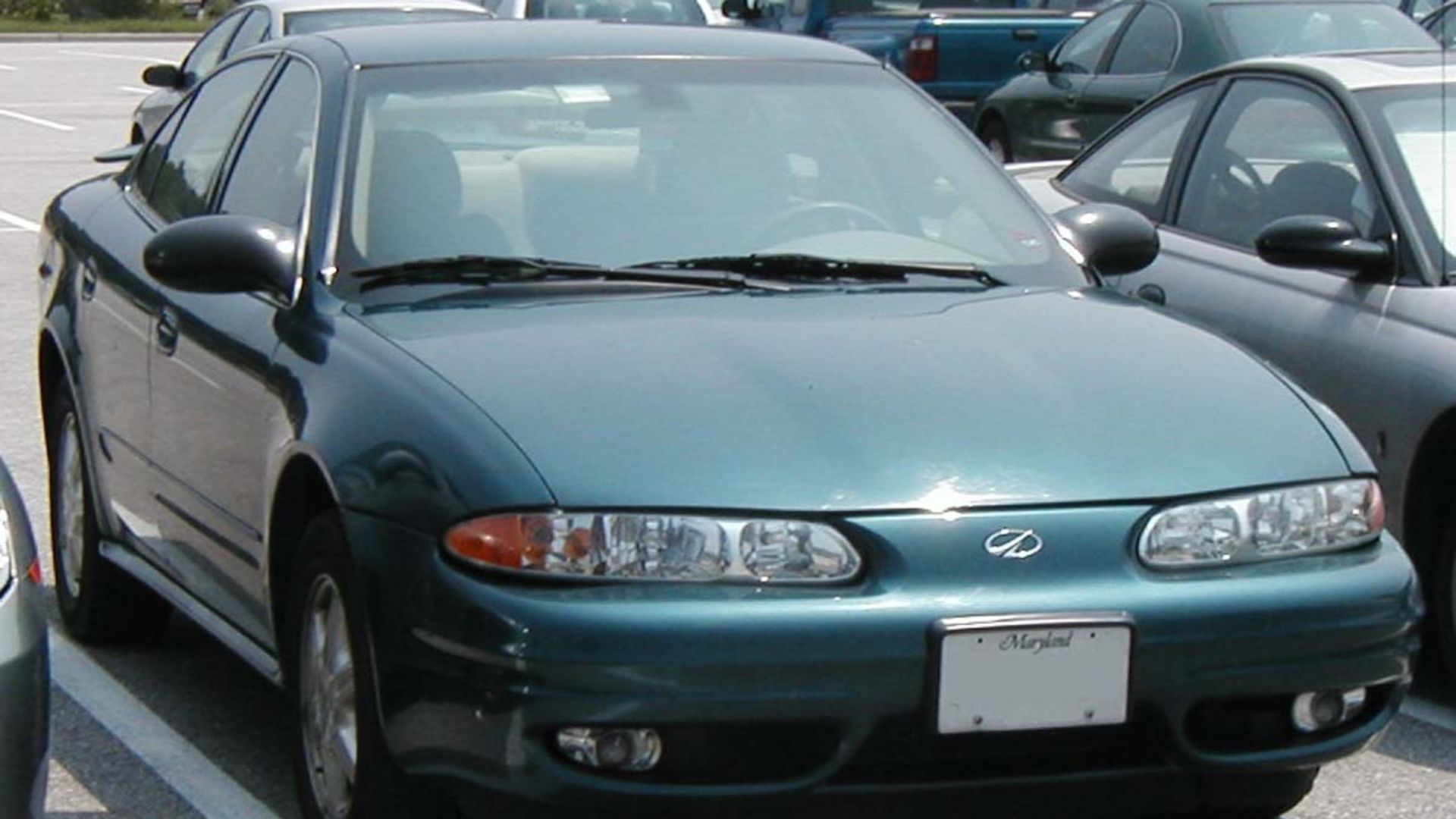
8. Oldsmobile Alero
The Alero was supposed to bring in younger buyers, but it arrived with the awkward pressure of a brand trying to save itself. It was not terrible, and plenty of people drove them without complaint. Still, it felt like a decent compact wearing the burden of a century-old company.
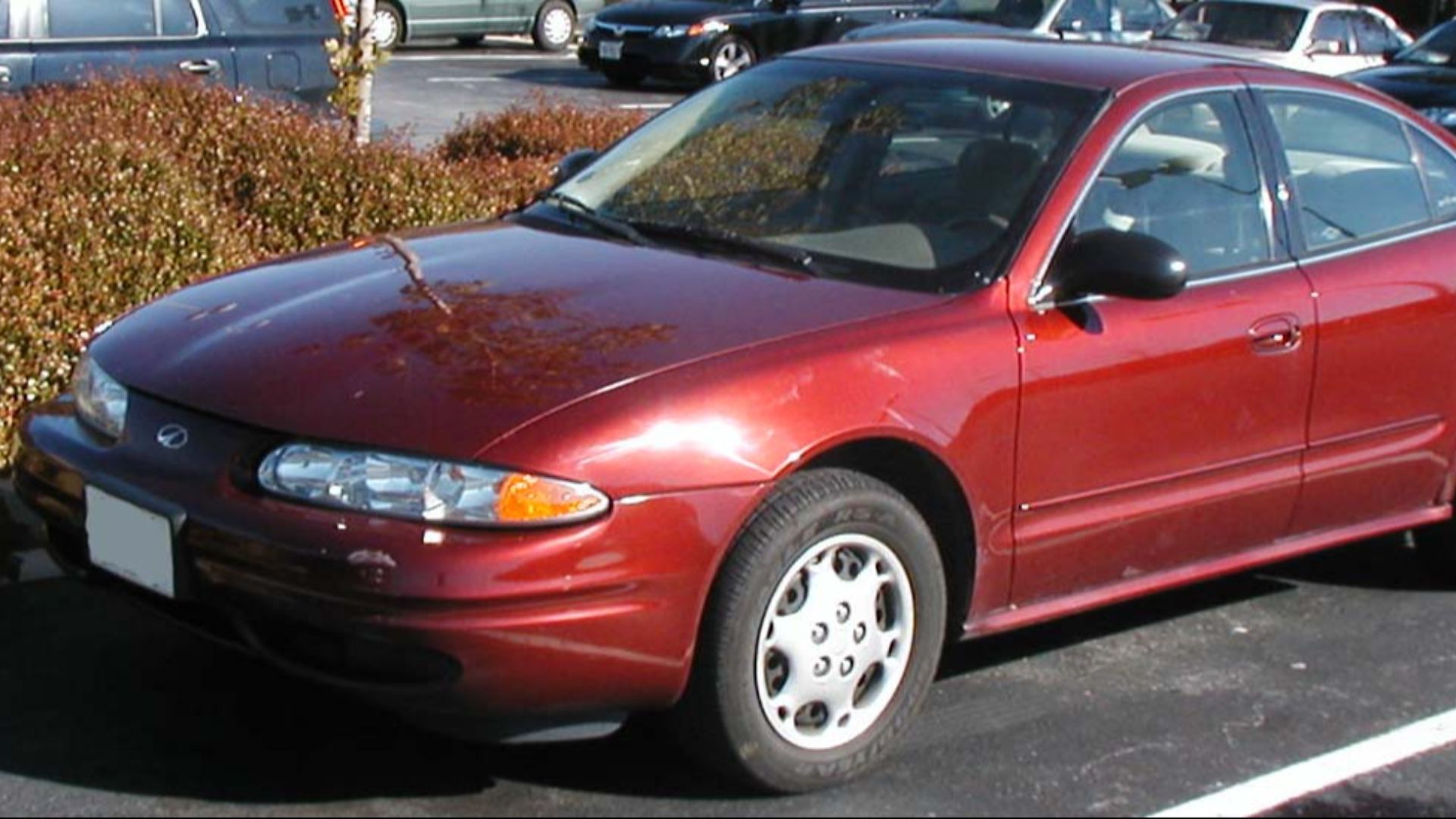 commons.wikimedia.org on Google
9. 2001 Oldsmobile Aurora
The second Aurora was handsome enough, but it arrived under a dark cloud. By then, Oldsmobile’s phaseout had already been announced, so even a good car felt like a farewell speech. It is hard to launch a future when everyone knows the calendar has already been marked.
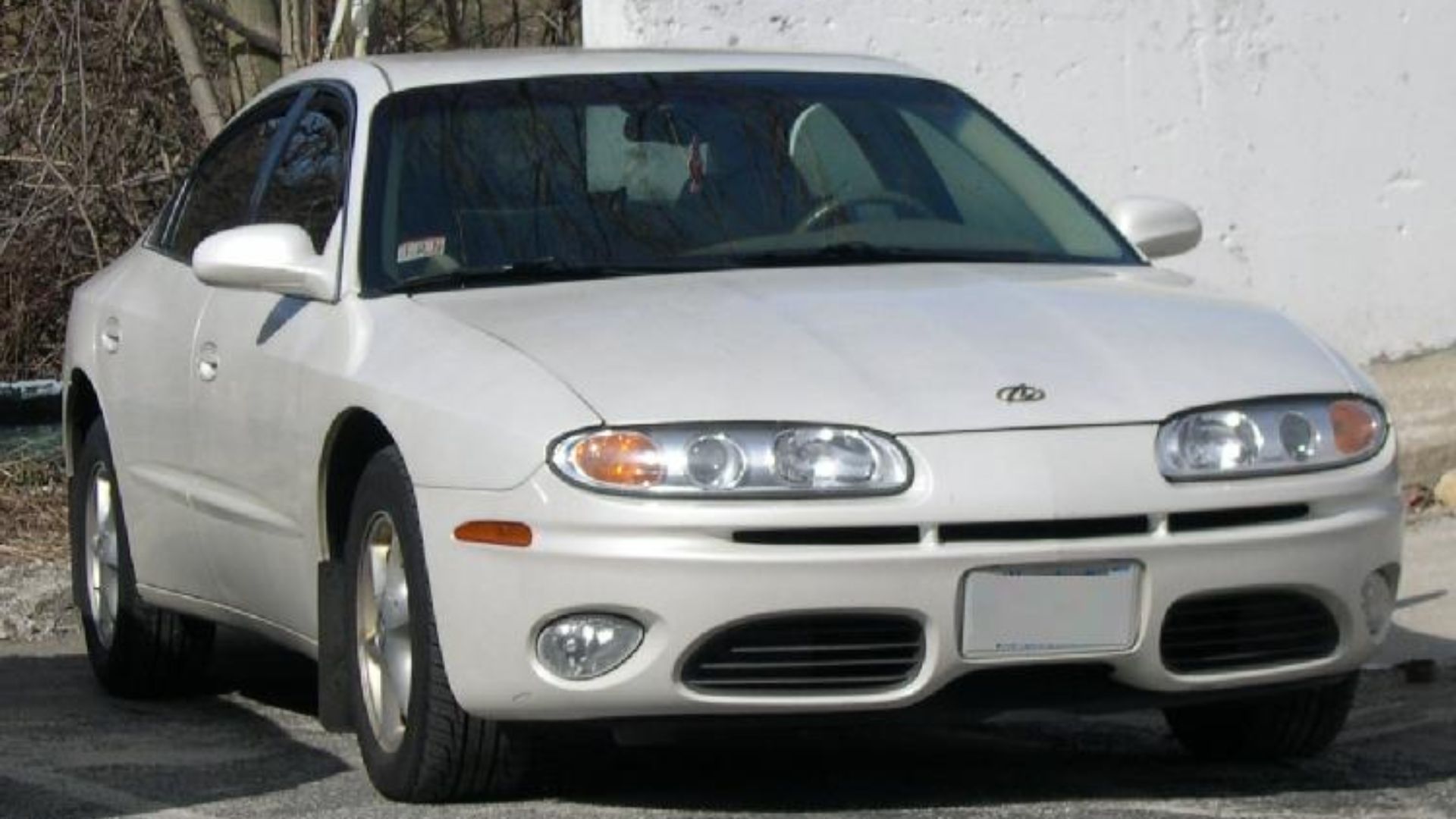 Sfoskett~commonswiki on Wikimedia
10. 2004 Oldsmobile Alero Final 500
The Final 500 Alero was less a car than a closing paragraph. The bronze paint and commemorative details gave it dignity, but they also made the sadness harder to miss. After all those Rockets, wagons, coupes, sedans, and experiments, Oldsmobile went out quietly in a compact car that never asked to carry that much history.