Small Habits Make a Big Difference Under the Hood
Modern engines are built to last longer than ever, but longevity still depends heavily on how they're maintained. While some habits help reduce wear and keep components operating efficiently for years, others quietly shorten an engine's lifespan by increasing stress, contamination, or heat. The difference between an engine that reaches 300,000 miles and one that struggles at half that distance often comes down to the decisions made during routine ownership. Here are 10 strategies for maintaining your car's longevity and 10 bad habits that shorten its lifespan.
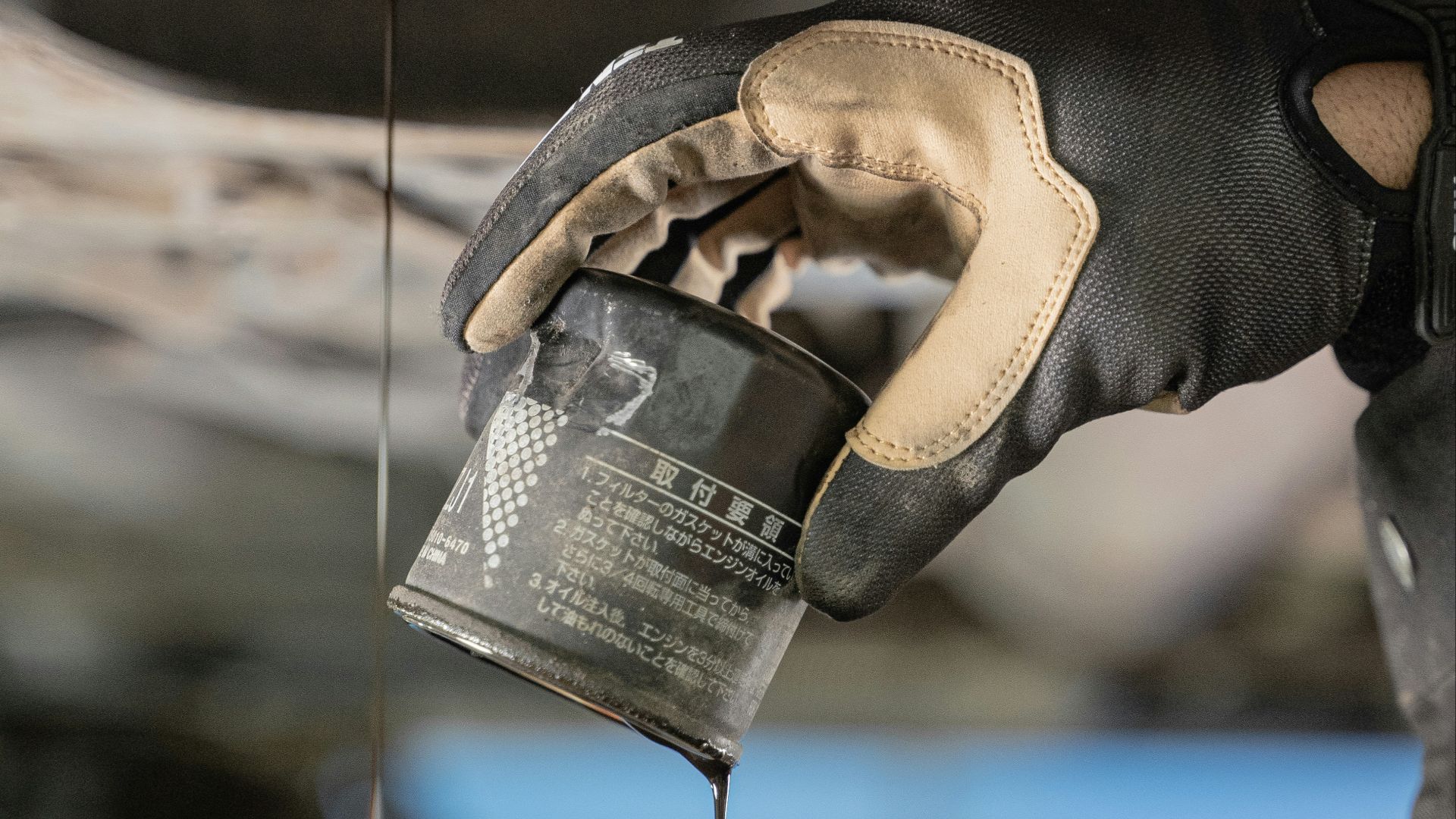
1. Following Oil Change Intervals
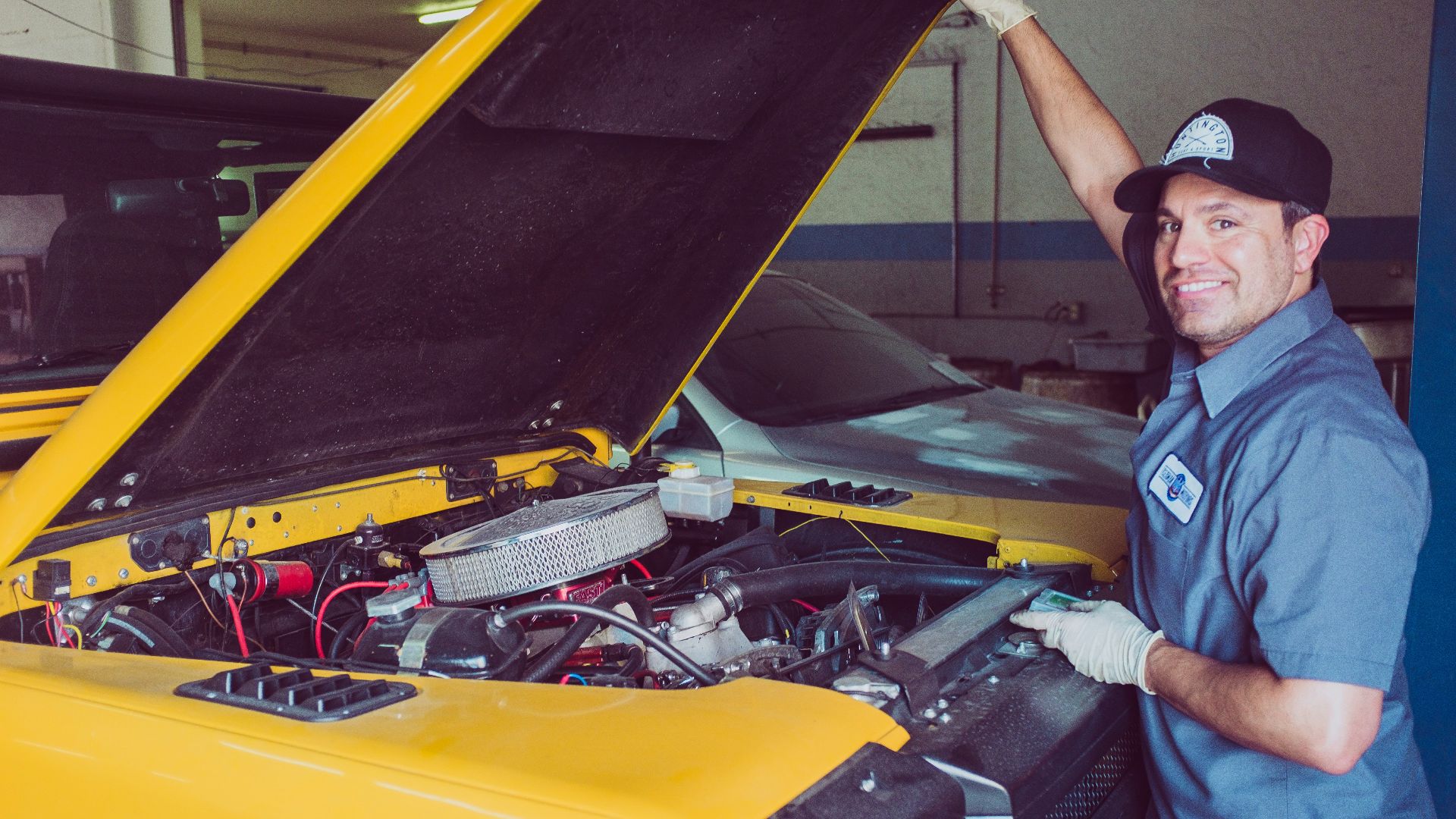
Engine oil lubricates moving parts, helps manage heat, and carries away contaminants. Replacing it according to the manufacturer's recommendations helps prevent excessive wear.

2. Checking Fluid Levels Regularly
Engine oil, coolant, brake fluid, and transmission fluid all play critical roles in vehicle operation. Catching low fluid levels early can prevent expensive damage. A quick inspection every few weeks can reveal problems before they become serious.

3. Replacing Air Filters When Needed
A clean air filter helps ensure proper airflow into the engine. Restricted airflow can reduce efficiency and place unnecessary strain on engine components. Fortunately, replacing an air filter is usually inexpensive and straightforward.

4. Allowing the Engine to Reach Operating Temperature
Driving gently during the first few minutes of operation allows fluids to circulate properly. Engine components are designed to perform best at normal operating temperatures.

5. Maintaining the Cooling System
The cooling system prevents engines from reaching damaging temperatures. Regular coolant changes and inspections help keep the system functioning properly. Preventing overheating is one of the best ways to protect long-term engine health.
6. Using the Correct Grade of Oil
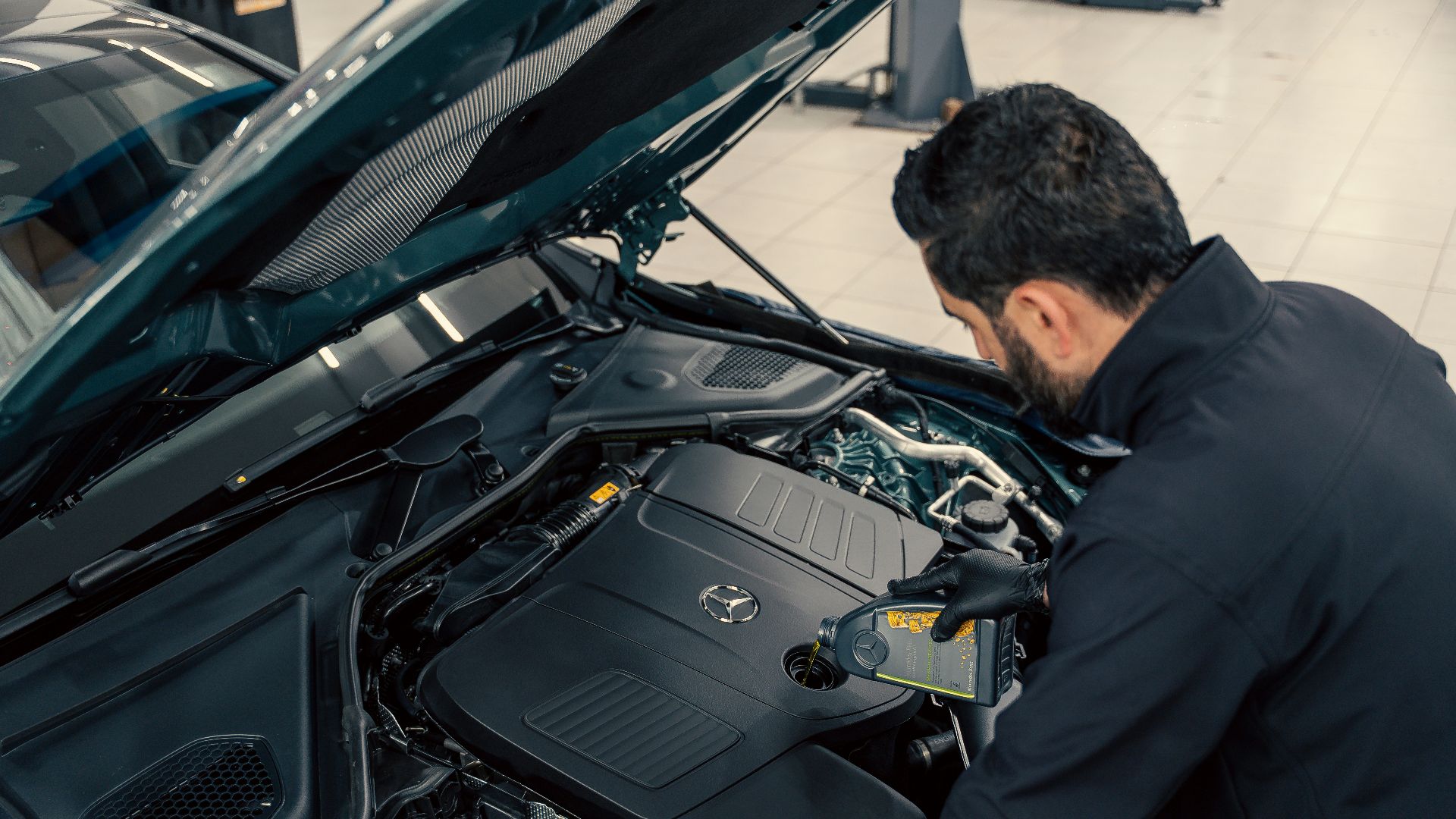
Manufacturers specify oil grades for a reason. Using the recommended viscosity helps ensure proper lubrication under a variety of conditions. The wrong oil may not provide optimal protection during cold starts or high-temperature operation.
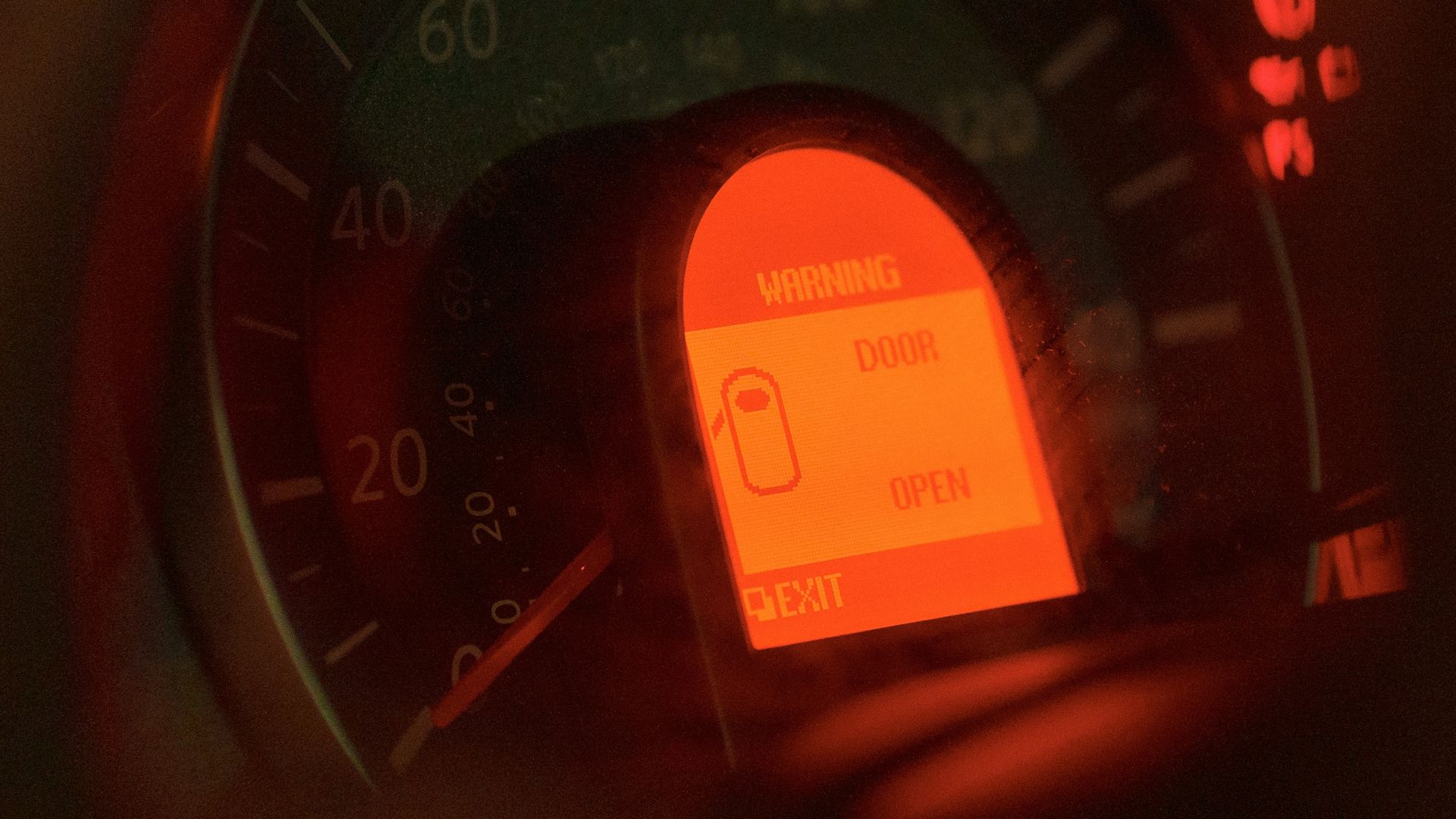
7. Addressing Warning Lights Promptly
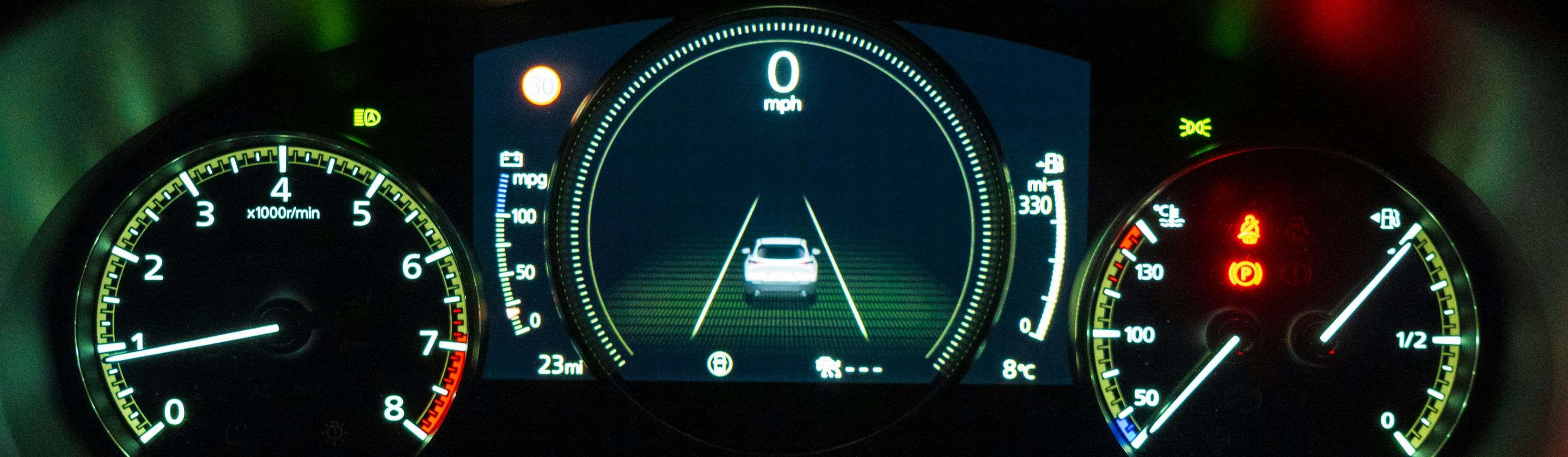
Dashboard warning lights are designed to alert drivers to developing issues. Ignoring them can allow minor problems to become major repairs. Early diagnosis often reduces both repair costs and potential engine damage. Modern vehicles provide these warnings for a reason.
8. Replacing Spark Plugs on Schedule
Spark plugs play a key role in efficient combustion. Worn plugs can lead to misfires, rough operation, and reduced fuel economy. Replacing them at recommended intervals helps keep the engine running smoothly. Fresh plugs also help maintain optimal engine performance.

9. Keeping the Fuel System Clean
Using quality fuel and addressing fuel system issues promptly can help maintain efficient operation. Clean injectors contribute to proper fuel delivery and combustion. Consistent performance often starts with a healthy fuel system. Proper fuel flow helps reduce unnecessary stress on the engine.
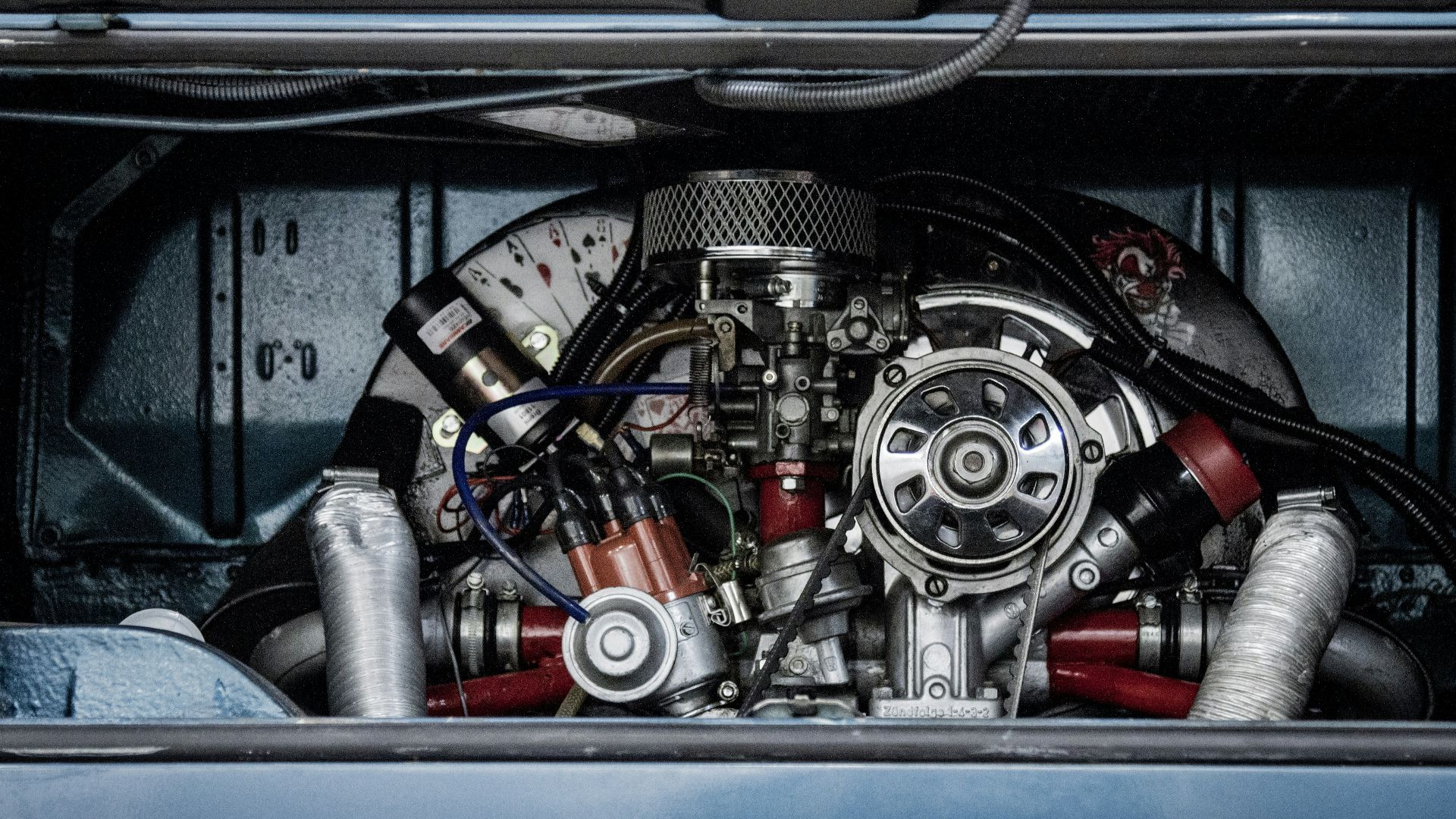
10. Fixing Small Leaks Early
Minor oil or coolant leaks rarely improve on their own. Addressing them early helps prevent fluid loss and potential component damage. Small repairs are usually far less expensive than major engine work. A leak caught early can often be repaired before it affects other systems.
 Jimmy Nilsson Masth on Unsplash
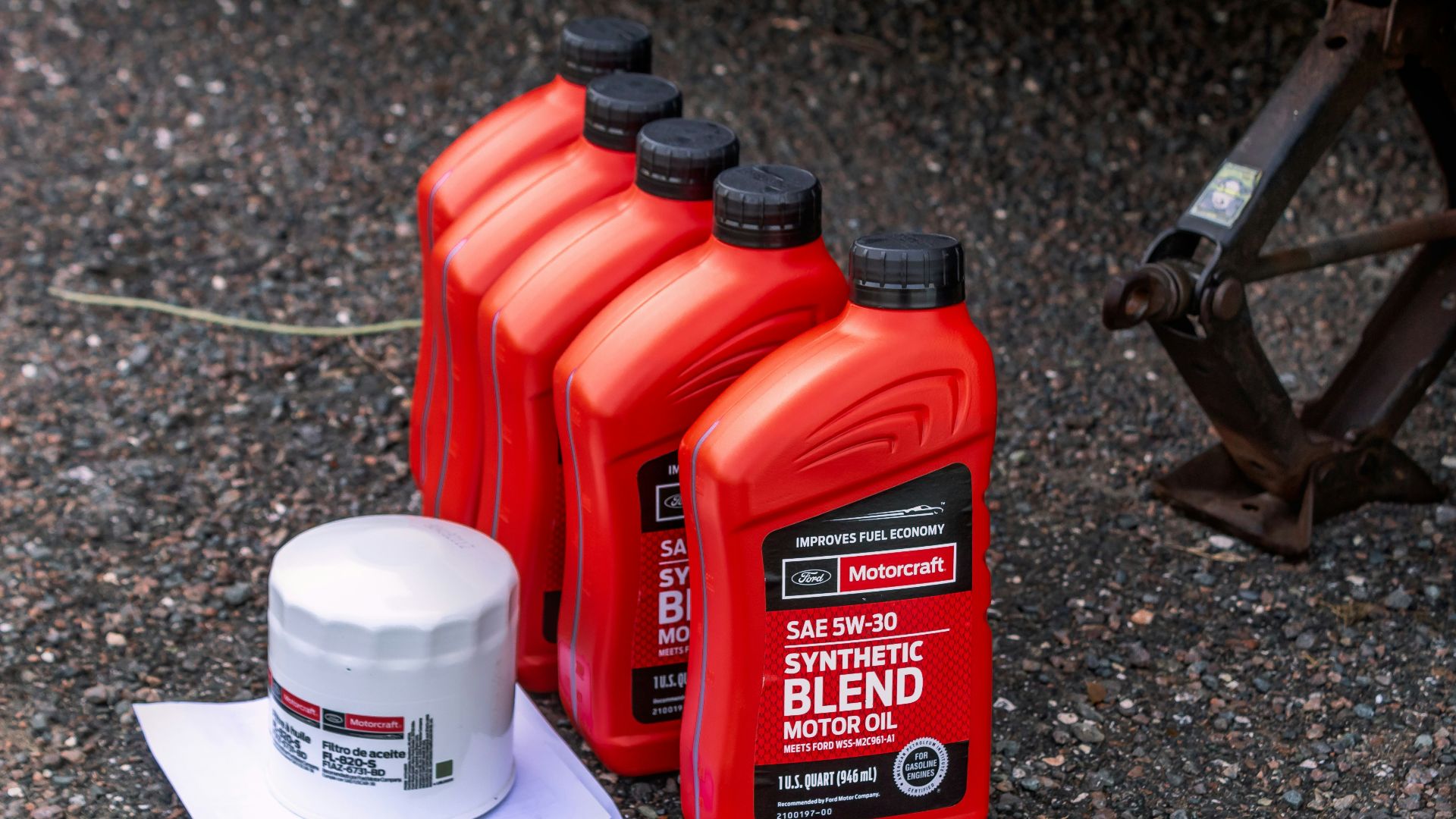
1. Skipping Oil Changes
Old oil gradually loses its ability to lubricate and protect engine components. Contaminants can accumulate and increase wear over time, meaning that few maintenance mistakes are more damaging than consistently neglecting oil changes. Internal engine parts depend on clean oil for long-term survival.
2. Ignoring Overheating Problems
Excessive heat can damage gaskets, warp components, and shorten engine life dramatically. Continuing to drive an overheating vehicle often turns a manageable repair into a costly one. Any overheating issue should be taken seriously. Waiting for the problem to disappear on its own is rarely a good strategy.

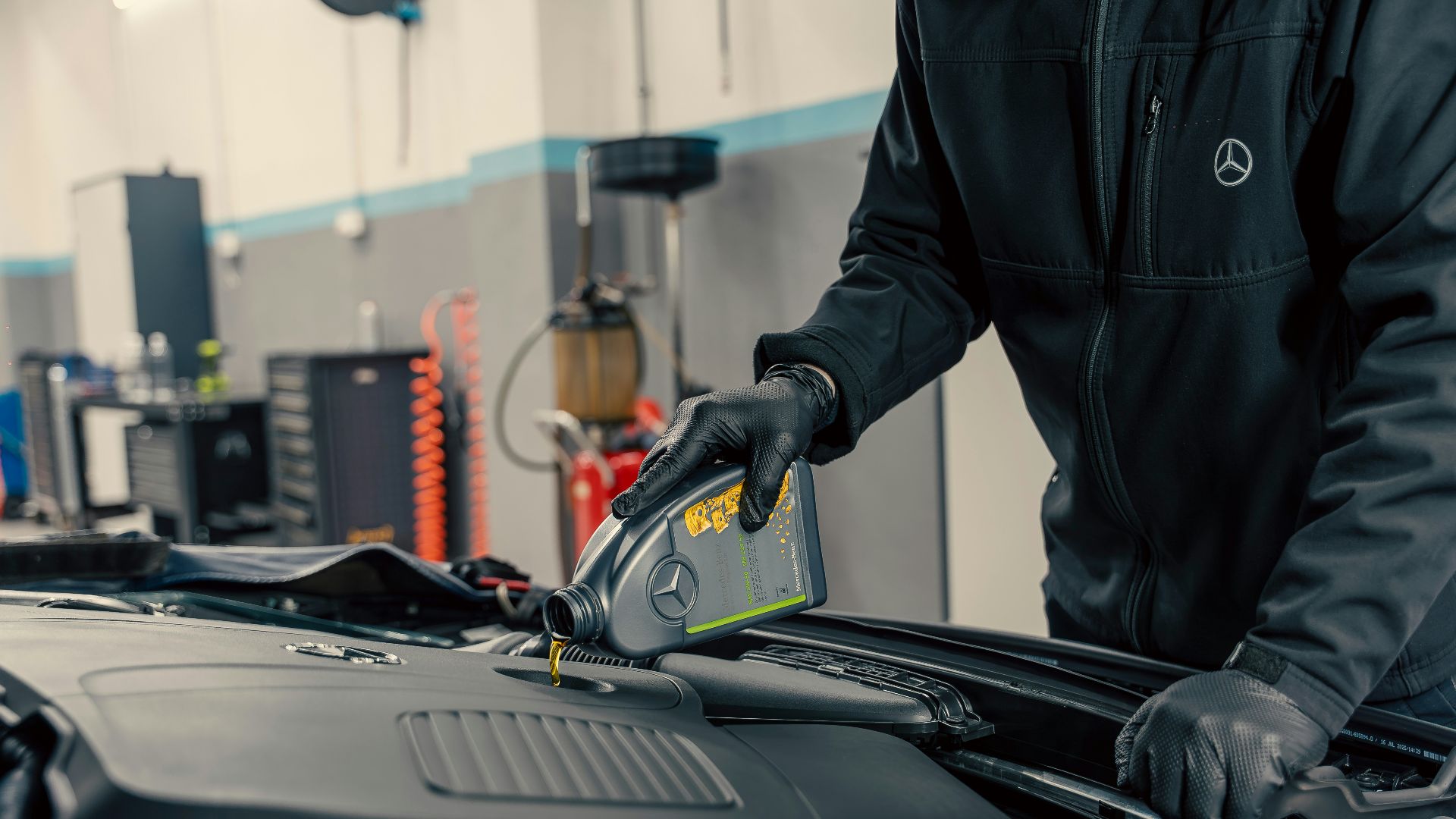
3. Running Low on Oil
An engine cannot operate properly without adequate lubrication. Low oil levels increase friction and heat throughout the system. Severe oil starvation can destroy an engine in a surprisingly short period of time.
4. Delaying Necessary Repairs
Strange noises, leaks, and warning lights rarely disappear permanently without intervention. Allowing known issues to continue often causes additional components to fail.

5. Frequently Flooring a Cold Engine
Engine oil needs time to circulate fully after startup. Aggressive driving before components reach operating temperature can increase internal wear. Repeated cold-engine abuse adds unnecessary stress over the long term, so patience during warm-up can pay off in engine longevity.
 Karolina Grabowska www.kaboompics.com on Pexels
6. Using the Wrong Fluids
Not all oils, coolants, and other automotive fluids are interchangeable. Using incorrect products can reduce performance or damage components. Manufacturer recommendations exist to ensure proper compatibility. Saving money on the wrong fluid can become very expensive later.
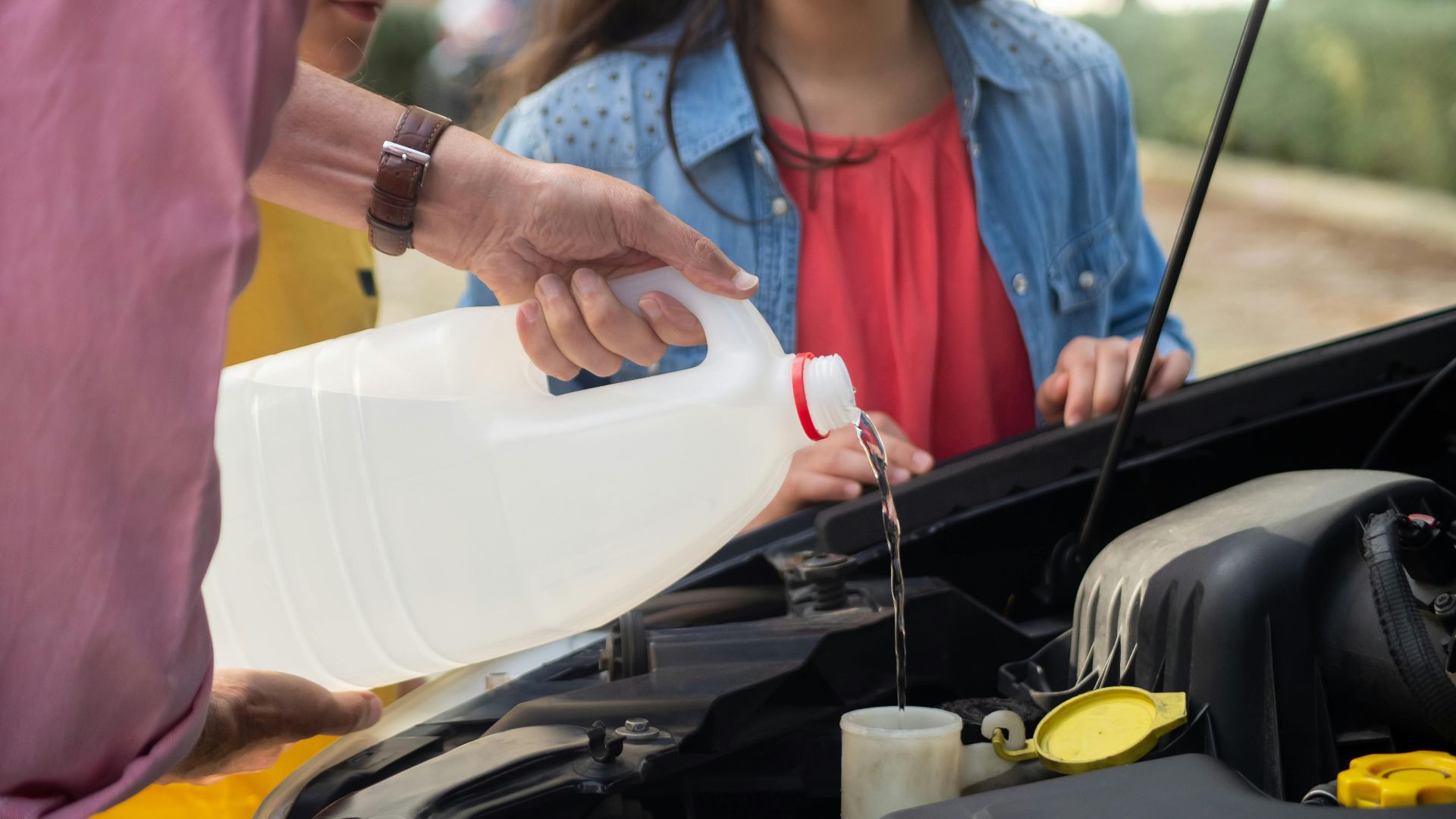
7. Ignoring Coolant Changes
Coolant doesn't last forever. Over time, its protective additives can break down, reducing its effectiveness. Furthermore, neglecting coolant maintenance can contribute to corrosion and cooling system problems. An aging cooling system can eventually affect engine reliability.

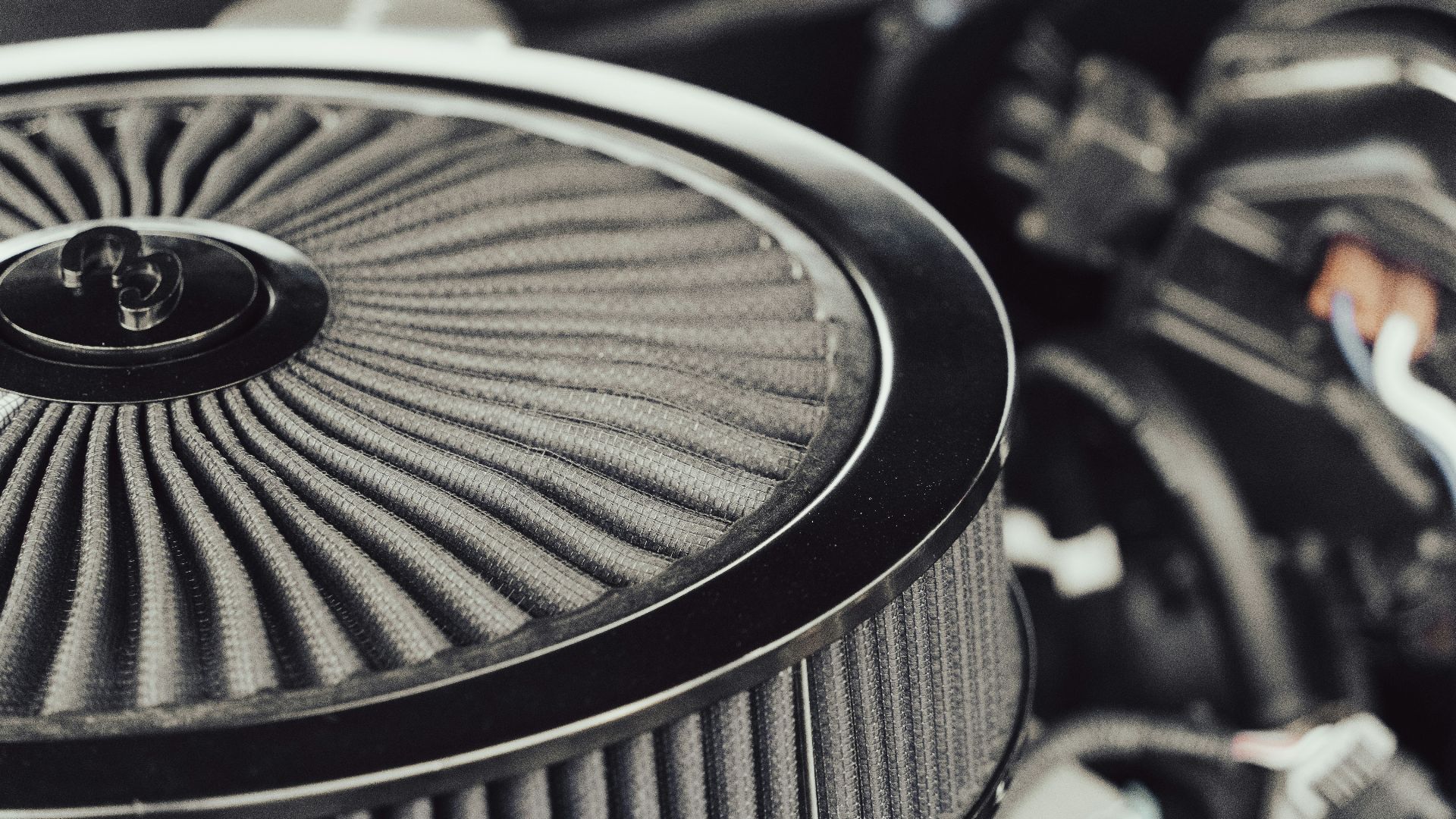
8. Letting Air Filters Become Severely Clogged
A heavily restricted air filter can affect airflow and engine efficiency. While modern systems compensate for some restrictions, severe neglect can still create performance issues. Regular inspections help prevent unnecessary strain.
9. Constant Short Trips Without Longer Drives
Repeated short trips may prevent the engine from fully reaching operating temperature. Moisture and contaminants can accumulate when the engine rarely gets fully warmed up. Occasional longer drives help the system operate as intended.

10. Ignoring Unusual Engine Sounds
Knocking, ticking, grinding, and other unfamiliar noises often signal developing problems. Continuing to drive without investigating them can allow damage to worsen. Catching issues early is usually the difference between a simple repair and a major rebuild.