New Cars Are Smarter Than Ever — So Why Do Older Ones Still Feel More Real?

New cars can do a staggering amount. They can apply the brakes before crashes, help keep themselves centered in a lane, and even step in if you start moving toward a vehicle in your blind spot. They’re rolling computers, really, and on a practical level, a lot of that intelligence is useful to us.
And still, a lot of drivers don’t feel especially close to them. That reaction is subjective, sure, but it’s real enough that interest in older enthusiast cars is still strong: Hagerty’s 2024 “Future of Driving” survey found that 47% of respondents were interested in owning a classic car, with Gen Z even higher at 60%. For all the progress, plenty of people still find themselves missing the messy, tactile charm of something older.
Why Smarter Can Feel More Distant
There isn’t any serious case against the best modern safety tech. NHTSA says its automatic emergency braking rule is projected to save at least 360 lives a year and prevent at least 24,000 injuries annually, while IIHS says electronic stability control cuts fatal single-vehicle crash risk by about half. That’s a huge gain, and it’s a big reason newer cars are better daily companions, even when enthusiasts get misty-eyed about older metal.
Still, the way modern systems help can change the feel of the drive. NHTSA says lane-centering assistance continuously applies steering inputs to keep a vehicle centered, and blind spot intervention can brake lightly or steer the car back if you begin moving into an occupied lane. Useful? Absolutely. A little less hands-on? Also yes.
That shift carries over into ownership, too. J.D. Power’s 2026 Vehicle Dependability Study says owner views of long-term dependability are increasingly shaped by technology performance and software glitches, with persistent trouble spots including infotainment and spotty over-the-air updates. So even when a modern car is more capable, it can also feel a little more abstract, a little more mediated, and a little less obvious about what’s happening underneath you.
Why Physical Controls Still Matter
Part of the disconnect is sitting right there in the dashboard. J.D. Power’s 2025 Initial Quality Study says infotainment is still the most problematic category in new vehicles, and it specifically points to touchscreen-related complaints tied to climate controls, garage door openers, and even glove box releases. It also notes that owners are frustrated by having to tap and swipe through multiple screens just to reach basic functions.
AAA’s infotainment research makes that frustration feel like a design problem. In AAA’s study, 23 of the 30 systems tested created high or very high levels of demand on drivers, and programming navigation was the most distracting task, taking an average of 40 seconds. At 25 mph, AAA notes, that’s enough time to travel the length of four football fields while your attention is split.
That pushback shows up in safety evaluations as well. Euro NCAP says that its 2026 protocol changes include new human-machine interface assessments that look at the placement, clarity, and ease of use of essential controls, including the availability of physical buttons for commonly used functions, because consumer feedback suggests they can reduce distraction. So the case for knobs and buttons isn’t just sentimental anymore. It’s becoming part of the mainstream safety conversation.
Why Older Cars Still Feel More Real
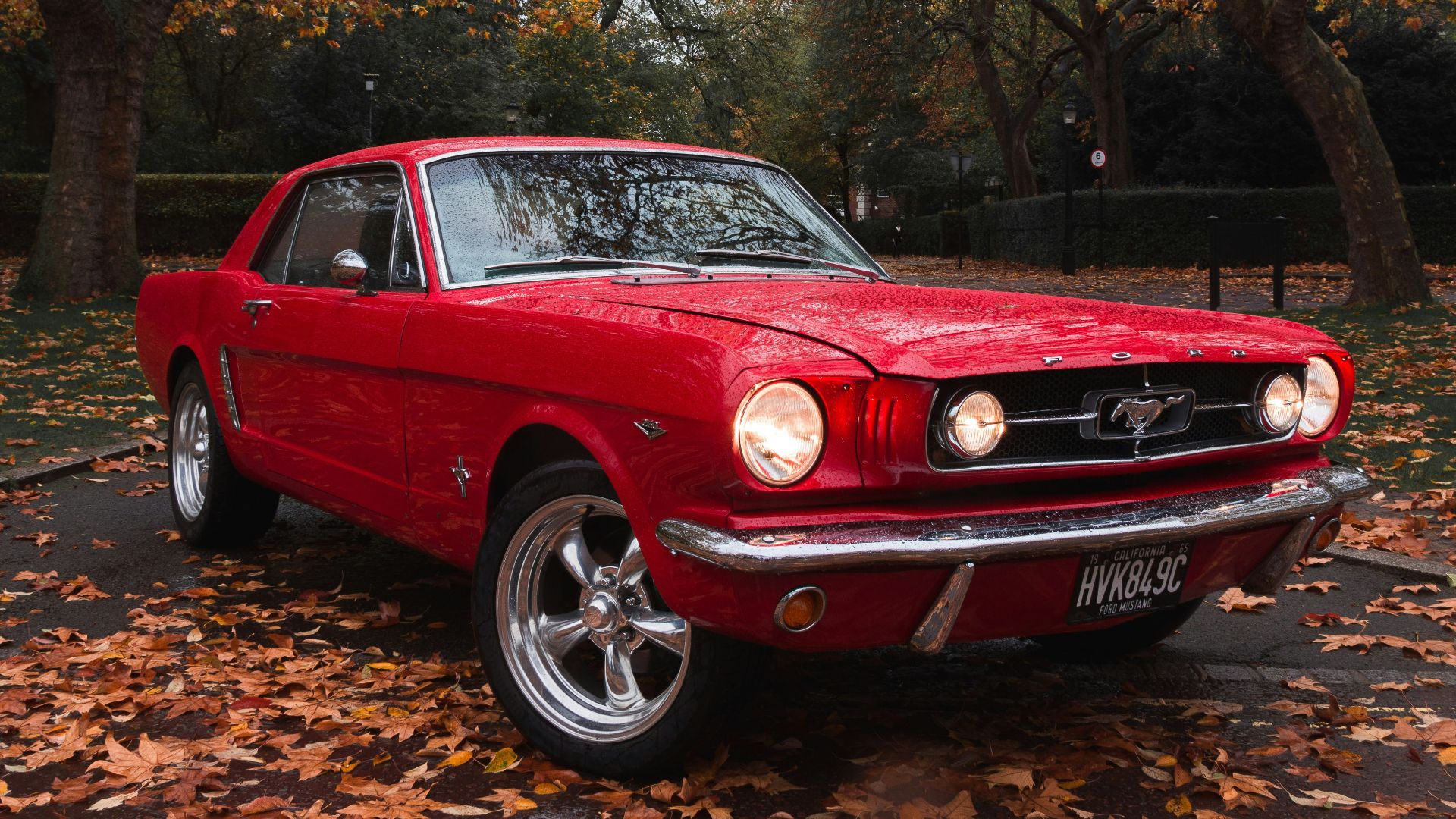
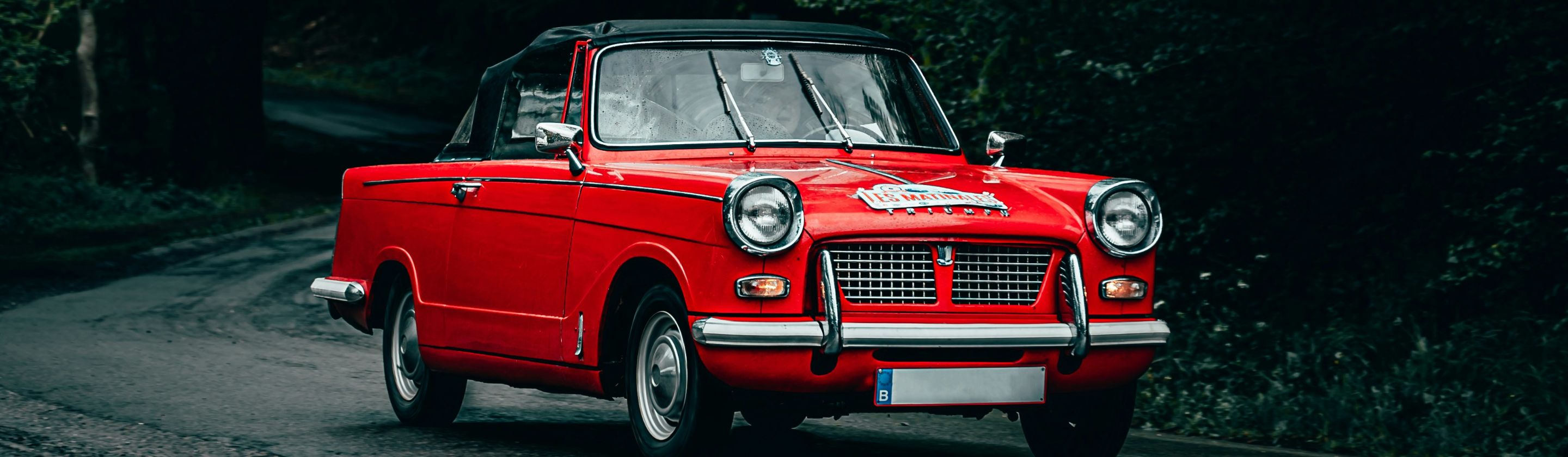
The deeper appeal of older cars has a lot to do with legibility. People who love analog cars tend to talk about the visceral side of driving, the sense that the steering, the chassis, and the engine are all talking back. When you get a corner or a shift just right, it feels like you did it, not some background system cleaning up after you. It’s a steady theme in enthusiast writing, and it helps explain why “better” and “more involving” aren’t the same thing.
Cars also gather meaning in a way most appliances never do. Aviva’s 2025 research found that 14% of car owners said they felt emotionally attached to one or more of their current or previous cars, while 19% said a car reminded them of important life moments. Another 19% considered a vehicle part of the family. When you tie a machine to first jobs, long drives, bad breakups, great weekends, and the smell of an old interior on a cold morning, it stops feeling like just transport.
The market keeps backing up this idea. S&P Global Mobility says the average age of vehicles on U.S. roads reached 12.8 years in 2025, and Hagerty’s 2024 survey suggests interest in classics isn’t fading with younger drivers. That doesn’t mean everyone wants to daily-drive something with old seals, vague cupholders, and an attitude problem, but it does mean the hunger for character hasn’t gone anywhere.
So why do older cars still feel more real? Probably because “real” and “advanced” aren’t the same thing. Modern cars are safer, smarter, and often excellent at the job they’re built to do. But, older ones still win people over with clearer controls, more direct feedback, and the kind of emotional imprint that builds slowly, then sticks.