The Old Favorites That Aged Best
Spend enough time around older drivers, and you start hearing the same standards over and over. They want cars that start every morning, feel solid when you shut the door, and don’t make basic ownership feel like a software subscription with cupholders. For years, that got written off as cranky nostalgia, the usual back-in-my-day stuff, yet a lot of those picks have held up better than the sleek, overstuffed replacements that came after them. These 20 cars make a pretty convincing case that Boomers weren’t just being sentimental. They were paying attention.
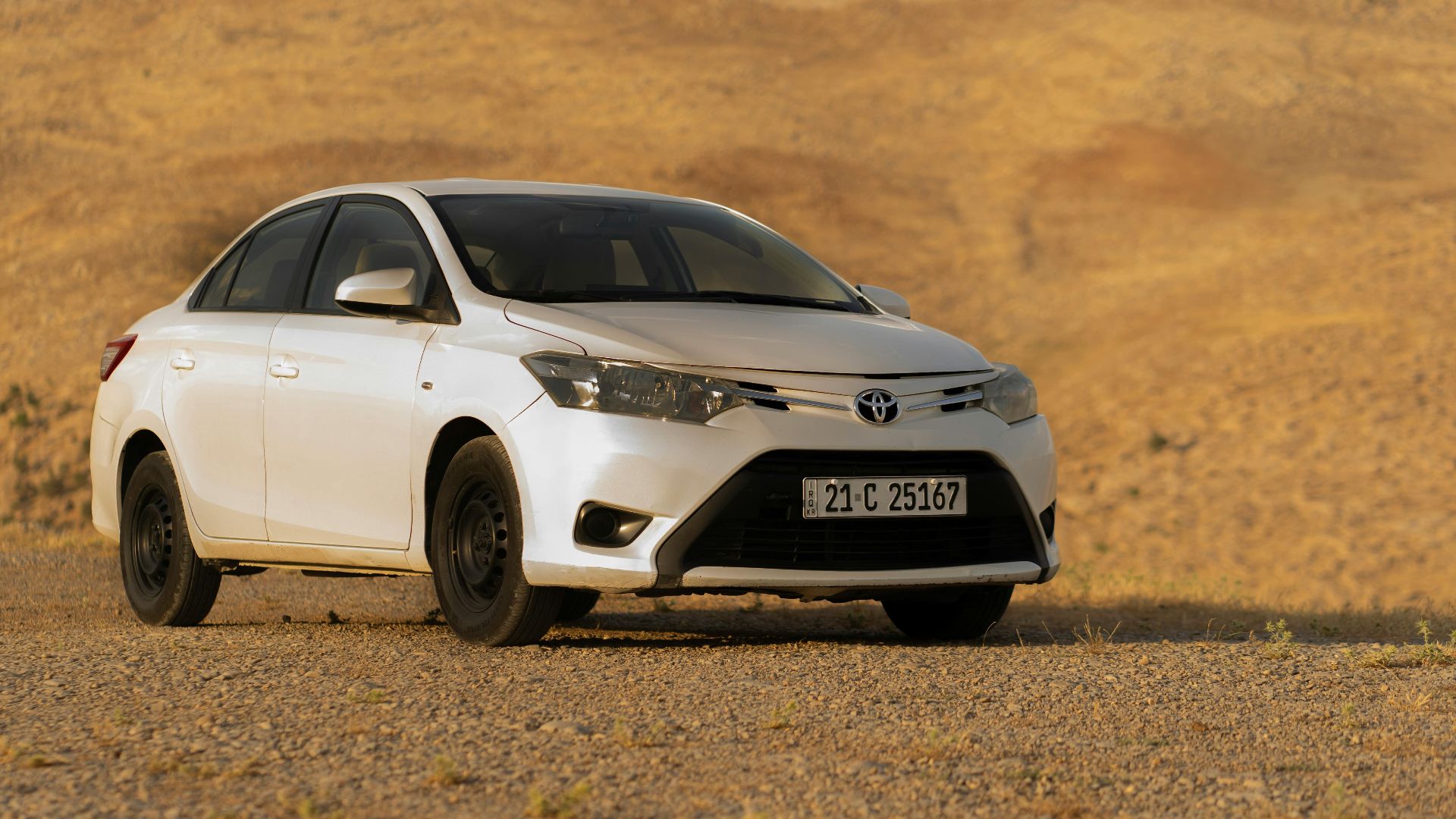
1. Toyota Camry
The Camry turned into the default family sedan in American suburbs for a reason, especially from the late 1980s through the early 2000s. It was roomy, easy to live with, and so consistently dependable that seeing one in a church parking lot or a high school pickup line became completely normal.
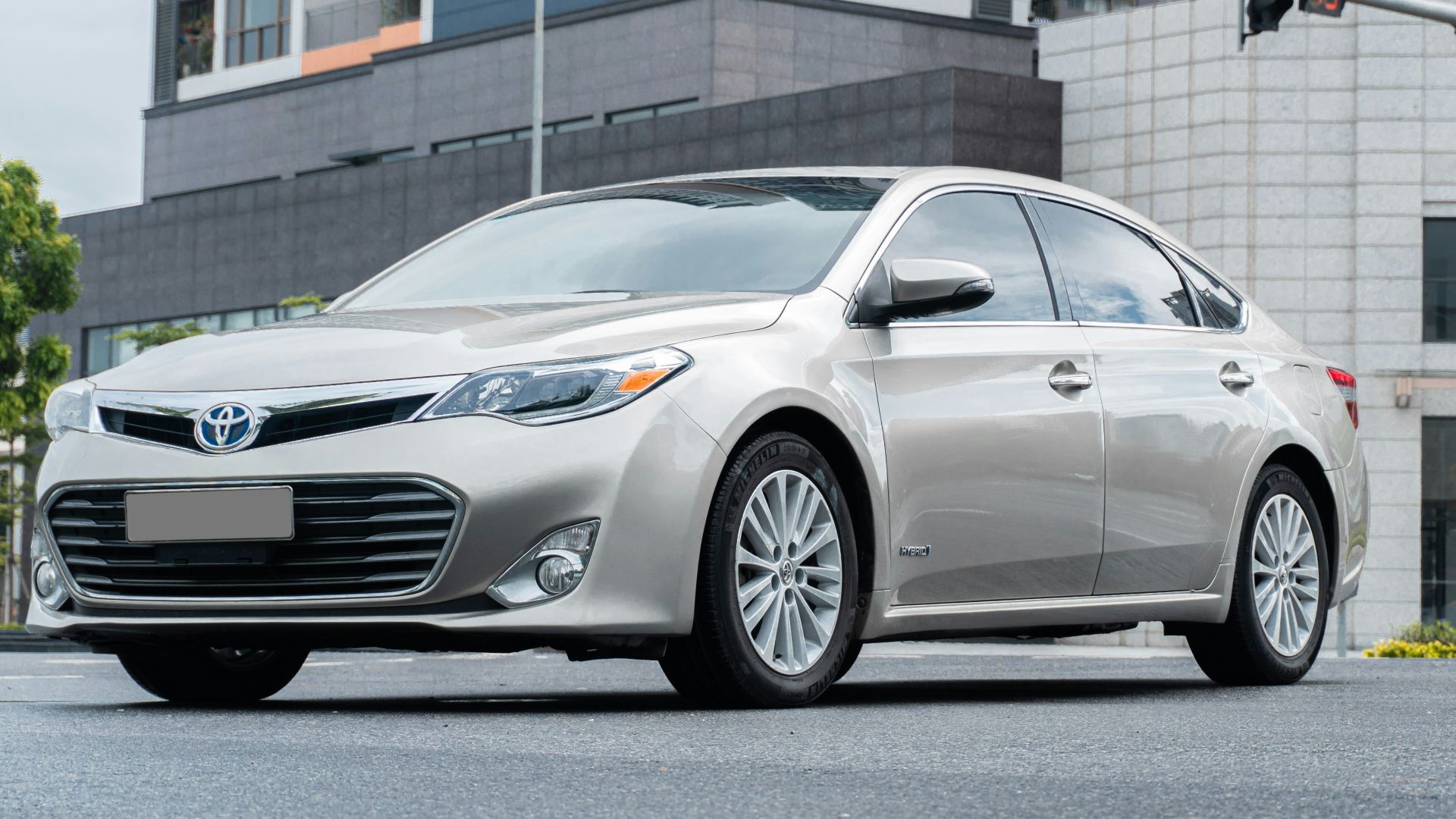
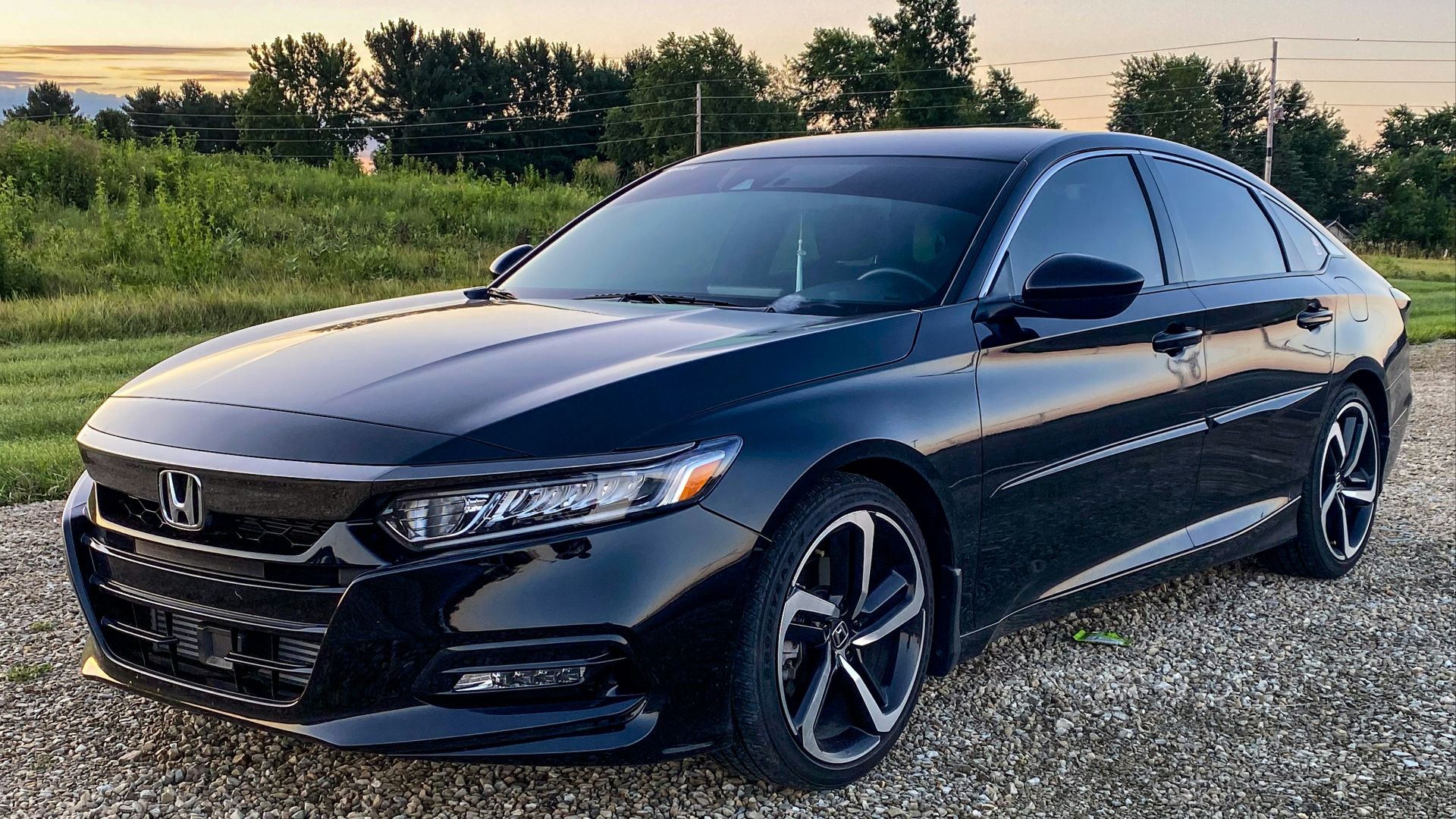
2. Honda Accord
The Accord always had a little more polish than it needed to, which is part of why people stayed loyal to it for decades. In the 1980s and 1990s, it felt like a smart move for buyers who wanted something sensible without feeling stuck with a penalty box.
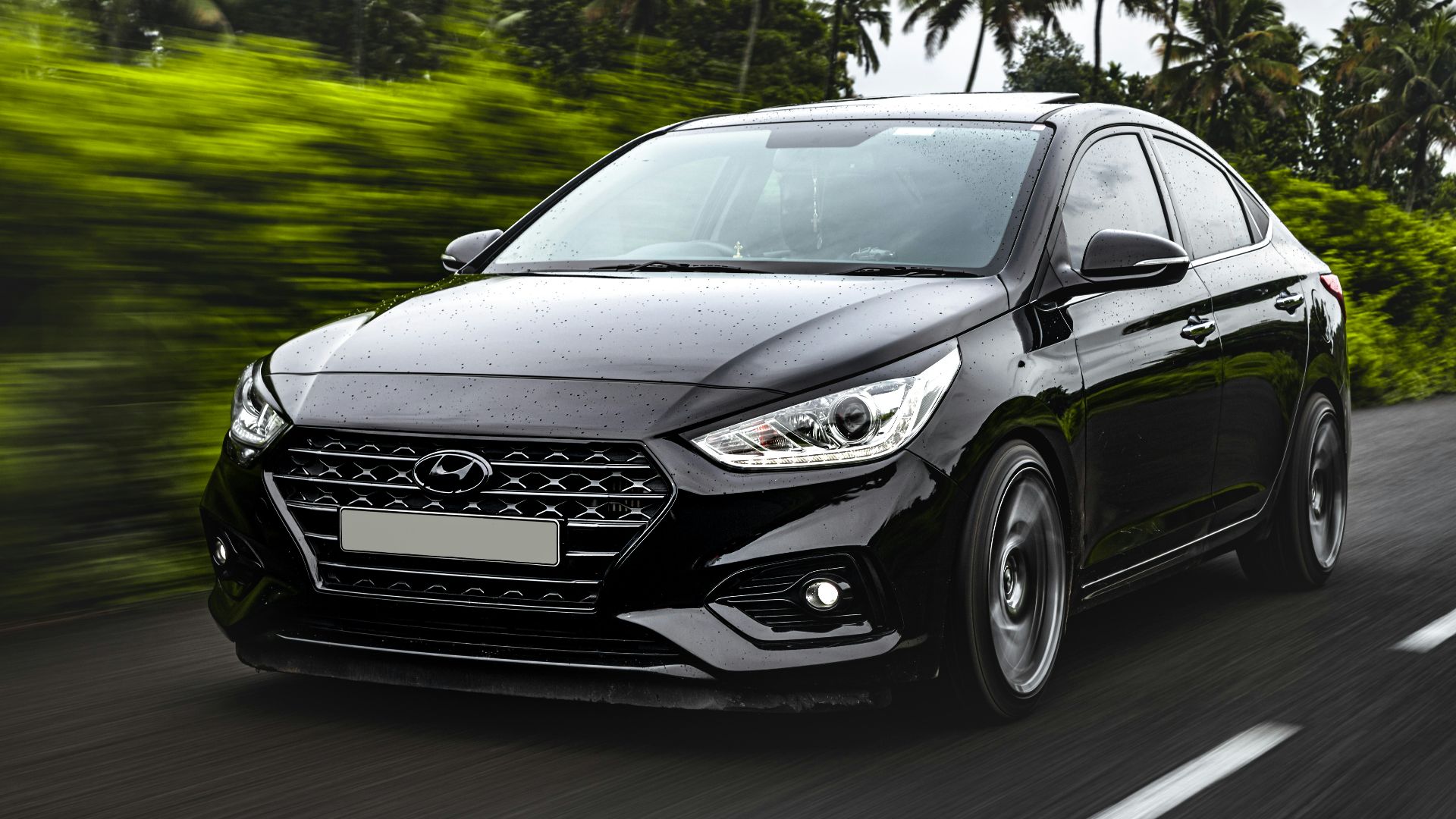
3. Toyota Corolla
The Corolla never needed charm to earn respect. It just kept showing up, year after year, as the car people bought when they wanted low stress, low running costs, and the strong chance they’d still be driving it long after trendier compact cars had vanished.
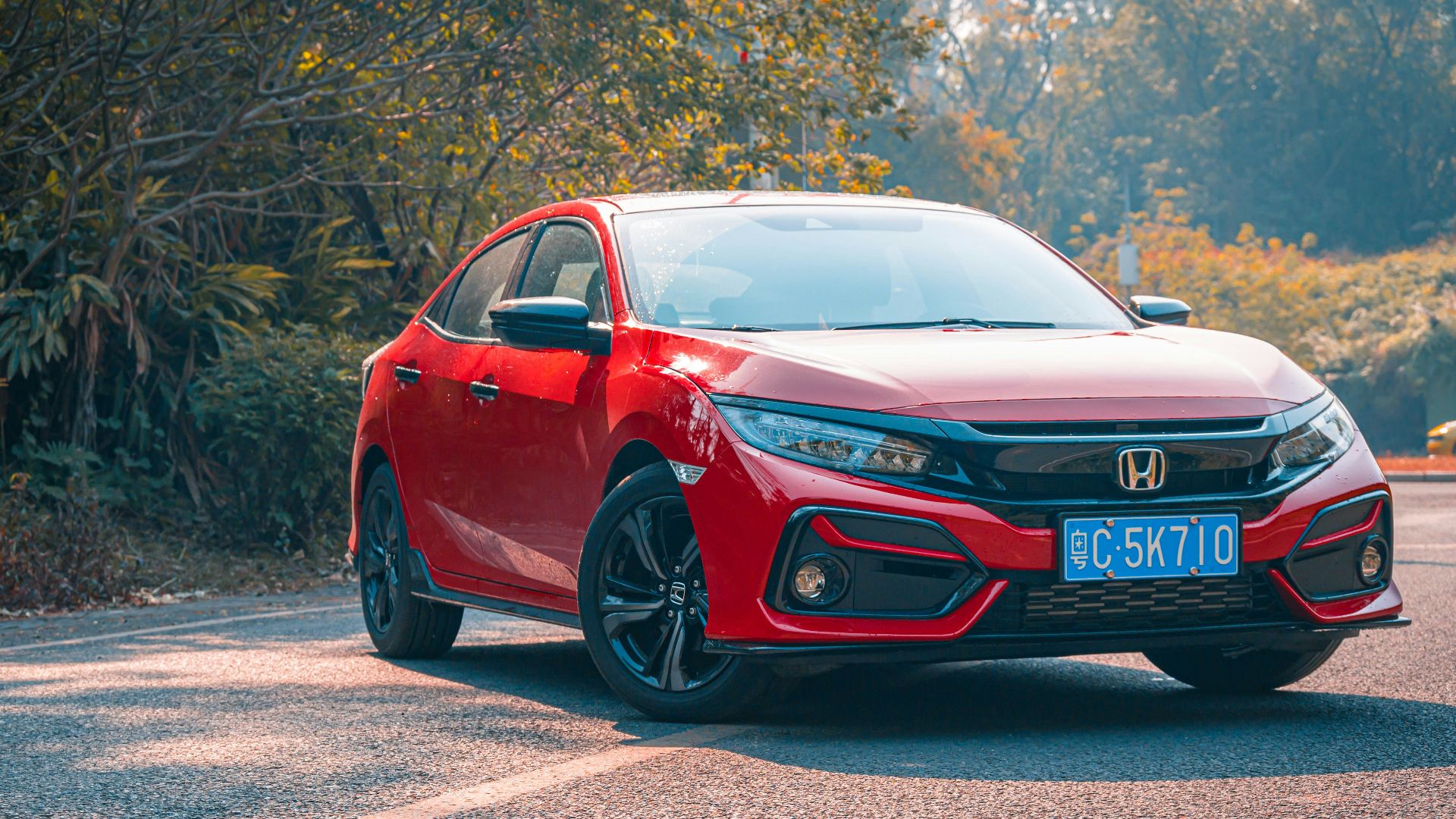
4. Honda Civic
The Civic spent the 1980s and 1990s building a reputation as the small car that could do almost anything. It worked for commuters, college kids, first-time buyers, and families trying to stretch a paycheck, and it did all of that without feeling flimsy or disposable.
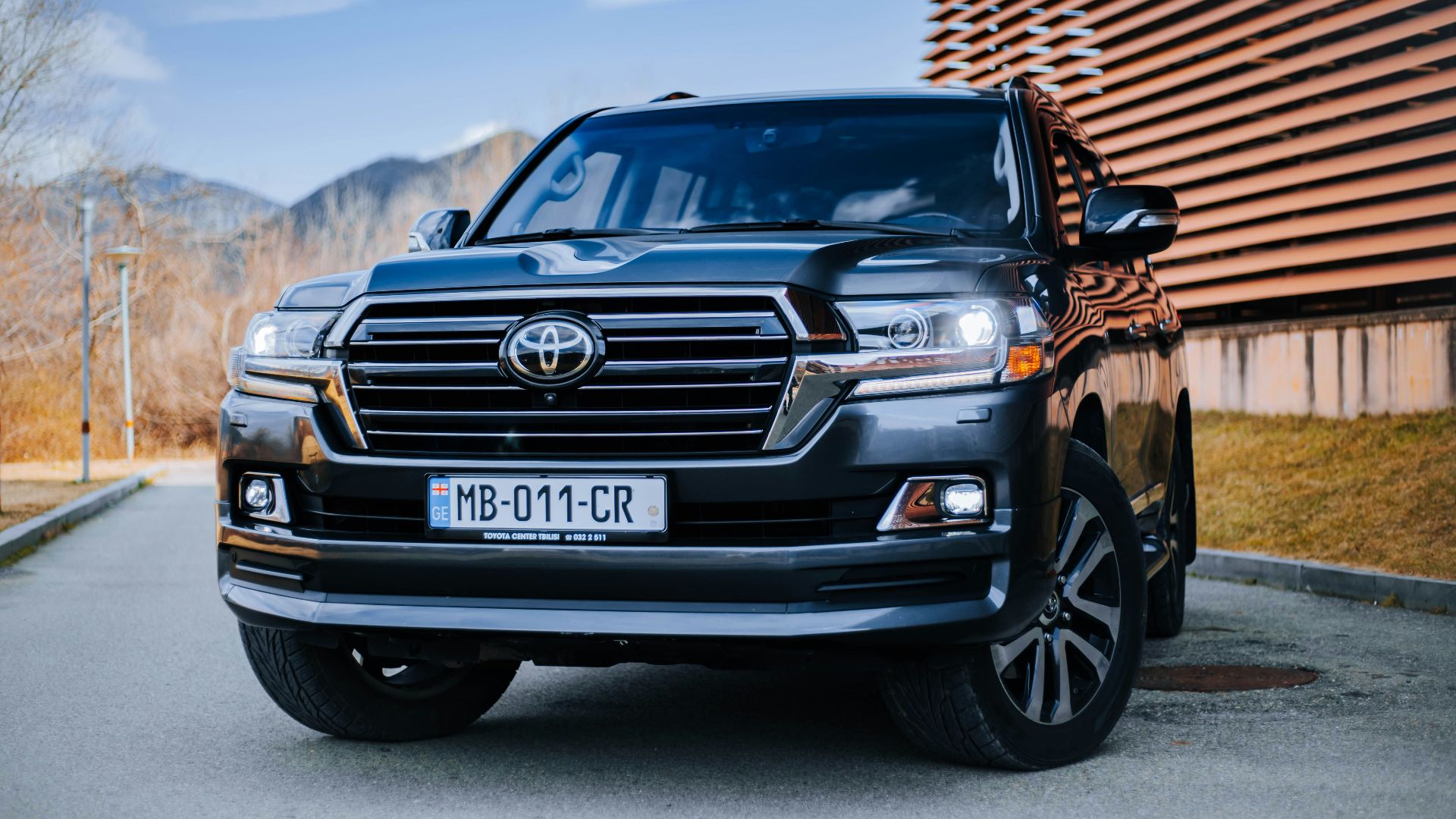
5. Toyota Land Cruiser J80
By the 1990s, the Land Cruiser already had a long global reputation for toughness, and the 80 Series only deepened it. This was the kind of SUV people trusted on rough roads, remote trips, and ugly weather, which explains why it still gets talked about with a kind of hard-earned respect.
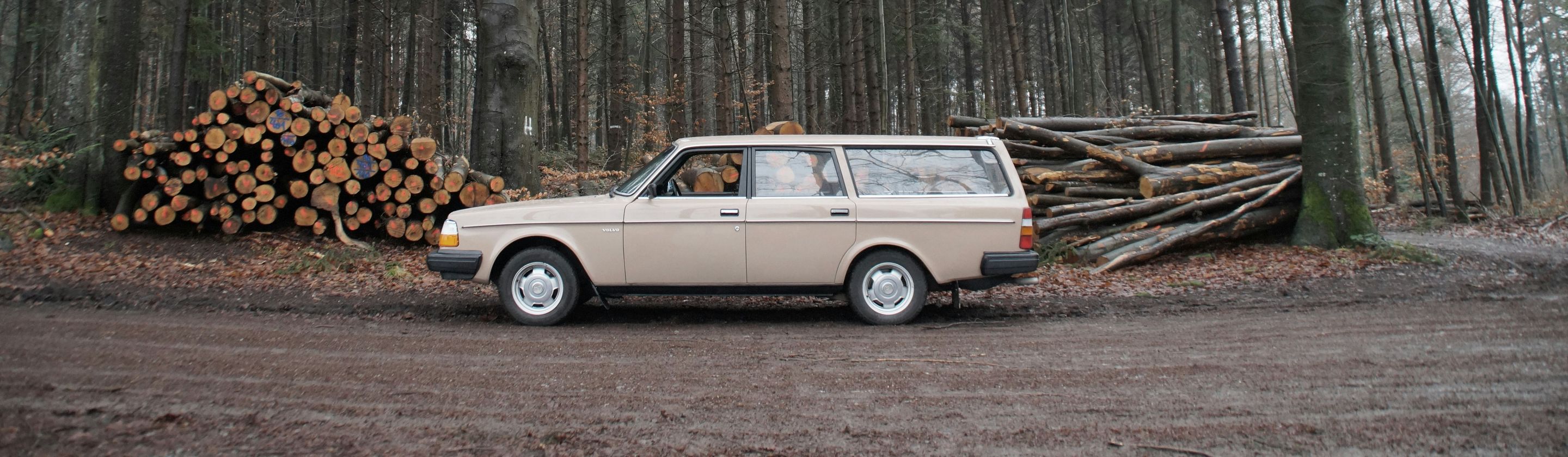
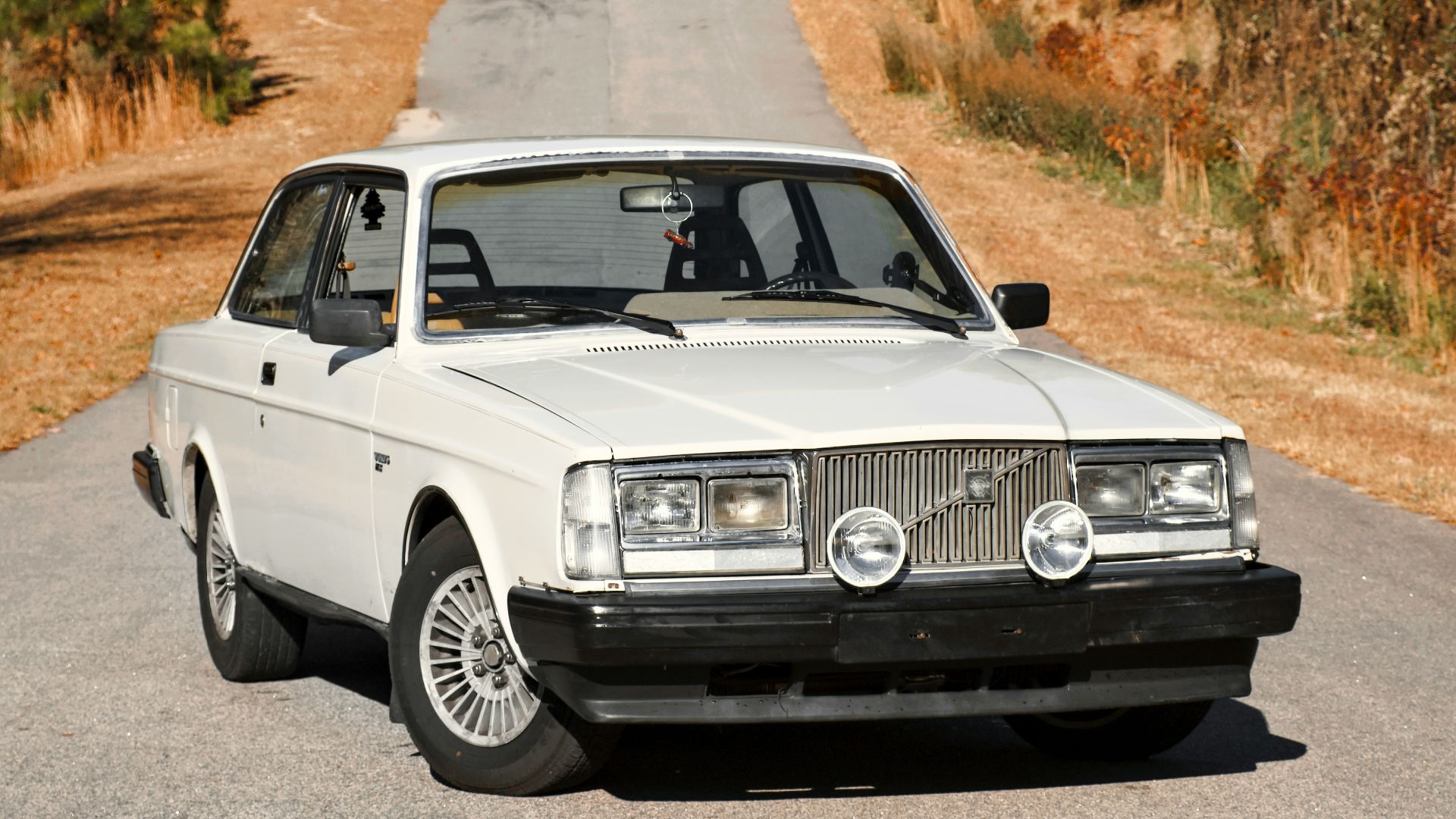
6. Volvo 240
The Volvo 240 looked square even when it was new, and plenty of people loved it for exactly that reason. It felt practical, sturdy, and reassuring in a very Swedish way, like something designed by adults who cared more about safety and longevity than looking clever.
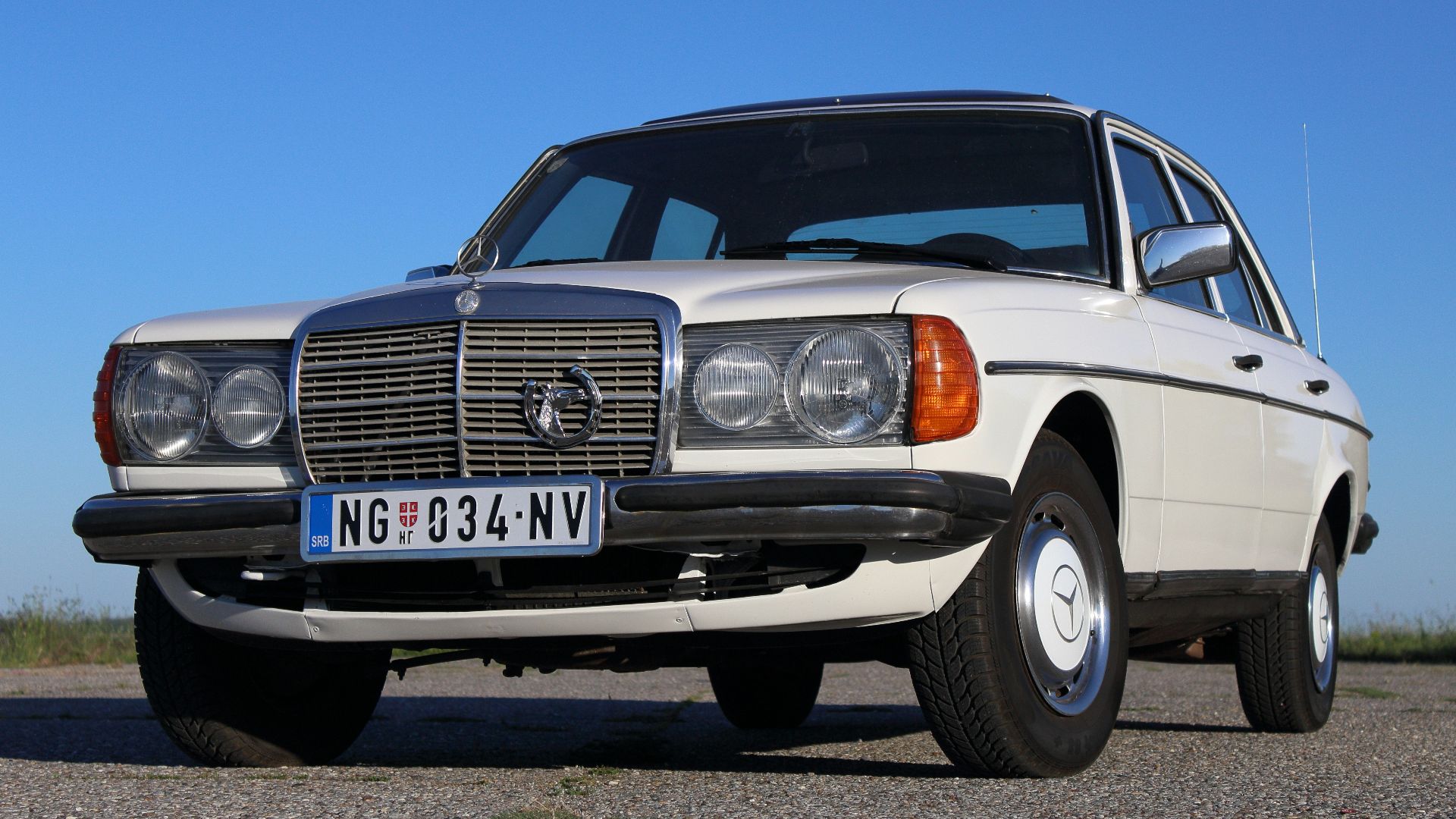
7. Mercedes-Benz W123 And W124
These were the Mercedes sedans that helped define old-school German overengineering in the public imagination. If you grew up seeing one parked outside a brick ranch house in Chicago or cruising through a leafy suburb in Connecticut, you probably understood the appeal without anyone explaining it.
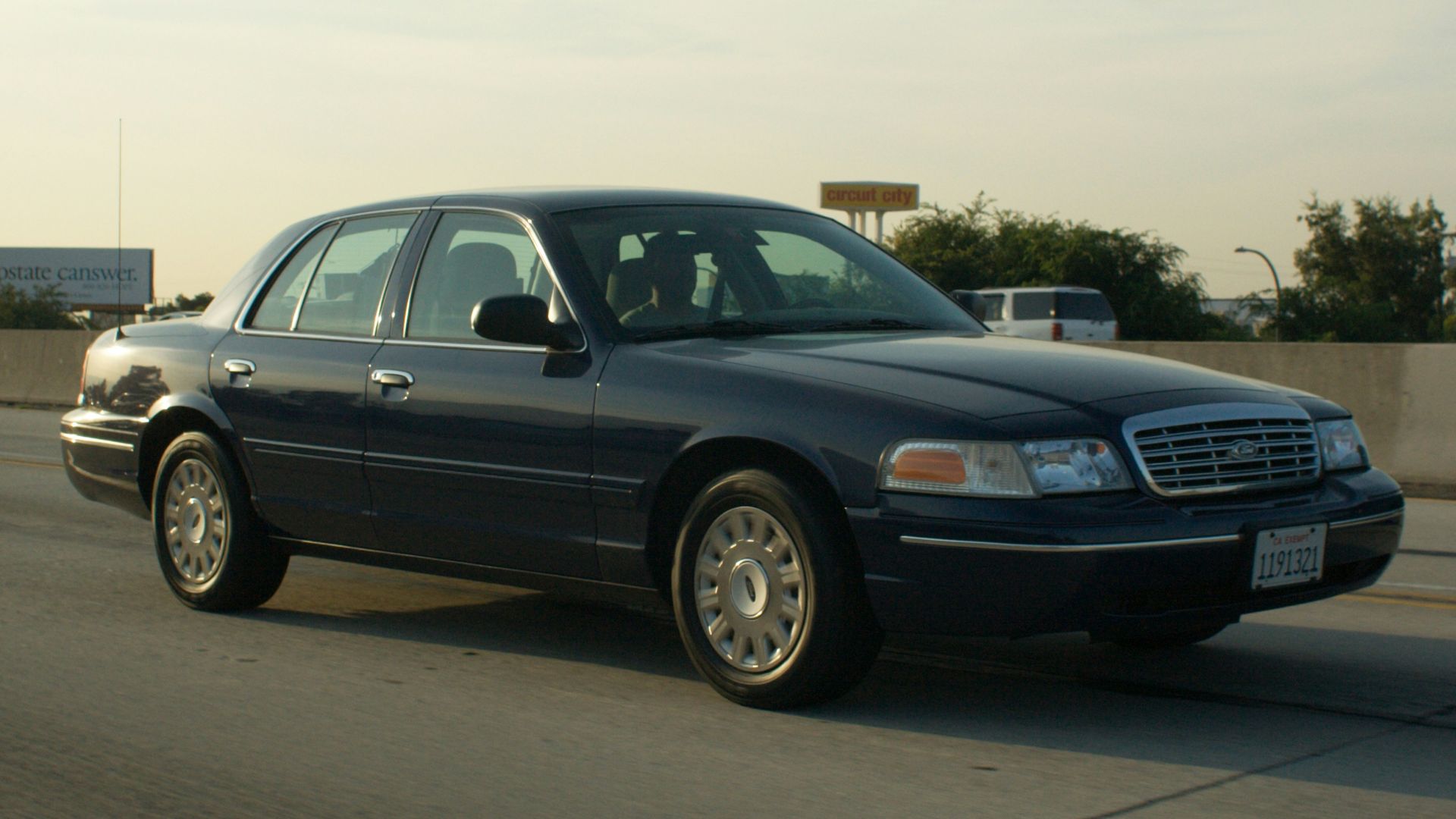
8. Ford Crown Victoria
The Crown Vic stuck with a big, simple formula long after the market started shrinking everything and softening the edges. It was roomy, rear-wheel drive, V8-powered, and built on a body-on-frame platform, which made it feel like the last sedan that didn’t apologize for taking up space.
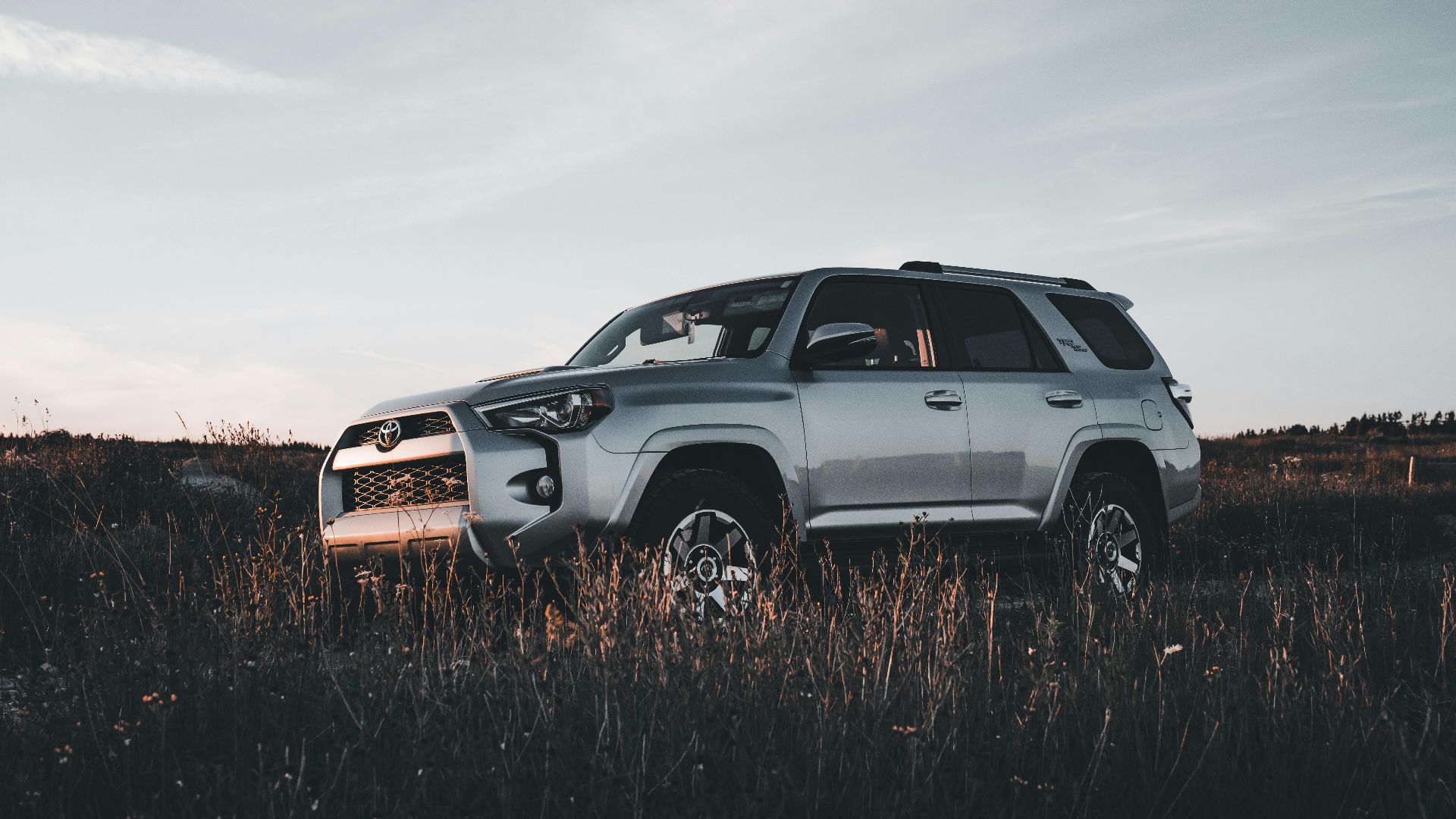
9. Toyota 4Runner
The early 4Runner arrived before SUV culture swallowed the whole country, back when this kind of vehicle still felt tied to actual utility. It earned respect because it was truck-based, durable, and ready for rougher use, not just a neat way to sit higher on the way to Target.
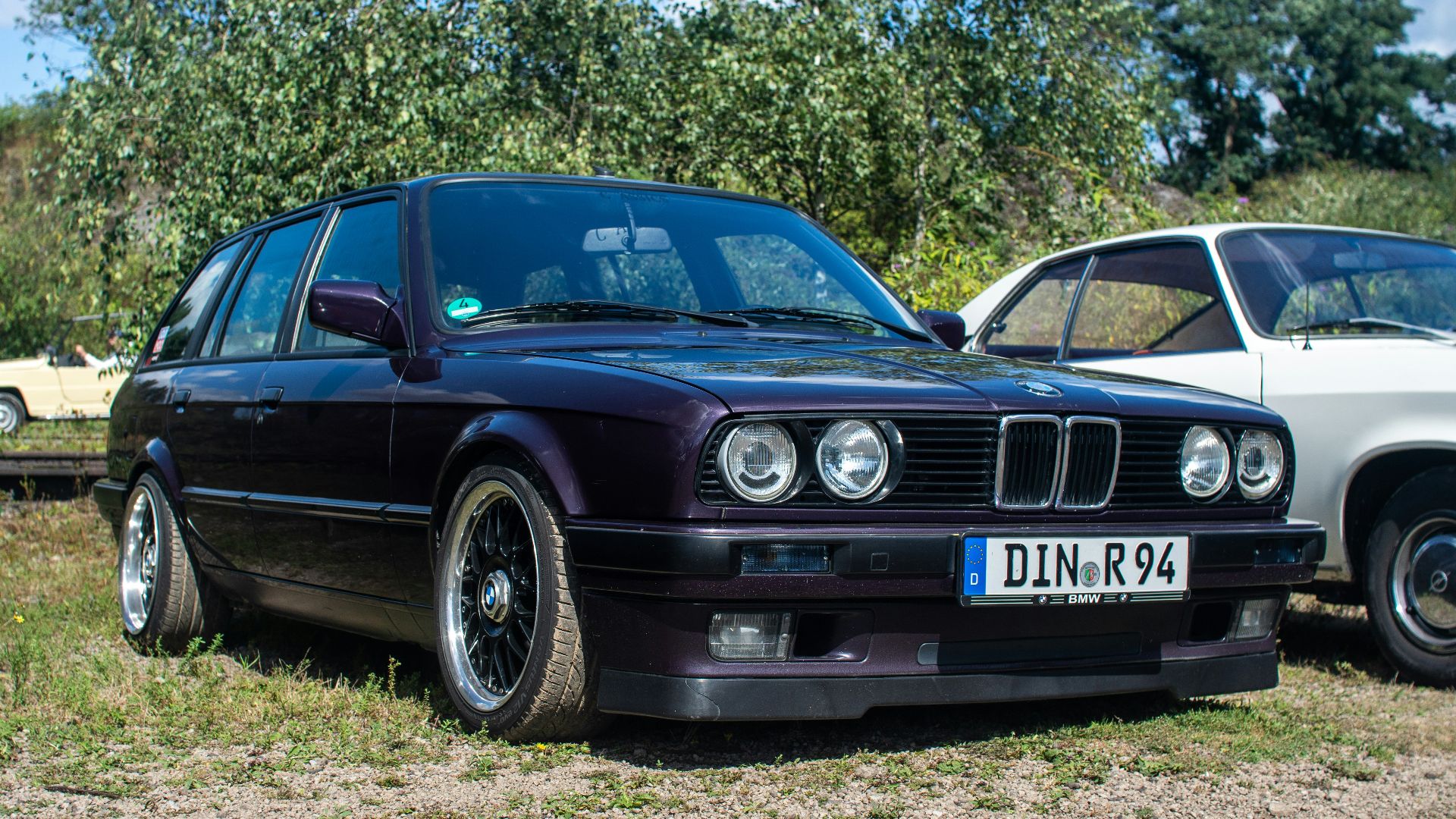
10. BMW E30 3 Series
The E30 came from that late-1980s sweet spot when BMW still built compact sedans that felt light on their feet and deeply connected to the driver. People who love them now aren’t imagining things. There’s a reason this generation still gets singled out whenever someone starts mourning the loss of analog driving.
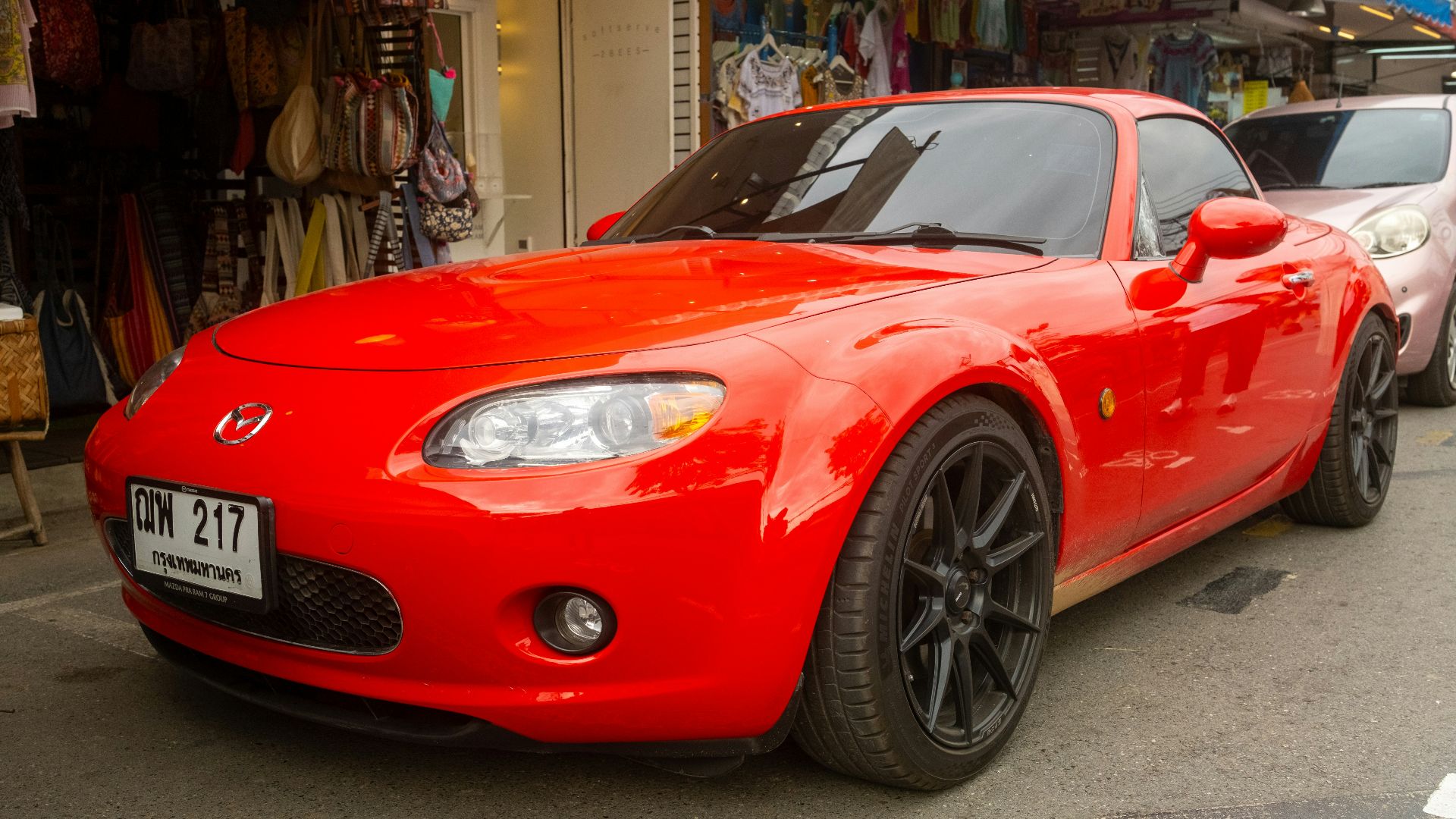
11. Mazda MX-5 Miata NA
When the Miata showed up in 1989, it reminded people that a sports car didn’t need to be huge, expensive, or overpowered to feel alive. Boomers who loved old British roadsters immediately got what Mazda was doing here, and a lot of younger drivers eventually caught up.
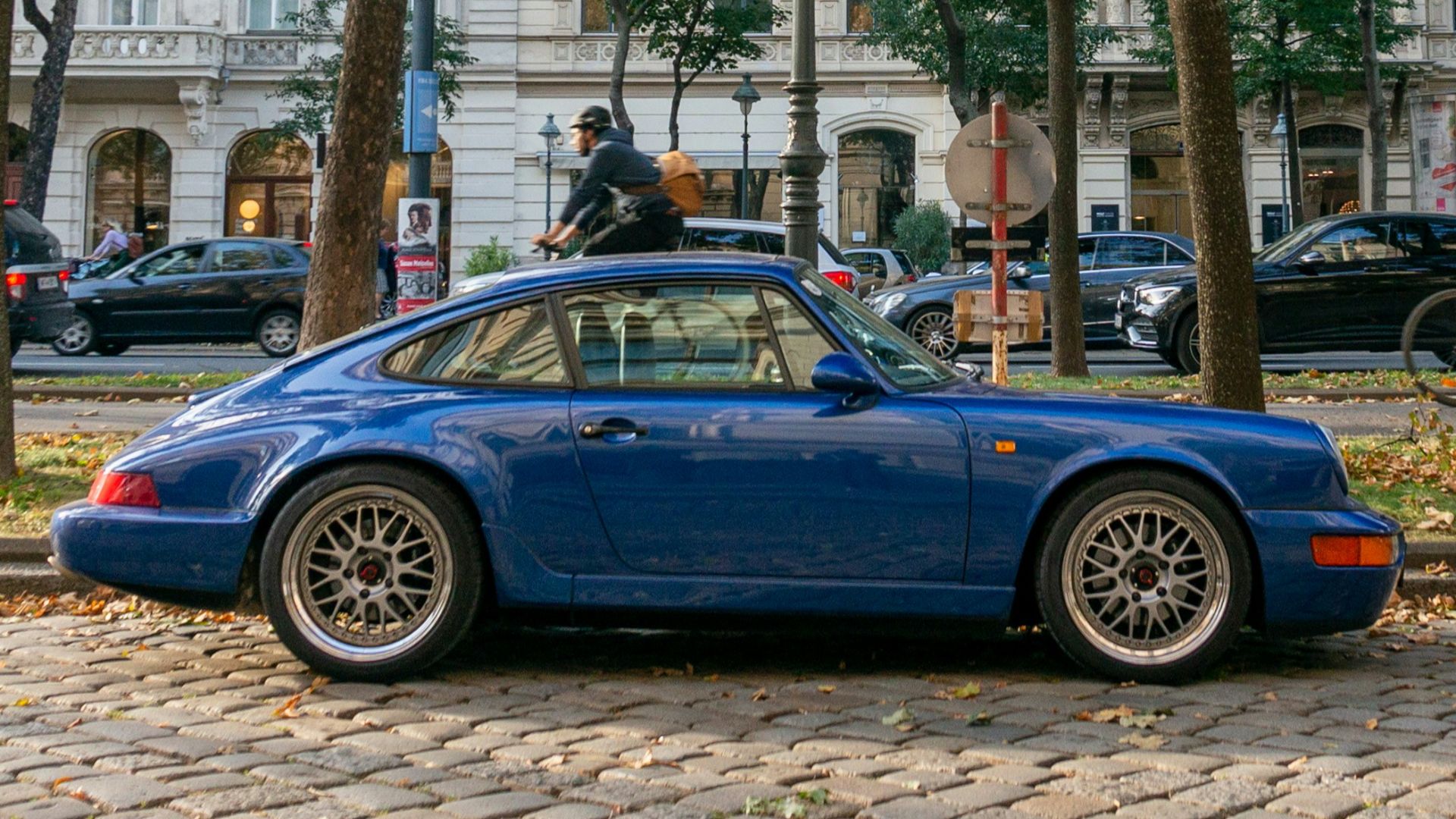
12. Porsche 911 993
The 993 landed in the mid-1990s at a moment when the 911 still felt unmistakably old-school, yet polished enough to live with every day. It carries a lot of emotional weight for Porsche fans because it closed the air-cooled chapter, and people still talk about that era like they miss an old friend.
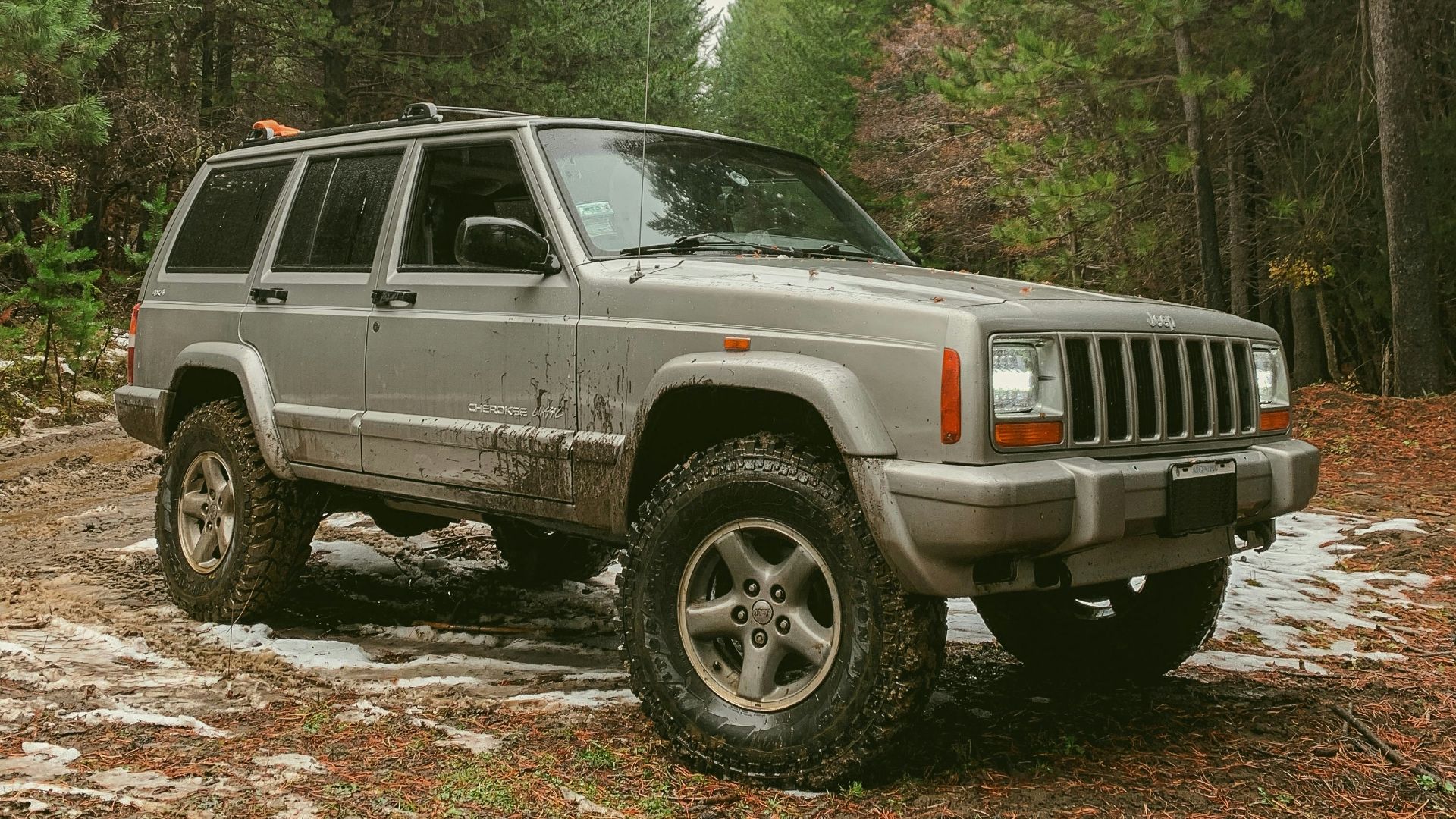
13. Jeep Cherokee XJ
The XJ Cherokee helped shape the SUV boom before crossovers turned the segment into something softer and more generic. It was compact, useful, and tougher than its size suggested, which made it a favorite for people who needed a vehicle that could actually do things.
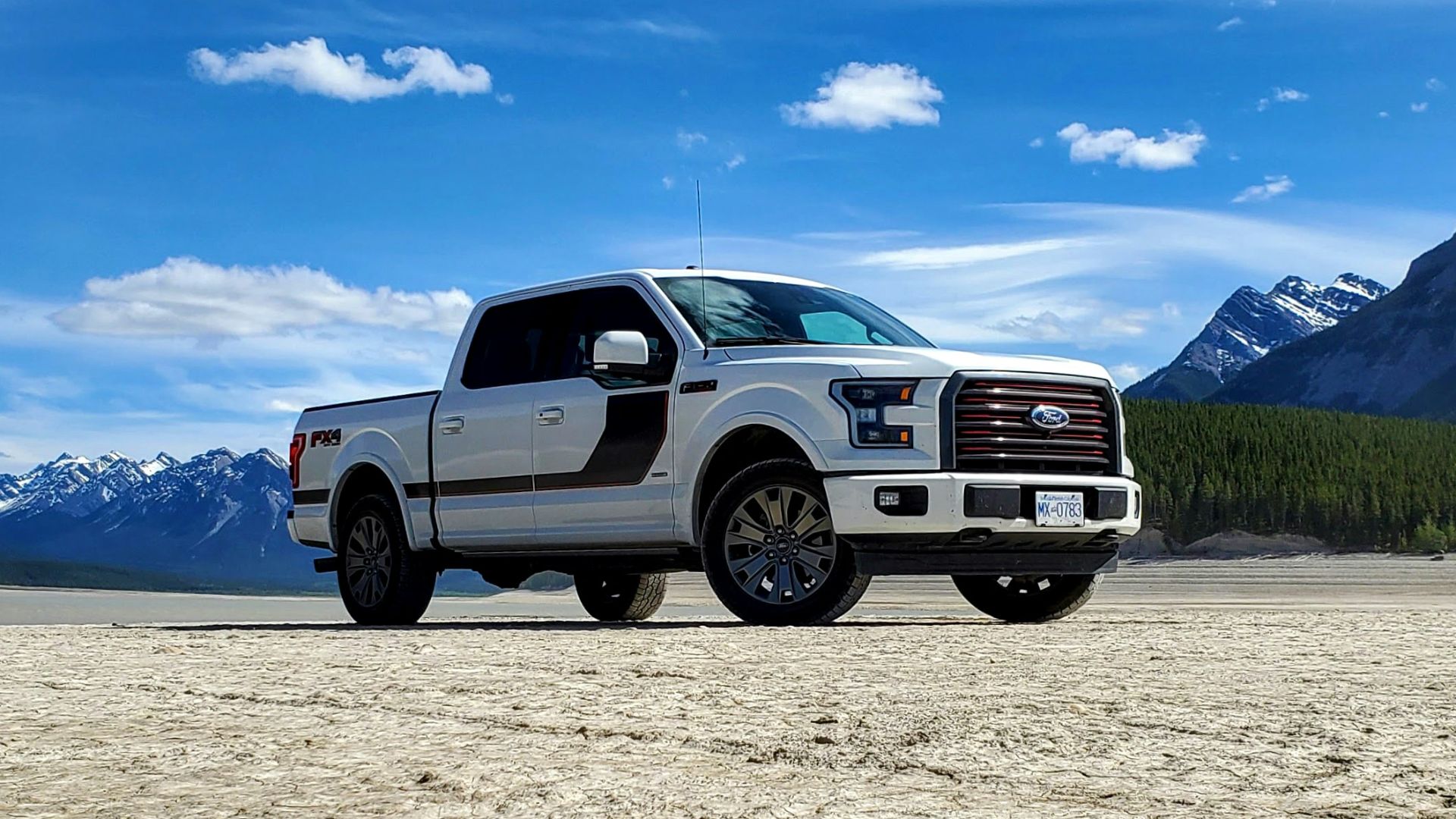
14. Ford F-150
The F-150 has been such a constant in American life that it’s easy to forget how much trust had to be earned first. Older buyers saw it as a proper work truck, something that could haul, tow, commute, and put up with years of use without making a fuss about any of it.
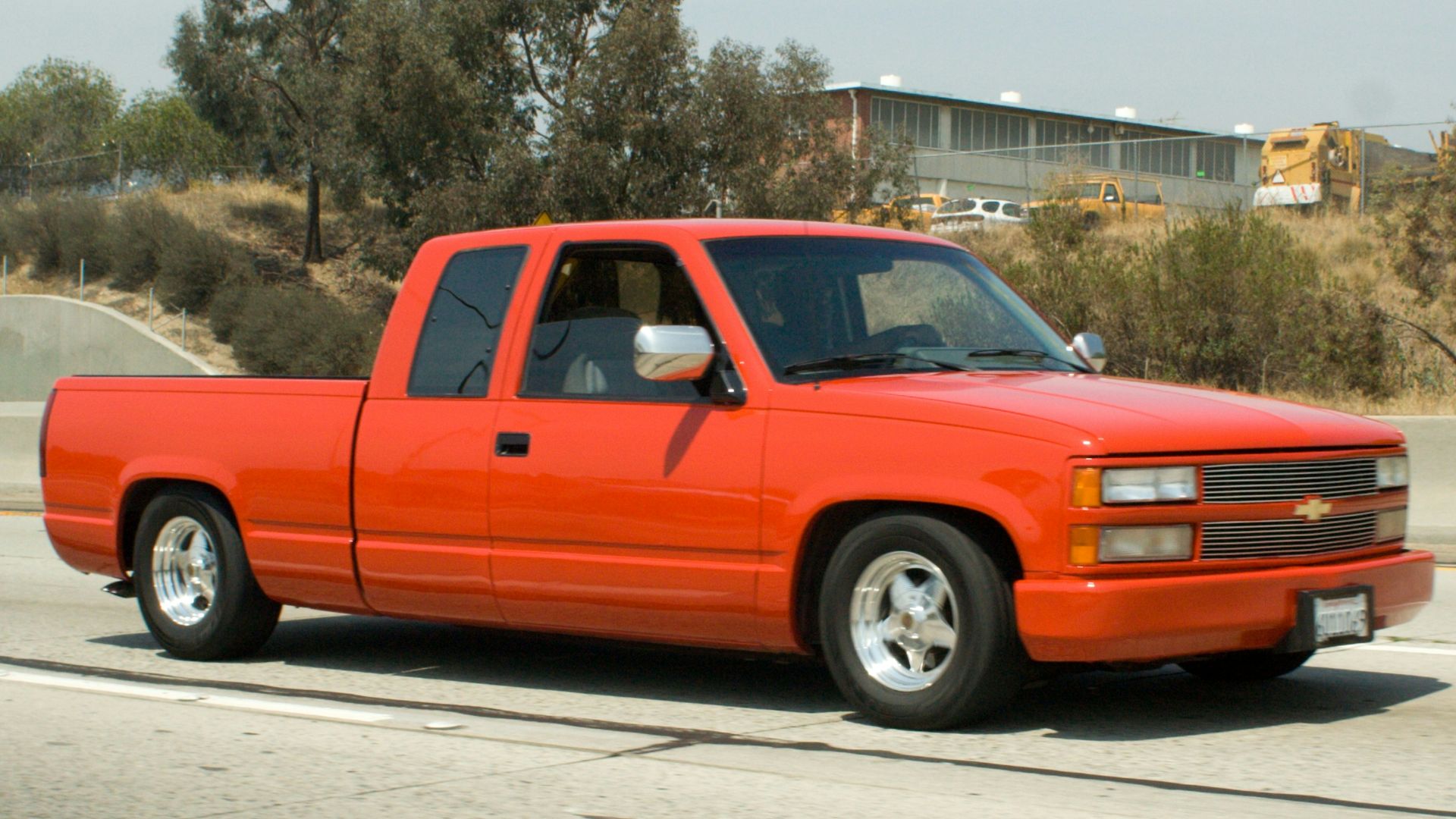
15. Chevrolet C/K And Early Silverado
These Chevy full-size pickups became fixtures on farms, job sites, and small-town main streets for decades. Their appeal wasn’t mysterious. They were straightforward trucks for people who wanted a V8, a bed, and a machine that felt like it was built to work before it was built to impress.
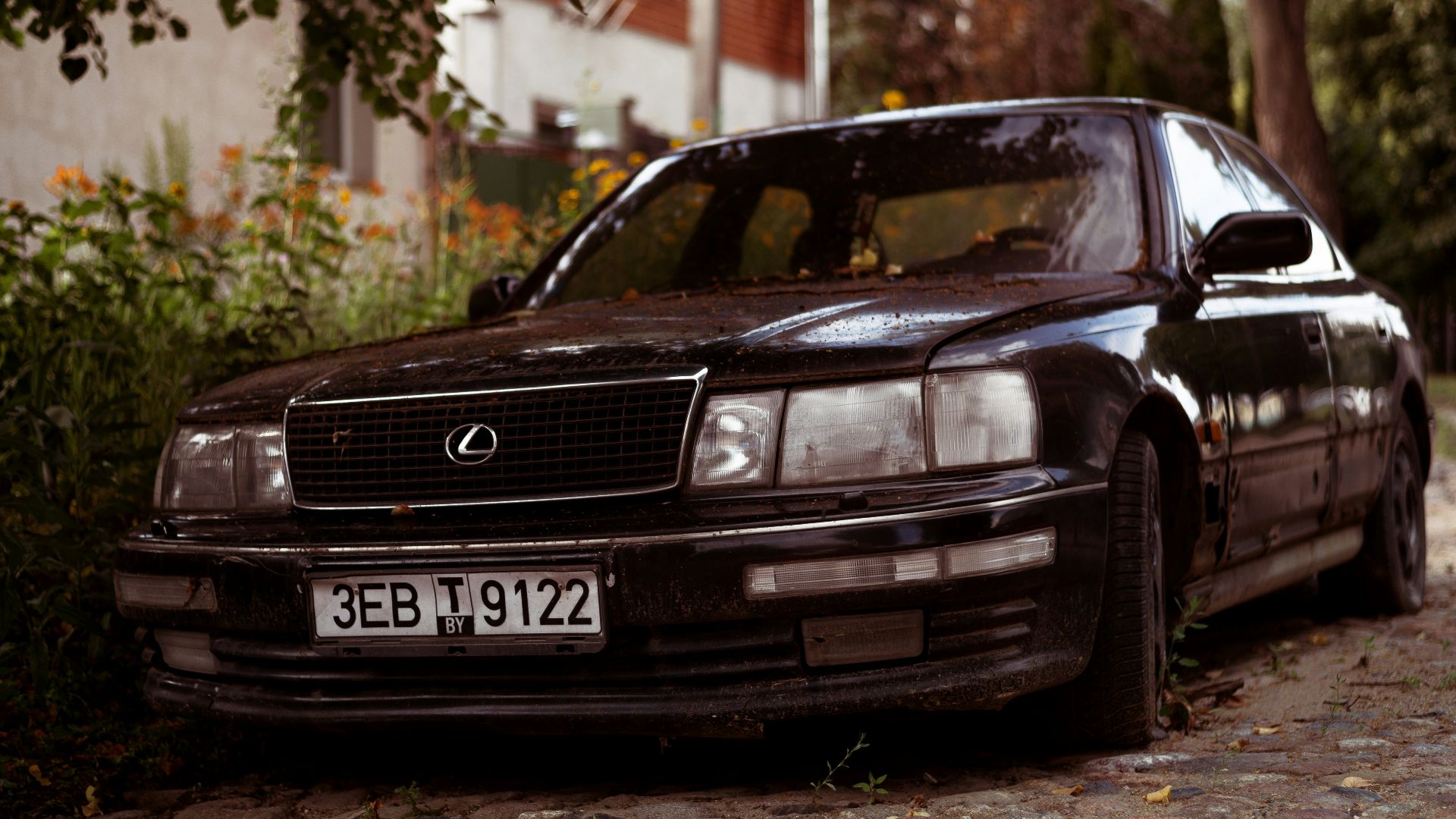
16. Lexus LS400
When the LS400 arrived in 1989, it changed how a lot of Americans thought about luxury cars. It was quiet, precise, beautifully assembled, and almost shockingly restrained, which made it feel like a calmer, smarter answer to the usual luxury-car peacocking of the era.
 Vitali Adutskevich on Unsplash
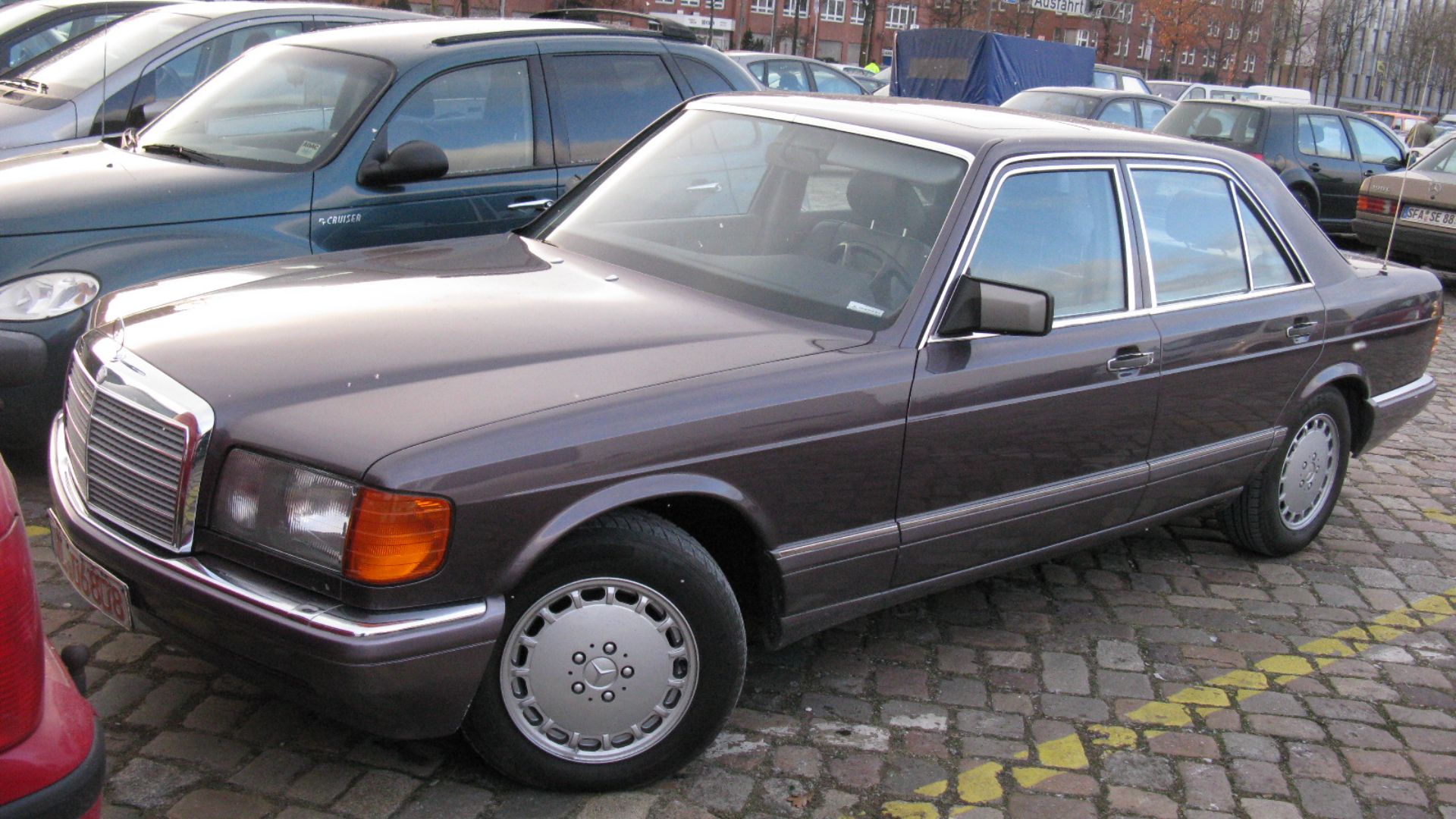
17. Mercedes-Benz W126 S-Class
The W126 had the kind of presence that never needed much decoration. Through the 1980s and early 1990s, it came to represent what a flagship sedan was supposed to feel like: elegant, substantial, and engineered with the assumption that corners weren’t supposed to be cut.
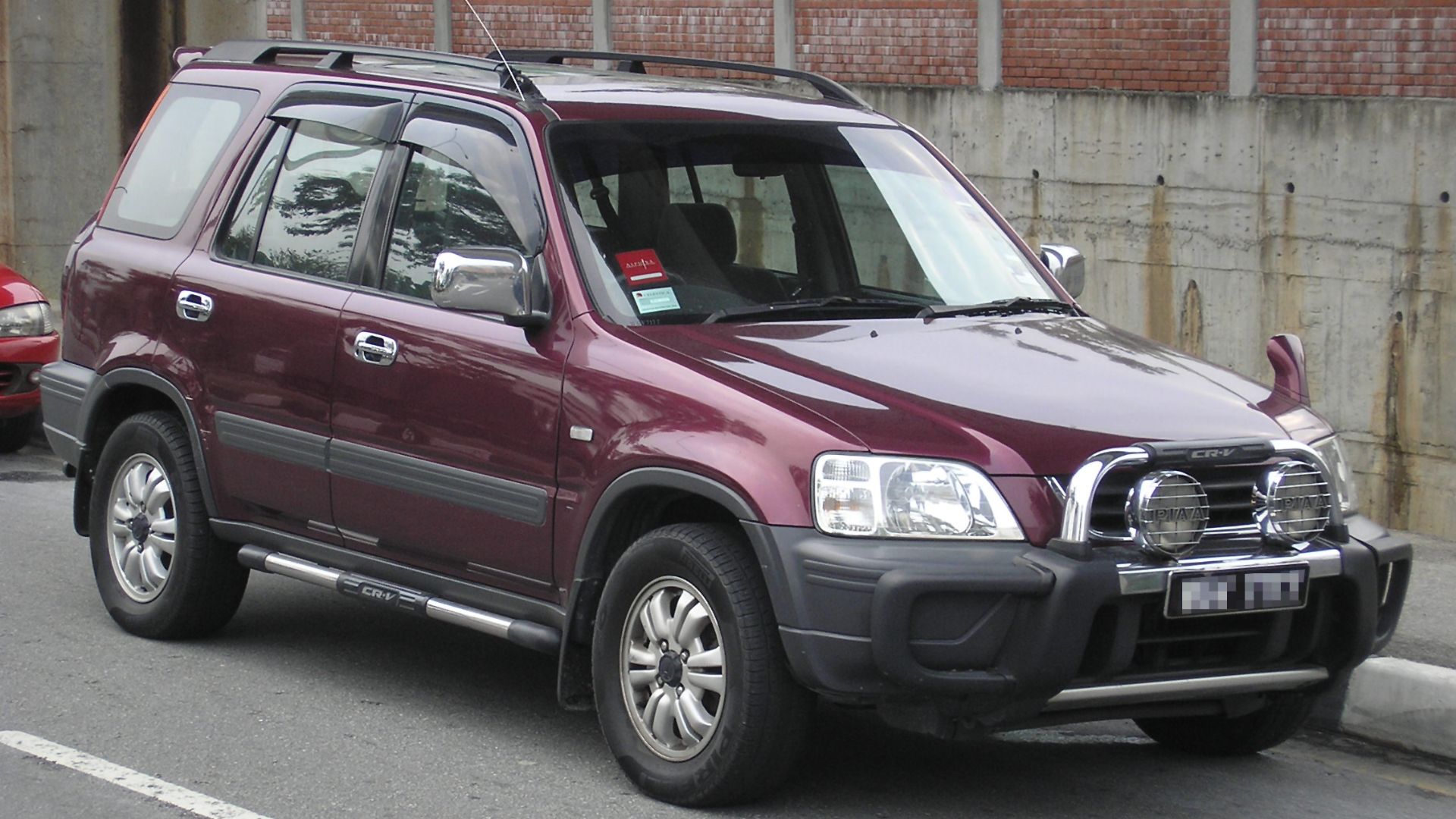
18. Honda CR-V First Generation
The first CR-V hit the U.S. at exactly the right moment in the late 1990s, when buyers wanted SUV practicality without the sheer bulk of a truck-based giant. It was compact, clever, and easy to park at the grocery store, which mattered more than car enthusiasts sometimes like to admit.
 User:Two hundred percent. on Wikimedia
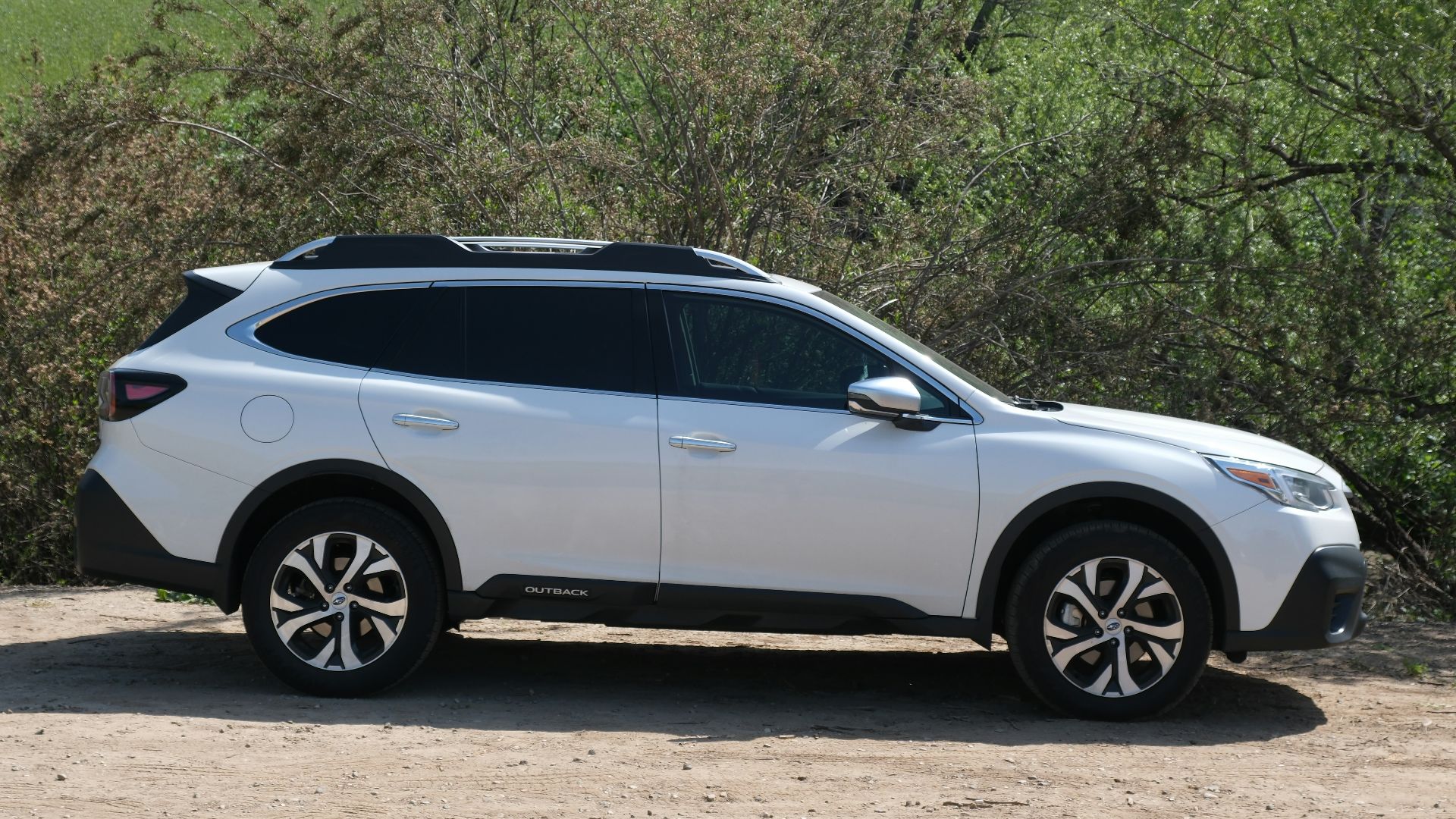
19. Subaru Legacy And Outback
Subaru’s Legacy gave the brand a solid midsize backbone, and the Outback turned that into something much bigger culturally. In snowy places like Vermont, Colorado, and upstate New York, the formula just made sense: wagon shape, all-wheel drive, and the kind of confidence people actually use.
20. Ford Mustang Fox Body
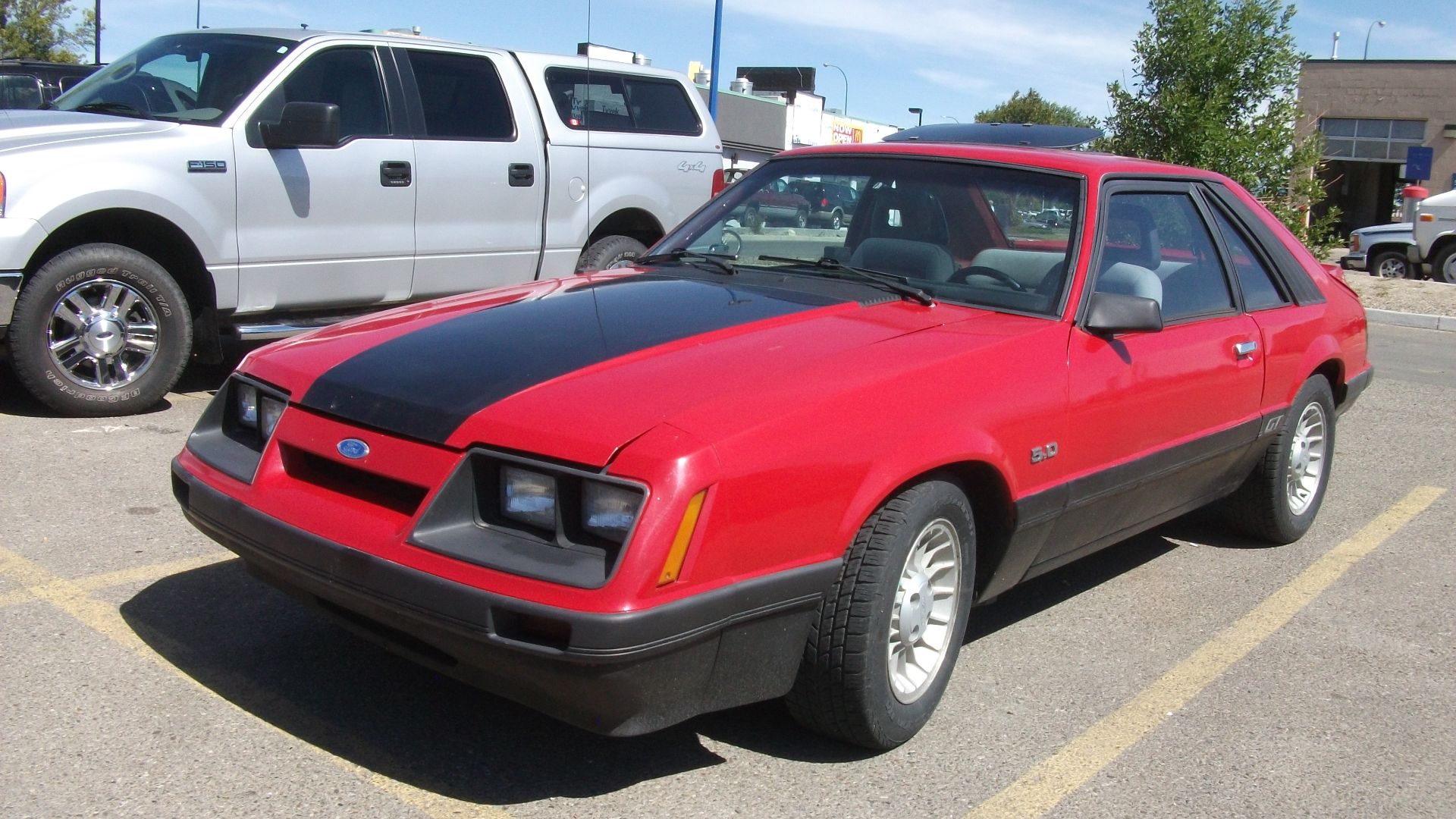
The Fox Body lasted from 1979 to 1993, and that long run helped make it a familiar sight everywhere from suburban driveways to Friday night cruise spots. It stayed popular because it was accessible, tunable, and fun in a direct, unpretentious way that people still miss.