Understanding What Affects Fuel Efficiency
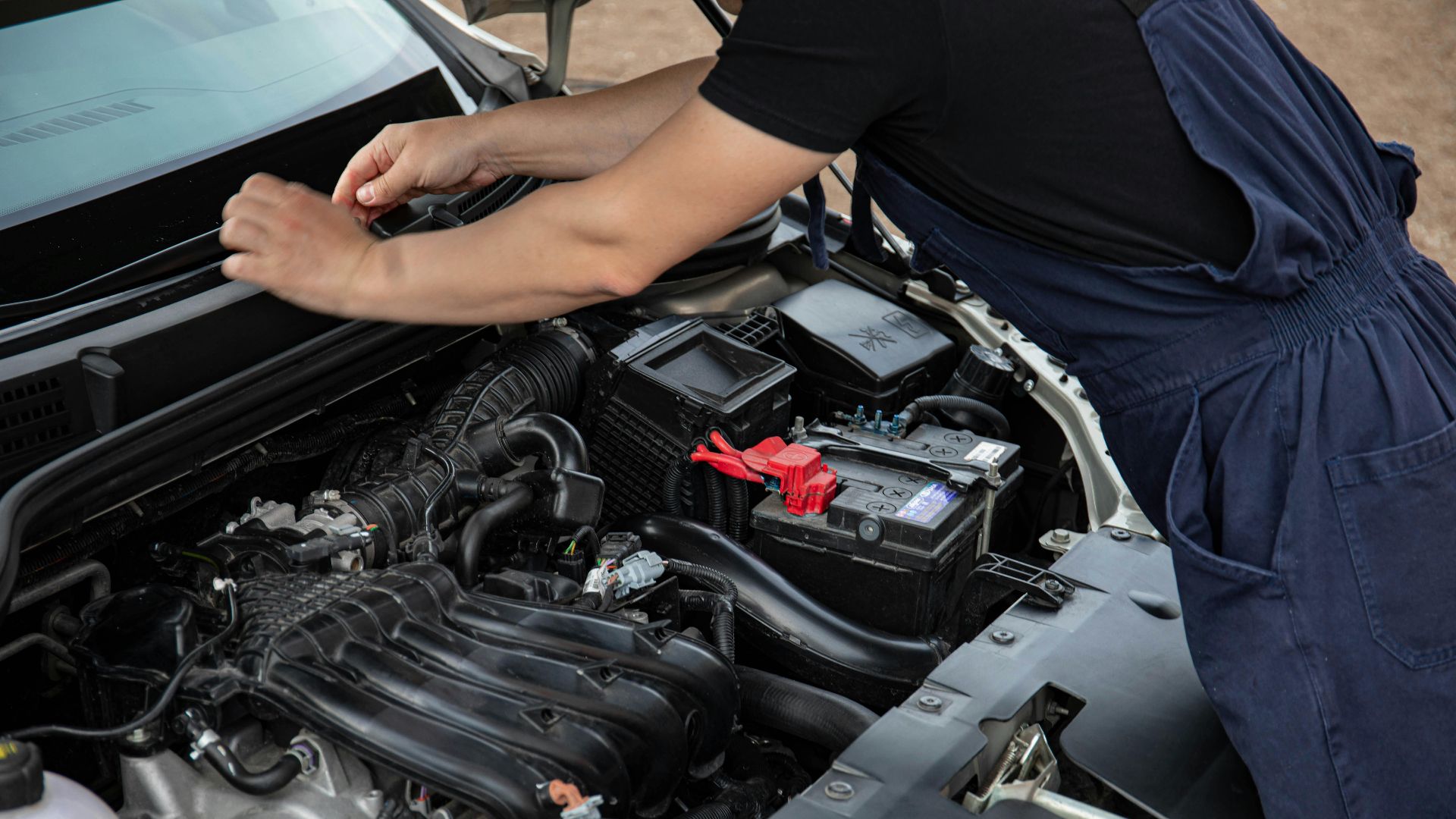
Poor gas mileage can be frustrating, especially when it seems to happen without a clear reason. Fuel efficiency is influenced by a combination of driving habits, vehicle condition, and environmental factors. Even small issues can add up over time and significantly impact how far your tank takes you. Identifying the cause is the first step toward improving performance and saving money. Here are 20 reasons your car isn't getting good gas mileage.

1. Underinflated Tires
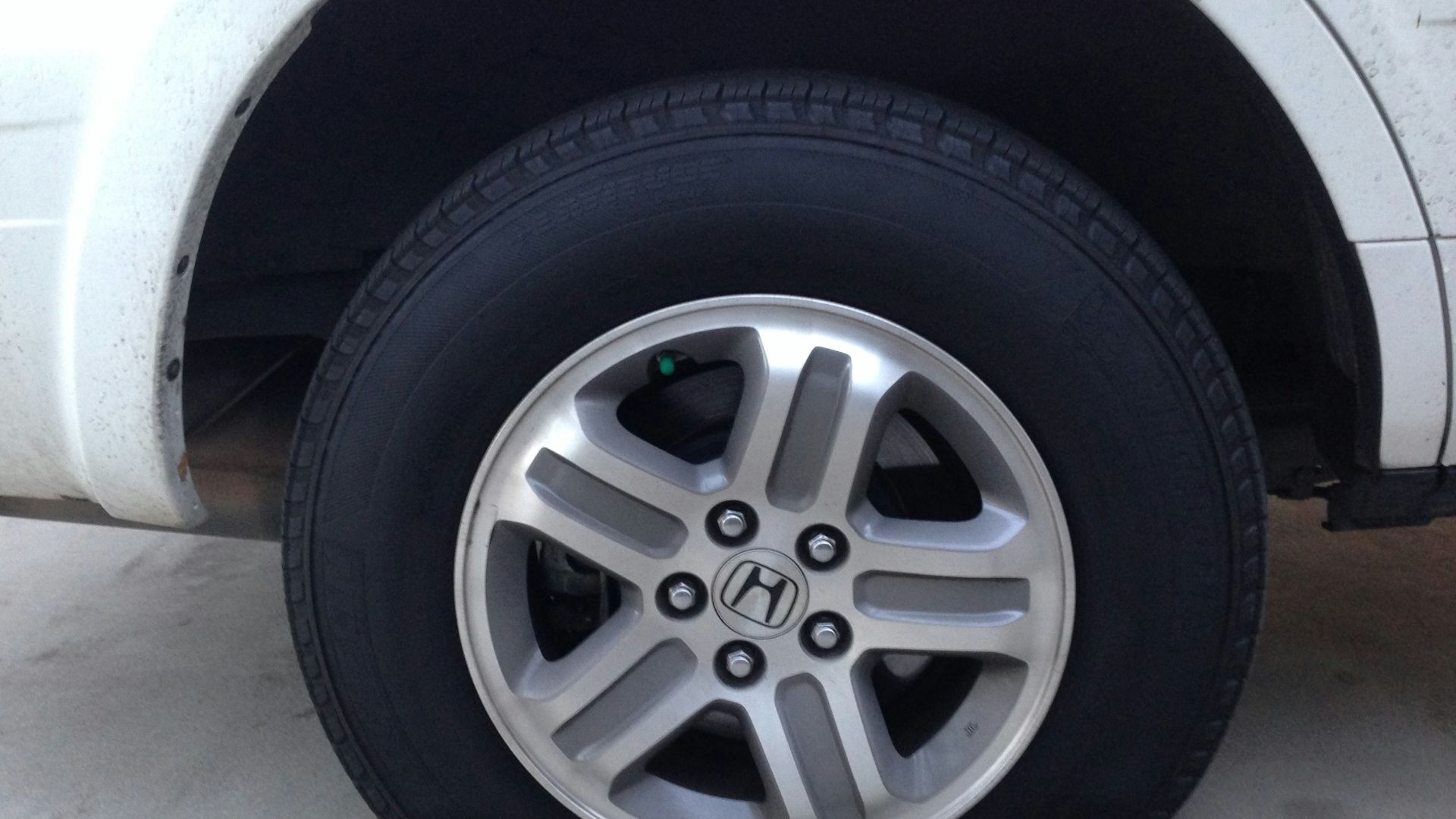
Tires with low pressure create more rolling resistance on the road. This forces your engine to work harder and burn more fuel. Even slightly underinflated tires can reduce efficiency over time. Regularly checking and maintaining proper tire pressure helps improve mileage.
2. Aggressive Driving Habits
Rapid acceleration and hard braking consume more fuel than smooth driving. These habits put extra strain on your engine and reduce efficiency. Maintaining steady speeds and gradual movements can make a noticeable difference. Over time, consistent driving habits lead to better fuel economy.

3. Excessive Idling
Letting your car run while parked wastes fuel without moving the vehicle. Modern engines don’t require long warm-up periods in most conditions. Extended idling can add up, especially during daily routines. Turning off the engine when stationary helps conserve fuel.
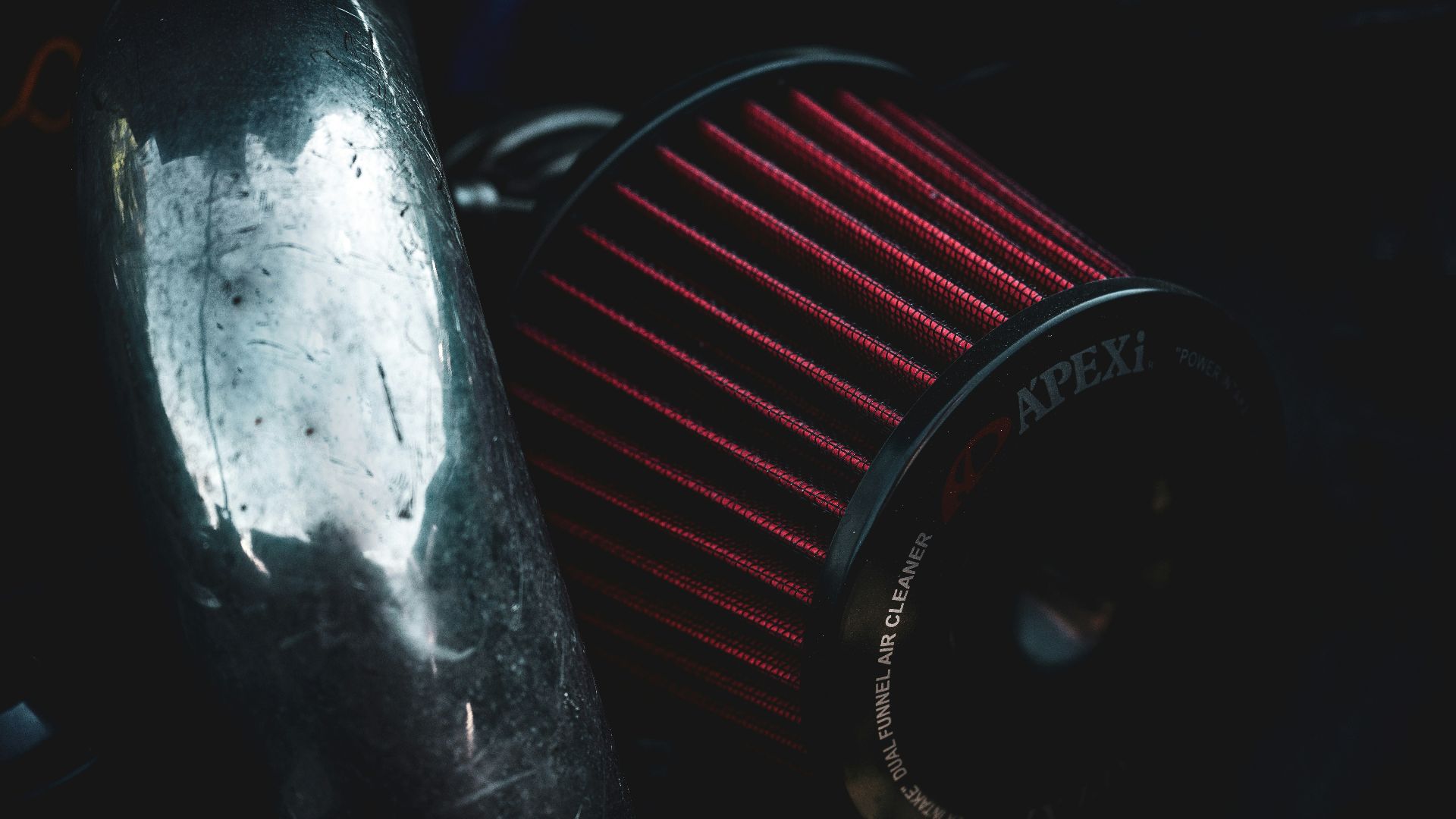
4. Dirty Air Filter
A clogged air filter restricts airflow to the engine. This can disrupt the fuel-to-air ratio needed for efficient combustion. As a result, your engine may use more fuel to compensate. Replacing the air filter regularly helps maintain performance.
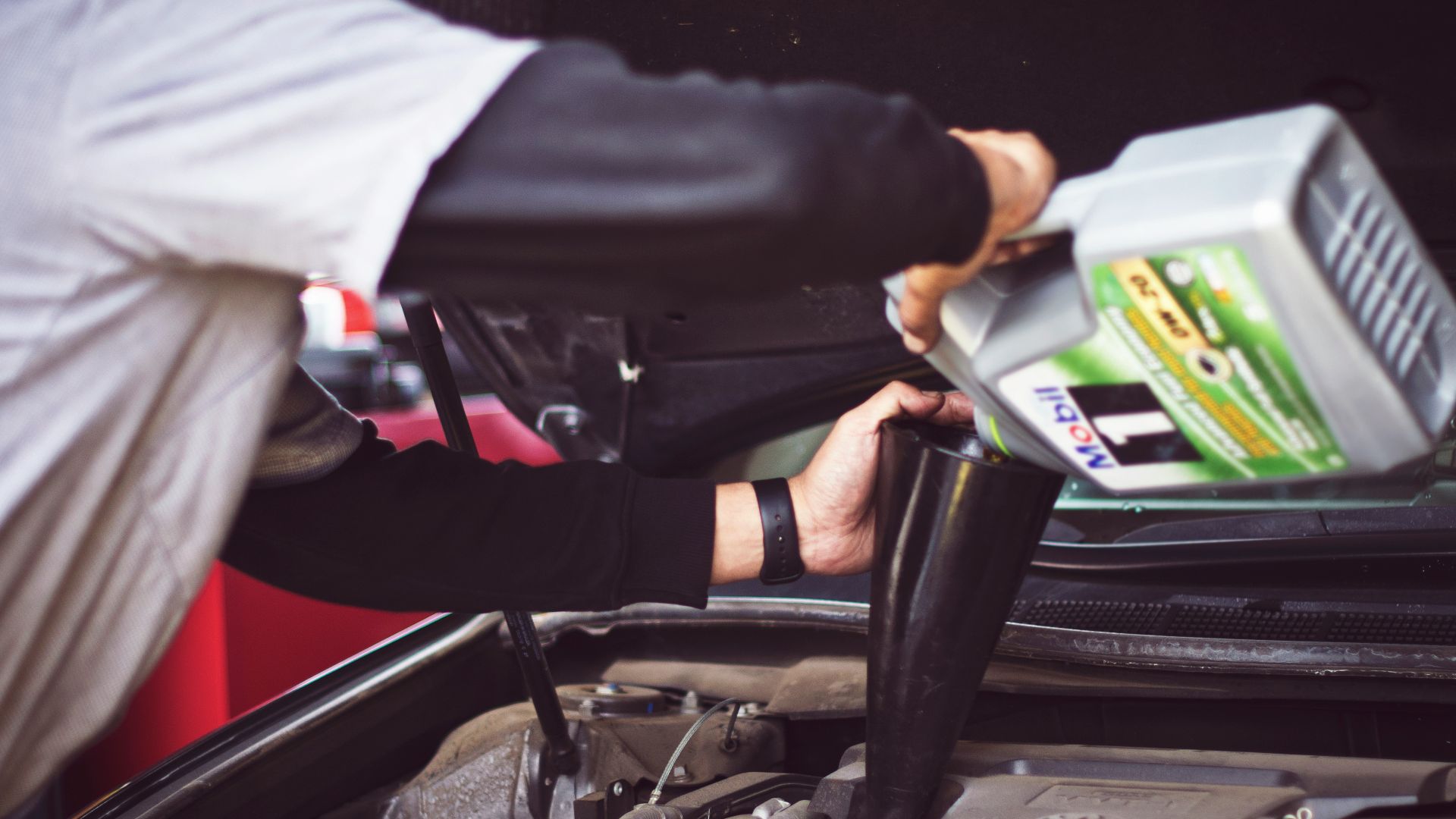
5. Incorrect Motor Oil
Using the wrong type or grade of motor oil can increase engine friction. This reduces efficiency and forces the engine to work harder. Manufacturers recommend specific oil types for optimal performance, and following these guidelines can improve fuel economy.
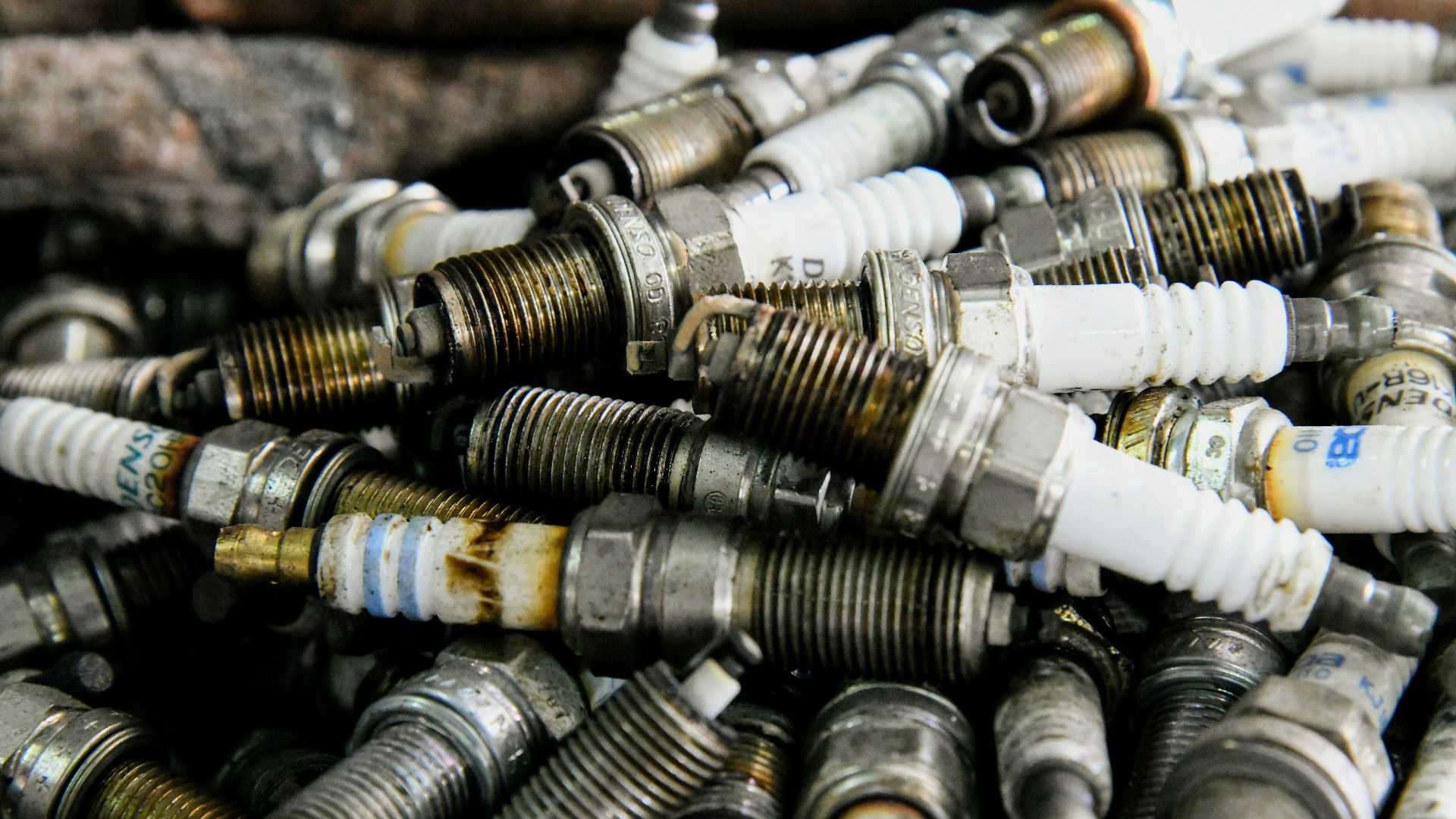
6. Worn Spark Plugs
Spark plugs play a key role in igniting the fuel-air mixture. When they wear out, combustion becomes less efficient. This can lead to increased fuel consumption and reduced engine performance. Replacing them at recommended intervals helps maintain efficiency.
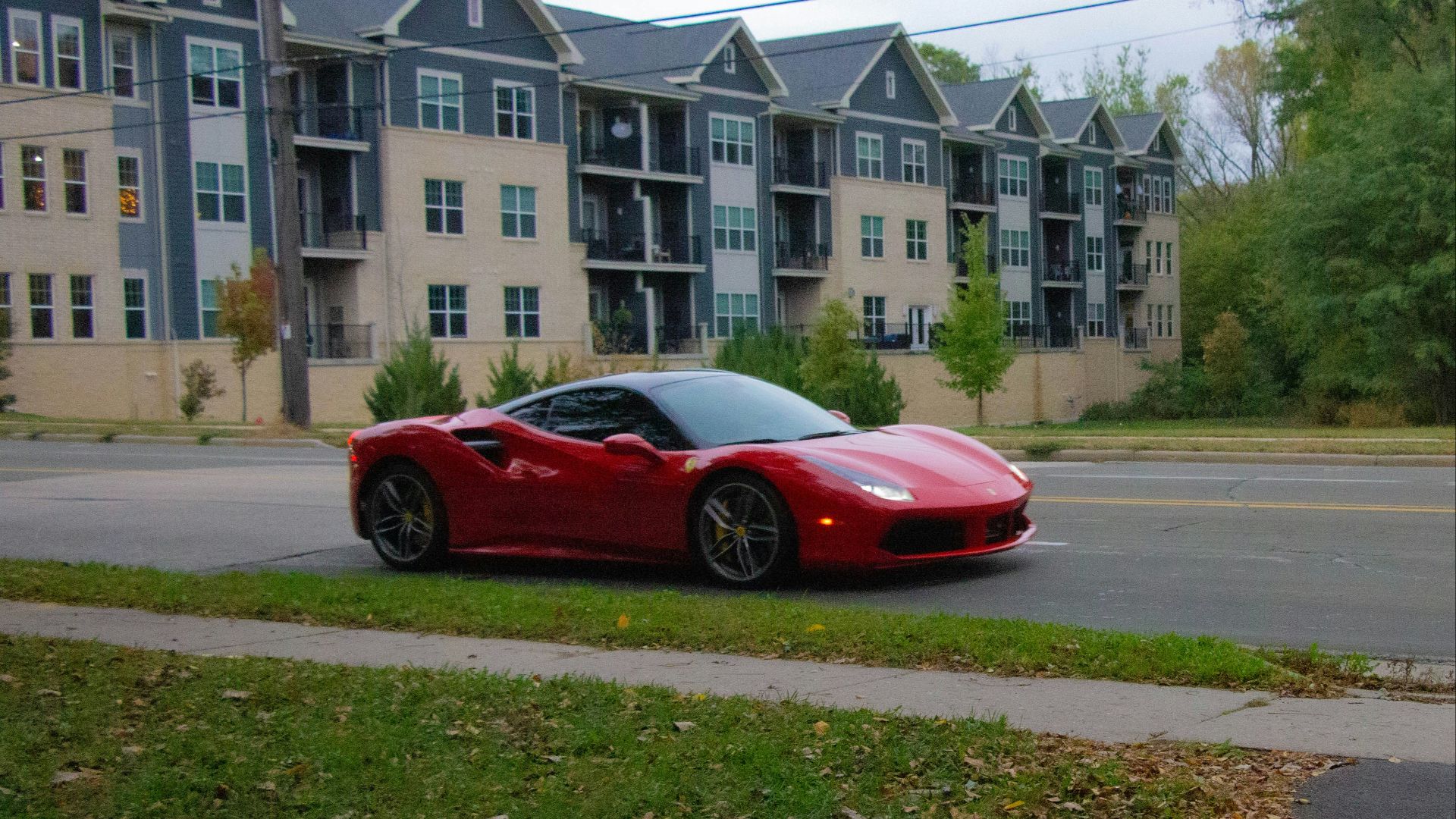
7. Driving At High Speeds
Fuel efficiency decreases significantly at higher speeds. Wind resistance increases as speed rises, requiring more power from the engine. Driving at moderate, steady speeds can help conserve fuel. Even small speed reductions can make a difference.
8. Carrying Excess Weight
Extra weight in your vehicle forces the engine to use more energy. Items left in the trunk or back seat can add unnecessary load. This is especially noticeable during city driving. Removing unneeded items helps improve efficiency.
 Swansway Motor Group on Unsplash
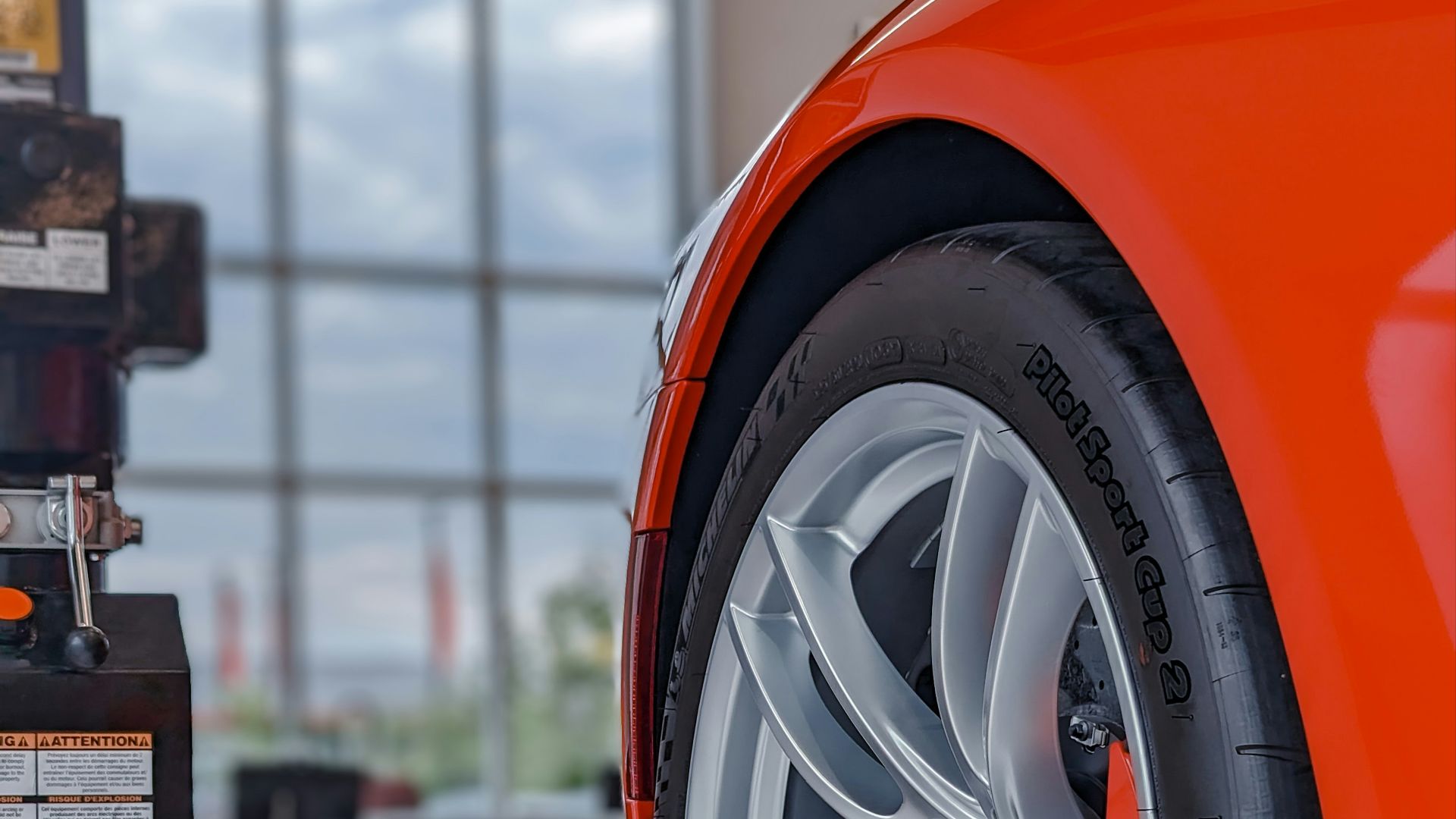
9. Poor Wheel Alignment
Misaligned wheels create additional resistance while driving. This can cause uneven tire wear and reduced fuel efficiency. You may also notice your car pulling to one side. Regular alignment checks help maintain proper performance.
10. Frequent Short Trips
Short trips prevent the engine from reaching its optimal operating temperature. Cold engines are less efficient and consume more fuel. Repeated short drives can significantly impact mileage, so combining errands into longer trips can help reduce this effect.
 Samuele Errico Piccarini on Unsplash
11. Faulty Oxygen Sensor
The oxygen sensor monitors the air-to-fuel ratio in your engine. If it malfunctions, the engine may use more fuel than necessary. This can reduce efficiency and increase emissions. Replacing a faulty sensor can restore proper balance.
12. Driving In Stop-And-Go Traffic
Frequent stopping and starting reduces fuel efficiency. Each acceleration requires additional fuel, especially in heavy traffic. This type of driving is less efficient than maintaining a steady speed. Planning routes to avoid congestion can help improve mileage.

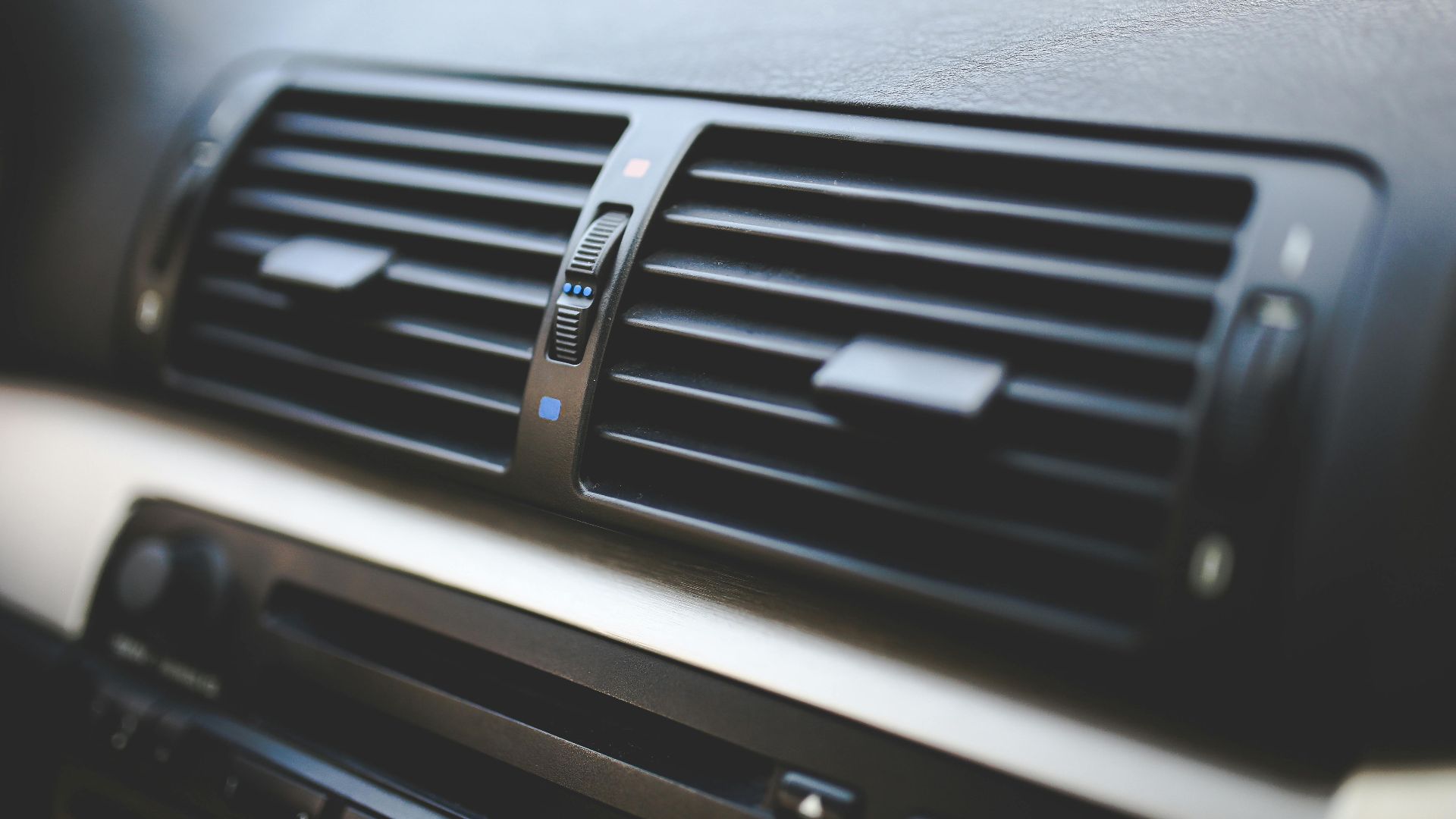
13. Using Air Conditioning Excessively
Running the air conditioning system increases engine load. This can lead to higher fuel consumption, particularly in city driving. While it’s often necessary for comfort, using it moderately can help conserve fuel. Ventilation can be a helpful alternative in mild conditions.
 Karolina Grabowska www.kaboompics.com on Pexels
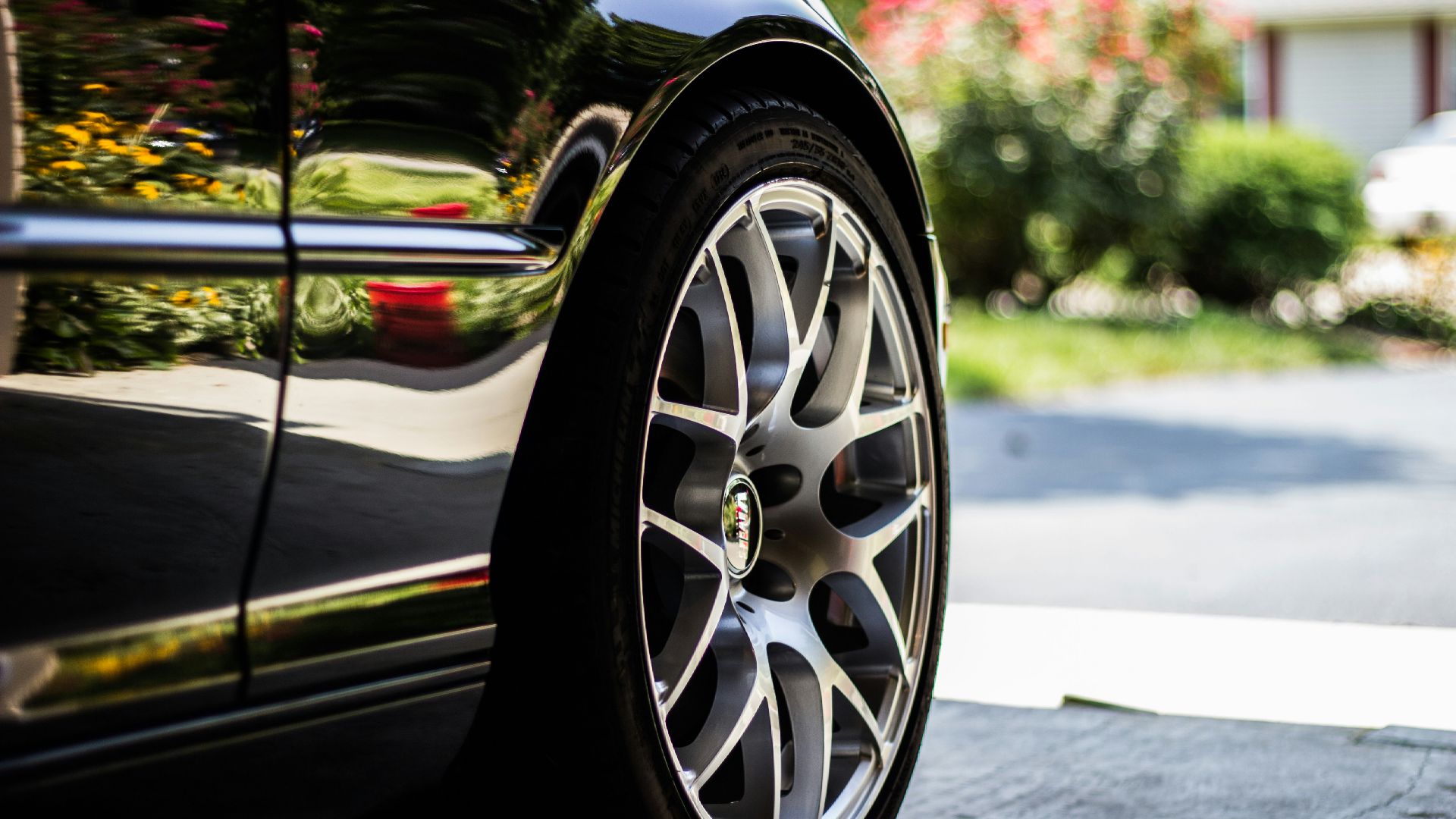
14. Old Or Worn Tires
Tires that are worn or not designed for efficiency can impact mileage. Some tires create more resistance than others. Replacing them with fuel-efficient options can improve performance. Proper tire maintenance also plays a role.
15. Engine Issues
Underlying engine problems can reduce overall efficiency. Issues like misfires or poor compression affect how fuel is used. These problems often require professional diagnosis. Addressing them promptly can prevent further fuel loss.
16. Roof Racks Or Carriers
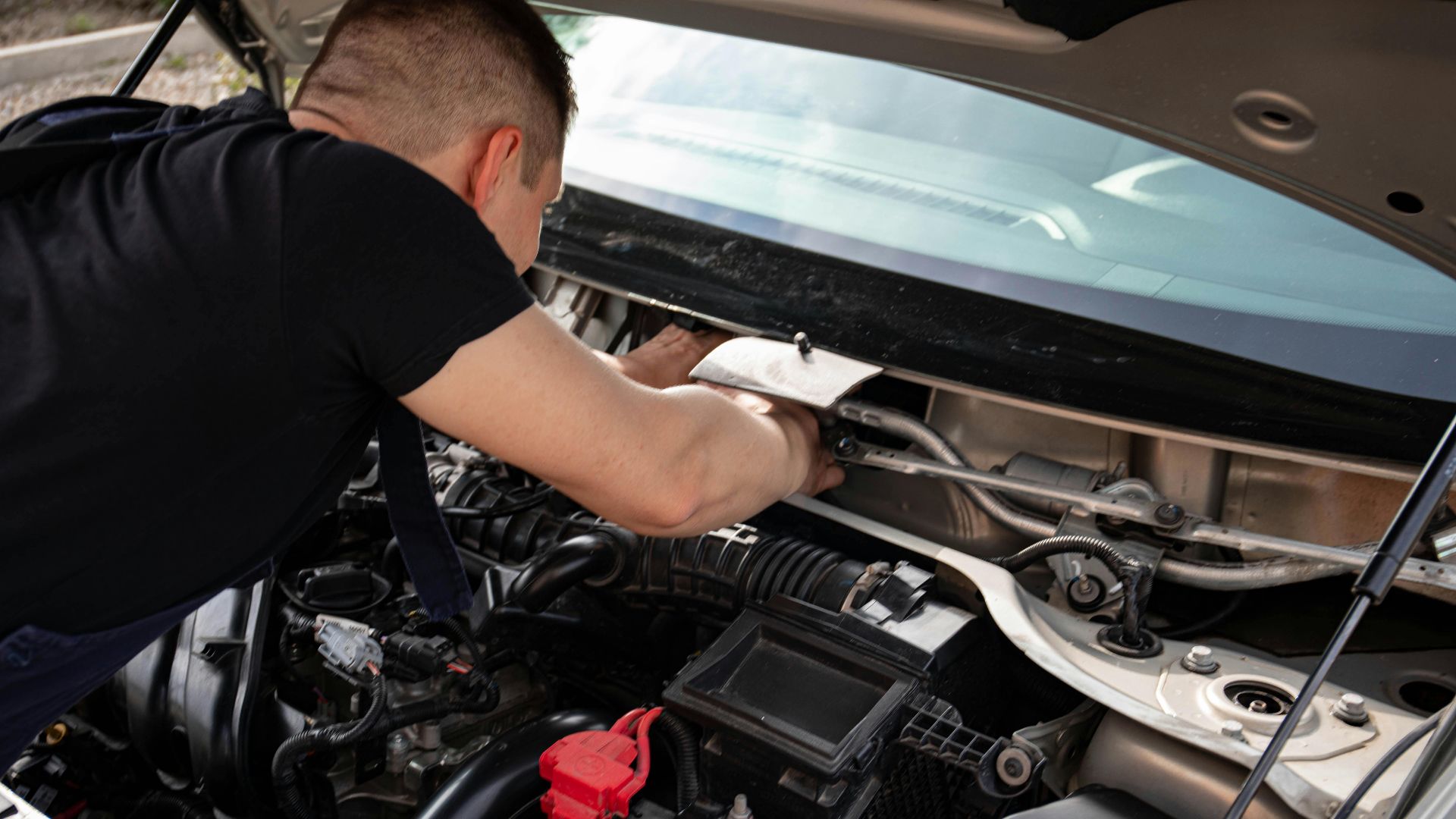
External accessories like roof racks increase aerodynamic drag. This forces the engine to work harder, especially at highway speeds. Removing them when not in use can improve fuel efficiency. Even small changes can have an impact over time.

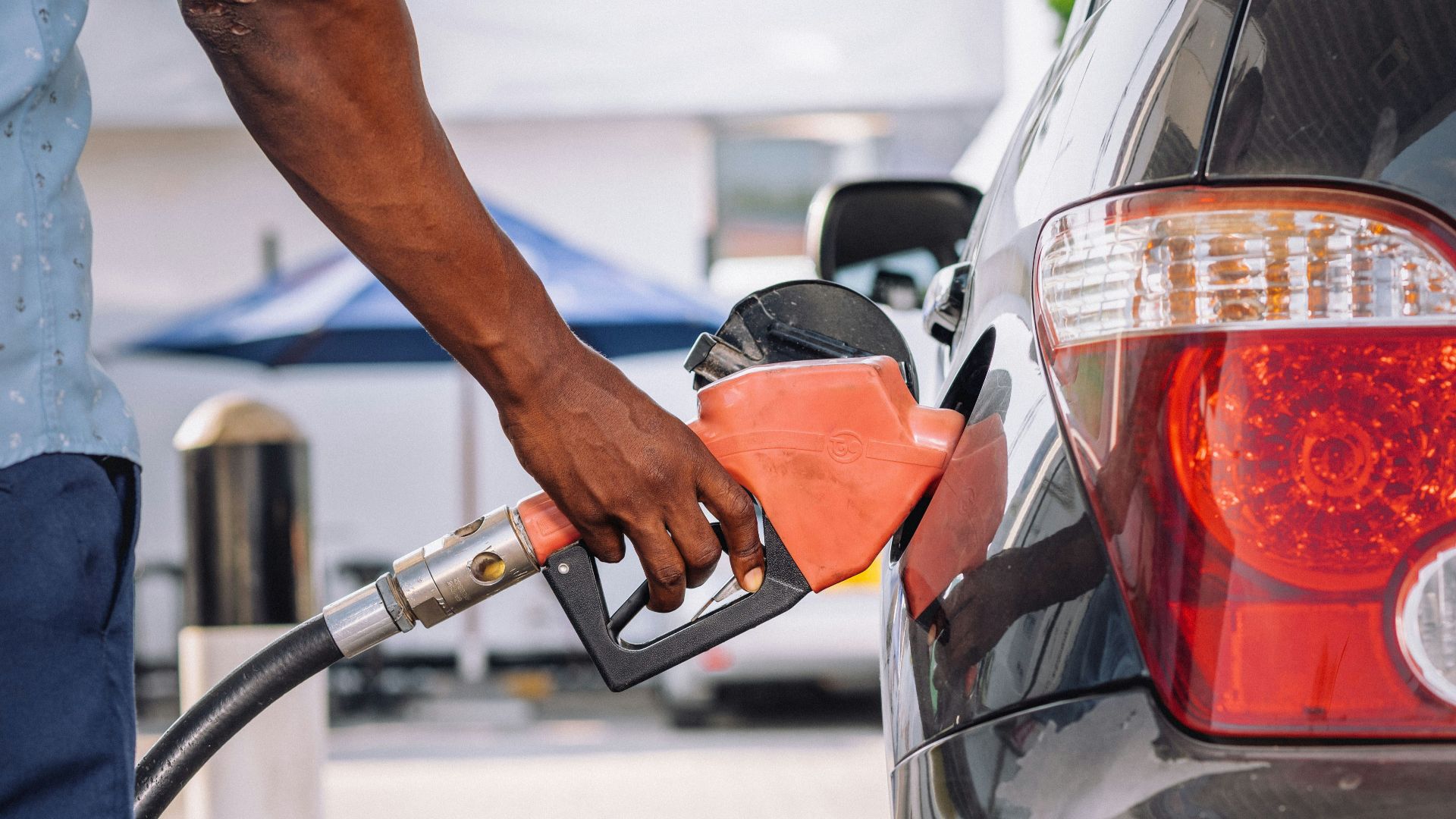
17. Low-Quality Fuel
Using fuel that doesn’t meet your vehicle’s requirements can affect performance. Lower-quality fuel may not burn as efficiently, leading to reduced mileage and potential engine issues. Following the manufacturer's fuel recommendations helps maintain consistency.
18. Cold Weather Conditions
Cold temperatures can reduce fuel efficiency in several ways. Engines take longer to warm up, and fluids become thicker. This increases resistance and fuel consumption. Seasonal changes often lead to noticeable differences in mileage.
 Pablo Sanchez Cuesta on Unsplash
19. Overusing Cruise Control On Hills
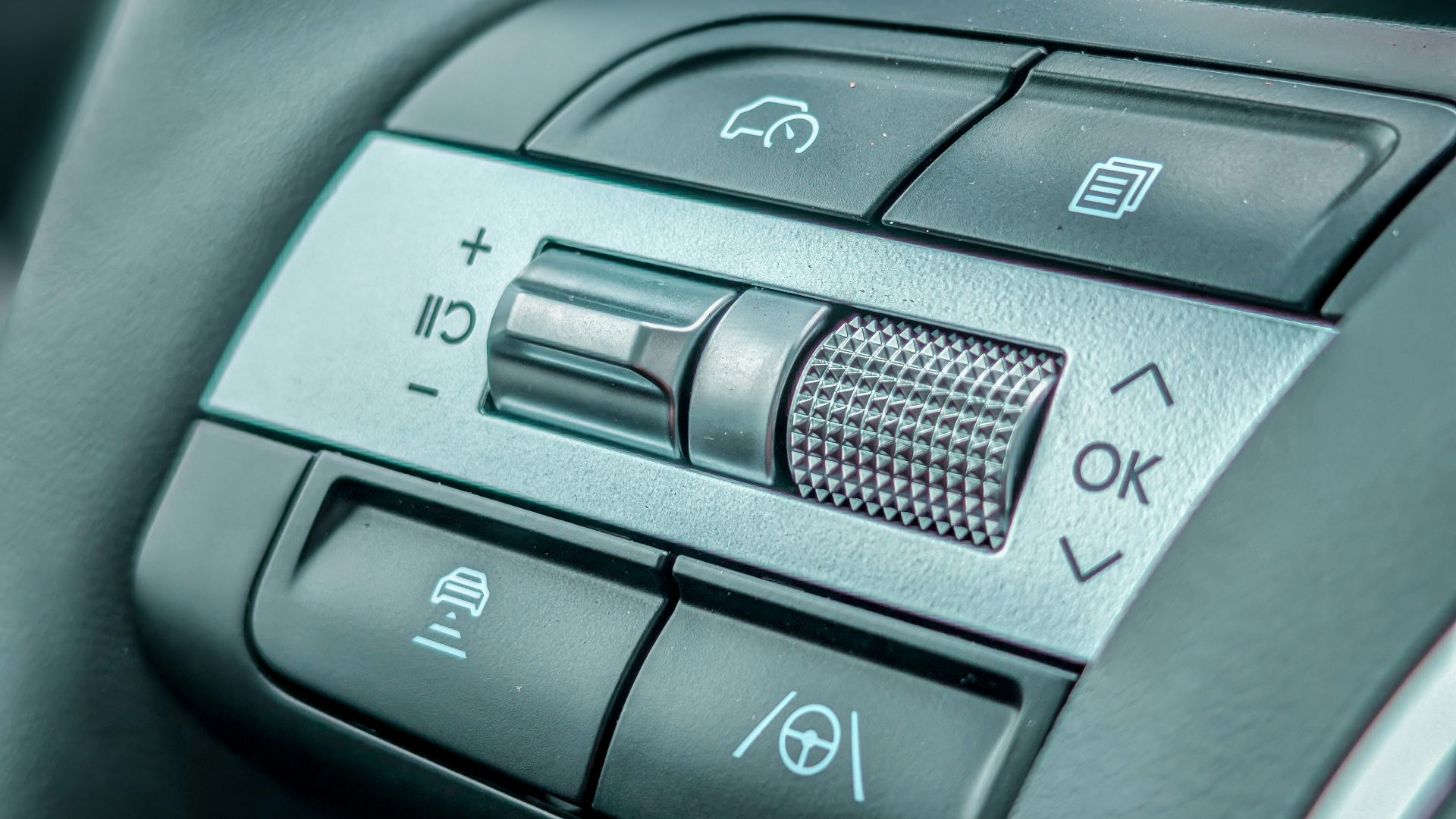
Cruise control works best on flat terrain. On hills, it may cause the engine to use more fuel to maintain speed. Adjusting your speed manually can be more efficient in these conditions. Being mindful of terrain helps optimize fuel use.
20. Ignoring Regular Maintenance
Skipping routine maintenance can lead to multiple small issues that affect fuel efficiency. Regular servicing keeps all systems working properly. This includes checking filters, fluids, and engine components. Staying consistent with maintenance helps preserve mileage over time.