Once-Mocked Cars The Internet Made Cool
The internet gave a lot of once-ridiculed cars a second chance. After years of memes, forum debates, nostalgia, and collector interest, some of the industry’s old punchlines now look surprisingly cool. Some were misunderstood from the start, and some just aged better than anyone expected. These 20 cars all found a much warmer reception online than they ever got the first time around.
1. Pontiac Aztek
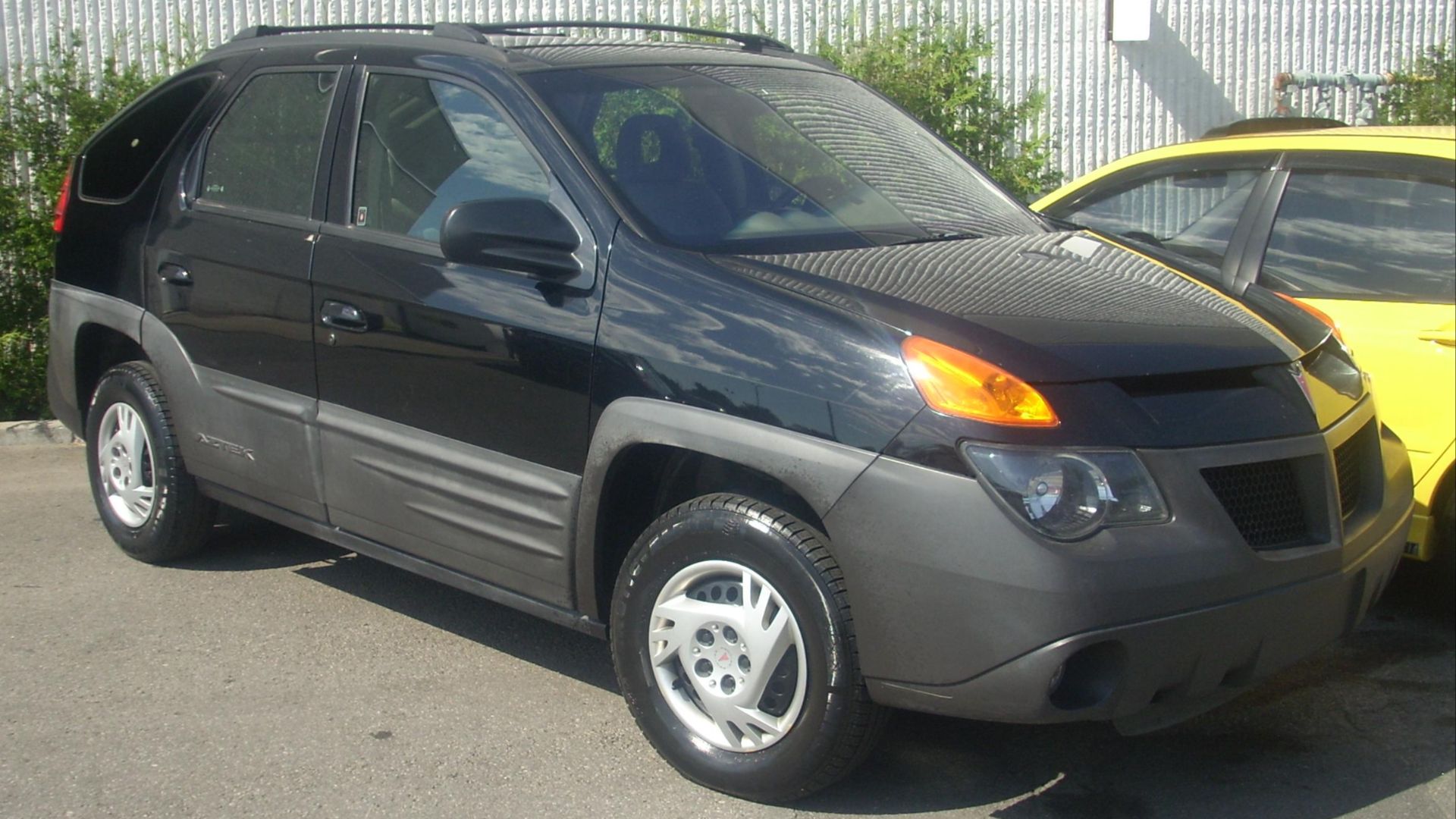
Back in the early 2000s, the Aztek was one of the easiest cars in America to make fun of. Now it feels more like a time capsule from 2001. It comes equipped with camping features, weird crossover ambition, and enough pop-culture baggage to make people see it with a lot more affection than they did the first time.
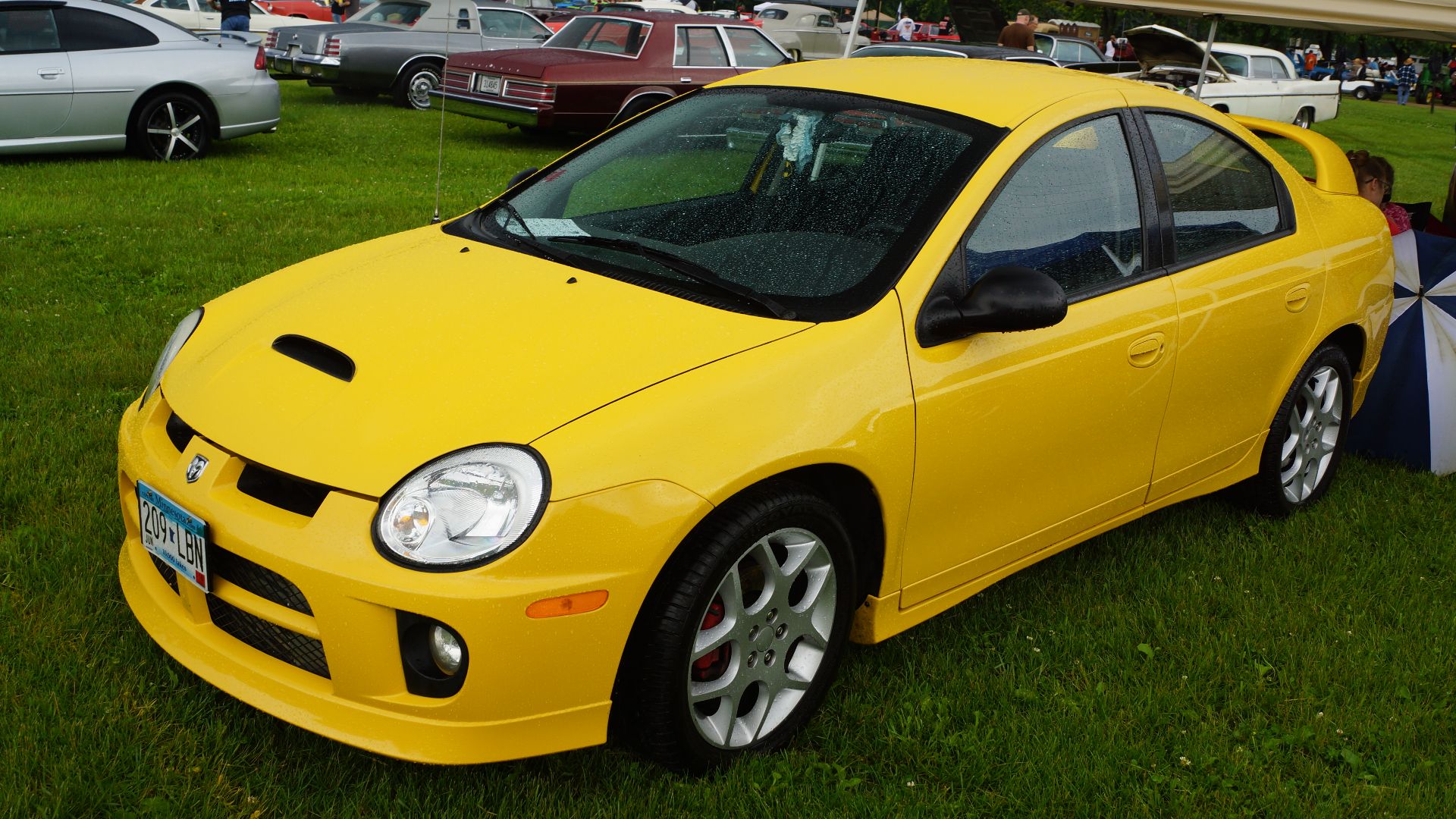
2. Dodge Neon SRT-4
The Neon name never sounded like it belonged on a serious performance car, which was part of the problem when the SRT-4 showed up. Then owners started posting dyno numbers, drag-strip runs, and tuning builds online, and people slowly accepted that this cheap turbo sedan from the early 2000s was one of the nastiest bargains of its era.
3. Toyota Supra Mk4
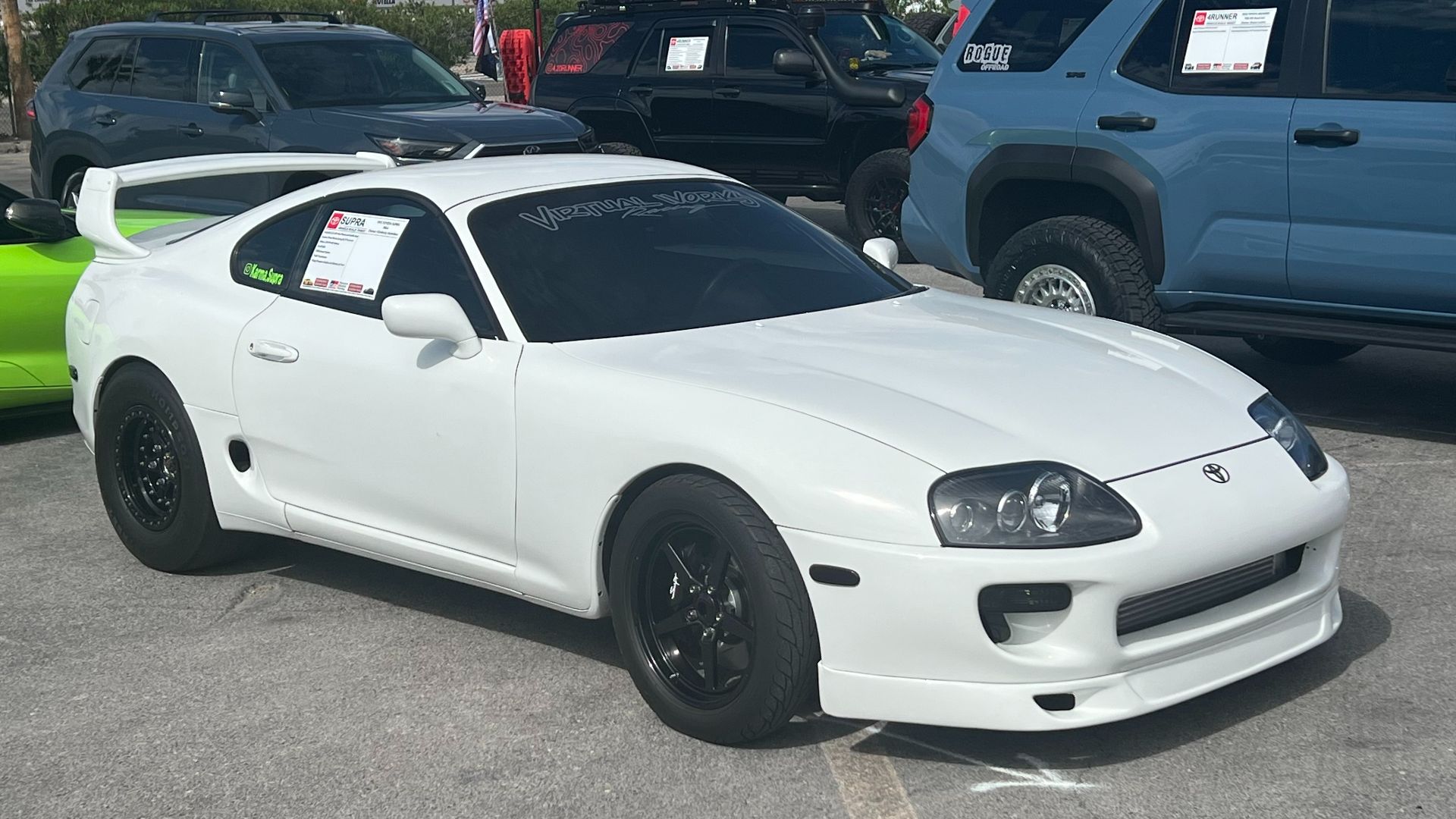
The Mk4 Supra was already respected in the 1990s, though it still lived in a fairly specific enthusiast lane. Years of forum lore, Gran Turismo obsession, Fast & Furious nostalgia, and endless 2JZ content turned it into something much bigger, to the point where the internet helped make it feel less like a car and more like a permanent piece of tuner mythology.
4. BMW E46 M3
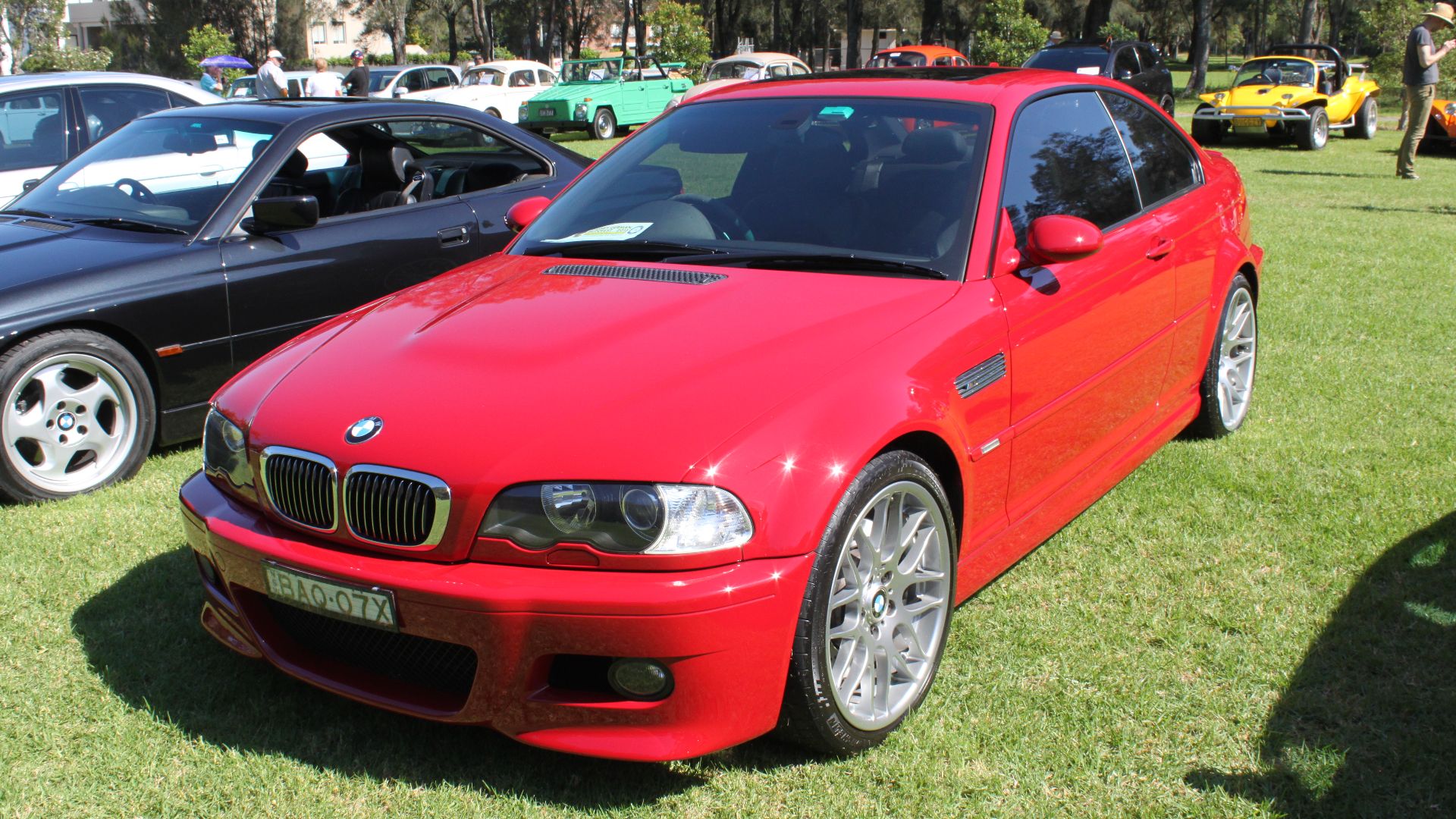
There was a stretch when the E46 M3 was just an older German coupe. Eventually, the internet settled on what made it special: the size still felt right, the straight-six still sounded incredible, and the whole car came from that late-1990s, early-2000s window before performance cars got much heavier and more insulated.
 Jeremy from Sydney, Australia on Wikimedia
5. Mazda RX-8
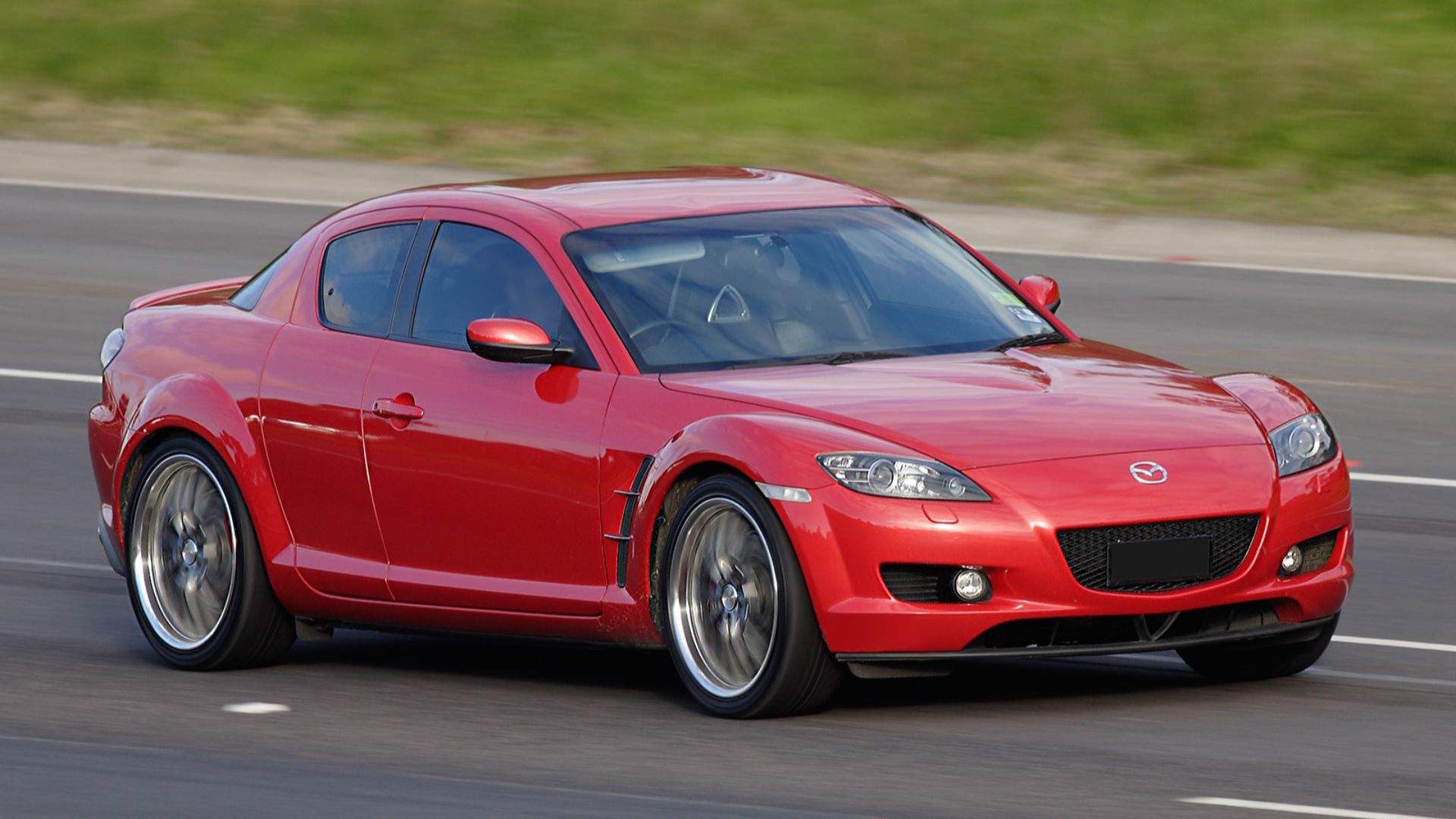
The RX-8 spent years getting reduced to rotary jokes, fuel-consumption complaints, and long threads about rebuilds. Spend any time around people who’ve actually driven one, though, and a different picture shows up online. It’s light on its feet and eager to get going.
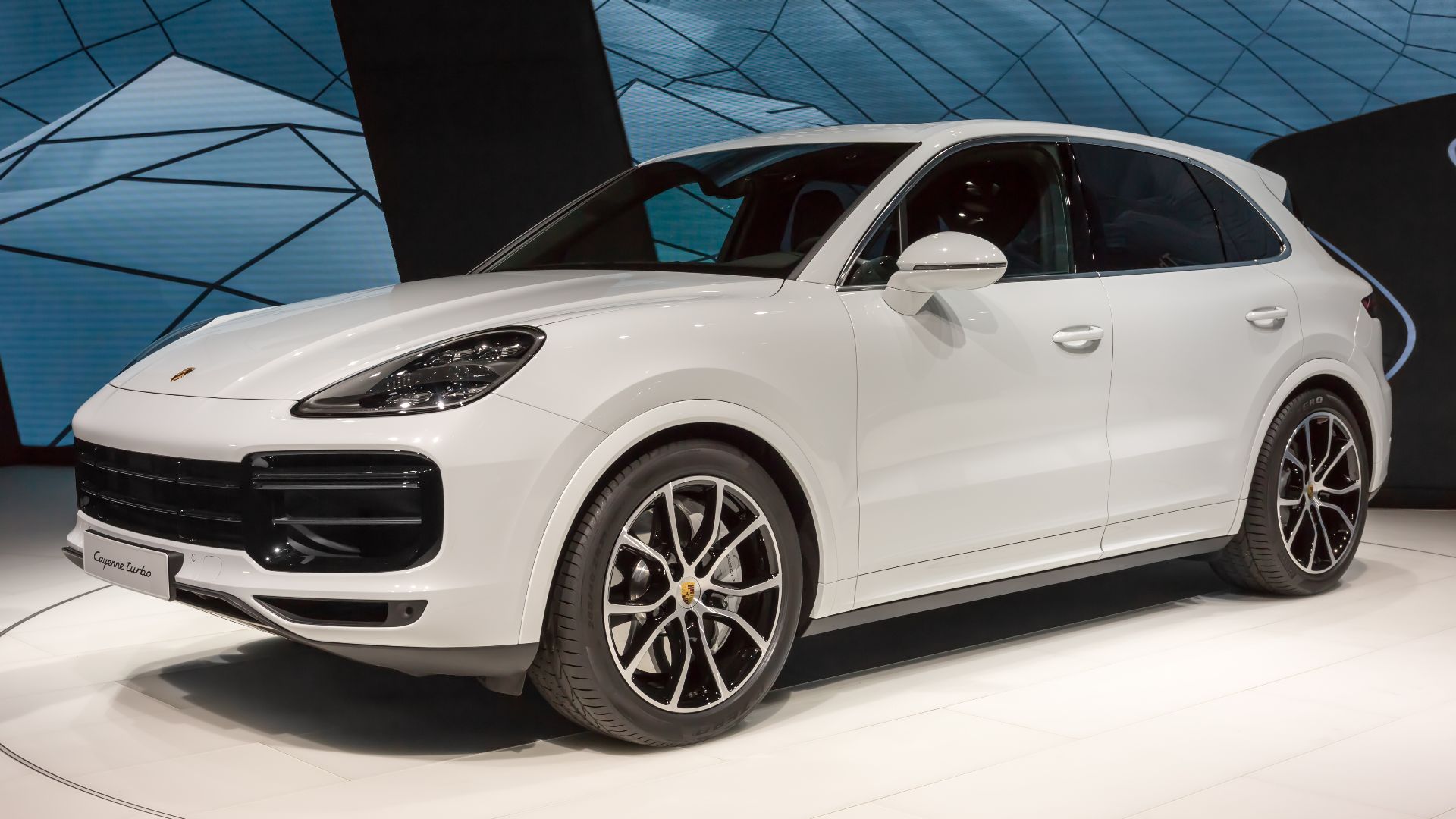
6. Porsche Cayenne
When the Cayenne arrived in 2002, plenty of Porsche fans acted like the company had lost its mind. With some distance, that reaction looks pretty thin. The Cayenne sold in huge numbers, helped secure Porsche’s future, and showed that a fast SUV from Stuttgart could still feel like it belonged in the lineup.
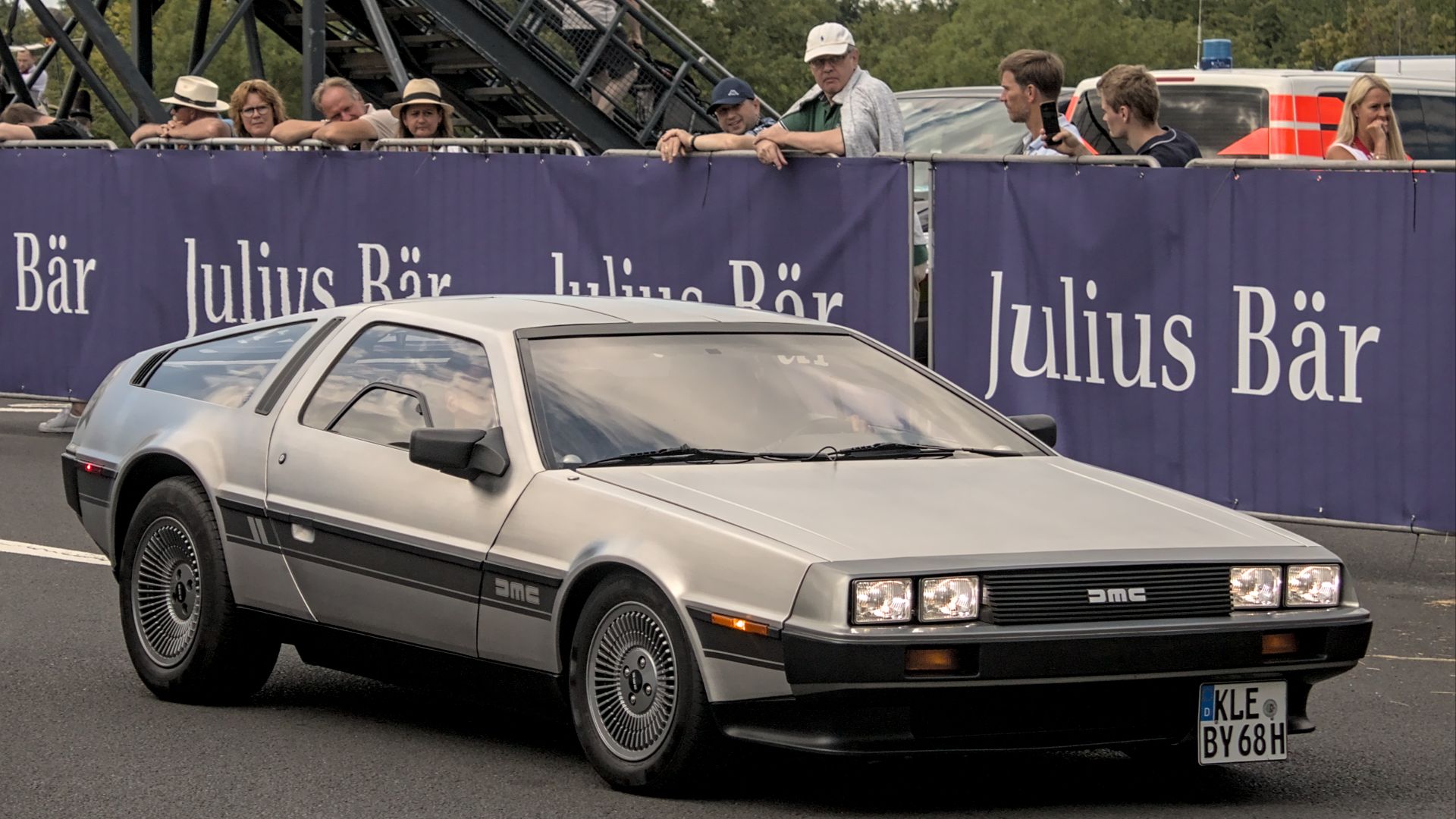
7. DMC DeLorean
The DeLorean’s real story was always messier than the legend around it, and the car itself was never known for thrilling performance. That hardly matters now. Between Back to the Future, its stainless-steel body, and those gullwing doors, it’s been absorbed into internet culture as one of the most recognizable cars of the 1980s.
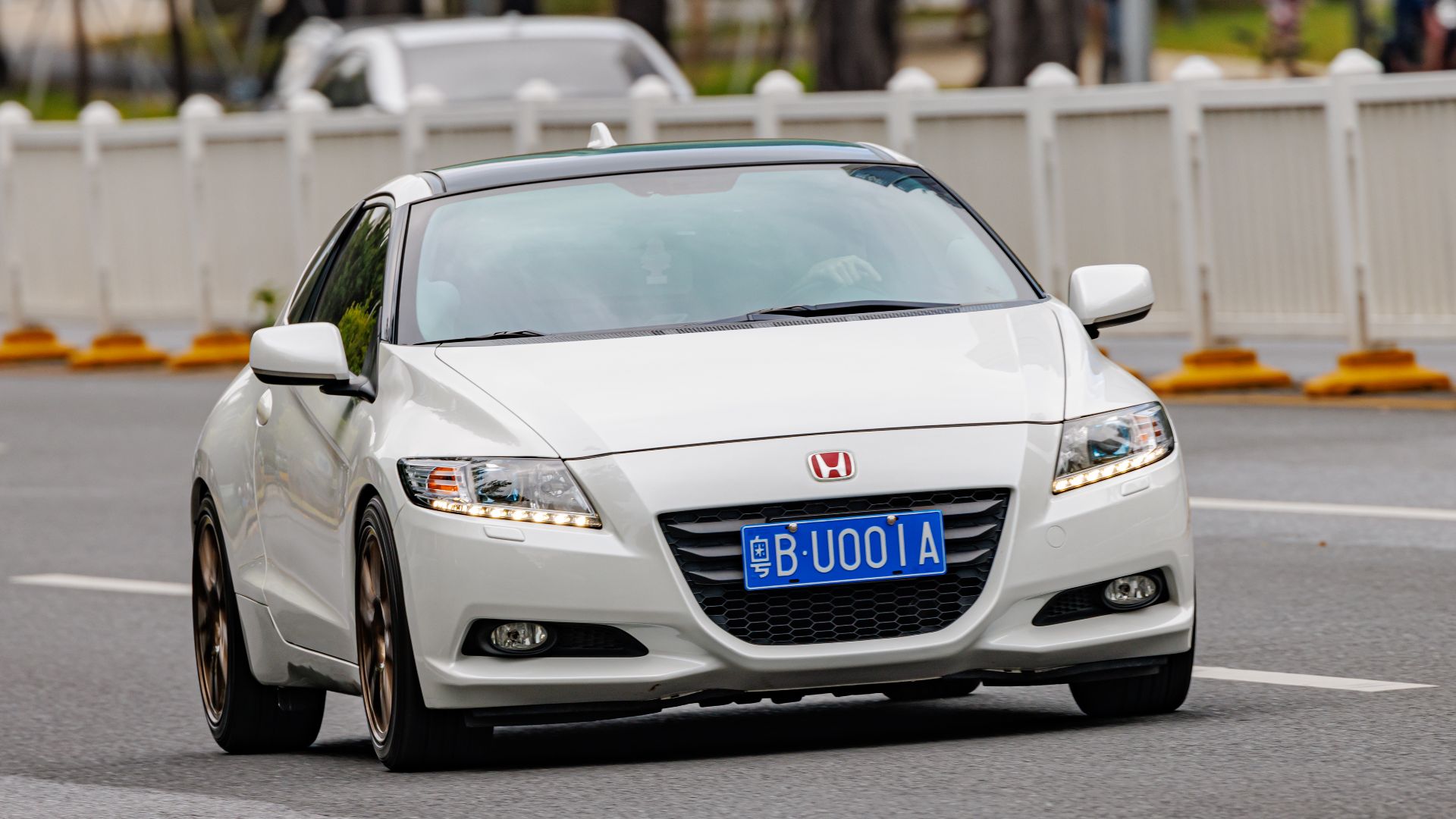
8. Honda CR-Z
The CR-Z caught heat because a lot of people wanted it to be a modern CRX. Instead, Honda built a compact hybrid hatch with a manual transmission, tidy proportions, and a personality that aged like a fine wine.
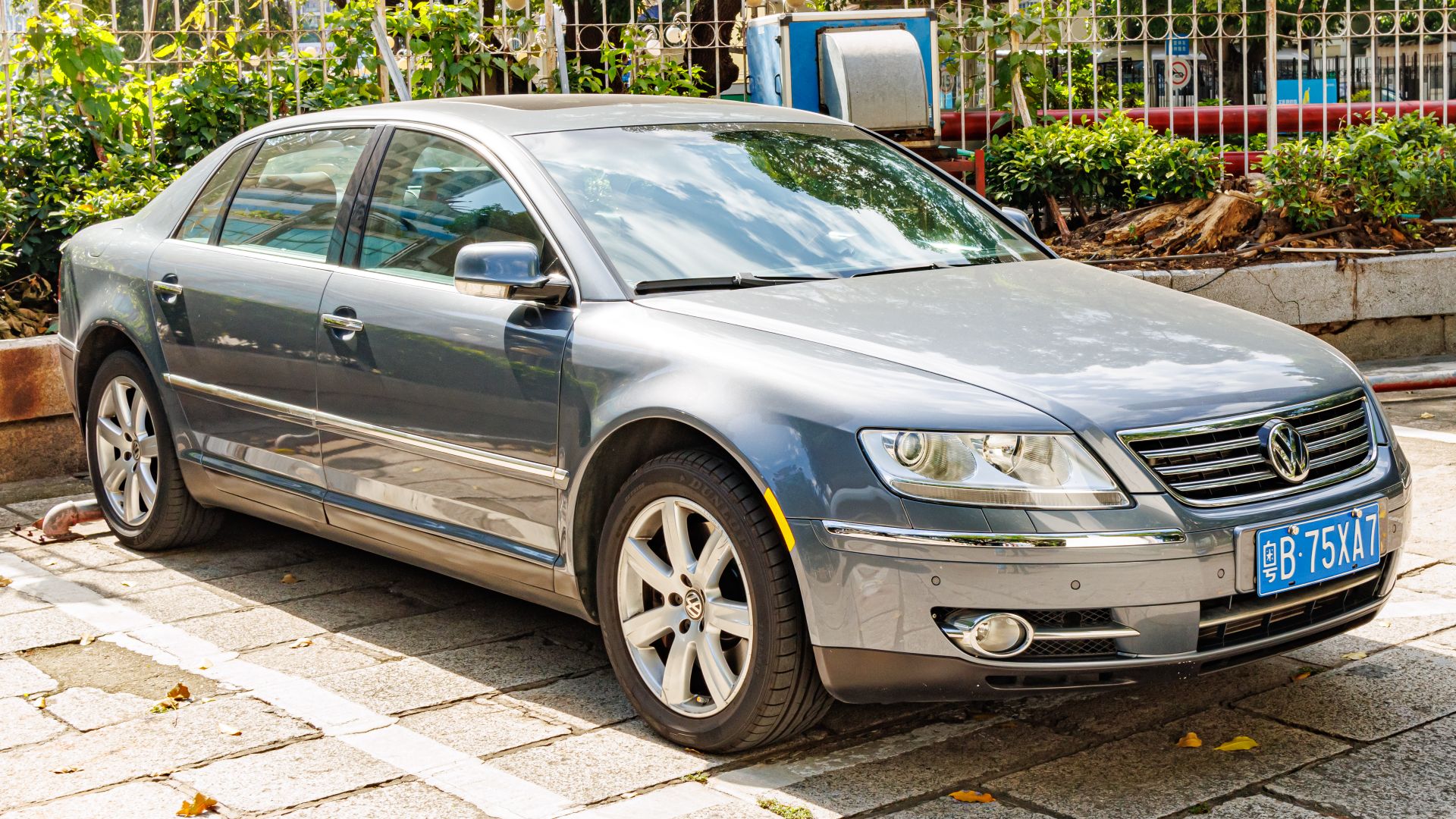
9. Volkswagen Phaeton
The Phaeton sounded absurd even when it was new: a full-size luxury sedan with Bentley-level ambition, sold with a Volkswagen badge. That mismatch hurt it back then and helped it later. Once people started digging into engineering, the car picked up a kind of after-the-fact prestige.
10. Nissan 350Z
The 350Z had a rough middle period where it felt too common, too modified, and too tied to every mid-2000s tuner cliché people were tired of seeing. Today, the appeal is pretty obvious: rear-wheel drive, a big V6, a manual, and a shape that still feels clean and muscular without trying too hard.
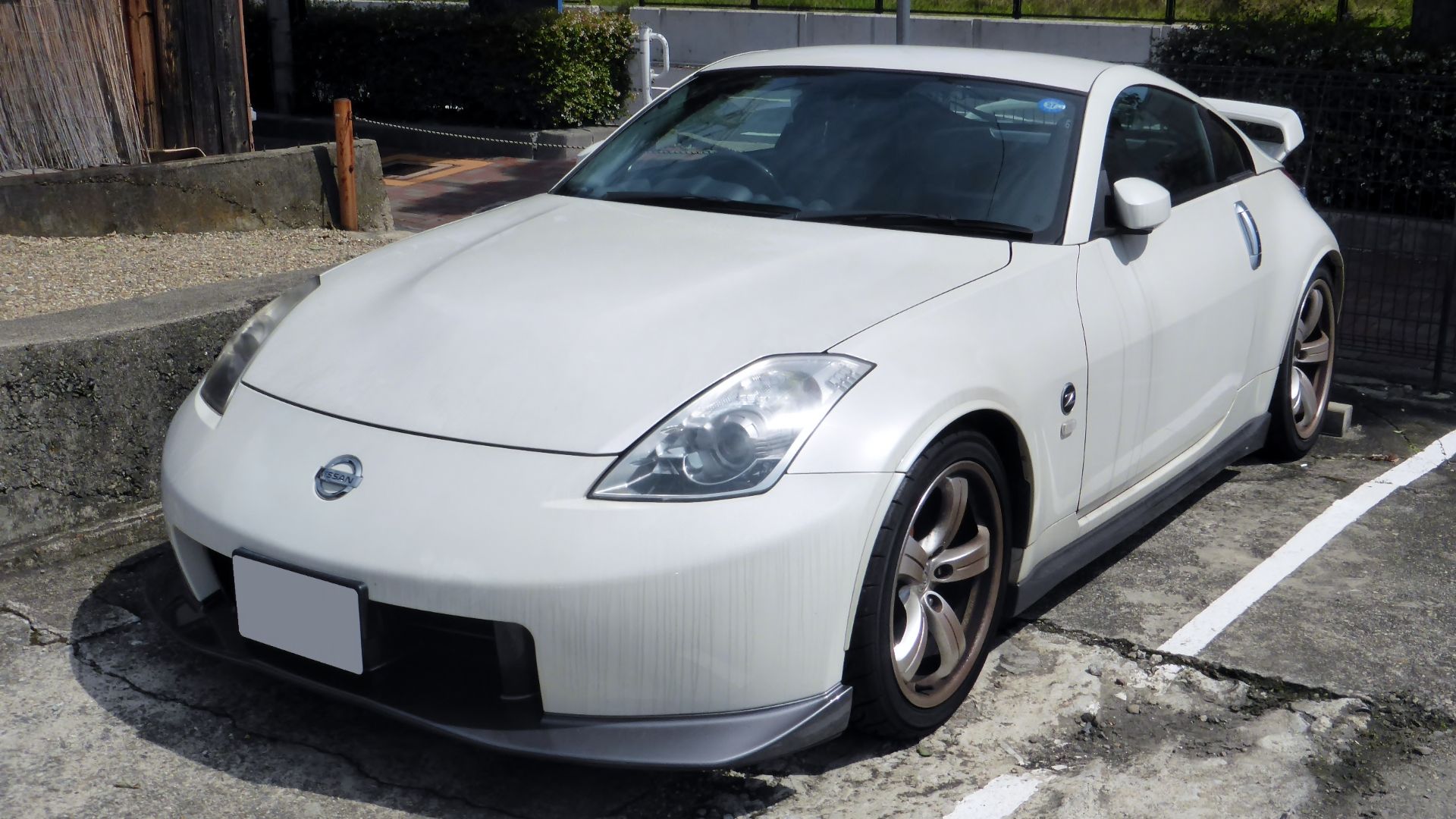 Tokumeigakarinoaoshima on Wikimedia
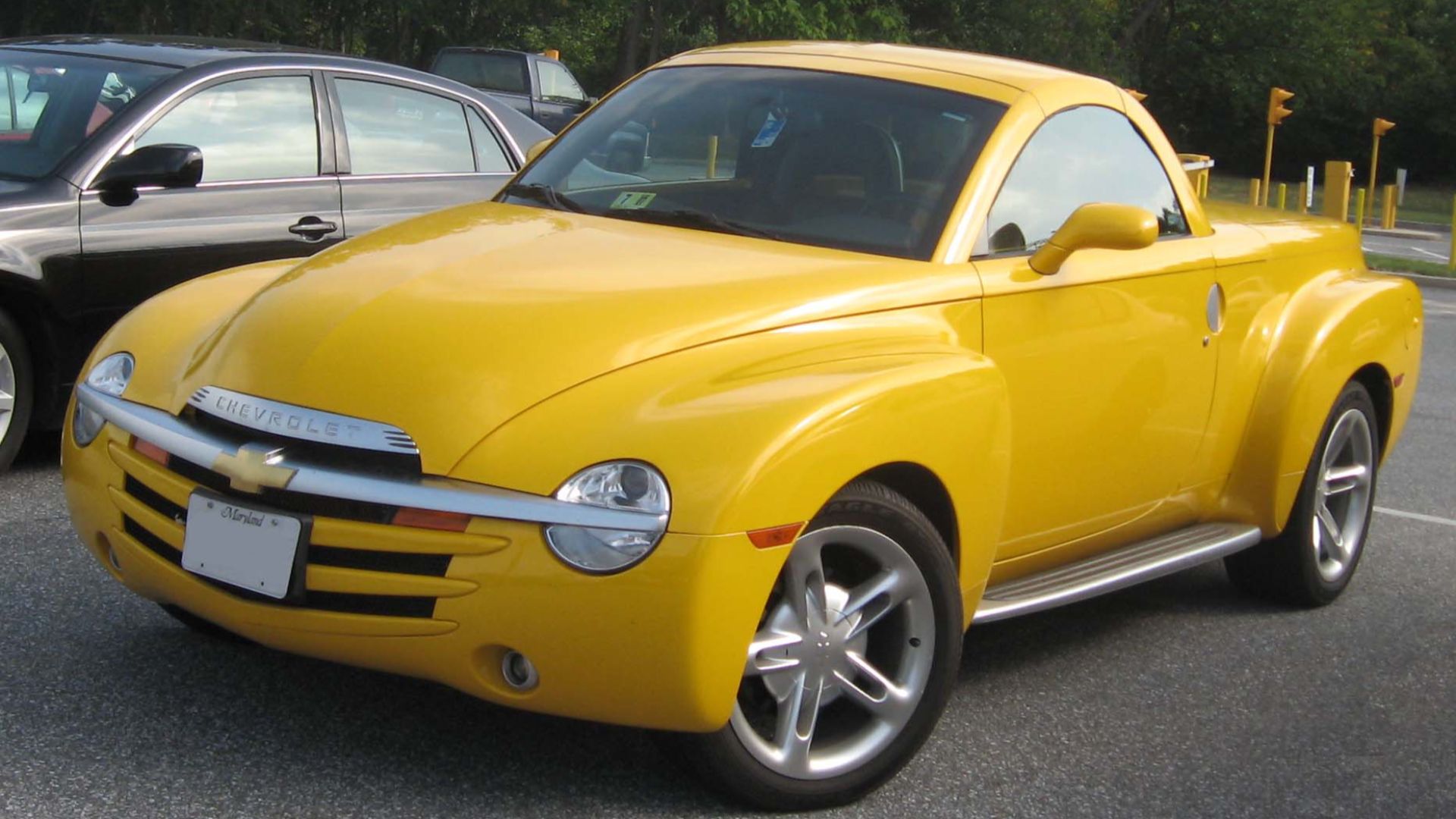
11. Chevrolet SSR
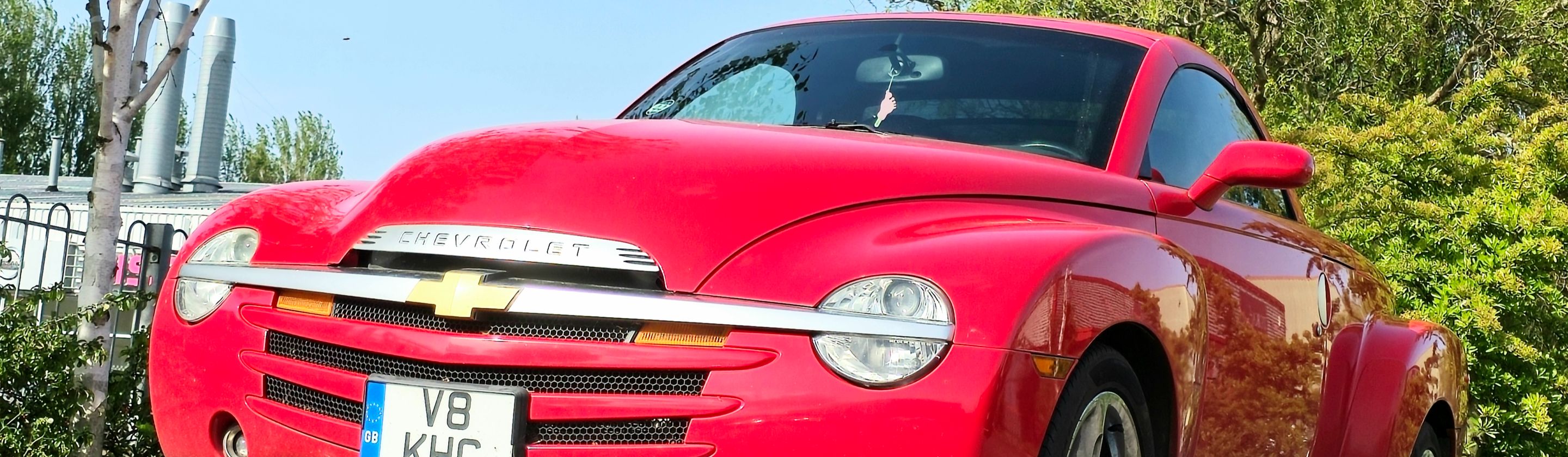
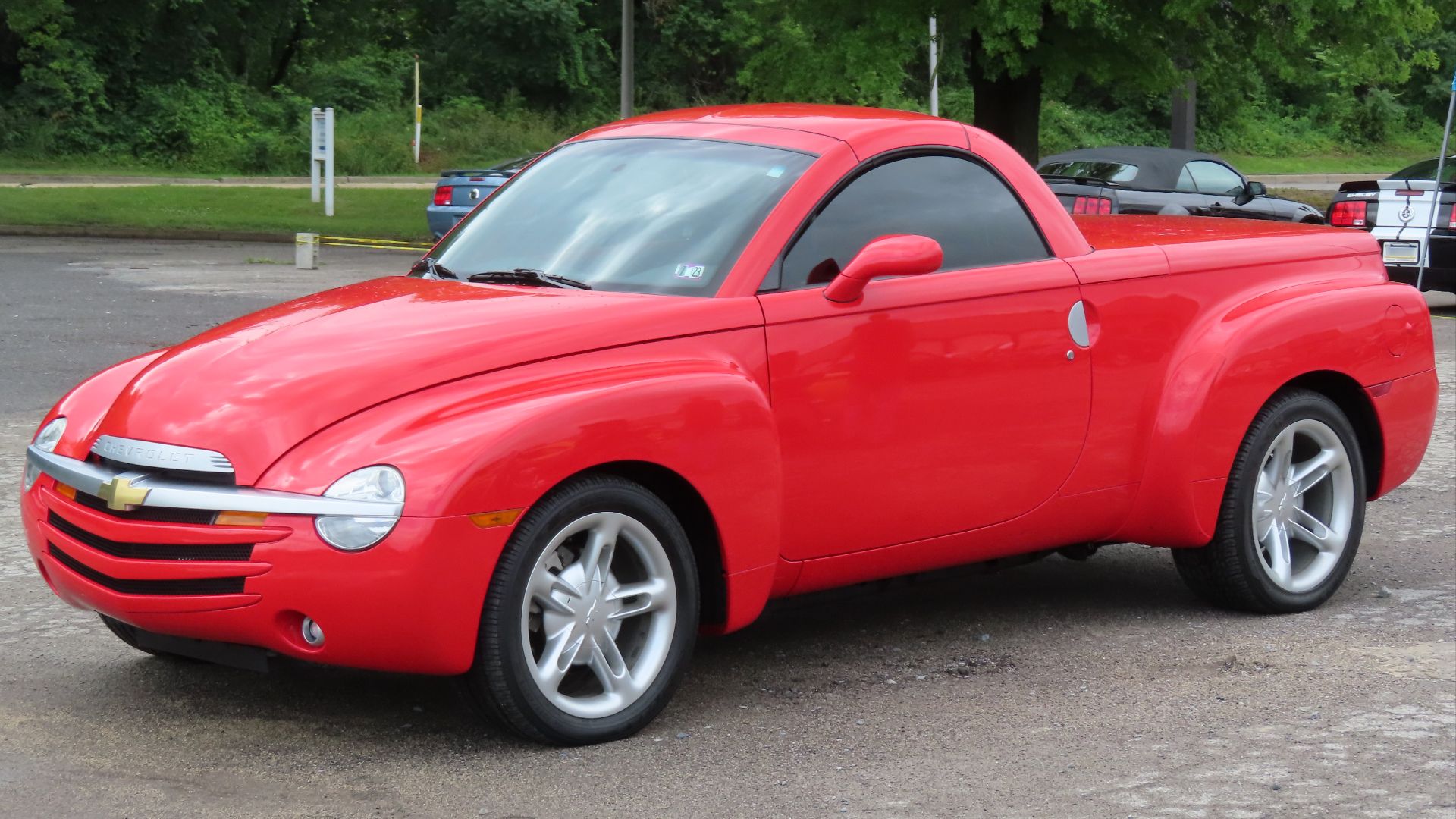
The SSR confused people when it was new, and it’s still not exactly easy to explain in one sentence. It was a retro pickup, a convertible, a cruiser, and a low-volume GM all at once. Luckily, that sort of thing ages well online.
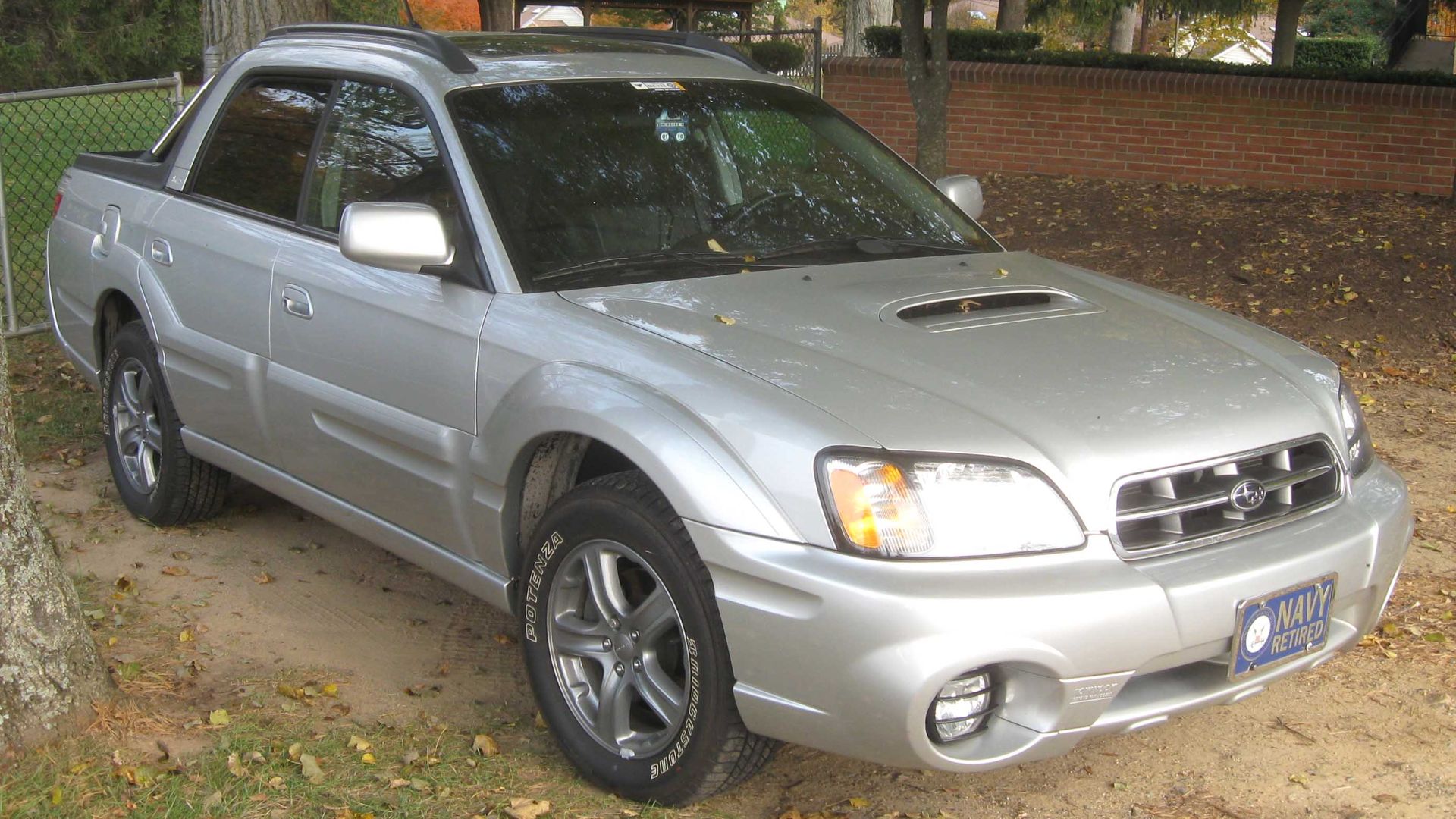
12. Subaru Baja
The Baja landed in 2003 and didn’t fit neatly into any category people already understood. It had part Outback, part pickup, part weekend-lifestyle machine energy, and shoppers never fully warmed to that combination. Internet car culture has been much kinder to it, because cars that are a little dorky and a little too specific tend to find loyal defenders later on.
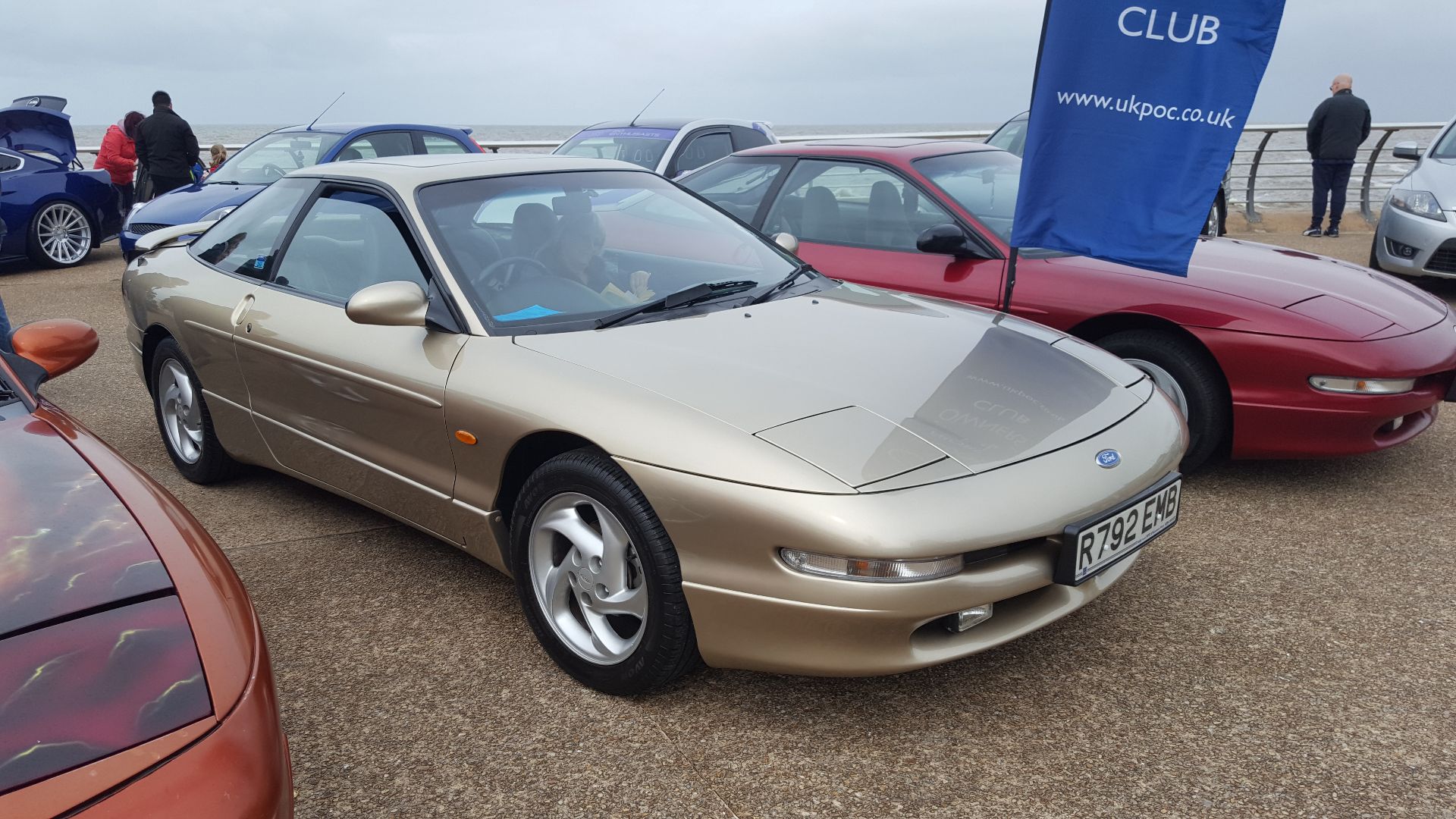
13. Ford Probe
The Probe had bad luck from the start. Its name made it an easy target, and the old story about it nearly replacing the Mustang followed it around for years. Strip away that baggage, and what you’ve got is a sleek, Mazda-linked coupe that now fits very comfortably into the internet’s growing affection for 1990s sport compacts.
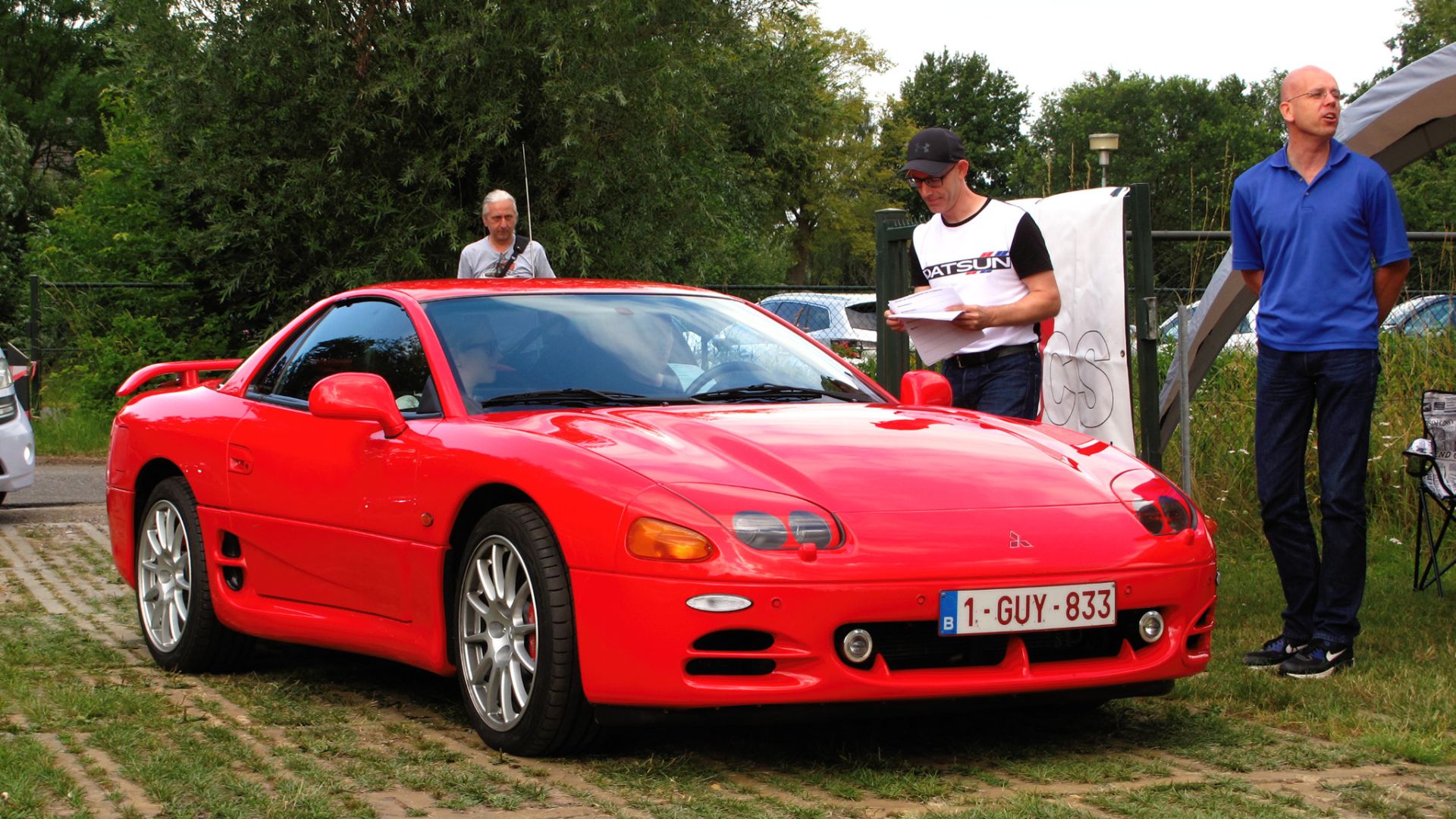
14. Mitsubishi 3000GT
In the 1990s, the 3000GT looked like one of the most ambitious Japanese performance cars on sale. Twin turbos, all-wheel drive, four-wheel steering, active aero, and a big, heavy body made it feel like Mitsubishi threw everything it had at the project. That complexity once got held against it. Now it’s a huge part of why people are drawn to it.
 Rutger van der Maar on Wikimedia
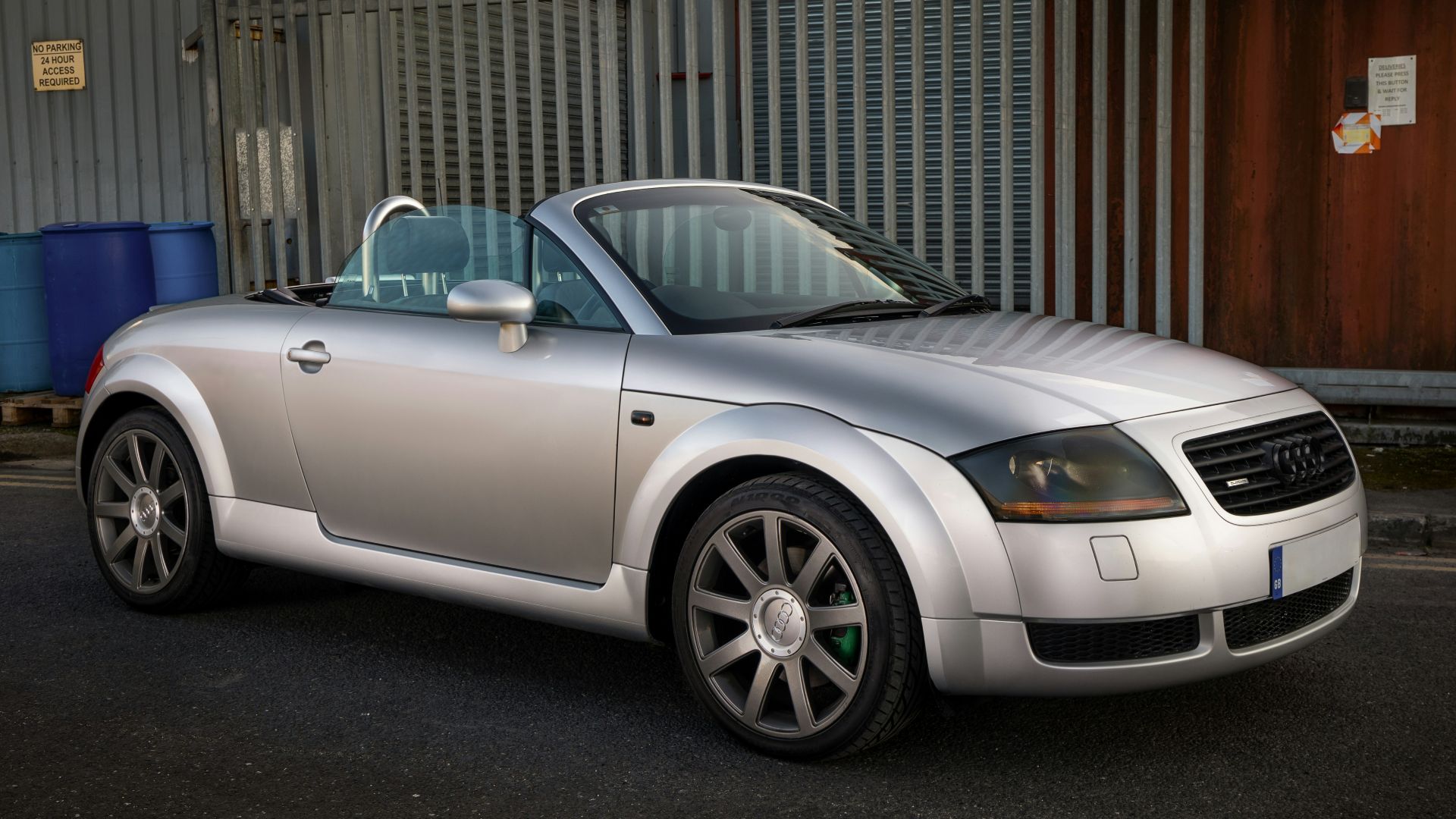
15. Audi TT Mk1
The first TT looked almost too clean when it arrived in the late 1990s, especially next to other coupes of the period. Its rounded shape and design-first feel split opinion early on. These days, online car people tend to treat the Mk1 as one of Audi’s best styling moments, which feels fair.
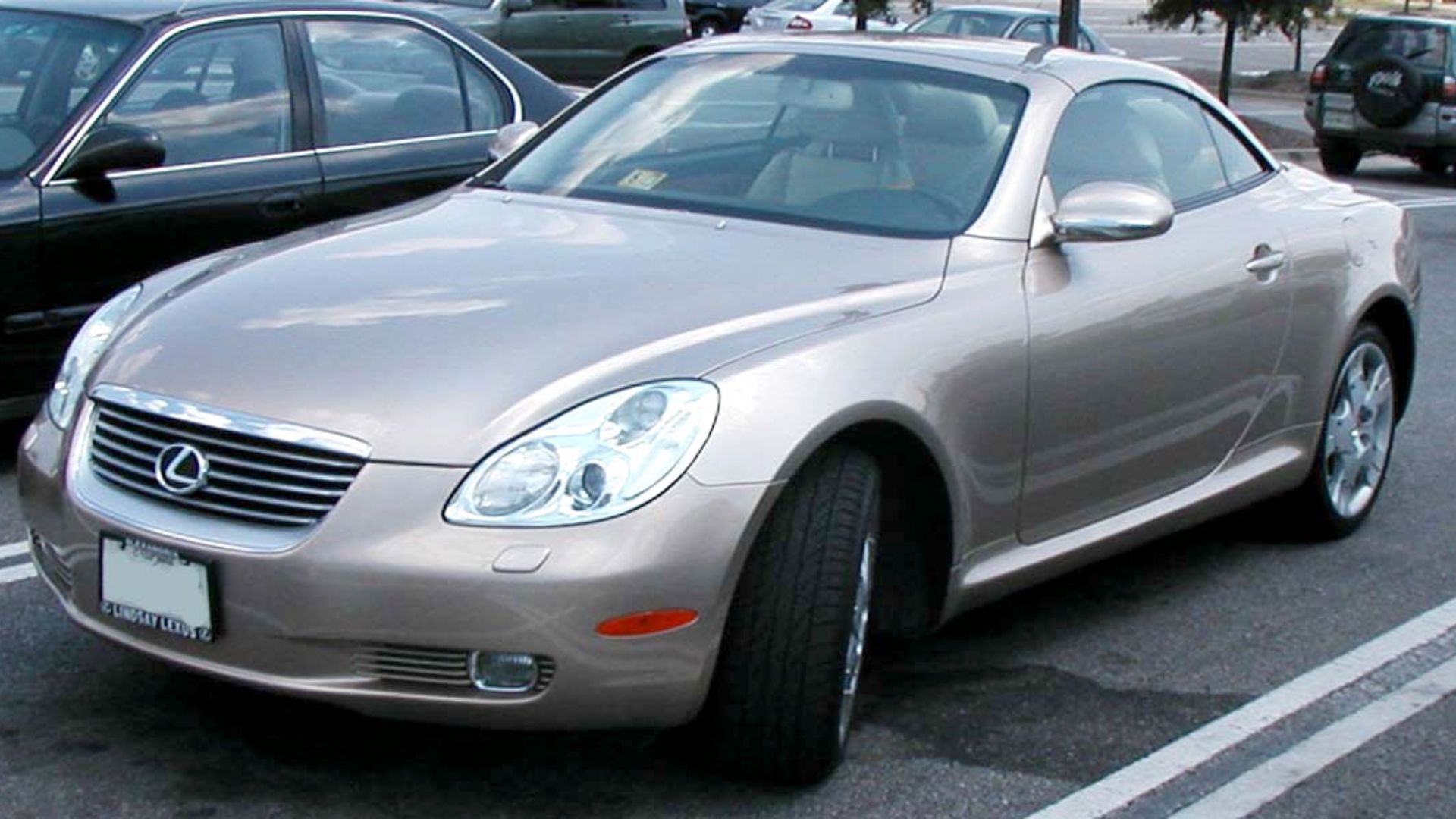
16. Lexus SC430
For a long time, the SC430 was treated like a luxury convertible for people who cared more about appearances than driving. Revisit it now, and it feels like a polished early-2000s grand tourer with a smooth V8, a folding hardtop, and the sort of quiet Lexus craftsmanship that usually gets more respect once the flashier stuff starts dating itself.
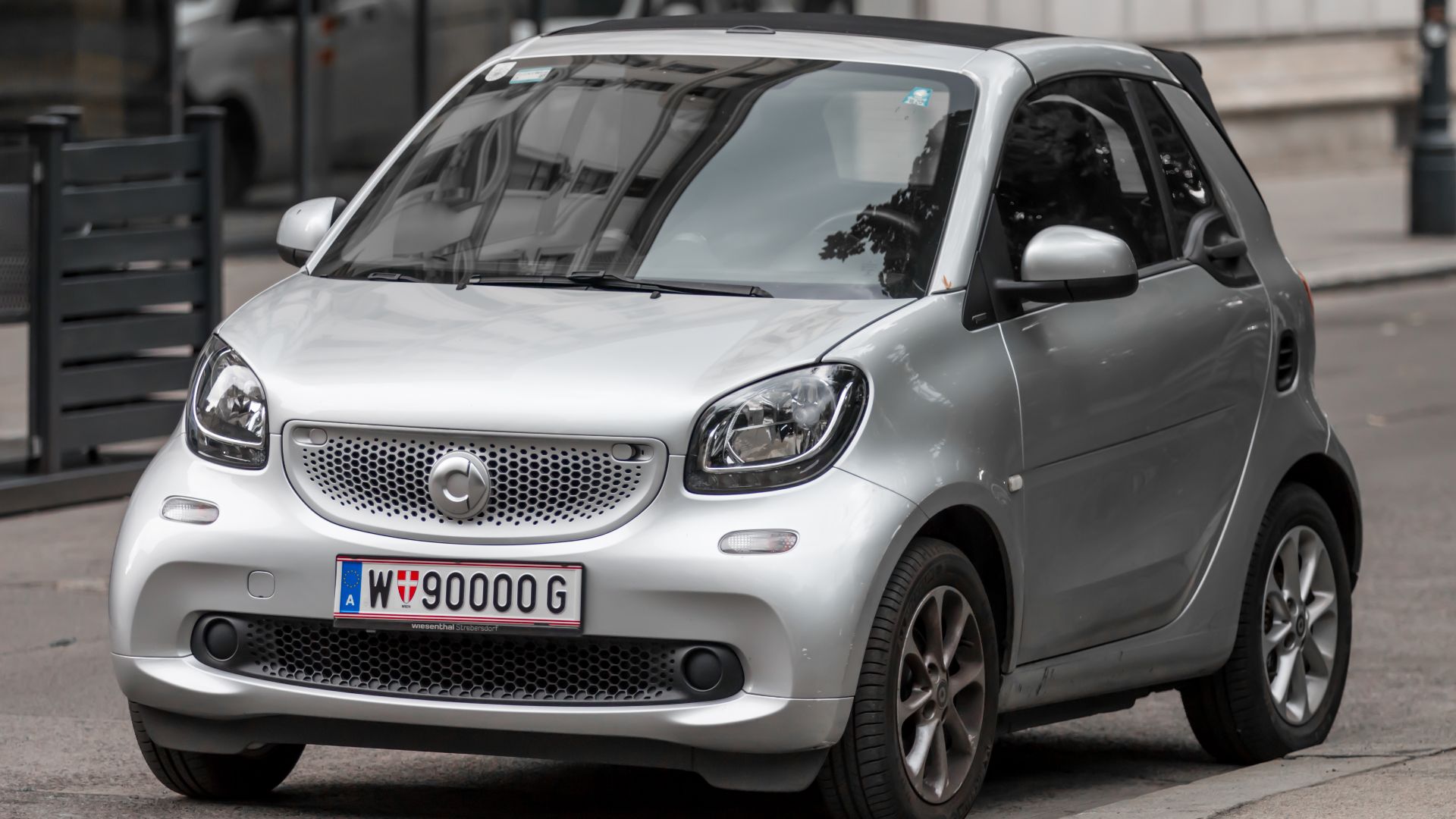
17. Smart Fortwo
The Fortwo was an easy joke in the rural United States. In tighter cities, and online, where tiny oddballs tend to pick up admirers fast, it found a much warmer reception. Its footprint, its practicality, and its unapologetically strange look all started working in its favor.
 Johannes Maximilian on Wikimedia
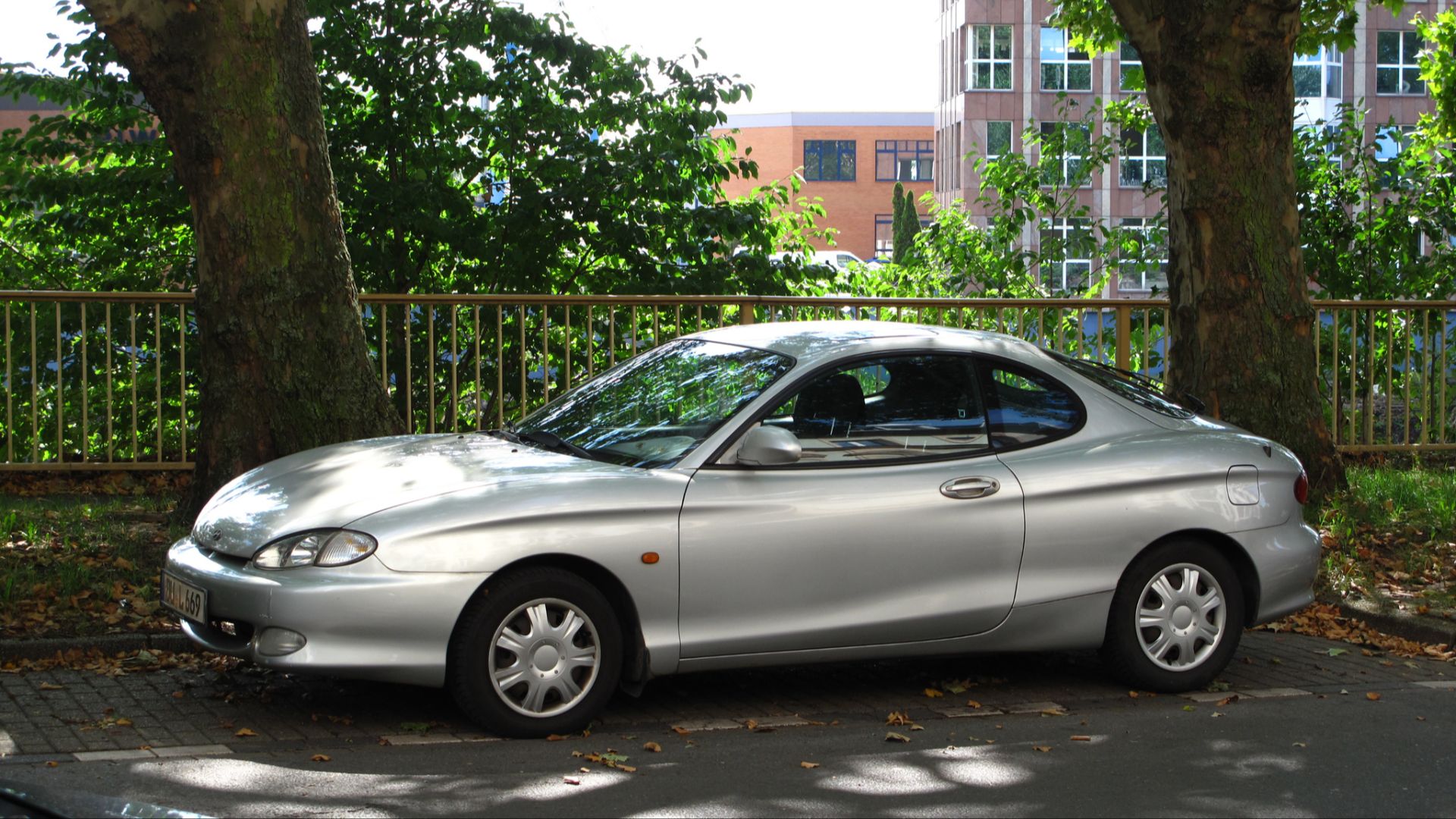
18. Hyundai Tiburon
The Tiburon spent years in the shadow of better-known coupes from Honda, Acura, and Nissan. Even so, it had sharp styling, reasonable pricing, and, in later GT form, enough power to make it feel like more than a placeholder car. Internet nostalgia has been especially good to it, particularly for people who remember seeing one in a mall parking lot around 2004 and thinking it looked far cooler than it got credit for.
 Rutger van der Maar on Wikimedia
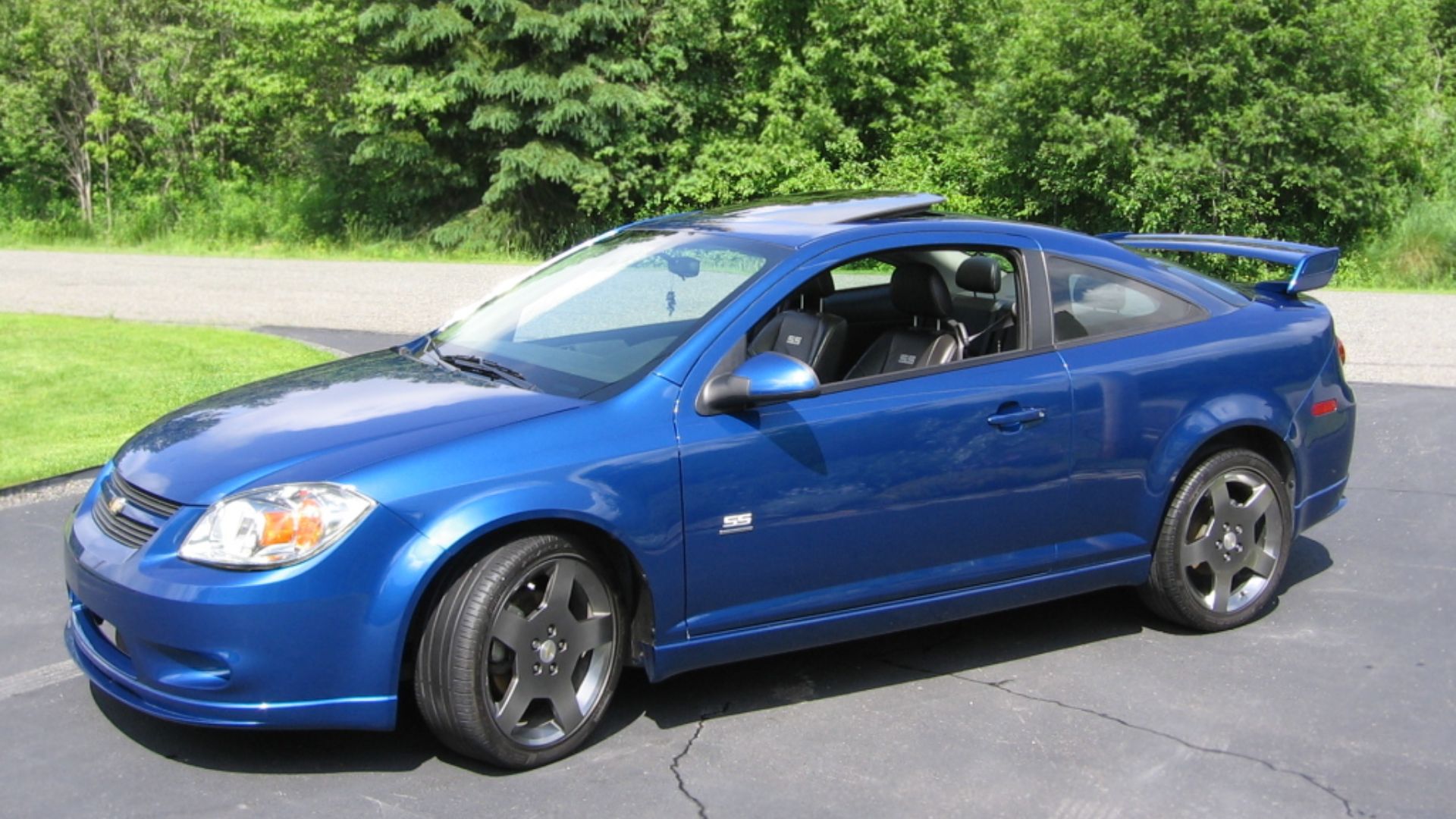
19. Chevrolet Cobalt SS
A regular Cobalt never inspired much excitement, which is why the SS felt like such a pleasant shock once people started paying attention. As owners posted lap times, tuning results, and real-world performance stories, its reputation changed. It became one of those underdog cars that enthusiasts love defending.
20. Plymouth Prowler
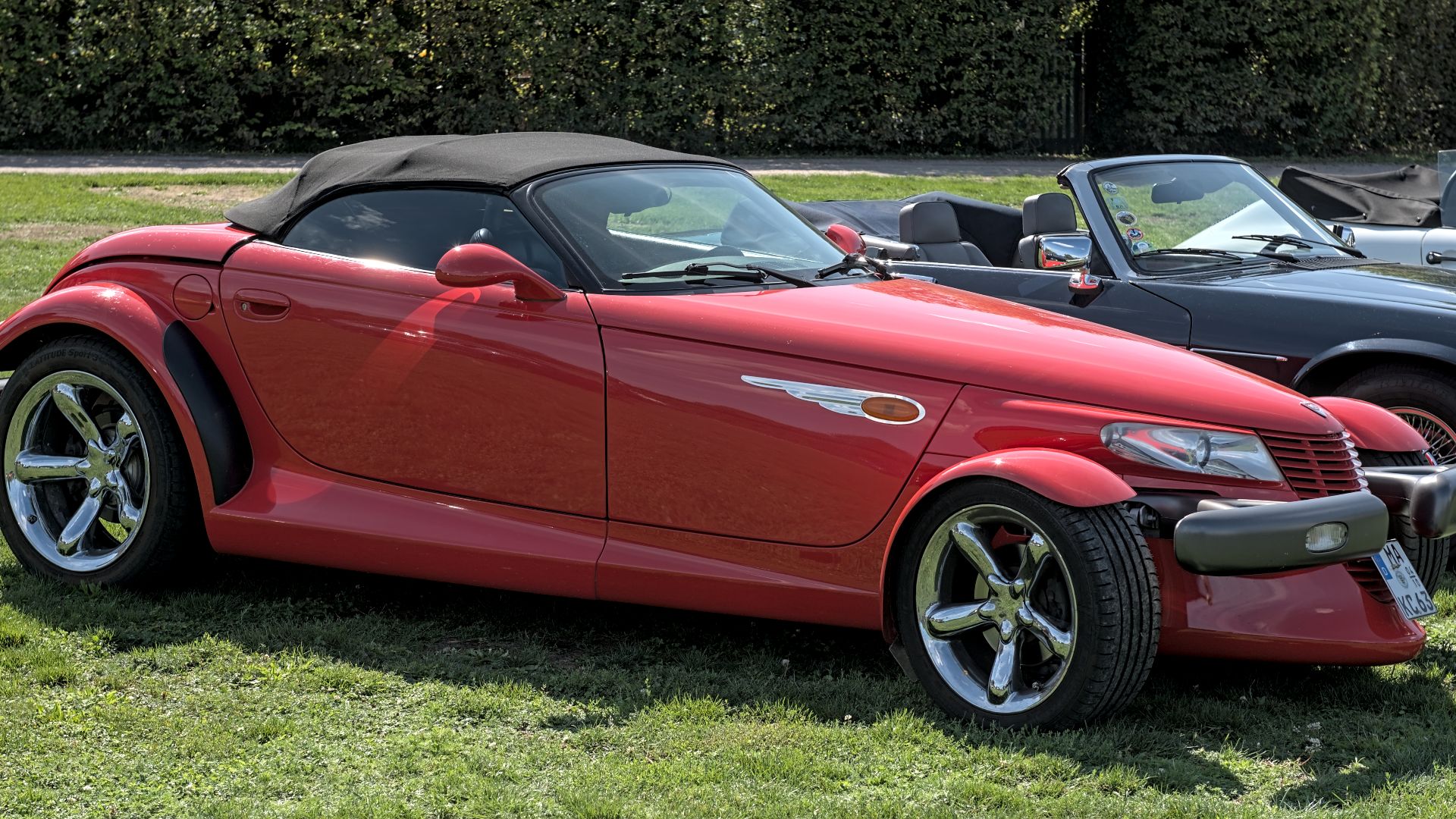
The Prowler looked outrageous in the late 1990s, and a lot of buyers didn’t know what to make of it. Online, it’s aged much better. Seen from a little distance, it feels like a rare case of a major automaker doing something bold, impractical, and maybe a little reckless, which is exactly why people remember it so fondly now.