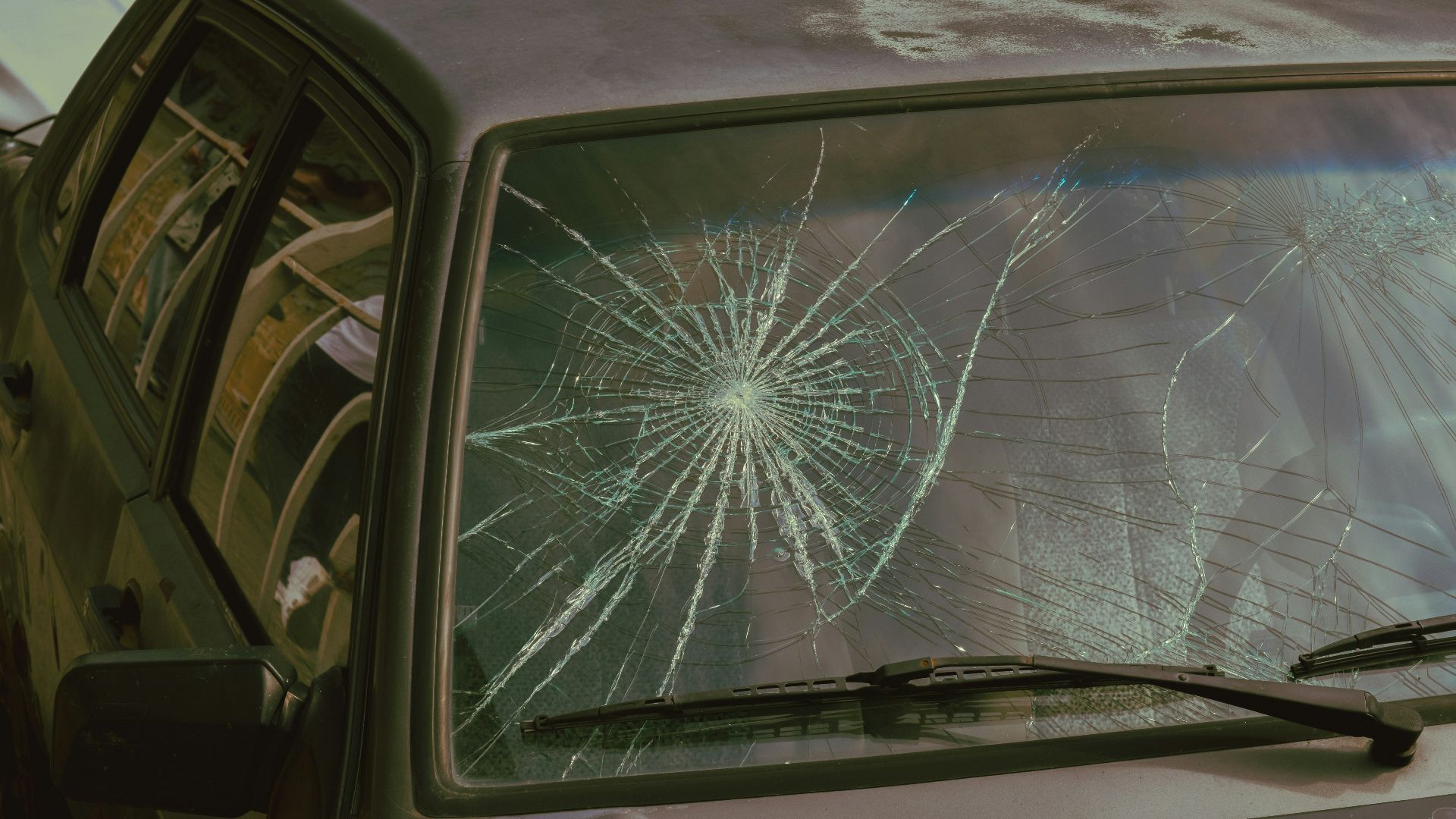
A crack used to be a simple problem. You called a shop, a technician showed up or you drove in, someone swapped out the glass in an hour or two, and you were back on the road for somewhere between $150 and $300. That era is effectively over for a growing share of vehicles on American roads, and the reasons behind the price jump are more layered than a supply chain complaint or a repair shop with inflated margins.
The average cost of windshield replacement in the United States now ranges from $200 for the most basic older vehicles to well over $1,500 for late-model cars equipped with the sensor arrays and camera systems that have become standard across the industry. For certain luxury or electric vehicles, that number climbs further still. What changed is not the glass itself so much as everything attached to it, embedded in it, and dependent on it to function correctly.
Your Windshield Is No Longer Just Glass
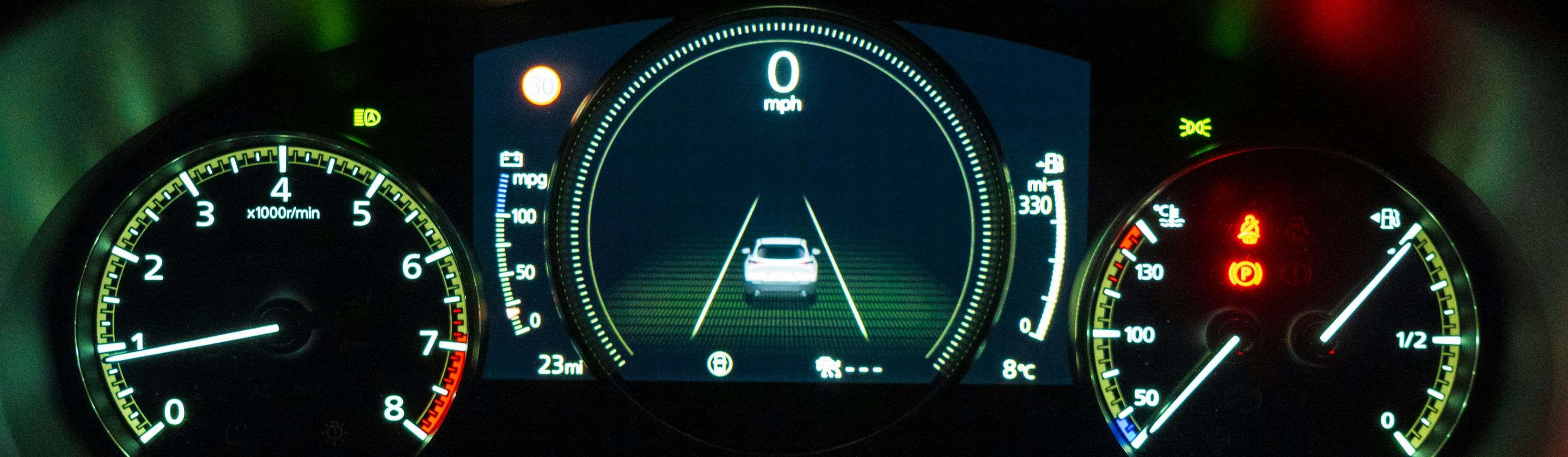
Modern windshields are structural and increasingly technological components. Forward-facing cameras that power lane-keeping assist, automatic emergency braking, and adaptive cruise control are typically mounted directly to the windshield or calibrated using it as a fixed reference point. Rain sensors, heads-up display projections, and acoustic lamination that reduces cabin noise have all migrated into glass that once served a single purpose. The windshield became a platform before most drivers noticed it happening.
The shift happened quickly. The National Highway Traffic Safety Administration began encouraging ADAS adoption through regulatory pressure in the early 2010s, and automakers moved fast. By 2022, the Insurance Institute for Highway Safety estimated that forward collision warning and automatic emergency braking systems were standard or available on the overwhelming majority of new vehicles sold in the United States. Every one of those systems requires the camera or sensor it relies on to be precisely positioned and recalibrated after any windshield work.
That calibration is where costs start compounding. A 2019 AAA study found that recalibrating ADAS systems after windshield replacement could add between $1,200 and $1,600 to the total repair bill depending on the vehicle, and the technology has only proliferated since. Some vehicles require static recalibration, meaning the car must be positioned in a controlled environment with specific target boards at exact distances. Others require dynamic recalibration, meaning a technician has to drive the vehicle at specified speeds on roads with clear lane markings. Several require both.
The Calibration Problem Nobody Warned You About
The repair industry was not built for this. Auto glass shops that operated for decades with relatively stable training requirements suddenly needed technicians capable of running manufacturer-specific calibration software and equipment that can cost tens of thousands of dollars per vehicle brand. Shops that couldn't invest in that infrastructure started outsourcing calibration work to dealerships, adding a subcontractor layer to a job that used to be entirely self-contained.
The Auto Glass Safety Council, the industry's primary trade organization, has pushed for standardized calibration protocols, noting that improper recalibration after windshield replacement represents a genuine safety risk rather than just a quality concern. A forward-collision camera that is off by even a small degree can misread distances and compromise the emergency braking system it feeds. The higher price, in this specific case, is attached to something real. The equipment and expertise required to do the job correctly are genuinely more expensive than they were a decade ago.
Aftermarket glass has also become a more fraught category. Original equipment manufacturer glass is cut to tolerances that ensure cameras mount and calibrate correctly. Aftermarket alternatives are cheaper but don't always meet those tolerances, and some automakers have been explicit about voiding ADAS calibration warranties when non-OEM glass is used. Shops offering cut-rate replacements are often using aftermarket glass with aftermarket calibration shortcuts, which explains why the price range for what seems like the same job can span several hundred dollars depending on where you take your car.
How Insurance Learned to Love the Markup
Comprehensive auto insurance covers windshield damage in most states, which sounds like a straightforward solution until you realize it's also part of what's inflating the broader market. When a third party is paying, price sensitivity drops, and the repair ecosystem adjusts accordingly. Insurers have responded by tightening networks, pushing preferred vendors, and in some cases using third-party claims administrators who negotiate rates with glass shops directly, removing the consumer's ability to choose their own repairer.
In Florida, Kentucky, and South Carolina, state law requires insurers to waive the deductible for windshield replacement when the policyholder carries comprehensive coverage. The intention was consumer protection. The practical effect has been to create high-volume, low-friction markets that some shops have exploited through inflated billing and, in documented cases, outright fraud. The Florida Department of Financial Services has investigated widespread windshield‑replacement and auto‑glass fraud schemes linked to assignment‑of‑benefits abuse, with some operations running into the millions of dollars through inflated or duplicate claims. What you're paying for when you replace a windshield now is partly glass, partly software, partly a regulatory environment that moved faster than the infrastructure built to support it, and partly the accumulated margin of an industry that realized most people have no idea what the job should cost. The crack in your windshield is the same as it ever was. Everything around it has quietly become something else entirely.