Knowing Which Sounds Matter
Cars make noise, even the good ones, and a quiet cabin can actually make normal sounds feel suspicious. Some noises are just materials expanding, fluids moving, or a system doing its job in the background, especially as a car racks up miles and seasons. Other noises are the early warning stage, where something is wearing out and letting you know before it fails in a more dramatic, wallet-destroying way. The trick is noticing patterns, like when a sound only happens on cold starts, or only when turning, or only when braking. Here are ten everyday noises that are usually fine, followed by ten that often mean trouble.
1. A Brief Click When You Start The Car
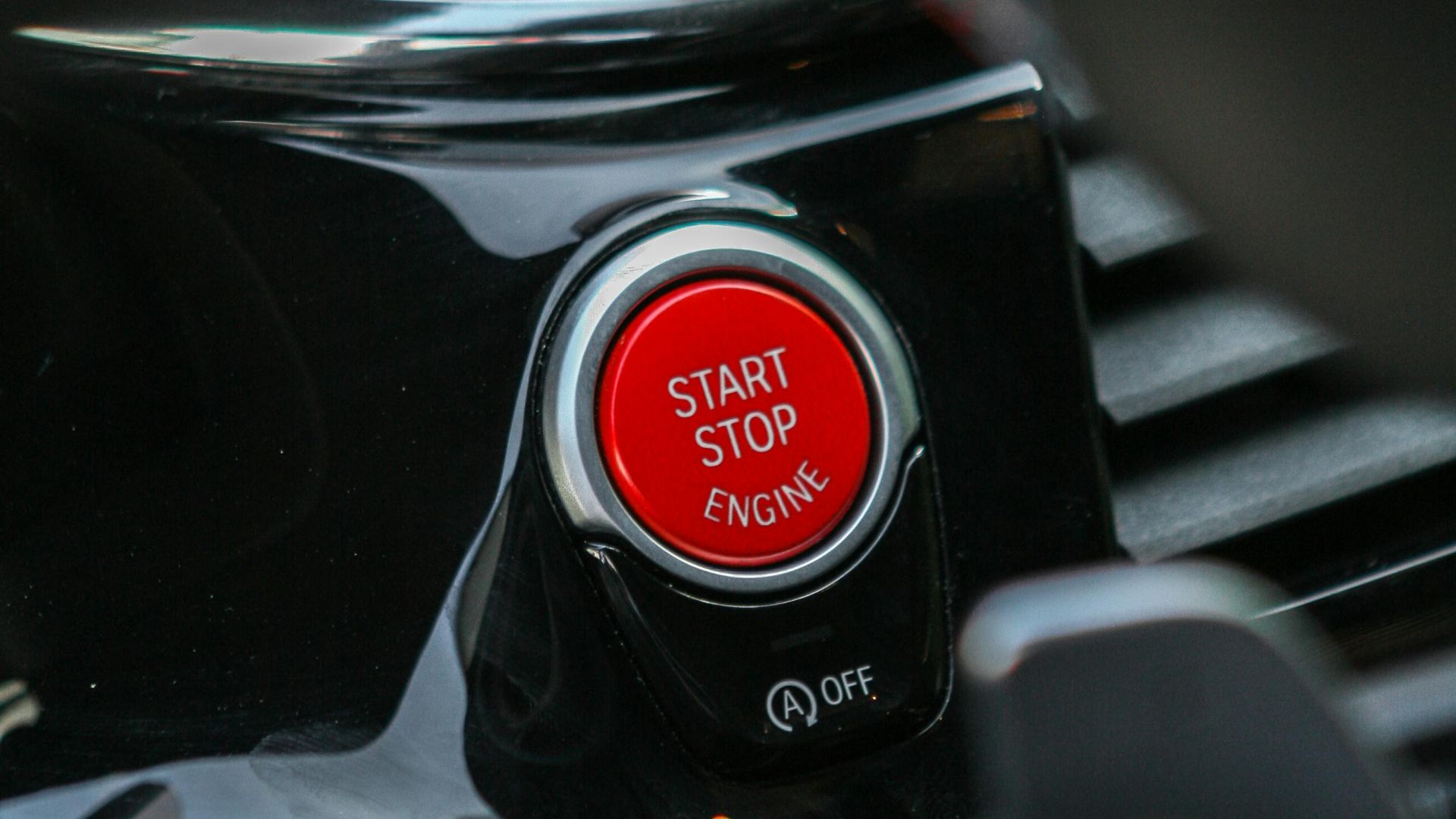
A quick click from the starter relay or the ignition system can be normal, especially if it’s consistent and the engine fires immediately. Many cars make a short, sharp sound as electrical systems wake up and components engage. If it’s one clean click and then the engine runs smoothly, it’s usually just the car doing its morning routine.
2. A Soft Whir After You Shut The Engine Off
That little electric whirring sound after parking is often a cooling fan, a pump, or an emissions system running briefly. Modern cars keep managing temperature and pressure even after you turn the key off. It can feel eerie in a quiet garage, but it’s commonly just systems finishing their checklist.
3. A Gentle Tick As The Engine Cools
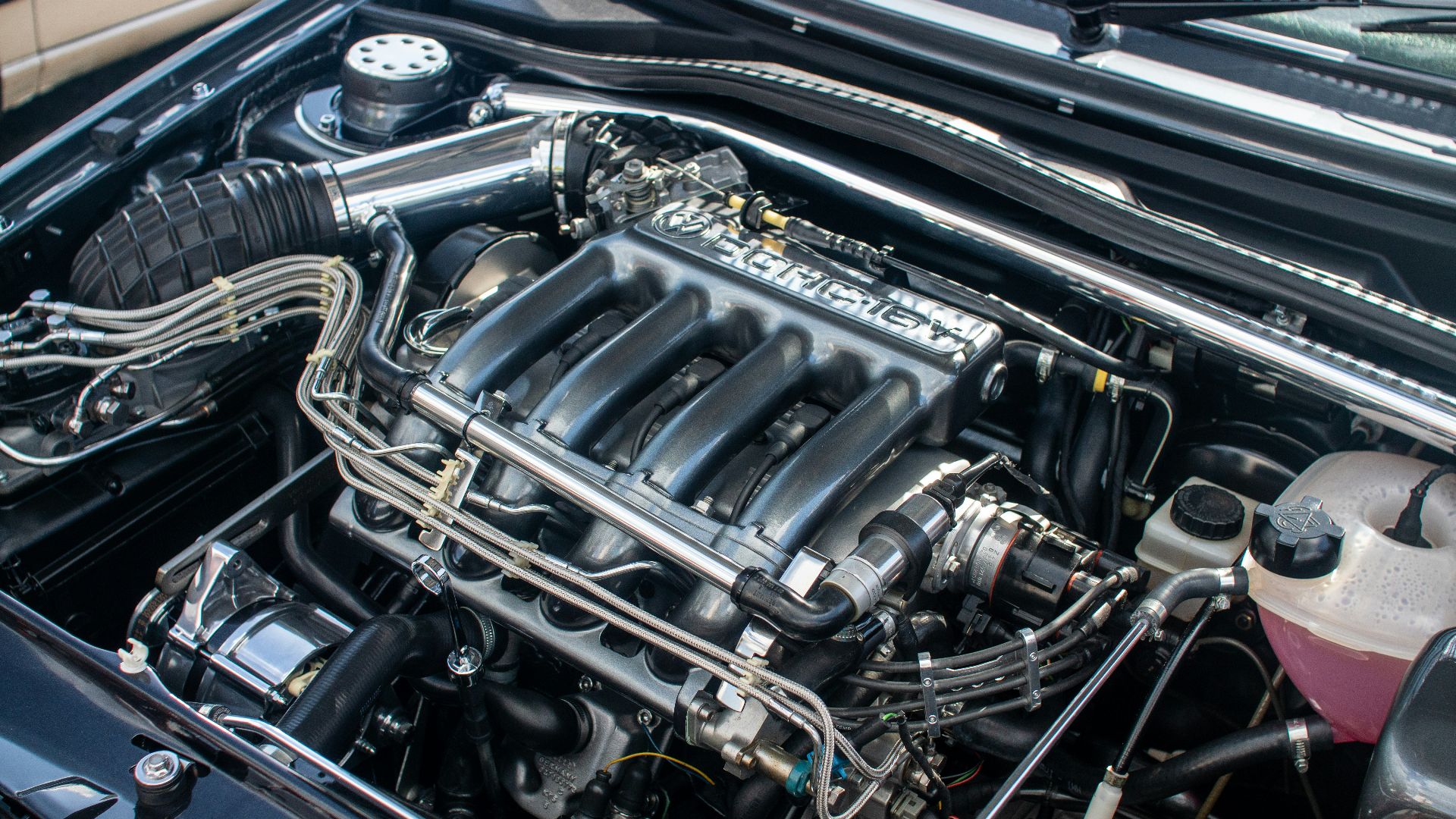
A ticking sound after driving is often heat contraction as metal parts cool down. Exhaust components and engine parts expand when hot, then settle back as they cool, and they do it audibly. If it happens after a drive and fades out, it’s usually harmless.
4. A Quick Squeak From A Cold Belt
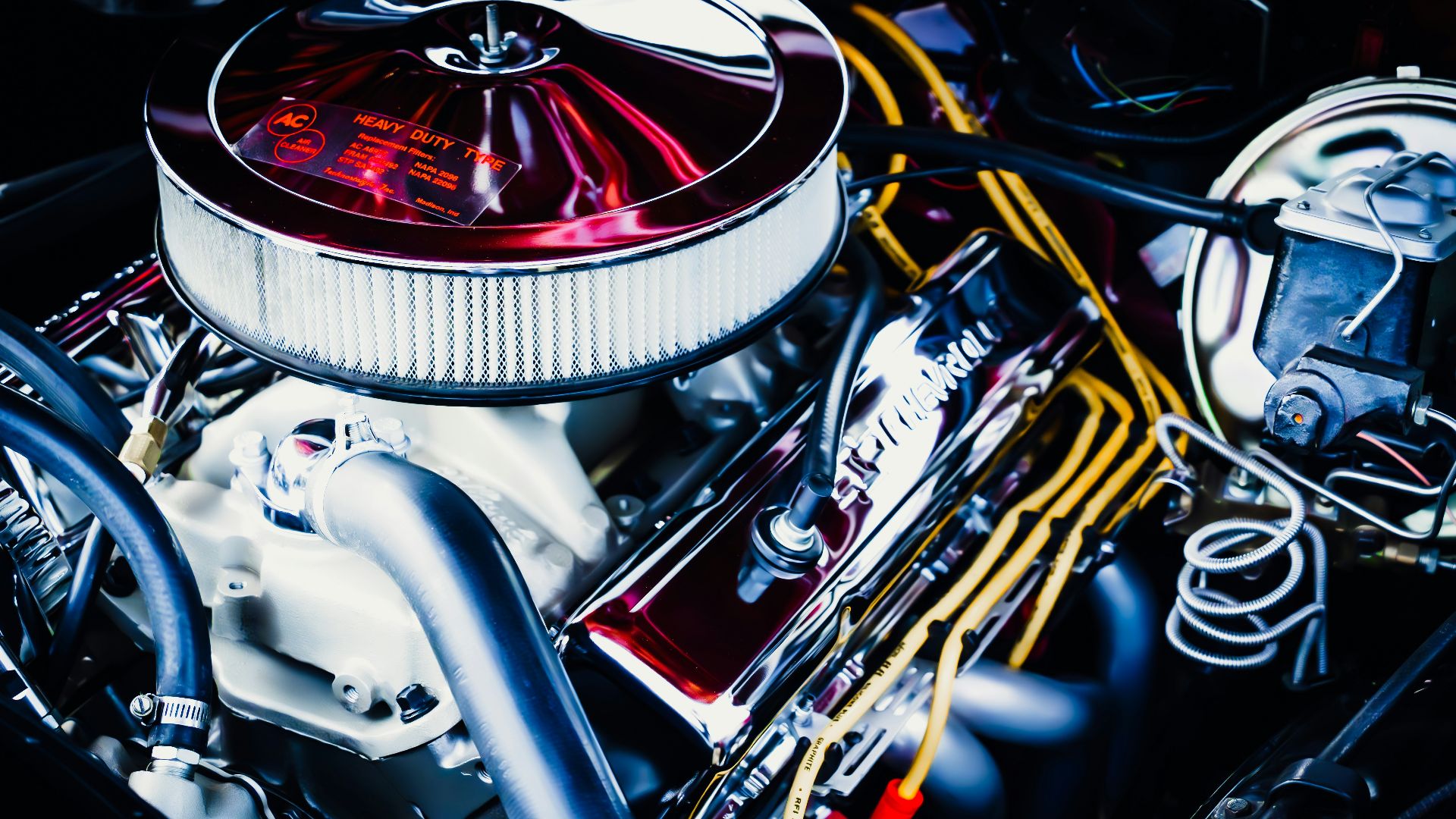
A brief chirp or squeak on a cold morning can be a belt slipping for a second before it warms and grips normally. Rubber behaves differently with temperature, and moisture can add a momentary slip. If it disappears quickly and doesn’t get worse, it’s often just weather and age.
5. A Low Hum From The Tires On Certain Roads
Some pavement is louder than others, and tire hum can change dramatically with road texture. It can feel like something is wrong when the sound appears out of nowhere on one stretch of highway. If it changes when the pavement changes, that’s usually just road noise.
6. A Faint Rattle Over Rough Roads
Small interior rattles often come from trim pieces, seatbelt hardware, or items in the door pockets. Cars are full of clips and plastic joints that can buzz when you hit a particular frequency of bumps. If the noise disappears on smooth roads, it’s usually the cabin talking, not the drivetrain.

7. A Single Clunk When Shifting From Park To Drive
A mild clunk can be normal drivetrain slack taking up, especially in older vehicles or on an incline. The transmission and mounts move slightly as load transfers. If it’s consistent and not violent, it’s often just mechanical play doing what it does.
8. A Light Hiss From The A/C
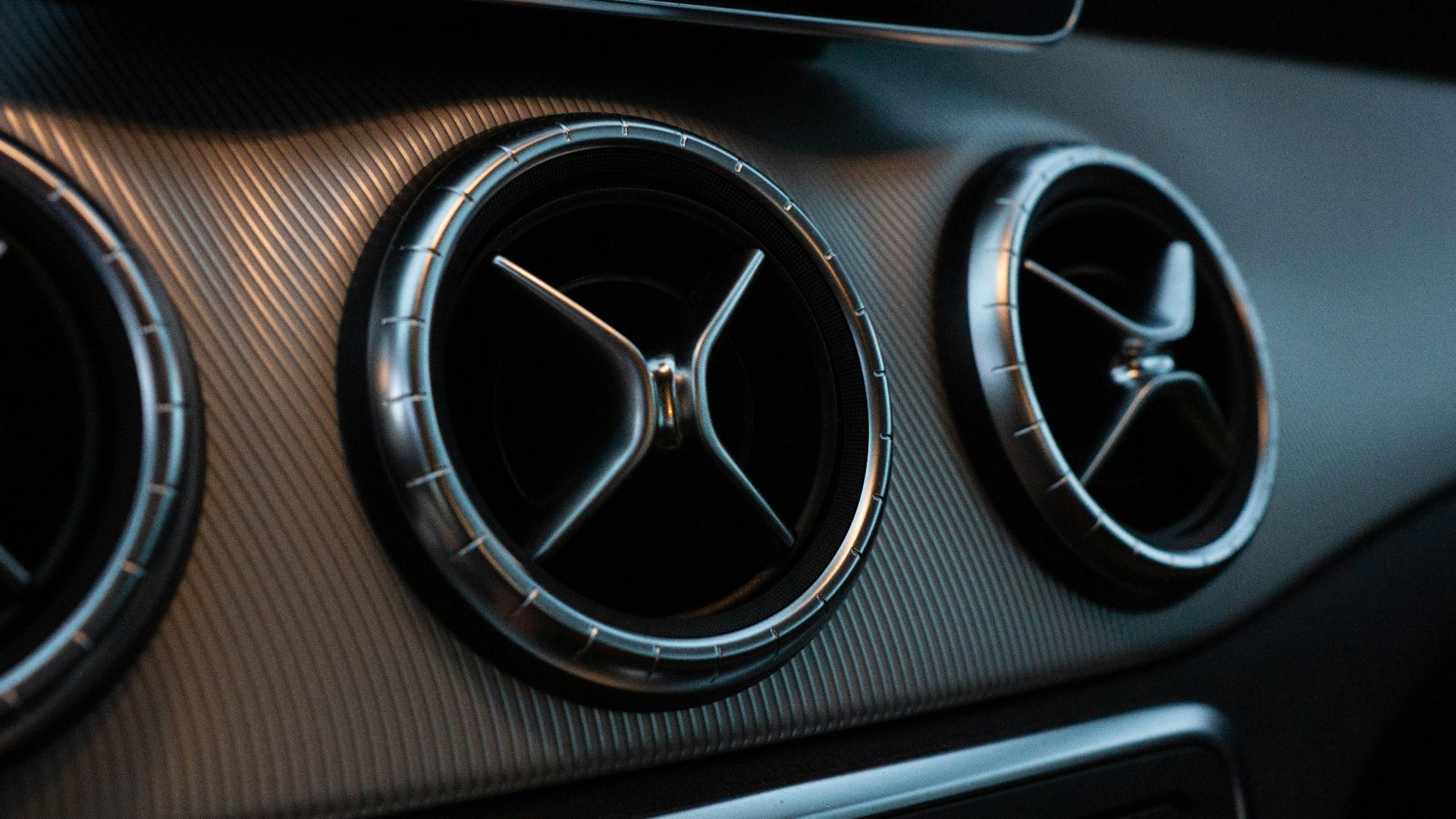
A/C systems move refrigerant and air, and a soft hiss can be a normal part of that flow. You might hear it more clearly when the fan is low and the cabin is quiet. If the air stays cold and the sound is steady, it’s typically not a problem.
9. A Soft Click When The A/C Kicks On
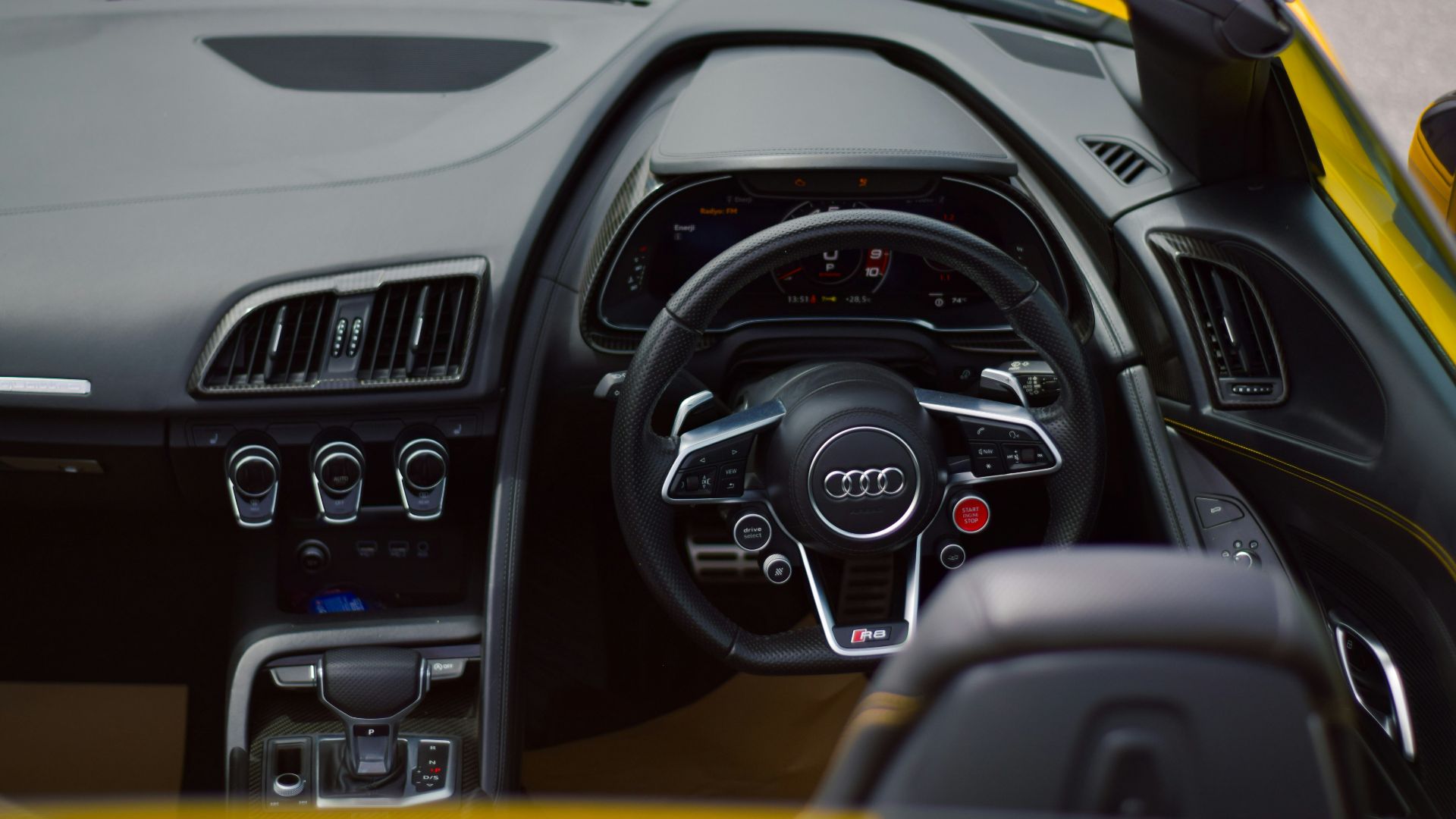
That click is often the compressor clutch engaging or an electronic control switching a component on. Many cars make an audible click when the system decides it’s time to cool. If it’s a single click and the A/C works normally, it’s usually fine.
 Philipp Katzenberger on Unsplash
10. A Brief Buzz From The Fuel Pump When You Turn The Key
Many cars prime the fuel system before starting, and you can hear a short buzz from the rear of the vehicle. It’s especially noticeable if you turn the key to accessory and pause before starting. If it’s brief and the car starts reliably, it’s generally normal.
Now for the sounds that tend to show up right before a repair bill does. Here are ten worth paying attention to.

1. A Grinding Noise When Braking
Grinding is usually the sound of brake pads worn down to the metal backing plate, which means you’re chewing into the rotor. It can start as an occasional grind and become constant fast. If you hear grinding, treat it like a stop-what-you’re-doing noise.

2. A High-Pitched Squeal That Happens When You Brake
Some squeal is just brake dust or moisture, yet a persistent, consistent squeal often means the wear indicator is doing its job. That’s the little built-in warning that the pads are getting low. Ignoring it is how a cheap pad swap turns into rotors, too.

3. A Rhythmic Clicking While Turning
A steady click-click-click while turning, especially under light acceleration, often points to a worn CV joint on a front-wheel-drive or all-wheel-drive car. It tends to get louder over time and worse on tighter turns. Leaving it alone can eventually turn into a joint failure that strands you.

4. A Deep Humming That Gets Louder With Speed
A wheel bearing can start as a low hum and grow into a roar that follows vehicle speed. It often changes slightly when you shift weight by turning gently left or right. This is one of those problems that feels like road noise until it becomes impossible to ignore.

5. A Metallic Rattle Under The Car That Changes With Throttle
A heat shield or exhaust component can loosen and rattle, and sometimes it’s a small fix. The risk is that a similar rattle can also come from internal exhaust damage or failing mounts, which can worsen quickly. If it’s loud, metallic, and tied to acceleration or load, it deserves a real look.
6. A Knocking That Rises And Falls With Engine RPM
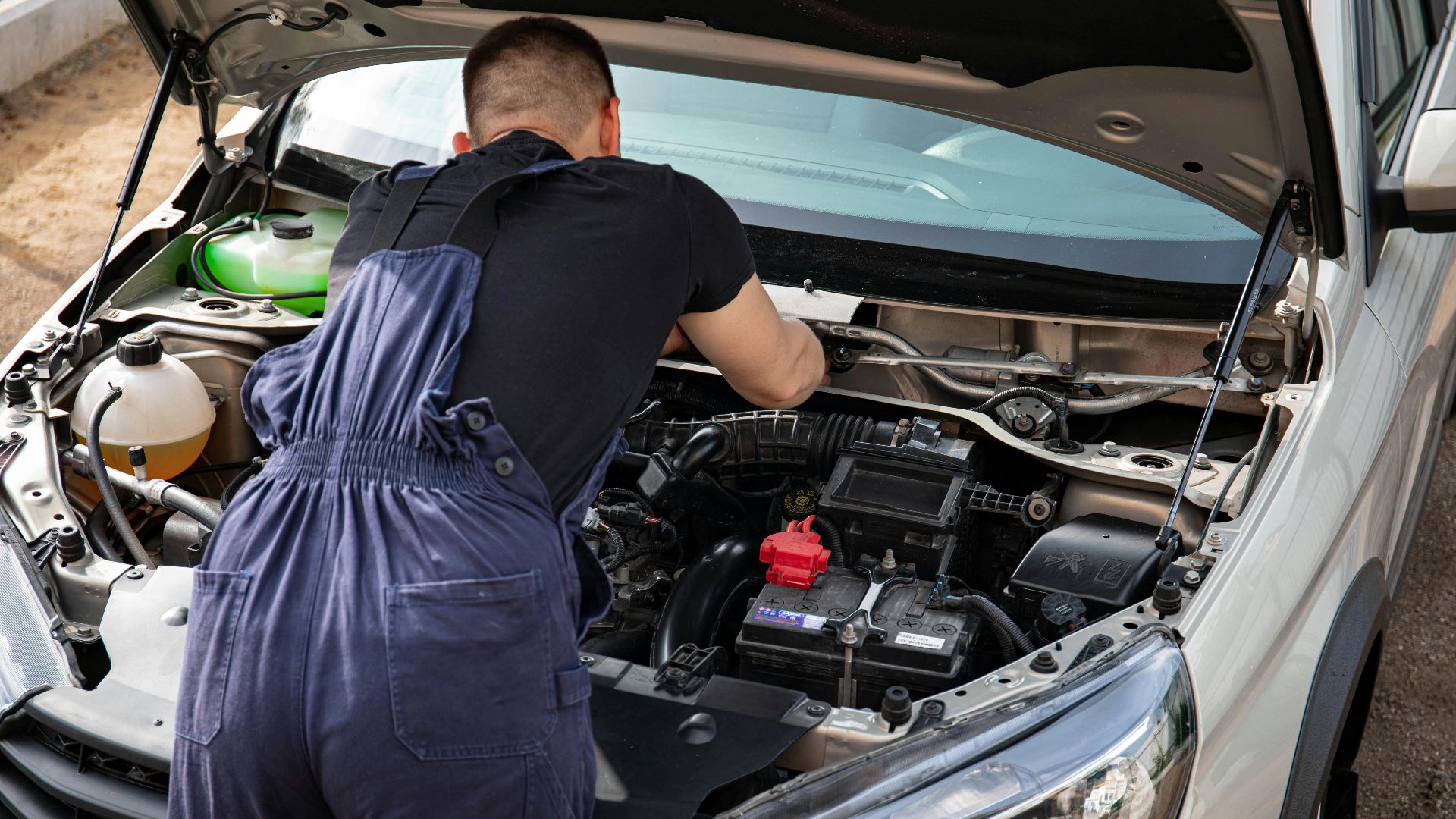
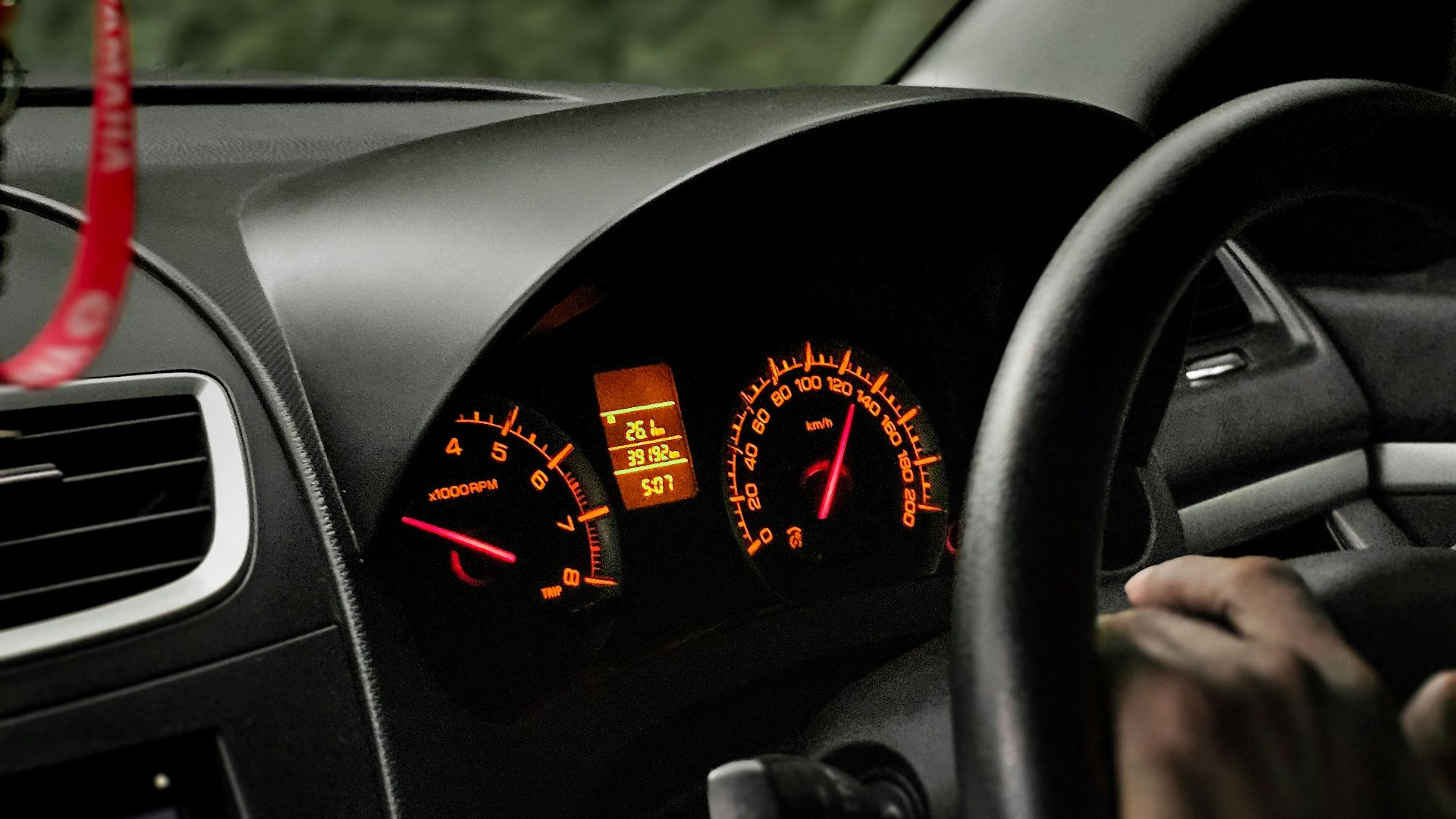
A knocking sound that tracks engine speed can signal serious engine wear or low oil issues, and it should never be treated as background noise. Even if the car still drives, that sound can mean parts are not being lubricated or are already damaged. The safest move is to stop driving and check oil level immediately.
7. A Loud Squeal That Persists After Startup
A belt squeal that doesn’t fade can mean the belt is worn, the tensioner is failing, or a pulley bearing is starting to seize. It often gets worse with accessories running, like the A/C or power steering load. The sound is the belt telling you it’s slipping because something isn’t moving the way it should.

8. A Whining Noise That Changes When You Turn
A power steering pump or system can whine when fluid is low or when the pump is struggling. The sound often gets louder when you turn the wheel at low speeds or at full lock. Letting it go can damage the pump, and the steering can start to feel heavier or jerky.

9. A Clunk Over Bumps That Comes From One Corner
Suspension clunks can point to worn sway bar links, bushings, strut mounts, or other joints that are supposed to be tight. The sound tends to show up on potholes, speed bumps, and uneven pavement, and it can get worse quickly. Even if the car still feels drivable, worn suspension parts can affect handling and tire wear.
10. A Rapid Clicking When You Try To Start, With No Crank
That machine-gun clicking sound is often a weak battery or poor battery connection, where the starter solenoid can’t stay engaged. It’s the car trying repeatedly and failing to get enough power to crank. Sometimes it’s just a dead battery, and sometimes it’s the alternator or wiring that got you there.