10 Dashboard Lights You Can Ignore (Briefly) & 10 You Never Should
Some Warnings Mean Soon, Others Mean Stop
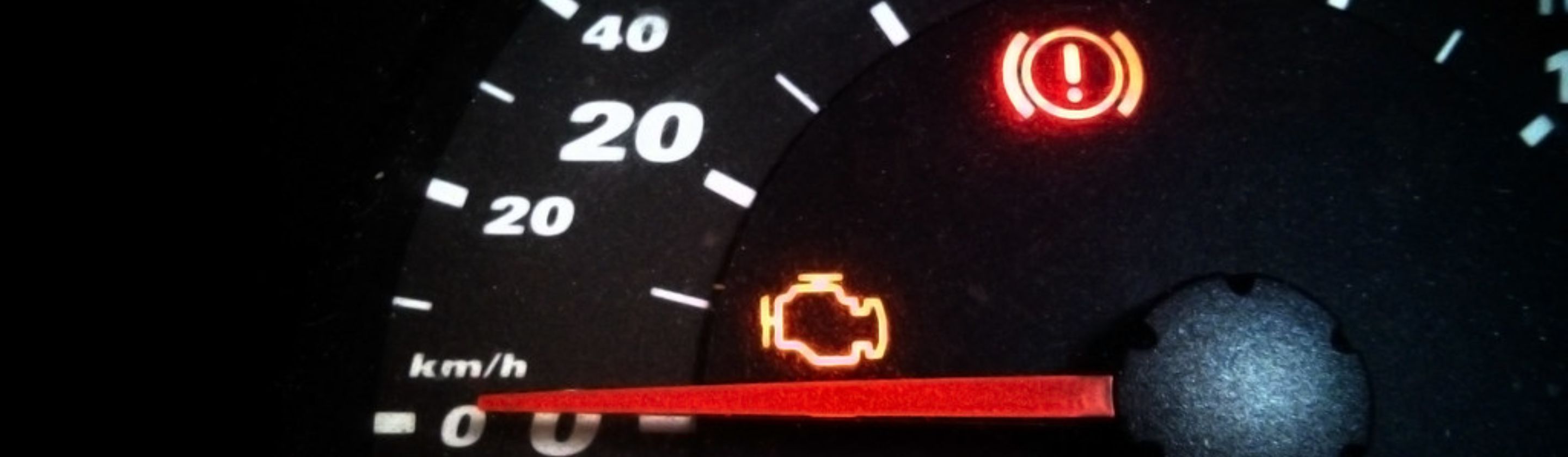
Dashboard lights are the car’s way of talking, and the problem is that they all look equally dramatic at a glance. A gentle reminder about windshield fluid can glow with the same smug intensity as a warning that your engine is about to cook itself. Modern cars also love to light up for sensor quirks, loose gas caps, and momentary hiccups that do not always mean disaster, which trains people to tune the whole panel out. Still, a few lights are genuinely urgent because they point to conditions that can destroy an engine, kill brakes, or turn a small problem into an expensive tow. Here are 10 dashboard lights you can ignore briefly, and 10 you never should.
 commons.wikimedia.org on Google
1. Low Windshield Washer Fluid
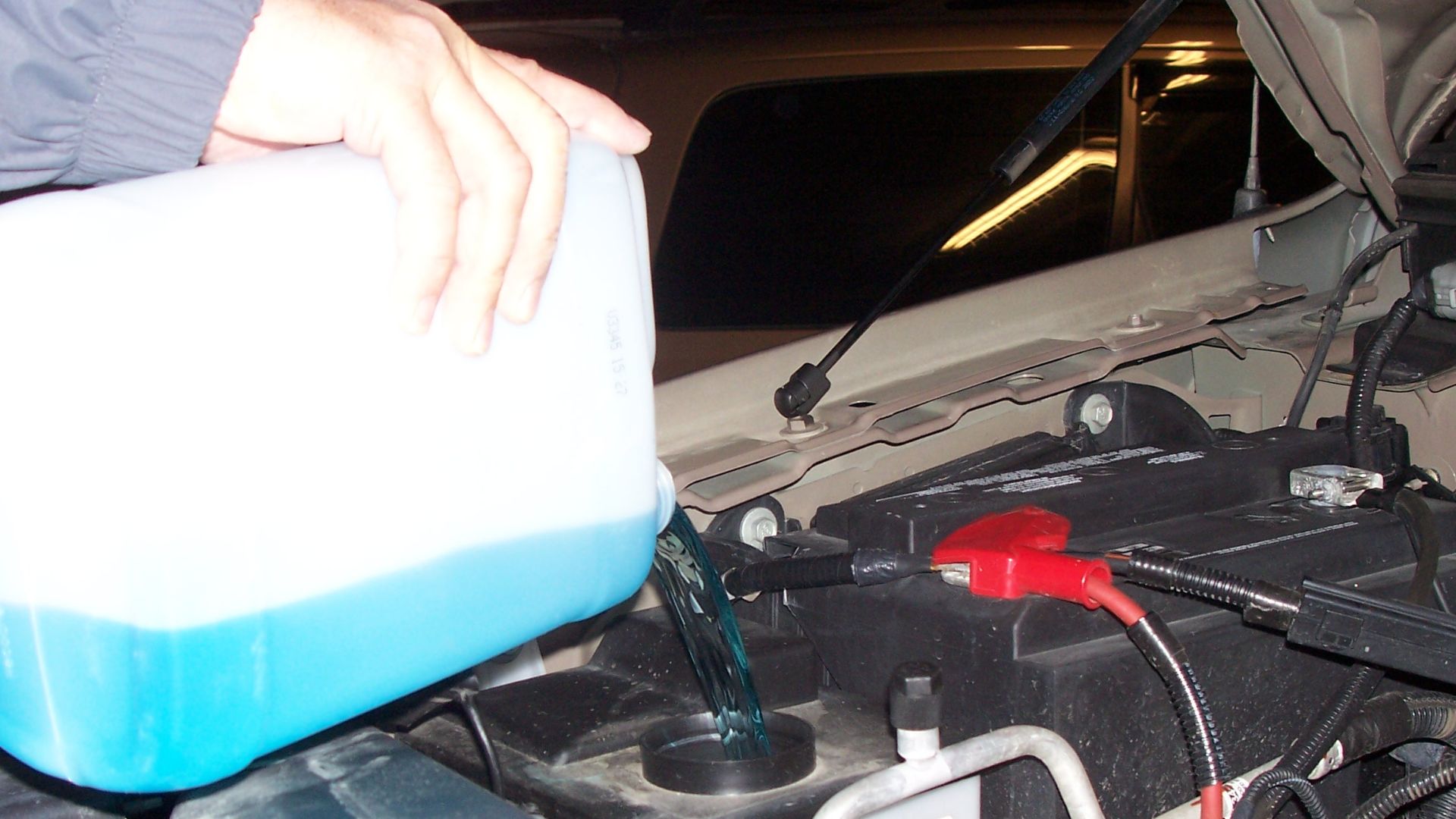
This is the classic non-emergency light, especially if the weather is clear and the road is clean. You can usually keep driving until the next gas station, and you will only regret it when someone sprays slush onto your windshield at the worst moment.
 Hamedog at English Wikipedia on Wikimedia
2. Low Fuel
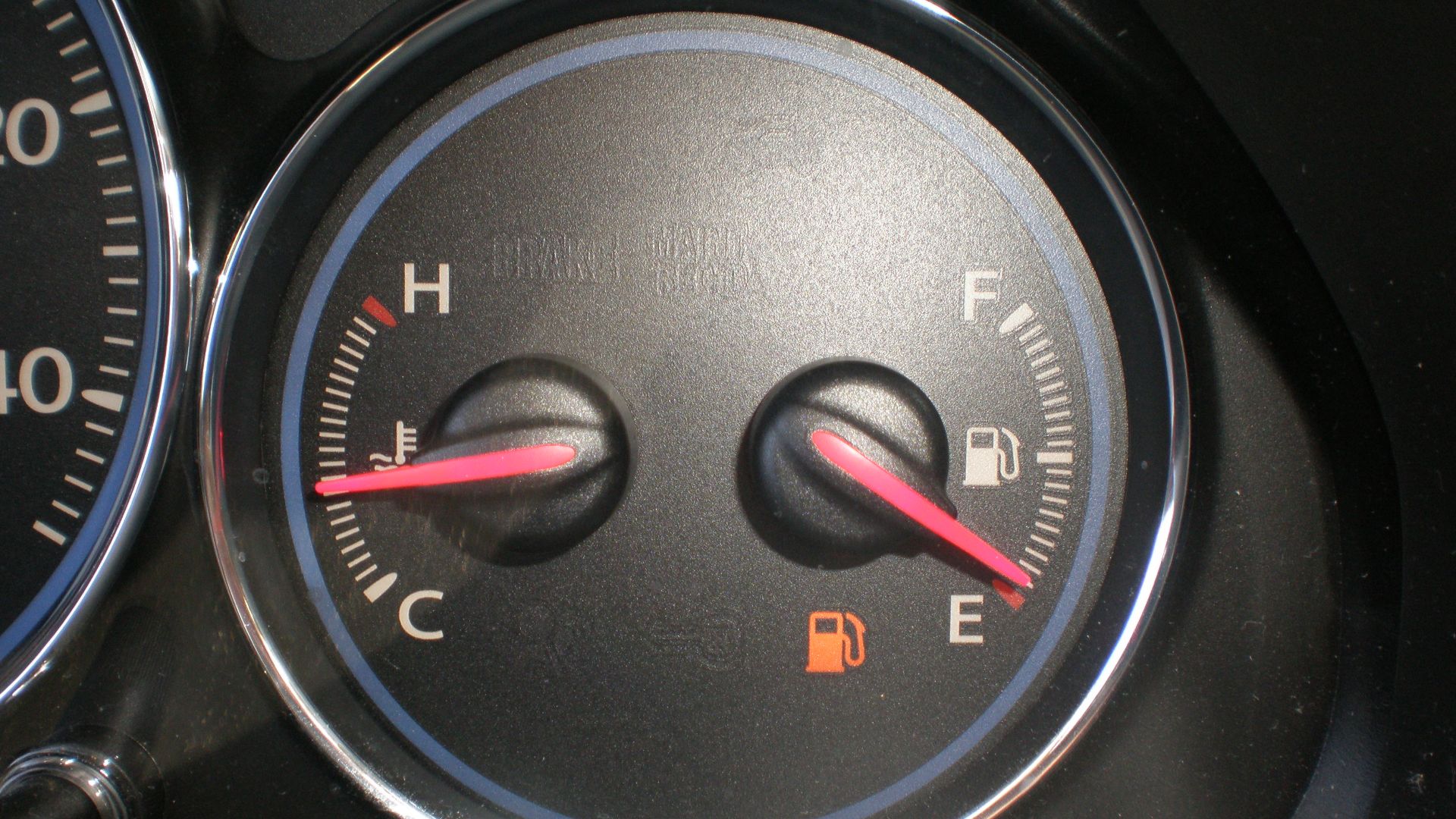
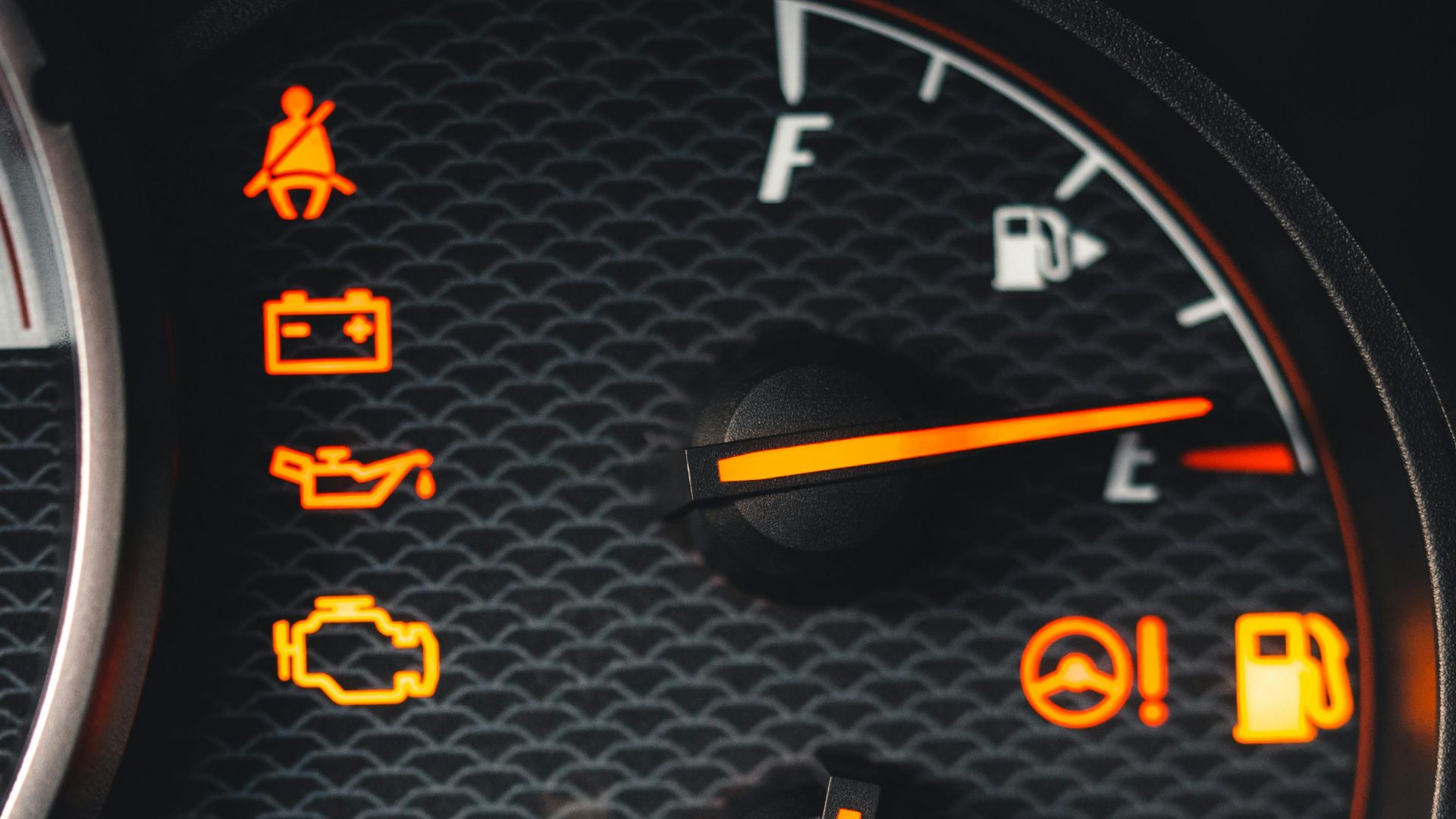
Low fuel is rarely an immediate safety crisis if you are in town, calm, and not already running on fumes. The real risk is pushing it so far that you suck debris into the fuel system or end up stalled somewhere unsafe, so brief is the key word.
 commons.wikimedia.org on Google
3. Tire Pressure Warning (If The Car Feels Normal)
A tire pressure light can pop on during a sudden cold snap, and the car may still drive fine. It still deserves attention soon, yet you can usually get to a safe spot, check pressures, and top up without assuming the tire is about to explode.
 Krzysztof Maksimiuk on Unsplash
4. Maintenance Reminder
Maintenance lights are often based on mileage intervals rather than a live mechanical emergency. You can finish the commute or the errand run, then schedule the service, and the car will not punish you immediately for being human.
5. Door Ajar
This light can be triggered by a finicky sensor or a hatch that did not latch cleanly. If everything is clearly shut and the car feels secure, you can usually keep going until you can stop safely and double-check the latches.
6. Exterior Bulb Out
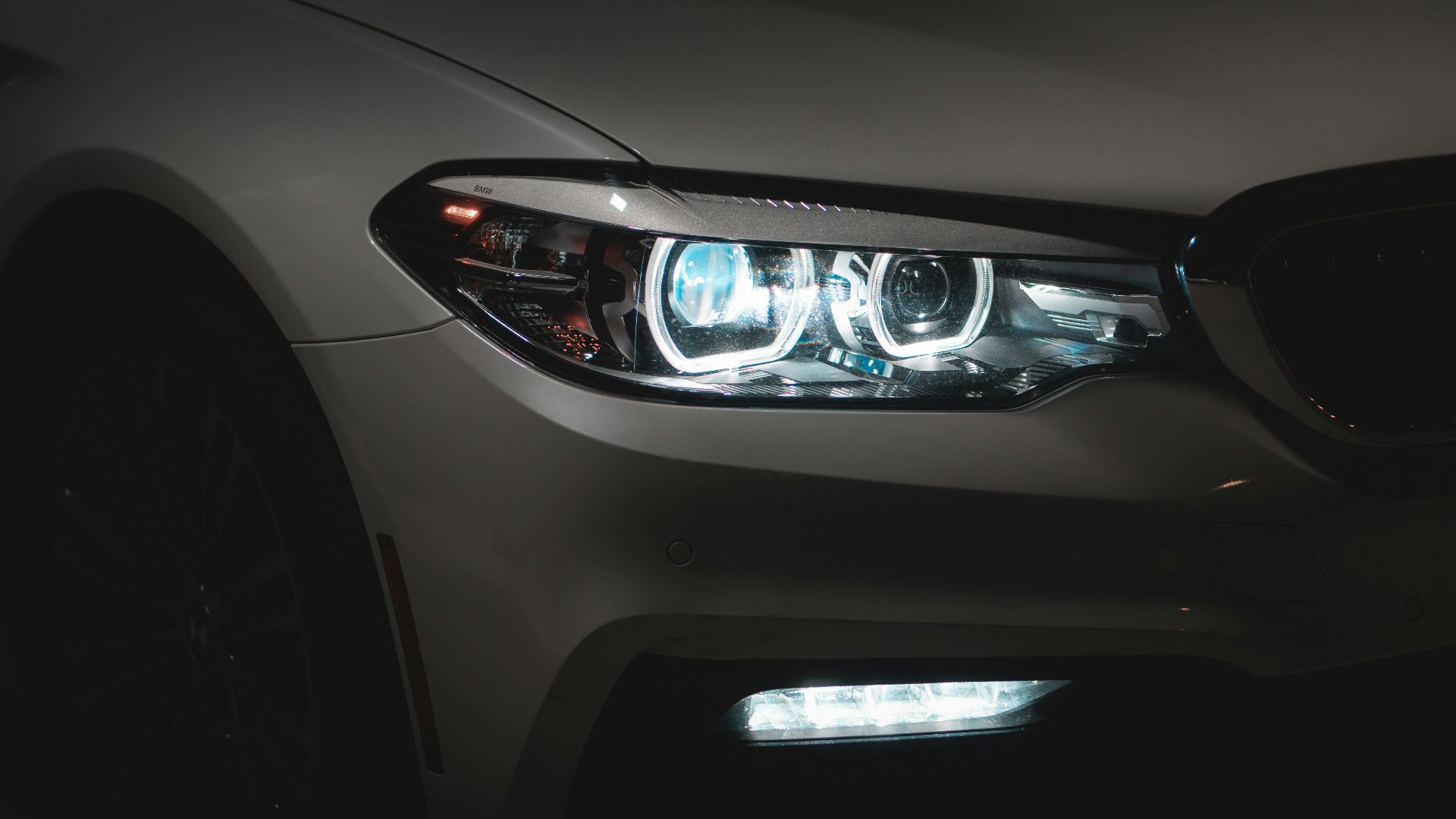
A bulb warning can mean a brake light, headlight, or marker light is out, and the urgency depends on time of day and driving conditions. You can often drive home in daylight and fix it quickly, yet nighttime driving with missing lights is asking for trouble.
7. Fog Light Indicator
This one often confuses people because it is technically not a warning, just a status light. If the fog lights were turned on by accident, nothing is breaking, and the fix is simply clicking them off when you notice.

8. Flashing Traction Control Light
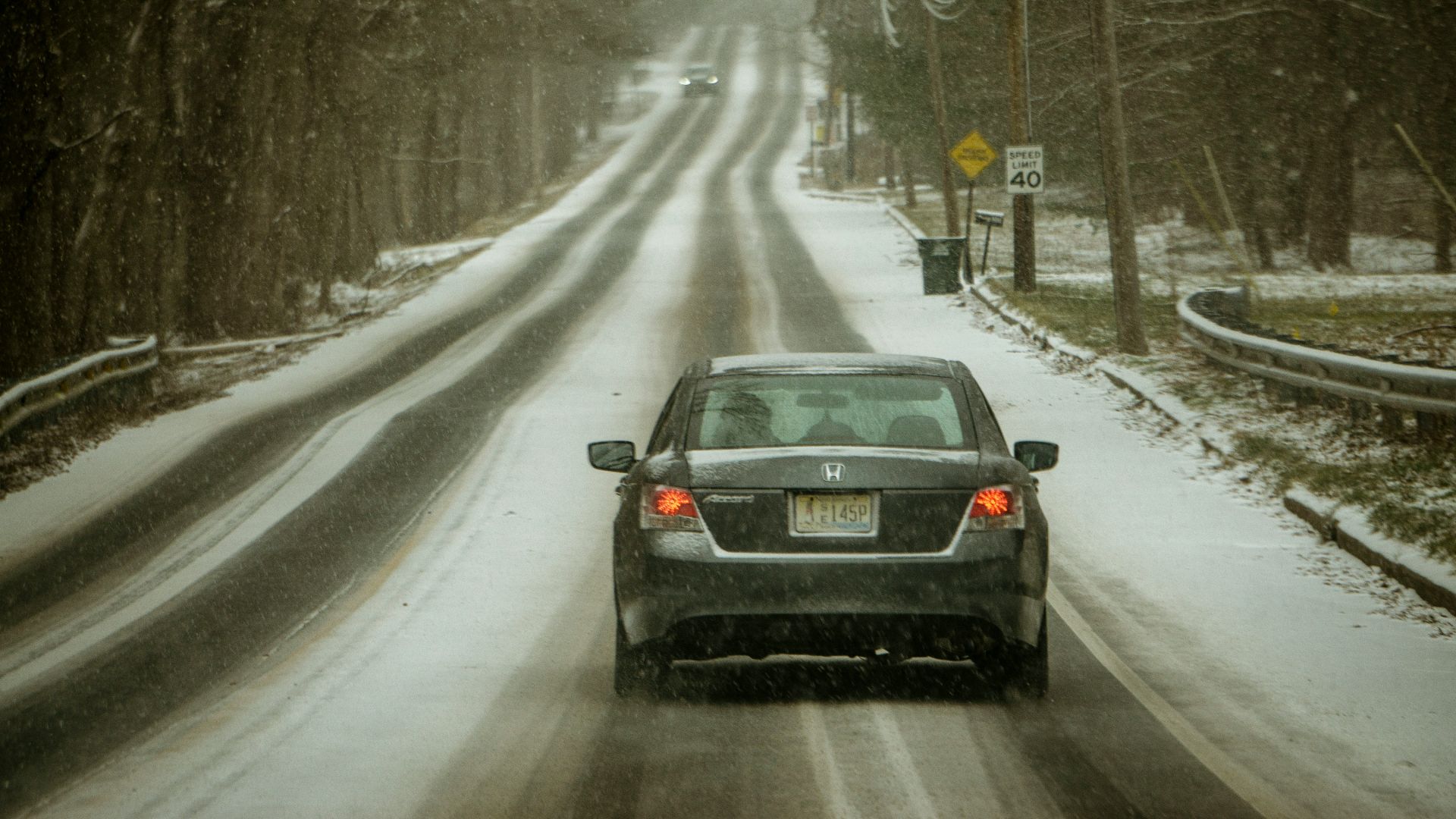
A flashing traction control light usually means the system is actively working because the road is slick. You can keep driving carefully, and the light should stop once traction improves, though it is a reminder to slow down and stay smooth.
9. Lane Keep Assist Or Driver Assist Warning (Momentary)
Driver assist systems can throw temporary warnings when cameras are blocked by rain, glare, or grime. You can usually continue driving normally, since the car is just telling you the assistance is limited and you need to do the full job yourself.
10. Low Outside Temperature Or Ice Warning
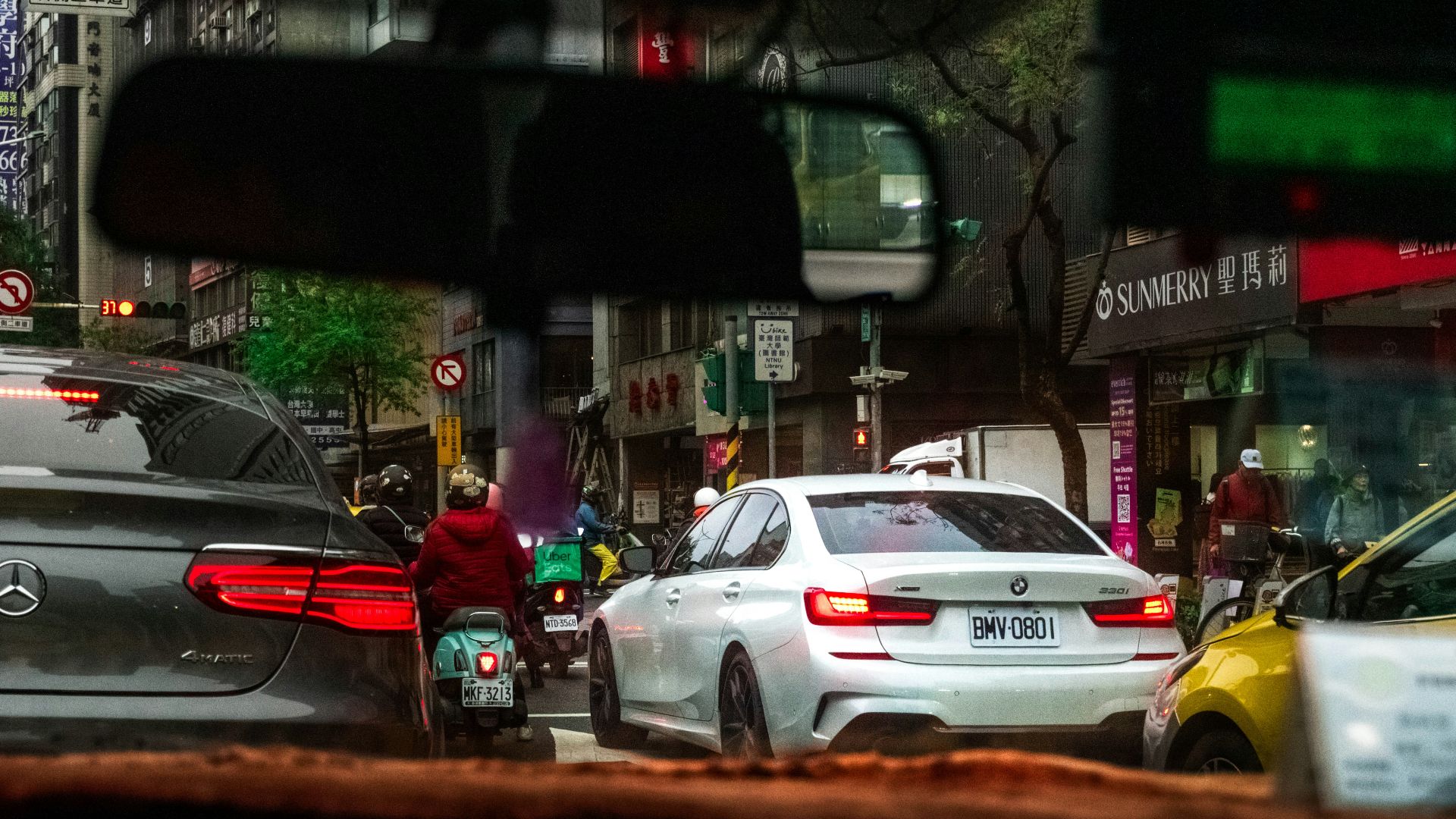
This is another alert that is more about awareness than a mechanical problem. You can keep driving, yet it is worth adjusting behavior because bridges and shaded areas can freeze even when the rest of the road looks fine.
And now, here are ten lights you should never ignore.
 Volodymyr Dobrovolskyy on Unsplash
1. Oil Pressure Warning
An oil pressure light can signal that the engine is not getting lubrication, and that can cause catastrophic damage fast. This is a shut-it-down situation, not a finish-the-podcast situation.
 Jimmy Nilsson Masth on Unsplash
2. Engine Temperature Warning
An overheating light means the engine is running too hot, and continuing to drive can warp components and ruin the head gasket. The safest move is to pull over as soon as possible and let the engine cool before doing anything else.
3. Brake System Warning
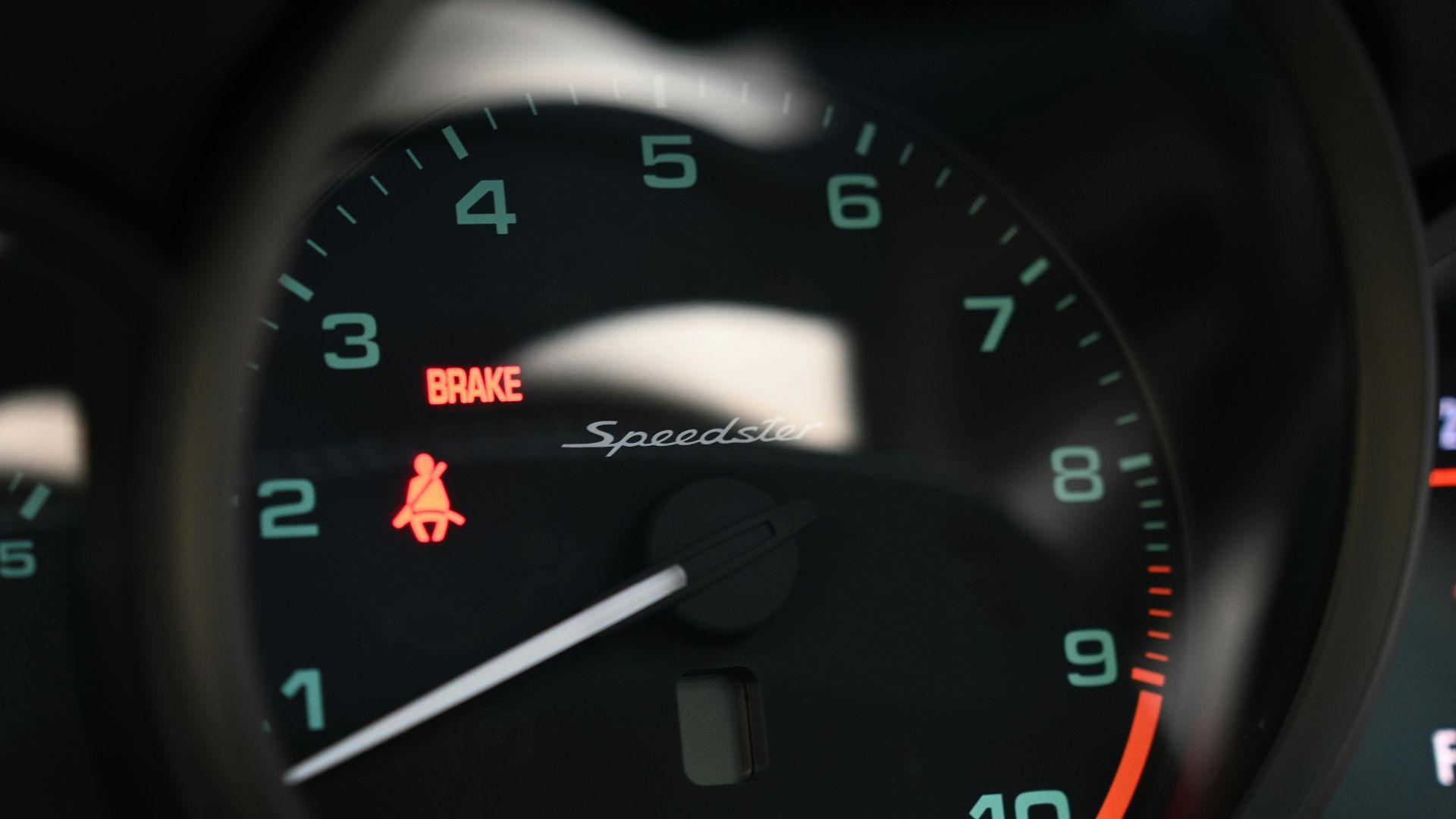
A brake warning light can indicate low brake fluid, a hydraulic issue, or other problems that can reduce stopping power. Brakes are not the part of a car to gamble with, especially since symptoms can worsen quickly.
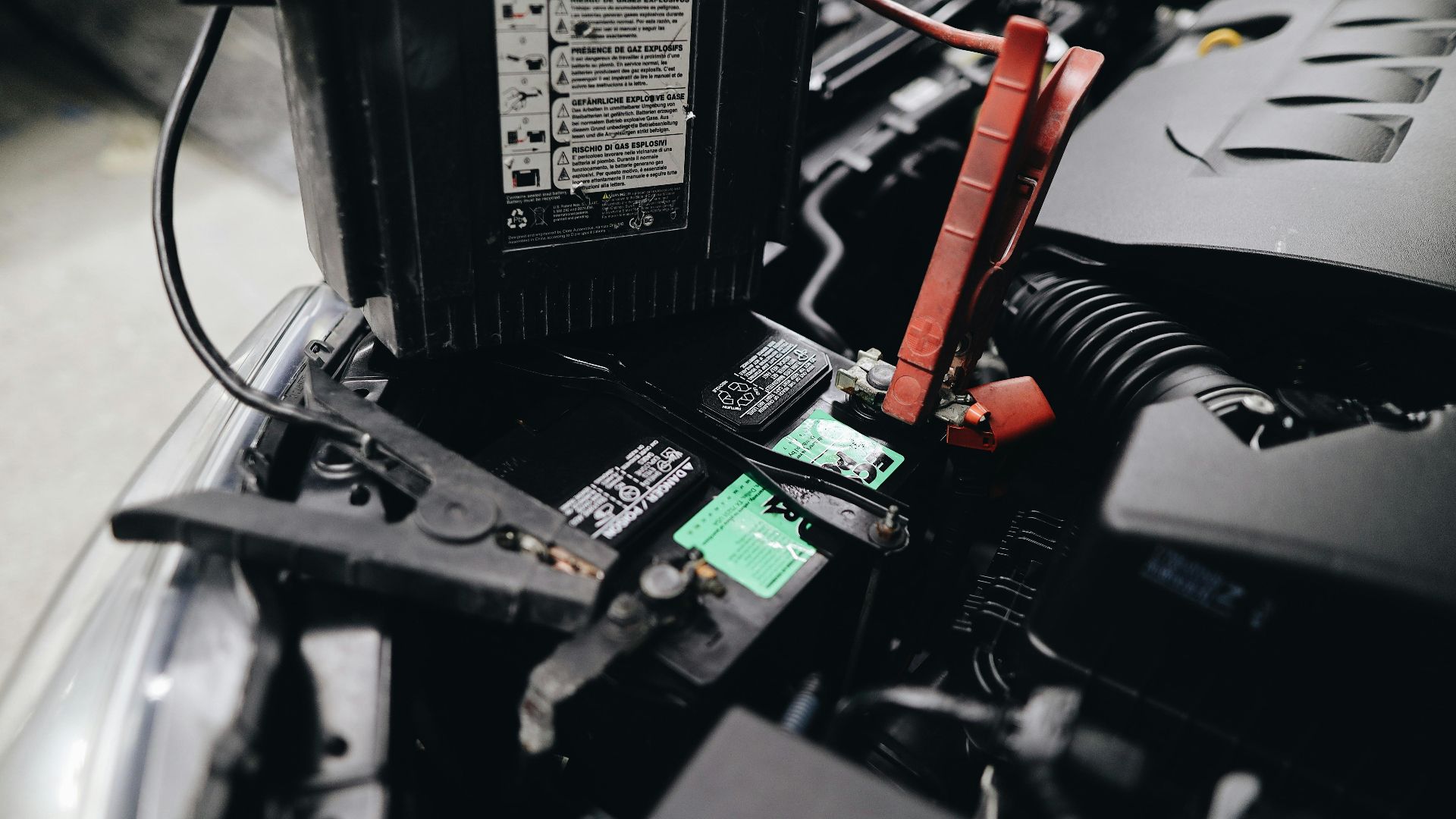
4. Battery Or Charging System Warning
This light often means the alternator is not charging the battery properly, which can lead to a sudden stall once the battery drains. If you ignore it, the car can die in traffic with no warning, and that is a safety issue as well as an inconvenience.
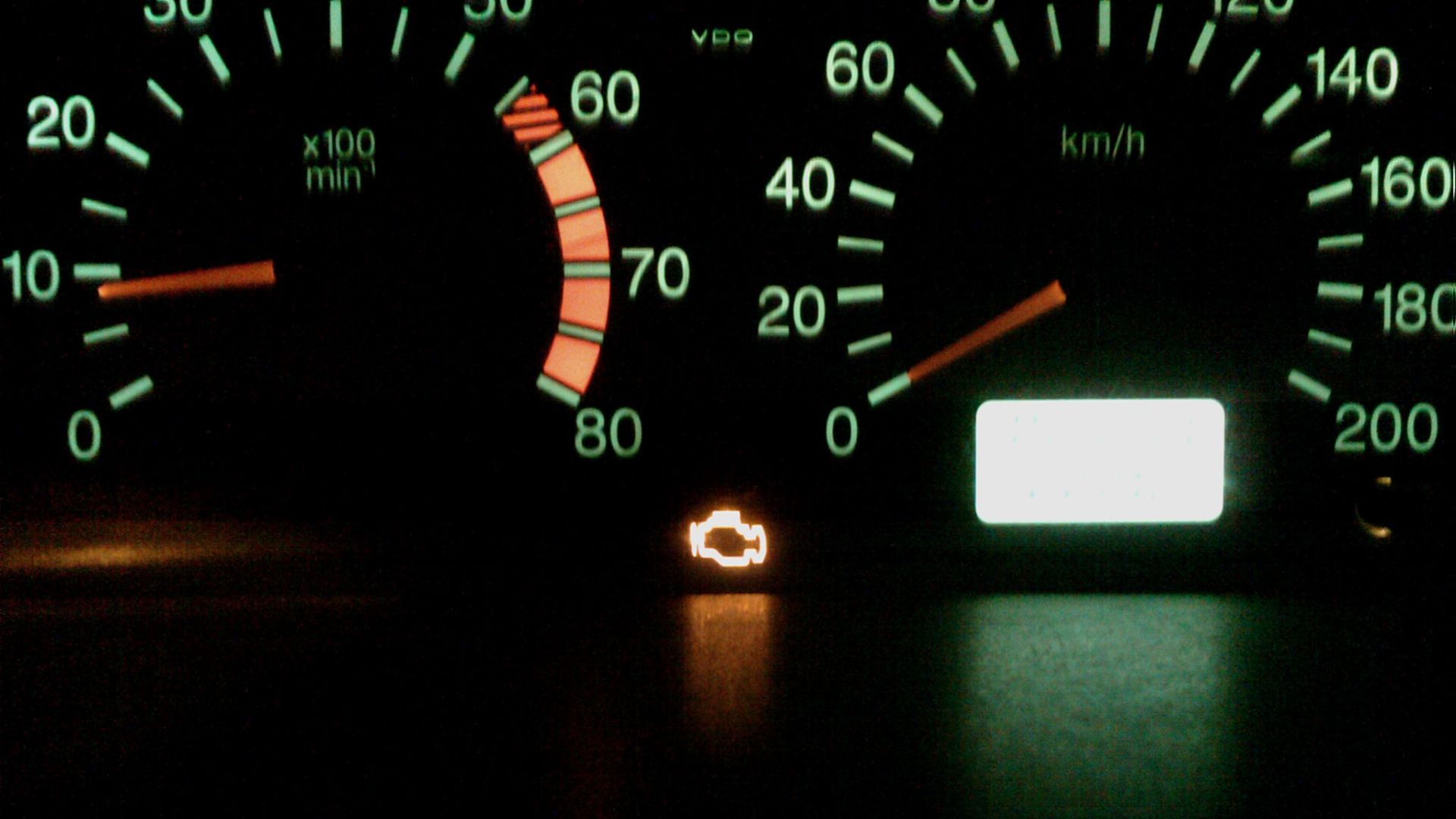
5. Check Engine Light (Flashing)
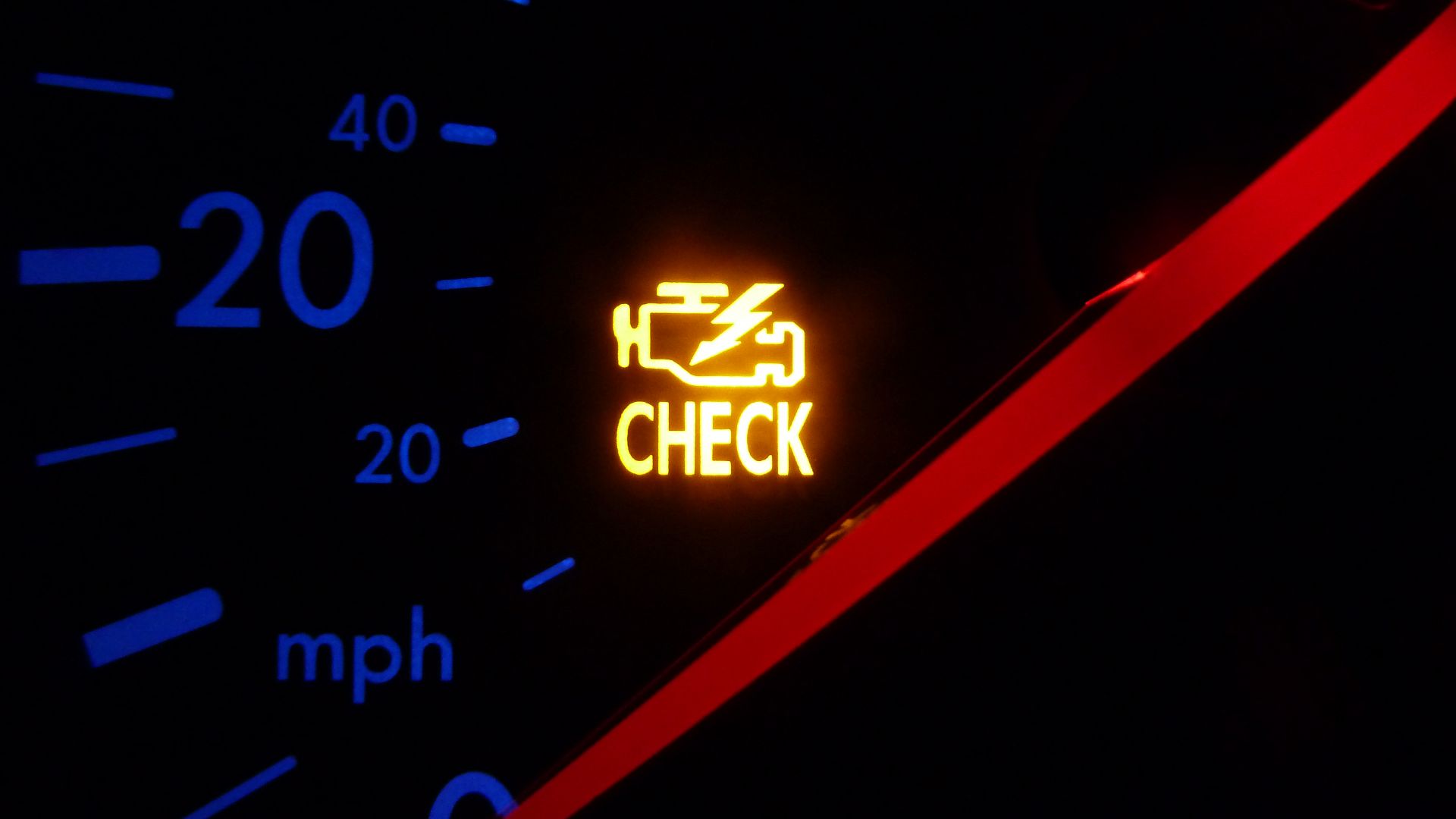
A steady check engine light can sometimes be minor, yet a flashing one often signals a misfire that can damage the catalytic converter. Driving hard with a flashing light can turn a manageable repair into a much more expensive one.
 commons.wikimedia.org on Google
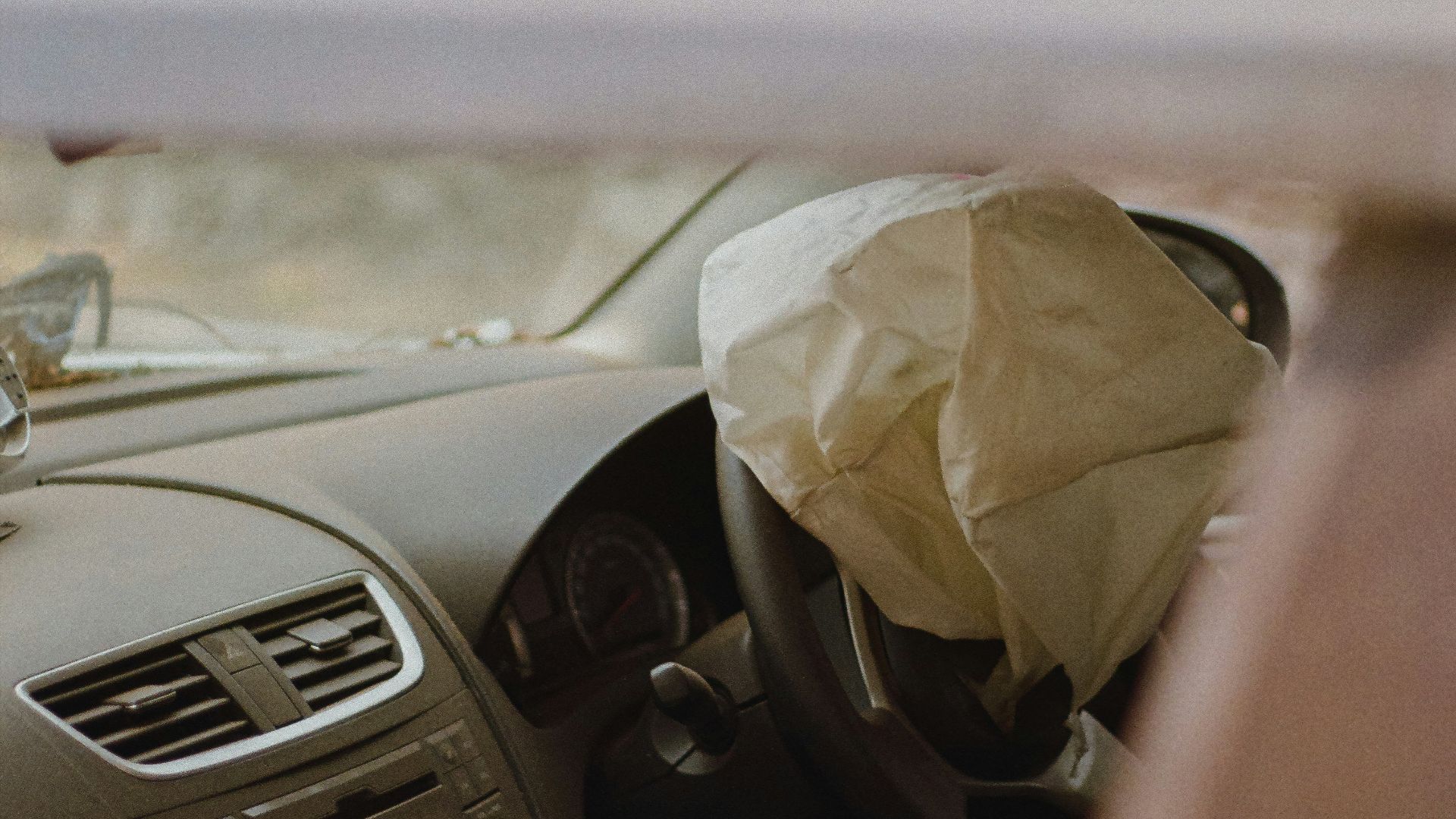
6. Airbag Or SRS Warning
An airbag warning light means the supplemental restraint system may not deploy properly in a crash. You can drive the car, yet you are driving without an important layer of protection, and it deserves quick diagnosis.
7. ABS Warning
An ABS light can mean the anti-lock braking system is disabled, which affects control during hard braking, especially in wet conditions. The car may still stop, yet emergency stops become less predictable, which changes the risk profile immediately.
 Dragon White Munthe on Unsplash
8. Power Steering Warning
If the power steering system is failing, steering can suddenly become heavy and difficult, particularly at low speeds. That can be dangerous in tight turns, parking lots, and sudden avoidance maneuvers, so it is not a light to shrug off.
 commons.wikimedia.org on Google
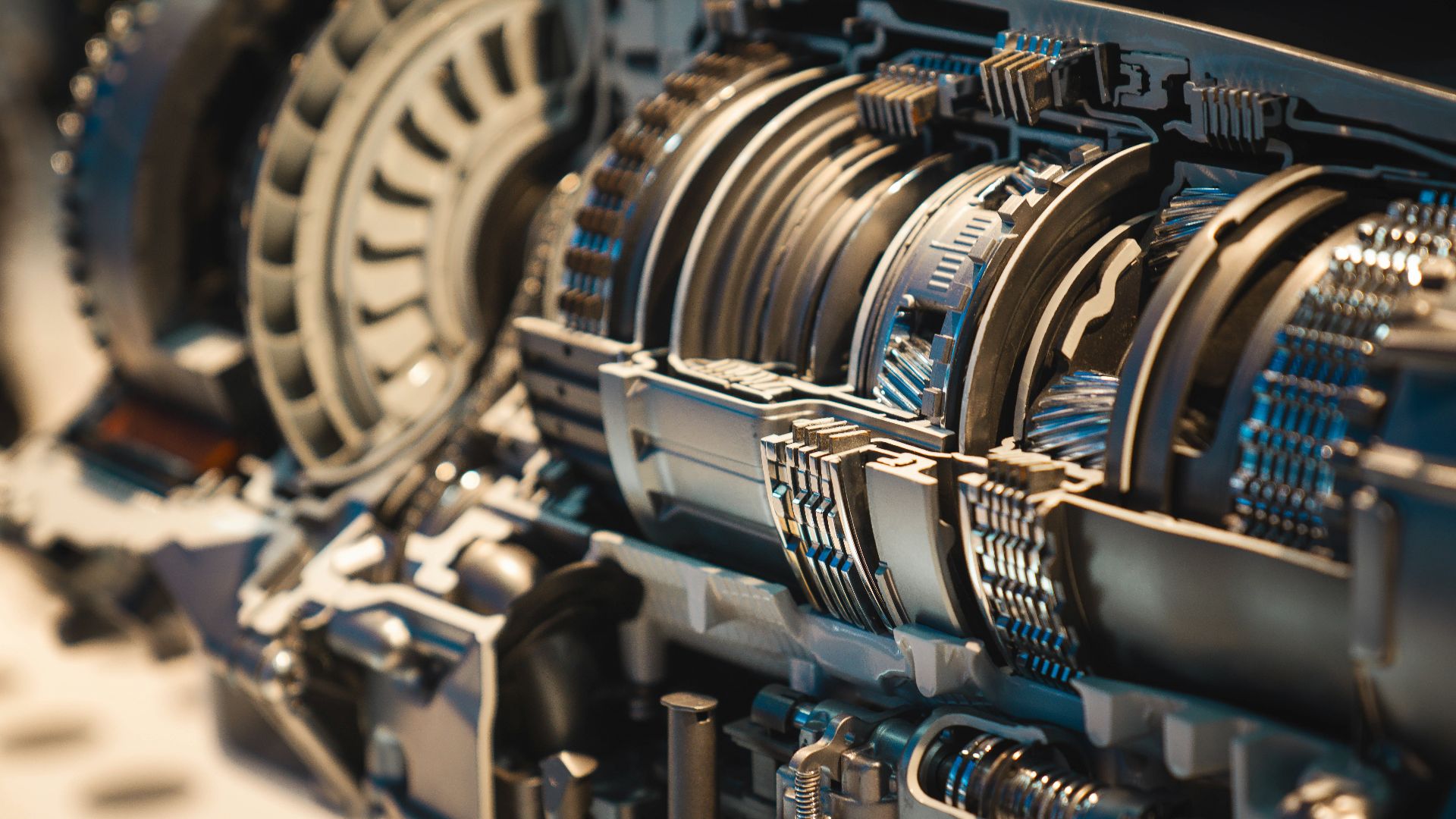
9. Transmission Temperature Warning
Transmission overheating can lead to slipping, loss of drive, and long-term damage that costs a small fortune. If this light appears, continuing to drive can escalate the damage quickly, especially under load or in stop-and-go traffic.
10. Low Brake Pad Or Brake Wear Warning
Some cars have specific brake pad wear indicators, and when that light comes on, you may already be close to metal-on-metal contact. Once pads are gone, rotors get destroyed fast, stopping distances can worsen, and the repair bill jumps.