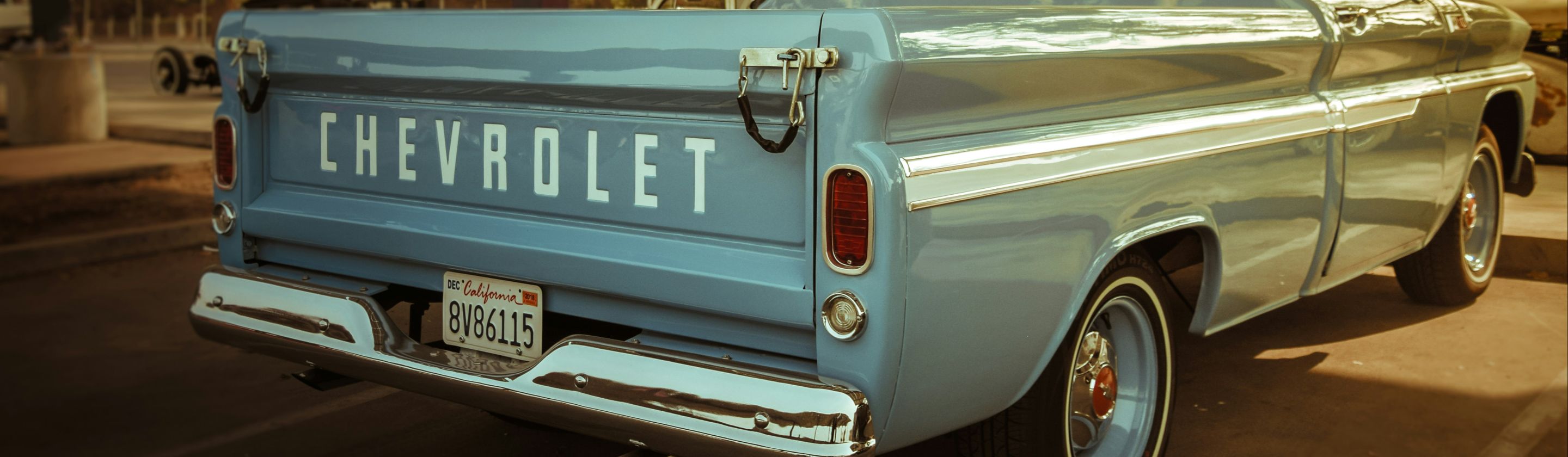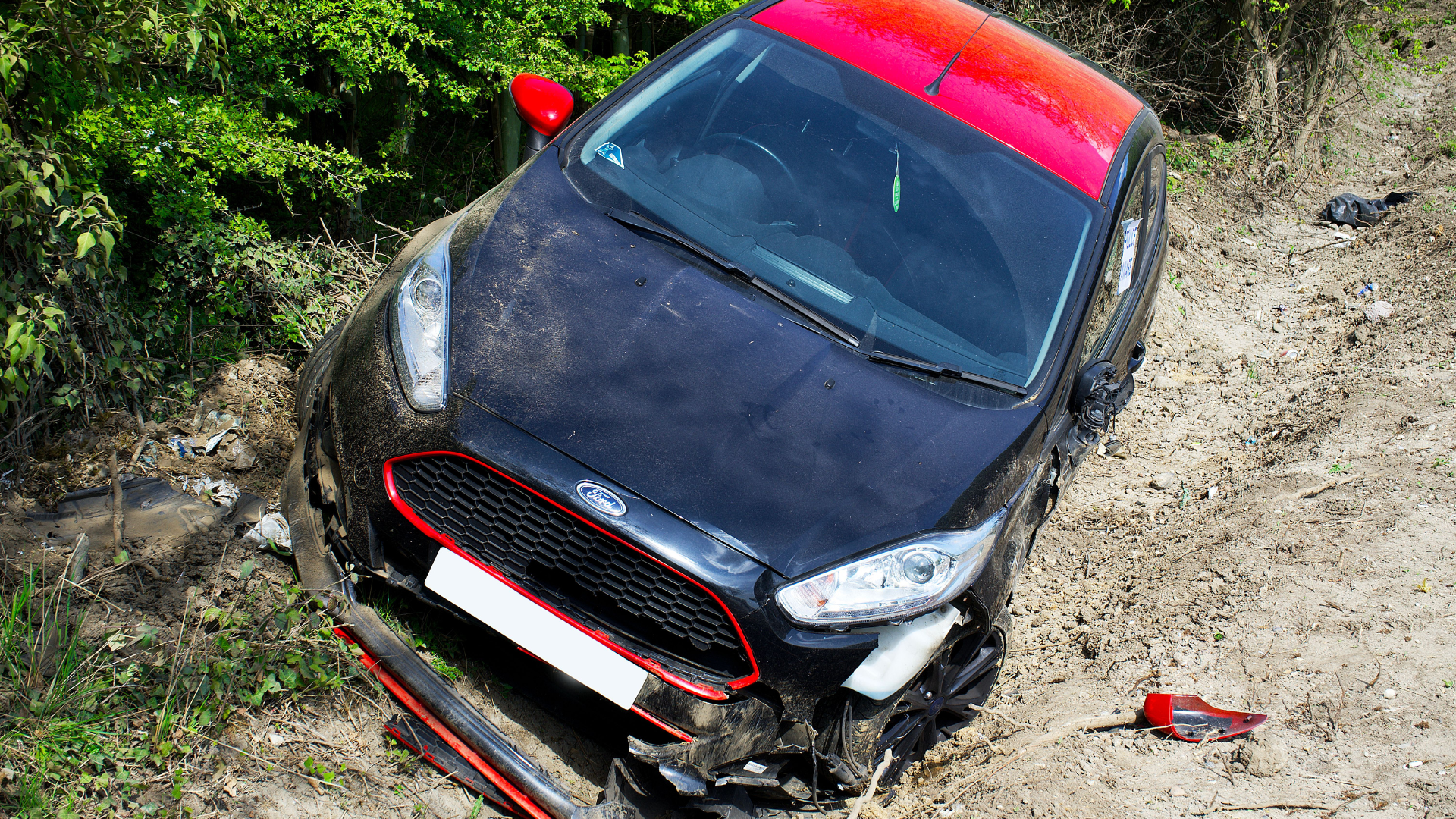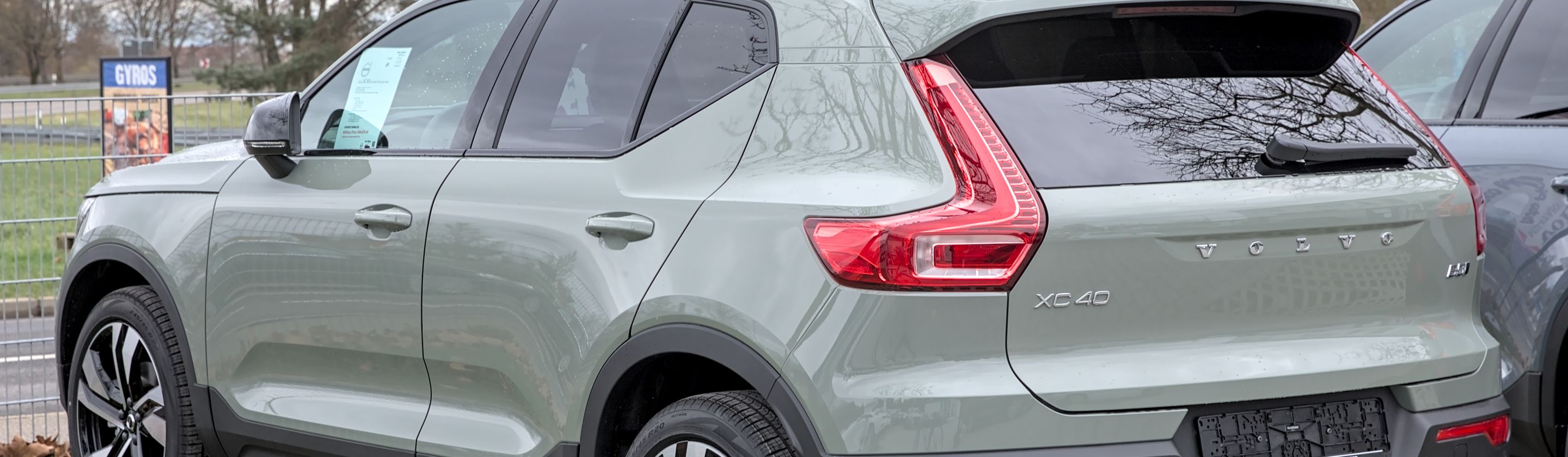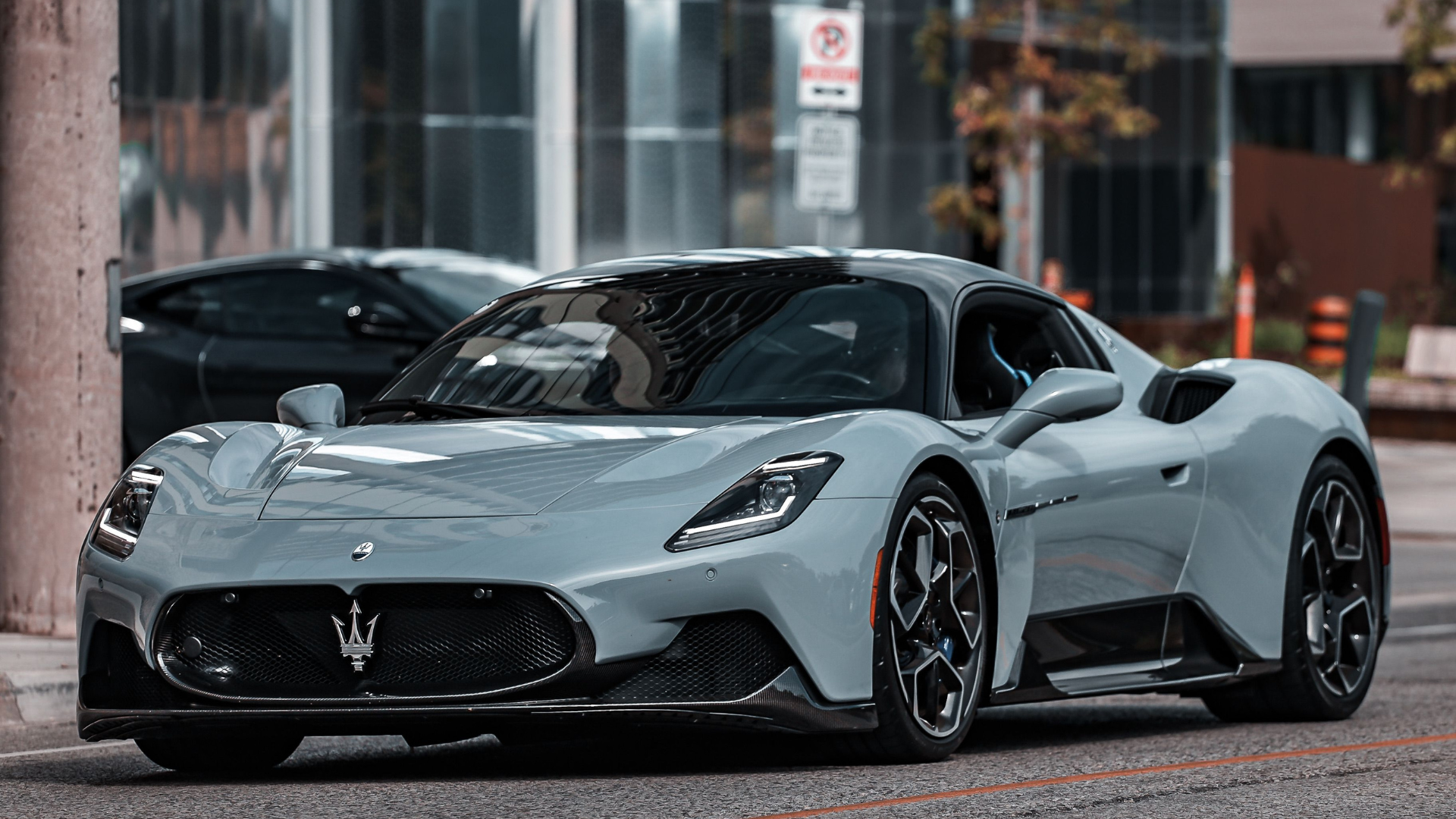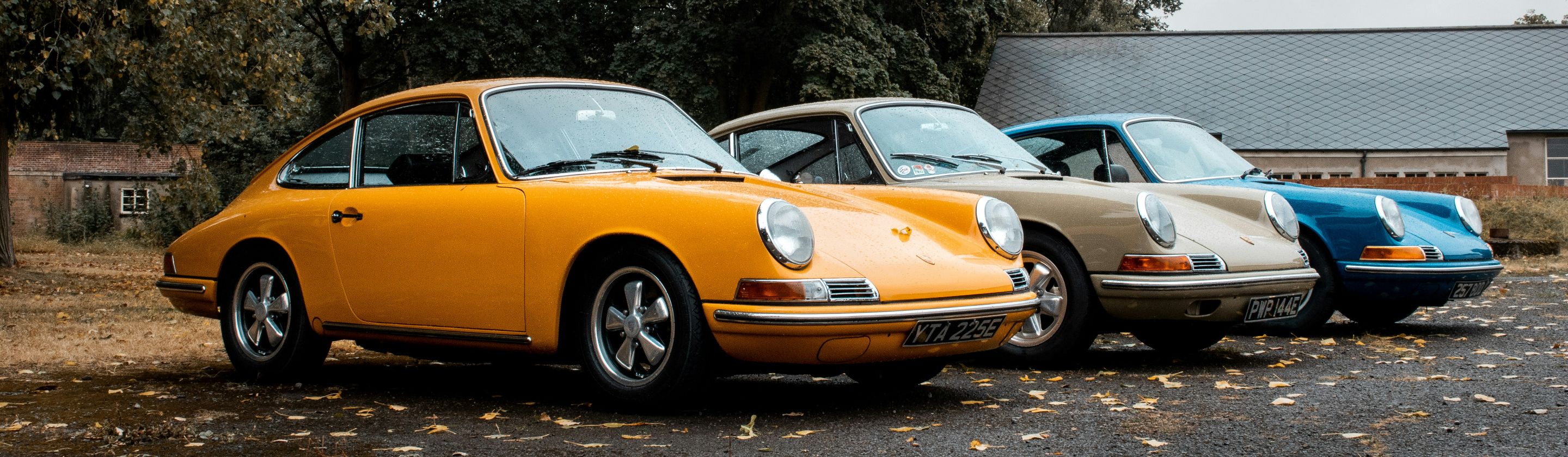
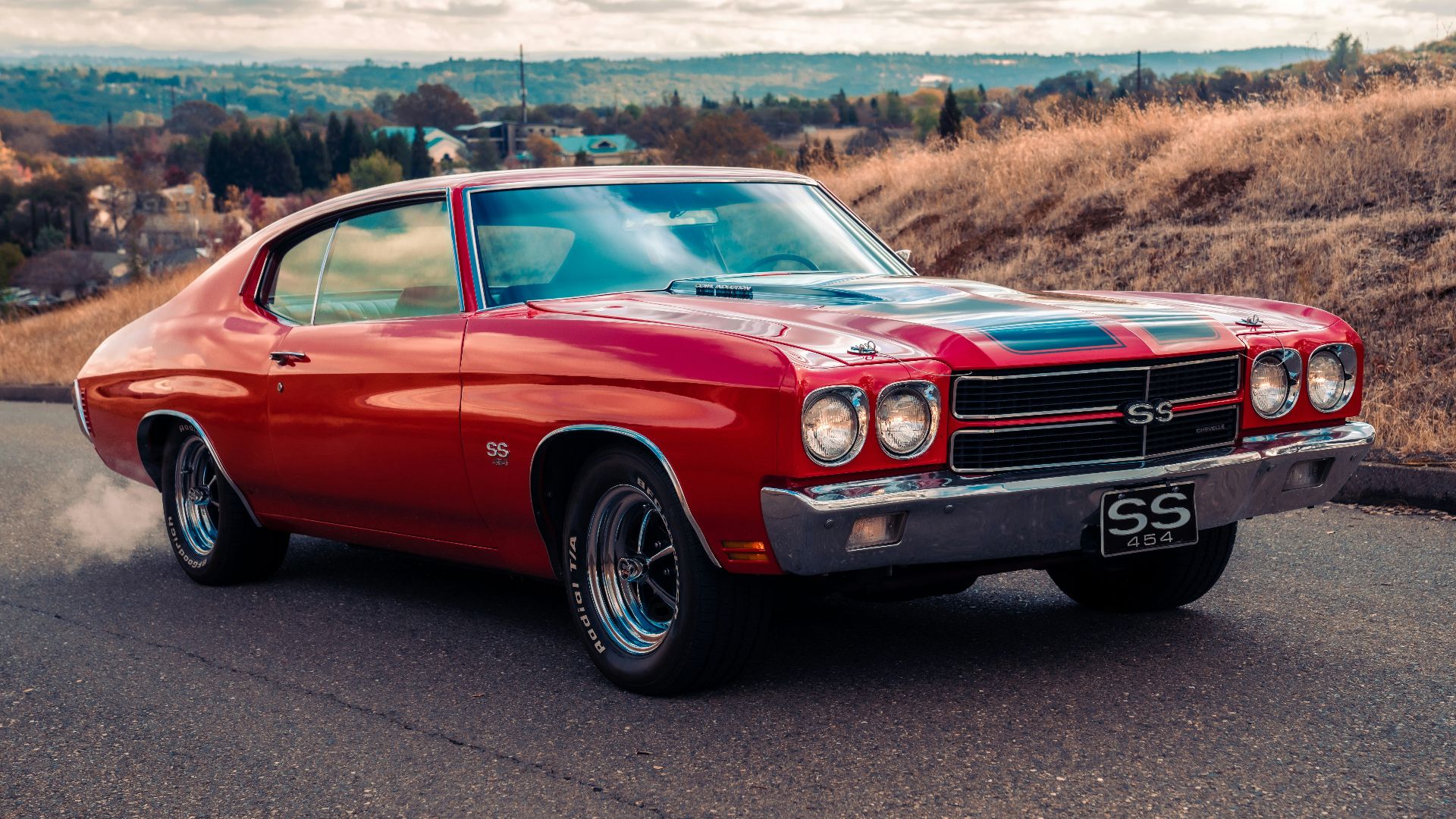
Walk past a parking lot full of cars from the last ten years and then flip through a photo book of automobiles from the 1950s through the 1980s. Something is different, and it's not just nostalgia doing the work. The older cars have a depth to their color, a sense that the paint has actual substance, like light is going into the surface and coming back out rather than just bouncing off. Modern cars, even expensive ones, often look comparatively flat. That observation isn't imaginary, and the reasons behind it are more interesting than you'd expect.
The shift happened gradually and for reasons that had nothing to do with aesthetics. Regulatory changes, environmental legislation, and cost pressures pushed the automotive industry away from paint chemistries that produced exceptional visual results toward systems that were cheaper to apply, easier to meet emissions standards with, and faster to cure in a factory environment. The cars got cleaner to manufacture and harder to refinish, and somewhere in that transition the paint got worse. Understanding why requires a quick look at what actually changed under the hood of automotive finishing technology.
The Lacquer Era and What We Lost
For most of the 20th century, the dominant finish on American cars was nitrocellulose lacquer, and later acrylic lacquer, systems that produced the deep, glossy, almost liquid-looking paint jobs associated with classic cars from that period. Lacquer works by dissolving the paint solids in a solvent, applying the mixture, and then allowing the solvent to evaporate, leaving a hard film behind. The chemistry is relatively simple, but the results are visually extraordinary because lacquer can be applied in many thin coats, sanded between layers, and then polished to a clarity that modern basecoat systems genuinely struggle to match.
General Motors, Ford, and Chrysler used lacquer-based systems as their primary finish technology through much of the mid-century period, and the color palettes they developed during those decades, the two-tone combinations, the candy apple reds, the deep metallic blues, remain some of the most visually compelling automotive finishes ever produced. The paint had tactile presence. You could look into it. Restorers and collectors still seek out original lacquer finishes on surviving vehicles specifically because the appearance is so difficult to replicate with modern materials.
The problem with lacquer, from a regulatory standpoint, is that it requires large volumes of volatile organic compounds to keep the paint solids in suspension. When those solvents evaporate during application and curing, they contribute to atmospheric pollution and smog formation. The Clean Air Act and subsequent EPA regulations through the 1970s and 1980s set increasingly strict limits on VOC emissions from industrial coating operations, and automotive assembly plants, which were finishing thousands of vehicles per day, were significant emissions sources. Lacquer couldn't survive that regulatory environment, and the industry moved on.
Waterborne Basecoats and the Factory Finish Problem
The system that replaced lacquer in most modern automotive manufacturing is a two-stage or three-stage process combining a waterborne basecoat, which carries the color, with a separate clearcoat layer applied on top to provide gloss and protection. Waterborne formulations dramatically reduce VOC emissions compared to solvent-borne systems, which made them attractive to regulators and manufacturers navigating increasingly strict environmental rules in both the United States and Europe. California's Air Resources Board has been particularly influential in pushing the industry toward low-VOC coatings, and because manufacturers generally build cars for a global market, California's standards effectively set a floor for the entire industry.
The clearcoat system solved real problems. It's more resistant to UV degradation than lacquer, it holds gloss reasonably well under normal conditions, and it's significantly more efficient to apply in a high-volume factory environment. Modern automotive paint lines use electrostatic application technology and carefully controlled curing ovens that produce a consistent finish across thousands of vehicles with minimal waste. From a manufacturing engineering perspective, the current system is objectively superior to what came before.
Where it falls short is in visual depth and repairability. The basecoat in a modern finish is actually quite thin, often only 15 to 20 microns, with the clearcoat adding another 40 to 60 microns on top according to industry finishing standards. That clearcoat is what you're actually looking at when you look at a modern car's paint, and it has a uniformity and surface tension that reads differently to the eye than a built-up lacquer finish. The depth that lacquer achieved through multiple polished layers simply isn't replicable with a single clear film.
The Cost Compression Nobody Talks About
Beyond the regulatory story, there's a straightforward economic one. Paint is one of the most expensive steps in vehicle manufacturing, accounting for a significant portion of total production cost. A fully equipped automotive paint facility represents a capital investment in the hundreds of millions of dollars, and the pressure to move vehicles through that facility quickly is constant. Thinner paint application, faster curing cycles, and reduced material costs all improve the economics of a production line, and those pressures have consistently pushed toward systems that are optimized for speed and volume rather than visual richness.
The consequences show up most visibly in the color options available on new vehicles. Vibrant, complex colors require more careful application and more material, which translates to higher cost and slower throughput. The proliferation of white, gray, silver, and black on modern car lots isn't purely a matter of consumer taste. A 2023 report from PPG Industries, one of the largest automotive paint suppliers in the world, found that achromatic colors, whites, blacks, grays, and silvers, accounted for 81% of vehicles produced globally that year. Those colors are cheaper and easier to apply consistently than saturated hues, and manufacturers price complex colors as premium options accordingly.
Repair economics compound the problem. Modern clearcoat finishes, for all their factory durability, are notoriously difficult to touch up invisibly. A scratch that reaches through the clearcoat into the basecoat requires blending across entire panels to avoid visible color mismatch, a process that is time-consuming and expensive. Lacquer, by contrast, could often be spot-repaired with a small amount of matched paint and careful polishing. The finish we gained for the factory is one we partially lost for the lifetime of the vehicle, and that tradeoff was made mostly without anyone asking car owners whether it was the one they wanted.