Traps For The Unprepared Buyer
Buying a used performance car is one of the most exciting purchases you can make, and also one of the easiest ways to drain your bank account. High-revving engines, turbochargers, performance suspension, and limited-slip differentials all wear in ways that a standard pre-purchase walkaround will never reveal. Whether you're buying from a private seller, a franchise dealership, or an independent lot, the mistakes below can cost you thousands, and most of them are entirely avoidable.

1. Skipping The Vehicle History
A vehicle history report pulls together accident records, odometer readings, title status, and ownership history into one document, and skipping it is one of the most common shortcuts buyers regret. On a performance car, even a minor rear-end collision can compromise some long-term aspects of the vehicle.

2. Ignoring The Cost Of Ownership
The sticker price is only the beginning of what a performance car will cost you. Insurance on a used BMW M5 or Dodge Challenger Hellcat runs significantly higher than on a standard commuter car, and OEM parts for European performance vehicles can be two to three times the cost of equivalent parts for mainstream brands.

3. Obsessing Over Monthly Payments
Negotiating purely around monthly payments rather than total price is a trap that dealers are well aware of. A stretched loan term on a used performance car means you could be paying off a depreciating, high-mileage vehicle for years to come.

4. Skipping Price Comparisons
Listing prices for used performance cars vary widely between private sellers, independent dealers, and franchise lots, and the only way to know whether you're getting a fair deal is to check all three. Websites that aggregate nationwide listings make it easy to see what comparable cars with similar mileage and trim are actually selling for.

5. High-Pressure Sales Tactics
A seller who creates urgency around a deal that's supposedly disappearing by the end of the day is using a tactic designed to prevent you from thinking clearly. Take the time you need, and know that if this deal doesn’t go through, another one will definitely come up.

6. Not Checking Seller Reputation
A quick search of a private seller’s contact details across forums and marketplaces can reveal whether they have a history of flipping performance cars, which often signals a pattern of buying problems and passing them on. Dealership reviews can also give you a broader picture than any single testimonial.
 Buddha Elemental 3D on Unsplash
7. Passing On A Pre-Purchase Inspection
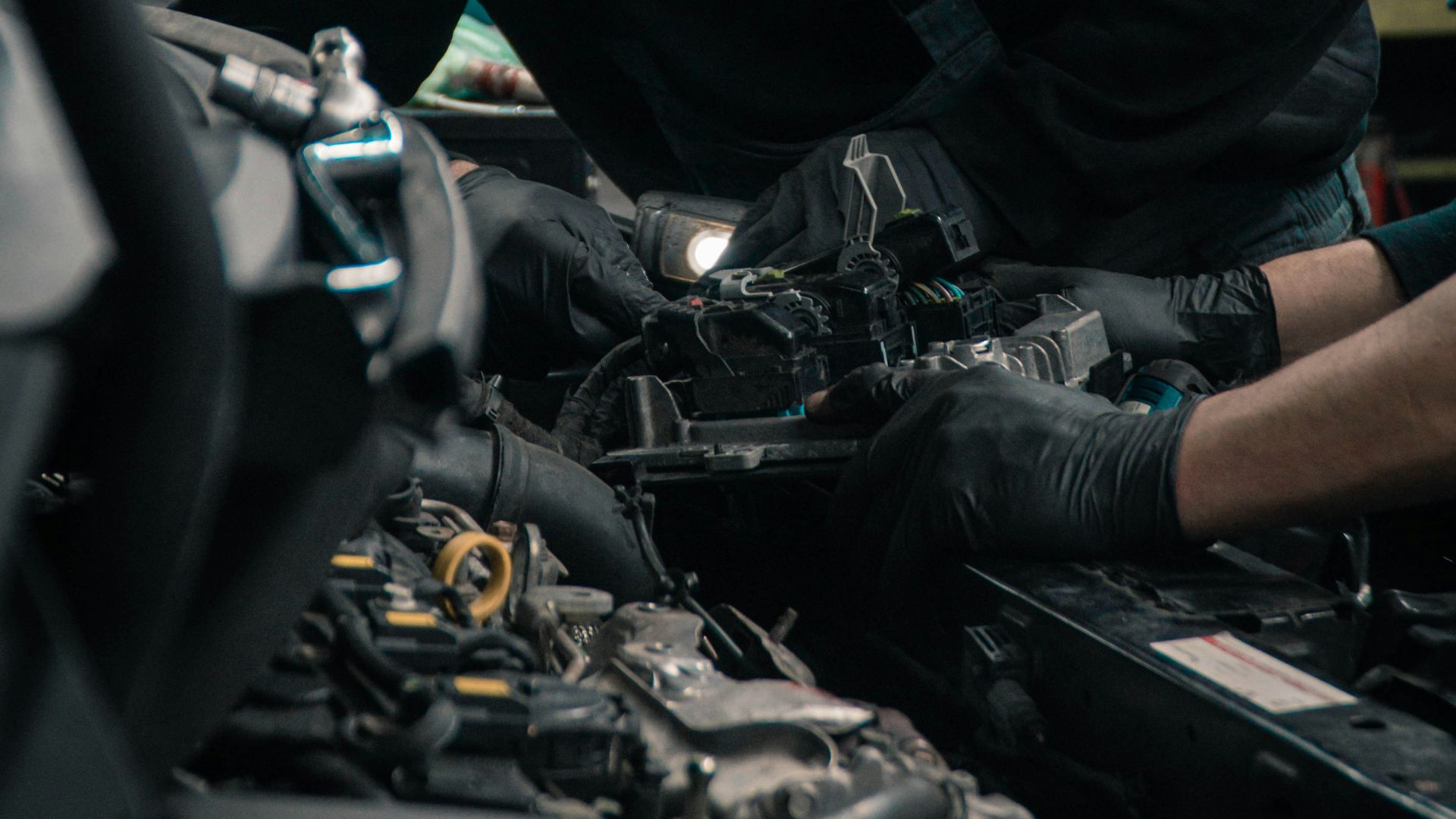
A professional pre-purchase inspection performed by a mechanic, ideally one who knows the specific make, is the single most effective way to catch problems before you sign anything. On a turbocharged or high-performance naturally aspirated engine, a trained eye can spot oil consumption issues, worn seals, and bearing wear that no test drive will reveal.
 Fine Automotive Detailing on Unsplash
8. Not Setting A Hard Budget
We know you love that car, but it’s important to dig your feet in if the price gets too high. Set a ceiling before you start looking because the temptation to push past it tends to increase the closer you get to a deal.

9. Skipping Market Value Research
Walking into a negotiation without knowing what the car is actually worth in current market conditions puts you at an immediate disadvantage. Values for specific generations of performance cars, such as the E46 BMW M3 or the 997-generation Porsche 911, often shift based on condition trends and collector interest.

10. Taking A Lazy Test Drive
A test drive for a performance car should include full operating temperature, highway speeds, hard braking, and enough low-speed maneuvering to feel clutch engagement and steering response. Don’t just take it for a spin through the neighborhood, is what we’re saying.

11. Overlooking Signs Of Track Use
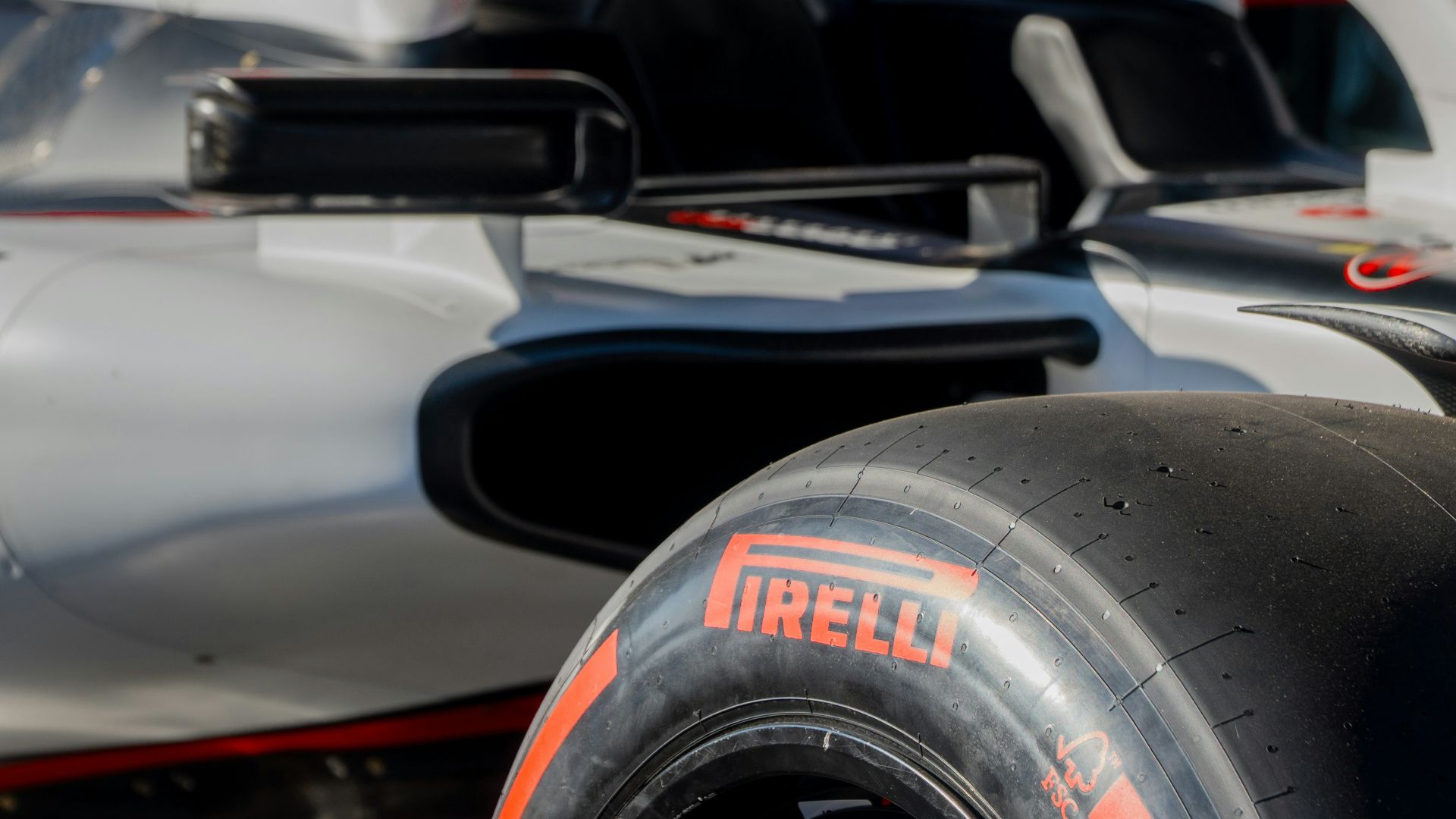
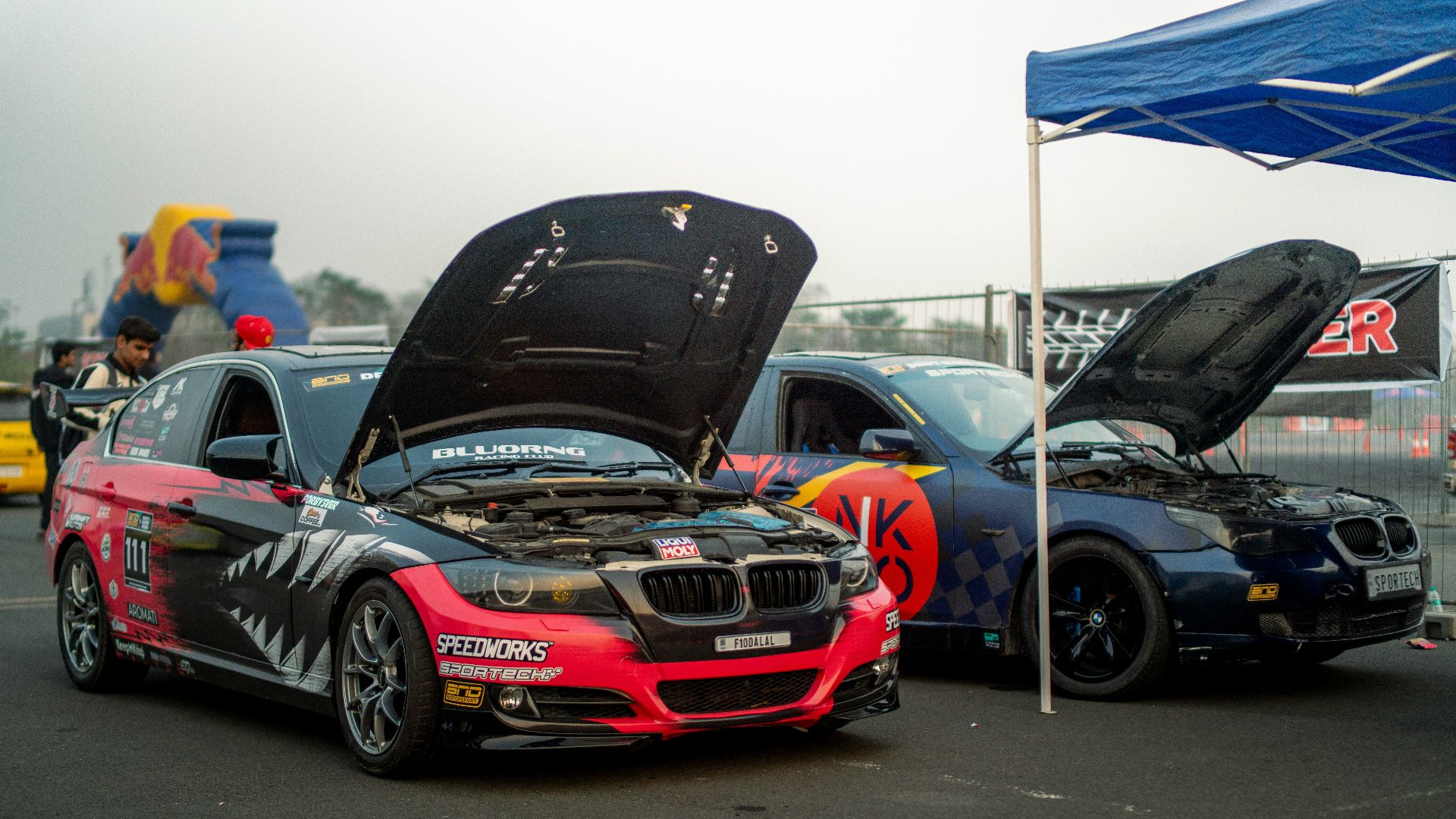
A car that spent weekends at a road course will show different wear patterns, such as issues with wheel bearings, brakes, and differential components. Look for heat discoloration on brake rotors, uneven tire wear, and any roll cage mounting points or harness bolt holes that have been filled in.
12. Dismissing Aftermarket Modifications
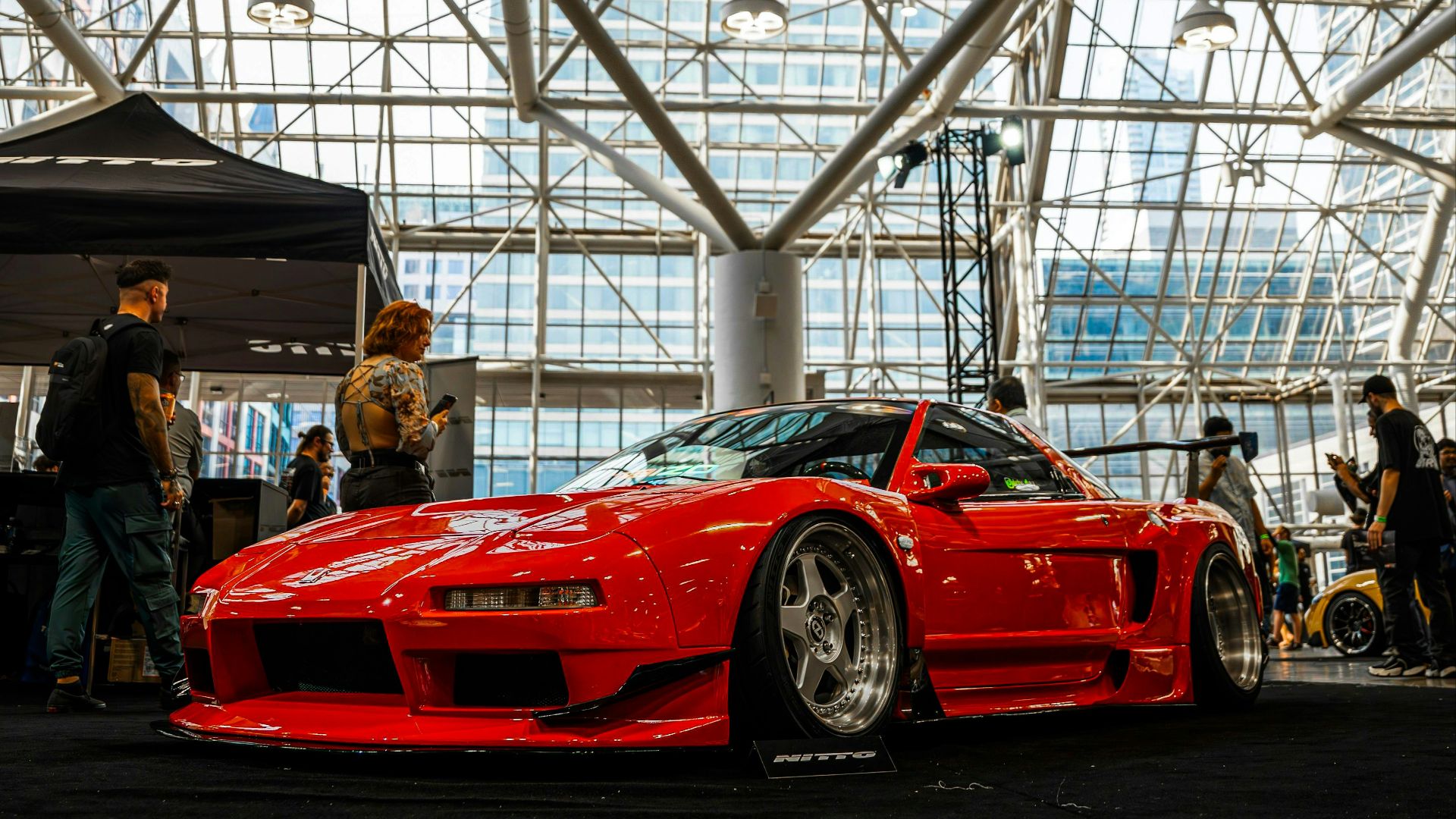
Aftermarket modifications on a used performance car can complicate insurance coverage, void remaining manufacturer warranties, and introduce reliability variables that are difficult to trace. A cold-air intake or coilover suspension swap installed by an amateur changes your ability to care for your car in the long-term.
13. Ignoring The Maintenance Records
Oil change intervals matter enormously on high-performance engines, particularly turbocharged ones. A seller who can't produce records, or produces records with suspiciously long gaps between service visits, is presenting a real risk that the asking price rarely reflects.

14. Buying The Wrong Trim Level
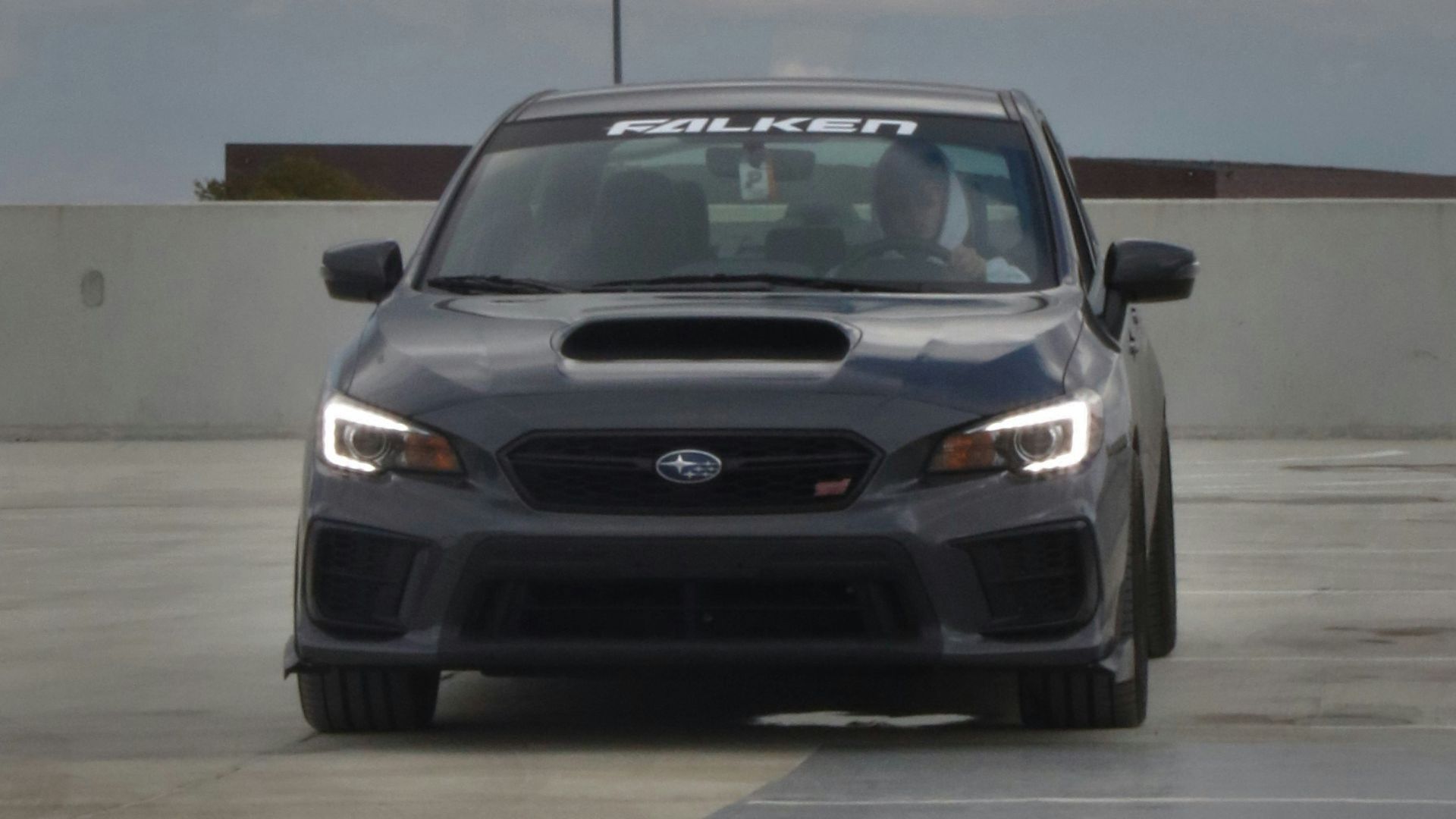
Performance cars often come in trim levels that differ significantly in ways buyers don't always research in advance. A Mustang GT350 without the Technology Package, or a WRX STI without the limited-slip differential, can be a noticeably different car to own and drive than the version you researched online.
15. Not Thinking About Your Actual Life
A two-seat sports car with a stiff suspension tune and a rear spoiler is a genuinely poor choice for school runs and grocery trips, regardless of how appealing it looks on paper. Taking an honest look at how many days per week the car needs to be practical will save considerable frustration down the line.
16. Not Negotiating
Private sellers and independent dealers on used performance cars almost always build room into their asking price, and accepting the first number without a counteroffer is money left on the table. Documented mechanical concerns found during the pre-purchase inspection give you specific, factual leverage in that conversation.

17. Ignoring Whether You Actually Fit The Car
The seating position, reach to the wheel, sight lines, and feel of the controls all vary significantly between performance cars, and some of those differences only become apparent after thirty minutes behind the wheel. A Lotus Elise and a Chevrolet Corvette both qualify as performance cars, and they fit human bodies in completely different ways.
18. Buying A Modified Car Without A Specialist
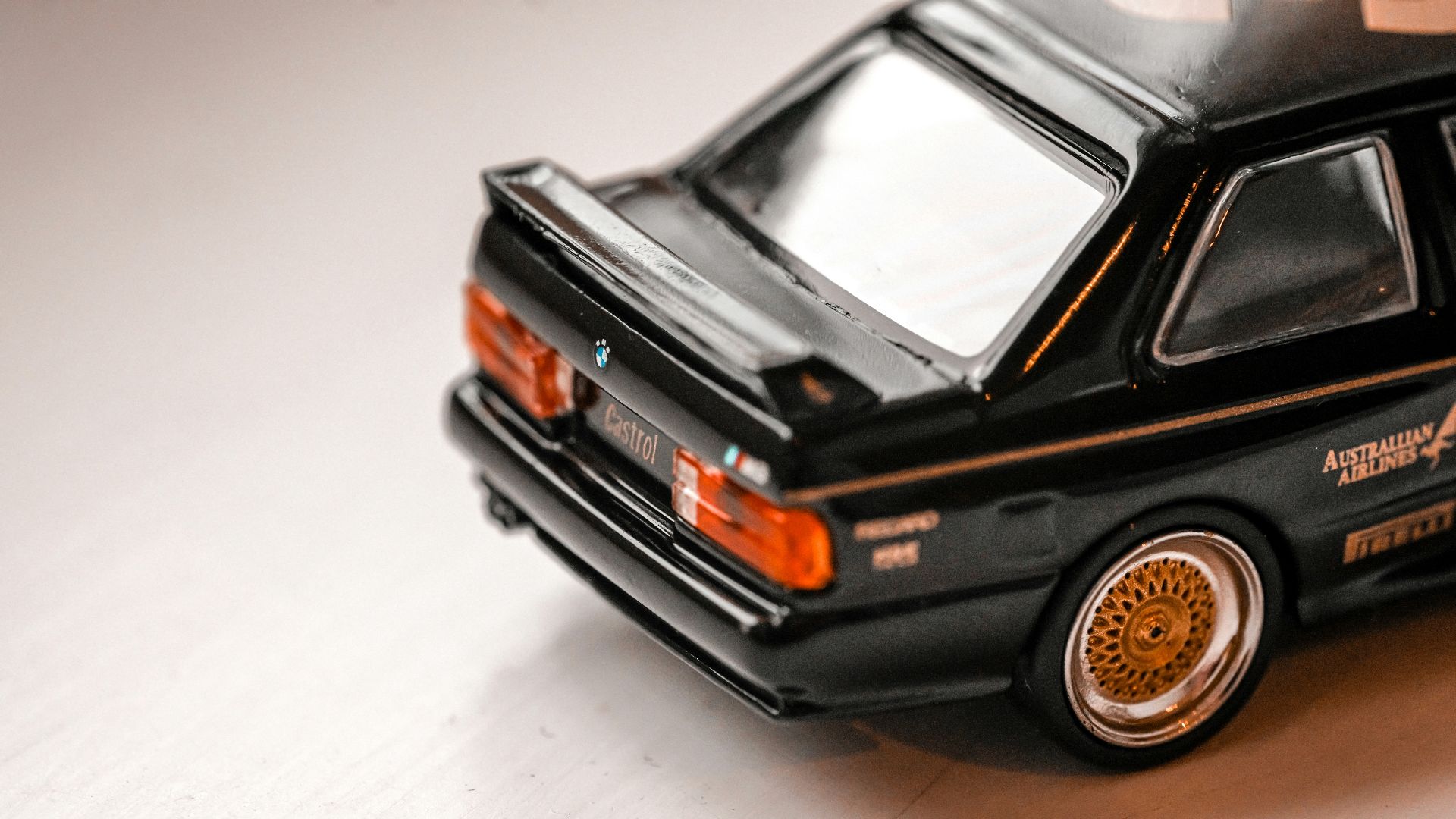
A modified performance car warrants an inspection from a mechanic who specializes in that specific platform, not just a general pre-purchase inspection. Enthusiast forums for models like the Nissan GT-R, Mitsubishi Evo, or BMW M2 are full of documented examples of what goes wrong when common modifications are installed incorrectly.

19. Underestimating Young Owner History
A performance car with one or two previous owners who were in their early twenties when they owned it carries a statistically higher probability of having been driven at the limits of its capability regularly. This isn't speculation; it's a pattern that mechanics who work on performance cars observe consistently, and it should factor into both your inspection and your offer.

20. Having No Plan For Maintenance Costs
A used performance car without a dedicated maintenance fund is a liability waiting to surface. Cars like the Porsche Cayenne Turbo, Jaguar F-Type, or Audi RS4 are well-documented examples of vehicles where repair bills can run into the thousands for services that would cost a fraction of that on a mainstream car, and budgeting for that reality before you buy is the difference between enjoying ownership and resenting it.