When A “Good Deal” Isn’t So Good
Leasing a car can make sense if you want lower monthly payments and a new vehicle every few years. Still, the numbers behind a lease are more complicated than they first appear, and small details can quietly inflate what you’re paying. Between fees, mileage limits, and insurance requirements, it’s easy to spend more than you planned. If you’re starting to wonder whether your lease is really a bargain, these twenty warning signs are worth paying attention to.
 Antoni Shkraba Studio on Pexels
1. Your Monthly Payment Is Close To A Loan Payment
One of the main advantages of leasing is typically a lower monthly payment compared to financing the same vehicle. If your lease payment is nearly the same as what a loan would cost, you’re missing a key benefit.
 Antoni Shkraba Studio on Pexels
2. You Put A Large Amount Down
A big down payment on a lease doesn’t build ownership the way it would with a purchase. If the car is totaled early in the lease, you usually don’t get that upfront money back. Large initial payments can mask a deal that isn’t as affordable as it looks.

3. You’re Constantly Worried About Mileage
Most leases come with annual mileage limits, often around 10,000 to 15,000 miles per year. If you regularly exceed that allowance, excess mileage fees can add up quickly at the end of the term.
 Antoni Shkraba Studio on Pexels
4. Your Insurance Premium Is Higher Than Expected
Leased vehicles typically require higher levels of insurance coverage, including comprehensive and collision. That requirement protects the leasing company, not just you.
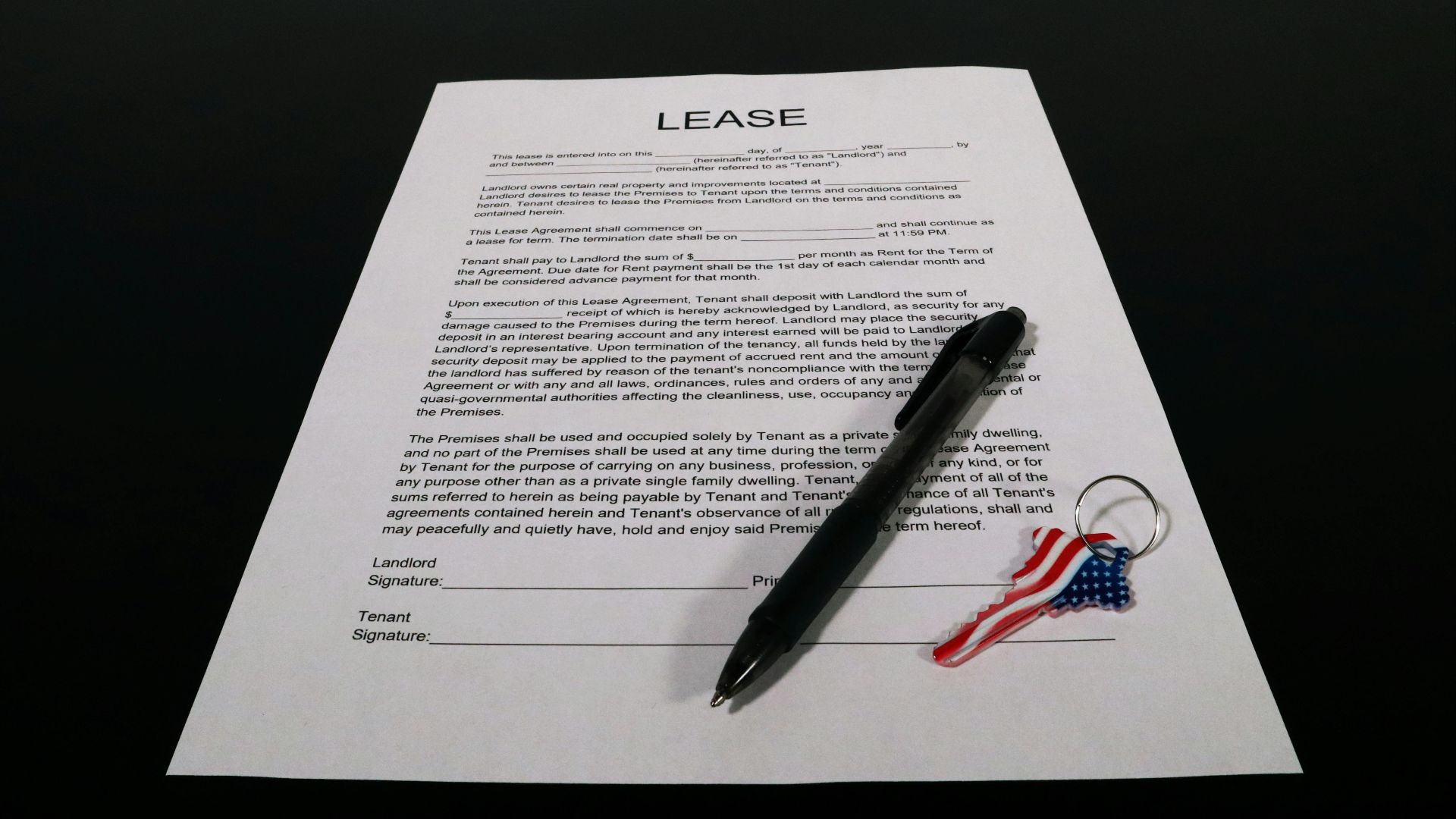
5. You’re Paying For Excess Wear And Tear
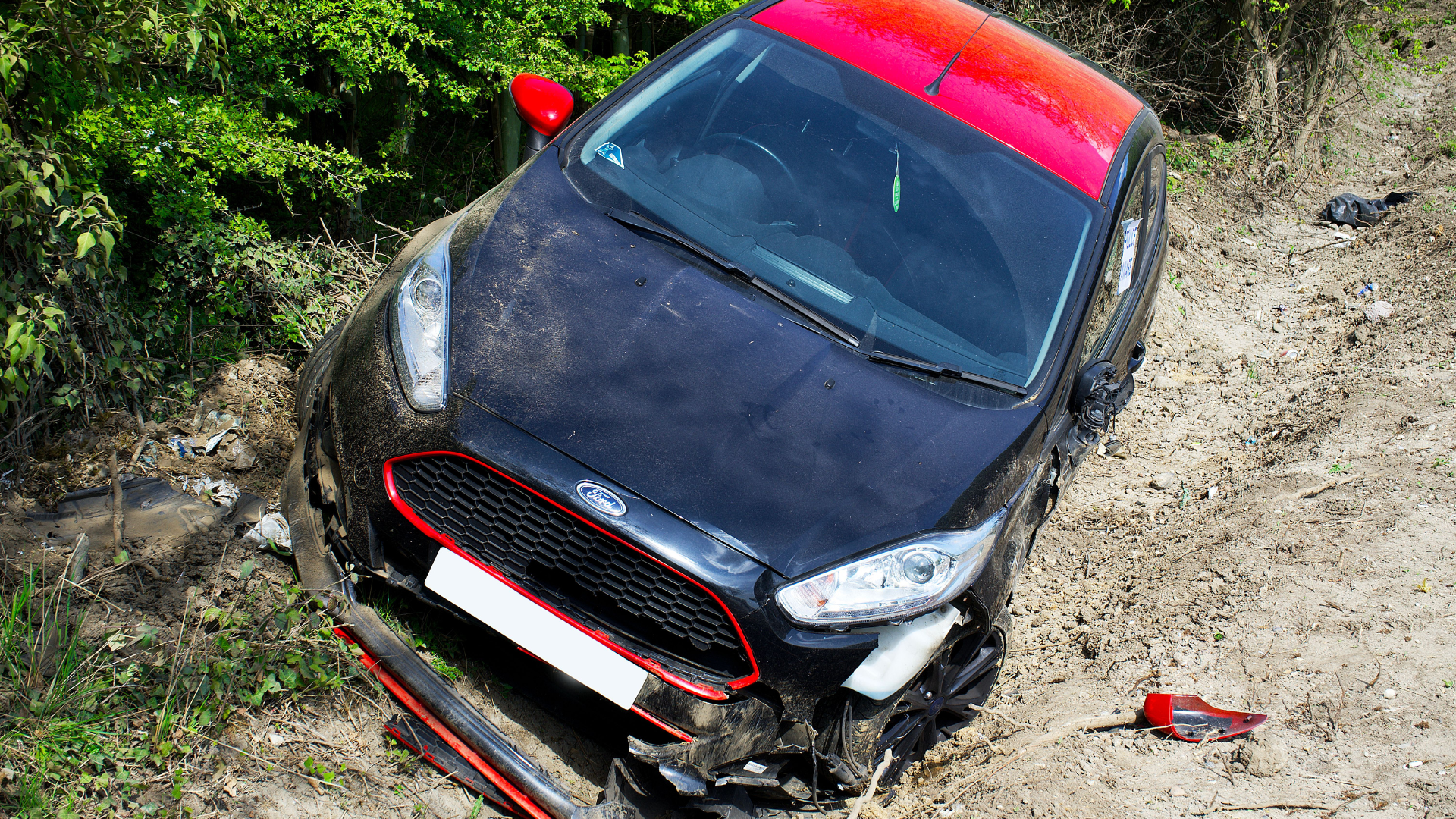
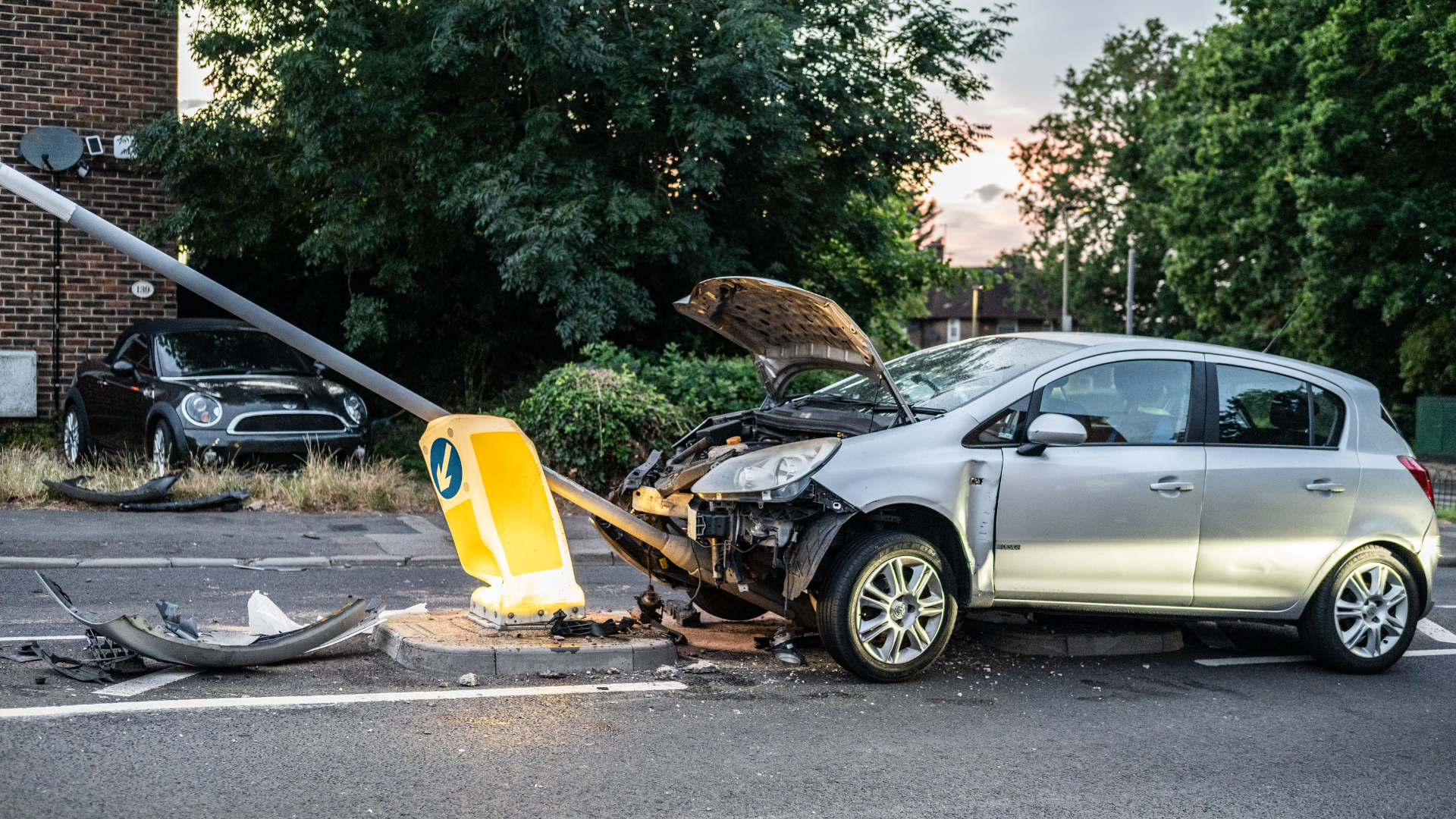
Lease agreements outline what counts as “normal” wear and tear, and the standards can be stricter than you expect. Scratches, dents, and worn tires may result in extra charges at turn-in.

6. You Keep Rolling Fees Into New Leases
If you’ve added unpaid fees or negative equity from a previous lease into a new one, you’re increasing the total cost over time. This cycle can make each lease more expensive than the last.
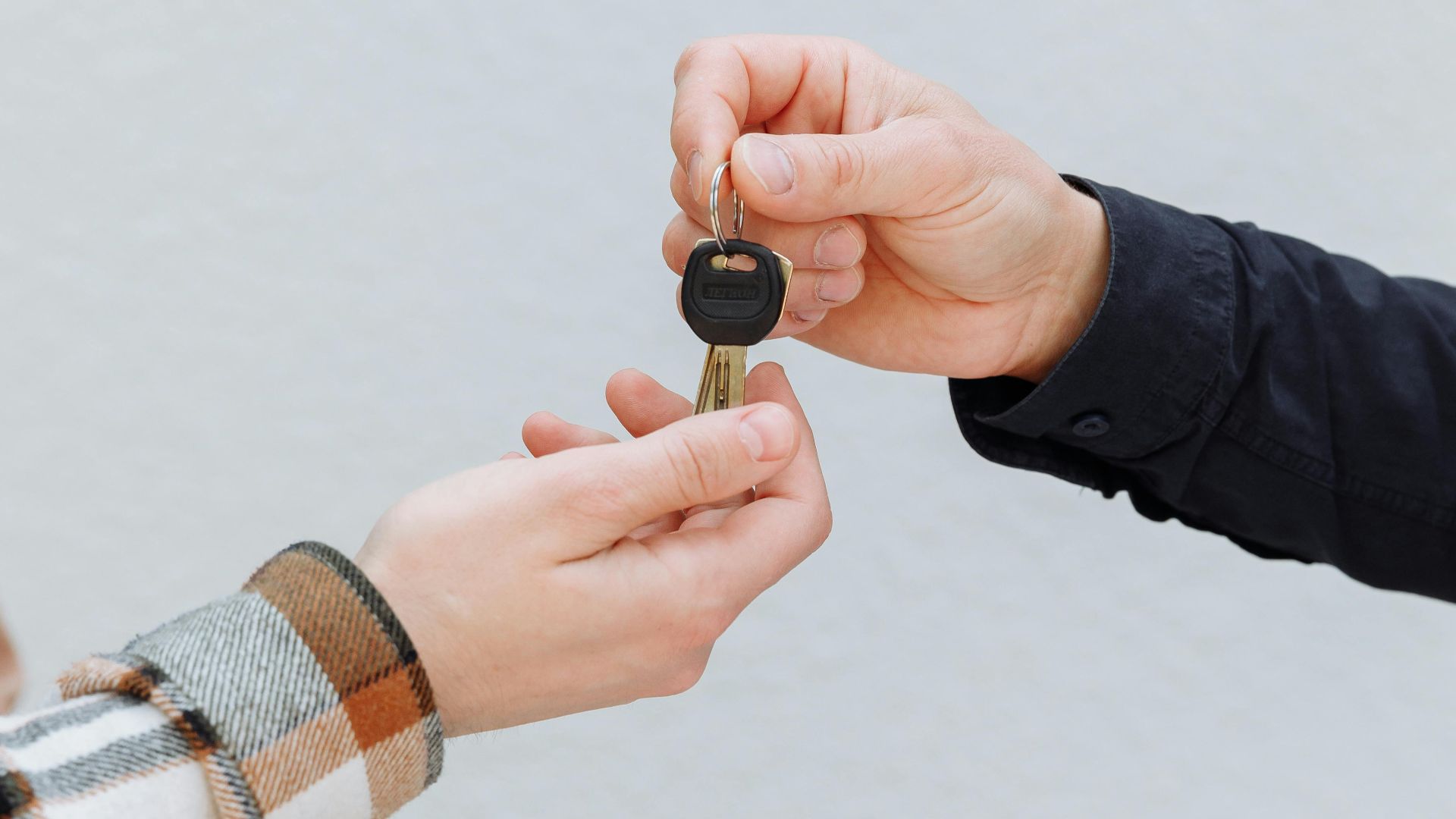
7. You Rarely Take Advantage Of Warranty Coverage
Leasing often makes sense because most lease terms fall within the manufacturer’s warranty period. If you’re paying for extended coverage or rarely benefiting from warranty protection, the value of leasing diminishes.
 Antoni Shkraba Studio on Pexels
8. You Always Pay Early Termination Fees
Ending a lease early can trigger substantial penalties, including remaining payments and additional fees. If your lifestyle changes frequently and you keep exiting leases ahead of schedule, those penalties can be costly.
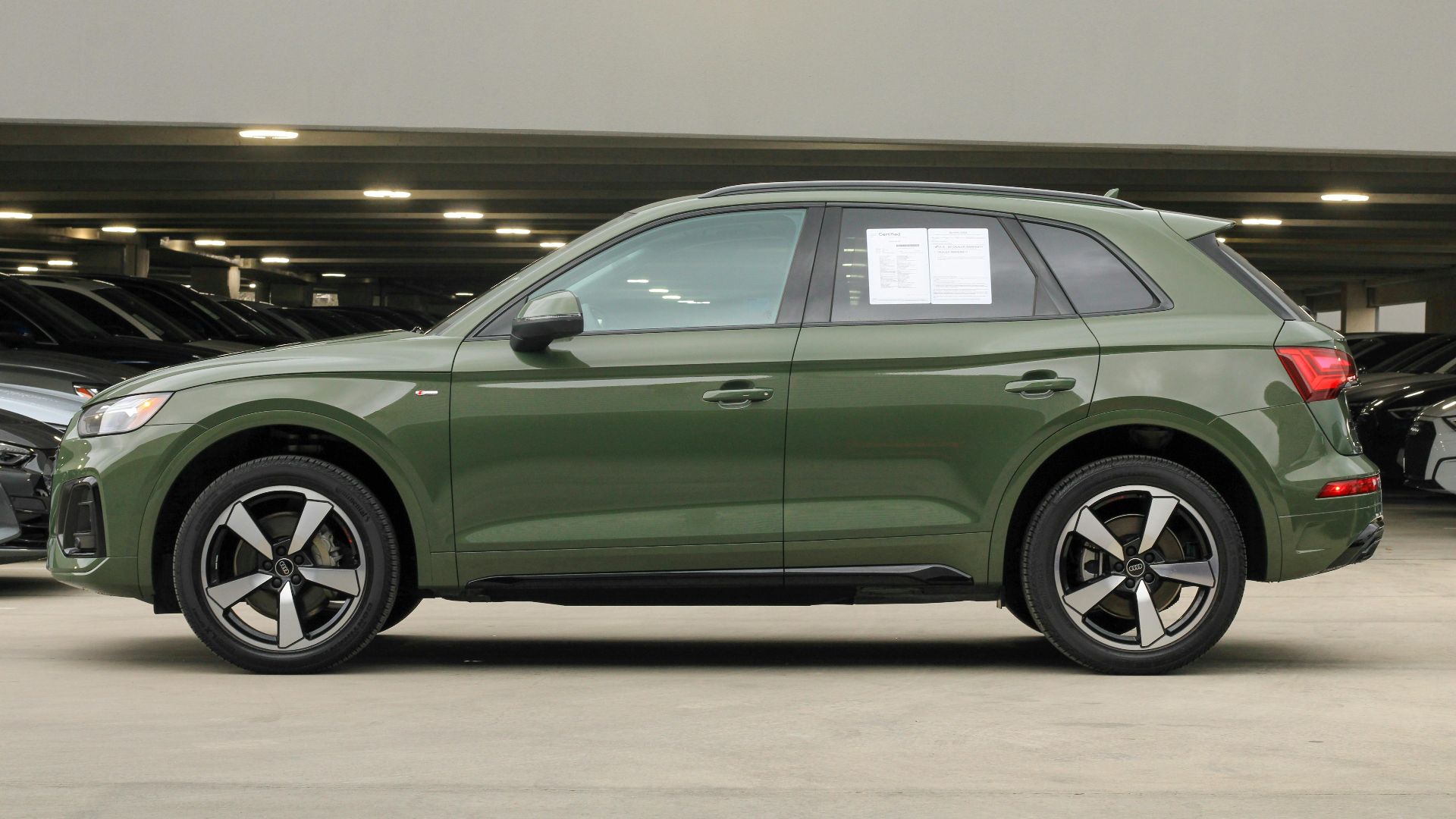
9. The Money Factor Is Higher Than You Realized
The money factor is essentially the interest rate on a lease, though it’s presented differently. A high money factor increases your monthly payment, even if the vehicle price seems reasonable. If you didn’t compare rates or negotiate, you could be paying more than necessary.
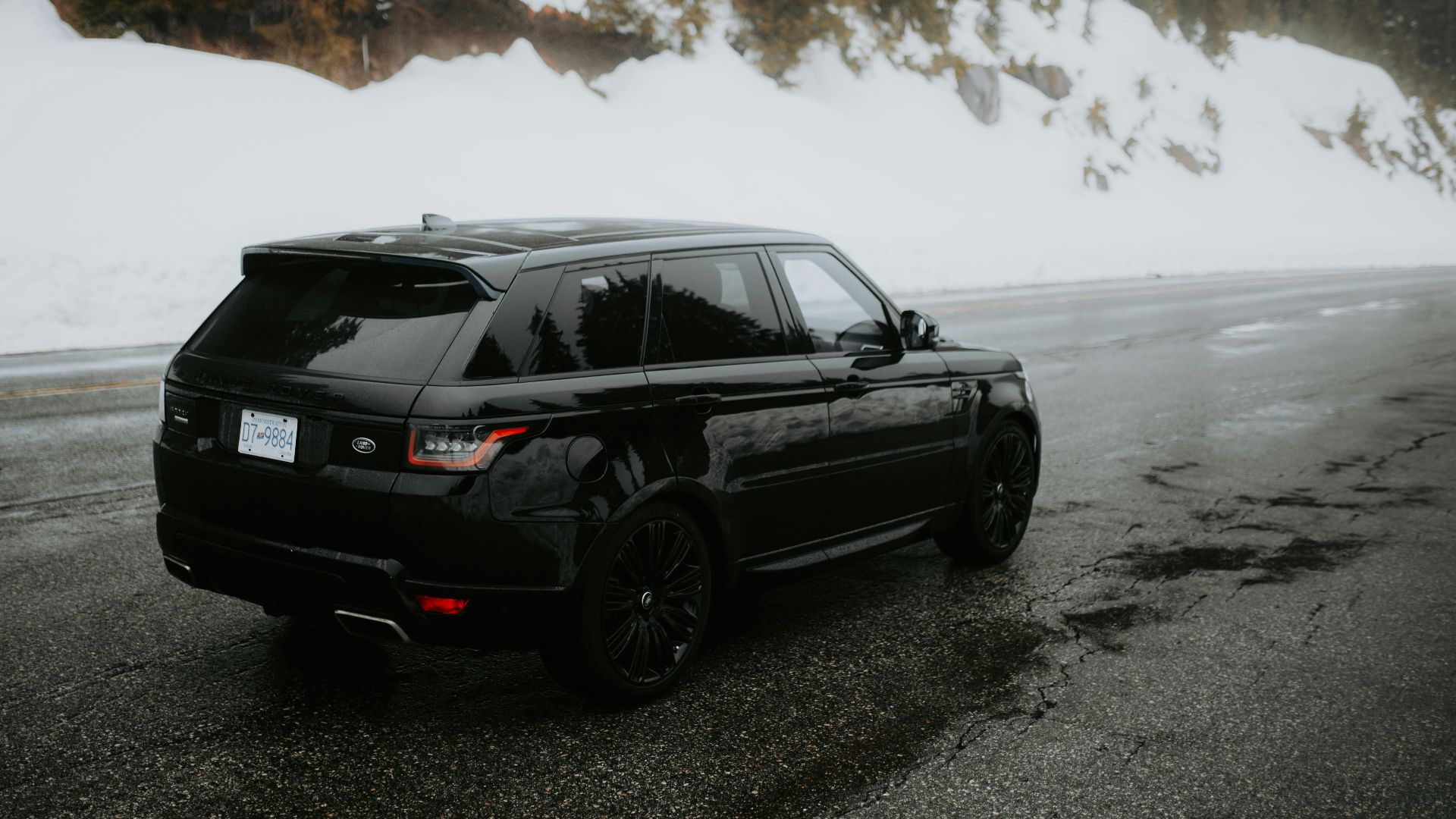
10. You’re Leasing Back-To-Back Without A Break
Leasing continuously means you’re always making payments but never owning an asset. Over many years, that steady stream of payments can exceed what you would have spent buying and keeping a car long term. If you’ve leased for a decade straight, it may be time to run the numbers.

11. Your Residual Value Was Set Too Low
The residual value is the projected value of the car at the end of the lease. If it’s set artificially low, your monthly payments increase because you’re covering more depreciation. That higher payment can quietly make the lease less competitive.

12. You Paid Extra For Add-Ons You Didn’t Need
Dealers sometimes bundle add-ons like paint protection, maintenance packages, or gap coverage into the lease. While some options can be useful, others inflate the overall cost.

13. You’re Paying For Maintenance Out Of Pocket
Some leases include maintenance, but many do not. If you’re responsible for routine services and unexpected repairs beyond warranty coverage, those costs add to your total expense.
14. You Feel Pressured To Avoid Minor Repairs
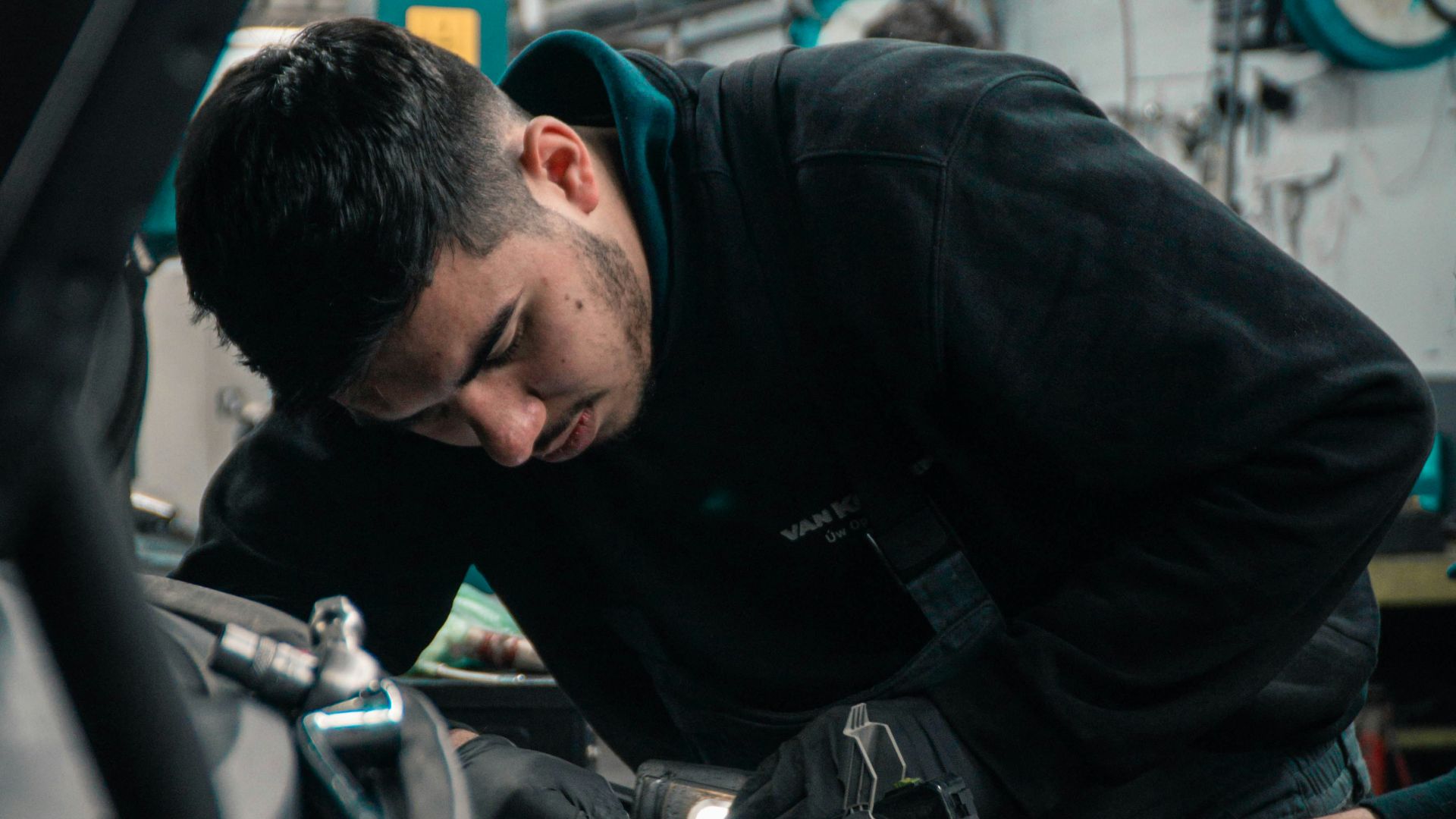
If you’re constantly paying for small cosmetic fixes before turn-in to avoid penalties, those expenses add up. Even minor bumper scuffs or wheel scratches can cost more than expected.
15. You Could Buy The Car For Less Than The Total Lease Cost
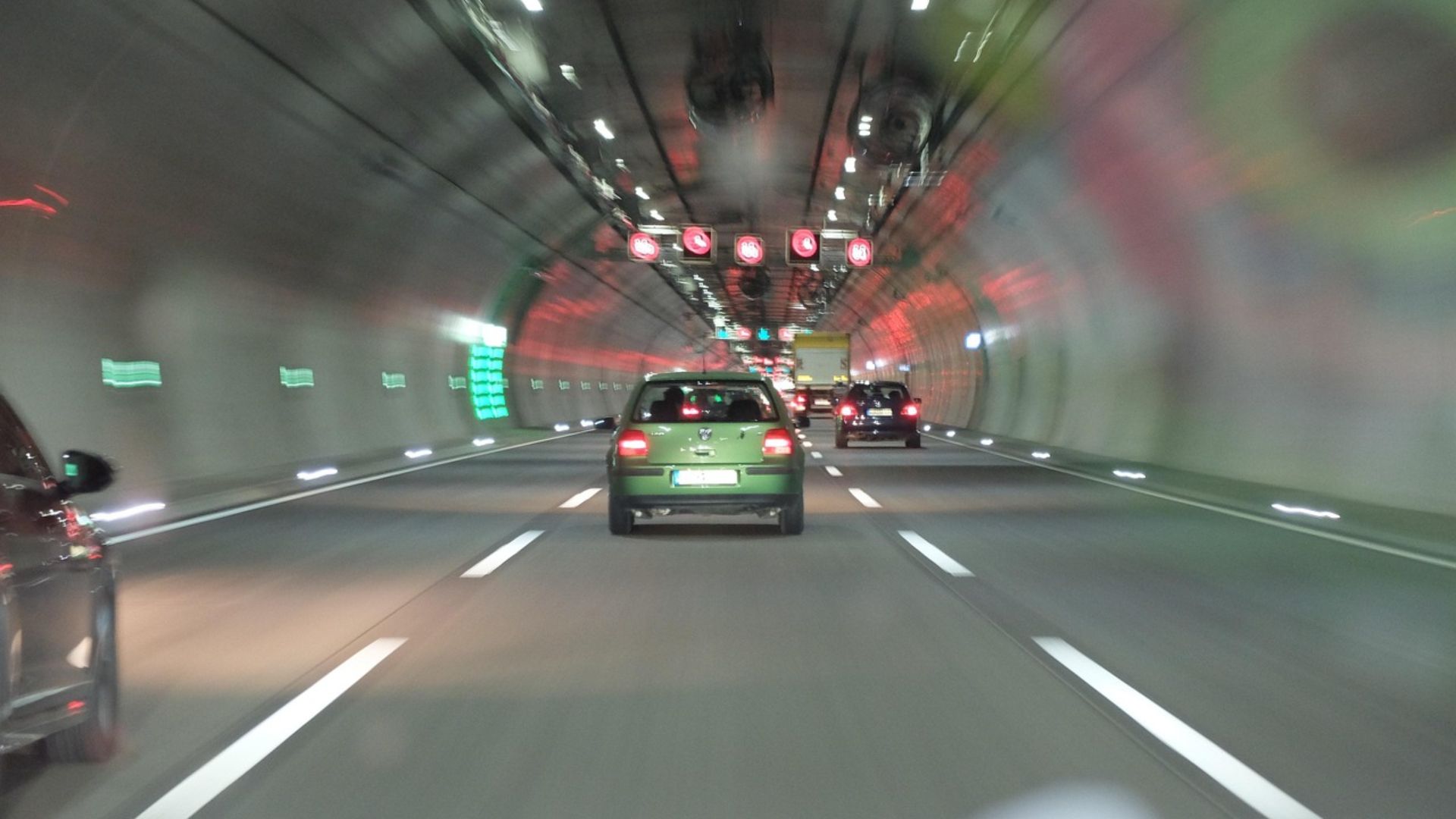
When you compare the total of your lease payments and fees to the price of purchasing a similar used model, the math may not favor leasing. In some cases, buying and keeping a vehicle longer spreads out depreciation more efficiently. If the numbers don’t line up, the lease might not be your best move.

16. You’re Paying Disposition Fees Every Few Years
Many leases include a disposition fee when you return the vehicle. While the fee may seem modest on its own, paying it repeatedly with each new lease increases your long-term cost.

17. You’re Limited By Strict Customization Rules
Leasing typically prohibits significant modifications to the vehicle. If you’ve paid to reverse changes or remove accessories before returning the car, that’s an added cost.
18. Your Driving Habits Have Changed
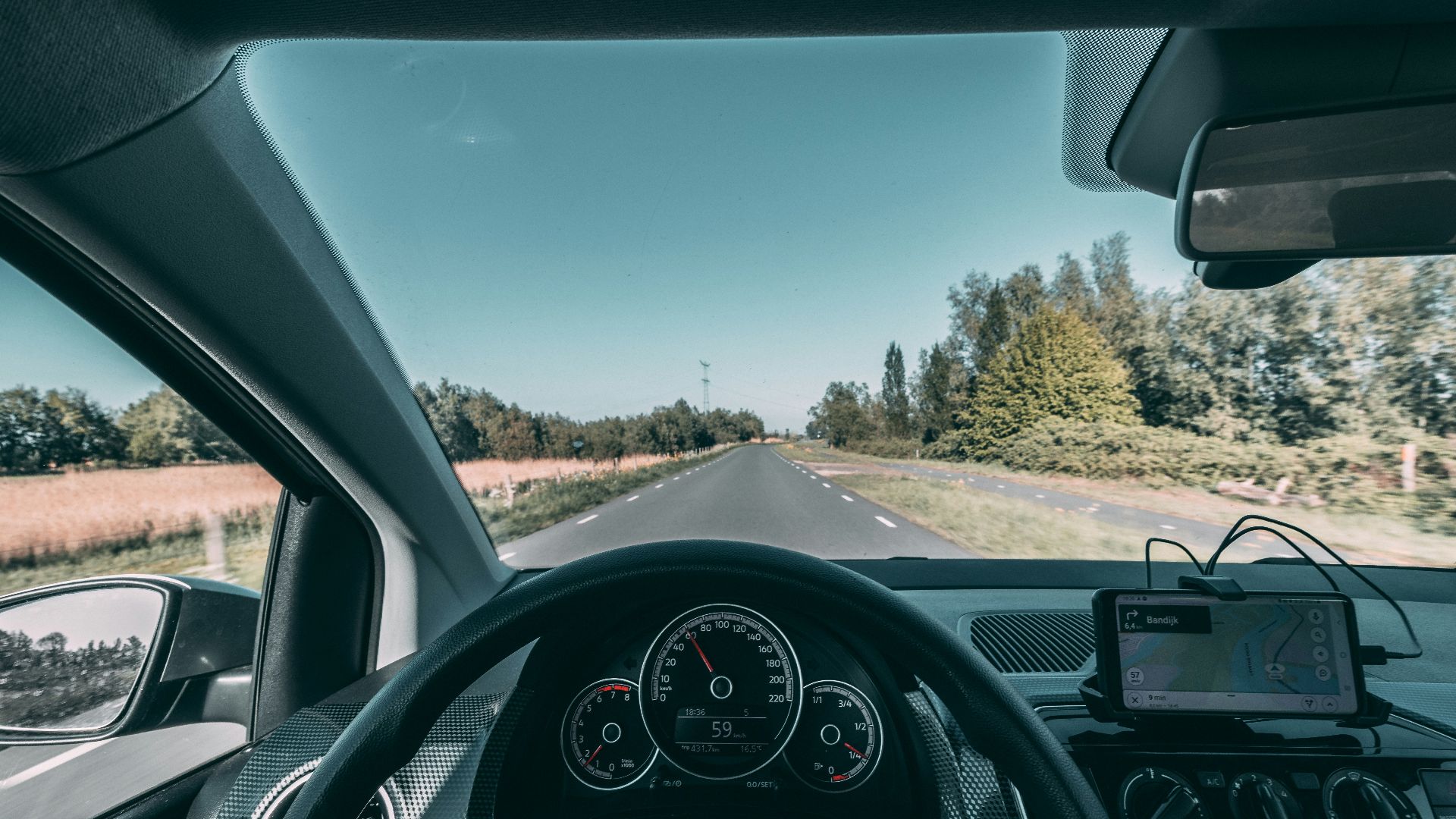
If you’ve started commuting farther or taking frequent road trips, your mileage and maintenance costs may rise. A lease that once fit your lifestyle can become restrictive and costly. Changing habits can turn a decent deal into a financial strain.
 Samuele Errico Piccarini on Unsplash
19. You Didn’t Negotiate The Vehicle Price
Even with a lease, the vehicle’s selling price is negotiable. If you accepted the first offer without comparing quotes, you may be paying more depreciation than necessary.
20. You Feel Locked In And Frustrated
If your lease feels more like a burden than a convenience, that emotional strain often reflects financial reality. Constantly worrying about miles, damage, or fees isn’t what a good deal should feel like.