

For a long time, the car you drove basically told people who you were. Nicer badge, longer lease, flashier rims. It became the visual shorthand for "I've made it," and a lot of us bought into it. Literally.
But something's shifted in more recent years. Today, the flex in a lot of wealthy, walkable neighborhoods is now... not driving. Fewer keys. Fewer miles. Less time circling the block looking for parking. The new version of doing well for yourself looks a lot like using cars when they’re convenient, but otherwise staying away from a set of wheels.
When Convenience Becomes Luxury
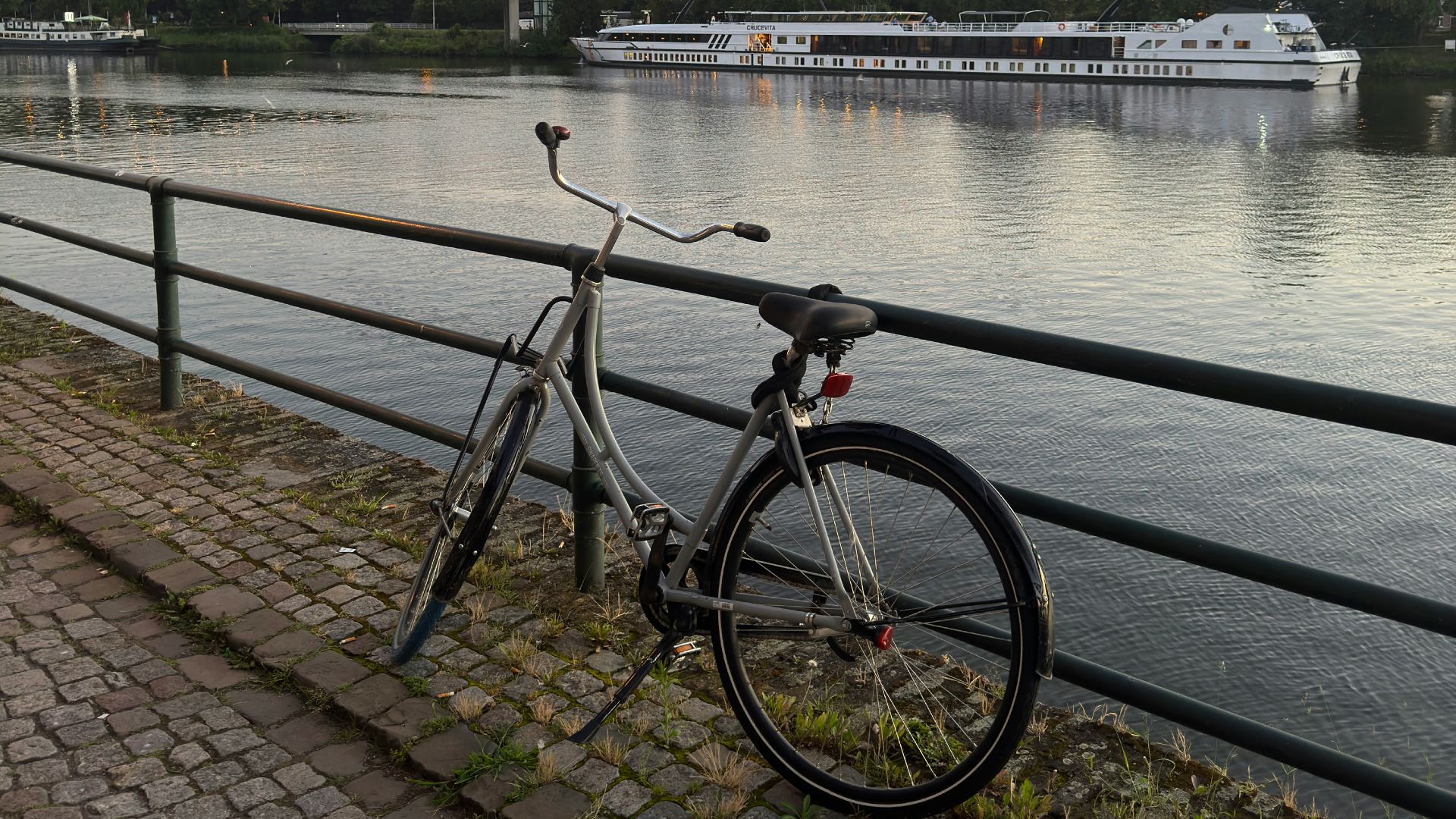
Here's what's actually going on under the surface: walkable cities are making the everyday trip shorter. Paris has been pushing its 15-minute city vision, where your daily essentials are all within a short walk, bike ride, or quick transit hop. They've also expanded bike routes to over 1,000 kilometers and started taking back road space from cars. This is, of course, a part of the city’s larger concerns about its environmental impact, but it also means in certain areas of Paris, cars are just… no longer needed.
Paris is certainly not the only city to do this. National Geographic has been tracking the rise of pedestrian-only zones across major cities and destinations. A lot of that took off during the pandemic, and it hasn't gone back. Since 2020, and even before, cities have kept widening sidewalks, carving out car-free streets. The message is a bit subtle, but it's there: the premium experience is usually on foot.
Alongside these geographical changes, folks today have a plethora of transportation options that require folks to get behind the wheel way less than they have in the past. Taxis, Ubers, ride share, grocery delivery, e-bikes, rental cars, and, of course, public transit. In a lot of major cities, the standard private car is becoming optional, potentially even obsolete.
The Part Where Cars Got Really, Really Pricey
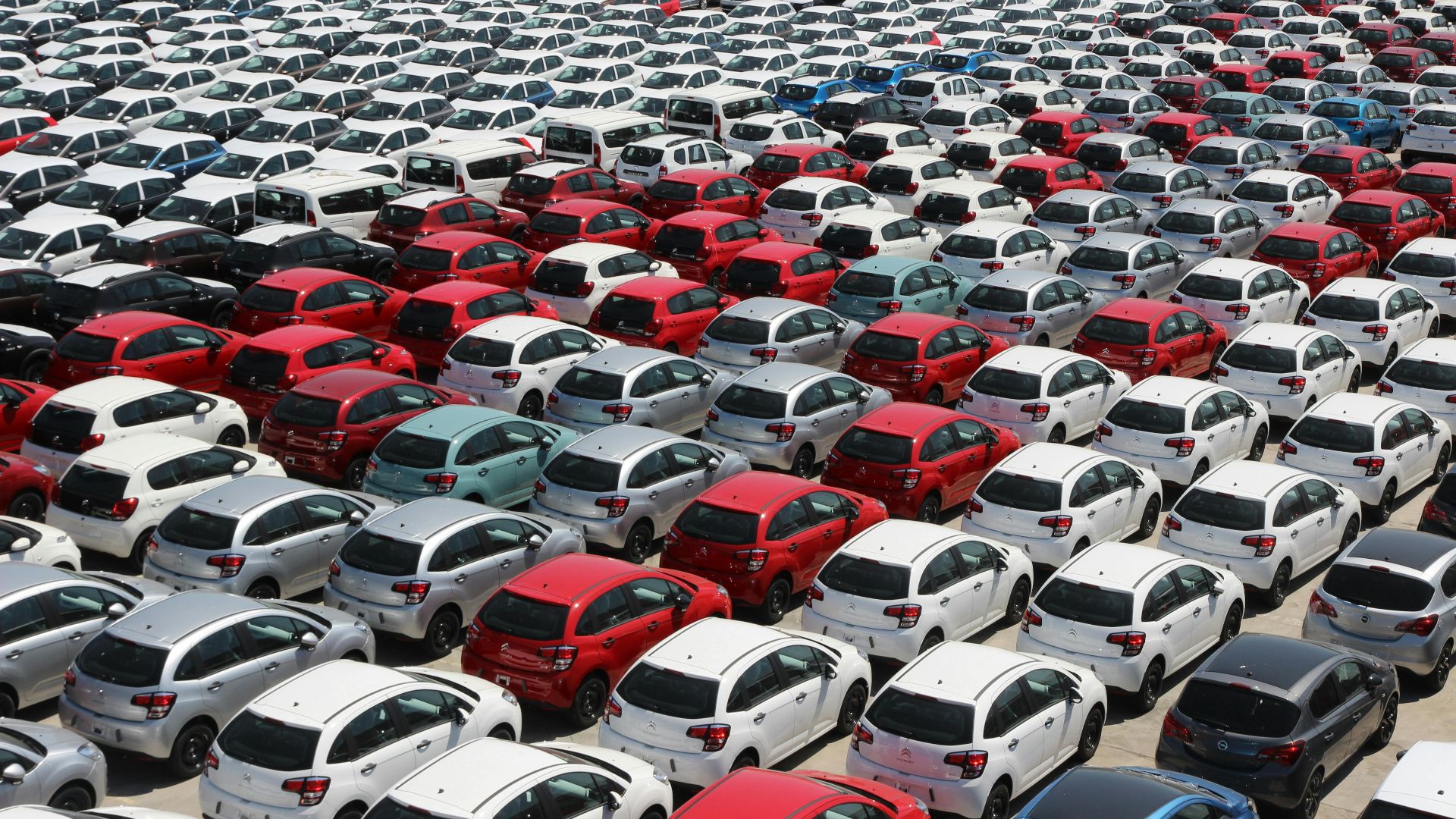
On both ends of the tax bracket, it also comes as no surprise that people don’t necessarily want to pay for a new car. Experian found that in Q3 2025, the average monthly payment was $748 for a new car and $532 for a used one, and most new car buyers were financing the whole thing.
It gets worse when you look at the full picture. AAA's Your Driving Costs study put the total cost of owning and running a new vehicle at $12,297 per year. That works out to $1,024.71 every single month. To put this into perspective, the national rent cost average in the United States is just over $1,700. That’s right, a monthly car payment costs more than half your rent, and deciding to buy a vehicle is incredibly unappealing to working folks.
That math is what's making "access" feel smarter than "ownership" in a lot of circles right now. Turo's 2025 Car Ownership Index found that 58% of Gen Z and 56% of millennials surveyed are open to alternatives to buying or leasing a car outright. And 62% of Americans surveyed think car ownership will become unaffordable for future generations.
What "Status" Looks Like Now
As we mentioned before, there’s also the sustainability angle. The IPCC has said that with the right policies, infrastructure, and technology, lifestyle and behavior changes could cut greenhouse gas emissions by 40% to 70% by 2050. A lot of those choices are invisible. Your commute isn't. Especially in cities where biking and taking transit are just... normal.
The generational numbers are striking. Zipcar reported that 45% of Gen Z and 51% of millennials surveyed were more eager to go car-free than Gen X and boomers. Nearly half of college students said they'd be at least somewhat likely to go without a car by 2030. This isn’t some fringe anti-car movement; this is a long-term change for adults, redefined around convenience, cost, and where you actually live.
On social media websites like Reddit, many users argue that cars just aren't a status symbol anymore, and the comments are full of people describing car-free life in dense neighborhoods as something to brag about, not apologize for. The patterns we’re seeing prove one thing: status is shifting from what you own to how effortlessly you can just... get around.
None of this means the car is going away. In a lot of places, especially outside of cities, a car is still essential. Not to mention that plenty of people genuinely love driving, love the machine, love the whole thing. That's not going anywhere.
The real shift is that the "luxury" lane is splitting into two. One side is high-end driving experiences for people who want that. The other is having a city life that functions well enough that you barely need to drive at all.