Smart Investments That Make Cold-Weather Driving Safer
Winter driving isn’t just inconvenient — it can be genuinely dangerous. Snow, ice, freezing rain, and low visibility turn even familiar roads into unpredictable terrain. While careful driving habits matter most, the right upgrades can dramatically improve safety, control, and comfort. Some additions are simple and affordable, while others require a bigger investment, but each one pays off when temperatures drop. If you regularly face harsh winters, these 20 car upgrades are worth considering before the next storm hits.

1. Dedicated Winter Tires
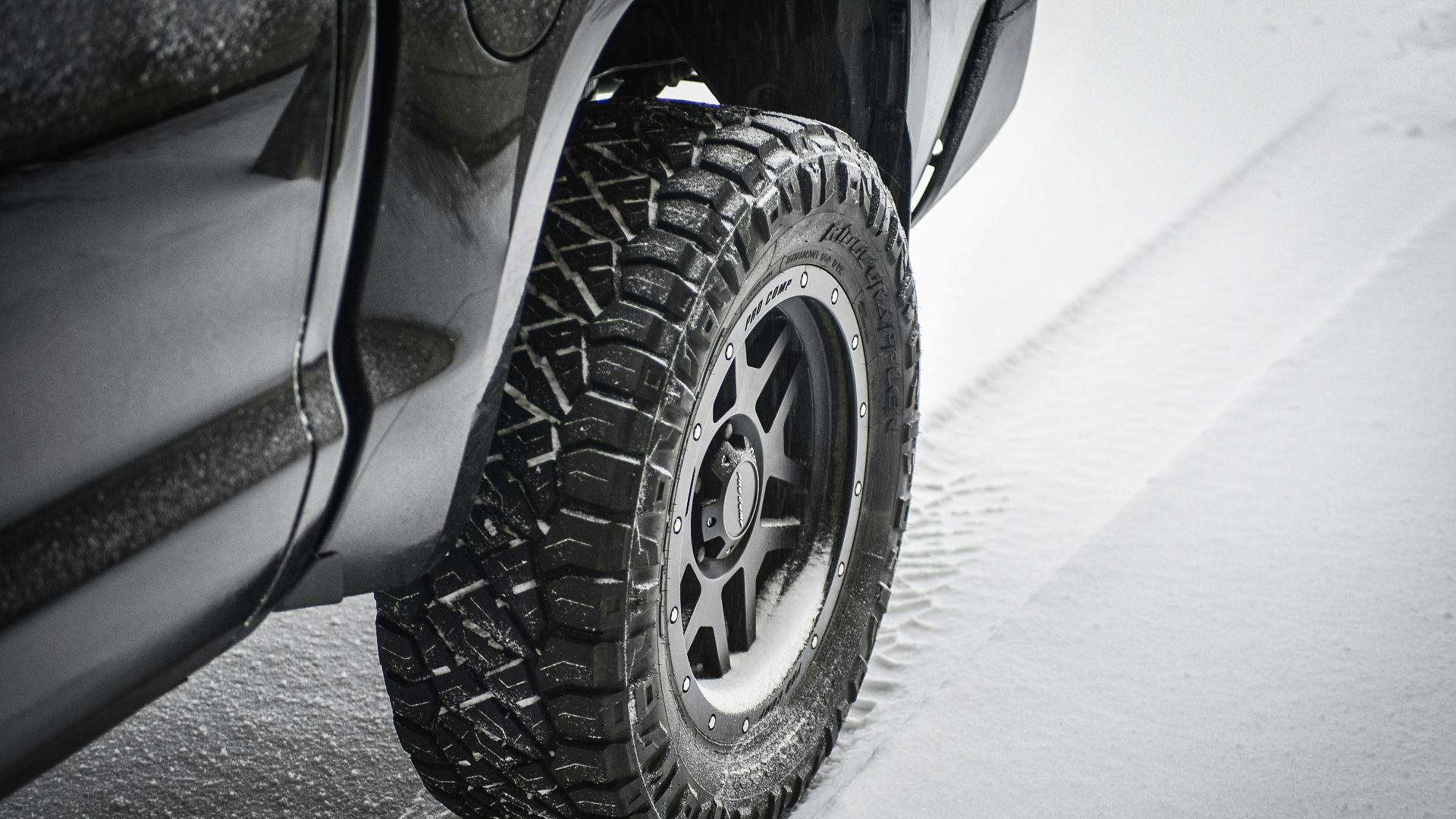
All-season tires simply can’t match the grip of true winter tires in snow and ice. Winter tires are made with specialized rubber compounds that stay flexible in freezing temperatures, improving traction and braking.
2. Studded Tires Or Tire Chains
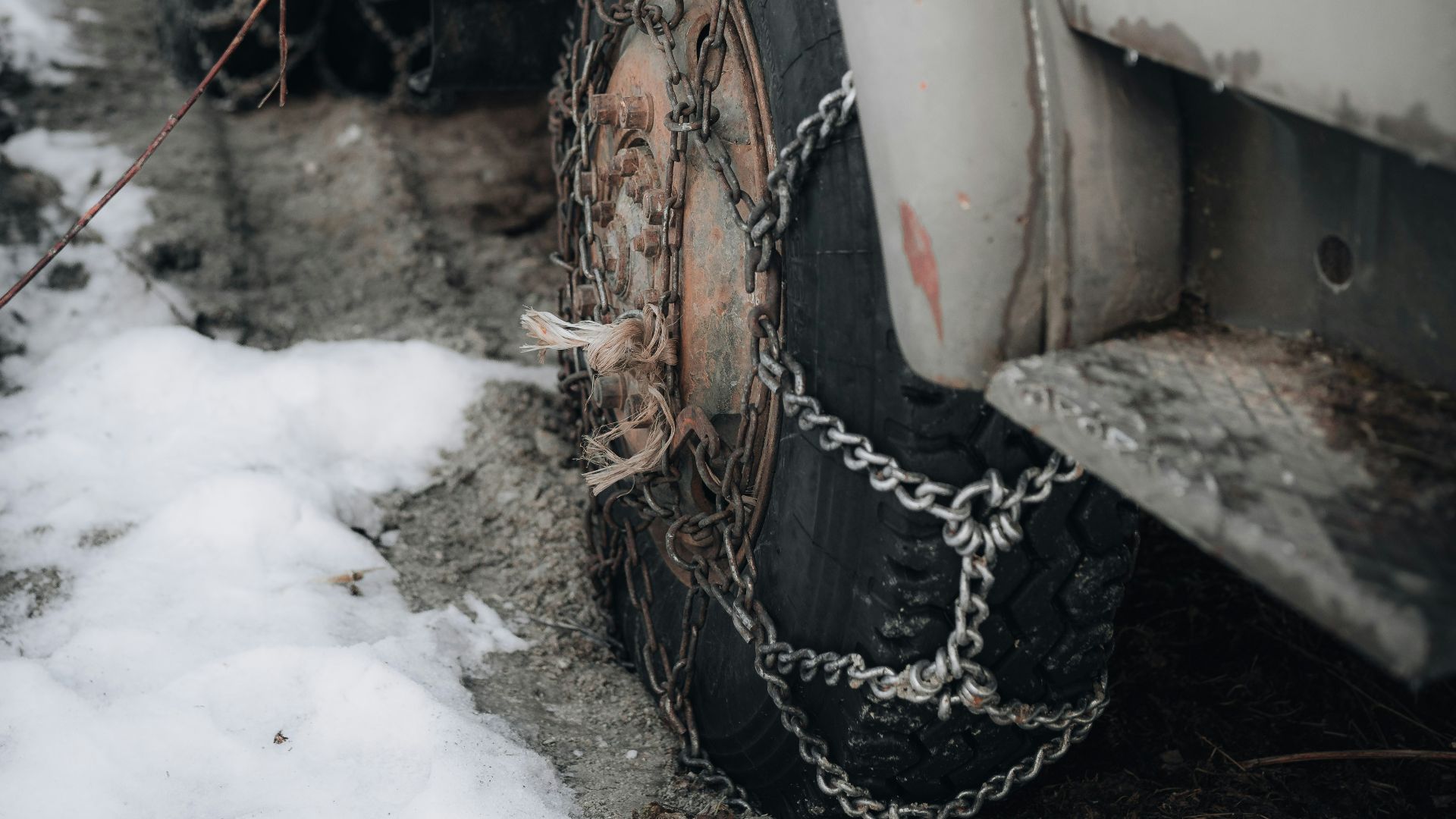
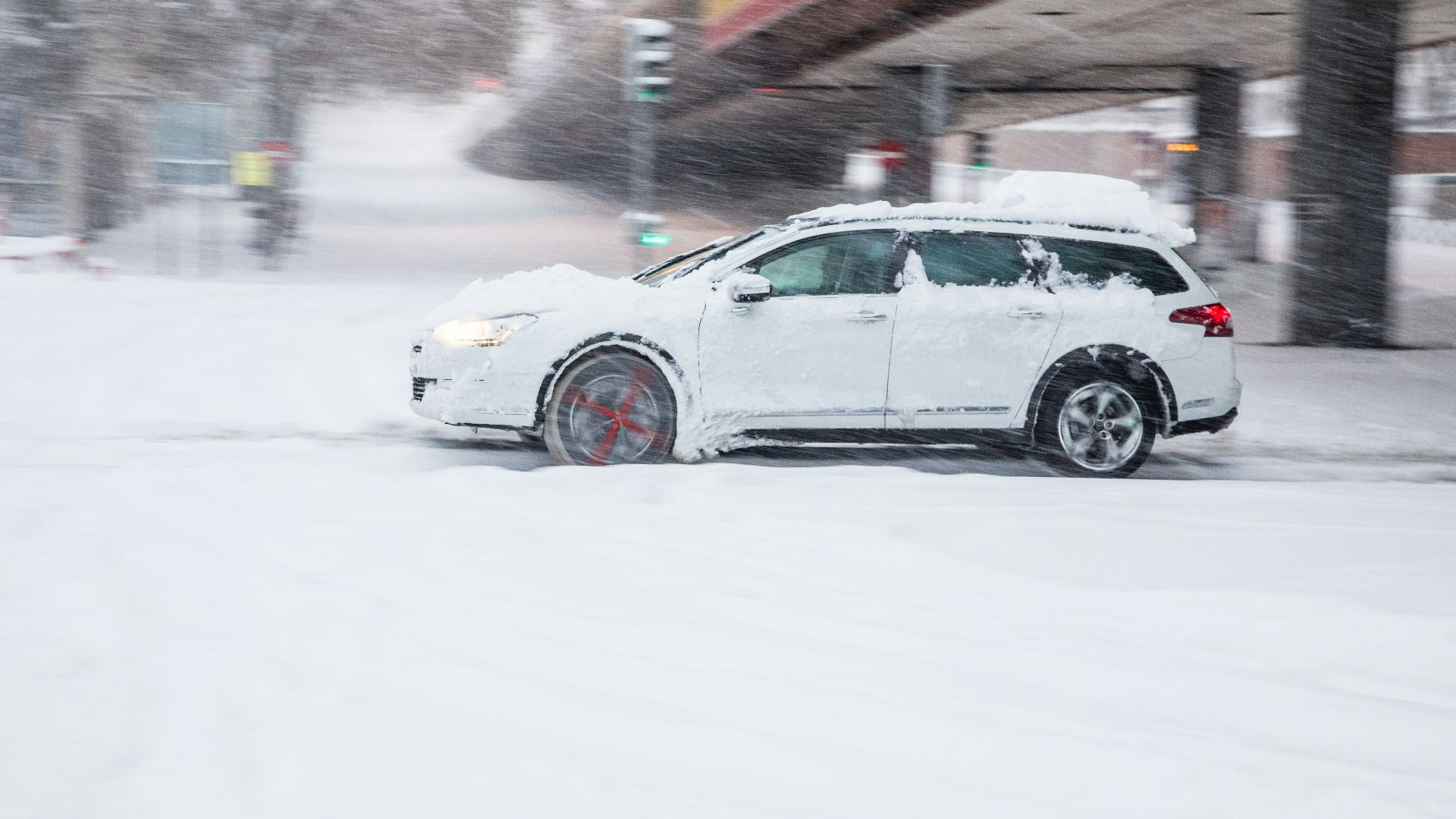
In areas with extreme ice, studded tires or properly fitted chains provide extra traction. Studs dig into icy surfaces, while chains wrap around the tire to create grip on packed snow.
 Ewoud Van den Branden on Unsplash
3. Remote Start System
A remote start system allows you to warm up your vehicle before stepping outside. This not only makes the cabin more comfortable but also helps defrost windows and loosen ice. Many modern systems integrate with smartphone apps for added convenience. On bitter mornings, this upgrade feels less like a luxury and more like a necessity.
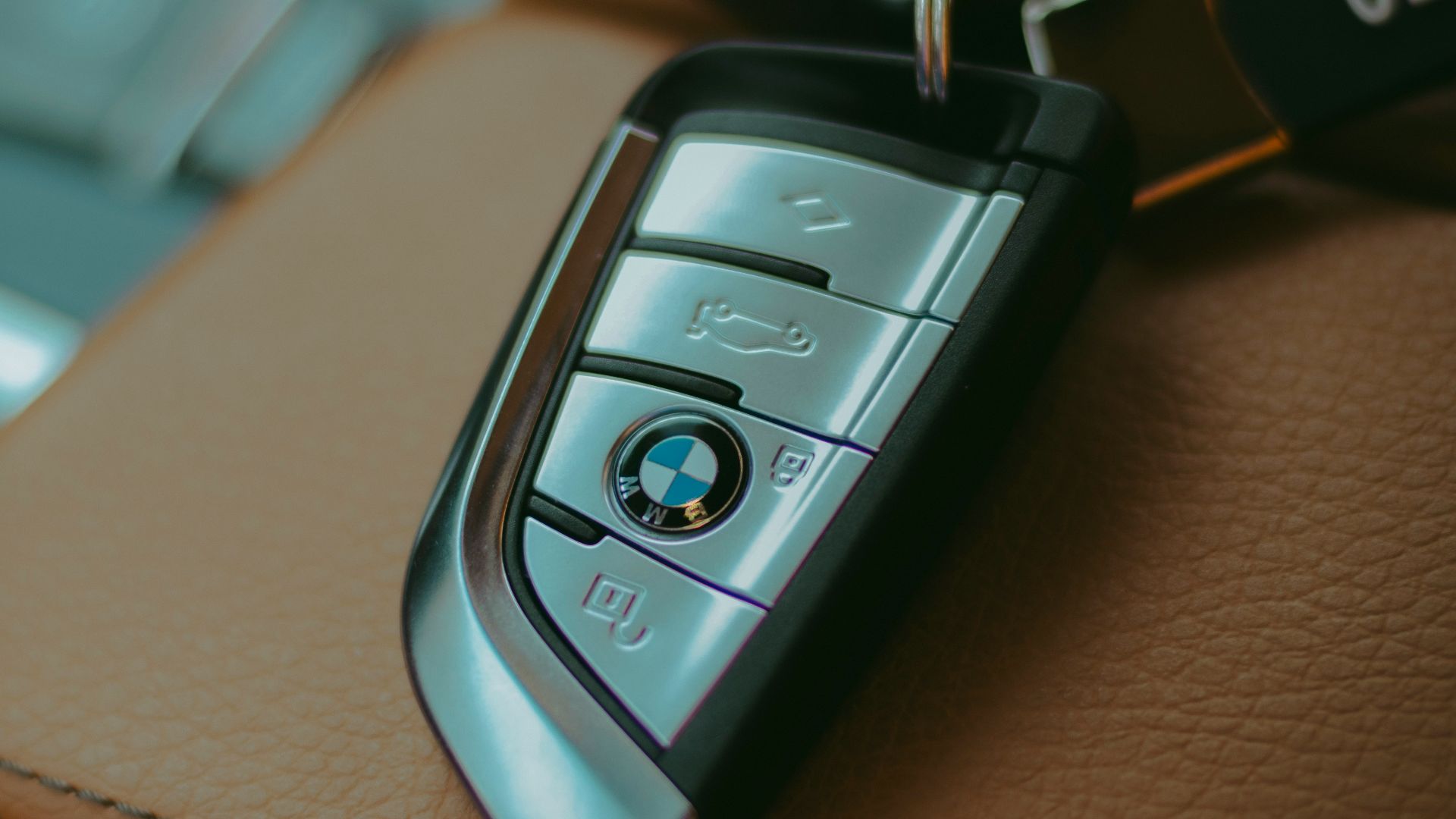
4. Heated Steering Wheel
Cold steering wheels can be painfully uncomfortable during winter drives. A heated steering wheel warms quickly and keeps your hands comfortable without bulky gloves. Better hand comfort also improves grip and overall control. making this a small feature that produces a noticeable difference.

5. Heated Seats
Heated seats provide fast warmth while your vehicle’s heating system ramps up. They’re especially helpful on short trips when the engine may not fully warm. Many models now offer adjustable heat settings for personalized comfort. Once you’ve had them in winter, it’s hard to go back.

6. All-Weather Floor Mats
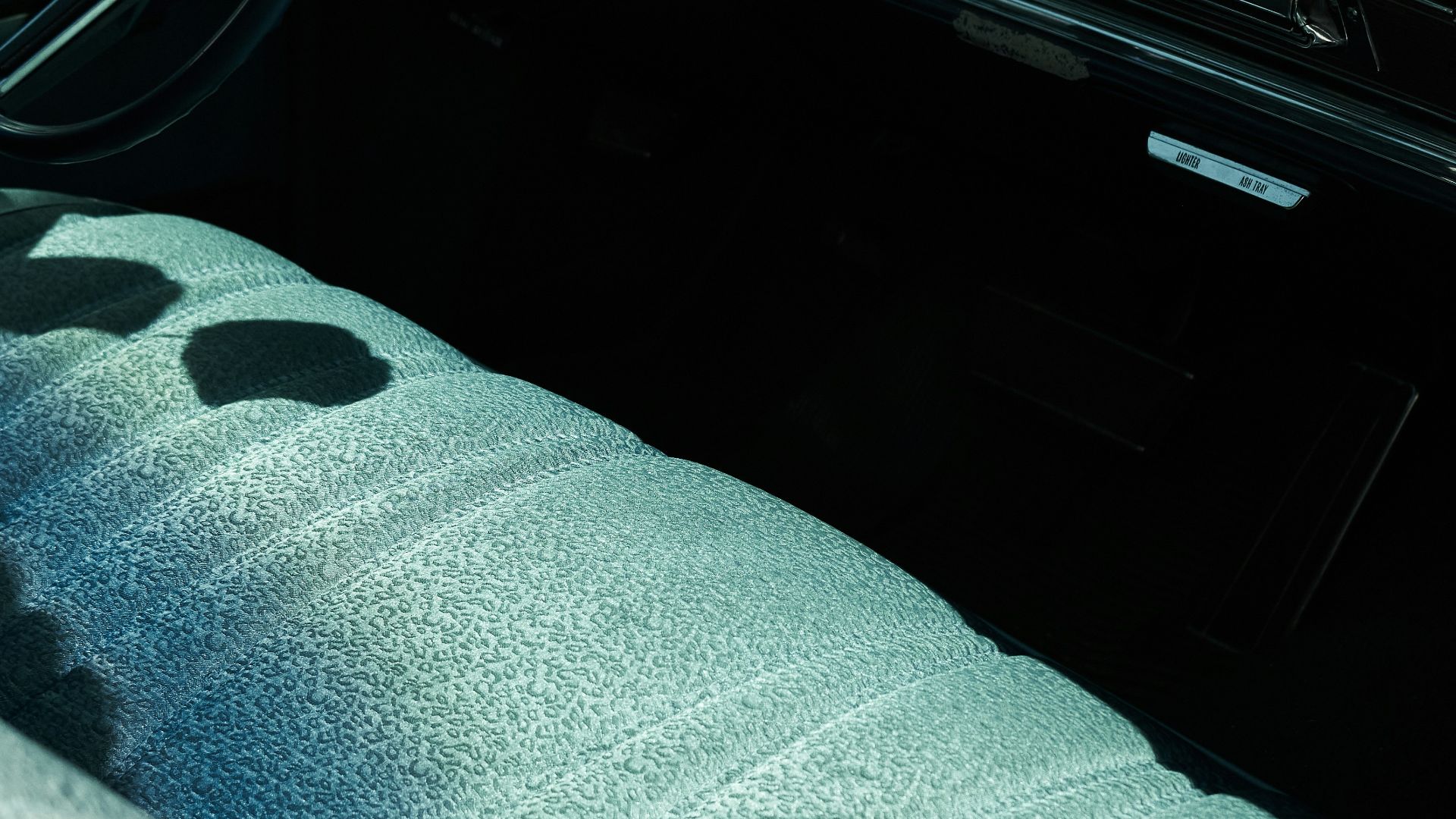
Snow, slush, and road salt can damage vehicle interiors over time. Heavy-duty all-weather mats protect carpeting from moisture and corrosion. They’re also easy to remove and clean after messy drives.
7. High-Quality Windshield Wipers
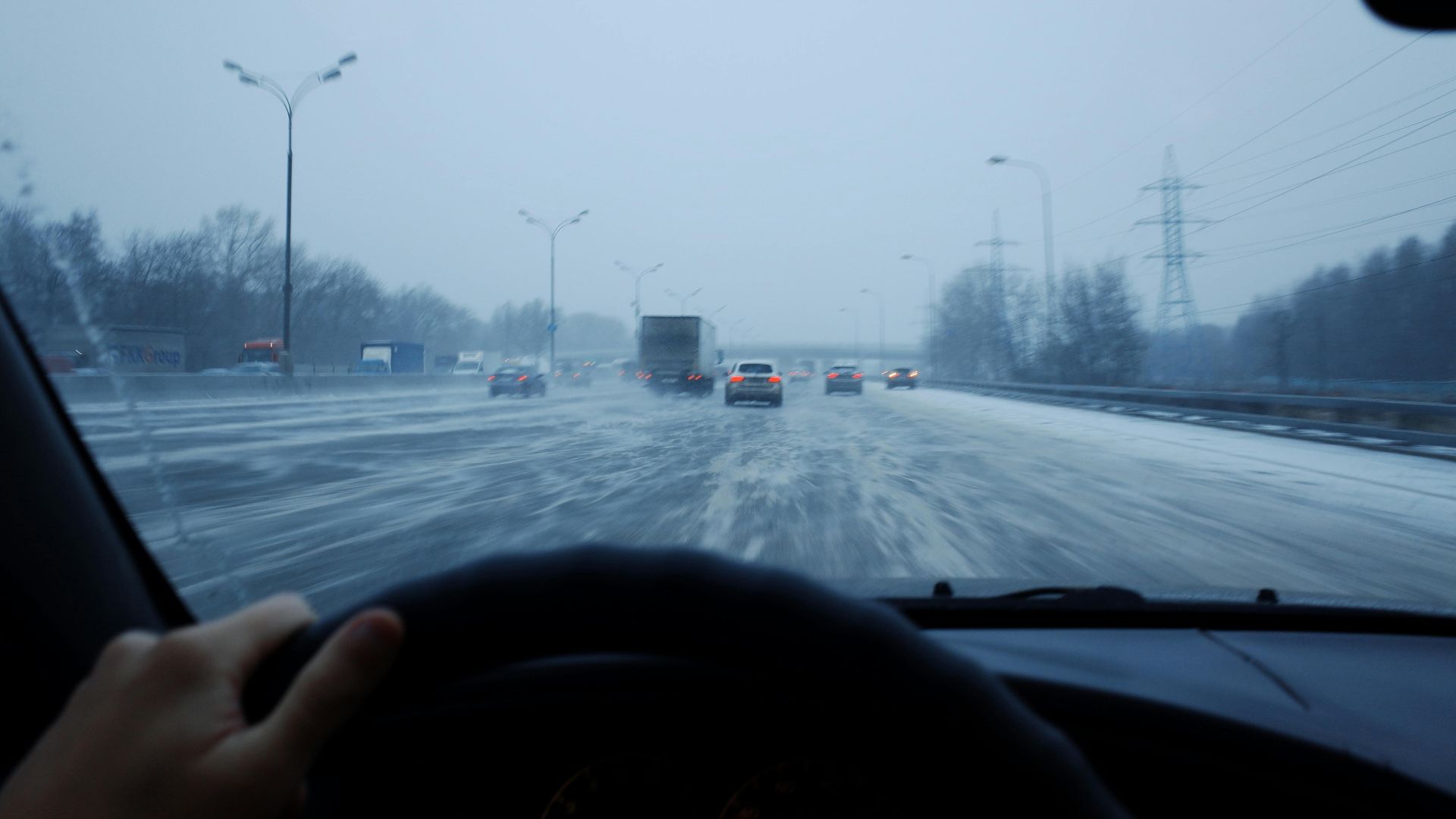
Winter-grade windshield wipers are designed to resist ice buildup. They maintain better contact with the glass in freezing conditions. Clear visibility during snow or sleet is critical for safe driving.

8. Winter Windshield Washer Fluid
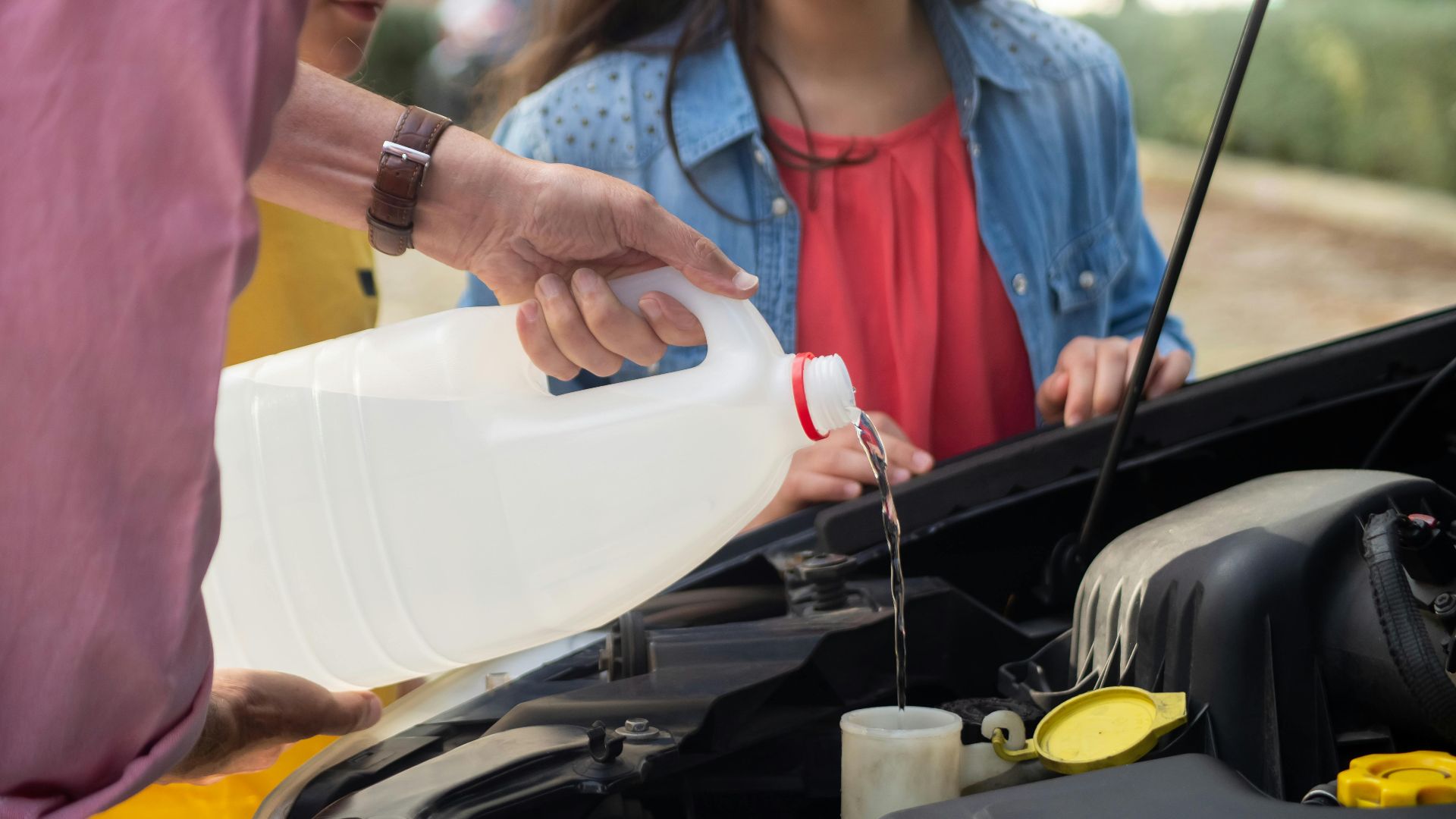
Standard washer fluid can freeze in extreme cold. Winter blends are formulated to withstand sub-freezing temperatures and help melt light ice. Using the right fluid ensures your spray system works when you need it most, and it’s an easy switch that prevents frustrating malfunctions.
9. LED Or Upgraded Headlights
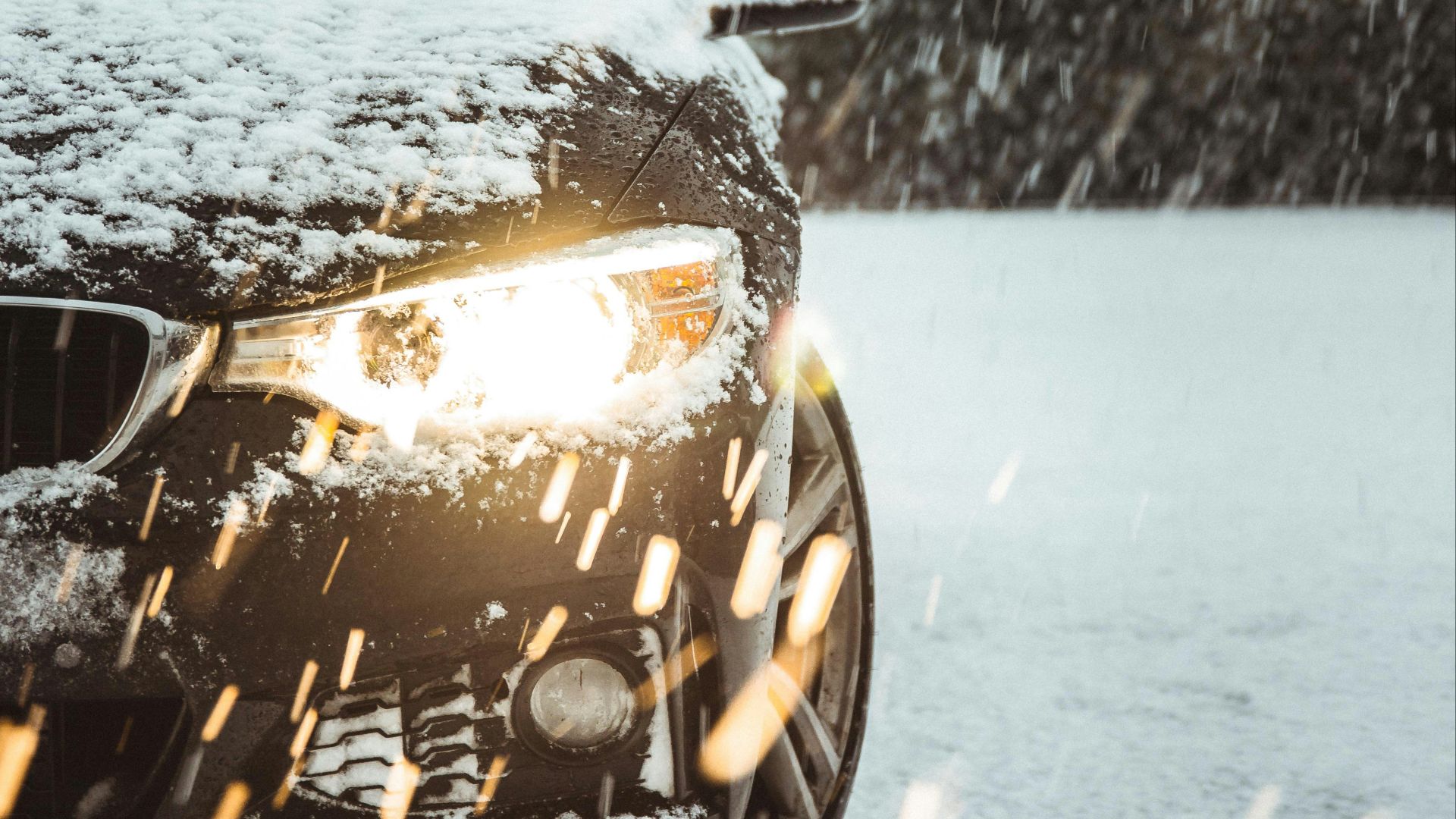
Winter storms often reduce visibility during both day and night. Brighter LED or upgraded headlights improve road illumination in snow and fog. Better lighting helps you spot hazards sooner, and clear visibility gives you more reaction time in dangerous conditions.
 Danny Sleeuwenhoek on Unsplash
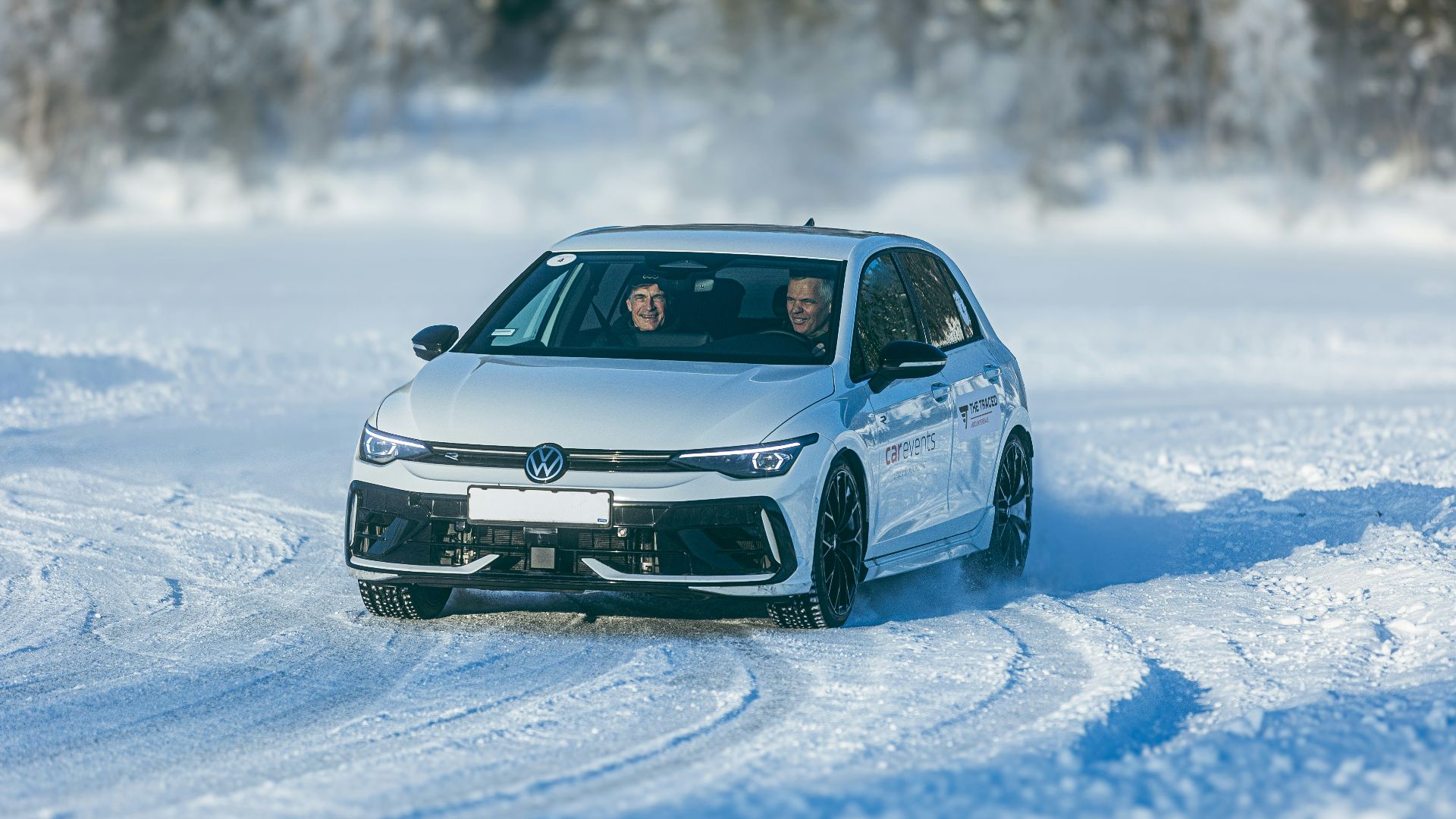
10. All-Wheel Drive Or Four-Wheel Drive
If you frequently drive in snowy regions, AWD or 4WD significantly improves traction. These systems distribute power to multiple wheels, helping maintain control on slippery roads.
11. Underbody Rust Protection
Road salt accelerates corrosion on metal components. Applying underbody rust protection creates a barrier against moisture and salt exposure. This preventive measure extends your vehicle’s lifespan, and it’s especially valuable in regions with heavy salting practices.

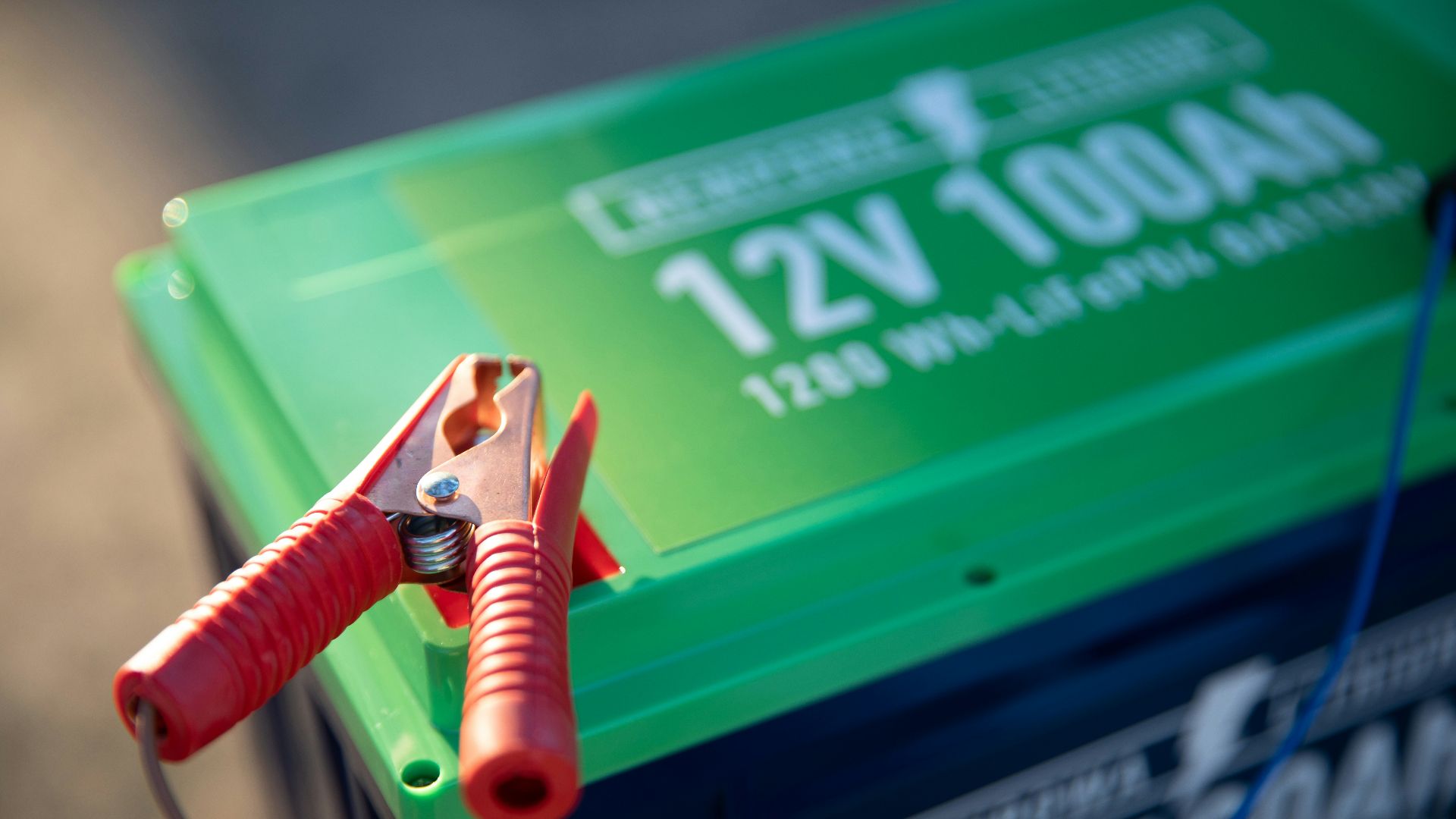
12. Portable Jump Starter
Cold weather drains battery power more quickly than many drivers expect. A portable jump starter eliminates the need to rely on another vehicle for assistance. Compact models store easily in your trunk, and in freezing conditions, that independence can be invaluable.
13. High-Capacity Car Battery
Winter demands more from your battery, particularly during cold starts. Upgrading to a higher cold cranking amps (CCA) battery ensures stronger performance in low temperatures. Reliable starts reduce stress and inconvenience. It’s a practical investment before temperatures plummet.
14. Winter Emergency Kit
A dedicated winter kit should include blankets, a flashlight, water, nonperishable snacks, and a first-aid kit. Adding a small shovel and traction aids increases preparedness.
 Volodymyr Dobrovolskyy on Unsplash
15. Engine Block Heater
In extremely cold climates, an engine block heater keeps engine fluids warm overnight. This makes starting easier and reduces engine wear. Many systems plug into a standard outlet. In subzero regions, it’s a highly practical upgrade.
16. Snow Brush And Ice Scraper With Extension
A sturdy snow brush with a long handle helps clear roofs and windshields more effectively. Removing snow from the entire vehicle prevents dangerous blowback onto other drivers. A durable ice scraper cuts through frozen buildup more efficiently, meaning this basic tool is indispensable against heavy snowfall.
17. Anti-Lock Brake System
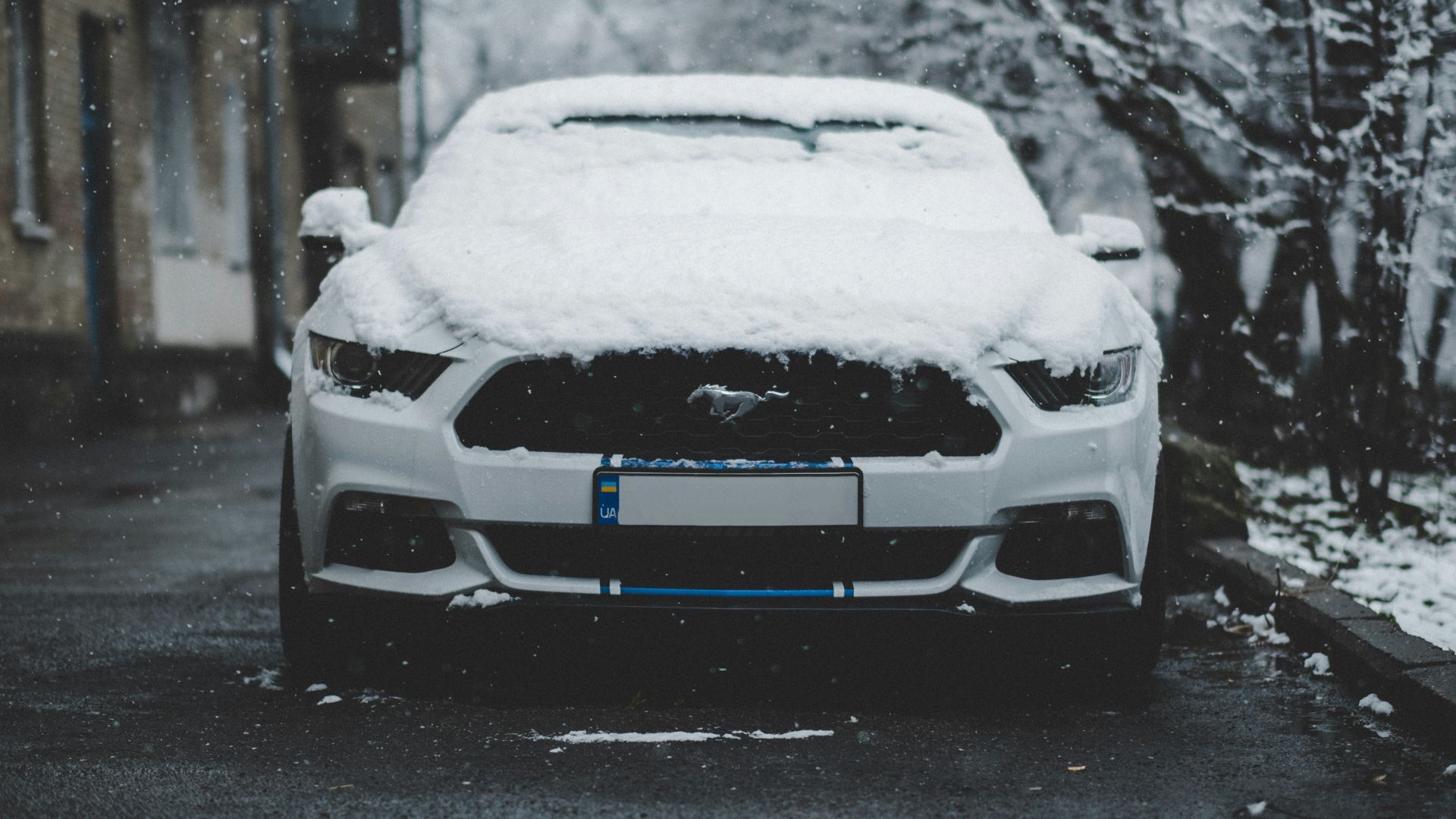
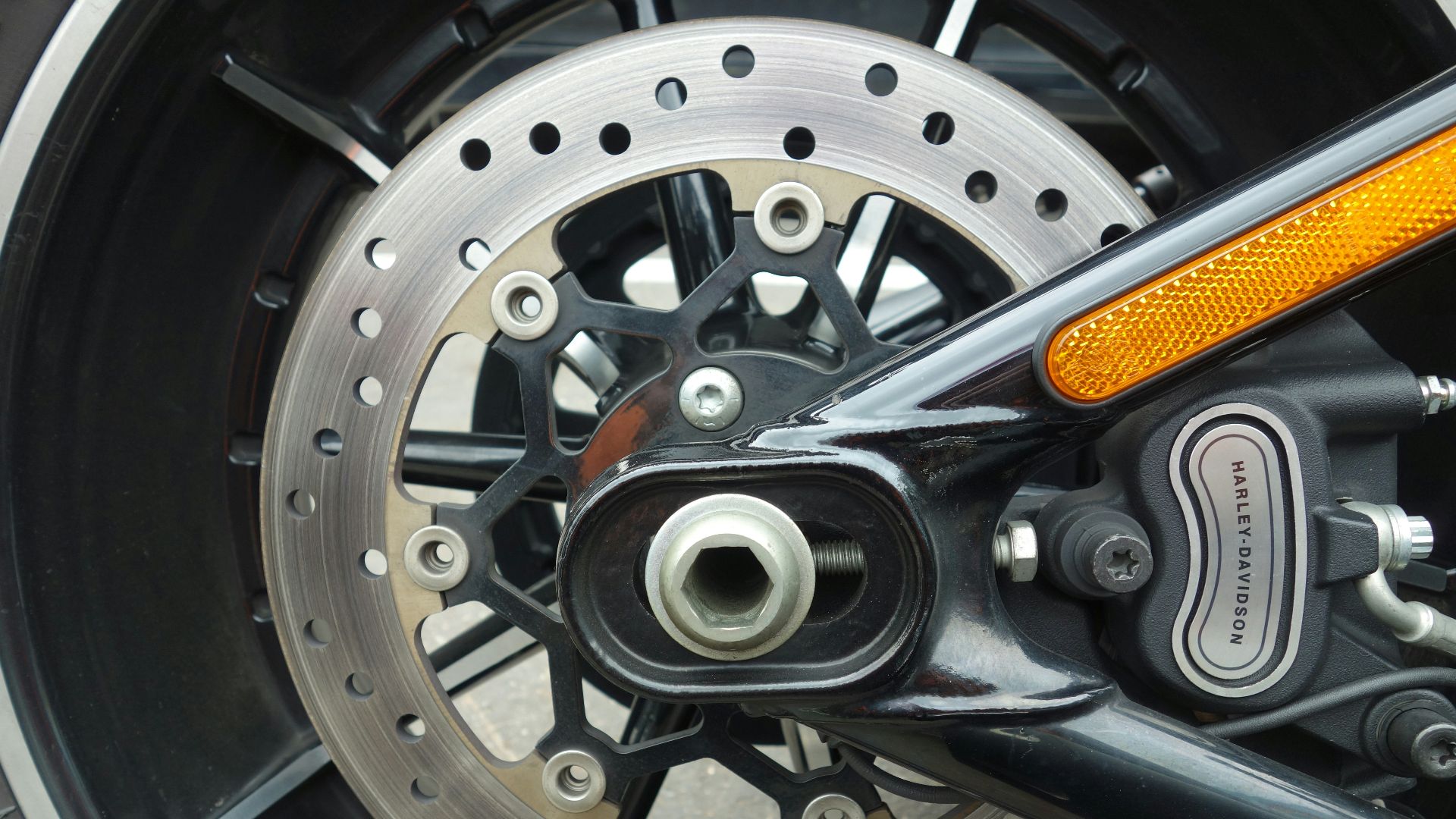
Most modern vehicles include ABS, but older models may not. Anti-lock brakes prevent wheel lockup during hard stops on slippery roads. This allows drivers to maintain steering control while braking. If you’re driving an older vehicle, upgrading to one with ABS greatly improves winter safety.
18. Blind Spot Monitoring
Snowbanks and poor visibility make lane changes riskier in winter. Blind spot monitoring systems alert you to vehicles you might not see. These warnings are especially helpful in low-light or snowy conditions.
 Volodymyr Dobrovolskyy on Unsplash
19. Roof Rack With Cargo Box
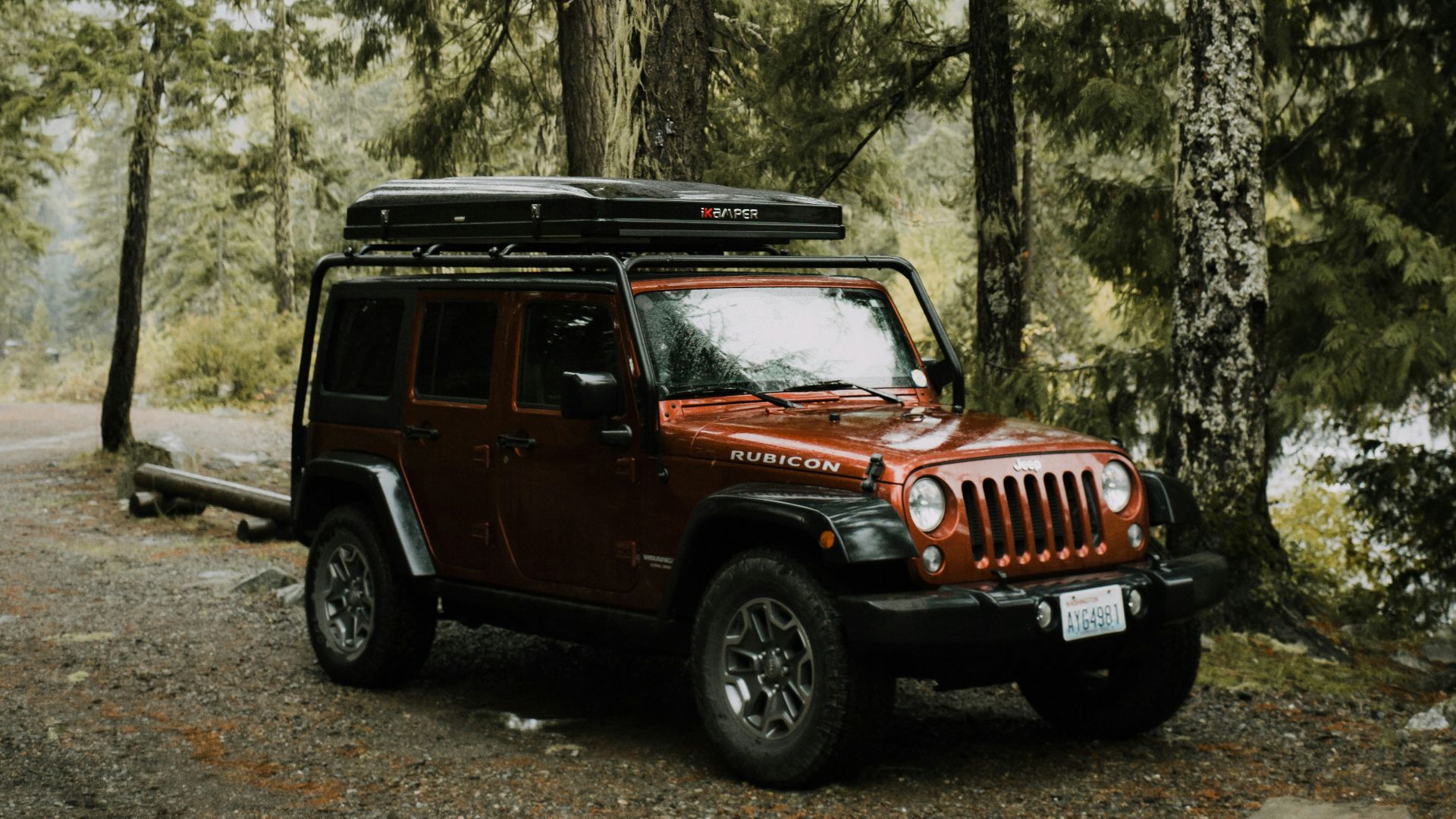
Bulky winter gear can crowd the interior of your vehicle. A roof rack and cargo box free up space while keeping equipment dry. This is particularly helpful for ski trips or long winter road trips. Keeping the cabin uncluttered improves comfort and visibility.
20. Dash Cam
Winter weather increases accident risk, and icy conditions can complicate fault disputes. A dash cam provides recorded evidence if an incident occurs, and many models function reliably in cold temperatures.