Translation For The Waiting Room
Most people don’t walk into a shop excited to talk about control arms and evap systems. You’re there because something sounds wrong, feels wrong, smells wrong, or the dash lit up like a slot machine. And once the car is on the lift, you’re basically negotiating in a language you don’t speak, which is how perfectly normal sentences start sounding like financial threats. Not every one of these phrases means you’re being scammed, but a lot of them do mean the estimate is about to grow, the timeline is about to stretch, or the fix is about to turn into a chain reaction. Here are 20 mechanic phrases that often translate to "you’re about to pay."

1. We Found A Few Other Things
Sometimes this is legitimate, like noticing a torn belt or a leaking hose while they’re already in there. But it’s also the classic opener for an expanded estimate, because it sounds reasonable and non-specific. The next words usually determine whether you’re looking at $40 or $400.
2. It’s Not Unsafe Yet, But
This one is designed to make you feel responsible for the future. It can be real, like brake pads wearing down or a tire starting to crack, but it also creates pressure to approve work immediately. It’s the phrase that turns a recommendation into a decision.
3. The Part Is On Backorder
Parts delays happen, especially for certain makes, trims, and newer models. But it also means labor might be re-quoted, the car might sit, and you might be nudged toward a more expensive alternative. When you hear this, the cost and timeline both get fuzzier.
4. We Have To Drop The Subframe
This is usually a real technical statement, and it rarely leads to a small bill. It means the job is complex, access is limited, and labor hours are about to climb. Even before parts, you’re paying for time.
5. It’s Buried In There
This is the casual way of saying the car was not designed for humans to service easily. It often shows up with starters, alternators, thermostats, and anything near the firewall. Translation: same part cost, bigger labor.
6. It’s A Labor-Heavy Job
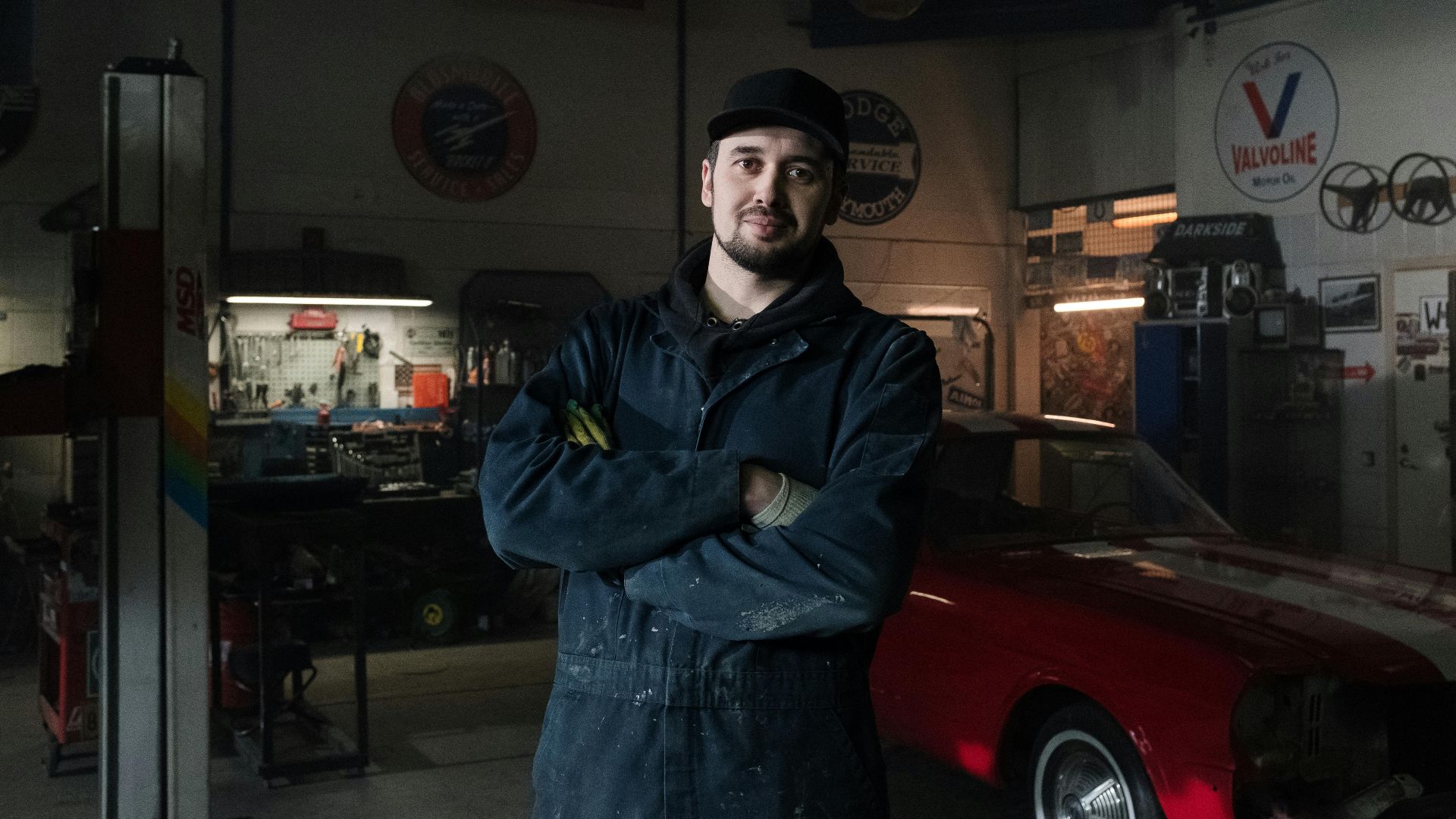
Sometimes it really is, especially on modern cars packed tight under the hood. But this phrase also prepares you for an estimate that feels disproportionate to the part itself. You’re not paying for the component; you’re paying for the access.
7. We’re Seeing A Leak
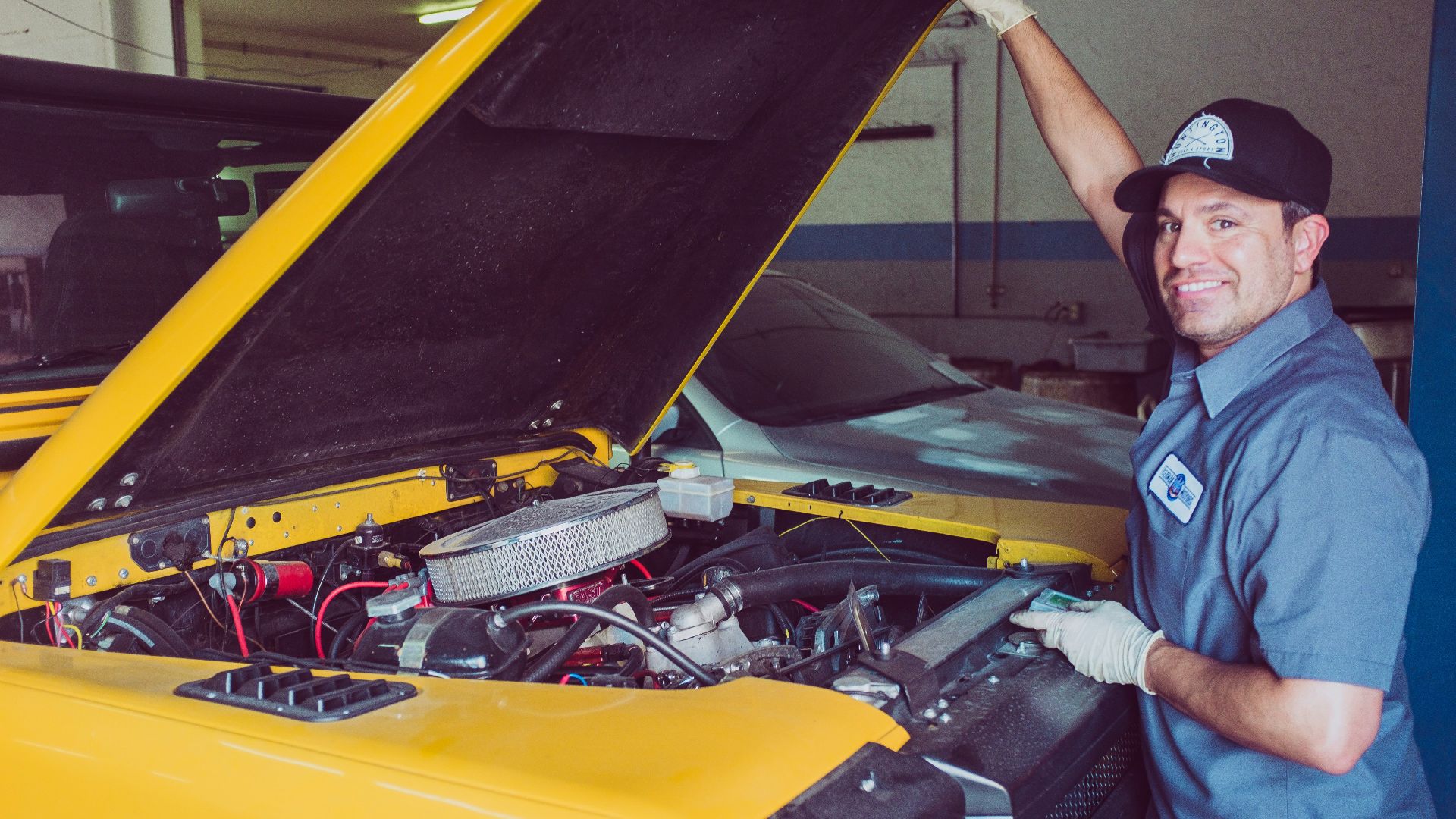
A leak could be harmless seepage or a real problem that needs attention. The phrase matters because it’s vague, and vague gives room for escalation. The follow-up should be what fluid, where it’s coming from, and how bad it is.
8. It’s Seeping Right Now
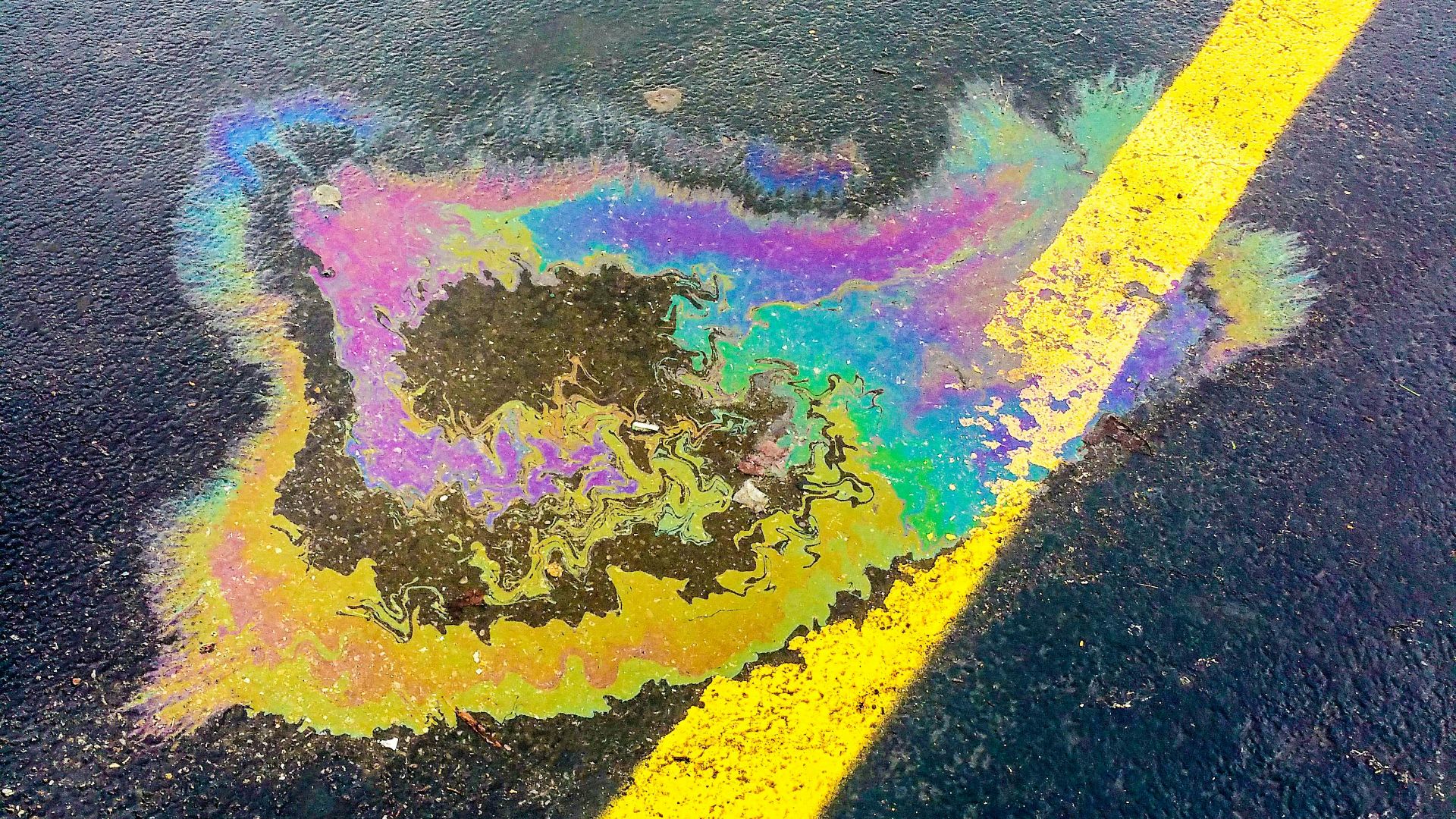
Seep is softer than leak, but it still signals future work. Sometimes it’s just monitoring, sometimes it’s a slow drip that will become a drip-drip-drip. Either way, it’s a note that can turn into a bigger conversation later.
9. The Codes Are Pointing To
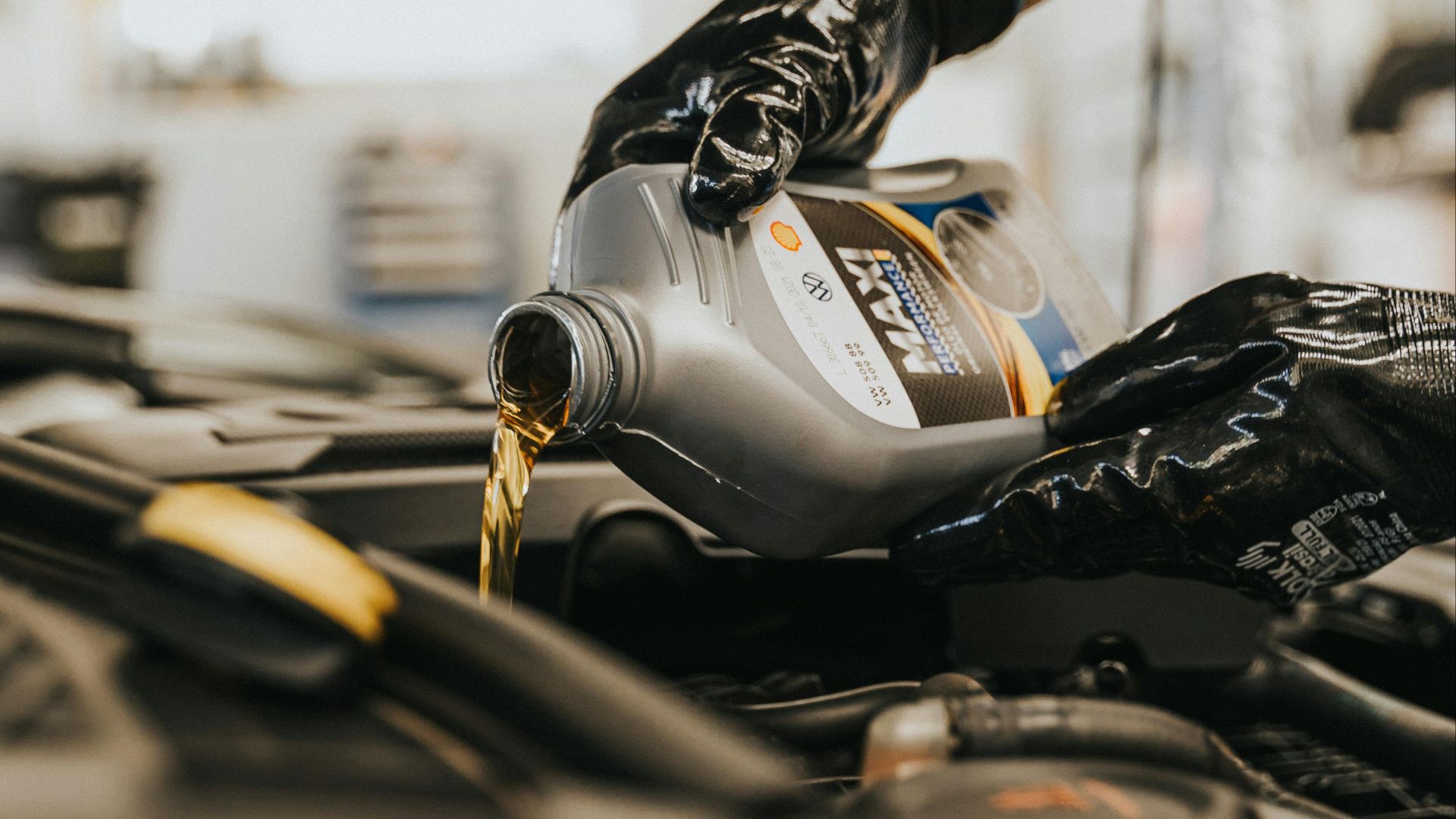
Codes point to a system, not always a part. This phrase can be honest, but it often means the diagnosis is still in progress and you might pay for testing before you pay for repairs. It’s the start of the money trail, not the end.
10. We Need To Do More Testing
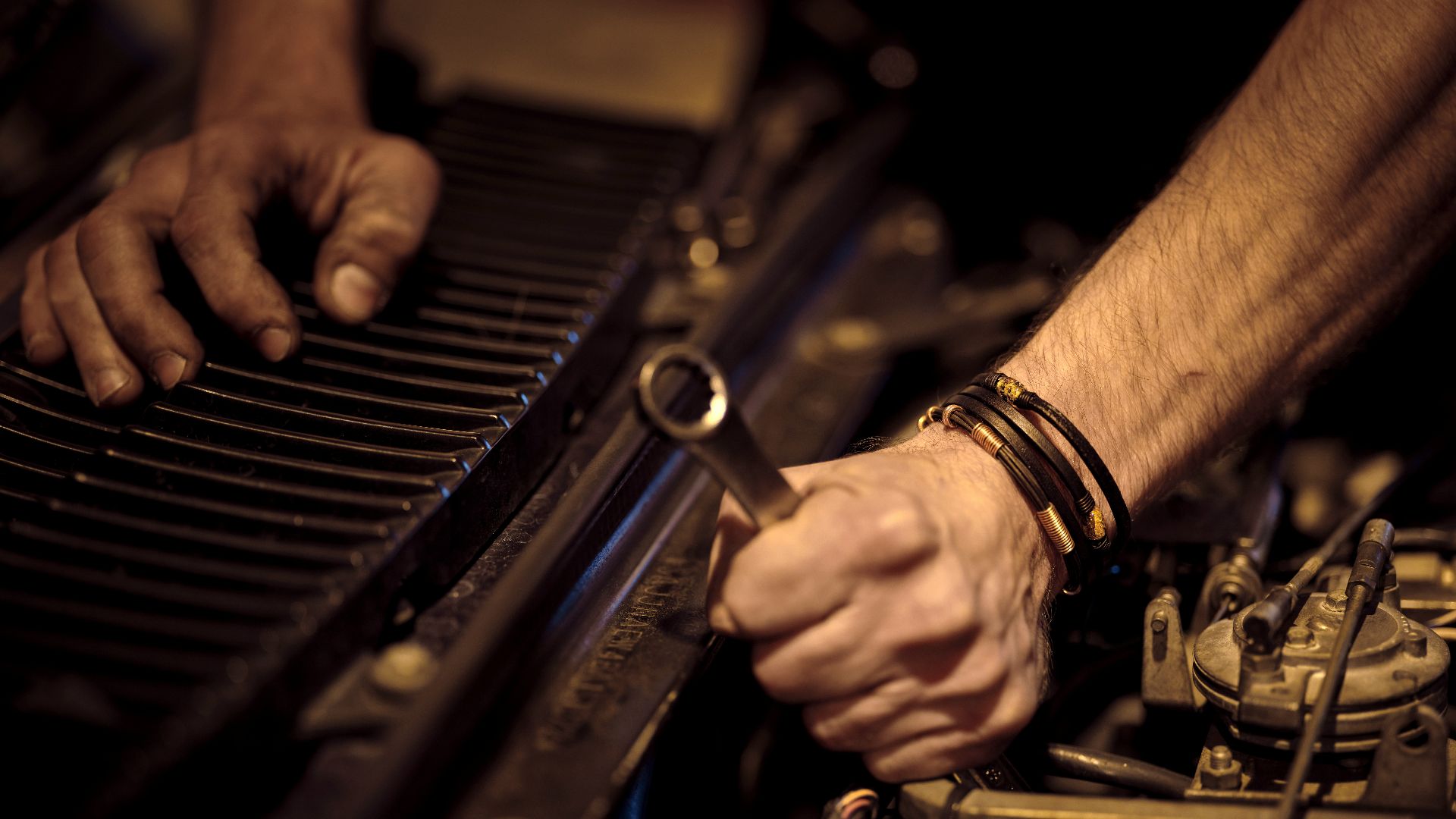
Sometimes this is exactly what a good shop should do instead of guessing. It still means more labor time, and it can mean you’ll pay before the real fix even starts. The key is whether they can explain what they’re testing and why.
11. It Could Be A Few Things
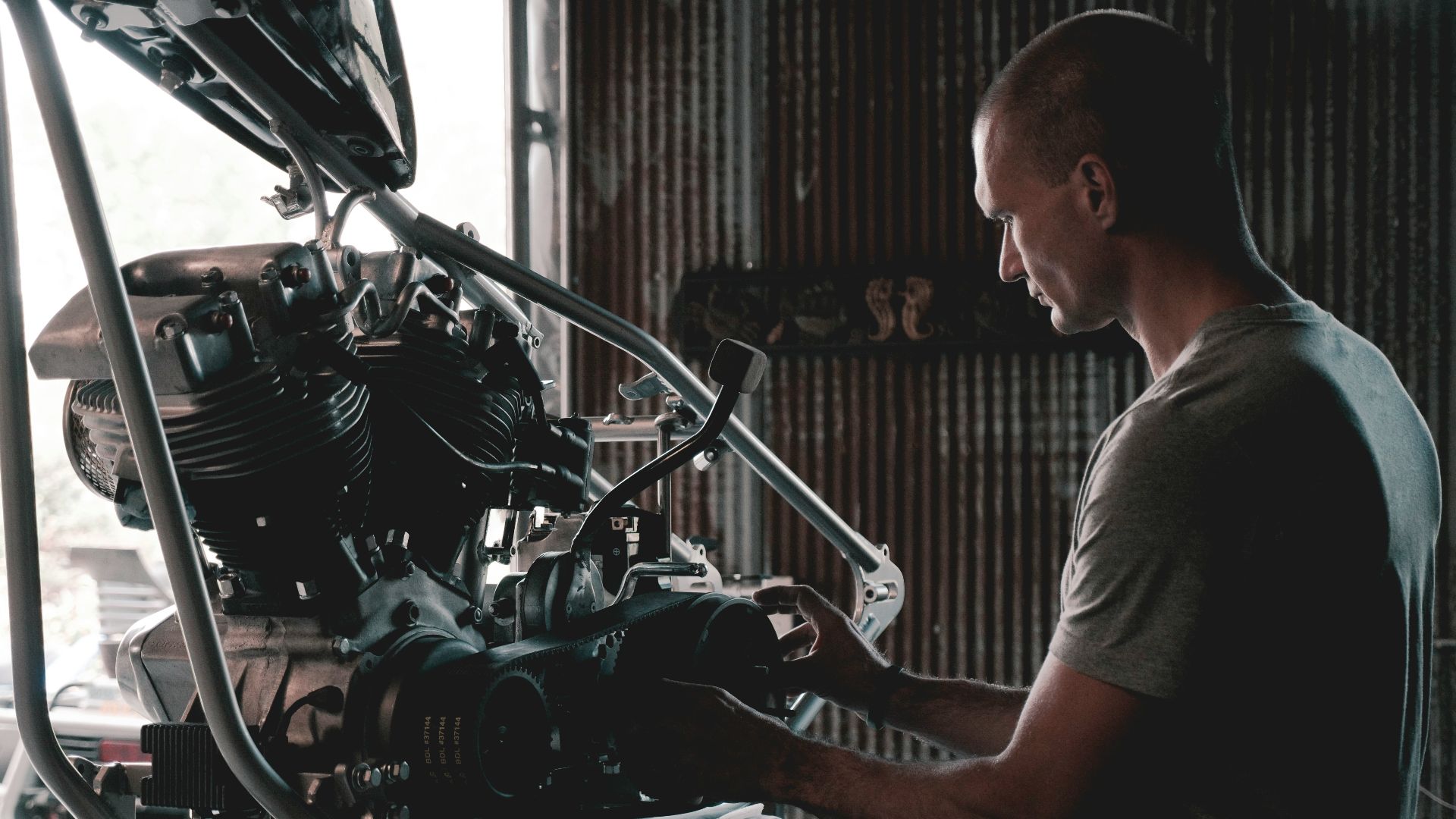
This is the mechanic version of a fork in the road. It can be honest uncertainty, especially with intermittent issues, but it also sets you up for step-by-step spending. Expect an initial smaller charge that may lead to a bigger one.
12. The Noise Went Away When We Did X
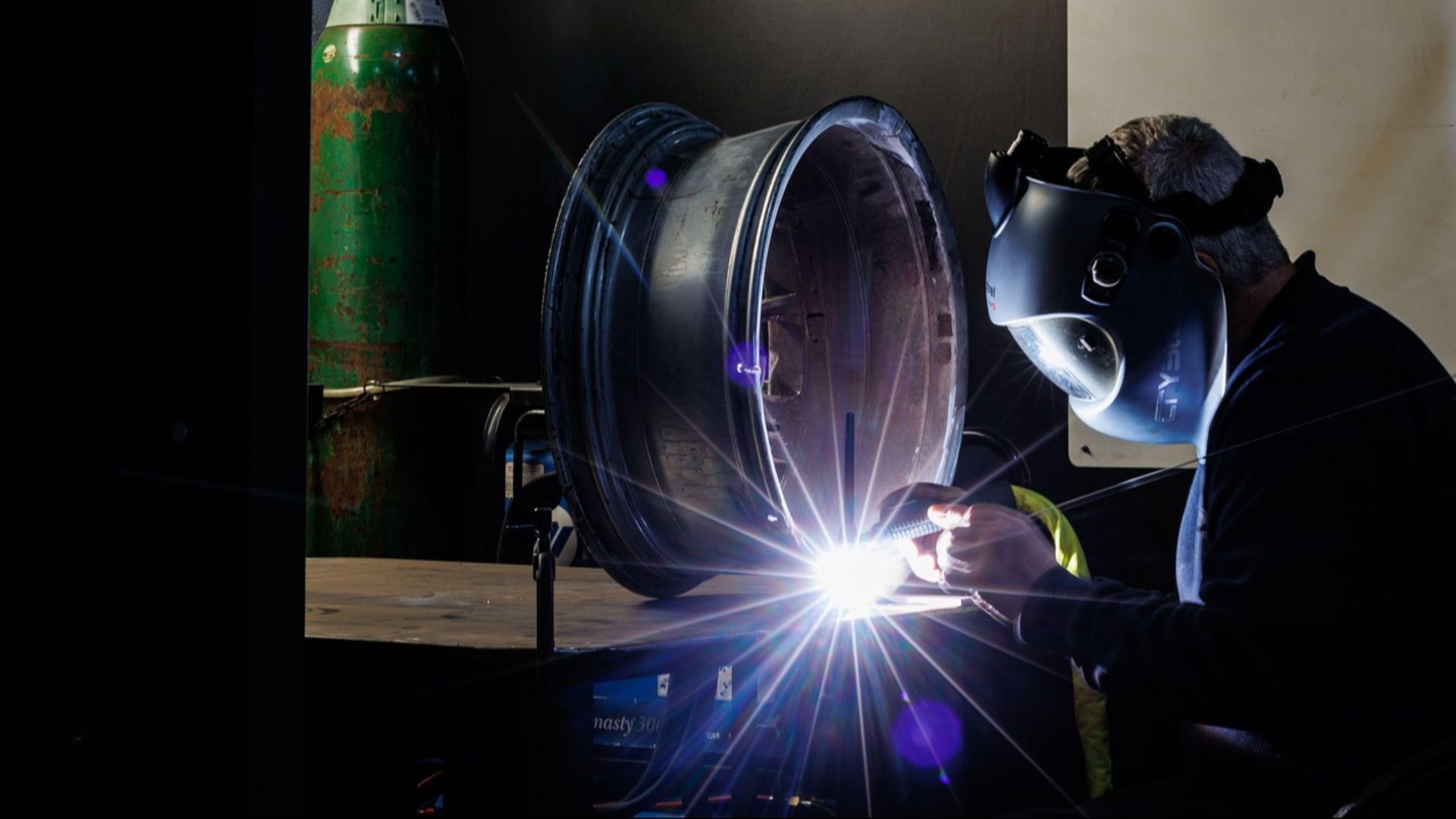
That can be a clue, but it can also be the start of the “well, since we’re here” chain. Sometimes it’s a temporary improvement that reveals a deeper issue. Either way, it rarely ends with “so you’re all set.”
 Jimmy Nilsson Masth on Unsplash
13. The Previous Repair Didn’t Hold
This could be bad luck, a cheap part, or a rushed job. It also means you’re paying again, and possibly paying more because now there’s a complication. It’s the phrase that can turn frustration into an expensive redo.
14. It’s A Common Issue On These
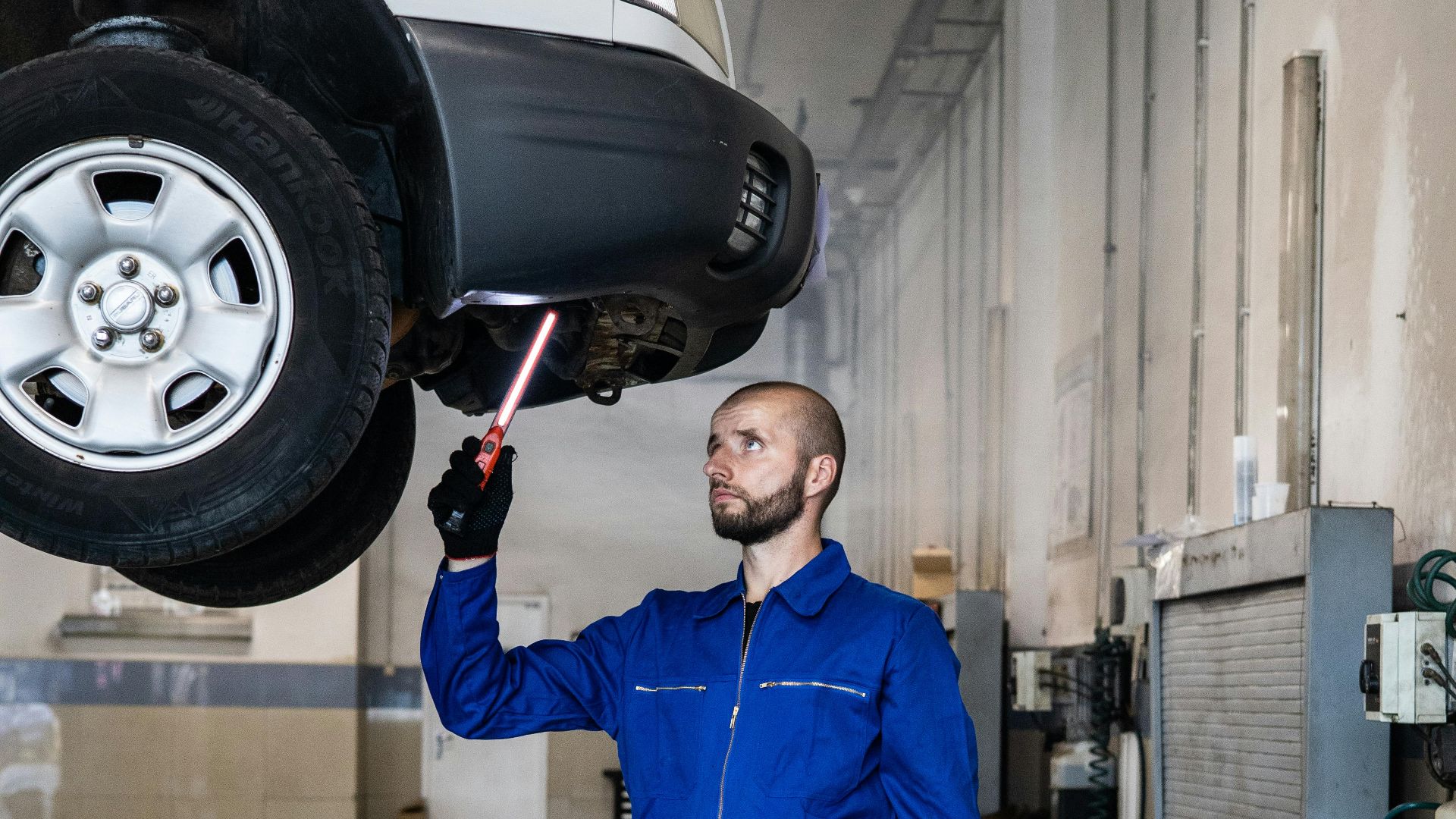
Sometimes that’s helpful information, because it points to a known failure point. But it also means the fix is familiar, and familiar fixes often come with a confident quote that isn’t small. You’re hearing the sound of a well-worn invoice.
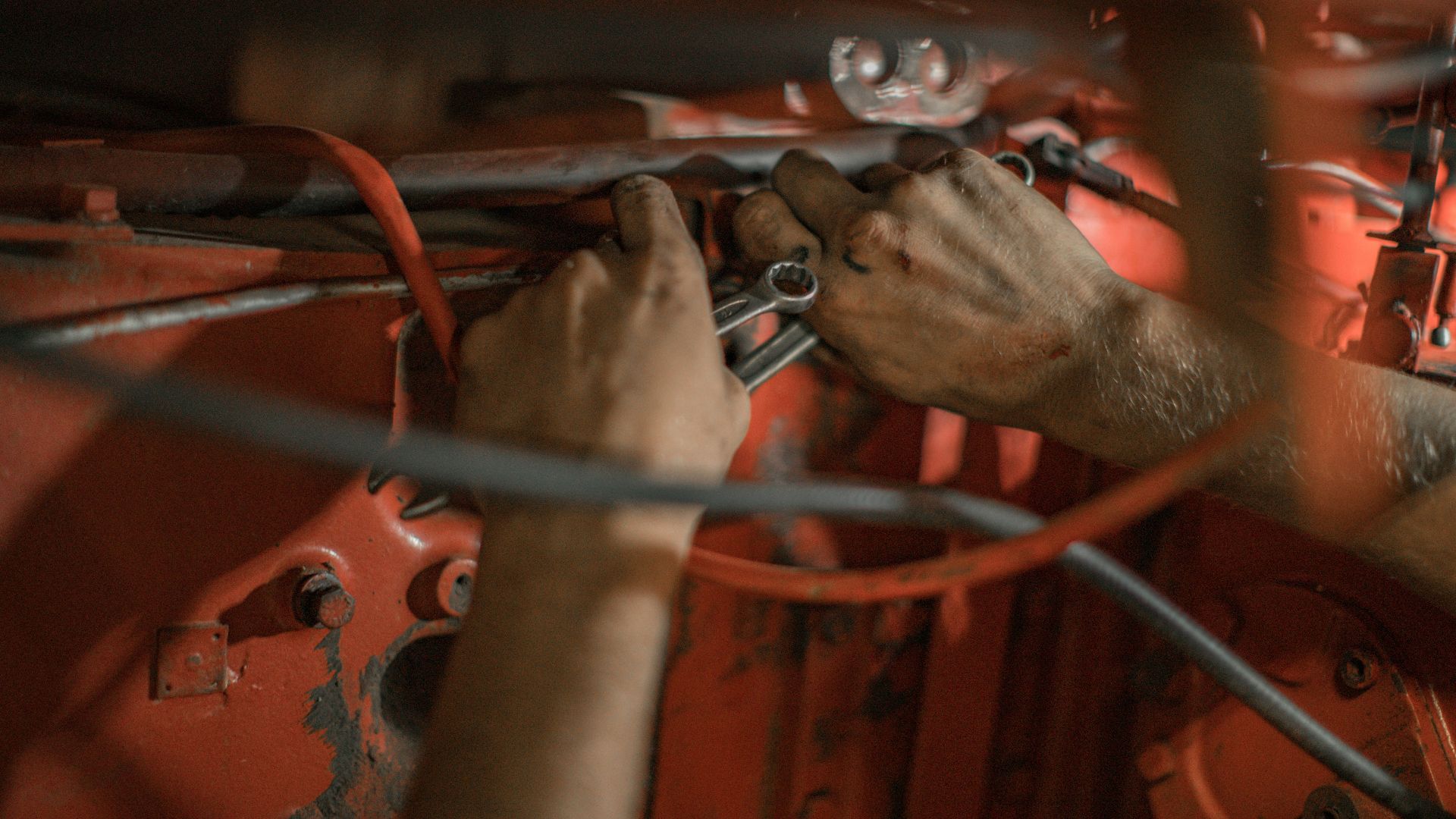
15. We Recommend Doing This While We’re In There
This can be smart, like replacing a water pump during a timing belt job. It can also be a way to stack add-ons while labor overlap makes it easier to say yes. The right question is whether it prevents duplicated labor later or it’s just extra.

16. The Hardware Snapped
Rust, age, and heat cycles make bolts snap, studs strip, and clips break. Sometimes nobody did anything wrong, but it still adds labor, parts, and time. This phrase usually comes with a pause, then a number.
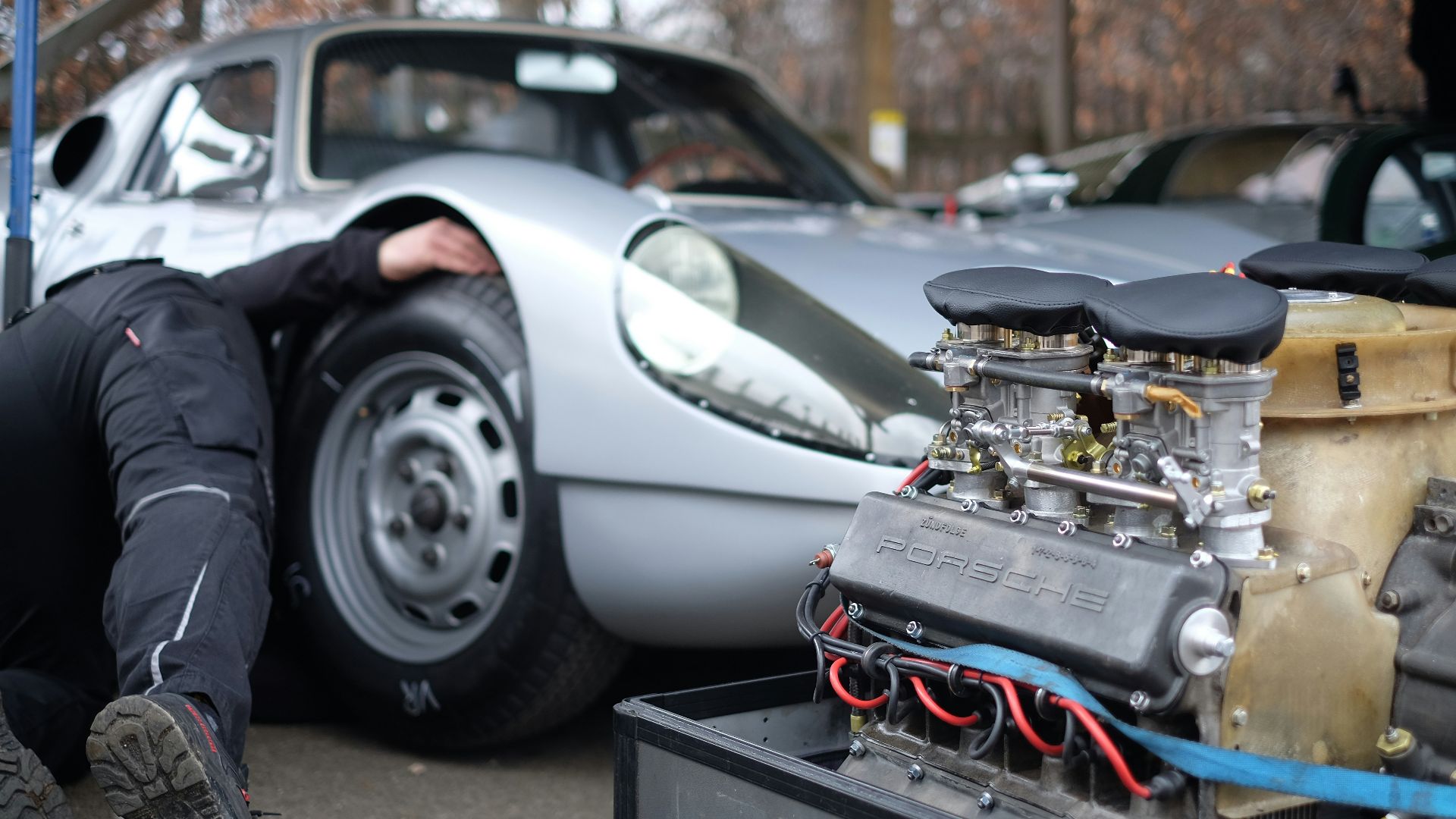
17. We Had To Drill It Out
Drilling anything out means something went sideways or the car fought back. It takes time, and time is money, especially when it involves broken fasteners or seized components. This is rarely followed by good news for your wallet.
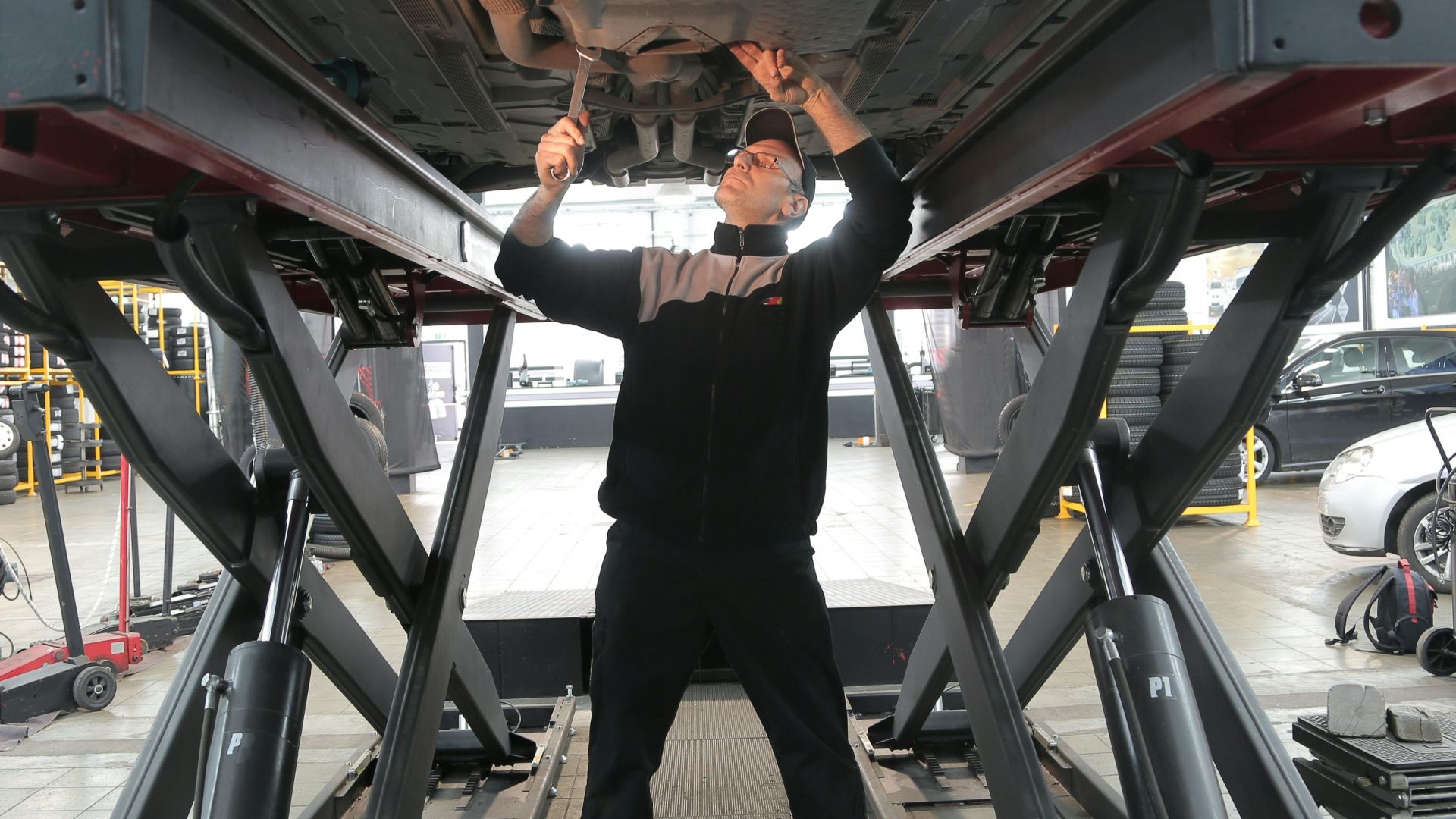
18. The Warranty Doesn’t Cover That
Sometimes it truly doesn’t, especially for wear items. But it can also mean fine print or a mismatch between what you expected and what’s written down. Either way, once you hear this, you’re moving from “covered” to “out of pocket.”
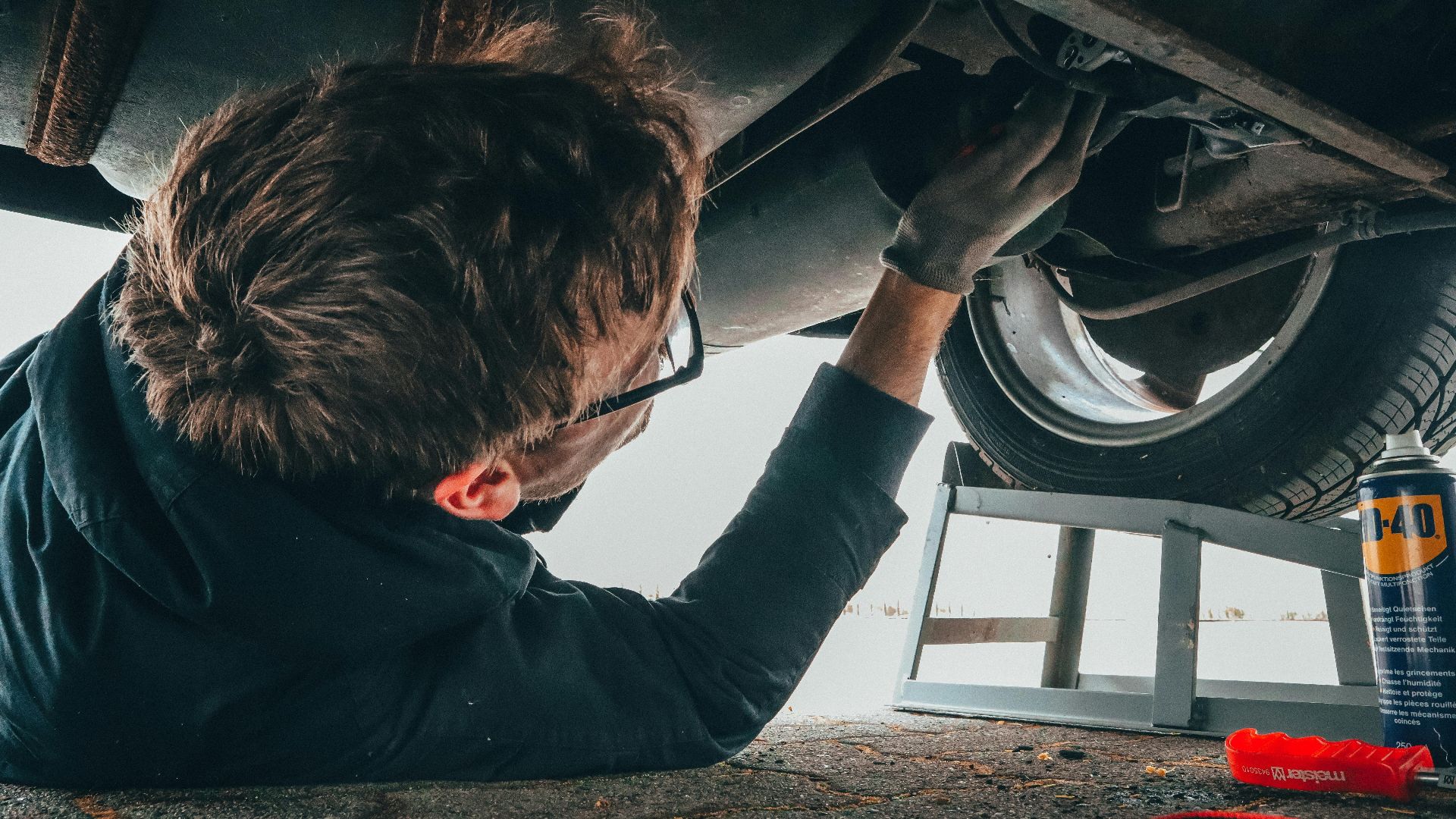
19. The Labor Rate Just Changed
This isn’t always shady, but it’s never fun. It means the estimate you had in your head is about to be recalculated, and not in your favor. Ask what the rate is, when it changed, and whether the quote you got is still honored.
20. We Can’t Guarantee It Until We Fix This First
Sometimes a problem really does block diagnosis, like a dead battery or a major vacuum leak. But it also means you’re paying to unlock the next layer of the problem, with no final price yet. This is the phrase that turns a simple visit into a multi-step bill.