

The Car Shop Red Flags
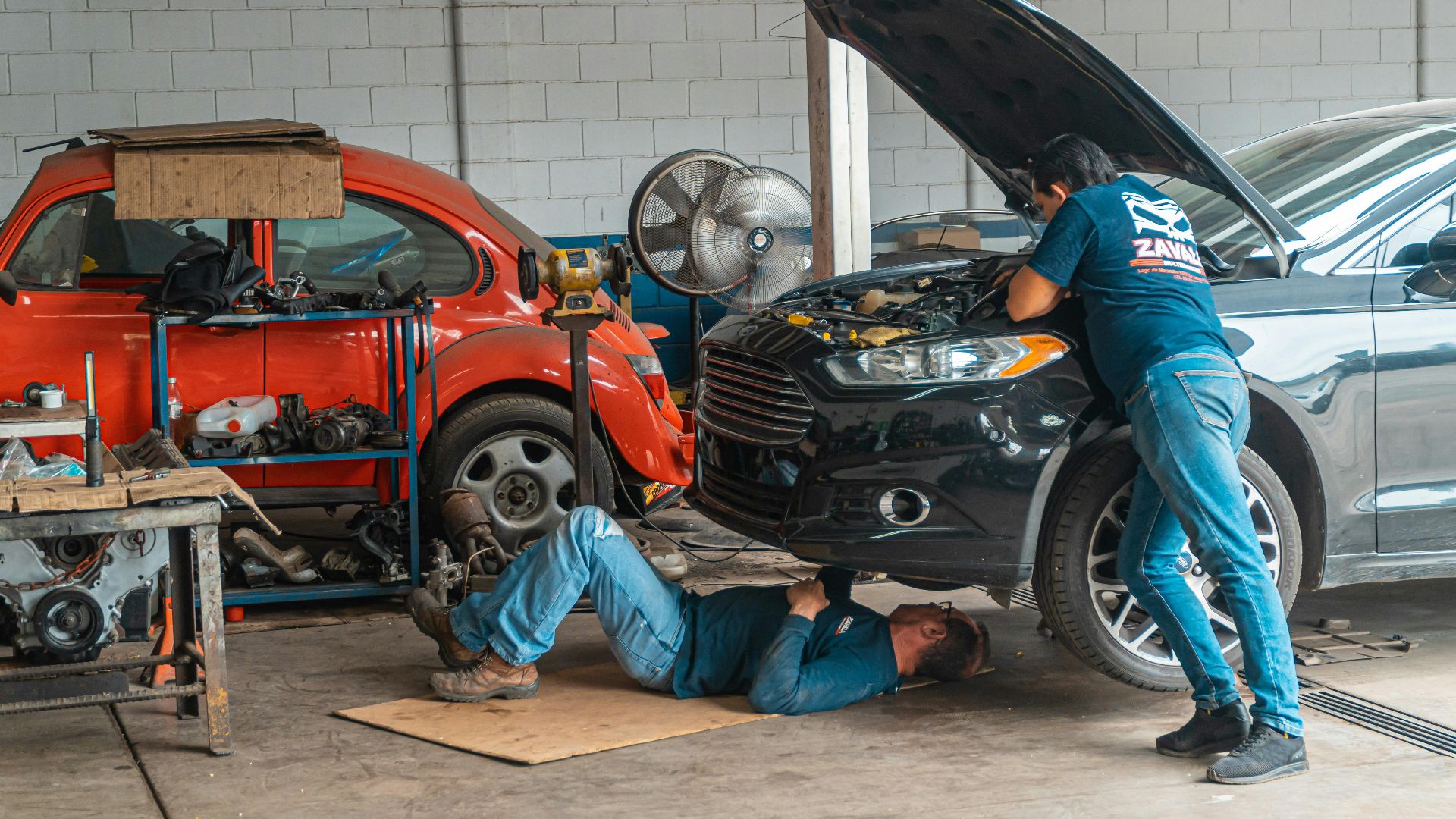
Most people aren’t trying to become automotive experts. You just want your car safe, reliable, and back on the road without feeling like you got taken for a ride in the process. That’s why car repair scams work so well: they show up when you’re stressed, stranded, or worried about damage getting worse, and they rely on the fact that most of us can’t instantly tell what’s urgent, what’s optional, and what’s completely made up. The best protection is knowing the most common tactics and what they sound like in real life, because patterns repeat across shops, cities, and even dealerships. Here are 20 car and mechanic scams worth recognizing before you’re pressured into paying for one.
 Jose Ricardo Barraza Morachis on Pexels
1. The Mystery Diagnostic Fee Trap
Diagnostics are real work, and some shops charge for them, which can be fair. The scam is when the fee isn’t clearly explained upfront, or it gets waved around as leverage like you owe it no matter what, even if they didn’t actually diagnose anything. You should always be told the amount and whether it’s applied to the repair before anyone touches the car.
2. The Your Brakes Are Dangerous Speech
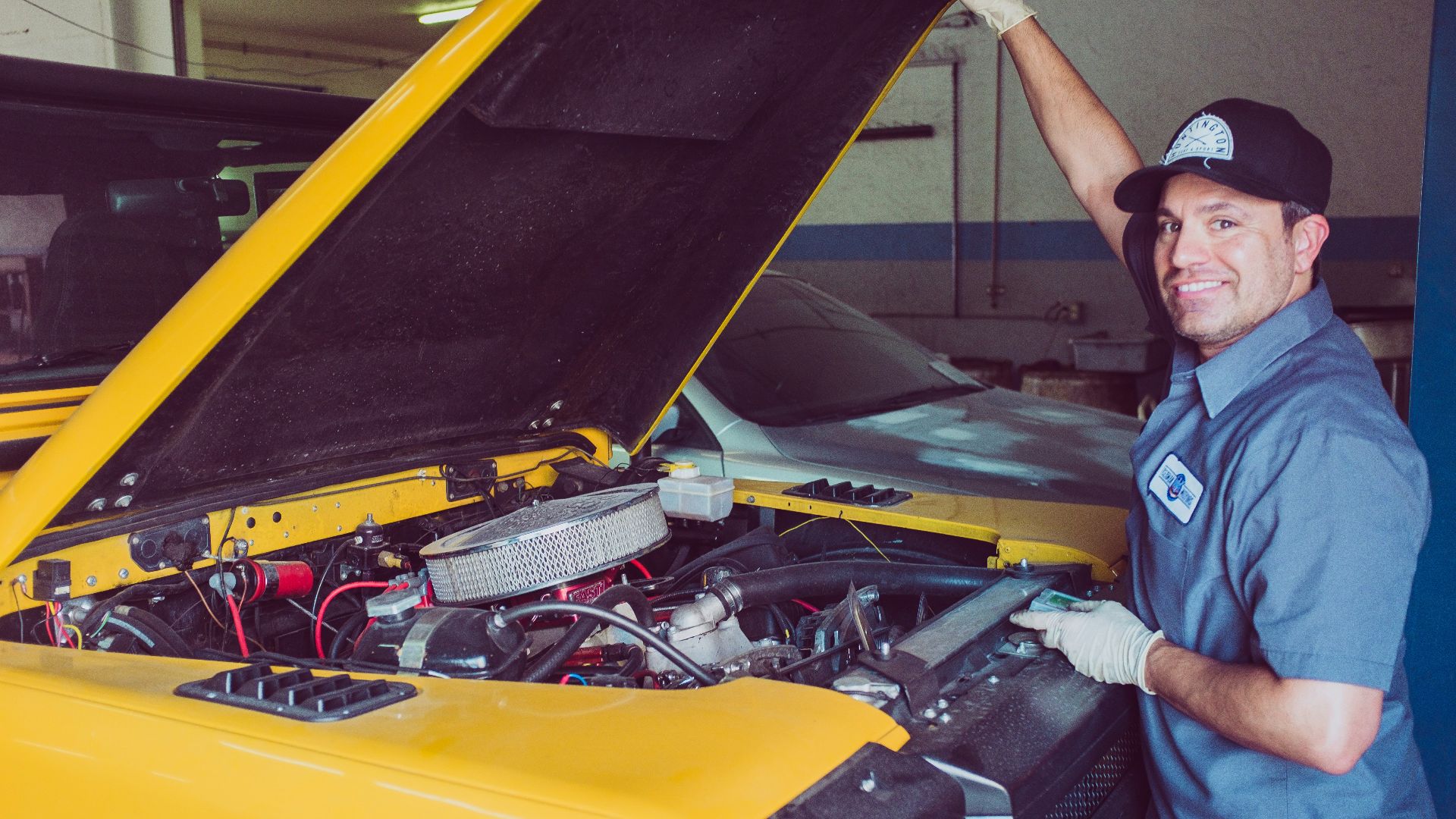
Brakes do wear out, and sometimes the car really shouldn’t leave the lot. But a common pressure move is a dramatic warning with no measurements, no photos, and no explanation of what’s actually worn. A legit shop can show pad thickness, rotor condition, brake fluid status, and whether anything is leaking.

3. The Air Filter Upsell Routine
Cabin and engine air filters are cheap, easy to replace, and easy to upsell. The scam is charging an inflated price for a two-minute swap or showing you a filthy filter that may not even be yours. If you ask to see the old filter in place before it comes out, the tone often changes fast.
 Jimmy Nilsson Masth on Unsplash
4. The Unnecessary Flush Frenzy
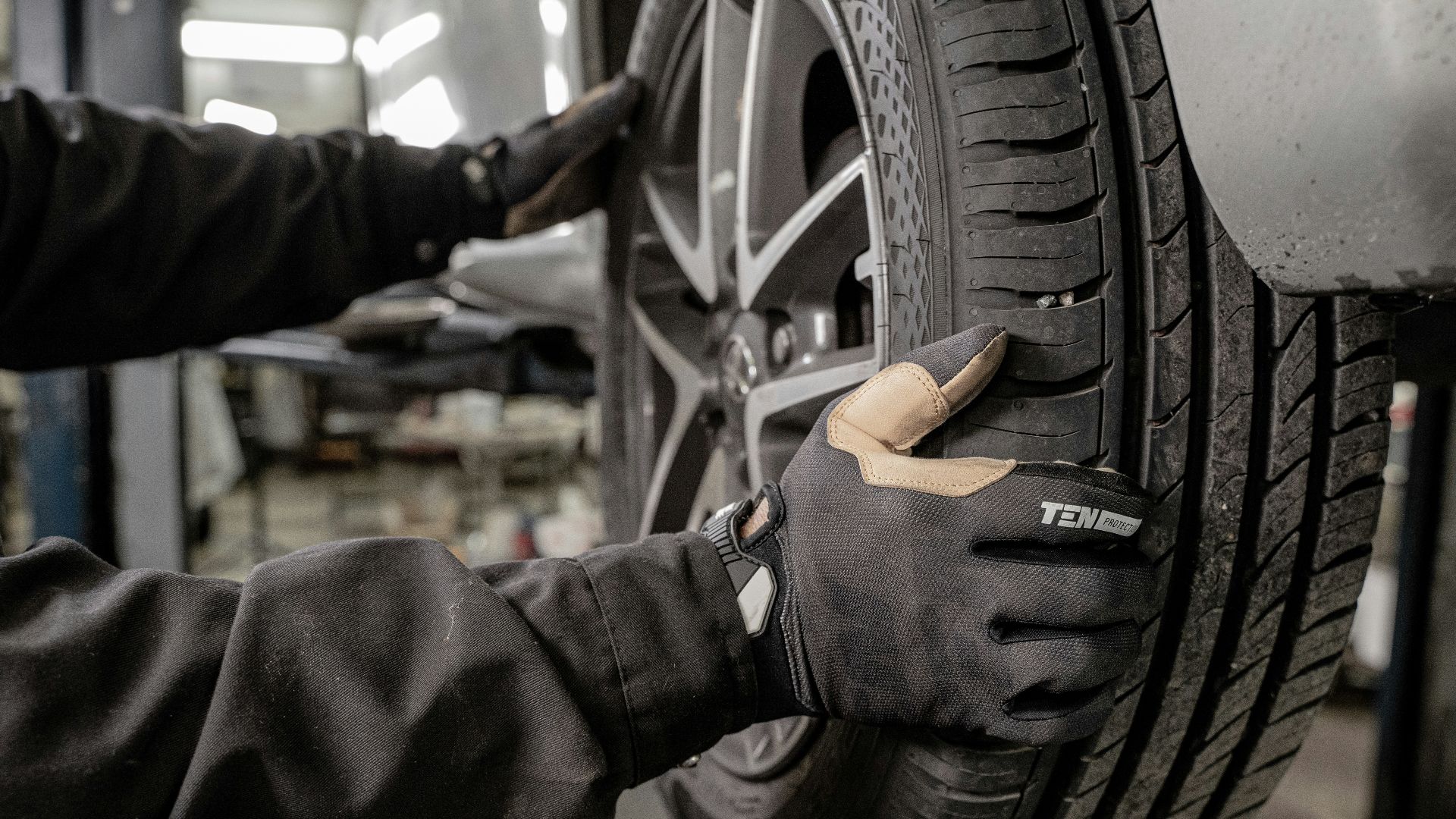
Some fluid services are important at the right intervals, especially brake fluid, coolant, and transmission fluid in certain cases. The scam is pushing flushes as urgent without checking the manufacturer schedule or your car’s actual condition. A shop should be able to explain what fluid, why now, and what problem it prevents.
5. The It Needs A New Transmission Claim
Sometimes transmissions fail, but they’re also a favorite scare tactic because the price tag is huge. The scam is jumping to replacement when the real issue could be a sensor, solenoid, fluid level, leak, or even an unrelated drivability problem. A reputable shop will confirm with codes, test drives, and specific symptoms, not just vibes.
6. The Misread Check Engine Light
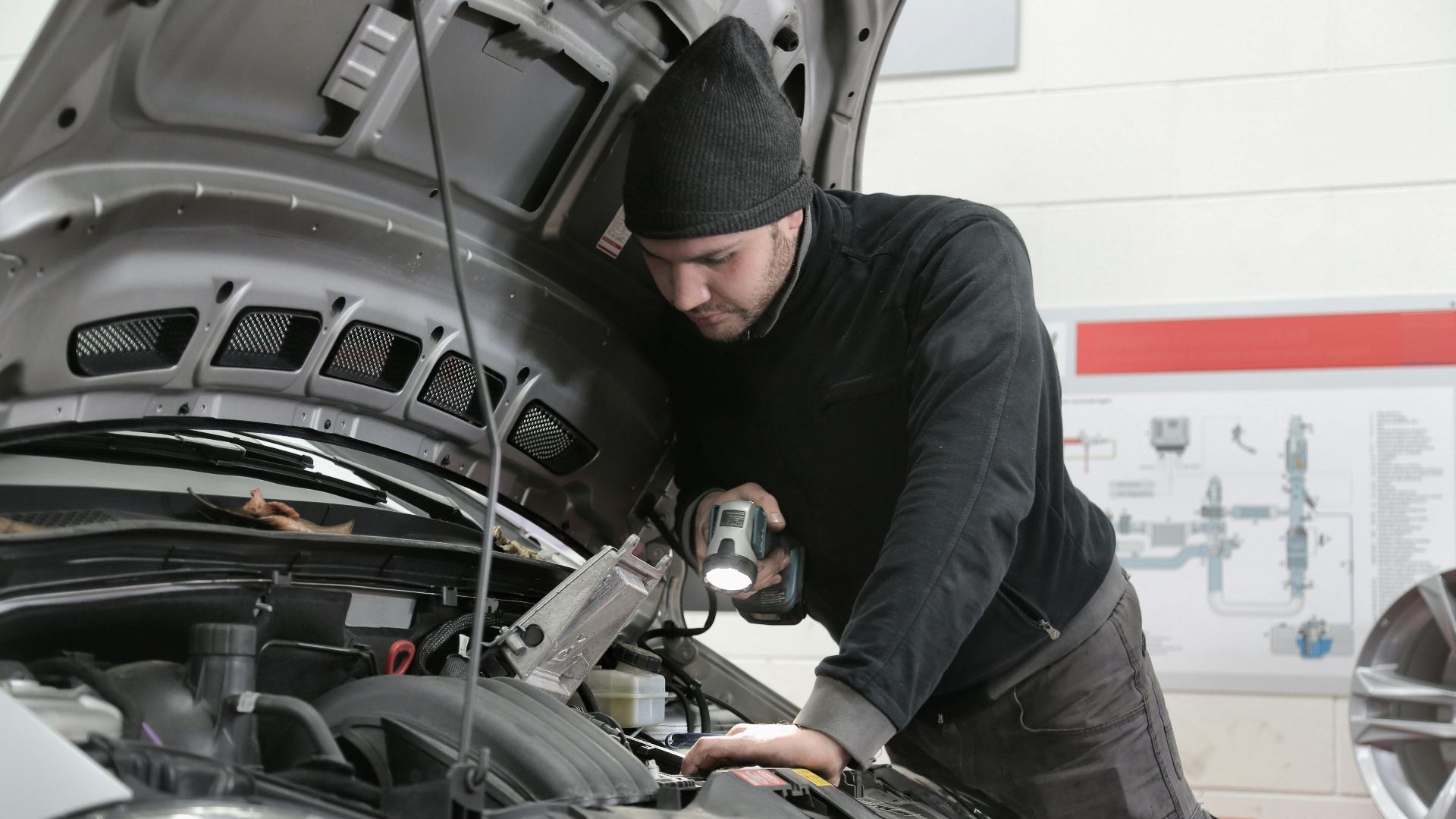
A check engine light can mean a loose gas cap or something serious, and the range is why people panic. The scam is reading a code and treating it as a guaranteed diagnosis rather than a starting point. Codes tell you where to look, not what to replace.
7. The Parts Swap Guessing Game
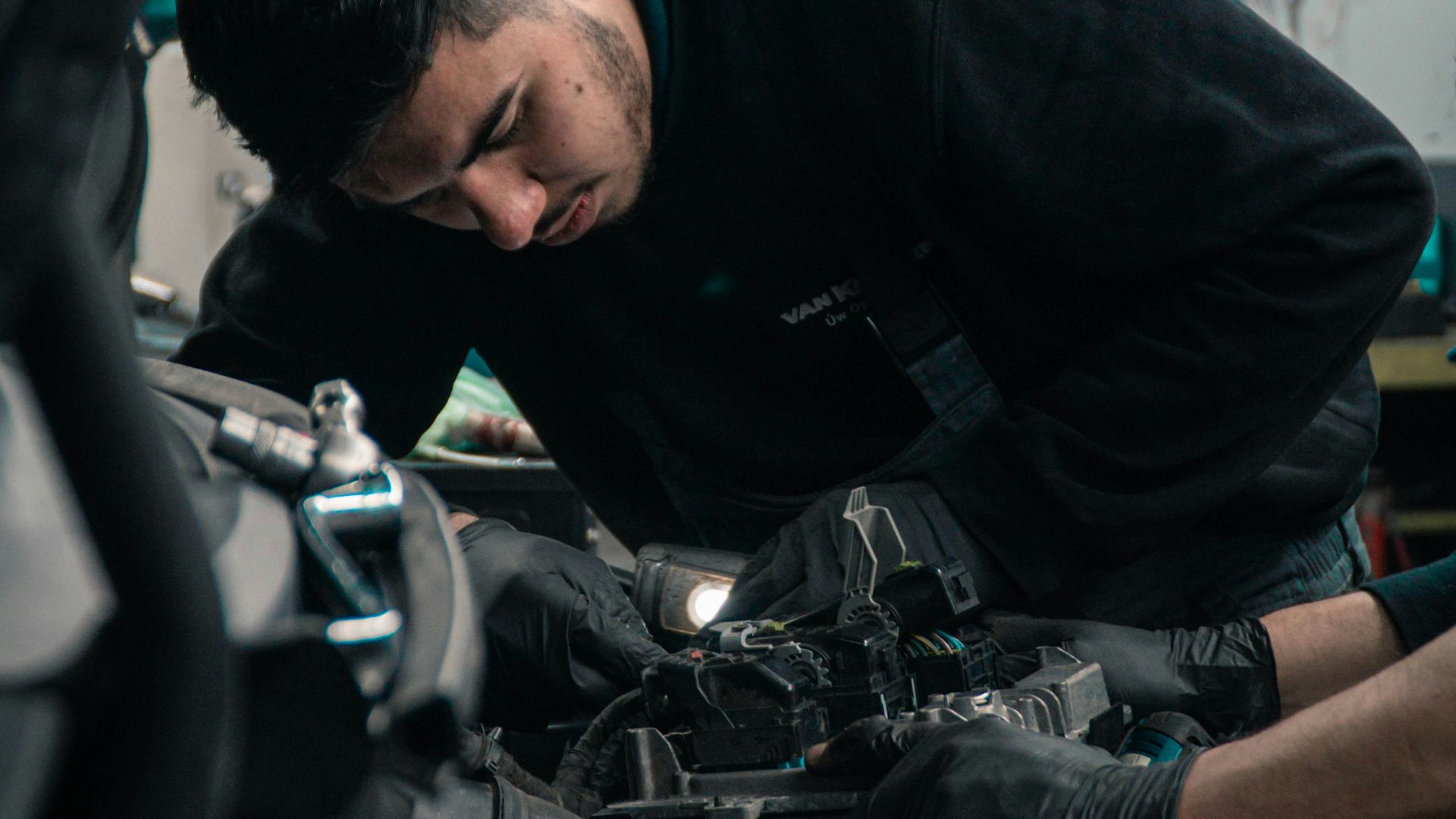
Real diagnostics take time, and not every issue is obvious. The scam version is replacing parts one by one until something works, while you pay for every wrong guess. You should hear a clear plan: what’s being tested, what’s being ruled out, and what evidence supports the fix.
8. The Fake Leak Or Exaggerated Leak
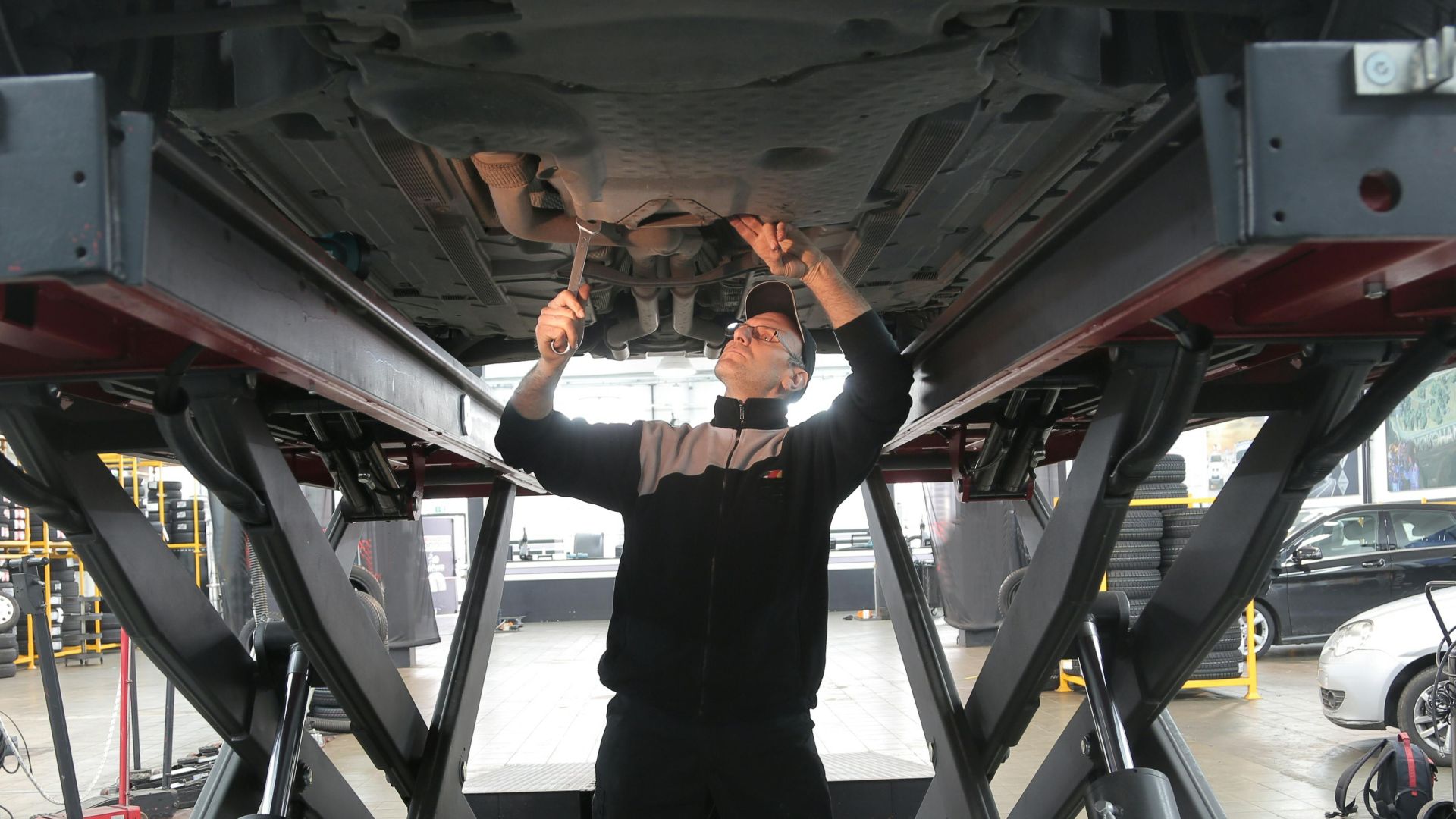
Cars do leak sometimes, and ignoring leaks can be expensive. The scam is pointing at old grime, normal condensation, or a tiny seep and calling it an emergency repair. A good shop can tell you what fluid it is, where it’s coming from, and how fast it’s actually leaking.

9. The Dirty Fluid Show-And-Tell
Fluid darkens over time, and some fluids look dirty even when they’re fine. The scam is using a scary-looking sample to push immediate service without referencing the correct interval or testing properly. For example, transmission fluid color alone doesn’t automatically mean the transmission is doomed.

10. The Premium Parts Price Switch
Sometimes premium parts make sense, especially for brakes, tires, and suspension components. The scam is quoting one brand or grade, then installing cheaper parts while billing you for the expensive option. Ask for the part numbers on the estimate and make sure they match the final invoice.
11. The Used Parts Sold As New
Used or rebuilt parts can be reasonable if you agree to it, especially for older cars. The scam is charging new-part pricing while installing used components or low-grade remanufactured parts without telling you. You should be able to see the packaging or get documentation of what was installed.

12. The Warranty That Disappears
A legitimate shop warranty should be clear about time, mileage, and what’s covered. The scam is vague promises in the moment and fine print later, or a warranty that only applies if you return for unrelated services. Get the warranty terms in writing on the invoice.
 Jimmy Nilsson Masth on Unsplash
13. The Tow-To-This-Shop Setup
Being stranded makes people easy to steer, literally. The scam is a tow operator or roadside helper pushing one specific shop aggressively, sometimes because they get a referral kickback. You can choose where the car goes, and it’s worth pausing to check reviews before agreeing.

14. The It Failed Inspection So You Need Everything
Some repairs are genuinely required to pass safety or emissions inspections, depending on where you live. The scam is bundling optional items into must-do repairs and using the word required to shut down questions. Ask which items are legally required, which are recommended, and why.

15. The Dealer Only Myth
Dealerships can be great for certain issues, especially warranty work and brand-specific problems. The scam is claiming only the dealer can service your car, or that using an independent shop automatically voids everything. In most cases, you can use qualified independent mechanics without losing warranty coverage, as long as maintenance is done properly and documented.

16. The Lifetime Alignment Offer
Alignments matter, especially after suspension work or if tires are wearing unevenly. The scam is selling a lifetime alignment package that sounds like a deal, but comes with restrictions, limited locations, or frequent upsells that erase the savings. If you’re offered one, read the terms like it’s a gym membership.
17. The Emergency Part Shortage Story
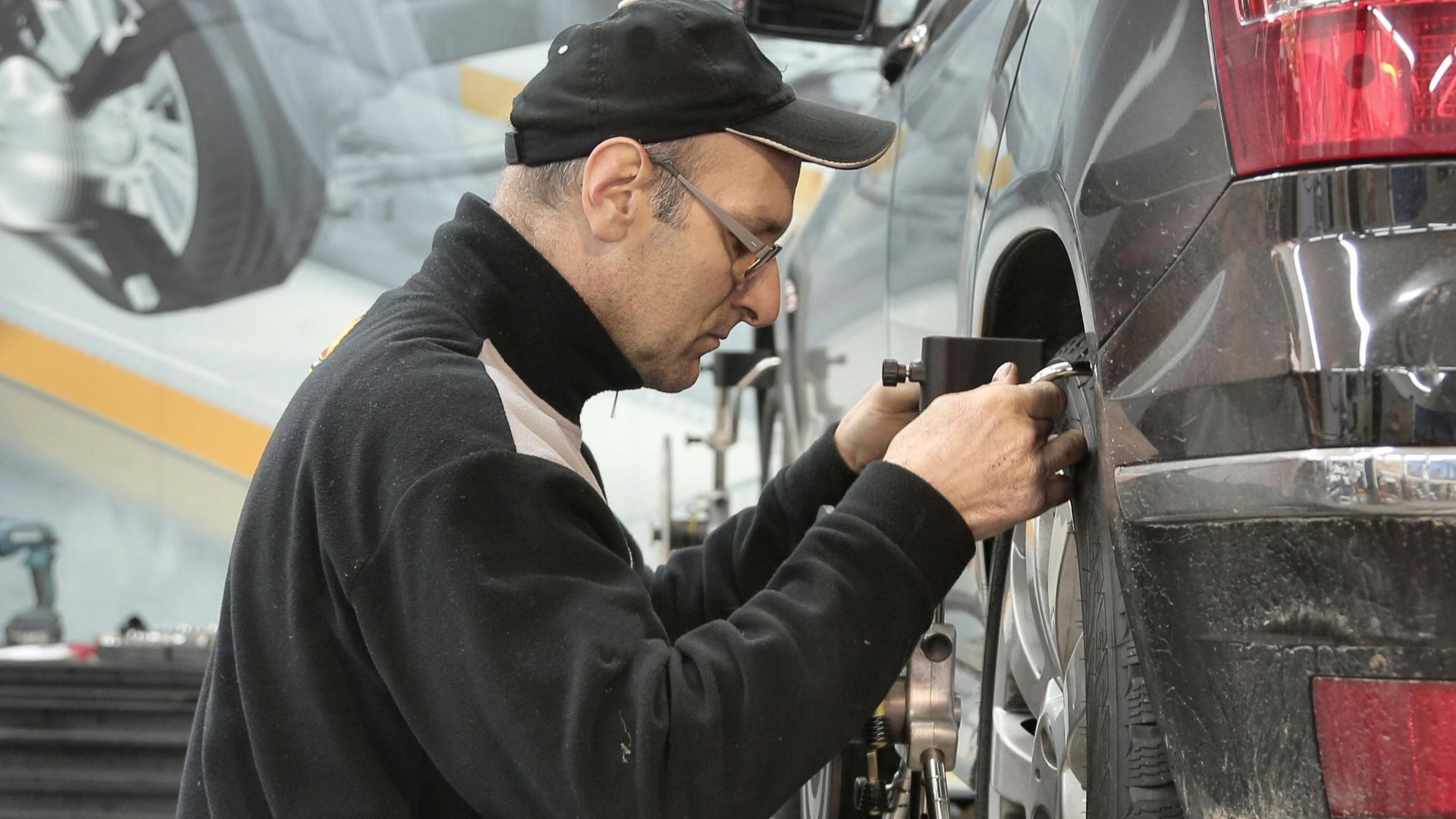
Supply issues happen sometimes, and certain parts really do get delayed. The scam is using a vague shortage story to justify inflated pricing or to pressure you into agreeing quickly. A legit shop can usually show part availability, options, and expected timelines without acting secretive.

18. The Bait-And-Switch Estimate
An estimate is not always final because hidden issues can show up once work begins. The scam is quoting low to get the car in the bay, then piling on charges without showing the old parts or explaining the new findings. You can insist on approval before any additional work is done.
19. The Shop Did Work You Did Not Authorize
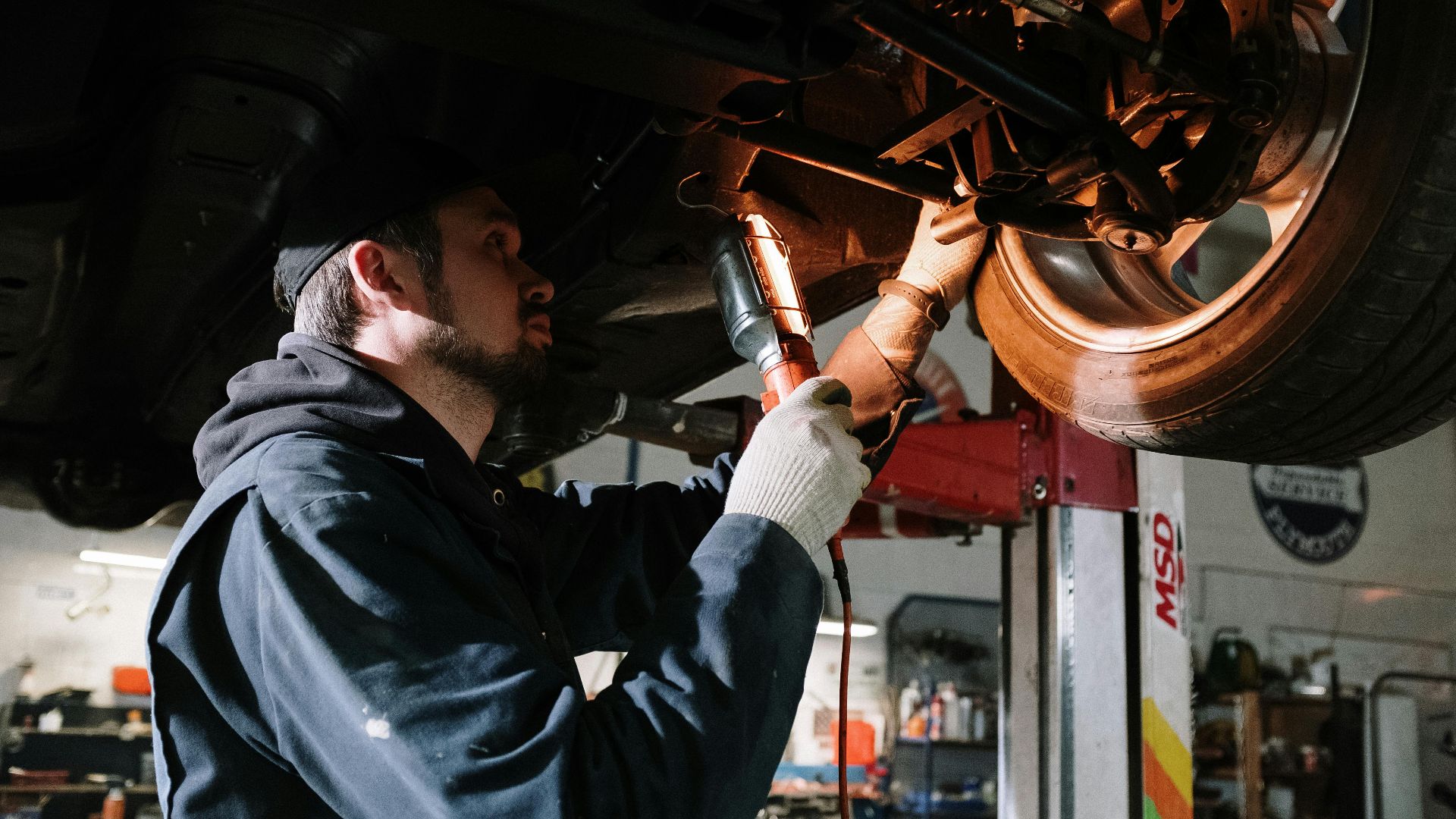
This one is straightforward: you agree to X, they do X plus Y and Z, then act like you owe it. Reputable shops get authorization, often in writing or recorded, before adding work. If it wasn’t authorized, you have grounds to dispute it.
20. The You Need It Today Pressure
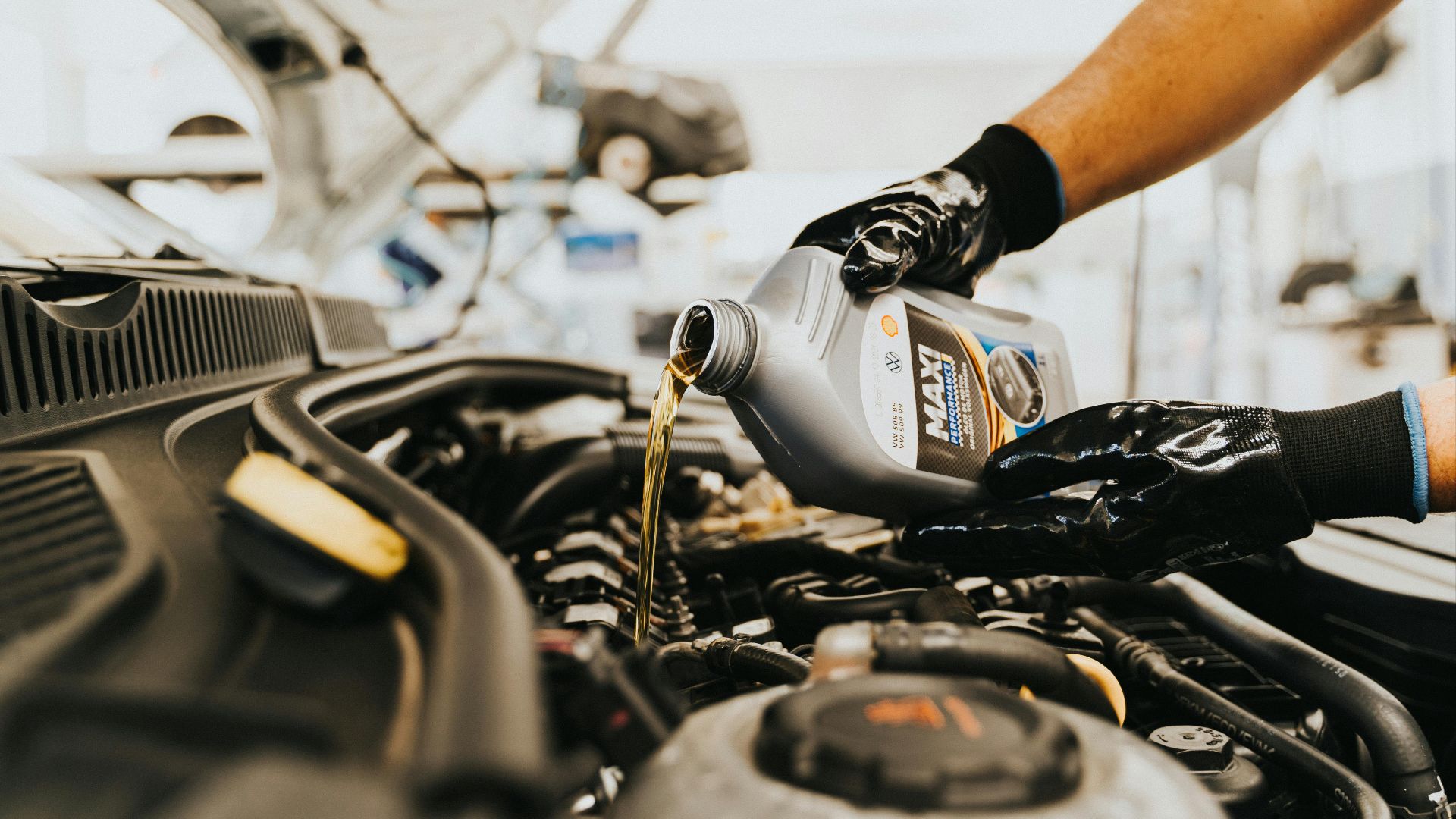
Some repairs truly are urgent, like certain brake failures or severe leaks. The scam is treating everything as urgent to prevent you from getting a second opinion or even calling a friend who knows cars. A good shop can tell you what’s unsafe now, what can wait, and what you should watch for if you drive it home.