

The Tells Are In The Details
Knowing cars, in the enthusiast sense, isn’t about reciting horsepower numbers or arguing about brands. It’s about understanding how systems work together, what changes actually do, and where the common shortcuts and myths fall apart under real use. The biggest giveaway is usually when someone sounds fluent but skips the details that matter, like tire compound, heat management, alignment geometry, fueling requirements, or how modern ECUs react to mods. Car people notice instantly when someone is pretending, because the language gets slippery and the cause-and-effect is off. Here are 20 things that prove someone doesn’t know cars.

1. They Think An Intake Alone Adds Big Power
They talk like a cone filter is worth 20 horsepower on any modern engine. On most stock cars, the factory intake is already engineered around noise, packaging, and airflow, and the ECU will adapt within limits. Gains usually come from a tune and a full system approach, not just a louder whoosh.
2. They Don’t Understand Heat Soak
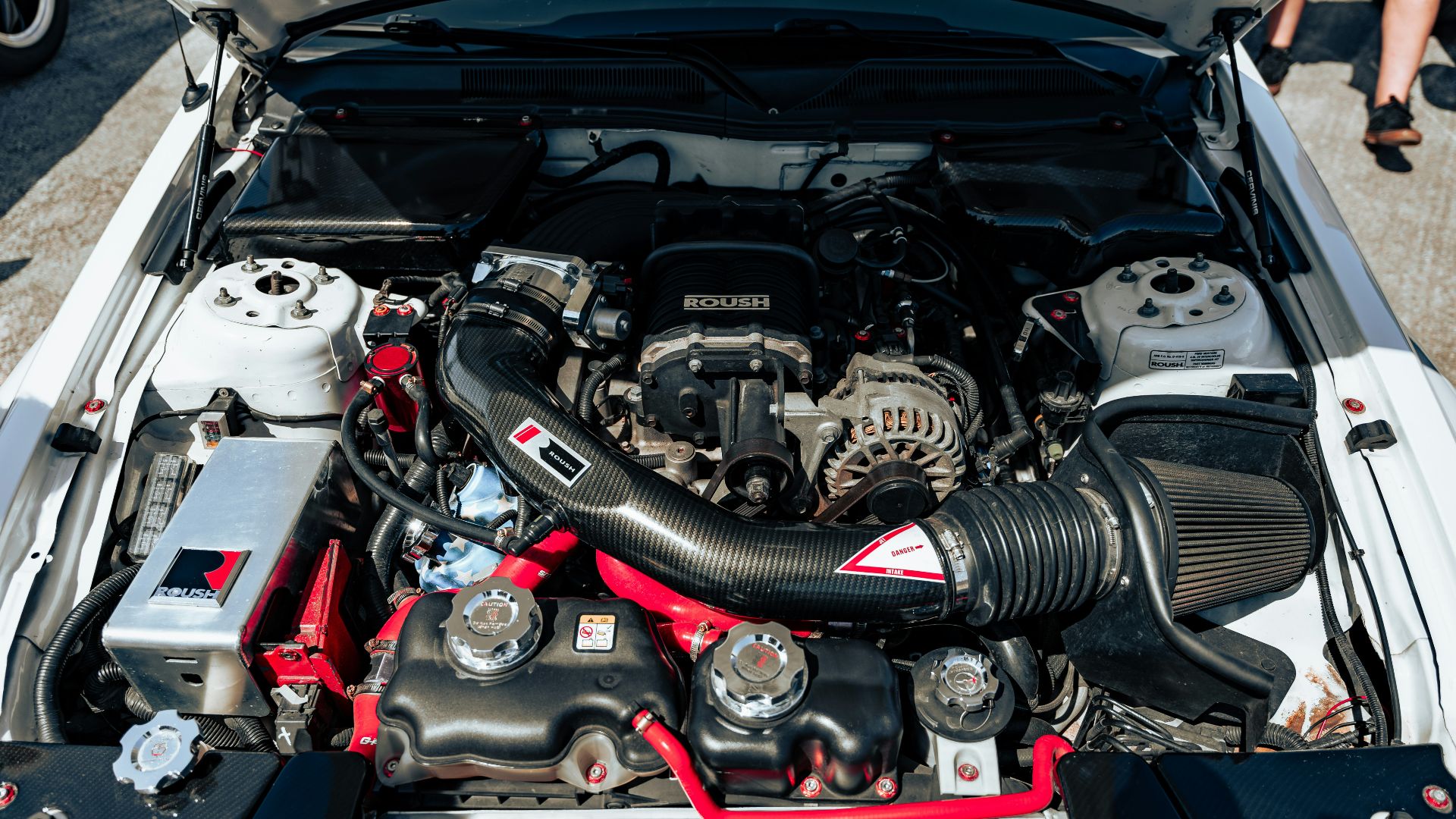
They do one pull, feel the car “fade,” and blame bad gas or a weak engine. Heat soak is real, especially on turbo cars and supercharged setups, and intake temps can climb fast with repeated runs. If someone never mentions IATs, intercooler efficiency, or cooldown time, they’re guessing.
3. They Confuse Octane With Energy Content
They say higher octane has “more power in it,” instead of knock resistance. The real question is whether the engine is knock-limited and can add timing or boost when octane rises. If they can’t talk about timing advance, knock sensors, and how a tune changes the map, it’s all vibes.
 Sevak Khachatoorian on Unsplash
4. They Ignore Fueling Limits On Turbo Builds
They’ll recommend “just turn up the boost” without mentioning injector duty cycle, fuel pump capacity, HPFP limits on direct-injection cars, or ethanol content. Power targets are often fuel-system targets first. If nobody is talking about logs, AFR, and rail pressure, the plan isn’t a plan.

5. They Treat Backpressure Like A Universal Enemy
They repeat “no backpressure” like it’s always good, even on NA motors where exhaust velocity, scavenging, and header design matter. Modern exhaust discussions are about flow where it matters, not deleting restriction blindly. If they can’t separate turbo downpipe needs from NA header tuning, it shows.

6. They Don’t Know What A Real Brake Upgrade Is
They think “big brakes” means bigger rotors and flashy calipers, full stop. Brake performance is often pads, fluid boiling point, cooling, and tire grip before it’s caliper size. If they never mention pad compound, fade, pedal feel, or ducting, they’re shopping for looks.
 Patrik Storm (Alstra Pictures) on Unsplash
7. They Use Wheel Diameter Like A Performance Metric
They talk about bigger wheels like they automatically handle better. Unsprung weight, rotational inertia, tire sidewall behavior, and overall diameter matter more than rim size alone. Anyone serious will at least talk about weight, offset, and tire selection as the real performance lever.

8. They Can’t Explain Offset, Scrub Radius, Or Why Spacers Matter
They’ll say “flush fitment” without knowing what changing offset does to steering feel, bearing load, and fender clearance. Scrub radius changes can make a car tramline or feel twitchy, especially with wide tires. If it’s all stance talk and no geometry talk, it’s a tell.

9. They Call Coilovers An Automatic Upgrade
They assume coilovers equal better handling, even if they’re cheap, overdamped, or set at the wrong ride height. Spring rates, damping curves, bump travel, and alignment range are the real story. If they can’t explain why the car rides worse and grips less, they’re just bolting on parts.

10. They Don’t Understand Alignment Beyond “More Camber”
They throw around camber numbers without talking about toe, caster, tire temps, or the difference between street and track goals. A car that feels sharp can still chew tires if toe is wrong. If they can’t describe what toe does to stability and turn-in, they’re not there yet.

11. They Ignore Tires As The Primary Mod
They’ll spend on intake, exhaust, and cosmetics while running old all-seasons, then complain the car “doesn’t hook.” Tire compound, temperature window, and construction dominate real-world performance. If tires are an afterthought, the whole build is backwards.

12. They Think AWD Is A Grip Cheat Code
They brag about AWD launches but never mention tires, weight transfer, or how AWD can understeer if you enter too hot. AWD helps you put power down, but it doesn’t rewrite physics in braking zones or corners. Car people can hear the difference immediately in how someone talks about winter driving or track driving.
 Evgeni Adutskevich on Unsplash
13. They Don’t Know What “Stock” Means Anymore
They call a car stock when it has a downpipe, tune, or flex-fuel kit because the engine is unopened. In enthusiast circles, stock can mean factory calibration and hardware, or it can mean long block, but you have to specify. If they’re slippery about mods, they’re probably hiding something.

14. They Can’t Read Logs
They’ll claim the car is “running perfect” but have never looked at fuel trims, knock retard, IAT, boost actual vs. target, or misfire counts. Modern cars tell you what’s happening if you bother to check. Not being able to interpret basic logs is like cooking without tasting.

15. They Talk About Tunes Like They’re All The Same
They treat tuning as a single step rather than calibration built around fuel, climate, drivetrain, and reliability targets. A safe daily tune and a max-effort dyno tune are different animals. If they can’t talk about margins, knock strategy, and why conservative timing exists, they’re just chasing numbers.

16. They Don’t Understand Direct Injection Downsides
They’ll insist DI is “better in every way” without mentioning intake valve carbon buildup, PCV/oil vapor issues, and why catch cans exist in some setups. DI is great for knock resistance and efficiency, but it comes with trade-offs. Enthusiasts know the maintenance quirks of the platform.

17. They Think A Blow-Off Valve Is A Performance Part
They install a loud BOV and talk like it added power. On many setups, it’s mostly sound, and on MAF-based systems it can even cause drivability issues if it vents improperly. If the conversation is all noises and no compressor surge or tuning considerations, it’s a tell.
18. They Don’t Know The Difference Between LSD Types
They’ll say it has an LSD without knowing whether it’s clutch-type, helical, viscous, or electronically controlled. The driving feel and behavior under throttle are completely different. If they can’t explain why one helps on corner exit and another feels subtle, they’re bluffing.

19. They Confuse Weight Reduction With Stripping Stuff
They pull the back seats and call it a lightweight build, then ignore wheels, brakes, and driver skill. Real weight reduction is prioritized, measured, and balanced against comfort and safety. If there’s no talk of corner weights, distribution, or actual pounds saved, it’s mostly theater.

20. They Think A Dyno Number Is The Whole Story
They treat peak horsepower like the only metric that matters. Enthusiasts care about the power curve, heat management, repeatability, traction, and how the car behaves after ten hard minutes, not one glory pull. If they never mention torque delivery, gearing, or lap-time consistency, they don’t really get it.