What To Stop Worrying About
Car maintenance advice gets repeated a lot, and not all of it still applies. Some of it made sense years ago, when engines, oils, and service schedules were different. Other myths stick because they sound reasonable, because someone in a shop said them once, or because people remember one bad story and treat it like a rule. The result is wasted money, unnecessary worry, and missed basics that actually keep a car reliable. Here are 20 maintenance myths people still believe.

1. Oil Must Be Changed Every 3,000 Miles
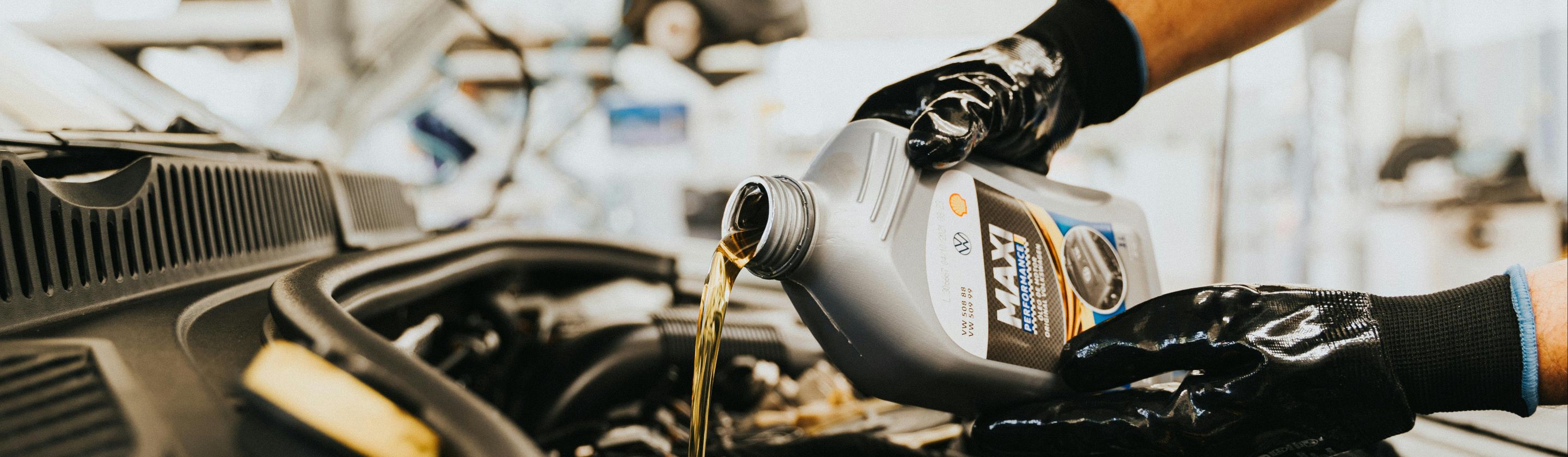
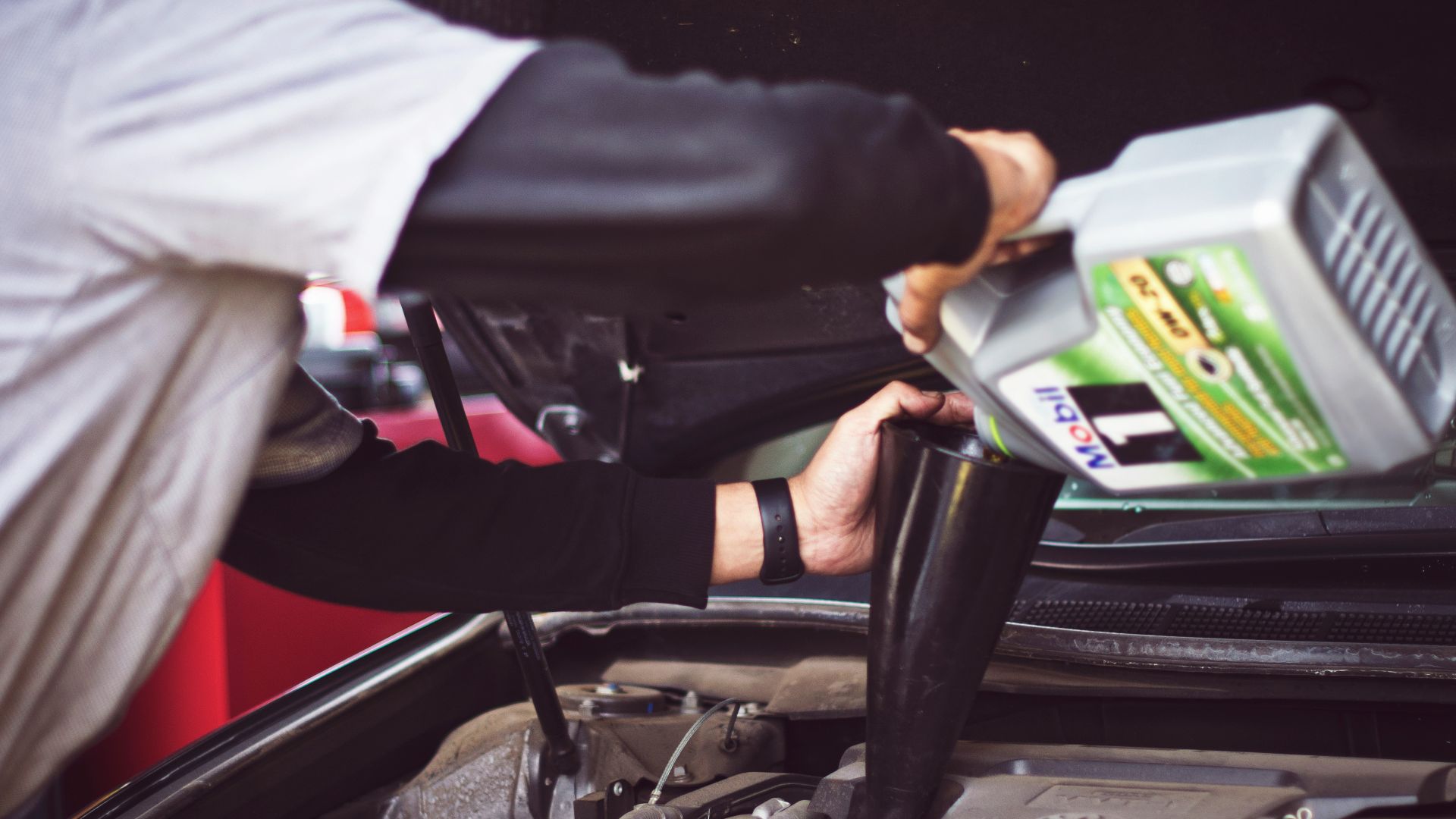
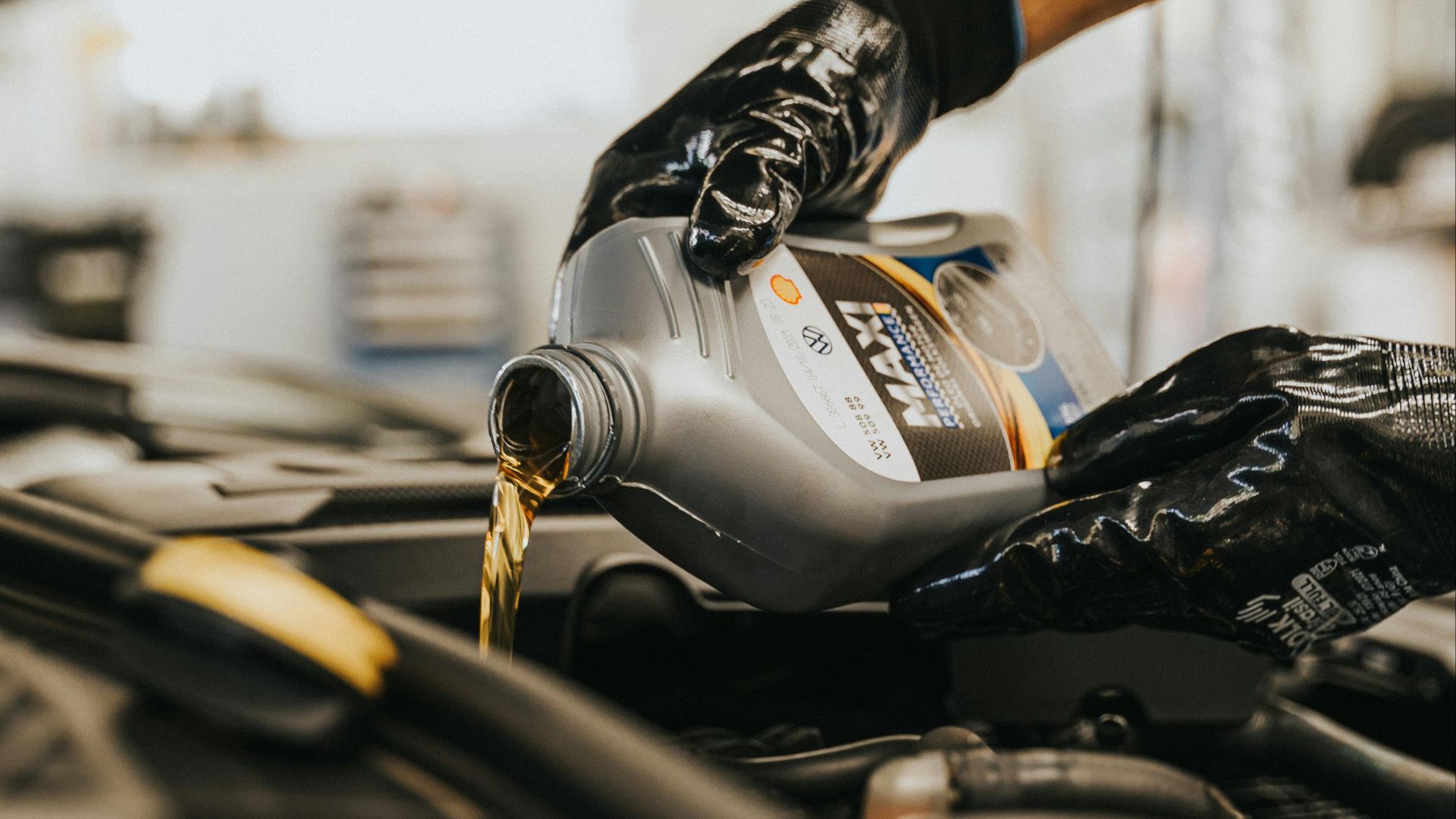
Many modern engines and modern oils can go longer than 3,000 miles, and many manufacturers recommend intervals like 5,000, 7,500, or more depending on driving conditions. The right answer is the interval in the owner’s manual, not a number that’s been floating around since conventional oil and older engines were the norm.
2. Premium Gas Makes Any Car Run Better
If the engine is designed for regular fuel, premium usually does not add power, improve mileage, or “clean” anything in a meaningful way. Premium is mainly about octane rating, which matters for engines that require it to prevent knock, not as a general upgrade.

3. Warming Up The Car For Several Minutes Is Necessary
With modern fuel injection, most cars do not need a long idle warm-up. In normal conditions, gentle driving for the first few minutes warms the engine and fluids faster than letting it sit and idle.
4. You Should Change Oil More Often If You Only Drive Short Trips
Short trips can be harder on oil because the engine may not reach full operating temperature long enough to burn off moisture and contaminants. The myth is that the fix is always dramatically shorter intervals, when the real fix is following the severe-service schedule if your driving matches it.
5. A Bigger Battery Always Solves Starting Problems
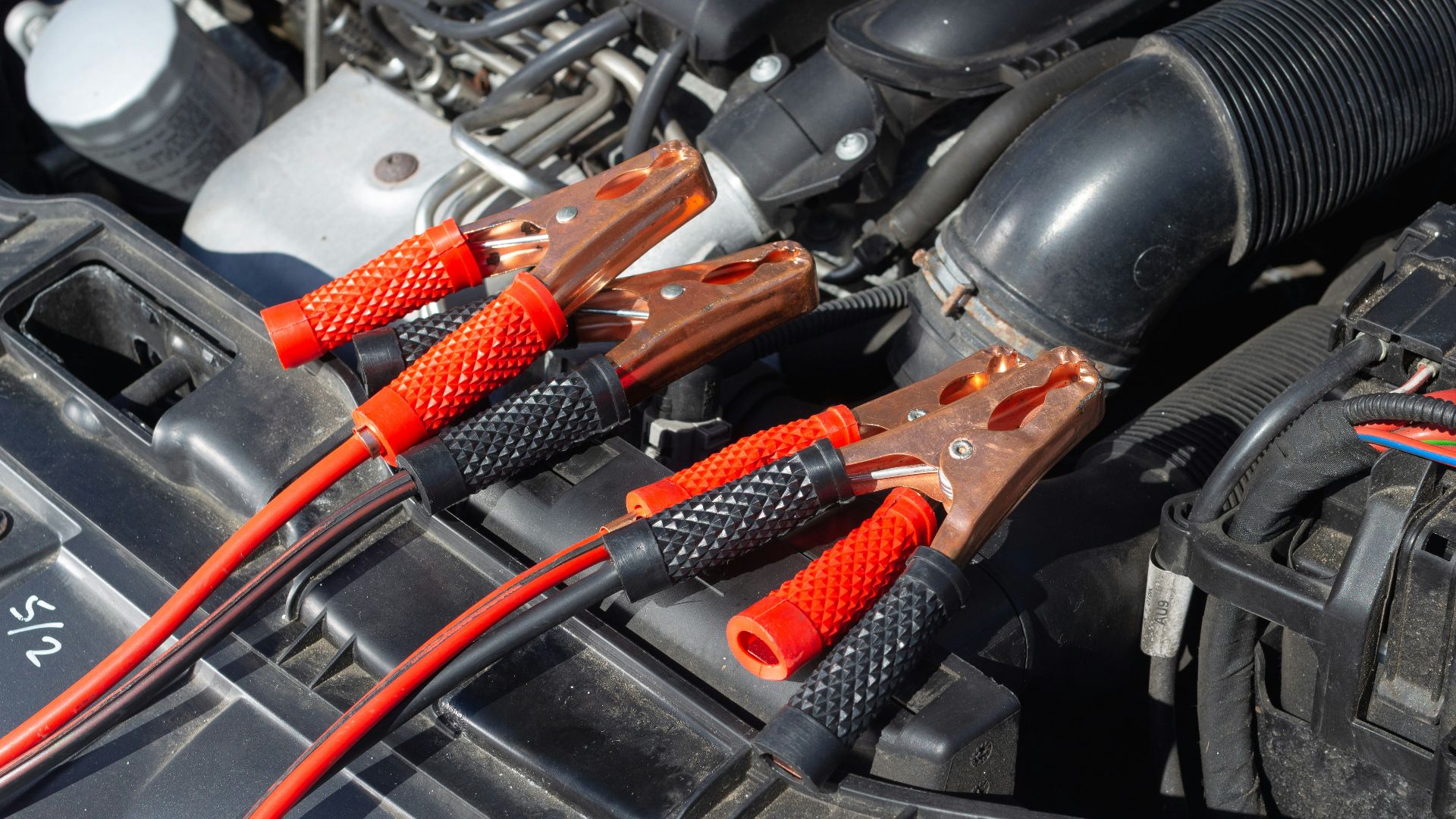
A weak start can come from corrosion, a failing alternator, a parasitic draw, or a starter on its way out. A bigger battery can mask an underlying problem for a while, but it doesn’t diagnose or repair the system causing the issue.
 Daniel @ bestjumpstarterreview.com on Unsplash
6. Manual Transmissions Never Need Fluid Changes
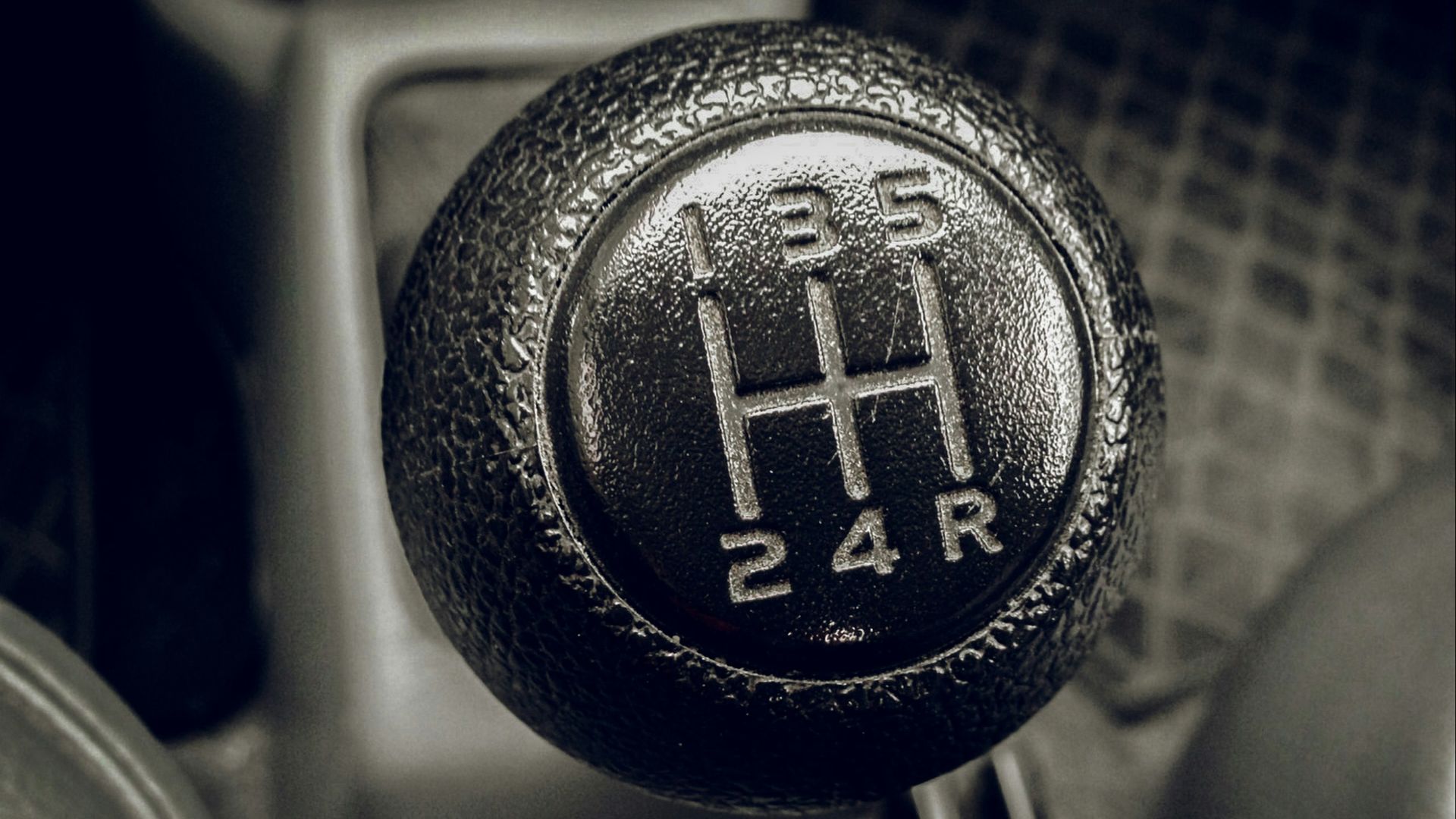
Manual gearboxes still use fluid that ages and collects wear material over time. Some manufacturers label it lifetime, but lifetime often means warranty life, not forever, and changing it can help shifting feel and longevity.
7. Automatic Transmission Fluid Should Never Be Changed
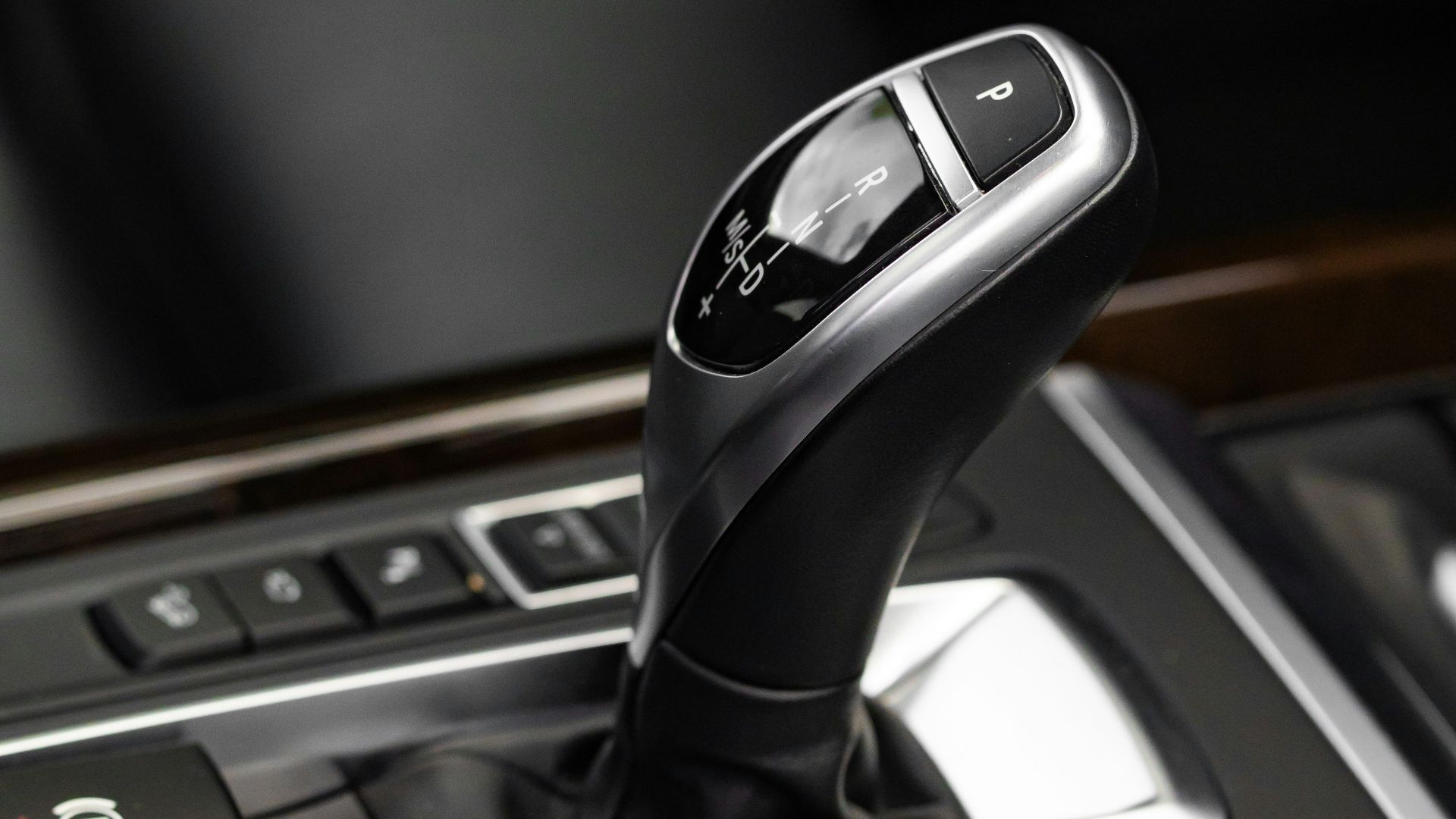
Old advice warned that changing fluid could cause slipping, but the real issue is usually a neglected transmission with worn clutches and contaminated fluid. Routine service at the recommended interval is not the same thing as trying to rescue a failing unit with brand-new fluid.
8. You Only Need To Rotate Tires When You Get New Ones
Tire rotation is about wearing evenly across positions, and uneven wear shortens tire life and can add noise and vibration. Rotating on a schedule helps tires last longer and can catch alignment issues early.
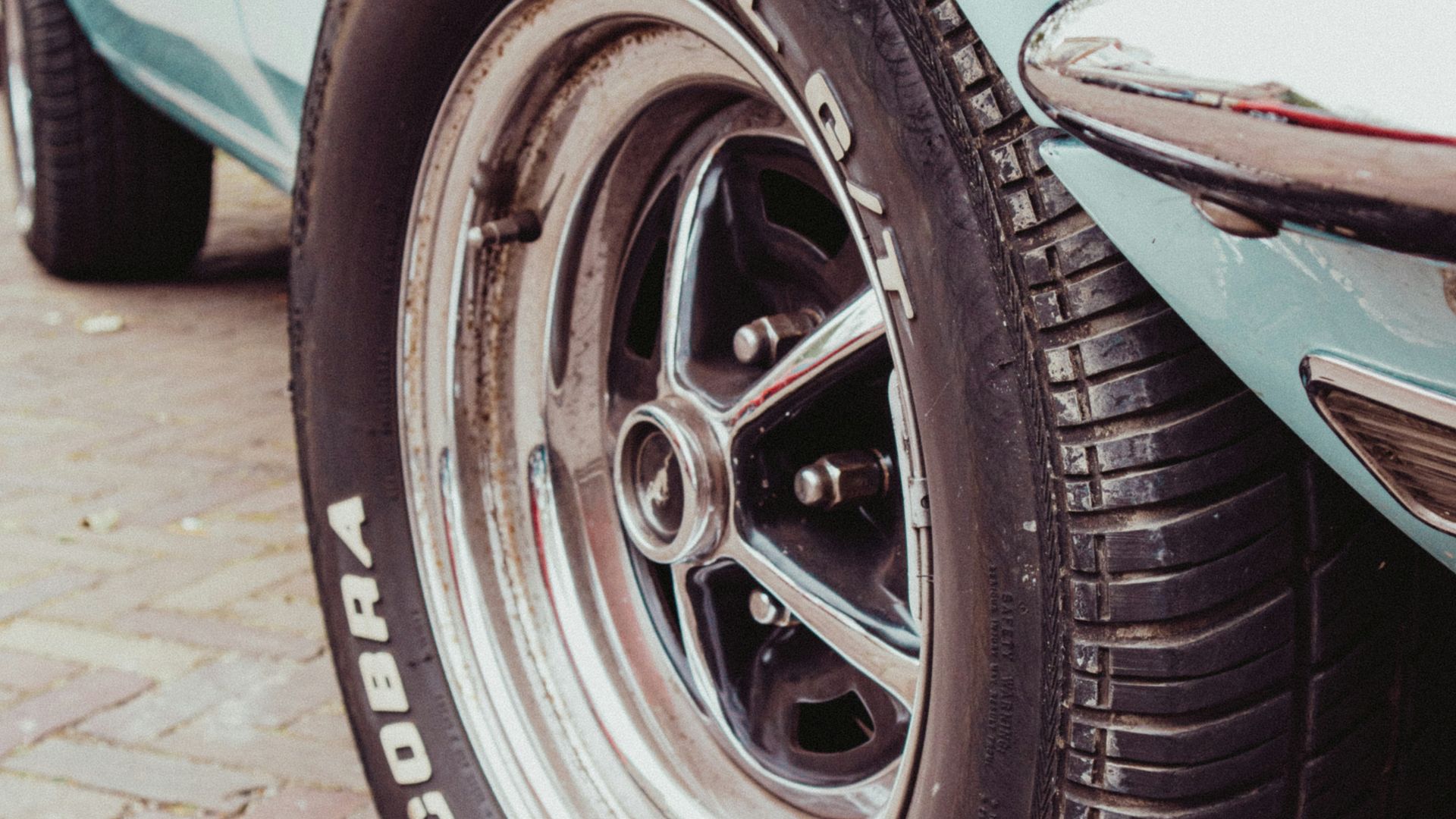
9. If The Tread Looks Fine, The Tires Are Fine
Tires can be too old, internally damaged, or dry-rotted even if the tread depth looks acceptable. Age, heat, and exposure matter, and sidewall cracking or bulges are red flags regardless of tread.
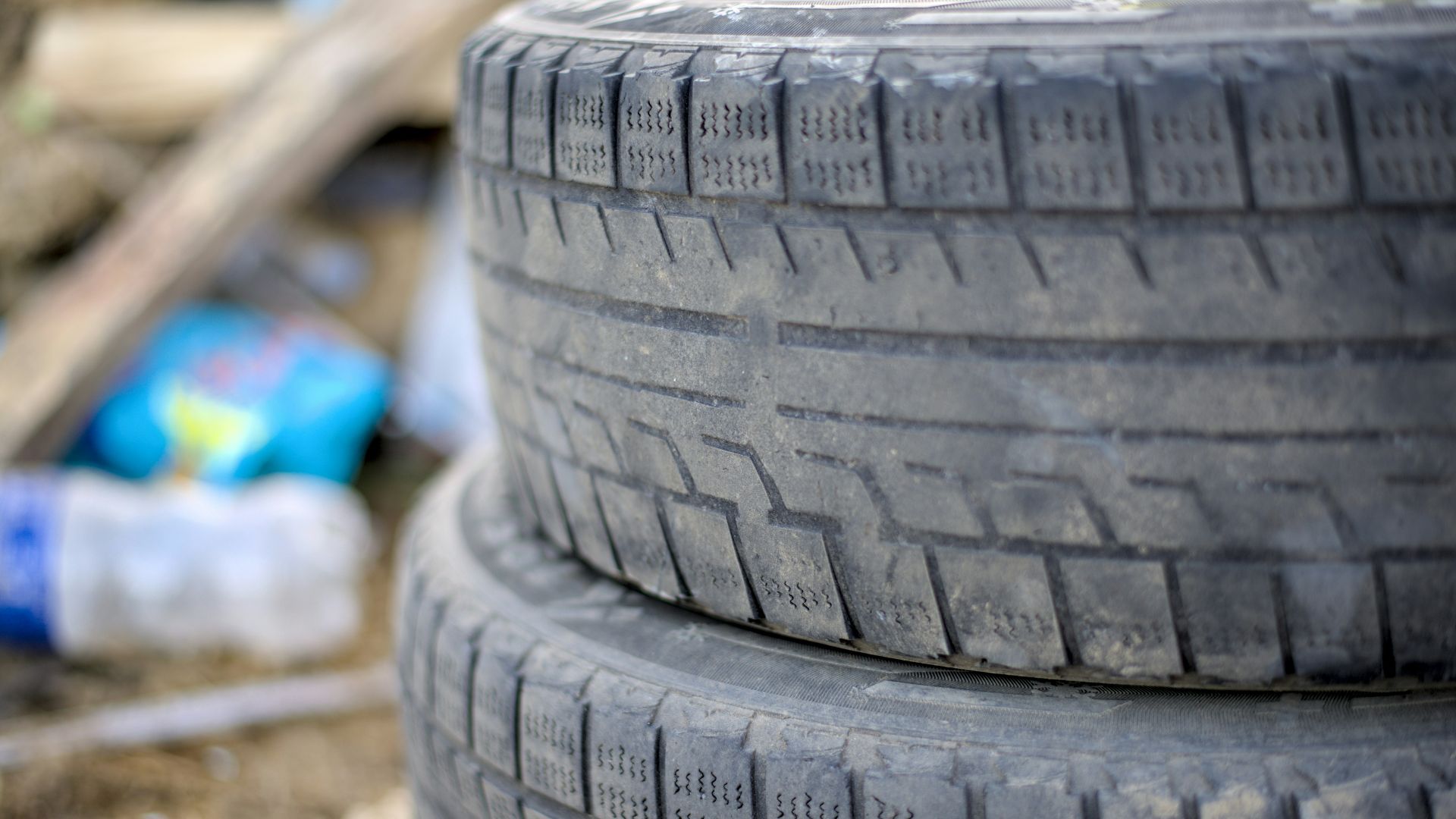
10. Tire Pressure Only Matters In Winter
Pressure changes with temperature, but it matters year-round for handling, braking, tire wear, and fuel economy. Underinflation is common in every season, and it can quietly shorten tire life.
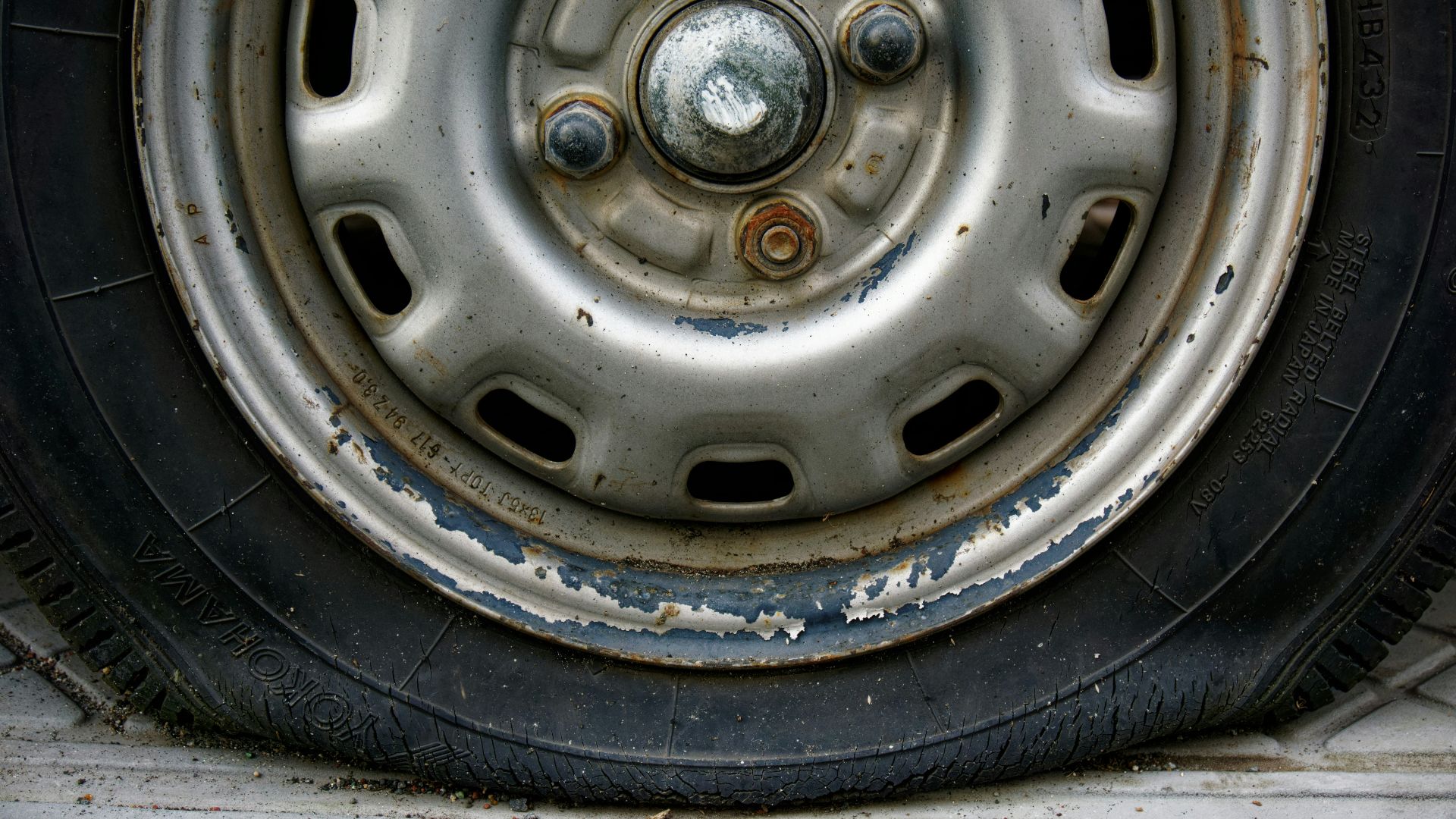
11. Brake Pads Always Squeal When They’re Worn Out
Some pads have wear indicators that squeal, but not all do, and noise can also come from dust, glazing, or hardware issues. Waiting for squealing can mean waiting too long, especially if wear is uneven or a caliper is sticking.

12. You Can Judge Oil Quality By Color Alone
Oil darkens quickly in many engines, especially those with direct injection or turbocharging, and dark oil is not automatically bad oil. The best guide is mileage, time, driving conditions, and the manufacturer’s spec for oil type and interval.

13. A Check Engine Light Means Stop Immediately
Sometimes it’s urgent, sometimes it’s not, and the behavior of the light matters. A steady light often means you should get it checked soon, while a flashing light can indicate a misfire that can damage the catalytic converter, which is when stopping and addressing it quickly makes sense.
 commons.wikimedia.org on Google
14. You Must Replace Spark Plugs Every 30,000 Miles
Many modern plugs are designed to last 60,000 to 100,000 miles, depending on type and engine design. Replacing them early is not automatically harmful, but it’s often unnecessary if the engine is running well and the interval is longer.
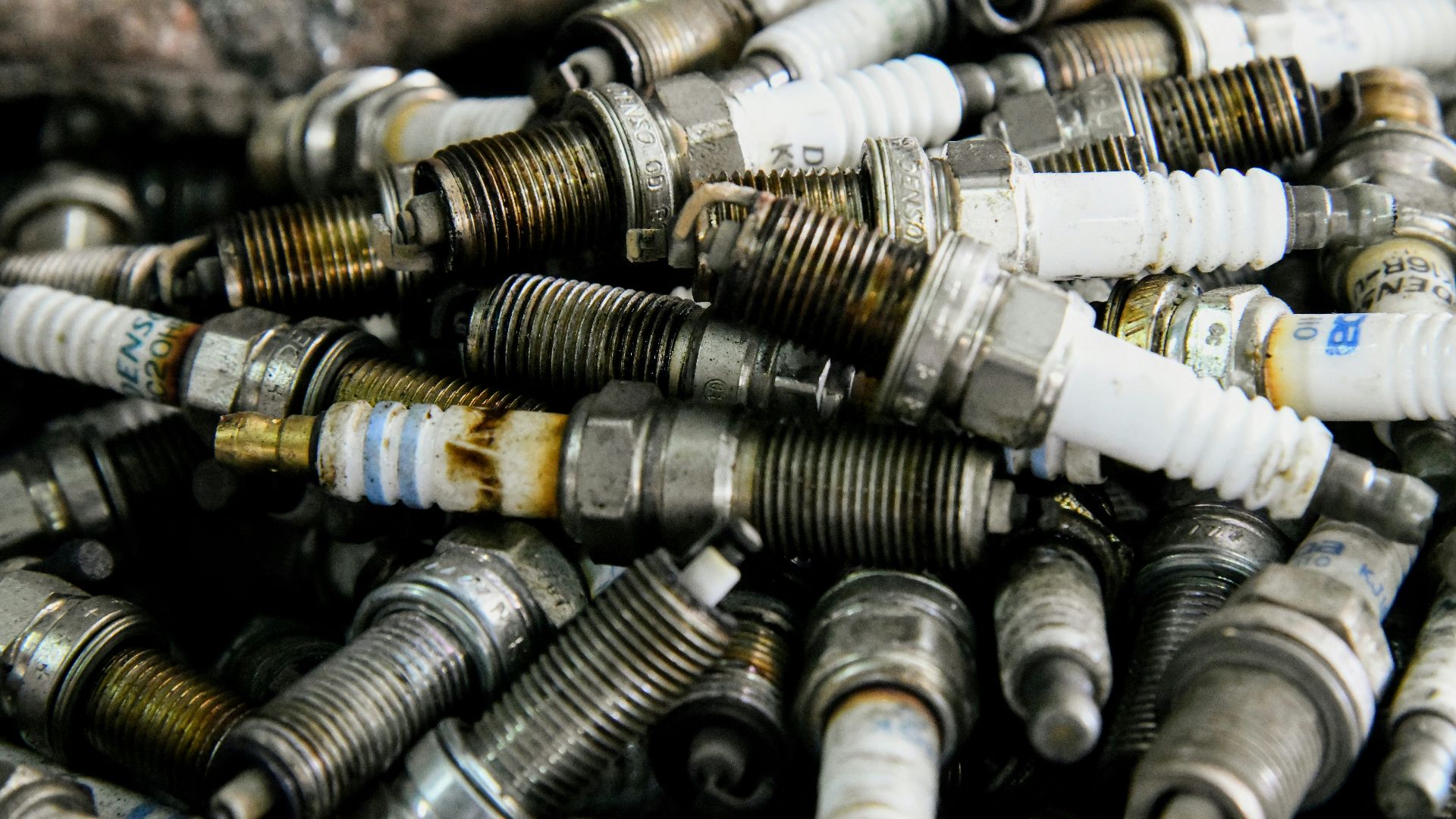
15. Fuel Additives Regularly Clean The Engine Better Than Service
Some additives can help in specific situations, but they’re not a substitute for correct oil, good fuel, and basic upkeep. If a car has a drivability issue, pouring in a bottle rarely beats diagnosis.

16. You Should Always Replace The Air Filter At Every Oil Change
Some filters do need frequent changes in dusty conditions, but many last longer than a single oil interval. Checking the filter and replacing it when it’s actually dirty is often more sensible than swapping it automatically.
17. If The Car Is New, It Doesn’t Need Maintenance Yet
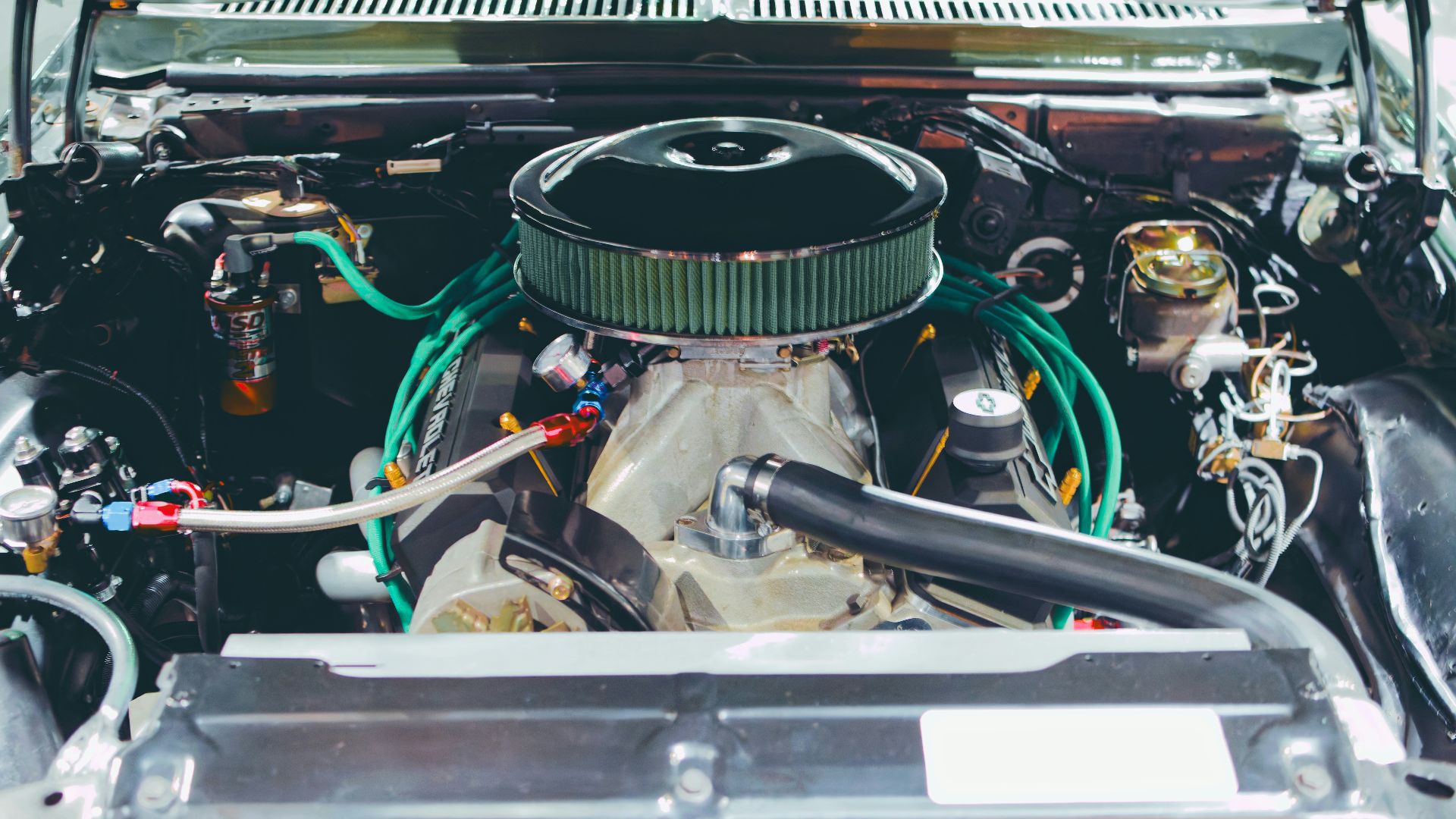
New cars still need oil changes, tire rotations, brake inspections, and fluid checks, even if they feel perfect. Skipping early maintenance can set up a pattern of neglect that gets expensive once warranties end.
18. Idling Is Easier On The Engine Than Driving
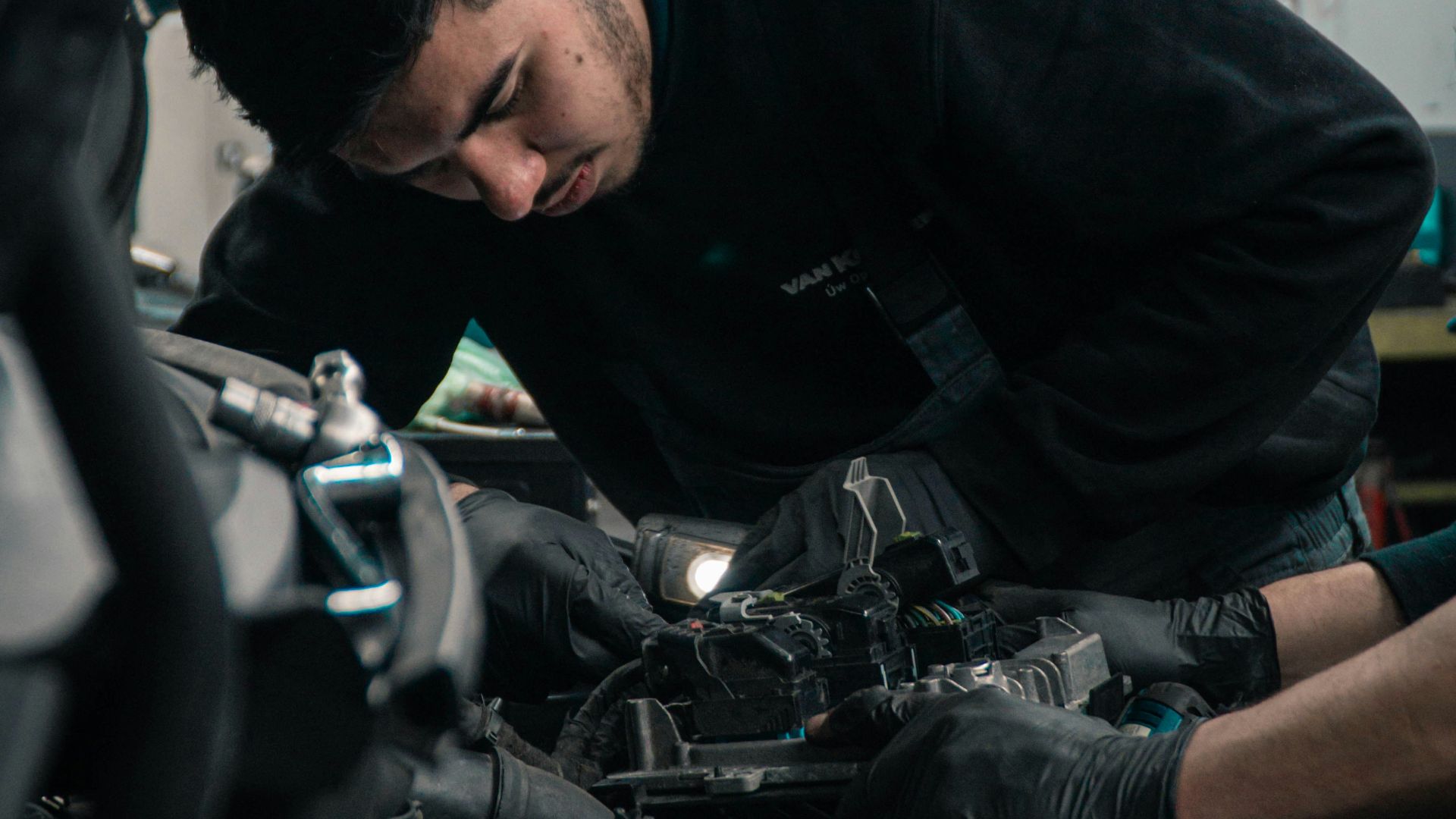
Idling still creates heat, wear, and fuel dilution without the benefit of airflow and normal operating conditions. Long idling can also contribute to carbon buildup in some engines, especially if it’s a daily habit.

19. Synthetic Oil Causes Leaks
Synthetic oil does not create leaks out of nowhere. It can reveal existing leaks because it flows well and cleans deposits that may have been masking a worn seal, but the underlying problem is the seal, not the oil.
20. All Coolant Is Basically The Same
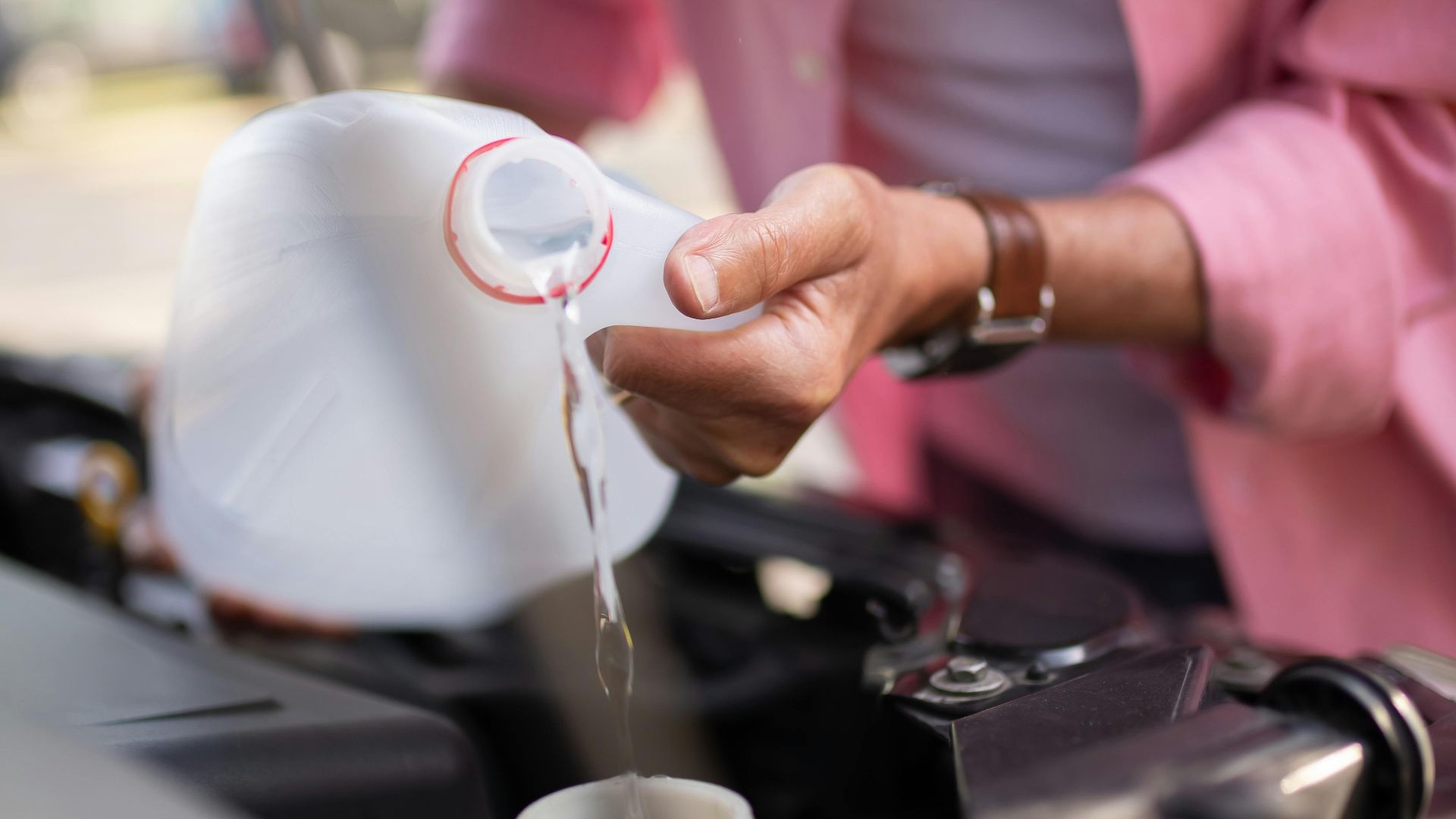
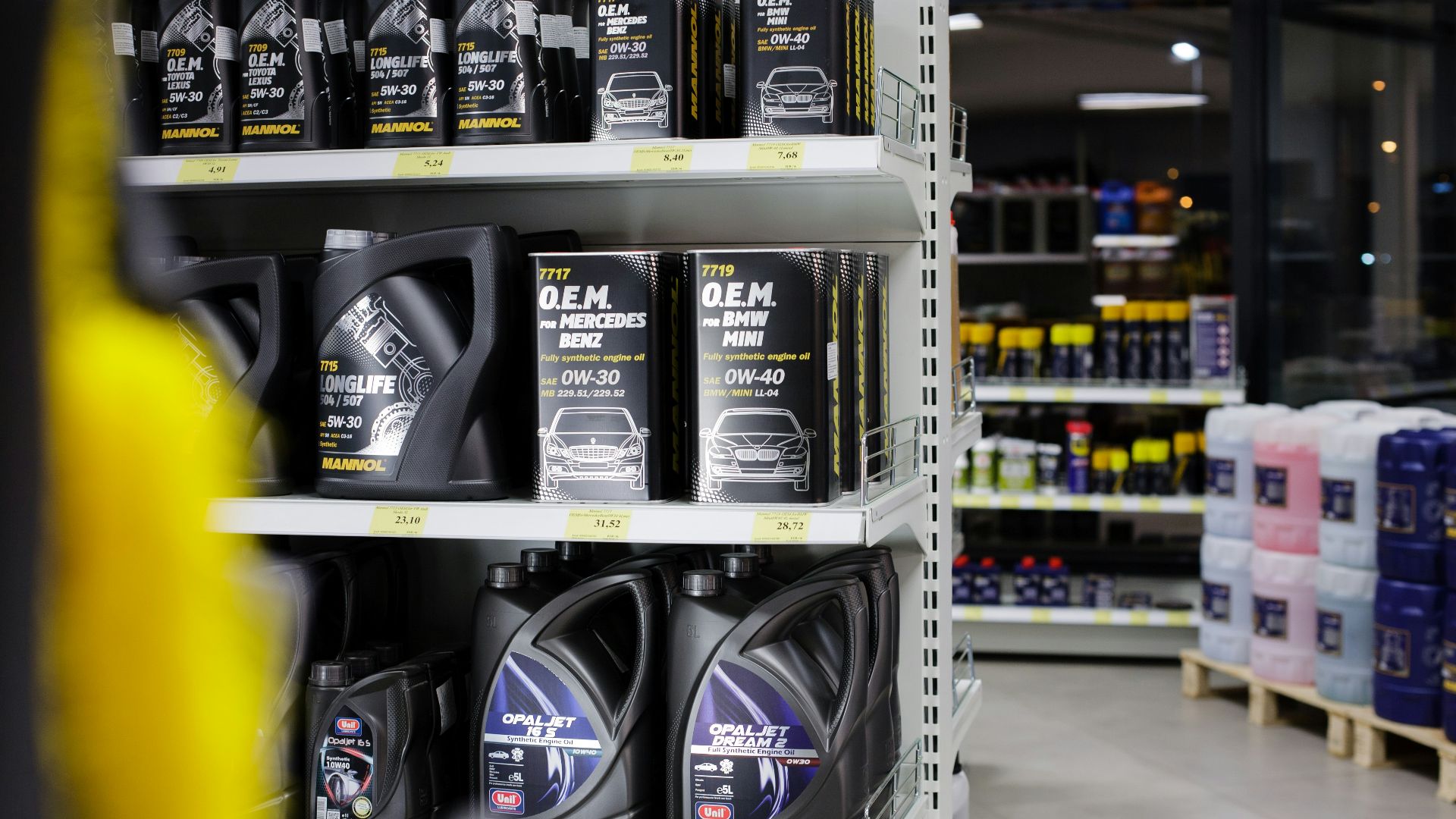
Coolant types vary by chemistry and additive package, and mixing the wrong types can reduce corrosion protection or cause sludge. The safest move is using the coolant specified for the vehicle, not whatever color happens to be on the shelf.