
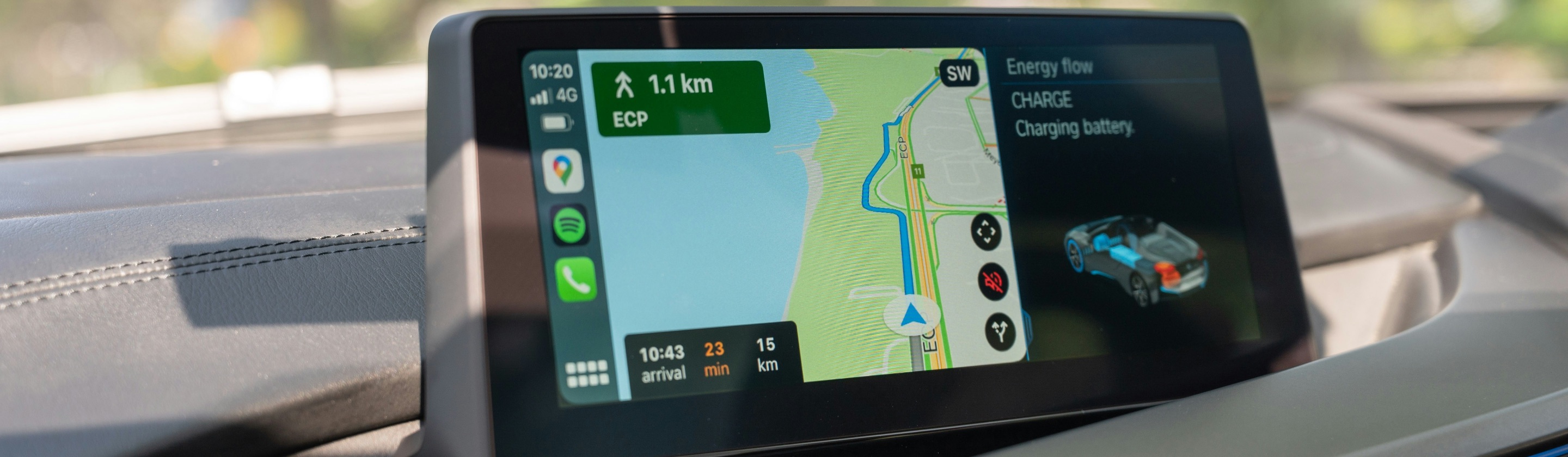
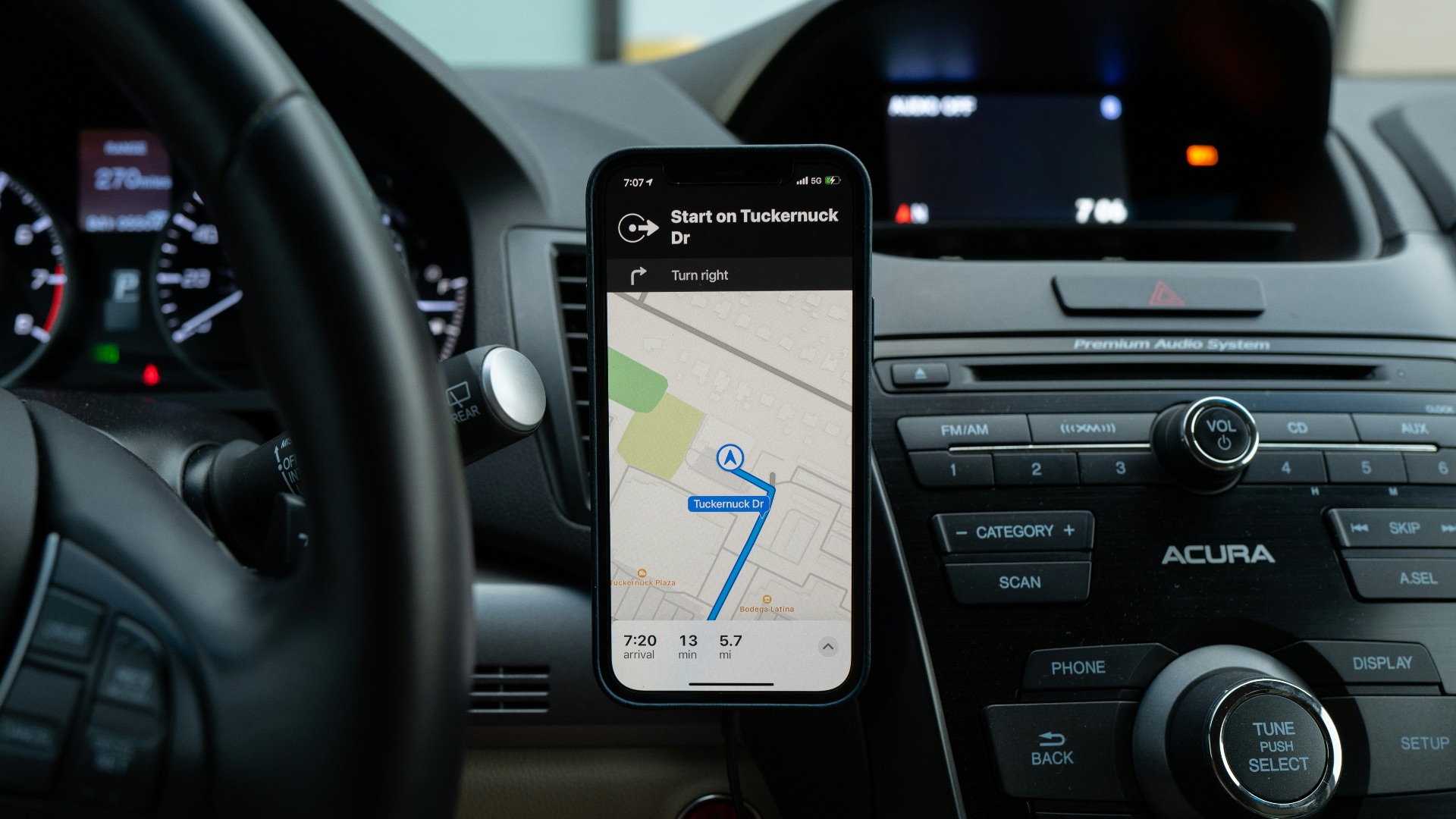
There's a good chance you can't remember the last time you unfolded a paper map or committed a route to memory before leaving the house. For most people, navigation has been outsourced entirely to a small screen with a confident, synthetic voice, and while that's undeniably convenient, it may be quietly chipping away at one of the brain's most important skill sets.
The concern isn't just anecdotal. Researchers have been studying what happens to spatial cognition when people stop actively navigating, and the findings are worth paying attention to. Understanding how GPS dependence affects your brain, and what you can do about it, is more relevant now than ever.
Your Brain Has a Built-In Navigation System That You're Letting Atrophy
The hippocampus is the region of the brain most associated with spatial memory and navigation, and it's remarkably sensitive to how much you actually use it. Studies have shown that London taxi drivers, who must memorize thousands of streets as part of their training, develop a measurably larger posterior hippocampus compared to the general population. The brain, in other words, can physically adapt to the demands you place on it.
When you rely on GPS to get everywhere, however, you're essentially telling your hippocampus to take a break indefinitely. Research has shown that participants who used GPS-style navigation showed significantly less activity in the hippocampus than those who navigated on their own; the GPS users' brains simply weren't engaging with the spatial problem the same way. Over time, reduced activation in any brain region can lead to a decline in its efficiency.
This doesn't mean GPS is going to give you dementia, but the principle of neural use-it-or-lose-it is well established in neuroscience. The hippocampus is also involved in memory consolidation more broadly, so keeping it sharp through activities like self-directed navigation may have benefits that extend well beyond knowing which way to turn.
Passive Navigation Means You're Not Actually Learning Your Environment
One of the most overlooked costs of GPS dependence is that you stop building a mental map of the places you live in and travel through. Active navigation—the kind that requires you to pay attention to landmarks, street patterns, and spatial relationships—is how humans have always developed what researchers call a "cognitive map" of their environment. GPS navigation replaces that process with a series of turn-by-turn instructions that require almost no environmental awareness at all.
Research suggests that the brain uses two distinct strategies for navigation: an allocentric strategy, which builds a broader map of space, and an egocentric strategy, which simply tracks your movement relative to yourself. GPS tends to lock you into the egocentric mode, essentially reducing navigation to a sequence of reactions rather than a coherent understanding of where you are. The cumulative result is that you can visit the same city dozens of times and still have almost no intuitive sense of its layout.
This matters more than it might seem, because spatial awareness and environmental familiarity contribute to your overall sense of confidence and competence in a place. People who know their surroundings tend to feel less anxious when plans go sideways; they can adapt, reroute, and problem-solve on the fly. Chronic GPS users, by contrast, often report feeling disoriented and helpless the moment their signal drops, which is a dependency that's worth examining honestly.
The Broader Cognitive Costs of Outsourcing Mental Tasks to Technology
The GPS problem is really just one example of a wider phenomenon that cognitive scientists have started calling "cognitive offloading": the practice of delegating mental tasks to external tools or devices. In moderation, offloading is useful and even smart; writing things down so you don't have to hold everything in working memory is a perfectly sensible strategy. The issue arises when offloading becomes so habitual that the underlying cognitive skills start to degrade from disuse.
A 2011 study found that when people expect information to be accessible later, whether through a search engine or saved file, for instance, they're significantly less likely to retain that information in their own memory. The researchers argued that the brain deprioritizes encoding information it anticipates being able to retrieve externally, redirecting attention toward remembering where to find it rather than the information itself. The same logic applies to GPS: when you know the app will handle navigation, there's simply less incentive to pay attention to where you are.
None of this is an argument for throwing your phone in a drawer and navigating by the stars. It is, however, a case for being deliberate about when and how you use these tools. Trying to navigate a familiar route from memory occasionally, paying attention to landmarks when you're in a new city, or studying a map before you leave rather than relying exclusively on real-time guidance—these are small habits that keep your spatial cognition engaged. The goal isn't inconvenience for its own sake; it's maintaining the mental capacity that comes from occasionally doing the work yourself.