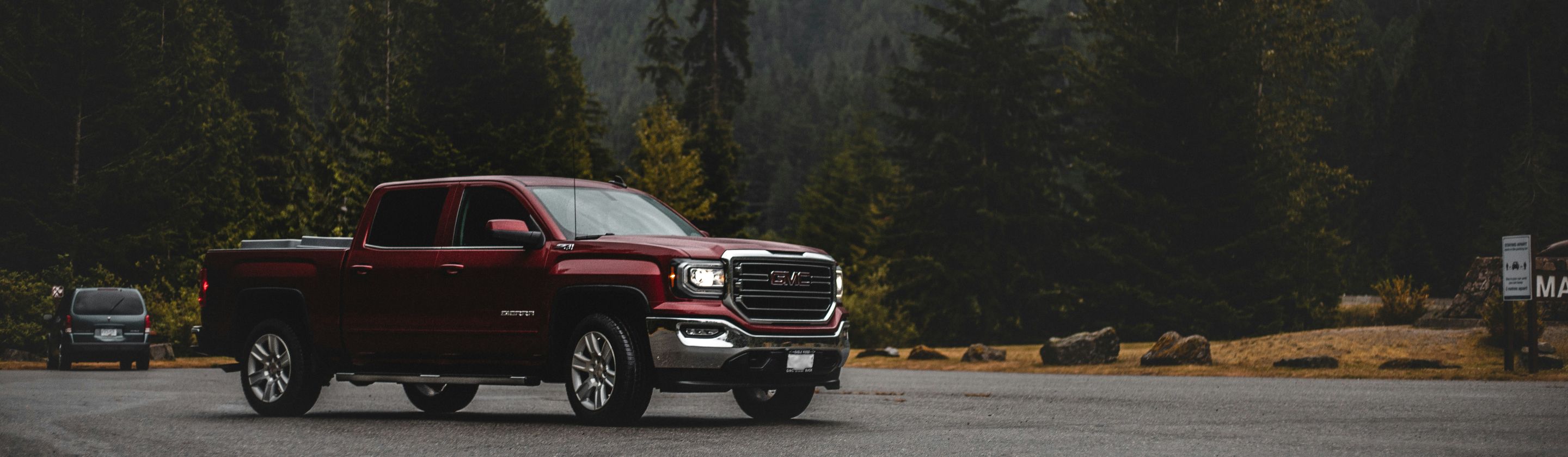
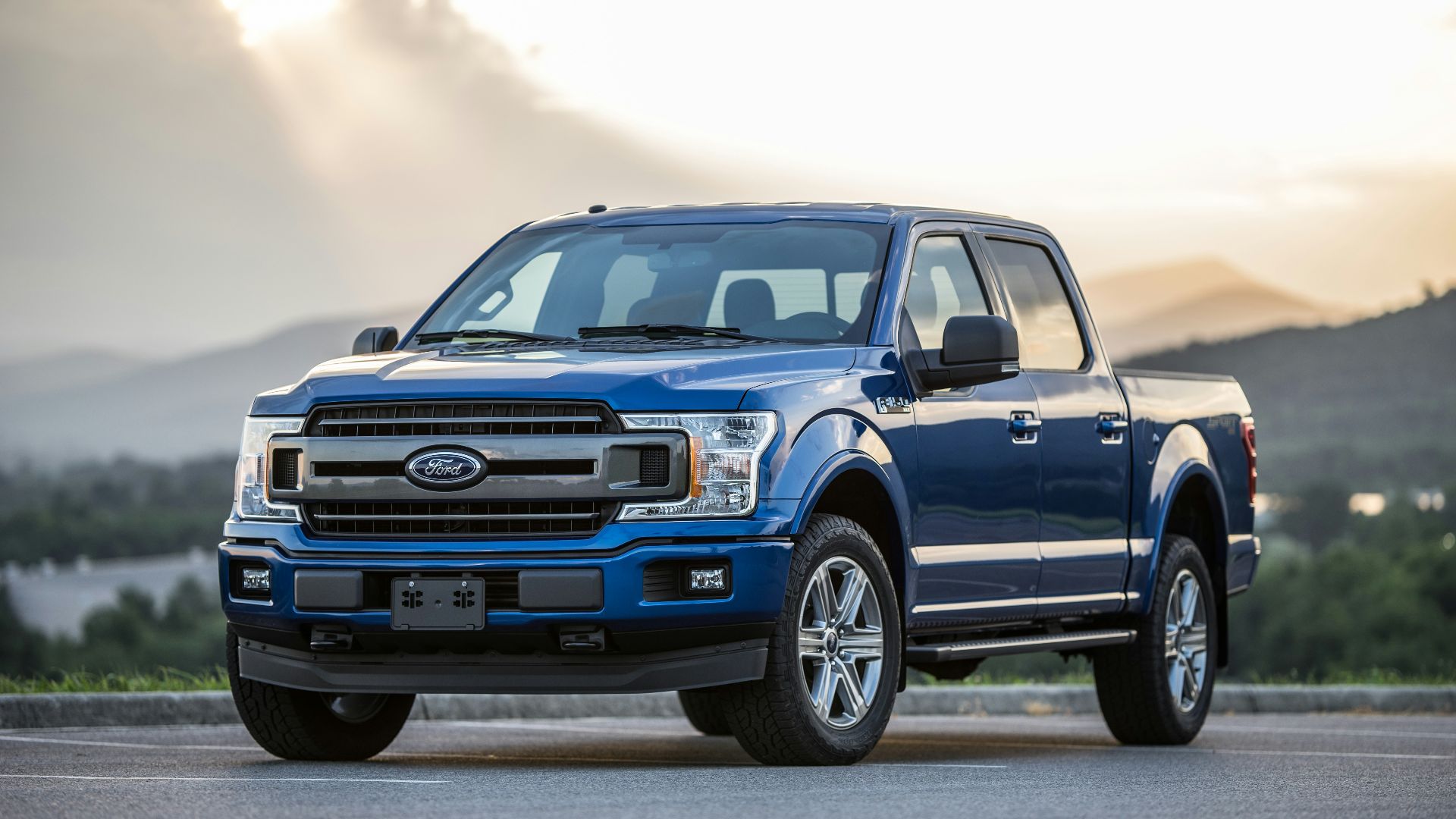
Walk through any parking lot, and you’re bound to see a pickup truck likely doing one of two things. The first one's obvious: hauling stuff, towing things, getting through weather that would have a sedan spinning out on the shoulder. The second job? That one's more personal. More emotional, honestly. The truck is saying something about the person behind the wheel, without them having to open their mouth.
And that second job is where things get interesting.
A pickup can be a necessary work partner, a weekend toy, or a moving declaration that you are the kind of person who could build a deck if someone asked. The funny thing is, it can be all three, depending on the season, the day, and whether a friend texts, "Hey, can you help me move this weekend?" So, which is it, really, a tool or a personality? The answer lives in what actually happens after the tailgate drops.
What Trucks Still Do Better Than Anything Else
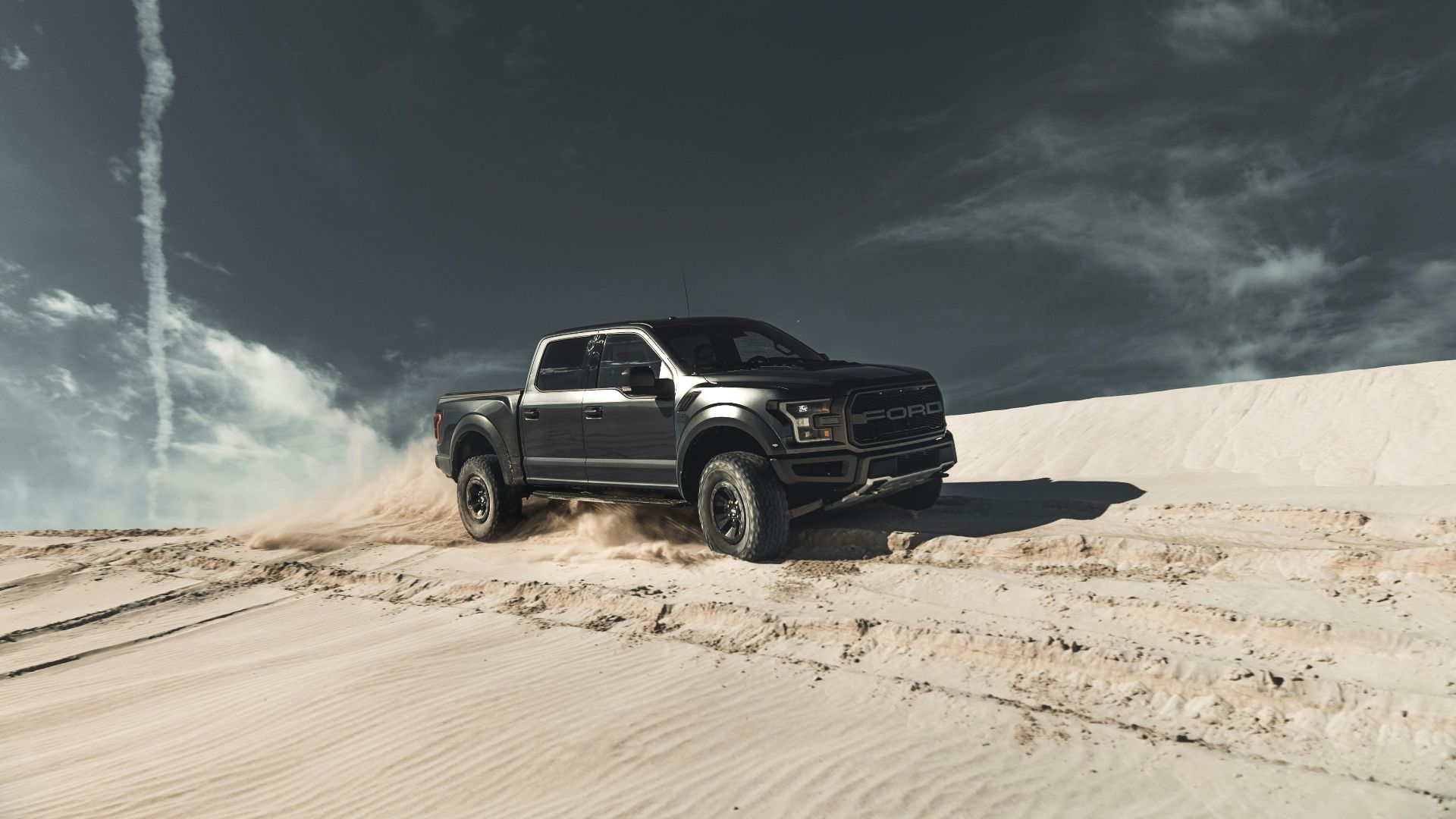
The core talent of a pickup is pretty simple: it carries awkward stuff. Plywood, landscaping rocks, a busted water heater, a motorcycle, a camping setup big enough to outfit a party of four, all of it fits in a truck bed. For people who actually use that space on a regular basis, the truck isn't a statement. It's a time-saver. It cuts out delivery fees, borrowed trailers, and the stress of trying not to scratch someone else's car interior.
Towing is the other big helping hand that comes with trucks. Boats, horse trailers, utility trailers, travel trailers; these can demand hardware that most family vehicles simply can't provide.
Modern trucks have, luckily, also stopped being miserable places to sit, and that's a big part of why they've spread so far beyond worksites. Automakers have been loading them up with comfy cabins, large touchscreens, driver-assist features, and trim levels that feel closer to a luxury SUV than a bare-bones work rig. The pitch is one vehicle that hauls mulch on Saturday and gets you to work on Monday morning.
The Truck Identity
Trucks didn't accidentally become symbols. Early pickups were built as basic work vehicles, gradually evolving into consumer icons after World War II, with manufacturers selling toughness and freedom right alongside payload capacity. Ford's first postwar F-Series trucks debuted in January 1948, marketed as purpose-built "Bonus Built" trucks, not just cars with beds bolted on. Over the decades, that practical origin story has remained the foundation for the popularity of truck ownership.
The Smithsonian has described the pickup as a "rolling avatar" of the national work ethic, even when the bed is carrying something as light as a yoga mat. That observation captures a mindset many of us seem to have: the truck suggests capability, even when the daily routine is mostly school pickups and grocery runs. A pickup projects independence and competence in a way a sensible hatchback could never compete with.
Some data support the idea that many truck owners lean more toward lifestyle than labor. Research cited by The Drive, drawn from Strategic Vision's findings, found that 75 percent of truck owners tow one time a year or less, nearly 70 percent go off-road one time a year or less, and 35 percent haul something in the bed one time a year or less. Those numbers don't make trucks pointless, but they do suggest that a lot of trucks spend most of their lives just doing ordinary car stuff.
Strategic Vision's New Vehicle Experience Study draws on responses from hundreds of thousands of new-vehicle buyers, which is why its findings keep appearing in these conversations. The sample size doesn't settle anything, though. People can love a feature and still rarely use it. A truck bed is a lot like a gym membership: having access to it feels good, even on the weeks it goes untouched.
The Reality Check
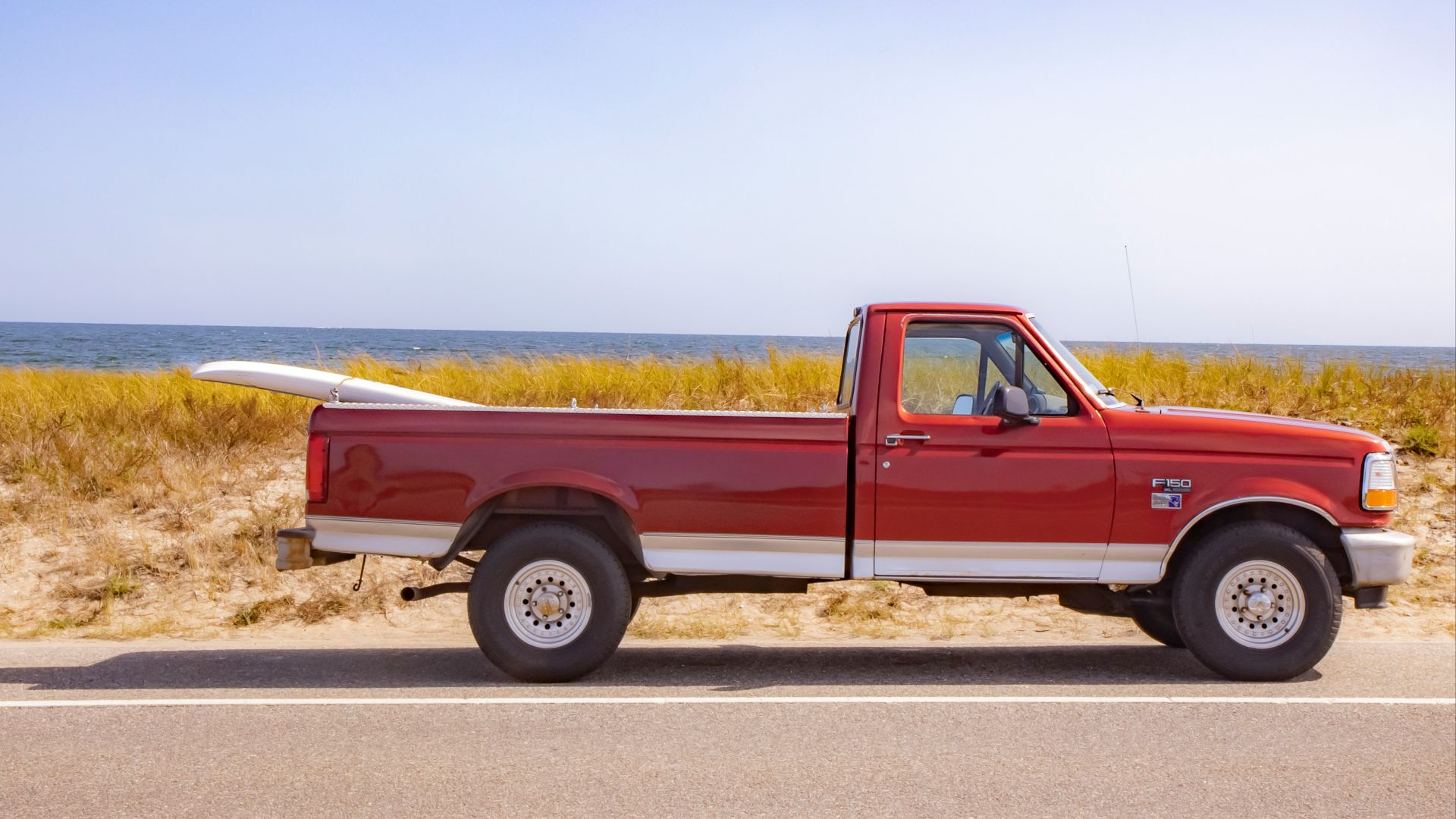
A truck's downsides aren't imaginary. Bigger bodies, heavier curb weights, and larger tires translate to higher running costs across fuel, brakes, and insurance. On fuel alone, FuelEconomy.gov lists averages for model year 2024 at 36.6 mpg for cars and 24.6 mpg for trucks.
There's a social dimension, too. Taller hoods can reduce forward visibility, and wider bodies make narrow streets and small lots tighter for everyone sharing them. A truck bought for an imagined future can become overkill when the present is mostly highway commutes and school drop-offs.
None of that changes the fact that pickups are extraordinarily popular. Ford reported 828,832 F-Series sales in the United States in 2025, marking it as America's best-selling truck for 49 consecutive years and best-selling vehicle overall for 44 years. People don't keep buying something for nearly half a century if it offers them nothing.
The useful question, then, isn't whether owning a pickup is valid. The better question is whether the truck matches your day-to-day life, not the life that might happen. If hauling, towing, messy hobbies, or rough terrain are regular features, a truck becomes a practical, useful tool. If the truck is mostly about feeling a certain way, that's fine too, as long as you know what you’re buying.