When Paper Money Helps and When It Doesn’t
Cash is not dead, but it is definitely uneven. In some places, paying with cash feels normal until you hit a counter that only accepts cards, apps, or a QR code. In other places, cash still makes everything easier, faster, and sometimes cheaper, especially when the payment system is informal or the internet is unreliable. The practical truth is that you can end up stuck on either side of this divide, depending on where you are and what you are trying to do. The smarter move is knowing when cash will be useless and when it will save you. Here are 10 places where you usually cannot use cash, followed by 10 where cash still matters a lot.

1. Cashless Restaurants and Cafés
More restaurants, especially in large cities, have stopped taking cash entirely. The reasons are usually speed, security, and simpler accounting. If you show up with only bills, you may be unable to pay at all.
2. Stadiums and Major Arenas
Many large venues have gone cashless at concession stands and merch counters. They often push contactless cards, mobile wallets, or stored-value systems. You can still bring cash, but you may have to convert it before you can buy anything.

3. Concert Venues and Theaters
Some venues no longer handle cash to reduce lines and reduce theft risk. The policy can apply to tickets, food, drinks, and merchandise. If the Wi-Fi is bad, it can still be cashless, which is its own kind of headache.

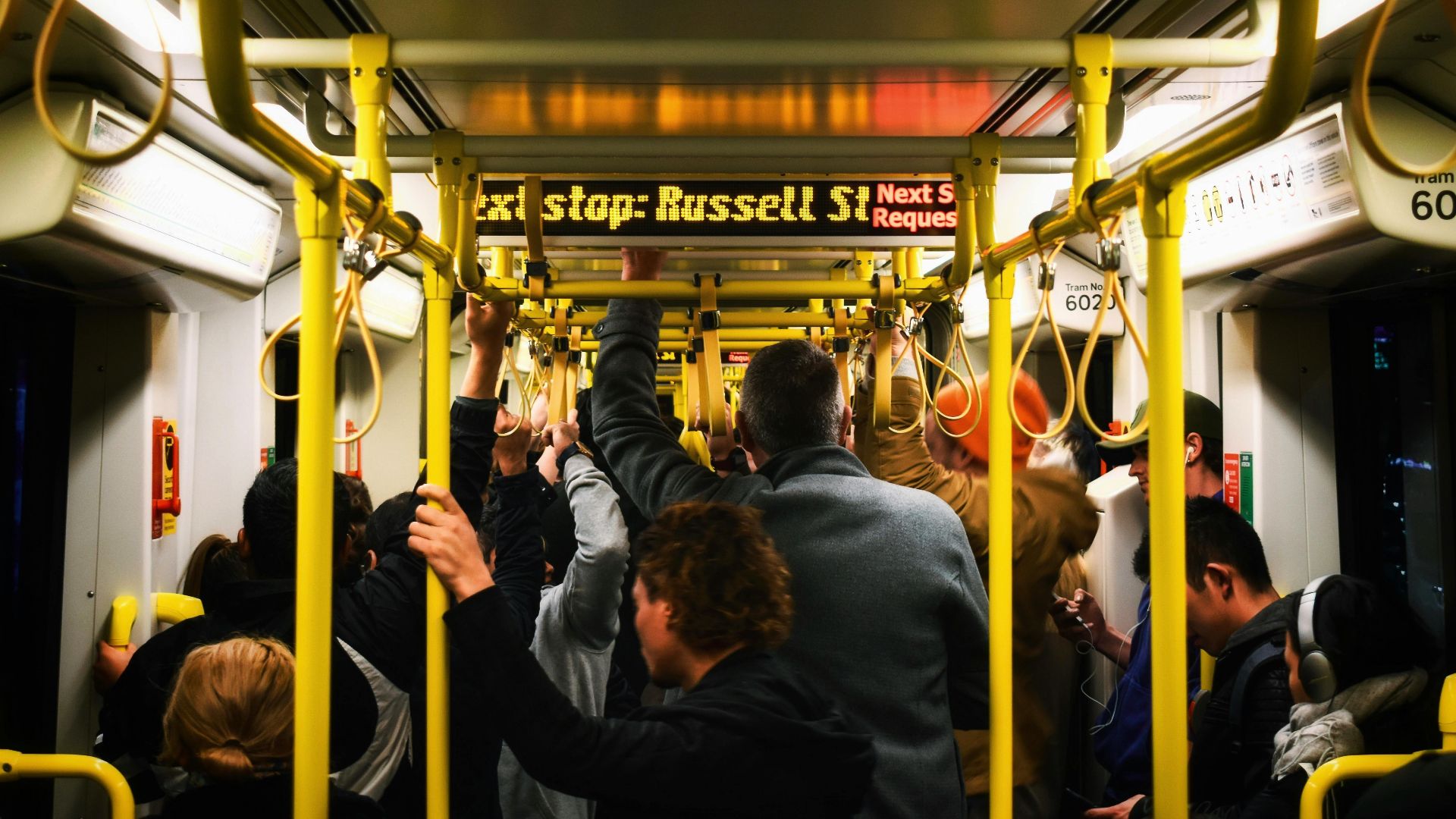
4. Public Transit Systems in Many Cities
A lot of transit systems have moved away from cash payments on buses and trains. Instead, they use reloadable cards, tap-to-pay, or mobile apps. Cash may still work at kiosks, but not necessarily on board.
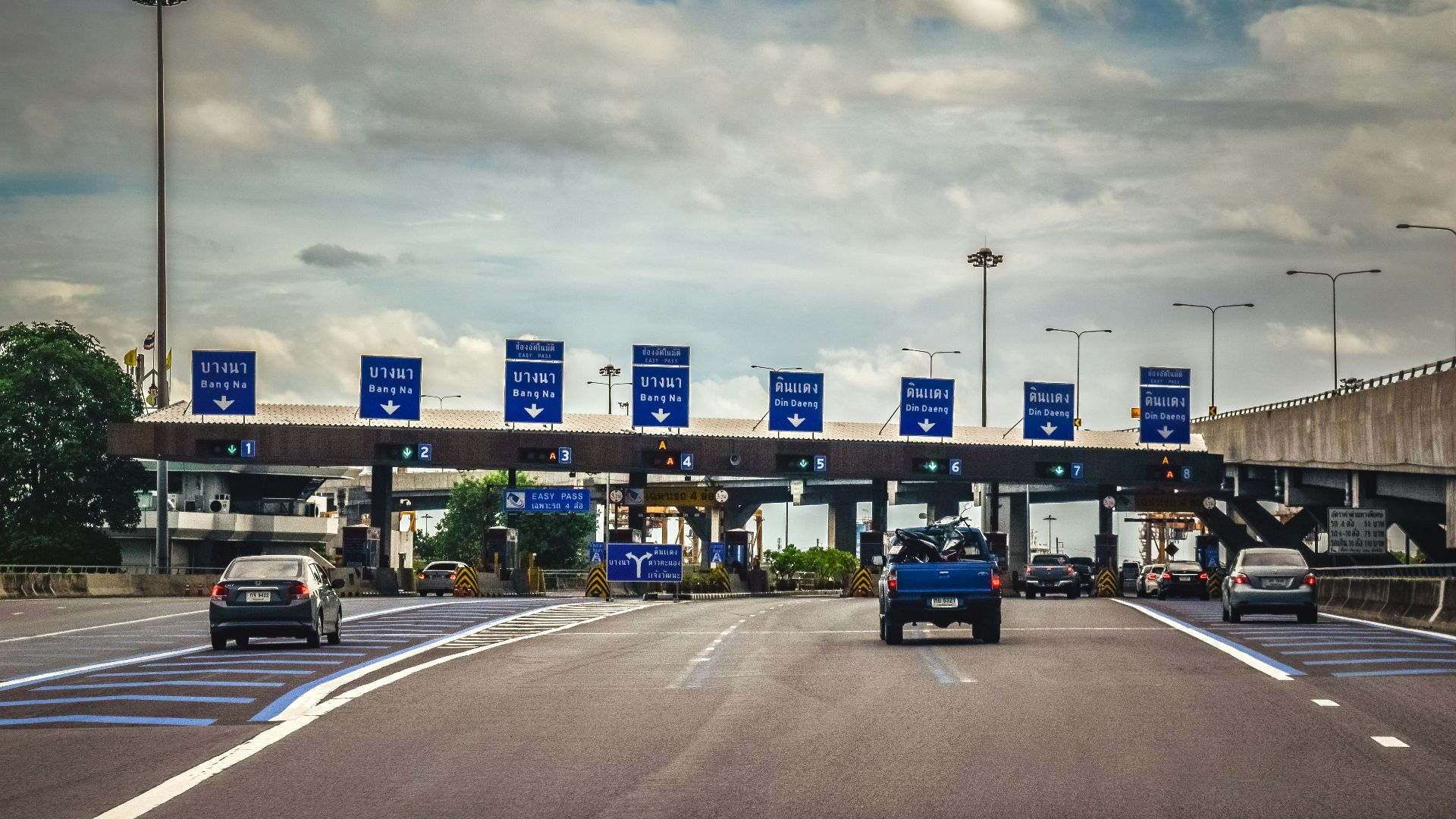
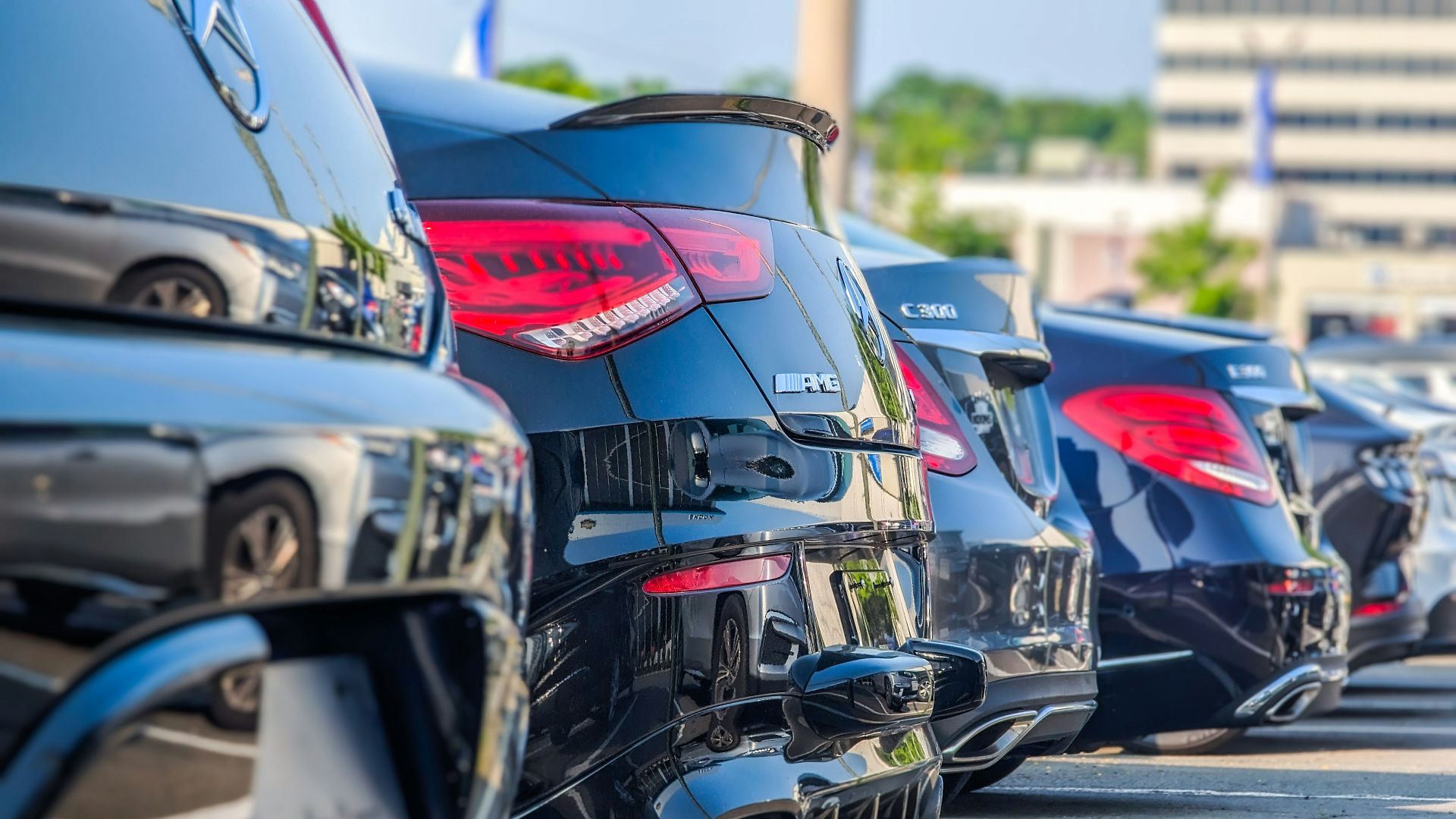
5. Airport Parking and Toll Roads
Many toll systems and airport parking exits no longer accept cash. They rely on license-plate billing, transponders, or card payments at the gate. If you do not plan ahead, you can get stuck paying later with added fees.
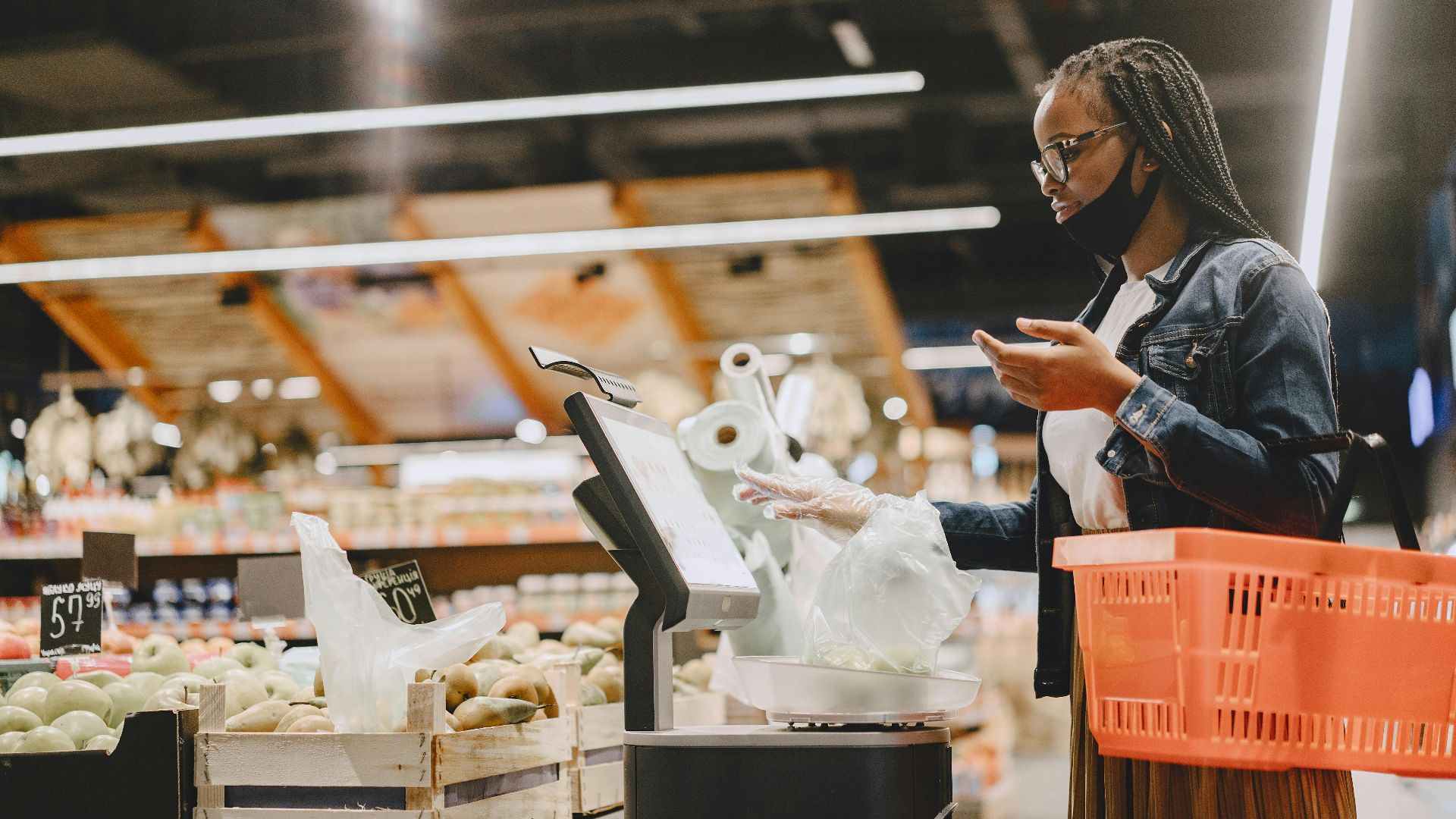
6. Self-Checkout and Automated Kiosks
Self-checkout stations, ordering kiosks, and unattended retail setups often do not accept cash. They are built for card, tap, or app payments. If a store is mostly automated, there may not be a cash option at all.
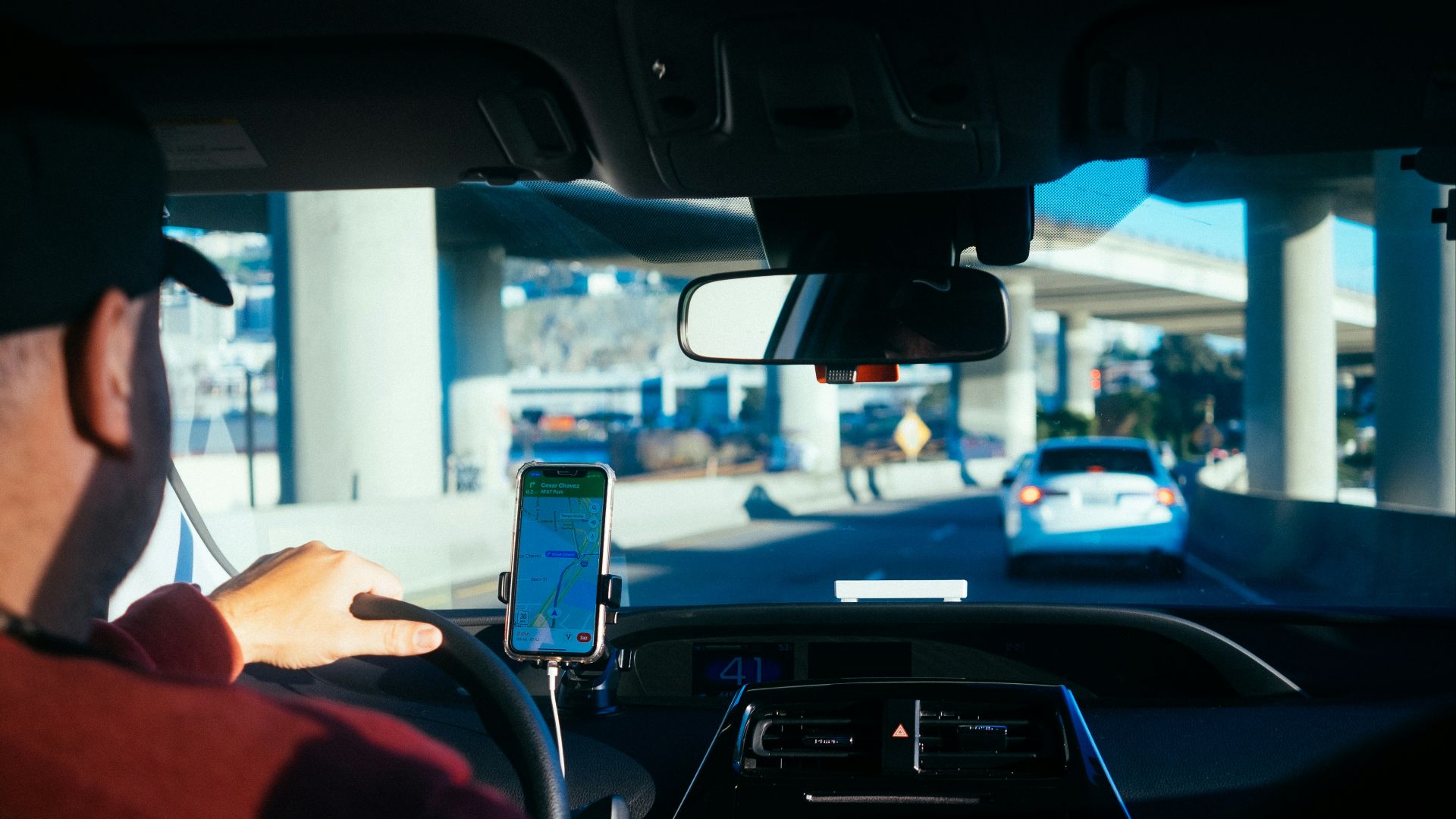
7. Ride-Share Apps
Most ride-share services are cashless by design. Payment is tied to your account, not the driver. If your card fails, the ride usually does not happen.
8. Online-Only Businesses
Online shopping is obviously not set up for cash, but it matters because more services are online-only now. Some companies do offer cash-like options through prepaid cards or retail payment codes. Still, the default is electronic payment.

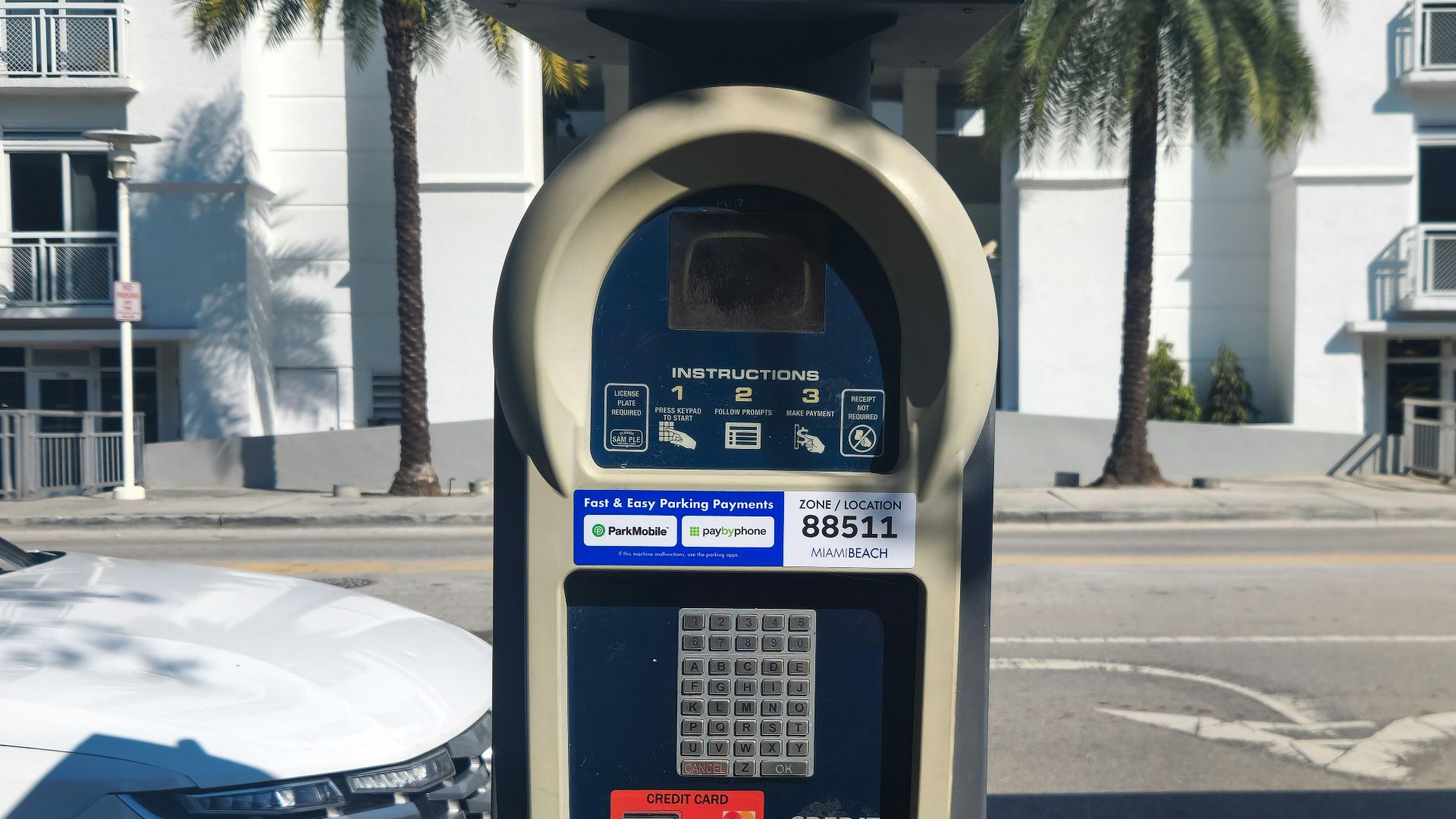
9. Parking Apps and Smart Meters
Many cities are replacing coin meters with app-based parking. Some still offer card readers, but many do not take bills or coins. If you rely on cash, parking becomes harder than it should be.
10. Certain Hotels and Car Rental Counters
Some hotels and most car rental companies require a card for deposits and incidentals. Even if you plan to pay your bill in cash, they may still need a card on file. This is one of the most common places where people get surprised.
Cash is still a practical advantage in plenty of everyday situations, especially when speed, flexibility, or informal payment matters more than a digital receipt. Here are ten examples.
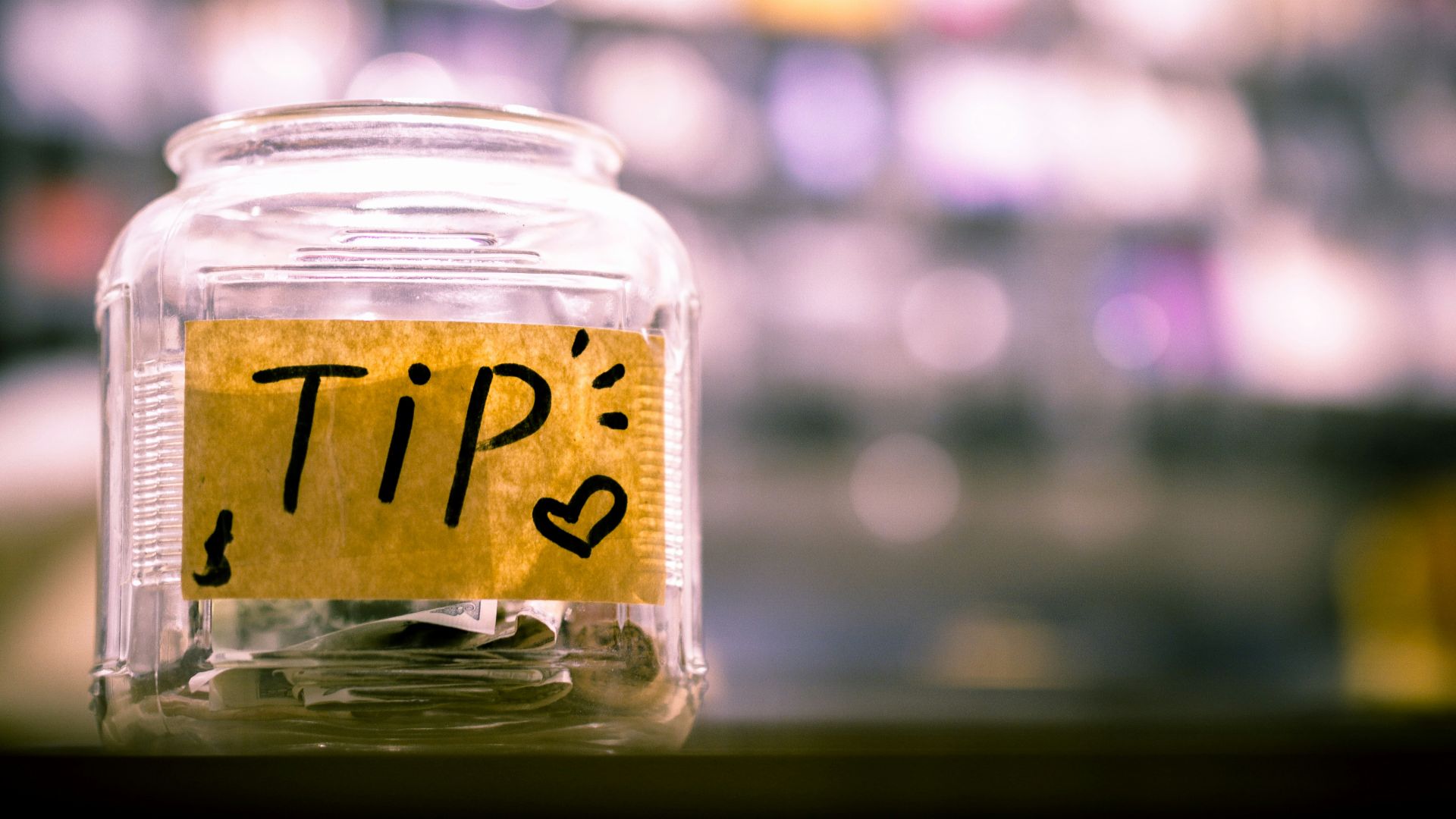
1. Tipping Situations
Cash tips are simple, immediate, and often preferred. They work when a service worker does not want to wait for a payout, or when tips are pooled in a way that feels unclear. Even in card-heavy cities, cash tips still move smoothly.
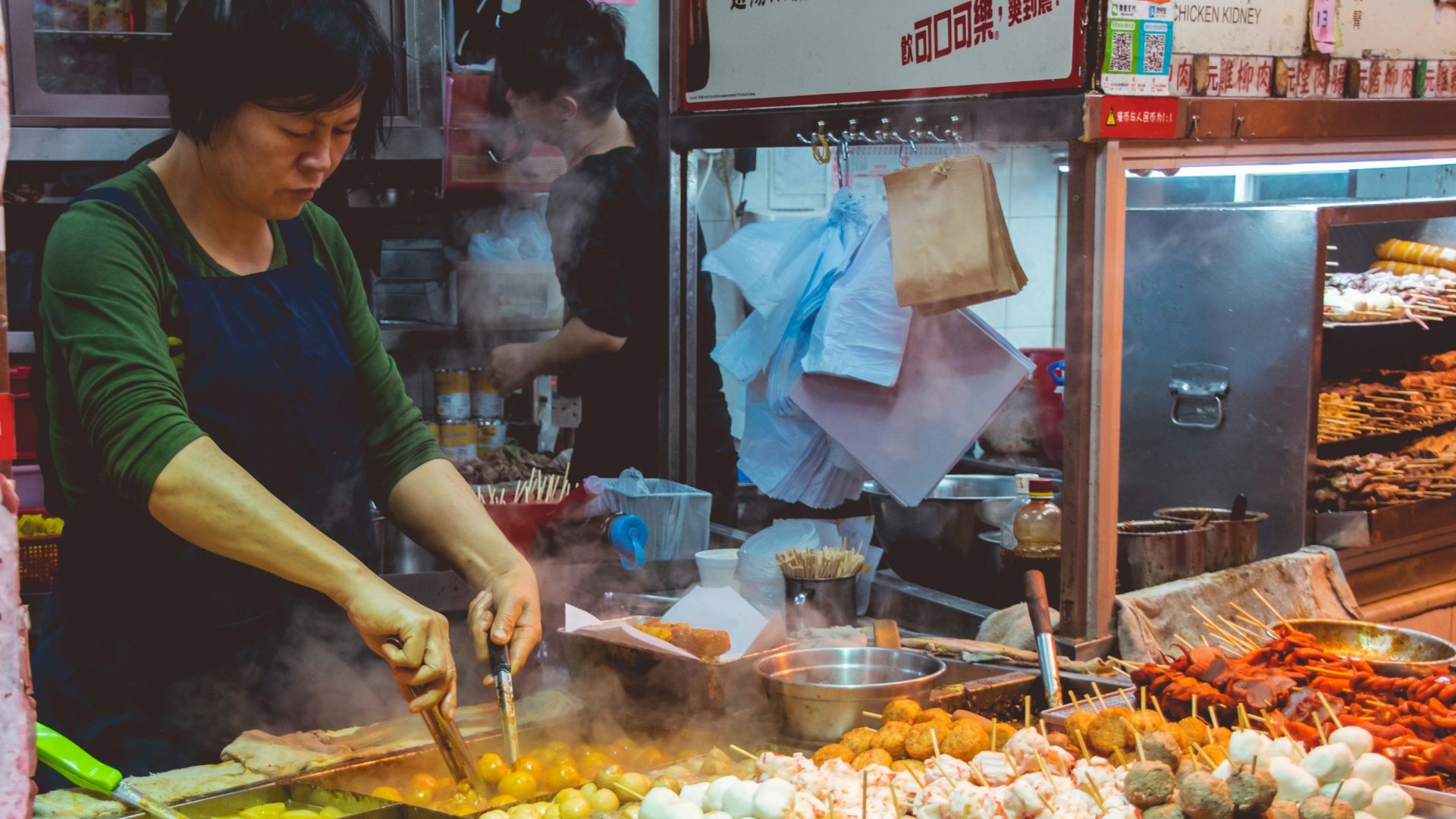
2. Street Food and Small Stands
Many street vendors operate with limited payment setups. Some take apps, but plenty still prefer cash because it is quick and reliable. Cash also helps when lines move fast and the menu is simple.
 Vernon Raineil Cenzon on Unsplash
3. Farmers Markets
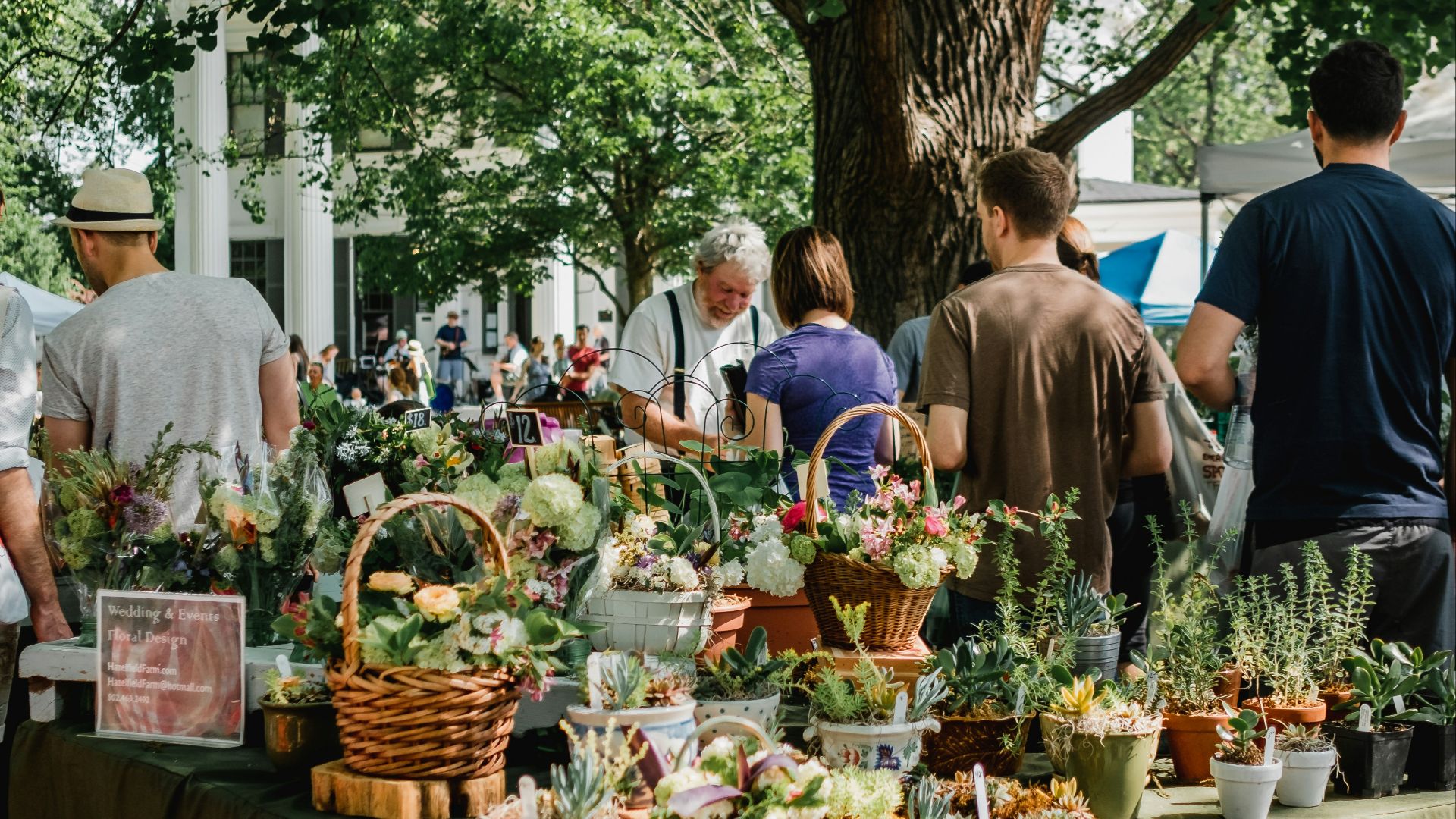
Farmers markets are a mix, but cash remains very useful. It keeps checkout simple, especially for small purchases. It also helps when a vendor’s card reader fails or service drops.
4. Garage Sales and Flea Markets
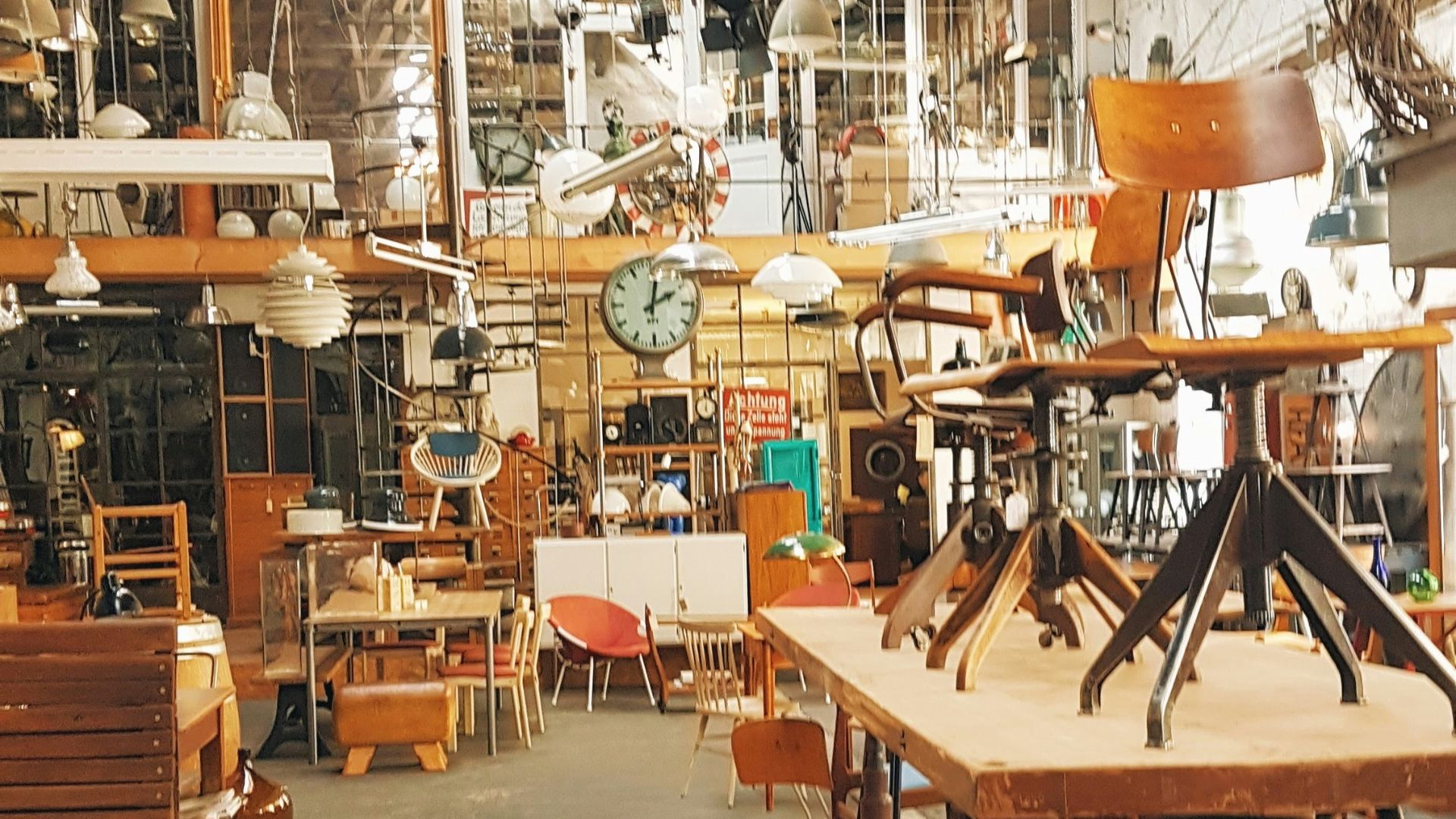
These are built around cash, and haggling is easier when money is visible and immediate. Many sellers are not set up for card payments at all. Bringing small bills can be the difference between buying something and walking away.
5. Barber Shops and Small Salons
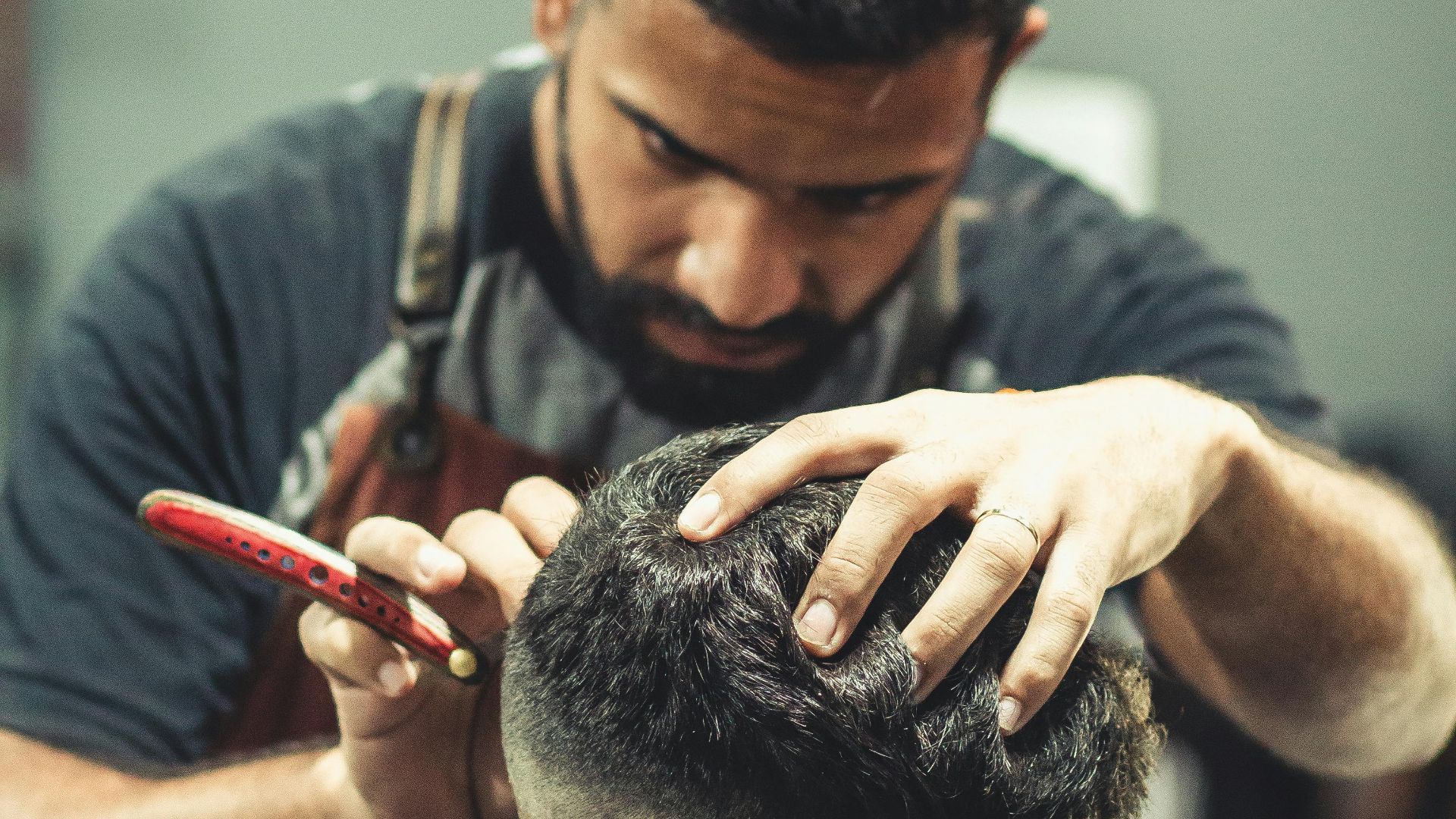
Some shops take cards, but cash is still common, especially at older or smaller businesses. Cash can speed up checkout and make tipping easier. In some places, cash payments can also come with a small discount.
6. Local Repair Shops and Independent Trades
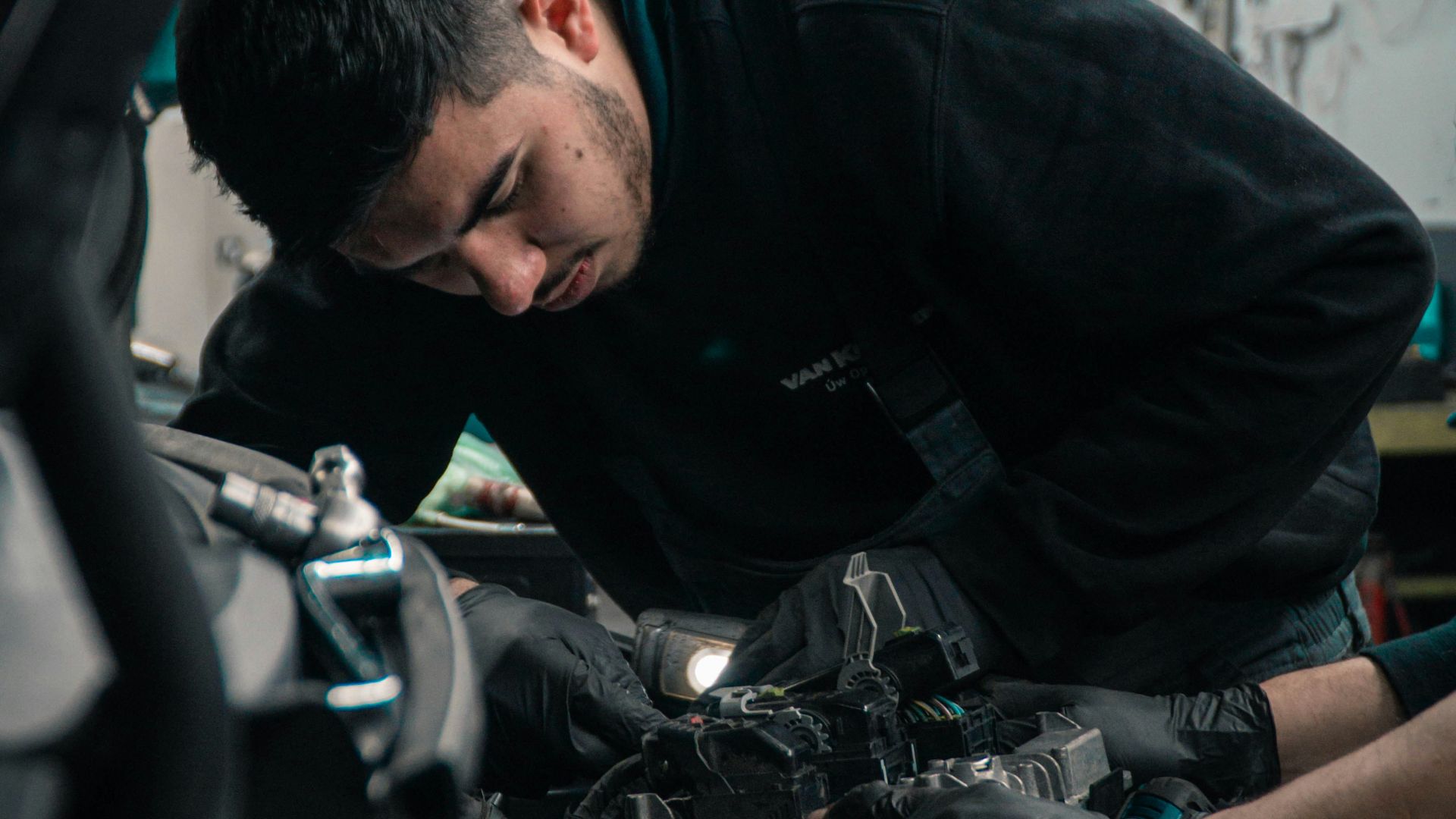
Small repair businesses, contractors, and one-person operations often prefer cash for simple jobs. It can make payment straightforward and avoid transaction fees. It also helps when a job is finished on the spot and you want it handled quickly.
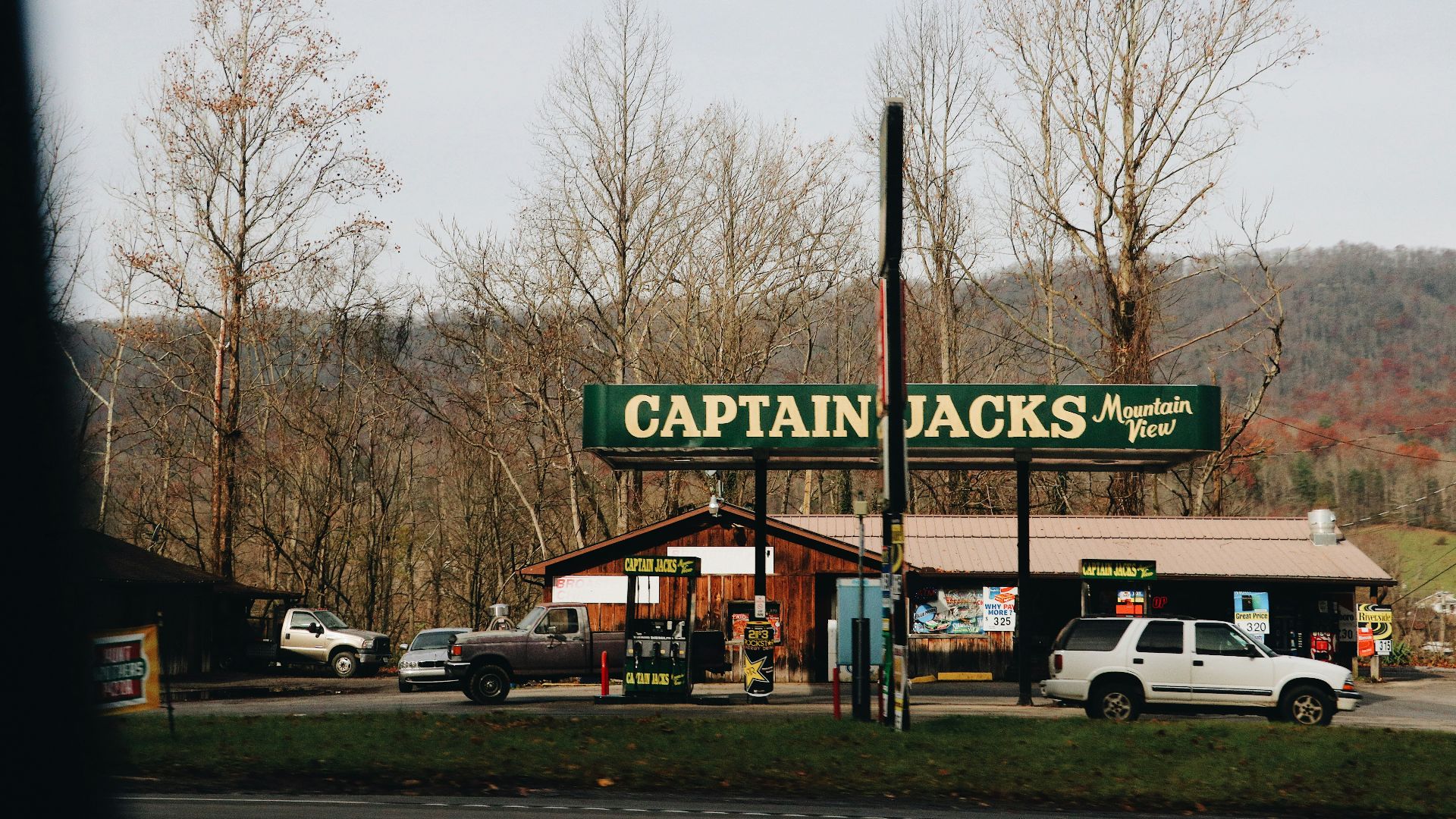
7. Rural Areas With Spotty Service
In areas with unreliable internet or power, cash stays useful. Card readers fail, apps lag, and systems go down. Cash still works when everything else stalls.
8. International Travel in Cash-Heavy Countries
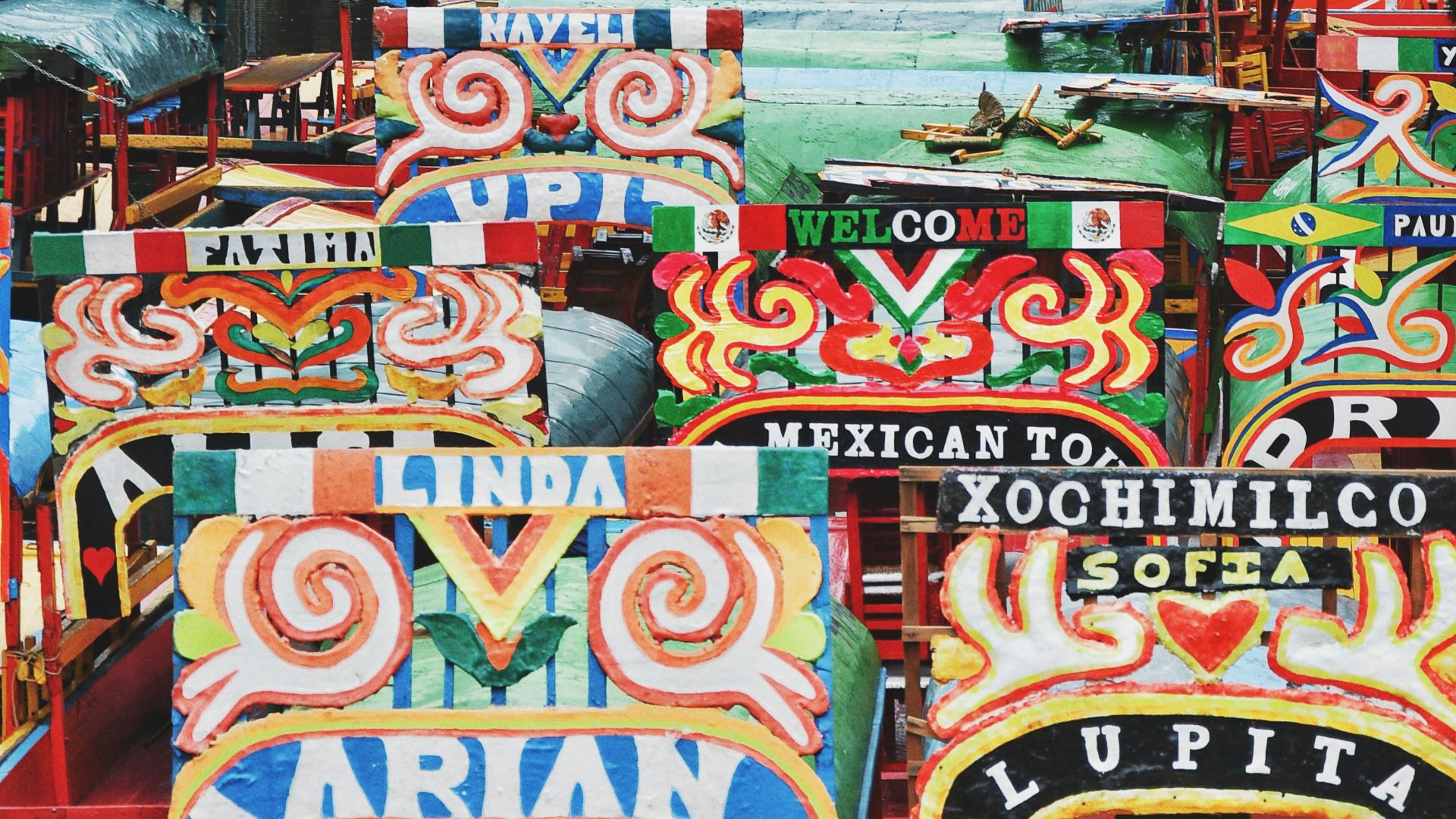
In many countries, cash remains the standard for taxis, small shops, and everyday purchases. Even when cards are accepted, the fees can be higher or the process can be inconsistent. Having local currency avoids a lot of friction.
9. Small Cover Charges and Door Fees
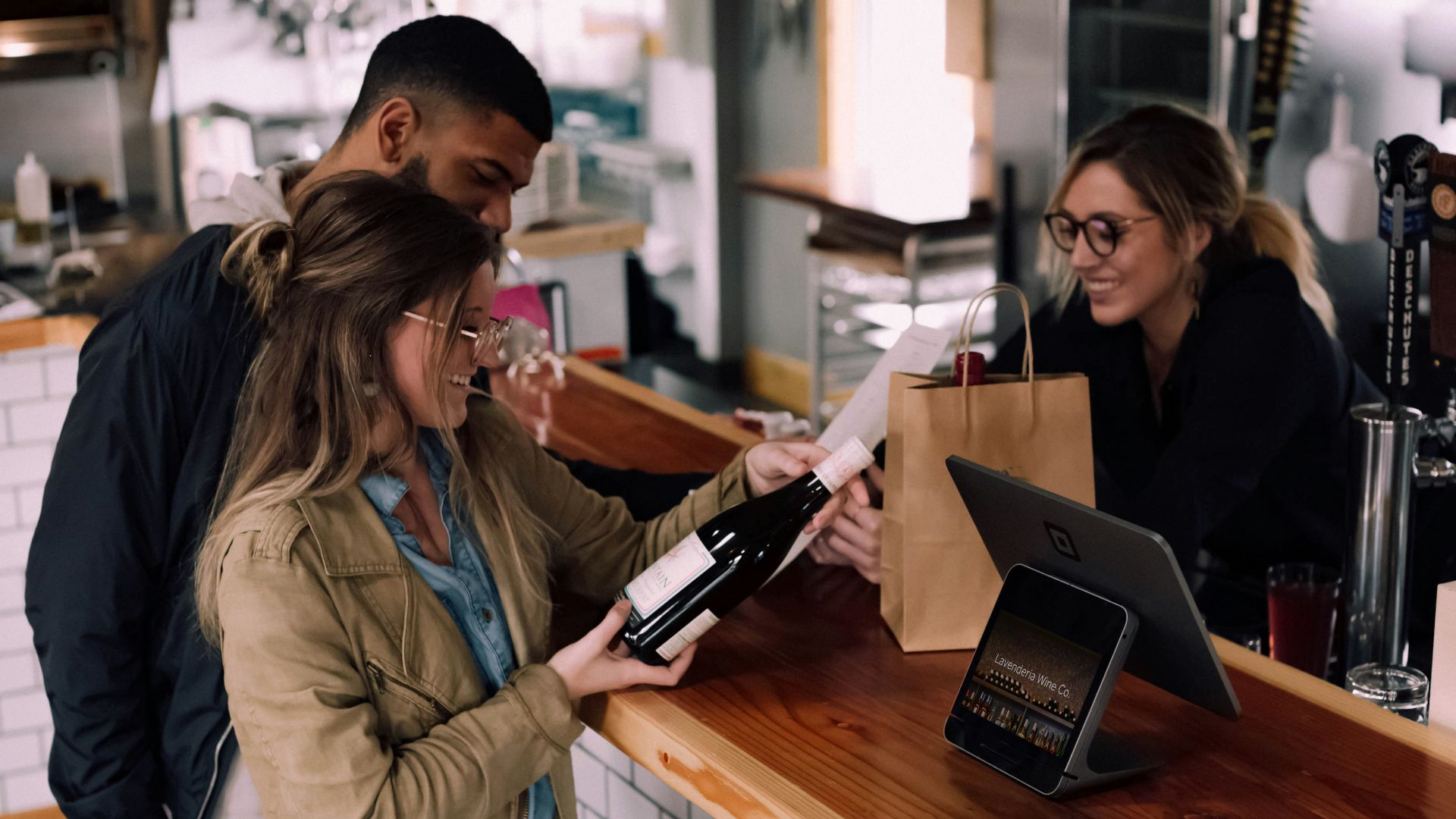
At smaller venues, bars, and community events, cash at the door is still common. It is faster than running a card for a small amount and easier for organizers. If you arrive without cash, you may have to leave.
10. Split Bills With Friends
Cash is still the quickest way to settle up without a chain of payment requests. It avoids apps, delays, and awkward rounding problems. For small group situations, cash can be the simplest solution.