
There is a version of the plug-in hybrid that exists in the popular imagination as a sensible compromise. You get the electric range for daily commutes, the gasoline engine for longer trips, and the vague reassurance that you've made a responsible choice without fully committing to the infrastructure anxiety of a pure EV. Automakers have marketed them aggressively as the rational middle ground, and sales have reflected that framing. Global PHEV sales topped 6.8 million units in 2023, according to the International Energy Agency, up from just over a million a decade earlier.
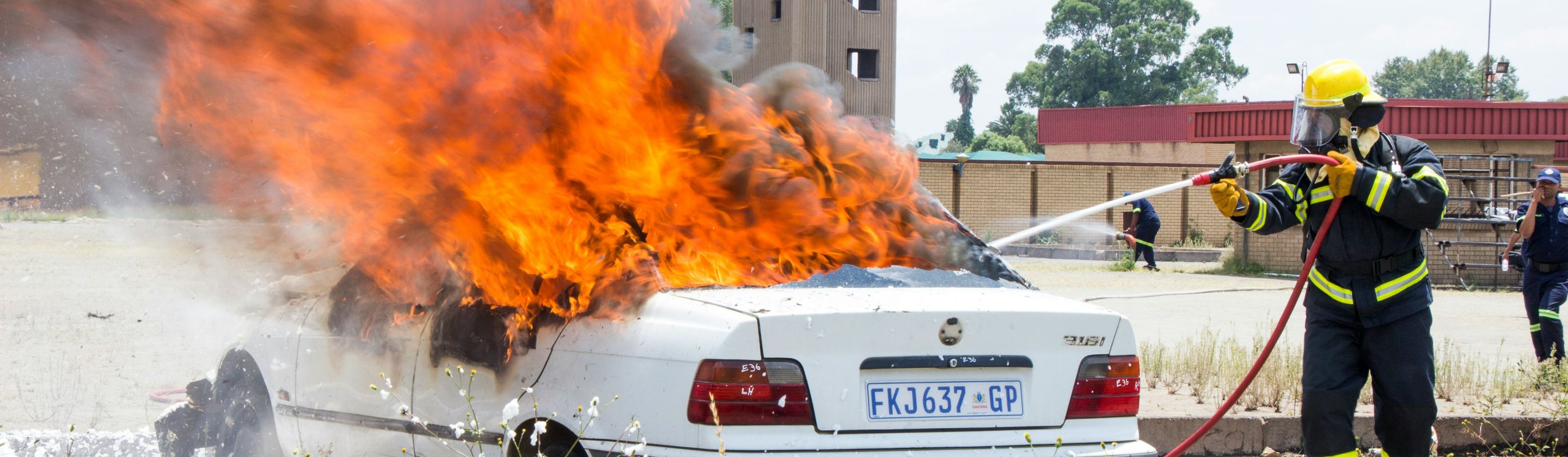
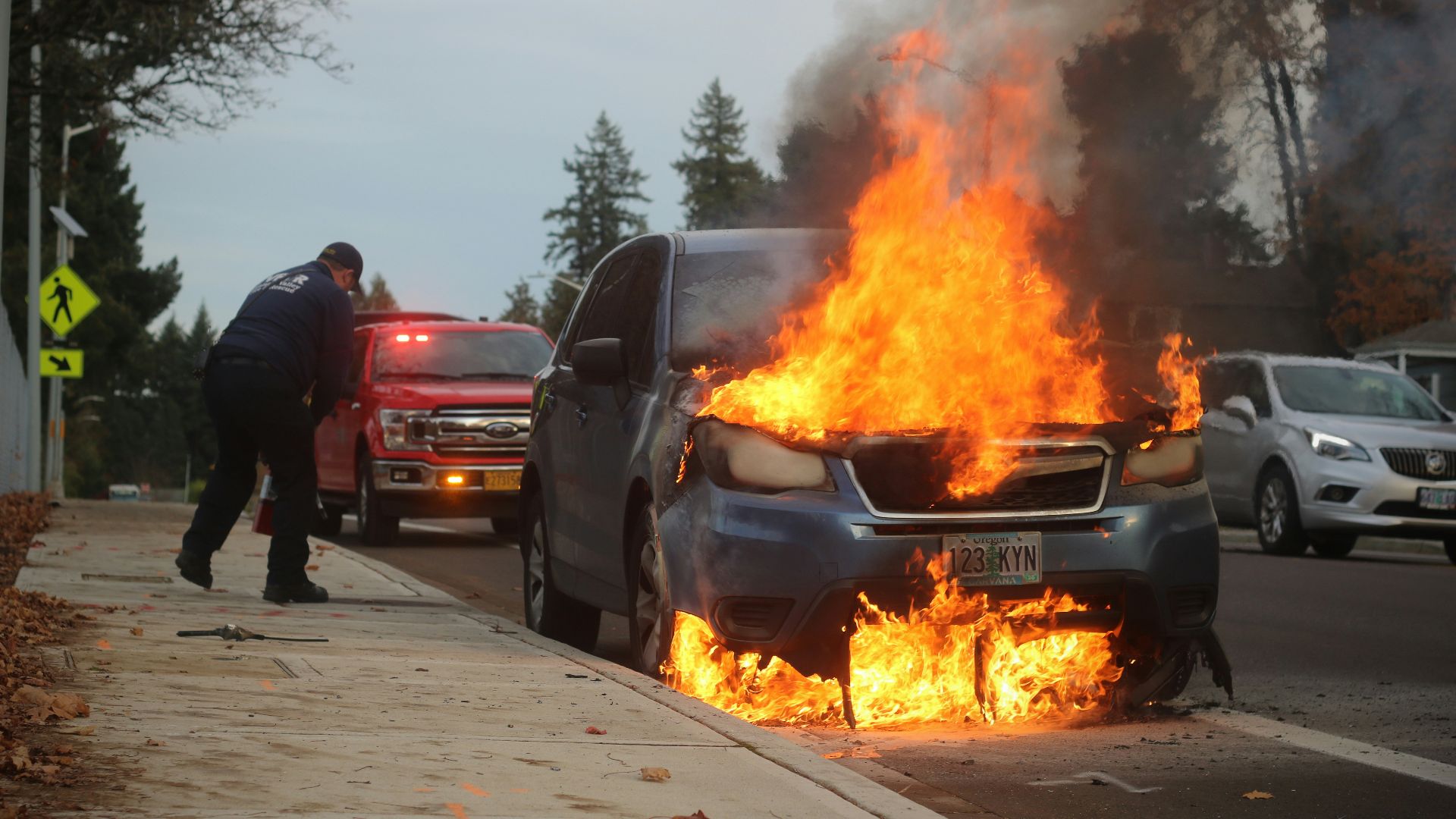
What hasn't kept pace with the marketing is an honest public conversation about one of the more serious liability questions attached to these vehicles: they catch fire at a rate that has raised genuine concerns among safety researchers, insurers, and fire departments. The fires are often more difficult to extinguish than conventional vehicle fires, they can reignite hours after appearing to be out, and the battery chemistry involved creates hazards that most emergency responders were not trained to handle when PHEVs first entered mass production. None of this makes PHEVs uniquely dangerous, but the risk profile is more complicated than the compromise-car reputation suggests.
The Fire Data Is Uncomfortable
A Swedish Civil Contingencies Agency (MSB) analysis from 2022, drawing on insurance and fire service data, found that hybrid vehicles experienced fires at a rate of 3.8 per 100,000 vehicles annually—higher than pure EVs (0.004%) and comparable to or exceeding conventional ICE cars (0.1%). That analysis has been disputed and contextualized in various ways, including questions about fleet age and usage patterns, but it opened a serious conversation the industry had largely managed to avoid.
Part of what makes PHEV fires statistically complicated is that these vehicles carry two separate energy storage systems that can interact in unpredictable ways. The lithium-ion battery pack sits alongside a conventional fuel tank and all the associated hardware of a gasoline powertrain. When a thermal event occurs in the battery, it can potentially ignite fuel that a pure EV would never carry. When a conventional fire starts near the battery, the chemistry of lithium-ion cells can accelerate and complicate the burn in ways a standard gasoline fire would not.
The National Transportation Safety Board identified significant gaps in emergency responder training in a 2020 report, finding that thermal runaway in lithium-ion batteries was not well understood by most emergency services and that vehicle manufacturers had been inconsistent in providing relevant safety documentation to fire departments. Thermal runaway is the process by which a single cell failure cascades into a self-sustaining and intensifying fire, and it remains one of the least discussed features of a vehicle category that millions of people drive every day.
Why Reignition Is the Harder Problem
A conventional car fire follows a relatively predictable pattern that fire departments have over a century of experience managing. You apply water, suppress the burn, and when the fire is out, it stays out. Lithium-ion battery fires don't reliably follow that logic. Thermal runaway can continue inside a battery pack even after external flames are suppressed, and a vehicle that appears fully extinguished can reignite hours or even days later, sometimes after being towed to an impound lot or left in a parking garage.
Several high-profile incidents have illustrated this in concrete terms. Several high-profile incidents have illustrated this in concrete terms. In June 2023, Jeep told owners of certain 2021–2023 Wrangler 4xe plug-in hybrids to park outside and avoid charging while it addressed a battery-related fire risk, after reported vehicle fires tied to the high-voltage pack. Then in September 2024, Stellantis expanded that warning to a much larger population of vehicles, telling owners to stop charging and park outdoors after the company identified 13 fire incidents during its internal review.
Fire departments in some jurisdictions have begun recommending submersion techniques for lithium-ion vehicle fires, essentially placing the vehicle in a large container of water, but this requires specialized equipment most departments don't have and raises its own questions about contaminated water disposal. The gap between the scale of the problem and the available solutions remains wide.
What Regulators Have and Haven't Done
The regulatory response has been uneven. The European Union's General Safety Regulation, which took effect in stages from 2022, introduced new requirements for fire suppression systems and battery management technology in new vehicles, but enforcement capacity across member states is inconsistent. In the United States, the NHTSA has opened multiple investigations into battery fires in specific models without establishing comprehensive federal standards addressing thermal runaway risk across the category.
Some manufacturers have responded more proactively than others, issuing software updates to battery management systems and, in some cases, initiating recalls tied specifically to fire risk. General Motors' 2021 recall of roughly 140,000 Chevrolet Bolt EVs related to battery fire risk cost the company approximately 1.8 billion dollars and remains one of the more significant public acknowledgments of how serious this problem can get.
What is notably absent is a standardized, publicly accessible safety rating system for battery fire risk that would let consumers compare PHEV models the way they compare crash test scores. Until that exists, millions of people are choosing their sensible compromise with less information than the choice deserves.