
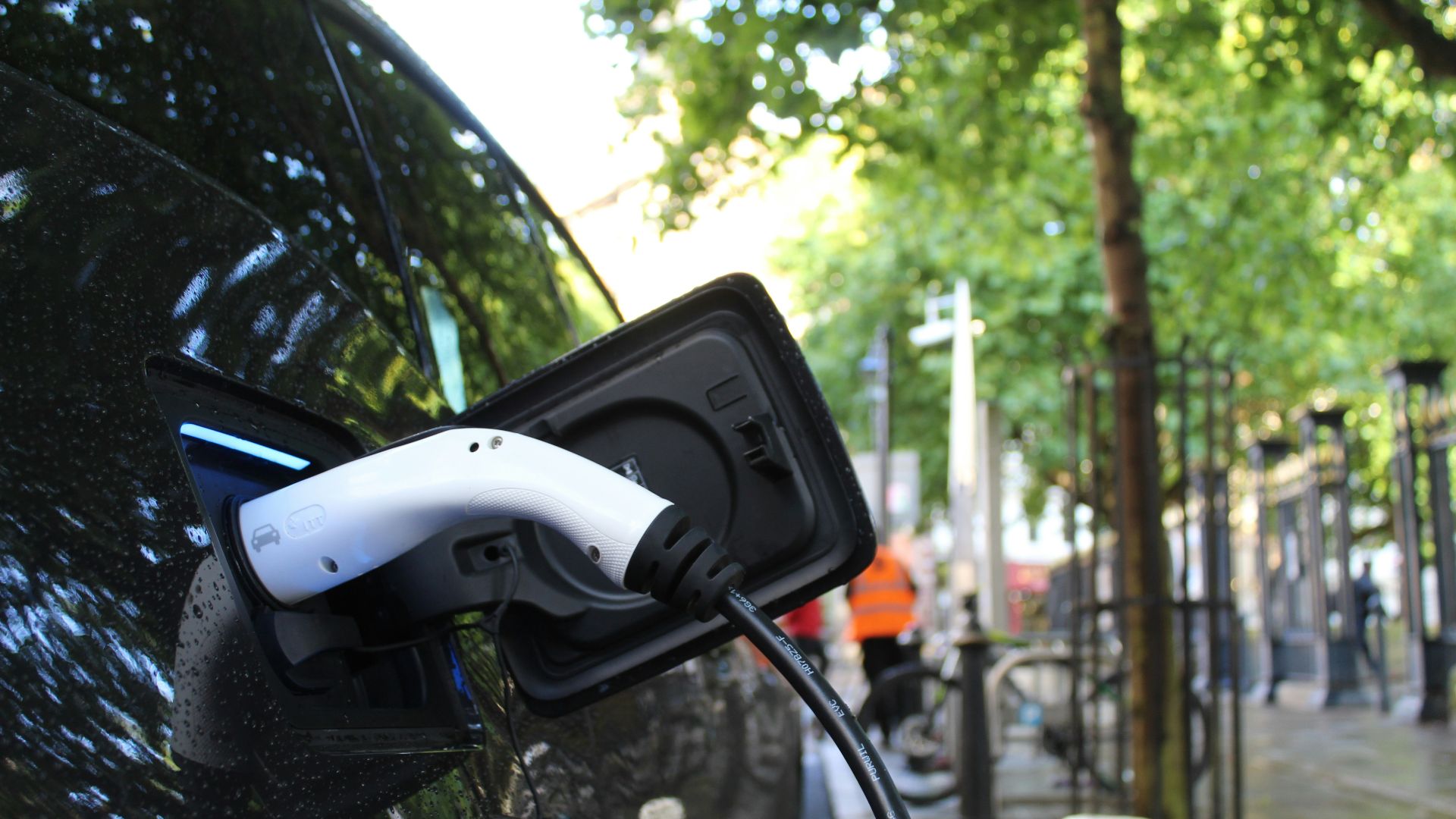
 Hyundai Motor Group on Unsplash
Electric vehicles often come with a higher sticker price than comparable gasoline cars, which can make them seem like a luxury choice at first glance. If you’re standing in a dealership comparing numbers, that upfront cost can feel like the most important factor. It’s easy to assume that paying more at the beginning automatically means paying more overall.
However, long-term ownership costs tell a different story. When you look beyond the purchase price and focus on fuel, maintenance, and depreciation patterns, the math shifts in meaningful ways. Over several years, the structure of how EVs operate tends to reduce recurring expenses in ways traditional vehicles simply can’t. That’s where the real savings begin to show up.
Lower Fuel Costs Change The Financial Equation
One of the most significant long-term advantages of EVs is the cost of energy compared to gasoline. Electricity is generally cheaper per mile than gasoline in most regions of the United States, especially when charging at home. The U.S. Department of Energy consistently reports that driving on electricity costs less per mile than driving on gas, even when energy prices fluctuate. Over thousands of miles each year, that difference compounds steadily.
Charging at home also offers more predictable pricing. While gasoline prices can spike due to global supply disruptions or seasonal demand, residential electricity rates tend to change more gradually. Many utility companies even offer time-of-use plans that allow you to charge overnight at reduced rates. If you plug in during off-peak hours, your per-mile cost drops even further.
Public fast charging can be more expensive than home charging, but it still often compares favorably to gasoline on a per-mile basis. More importantly, most daily driving needs can be covered by home charging alone. When you consider that the average American drives roughly 13,000 to 14,000 miles per year, even modest per-mile savings add up quickly. Over five to ten years, fuel savings alone can offset a meaningful portion of the initial price difference.
Maintenance Is Simpler And Less Frequent
The real reason EVs are cheaper long-term often comes down to what they don’t have. Electric vehicles don’t require oil changes, spark plugs, fuel filters, or exhaust system repairs. They also lack complex multi-speed transmissions found in many gasoline vehicles. Fewer moving parts generally mean fewer things that can wear out or fail.
Brake systems in EVs also tend to last longer because of regenerative braking. This technology slows the vehicle by using the electric motor to recover energy, reducing wear on traditional brake pads. As a result, brake replacements can be less frequent compared to conventional cars. Over years of ownership, these reduced service needs have lower maintenance costs.
While EVs do require maintenance for tires, cabin air filters, and battery coolant systems, those costs are typically comparable to or lower than those of gas vehicles. Battery longevity has also improved significantly, with many manufacturers offering warranties of eight years or 100,000 miles, and sometimes more. Real-world data from high-mileage EVs suggests that modern battery degradation is slower than early critics feared. When you factor in fewer routine service visits, the long-term savings become clearer.
Depreciation And Incentives Shift The Numbers
Depreciation plays a major role in the total cost of ownership, and EVs are evolving quickly in this area. Earlier models sometimes depreciated rapidly due to limited range and rapid technological improvements. However, newer EVs with longer ranges and stronger brand recognition have shown more stable resale patterns. As the used EV market matures, residual values are becoming more predictable.
Government incentives also influence the long-term equation. Federal tax credits and some state-level incentives can significantly reduce the purchase price of qualifying EVs. Although incentives vary and eligibility rules change, they directly lower upfront costs for many buyers. That reduction immediately narrows the gap between EVs and gasoline vehicles.
Insurance costs for EVs can vary depending on the model, but total ownership costs still tend to favor electric vehicles when fuel and maintenance are included. Additionally, as charging infrastructure expands and public familiarity grows, buyer confidence in used EVs increases. That confidence supports resale value and strengthens the long-term financial case. When you examine total ownership rather than sticker price alone, the numbers often tell a compelling story.
The true long-term savings of EV ownership don’t hinge on one dramatic factor. Instead, they come from steady, predictable reductions in fuel expenses and mechanical maintenance over time. Those incremental advantages accumulate quietly year after year. While the upfront cost may be higher, the ongoing cost structure works in the owner’s favor. If you plan to keep a vehicle for several years, those cumulative savings can outweigh the initial price difference. The real reason EVs are cheaper to own long-term isn’t hype or marketing. It’s the fundamental difference in how they’re powered and built. When you look at the full lifecycle cost, the financial logic becomes much easier to see.