The Hidden Costs of "Minor" ADAS Repairs
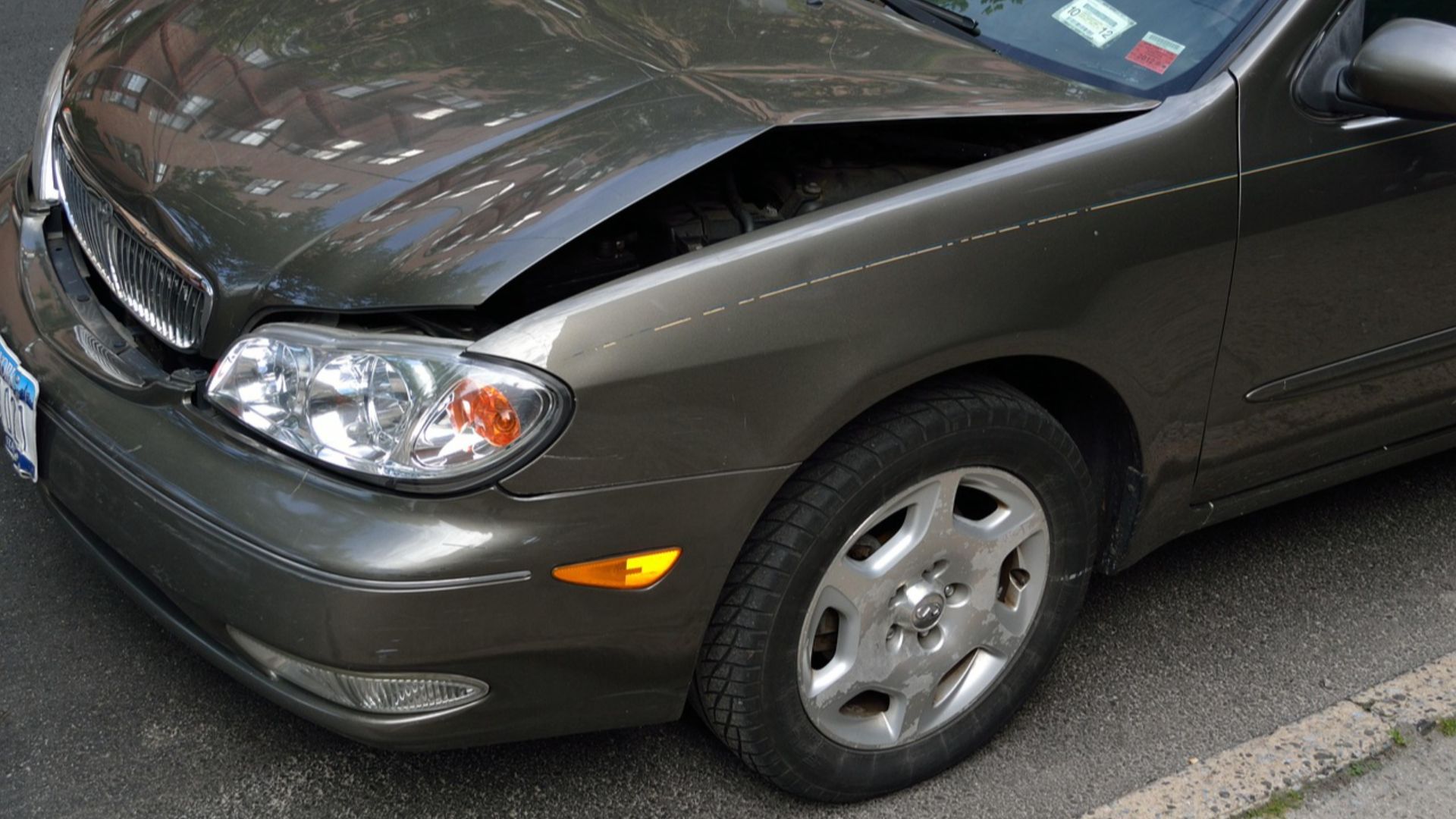
You back into a parking space and crack your side mirror. No big deal, right? A quick trip to the body shop should have you back on the road for a couple of hundred dollars. Except when the repair estimate arrives, you're staring at a bill that's quadrupled what you expected. Welcome to the world of Advanced Driver Assistance Systems (ADAS), where a seemingly minor fender-bender can trigger repair costs that rival actual collision damage.
According to AAA's research, ADAS-related repairs now account for 37.6% of total repair costs following crashes, even if the damage appears to be superficial. The cameras, radars, lidars, and sensors that power features like adaptive cruise control, lane-keeping assistance, and blind-spot monitoring have fundamentally changed what it means to fix a "simple" ding.
Bumps into Bank-Breakers
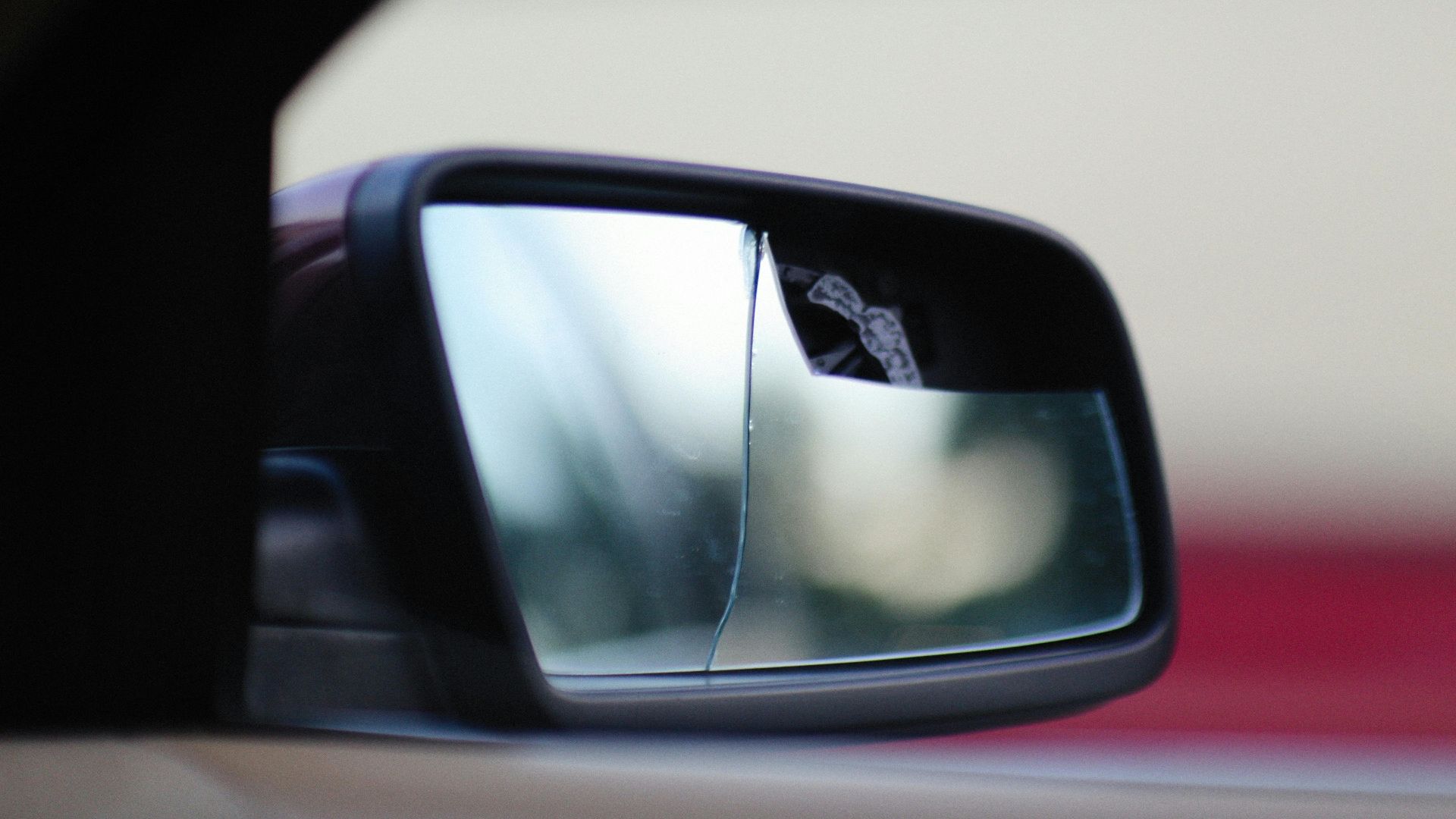
The cost explosion starts with something called recalibration, a mandatory process that wasn't part of a mechanic’s vocabulary a decade ago. Every time an ADAS component gets disturbed—whether through a direct hit or just proximity to the repair area—it needs to be recalibrated to factory specifications. This isn't something a skilled mechanic can eyeball or adjust with traditional tools. Instead, it requires specialized diagnostic equipment and usually technicians with manufacturer-specific certifications that can cost shops thousands of dollars to obtain.
Consider a cracked windshield, once a straightforward repair that might set you back £200–£400 in the UK. Modern vehicles equipped with forward-facing cameras can push that same repair to £800–£1,500 or more, with camera recalibration alone representing 25.4% of the total bill.
The pattern repeats across seemingly minor repairs. A wing mirror replacement that once cost £100–£250 now runs £400–£1,000 when blind-spot monitoring cameras and radar are integrated into the housing, with those sensors accounting for 70.8% of the repair cost. Bumper repairs have jumped from £300–£600 to £1,200–£2,500 because ultrasonic and radar sensors embedded throughout need individual calibration. Even headlight replacements have exploded from £150–£300 to £700–£2,000 when adaptive LED matrix modules are involved. According to recent industry analysis, these repairs also add 3–5.5 days to cycle time, meaning you're not just paying more—you're waiting longer.
The Insurance Shockwave
The repair cost surge hasn't stayed confined to body shops. UK insurers reported repair payouts rising 15–32% between 2023 and 2025, driven primarily by ADAS complexity, parts shortages, and the scarcity of technicians trained to handle these systems, according to industry coverage tracking, drivers face similar pressure, with ADAS recalibration now appearing on 35.6% of collision repair estimates, up from just 26.9% the previous year. That uptick has contributed to an 11.1% average premium increase as claims severity climbs by $300–$800 per incident.
The financial burden doesn't stop with individual claims. Repair shops need to invest $50,000 or more in calibration equipment and ongoing certification programs to handle ADAS-equipped vehicles properly. Those capital costs inevitably flow downstream to consumers through higher labor rates and diagnostic fees. Data from collision repair networks shows that rear-end collisions now cost an average of $684 extra (representing 40.9% of the repair bill) just for rear sensor recalibration. Front-end impacts hit even harder, averaging $1,540 in additional costs that account for 13.2% of total repairs.
Perhaps most frustratingly for vehicle owners, these costs often come as complete surprises. Insurance policies written before ADAS rarely include specific language about calibration coverage, leaving drivers on the hook for expenses they never anticipated. Comprehensive coverage that once seemed adequate may fall short when a minor parking lot scrape triggers thousands in sensor-related work. Some insurers have begun offering calibration riders as add-ons, but awareness remains low, and the coverage gaps continue catching drivers off guard.
The Long Game Gets Expensive, Too
The immediate repair bill is just the opening act. Skip the proper ADAS calibration to save money, and you've set yourself up for a cascade of long-term problems. Research indicates that malfunctioning systems—particularly blind-spot monitoring and automatic emergency braking—can experience failure rates up to 37% following improper repairs. Those safety features you're counting on to prevent accidents may be silently degraded or completely nonfunctional, and you won't know until they fail to activate when you need them most.
Resale value takes a beating, too. Pre-purchase vehicle scans have become standard practice, and uncalibrated or malfunctioning ADAS systems flag immediately, scaring off potential buyers or tanking negotiated prices. The diagnostic report that shows your lane-keeping assist is out of spec becomes a bargaining chip that can knock thousands off your asking price.
The DIY trap snares well-meaning owners, too. Online forums overflow with frustrated drivers attempting home repairs to save money, only to discover they've disabled critical safety features or triggered inspection failures. Consumer discussions on platforms like Reddit frequently feature tales of "write-offs for scratches"—cars totaled by insurers because ADAS repair costs exceed the vehicle's value. Many drivers admit to skipping windshield recalibration entirely, gambling that nothing bad will happen and hoping warranty coverage won't disappear.
Smart mitigation starts with choosing ADAS-certified repair shops from the outset, even when they're not the cheapest option. Requesting and documenting diagnostic scans both before and after repairs provides evidence that work was completed properly, protecting your resale value and warranty coverage. Reviewing your insurance policy for calibration-specific language and considering comprehensive coverage upgrades may cost more upfront, but it prevents the sticker shock when minor damage triggers major bills. The technology making your car safer has simultaneously made it vastly more expensive to fix, and pretending otherwise only compounds the problem.
The bottom line is your fender-bender isn't minor anymore. Those sensors and cameras surrounding your vehicle have redefined what collision repair means, turning what used to be straightforward fixes into complex, costly procedures that ripple through insurance premiums, resale values, and long-term ownership costs. The only real surprise is how few drivers know this until the estimate arrives.