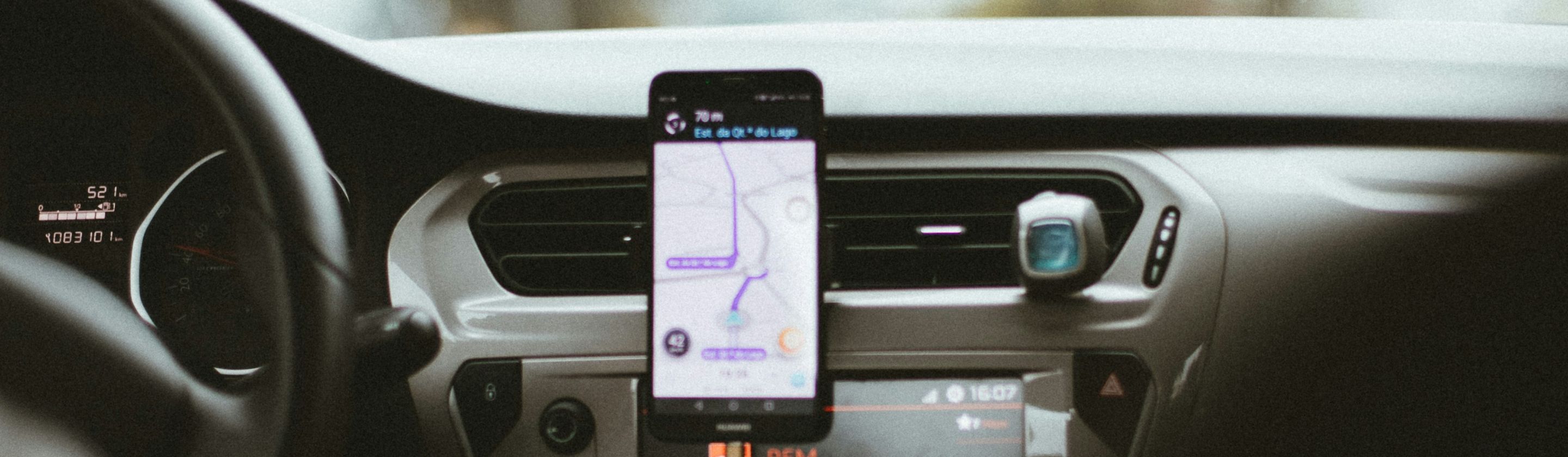
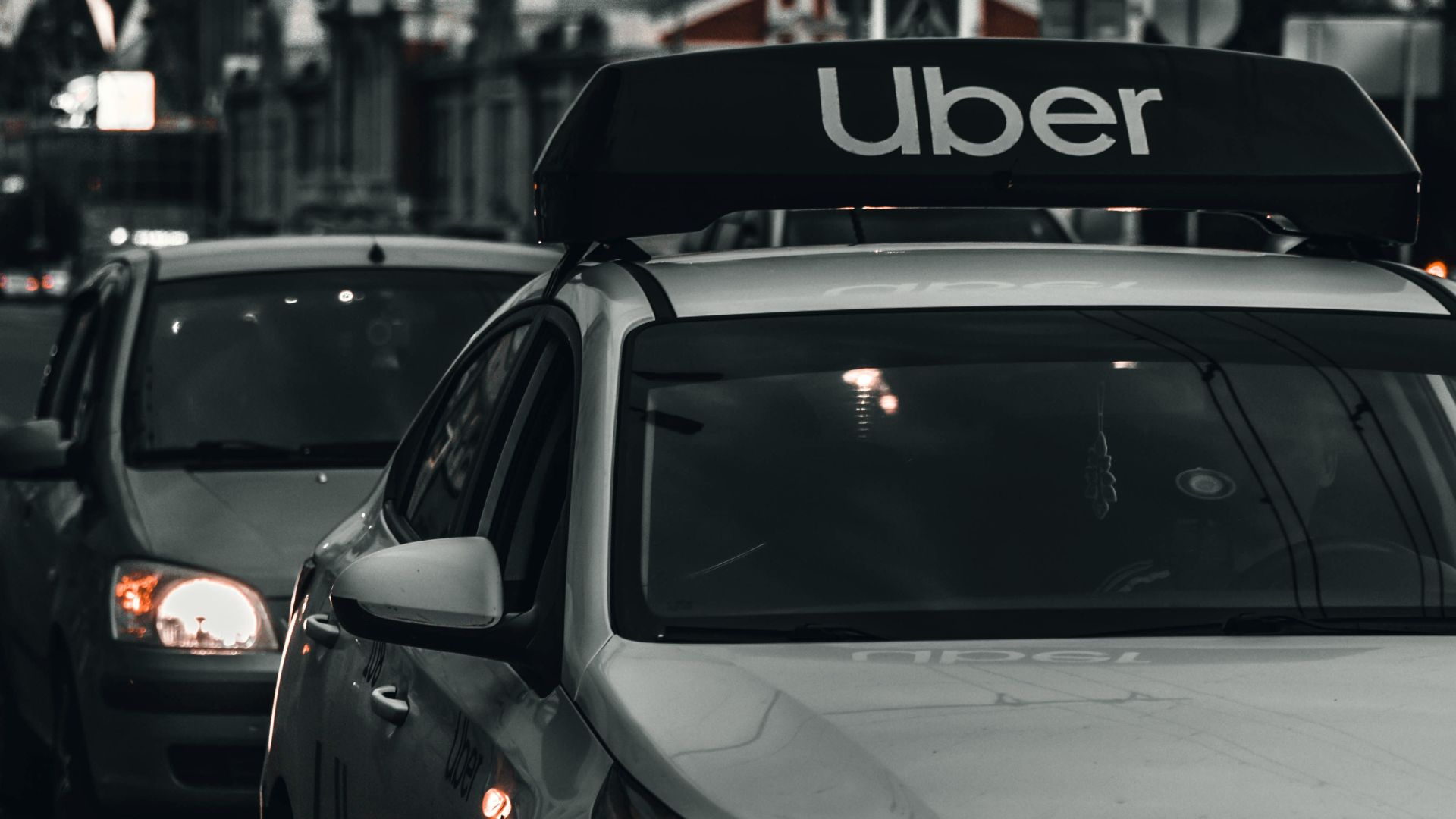
If you live in a big, sprawling, well-connected metro area, you eventually find yourself asking this question: Is it really cheaper to do everything with Uber instead of owning a car? A car comes with a laundry list of annual costs: gas, insurance, maintenance, registration, repairs. Ridesharing, on the other hand, feels much simpler. You press a button, you get a car, and you never have to think about oil changes again. The true cost picture is much murkier, of course, and the best answer is highly situational, depending on your lifestyle, commute, and overall travel frequency.
The Real Cost

It is easy to be unaware of the full annual cost of car ownership. Even the lowest-cost vehicle involves a predictable annual outlay. Insurance is in the low thousands of dollars per year. Fuel for a small commuter car is another couple of thousand dollars per year, or more for those with longer commutes. Registration, city vehicle stickers, winter tires, oil changes, brake service, unexpected repairs, and the periodic big-ticket replacement item, and it’s not unusual for drivers to be spending several thousand dollars per year on running a car before the purchase or financing of the vehicle itself is even considered.
Repairs on vehicles over 10 years old can accelerate. When a vehicle reaches a certain age where brakes, tires, and all the other wear parts wear out at the same time, maintenance expenses can suddenly and substantially increase. Many people ultimately sell their old cars not because they want to, but because the continued cost of operating them can no longer be justified.
Ridesharing Savings
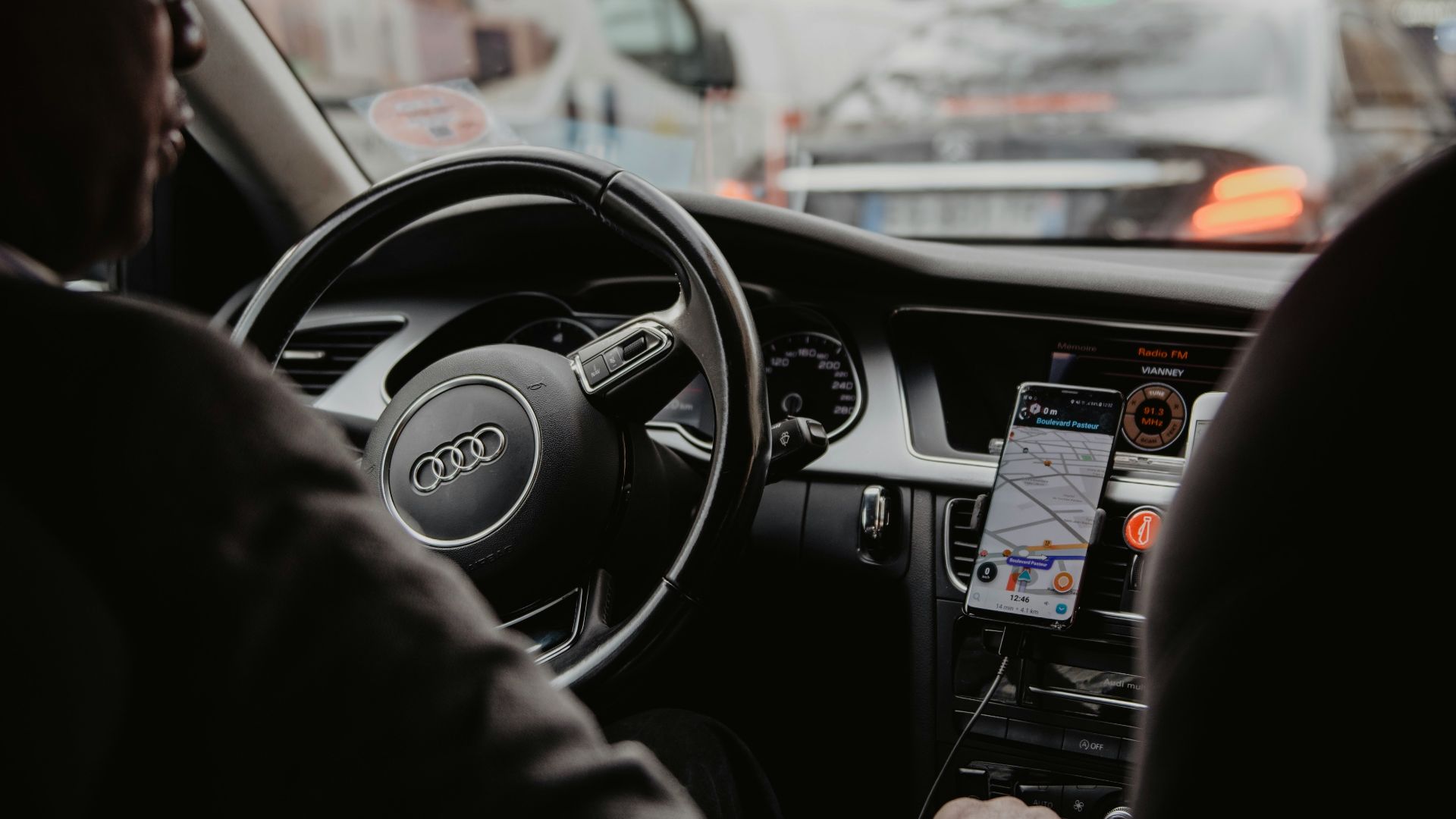
The high headline costs of ridesharing can be deceiving; it can sometimes cost less than owning a car. A person who commutes a short distance by Uber may only spend a few dollars per trip if they choose a carpool-style option or have access to discounted passes. That might add up to less than the typical driver spends on gas over a month’s time.
In practice, a typical Uber user, meaning one who rides to work on weekdays and otherwise infrequently, can often spend under a few hundred dollars a month. Such a user probably also averages under $5,000 a year in Uber costs, while the national auto group AAA estimates that most Americans’ total annual costs for owning and operating a car are well above a few thousand dollars.
The catch, of course, is that the “per-mile” cost of Uber is front-loaded: it is much more expensive for short distances, and a mile on Uber compared to a mile in your own car is very inefficient after a point. A cheap five-minute Uber may be less than the cost of parking a car for a day; regular use across the city or for routine errands will be more.
So Which Is Cheaper?
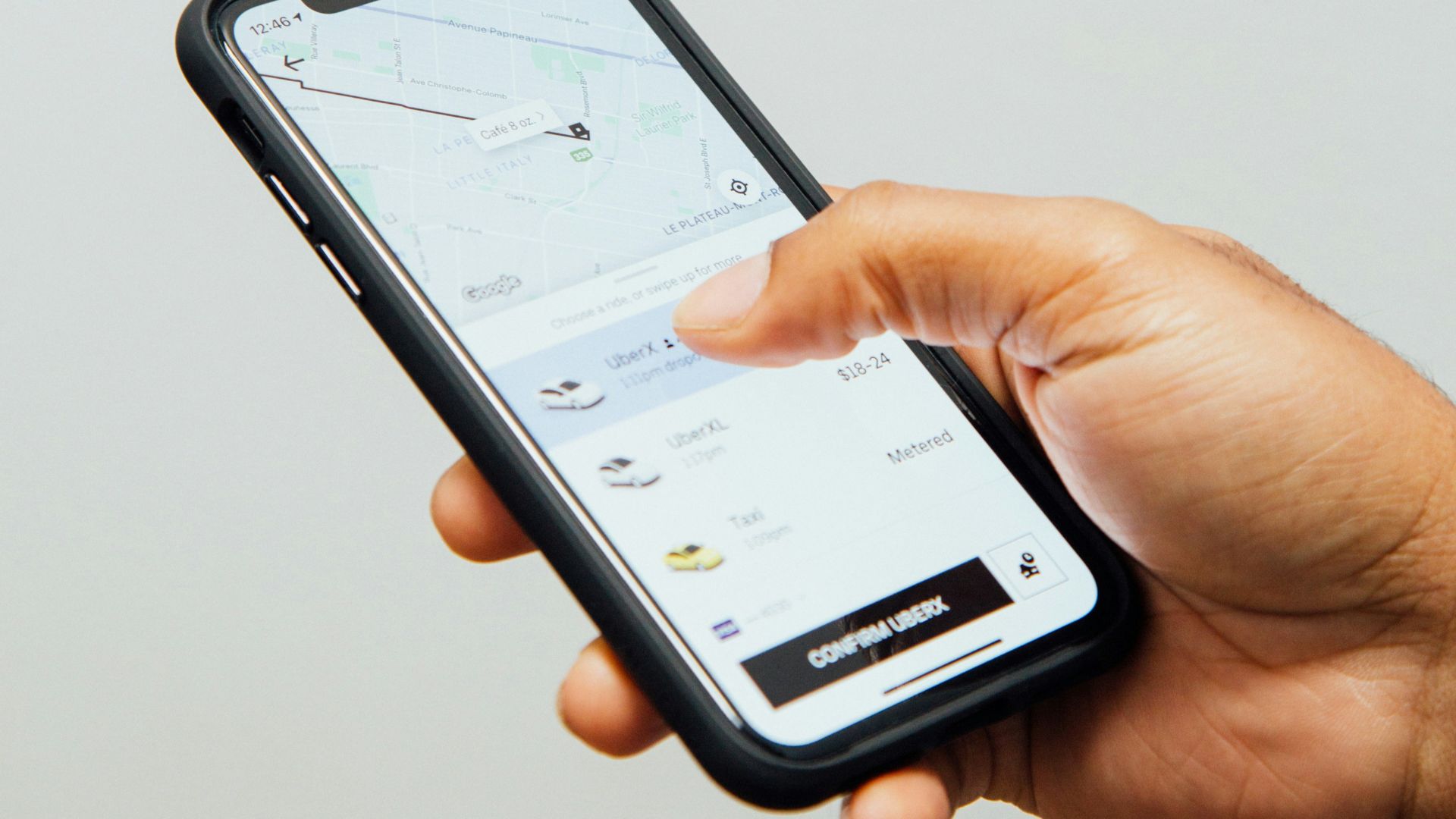
Uber is the more affordable choice for many people who don’t drive very far each day. The less you drive, and the less you need to travel long distances, the more sense ridesharing makes. But once you factor in frequent trips, travel to neighborhoods far from each other, or distances to and from the suburbs, a car is often cheaper, even when accounting for fuel, maintenance, and insurance.
The short version: Uber is a better value for people who drive little and live an urban lifestyle. A car is a better value for people who drive a lot, have an unpredictable schedule, or live somewhere with inadequate transit.