Myths Even Car Nerds Repeat
Car-geek myths are different from regular car myths because they come with just enough technical vocabulary to sound airtight. Someone did one mod, felt a change, saw a graph online, and suddenly the theory becomes law. A lot of these ideas started as half-true rules for a specific engine, a specific era, or a specific build, and then they got copy-pasted onto everything with four wheels. The result is confident advice that can waste money, create new problems, or send you chasing the wrong fix. Here are 20 car-nerd theories that sound legit, but are usually wrong in the real world.
1. Cold Air Intake Always Adds Power
On many modern cars, a basic intake mostly changes sound and throttle feel, not peak power. If the factory intake isn’t a restriction at your airflow level, the gains are minimal without other supporting mods and tuning. Heat soak and bad MAF scaling can even make it run worse.

2. Bigger Throttle Body Means More Horsepower
A bigger throttle body can help at high airflow, but on most street builds the limiting factor is elsewhere. You can lose low-speed drivability or throttle resolution and gain basically nothing up top. The engine only takes what it can use.
3. You Need Backpressure For Torque
Engines don’t want backpressure, they want properly timed exhaust scavenging. People confuse a loss of low-end after a bad exhaust setup with needing backpressure, when it’s usually about pipe diameter, collector design, and velocity. A well-designed exhaust can be freer-flowing and still keep response.
4. Catless Is Always Faster
Sometimes it is, sometimes it isn’t, and the difference is often smaller than people expect. Modern high-flow cats can support serious power, and a catless setup can bring boost creep, weird fueling, louder drone, and inspection headaches. Faster is not just peak dyno numbers.

5. An O2 Spacer Fixes Everything
A spacer might keep a light off in certain cases, but it doesn’t actually solve the reason the system is unhappy. It can mask a real catalytic efficiency problem or create readings that mess with trims on some setups. If the tune and hardware don’t match, you’re just playing defense.

6. Higher Octane Always Makes More Power
Octane is knock resistance, not extra energy in the fuel. If your car isn’t timing-limited by knock on its current fuel, jumping to premium won’t magically add power. It helps when the ECU can safely advance timing, or the tune is built for it.
7. You Can Feel Every 5 Horsepower Gain
Most seat-of-the-pants gains are really throttle mapping, sound, or the excitement of doing a mod. Real changes often show up in datalogs, trap speed, or consistent lap times, not a single pull on a random day. The butt dyno is emotional, not calibrated.
8. Stage Numbers Mean The Same Thing Everywhere
Stage 1, Stage 2, Stage 3 is not a standard, it’s marketing shorthand. One shop’s Stage 2 might be another shop’s mild tune, and hardware requirements vary wildly by platform. Treat stage labels like vibes, not specifications.

9. Resetting The ECU Makes The Car Faster
An ECU reset can make a car feel different for a bit because it relearns trims and driving style, but it’s not unlocking hidden power. If it feels stronger, it’s often because the throttle mapping feels sharper before adaptation settles. Real power comes from airflow, fuel, spark, and calibration.
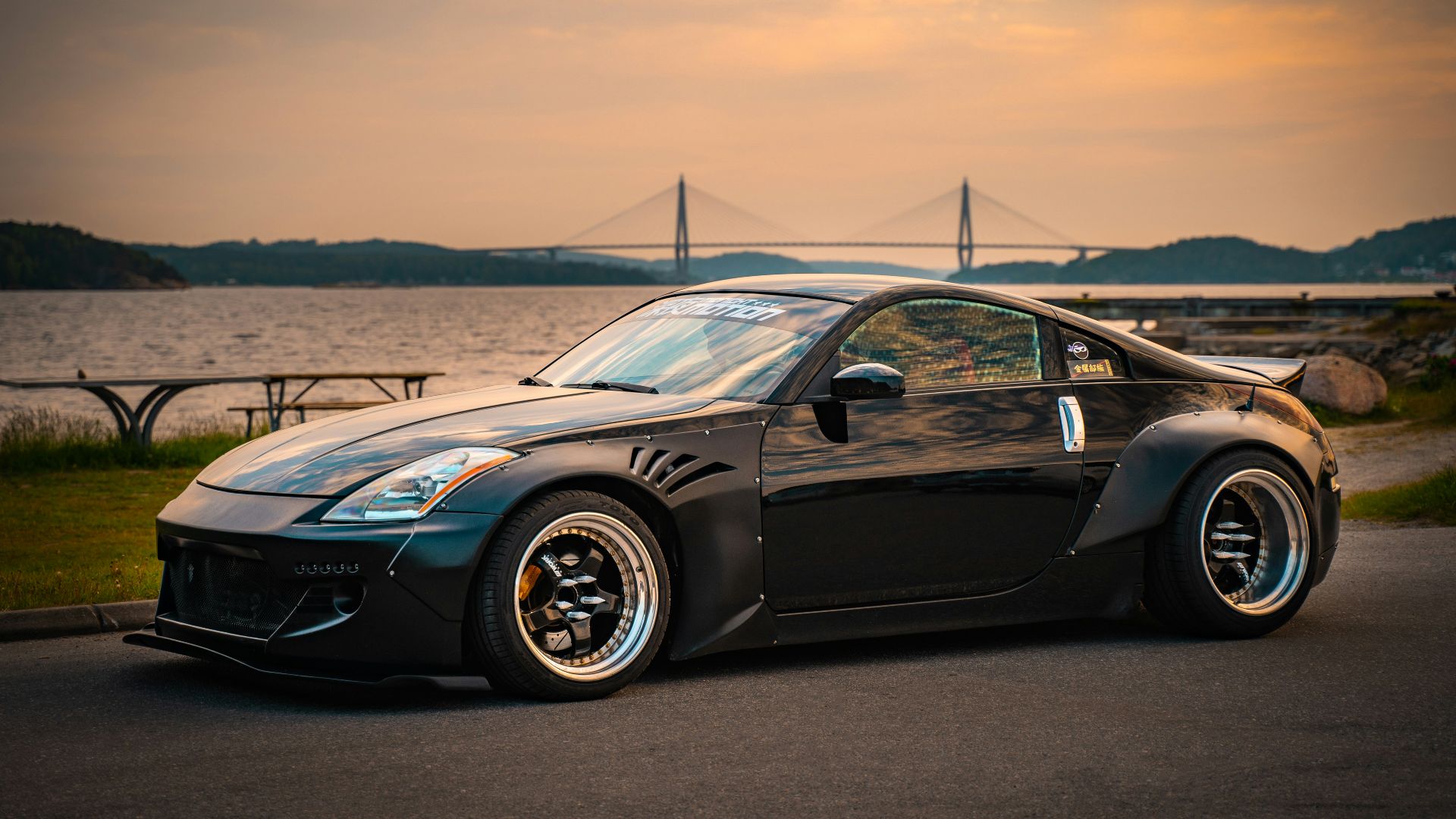 Patrik Storm (Alstra Pictures) on Unsplash
10. More Boost Automatically Means More Power
Boost is just pressure, and pressure without airflow is a party trick. You can crank boost and add heat, backpressure, and knock risk while barely improving mass flow. The goal is efficient airflow in the usable RPM range, not the biggest number on the gauge.
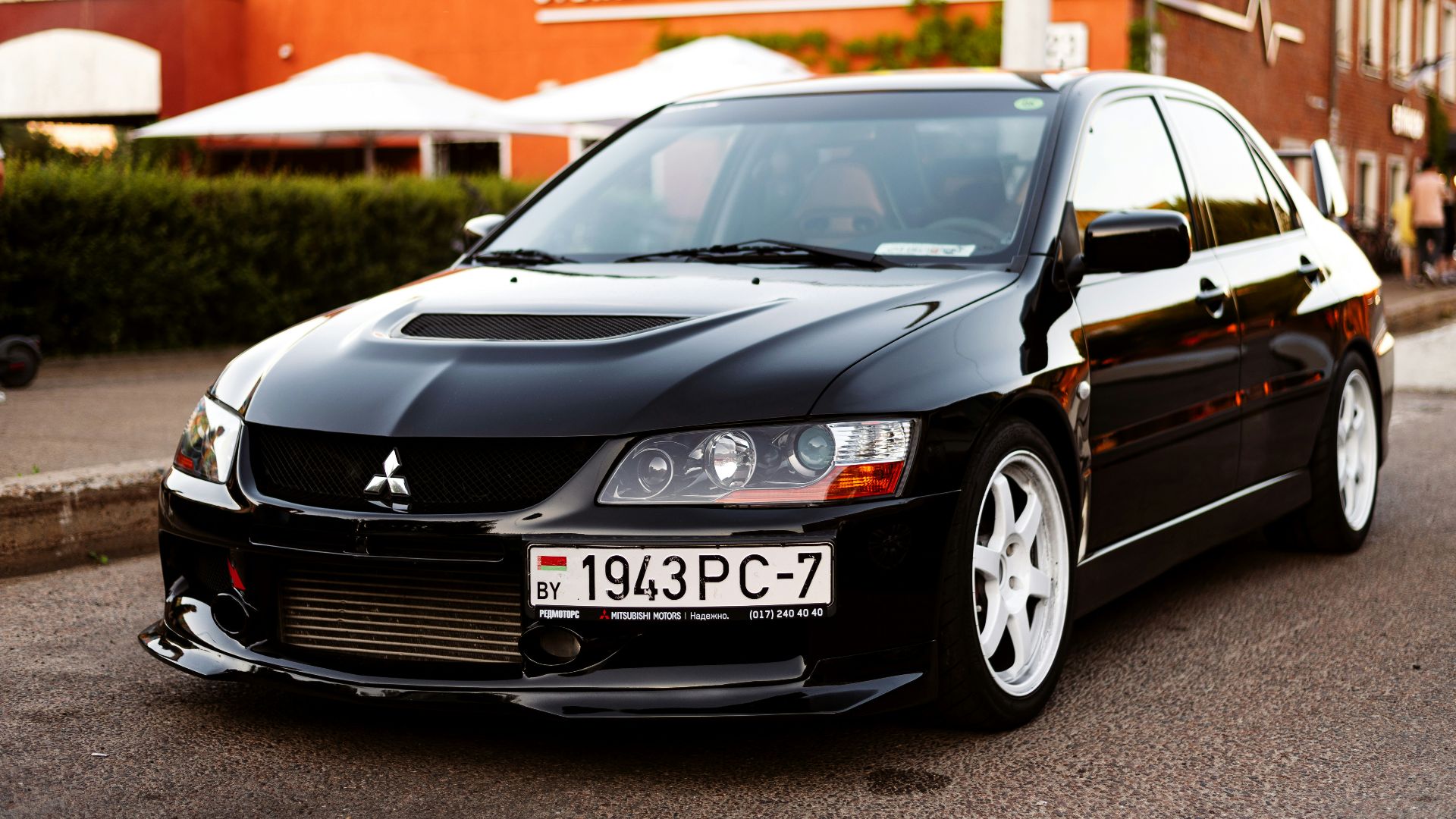 Vitali Adutskevich on Unsplash
11. Blow-Off Valve Noise Equals Performance
That sound mostly means you changed how the system vents pressure, not that the engine is making more power. On many MAF-based cars, vent-to-atmosphere setups can cause rich shifts, hesitation, or weird drivability. It’s often a sound mod that gets sold like a performance mod.
12. Shorter Gears Make The Engine Stronger
Short gears can feel quicker because you’re multiplying torque and keeping RPM up, but the engine didn’t gain power. You’re changing how the car uses the power it already has. It’s a great mod for certain goals, but it’s not a horsepower mod.

13. Lightweight Wheels Always Make You Faster
Reducing rotating mass can help response and ride quality, and it can matter a lot in some scenarios. But weight distribution, tire choice, wheel width, and stiffness often matter more than shaving a pound or two. A lighter wheel with the wrong tire can still be slower.
14. Wider Tires Always Improve Grip
Wider can help, but compound, temperature, alignment, and pressure are usually the real drivers. Too wide for the wheel, too wide for the suspension geometry, or too wide for the power can actually hurt performance and feel vague. Contact patch is not just width, it’s how the tire works.
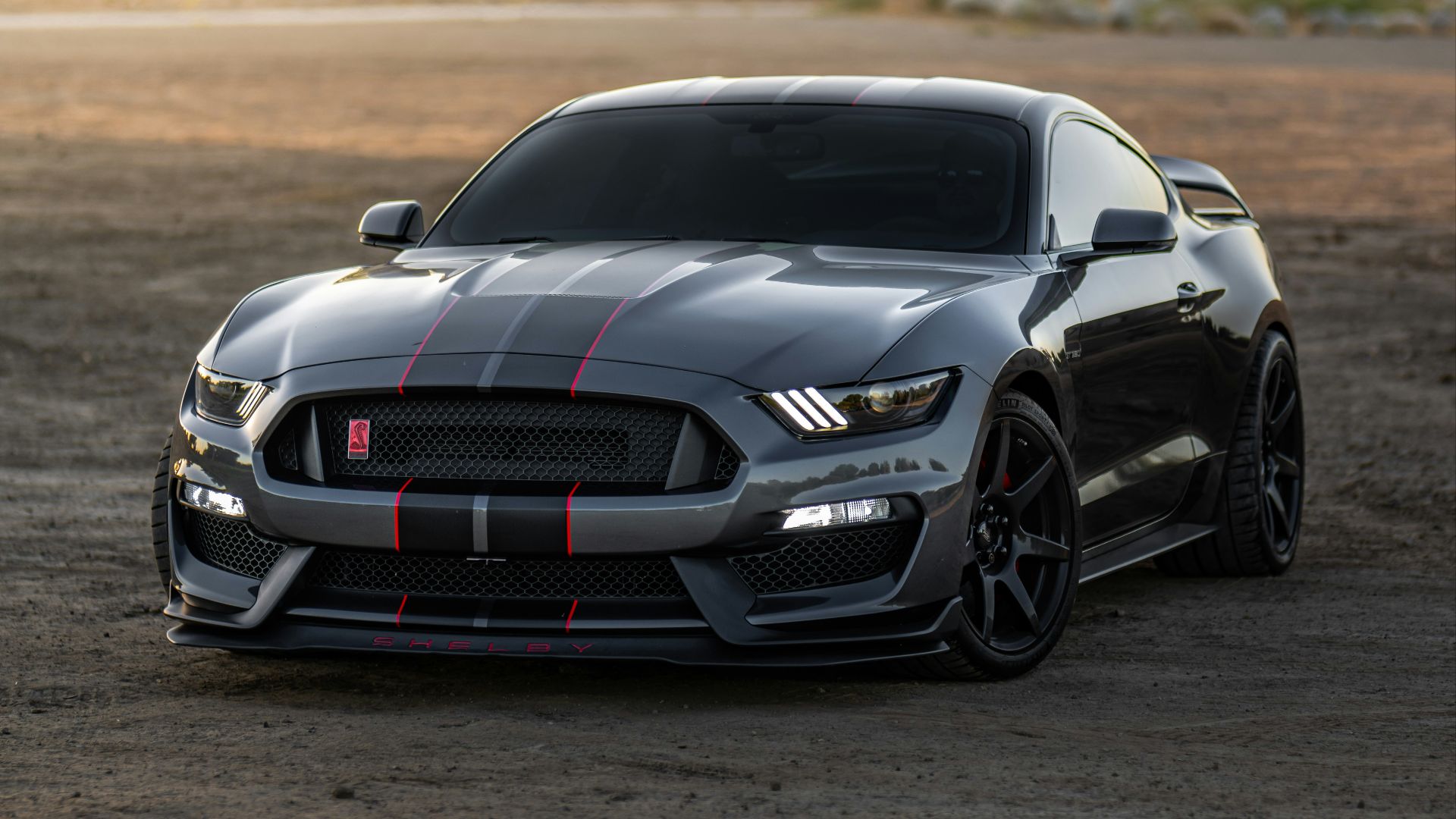
15. Coilovers Automatically Improve Handling
Coilovers can be great, but the wrong spring rates, bad damping, or poor setup can make the car worse than stock. Many cars need alignment, proper corner balance, and the right tire more than they need stiffer everything. Low and harsh is not the same as fast and planted.
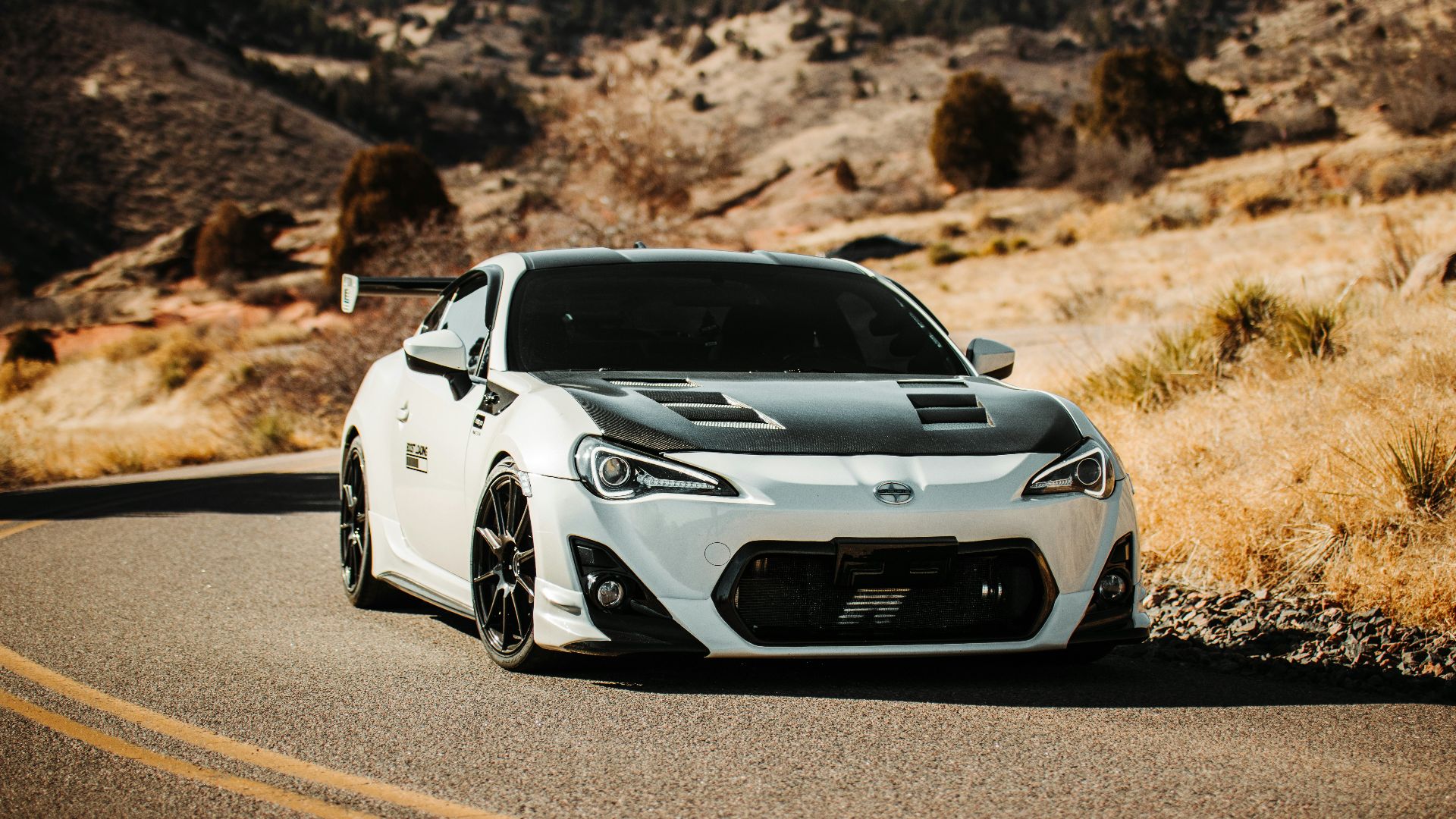
16. Camber Is Only For Stance
Camber is a real performance tool, especially for keeping the tire working in corners. The myth is that any camber is bad or purely cosmetic, when the truth depends on tire, use case, and alignment balance. The wrong camber is a problem, not camber itself.

17. Catch Cans Solve Oil Consumption
Catch cans can reduce intake tract oiling on some engines, especially direct-injection setups with blow-by. But they don’t fix worn rings, bad PCV design, or a tired turbo seal. They’re a management tool, not a rebuild in a jar.
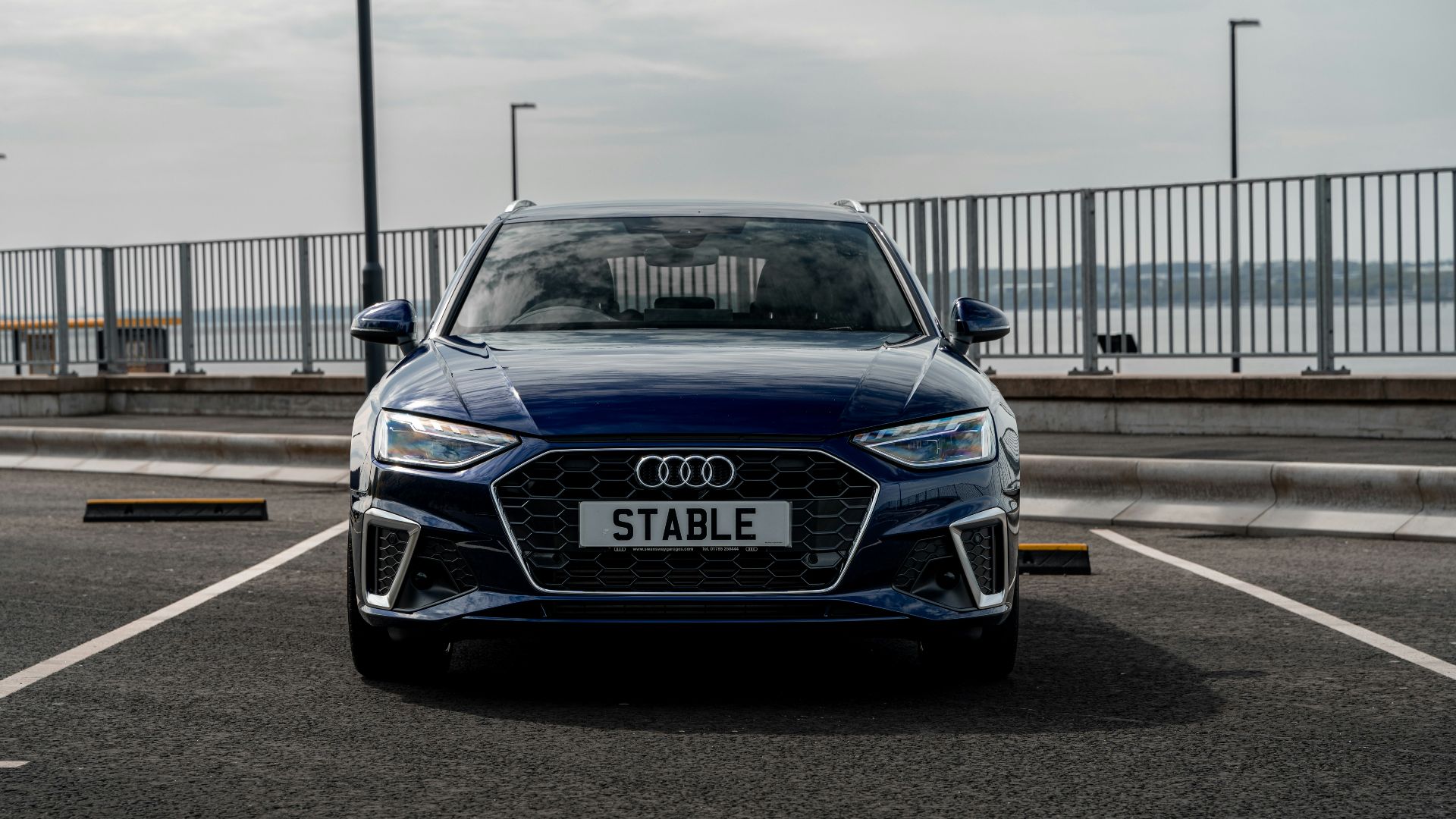
18. Engine Oil Additives Bring Back Lost Compression
Most additives can’t reverse mechanical wear, even if they change noise or cold-start feel. If compression is down, the fix is diagnosing why, not pouring in hope. The best-case outcome is masking symptoms long enough to forget the real problem.

19. Bigger Intercooler Always Improves Performance
A better intercooler can lower intake temps and stabilize power, especially on boosted cars. But going too large can increase pressure drop, add lag, and hurt response if the rest of the system isn’t matched. Cooling is good, but sizing and flow matter.
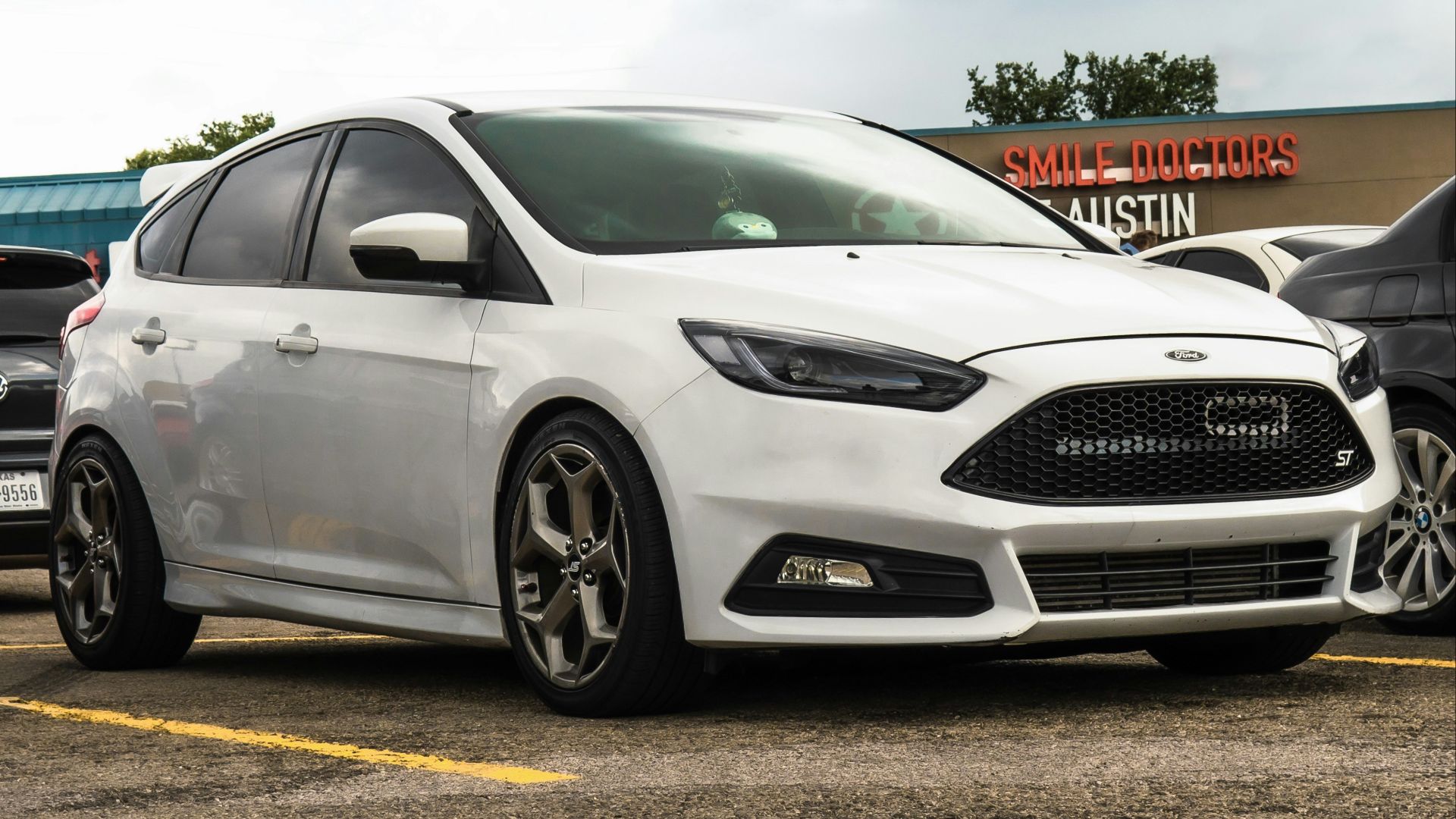
20. More Parts Equals More Reliable Power
Throwing mods at a build without a clear plan often creates a car that’s harder to tune, harder to diagnose, and more fragile under heat and load. Reliability comes from the combination working together: fueling headroom, cooling, quality parts, careful tuning, and realistic goals. The best builds look boring on paper because they’re balanced.