A Sign of the Times
Gas stations have undergone a remarkable transformation in the United States. From their early days as mere fuel stops, they have evolved into convenience hubs, tech-enabled pit stops, and even social spaces. With that in mind, here are 20 ways they’ve changed over time.
1. Self Service
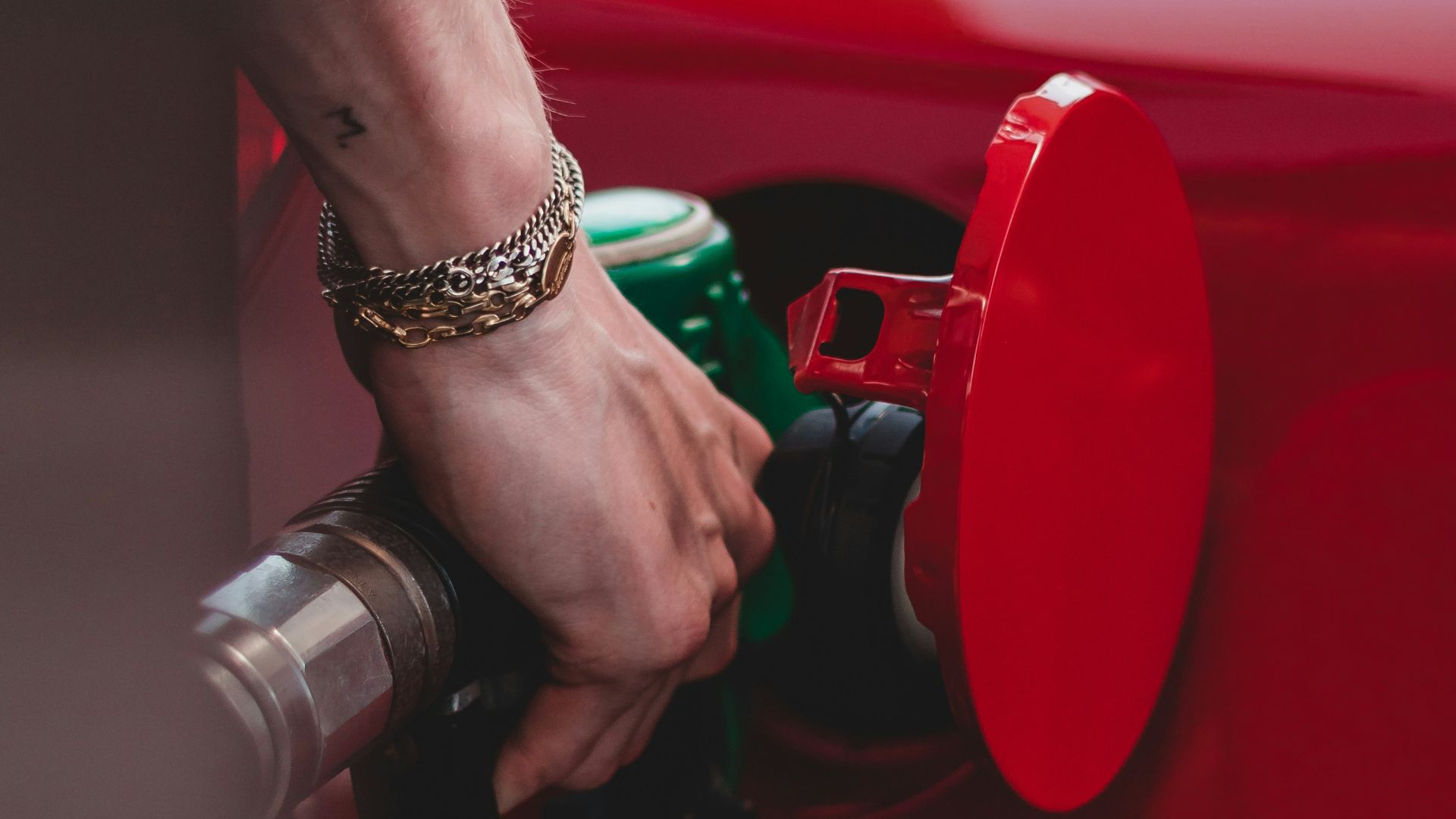
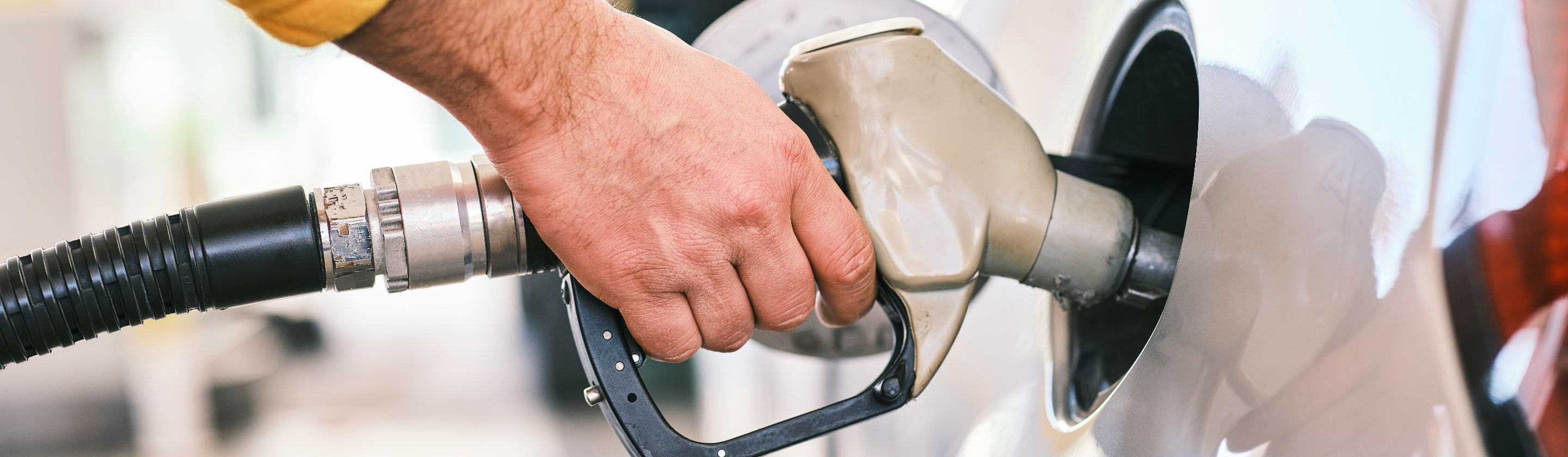
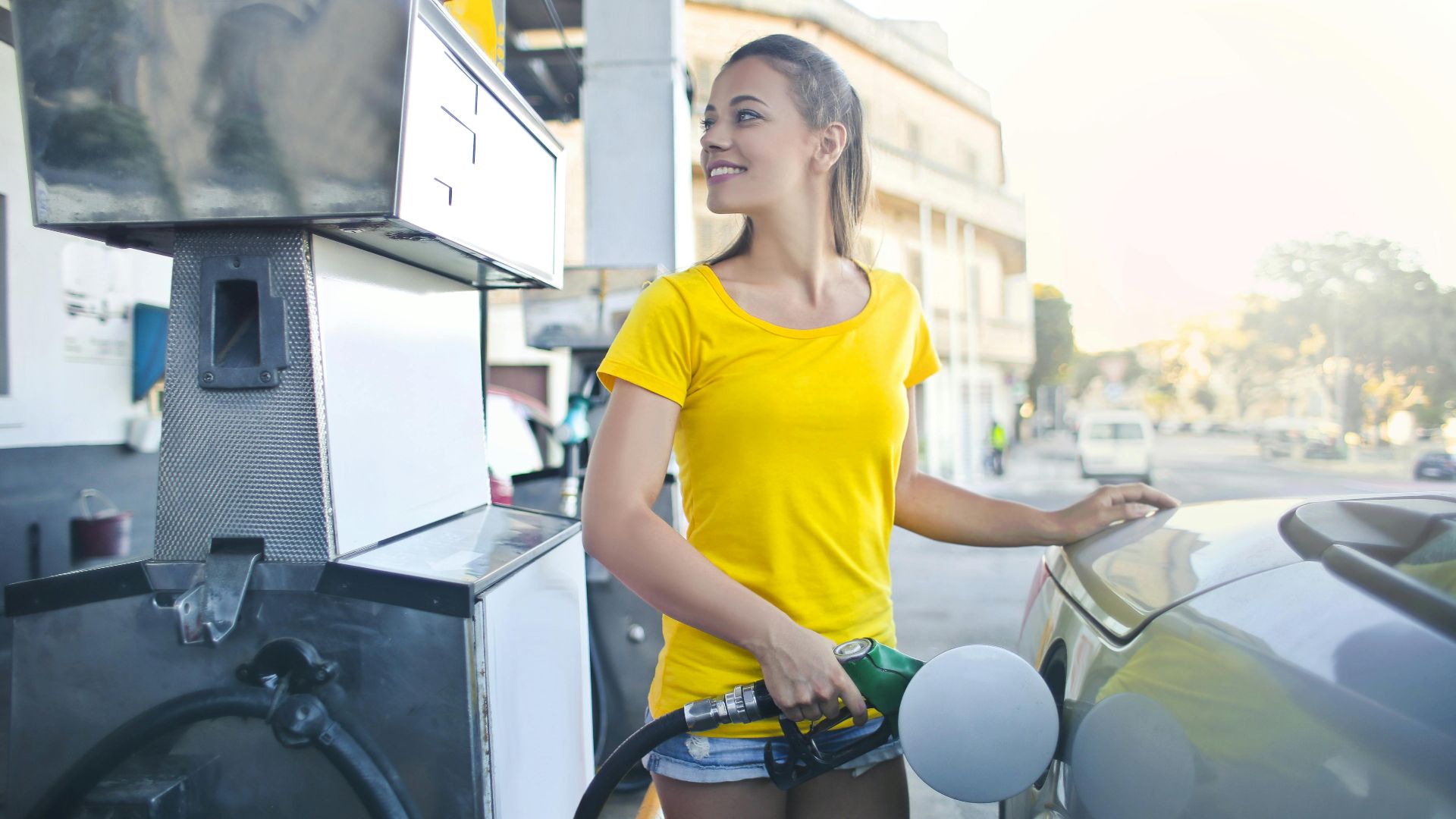
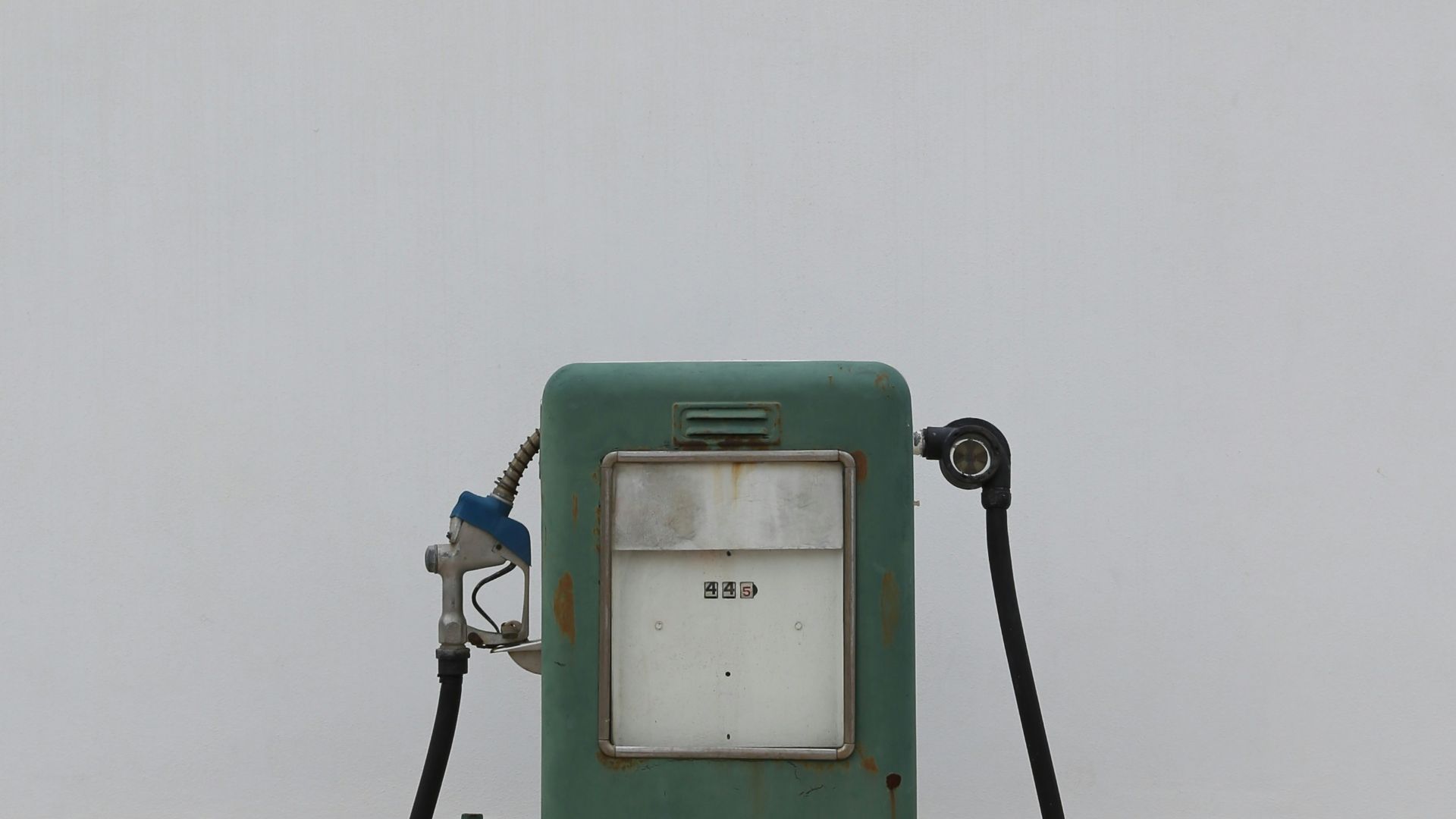
The first gas stations were staffed by attendants who pumped gas and offered to check vehicles under the hood. Rising labor costs and the energy crises of the 1970s led to the widespread adoption of self-service. Today, customers pump their own gas almost everywhere.
2. Mechanics Decline
Many mid-twentieth-century stations had full-service bays where on-site mechanics repaired vehicles. As automobiles became more reliable and specialized auto shops proliferated, these service bays dwindled. Most modern stations are retail-focused and lack on-site mechanics for minor or major car issues.
3. More Corporate
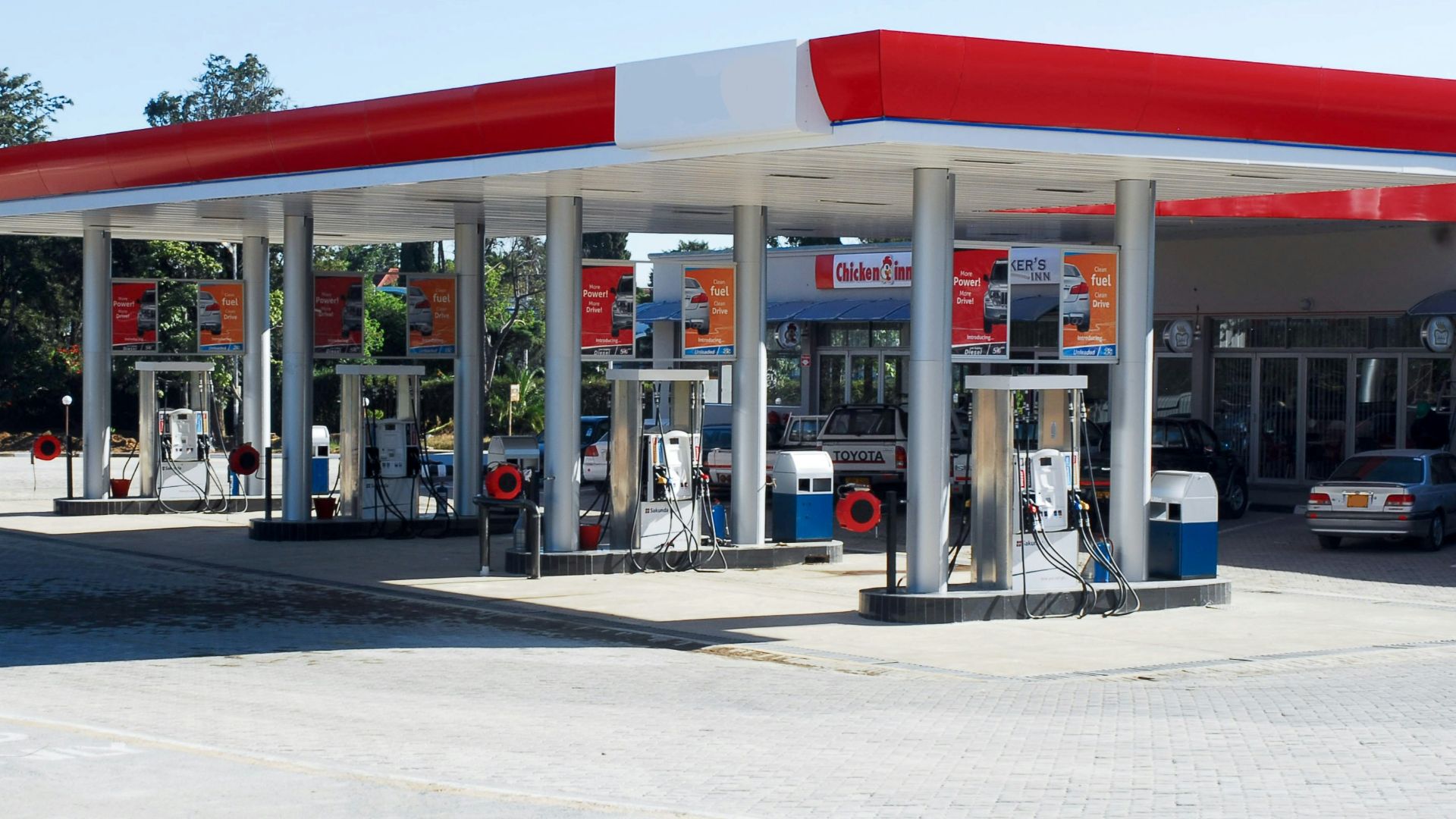
Early stations were commonly owned and operated by small business owners serving local communities. Over time, large companies and convenience store chains expanded, acquiring or displacing many independent stations. This consolidation has resulted in standardized sites with higher volume and wider product offerings.
 Jean-christophe Gougeon on Unsplash
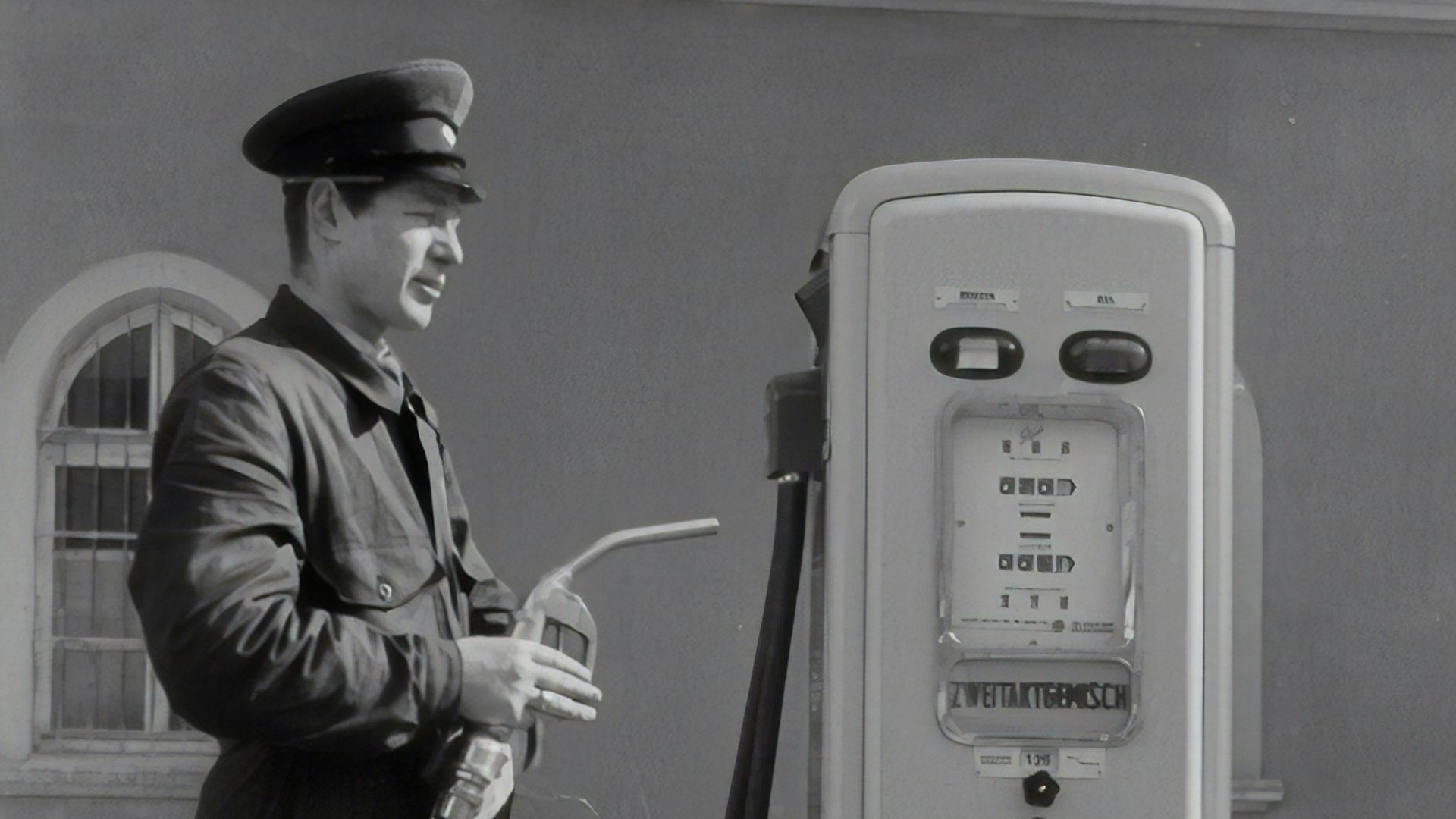
4. Less Involved Attendants
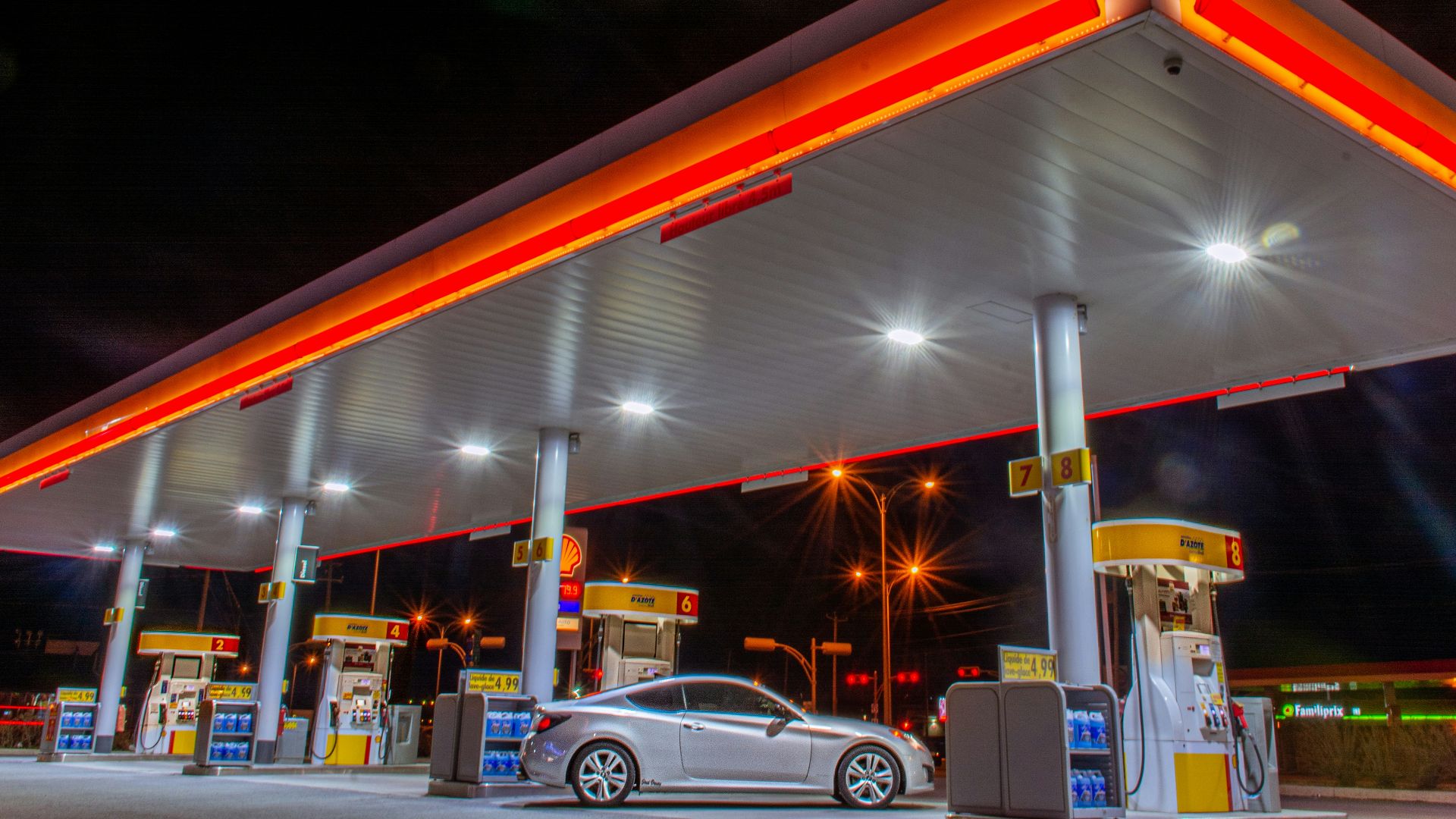
Gas attendants once offered mechanical help and hand fueling. As self-service became prevalent, their role shifted to general retail and safety management. Now, attendants often observe multiple pumps and serve customers from a central desk, with minimal training required.
 Austrian National Library on Unsplash
5. Practicality Over Everything
In the early automobile age, some stations were built in eye-catching novelty designs shaped like teapots, seashells, or other objects. These designs helped motorists spot stations and became unique local landmarks. Today, practical, standardized structures dominate, making programmatic architecture rare.
6. Improved Safety
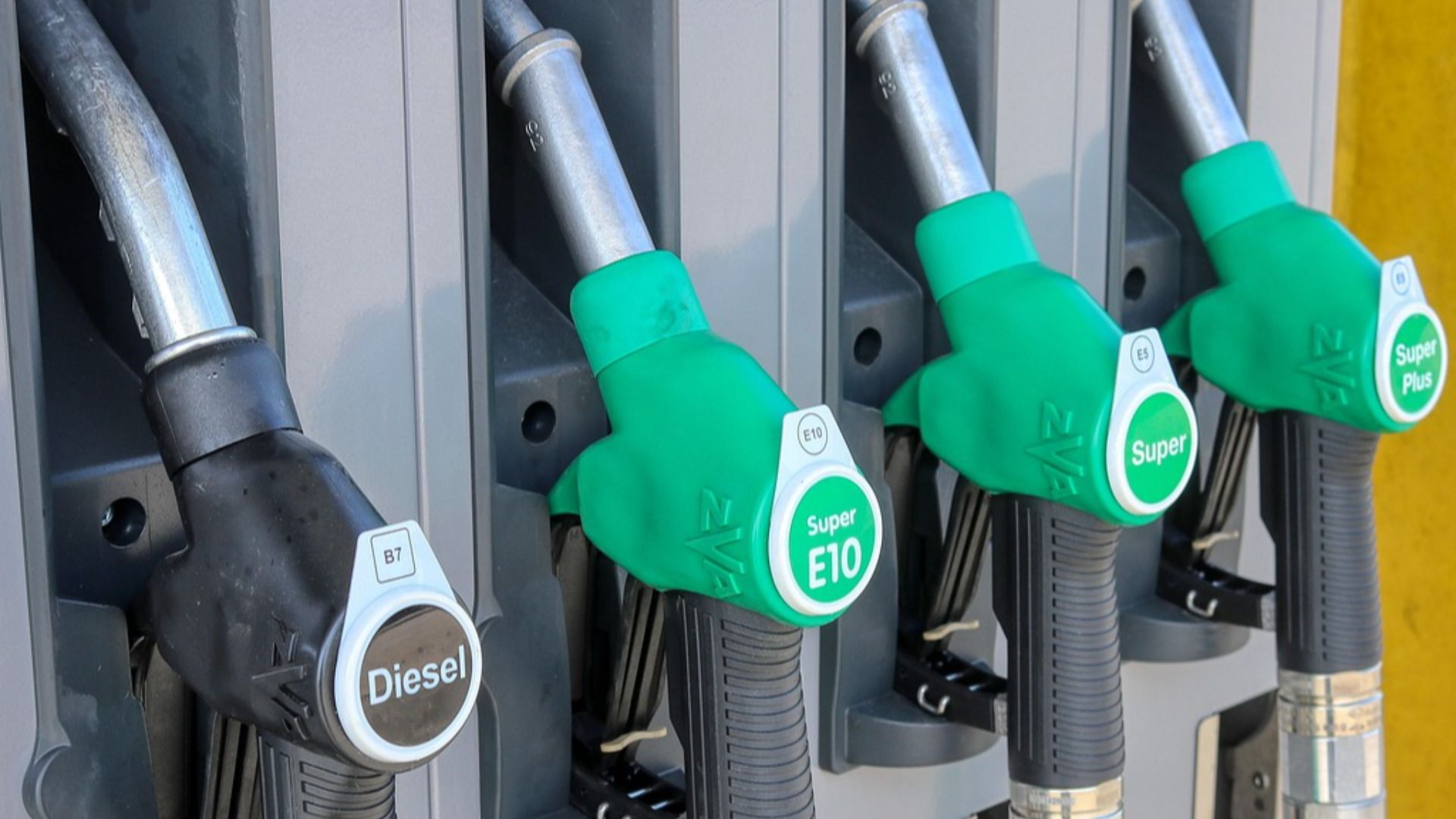
Older storage systems were prone to leaks and accidental releases, causing environmental hazards. Modern stations use leak-proof underground storage tanks with linings and detection systems. Safety has also improved with modern nozzles and vapor controls.

7. Pay Convenience
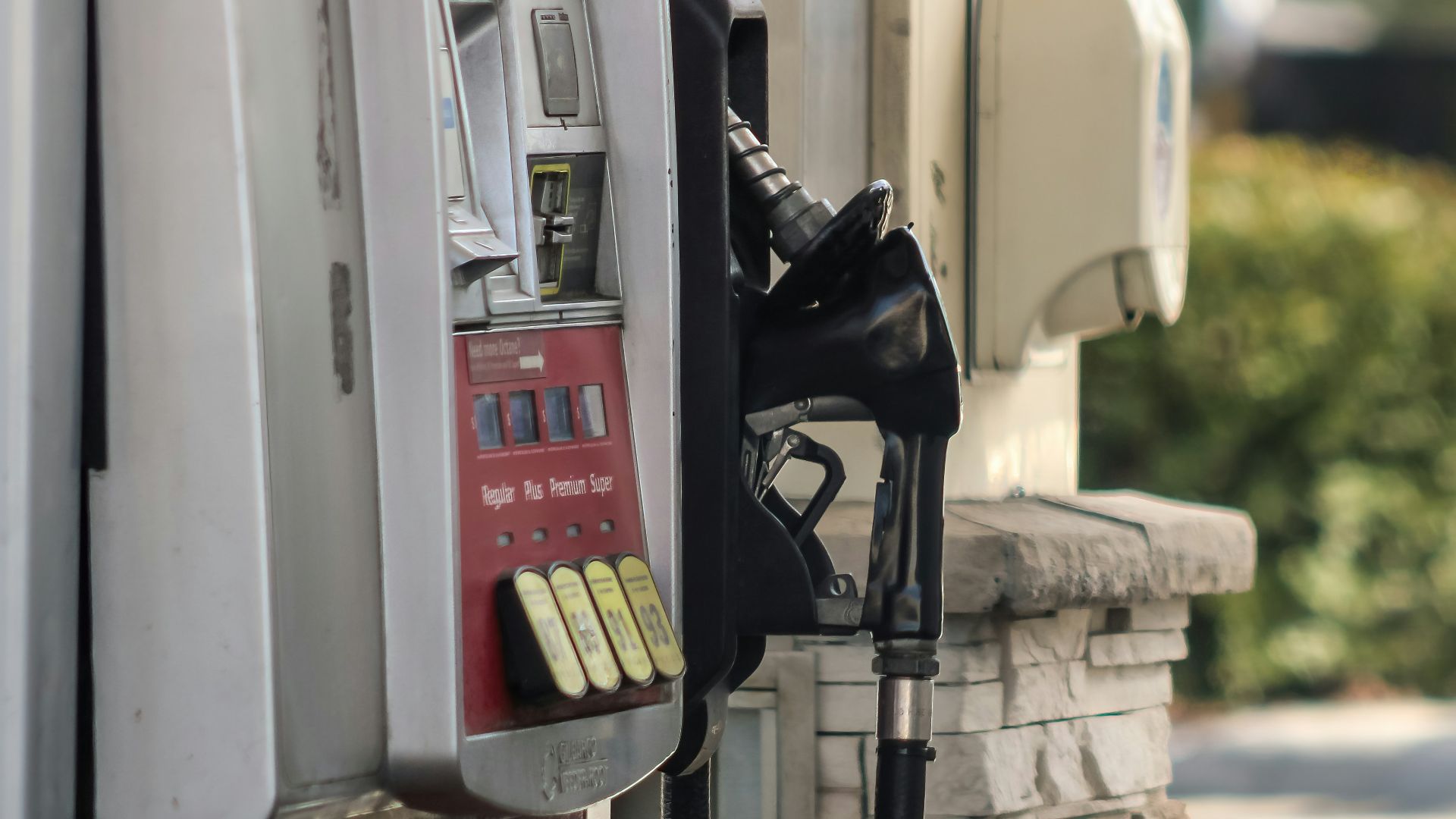
Card readers at the pump allow customers to pay without entering the store, shortening lines and speeding transactions. Pay-at-the-pump has become the norm at most American stations.

8. All Digital
Traditional price boards have been replaced with digital signs that can be updated quickly. Pump screens provide promotions, instructions, and safety information, reducing labor and improving service.
9. Monitoring Practicality
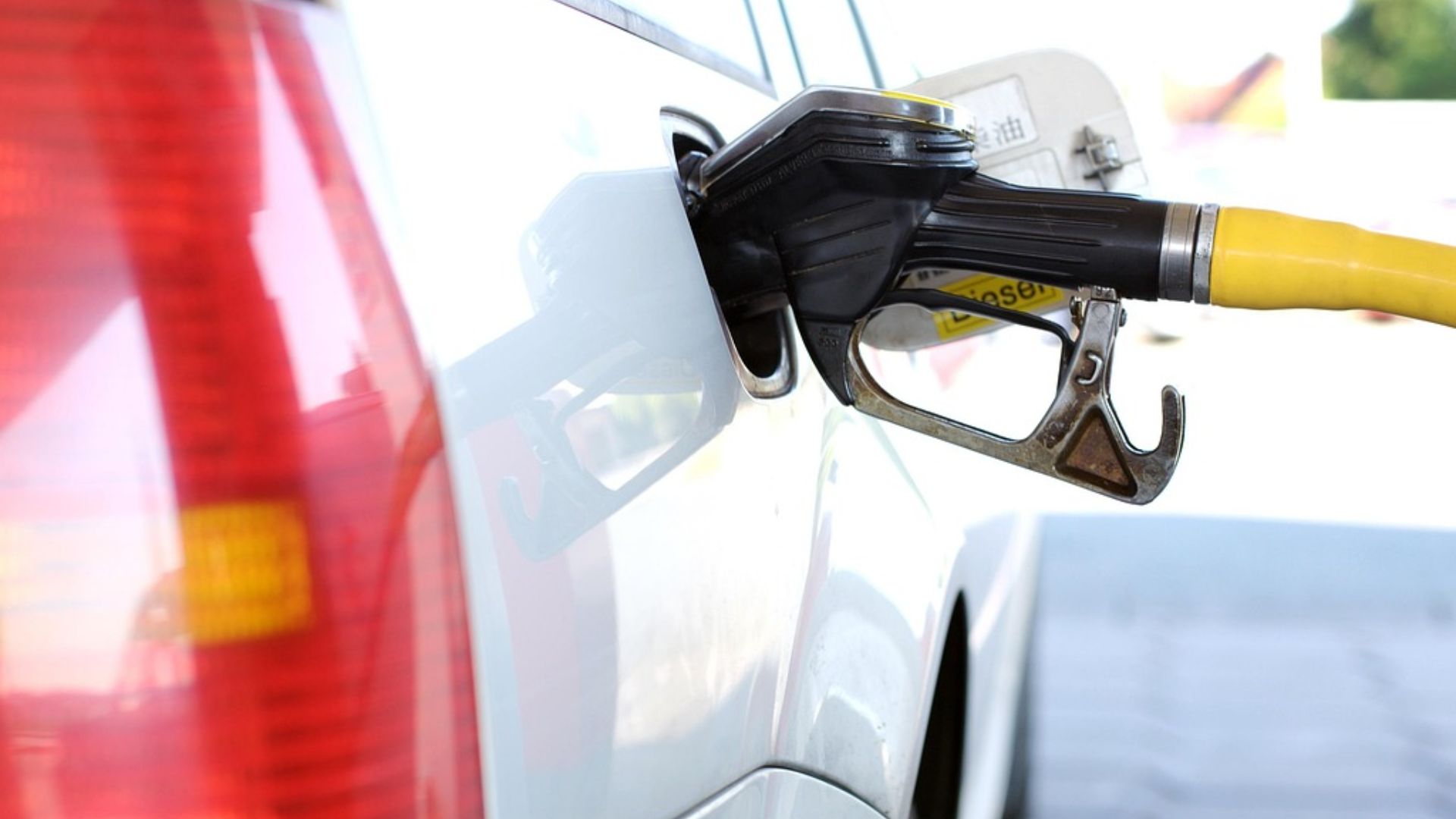
Fuel deliveries and tank levels are monitored digitally, alerting operators when supplies are low. This reduces the risk of running out of fuel and helps companies optimize truck routing and scheduling.
10. Convenience Addition
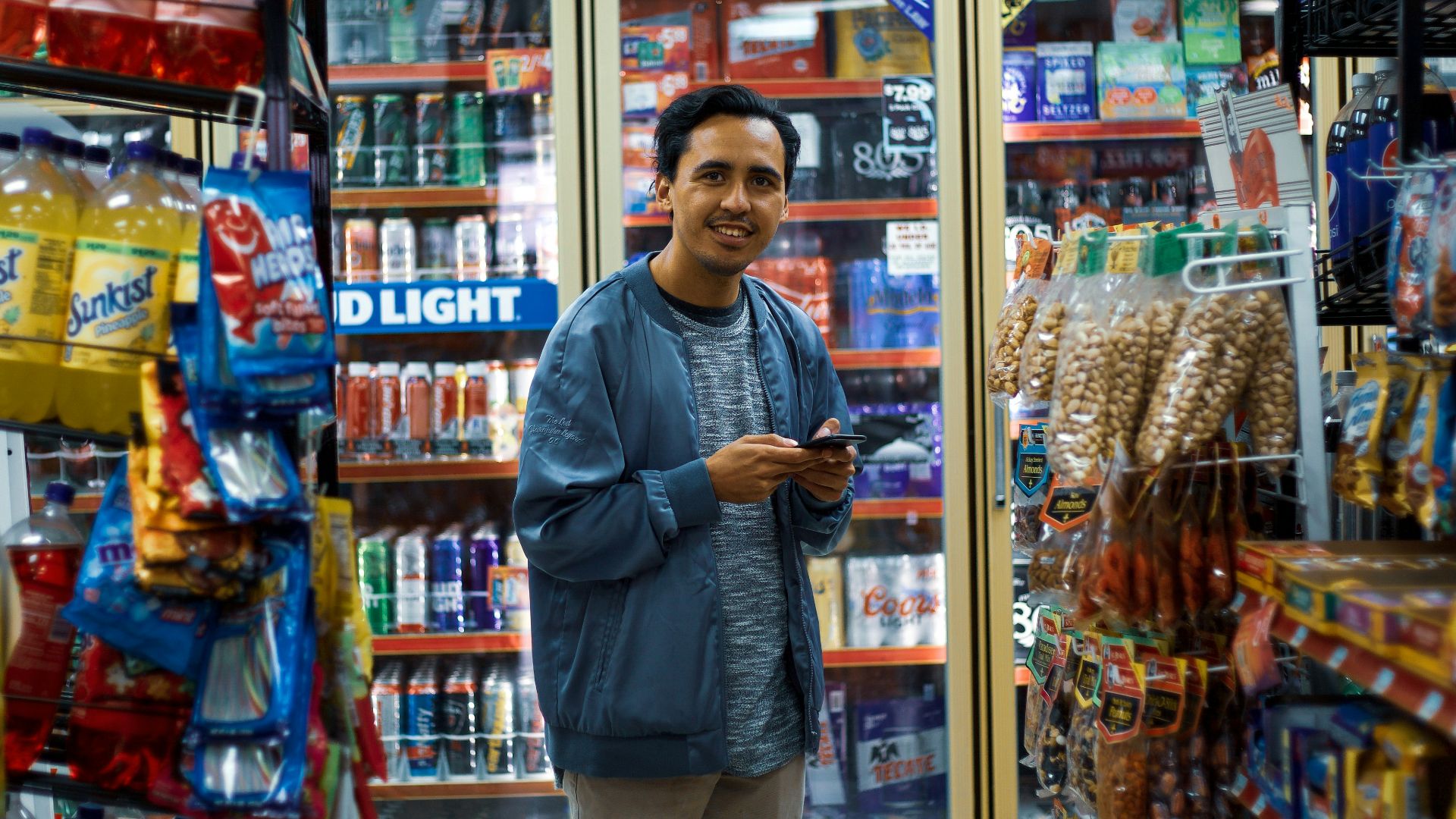
Fuel margins are low, so many stations rely on convenience store sales to remain profitable. Snacks, beverages, and household products provide higher margins, transforming stations into hybrid service and retail stops.
11. Food Addition
Some stations now have full kitchens serving fresh meals, baked goods, and specialty drinks. Larger chains have earned reputations for high-quality food that rivals fast food. Food service has become a major draw for travelers seeking more than snacks.
12. EV Chargers
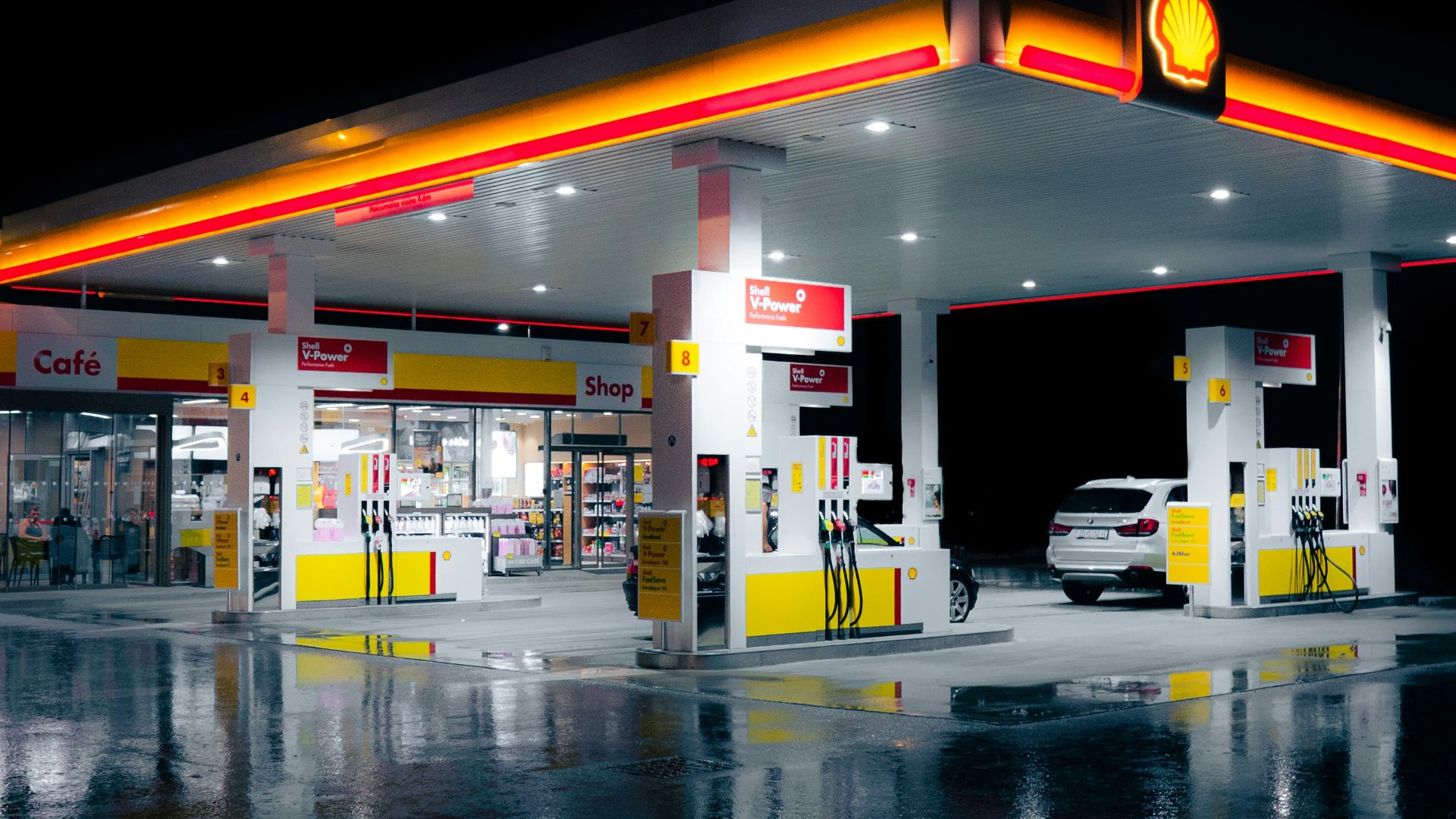
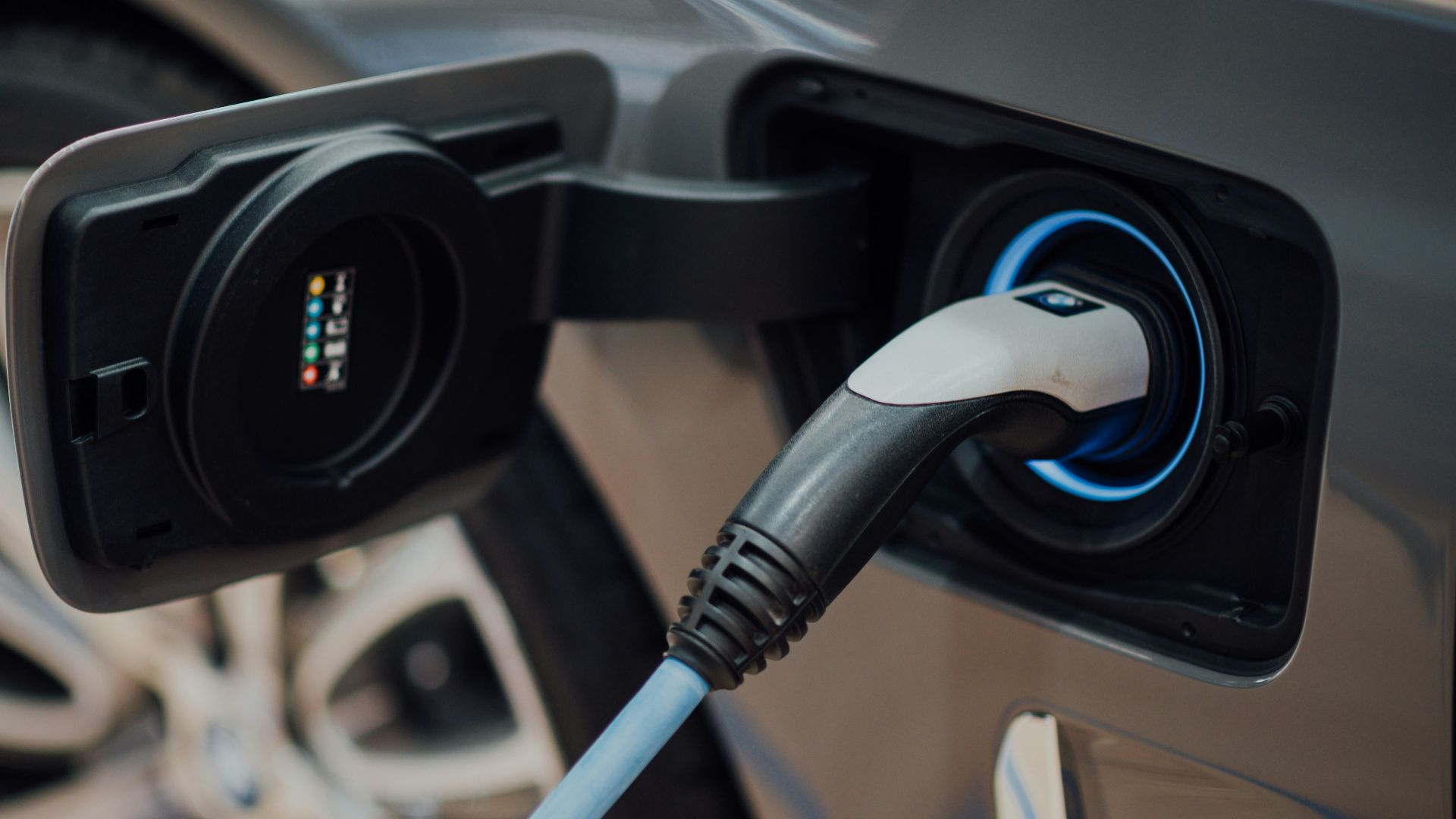
As electric vehicles become more common, stations are retrofitting chargers to meet demand. Charging takes time, so these areas may include seating or expanded retail facilities. Adoption varies, but stations are preparing for an electrified future.
13. Cleaner Restrooms
Clean restrooms have long been advertised to travelers. Today, well-maintained restrooms are expected, and many chains make cleanliness a key part of their brand. For high-traffic travel centers, restroom maintenance is a significant expense.
14. Fewer Stations
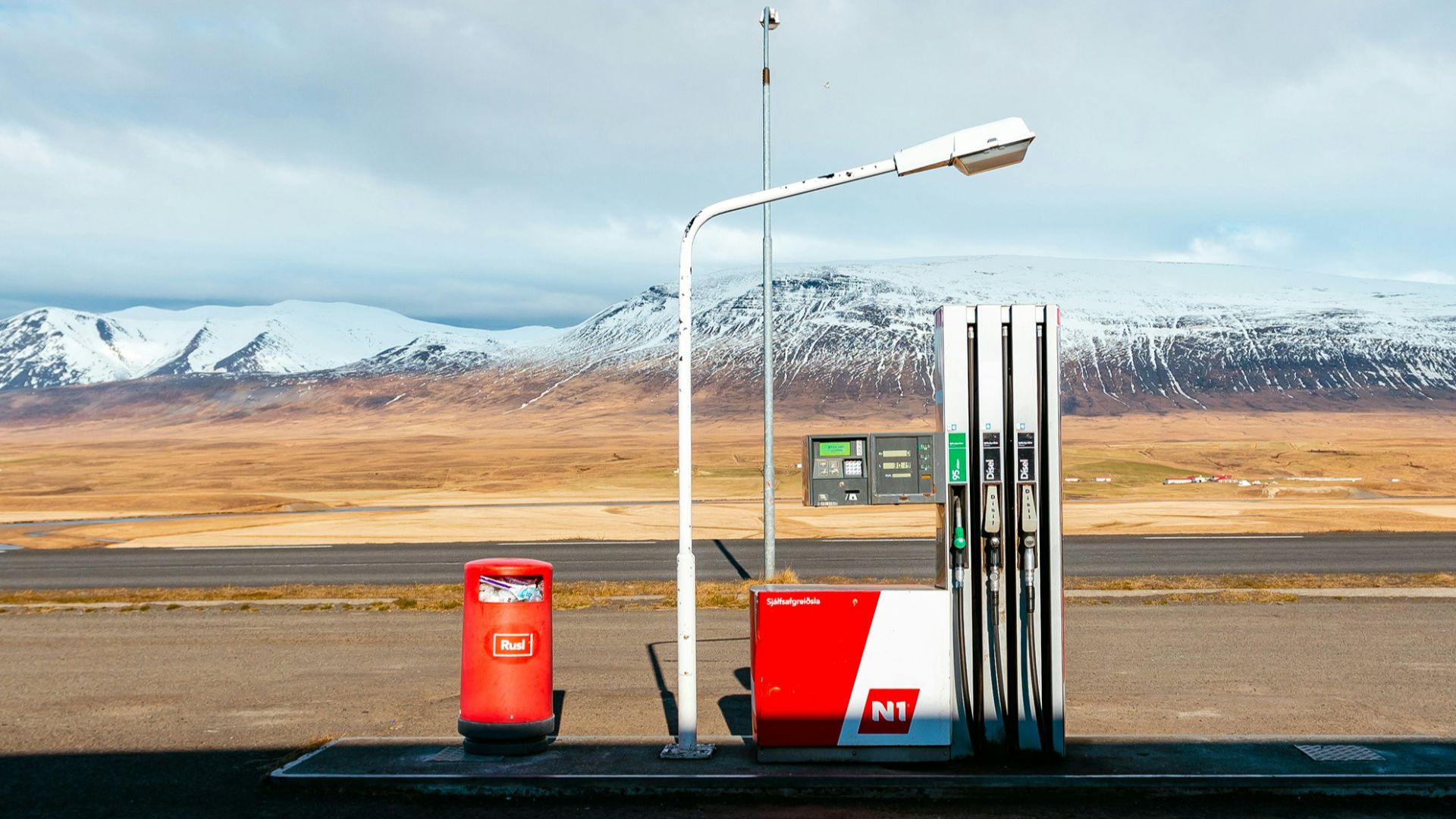
The number of gas stations in the U.S. has decreased due to consolidation and changing travel habits. Smaller independent stations were acquired by larger chains, leaving fewer sites that handle higher volumes.
15. Environmental Regulations
Federal and state regulations since the mid-twentieth century have improved pollution control and fuel storage standards. Rules addressing emissions, leaks, and spills have promoted safer operations and helped preserve air and groundwater quality.

16. More Pumps
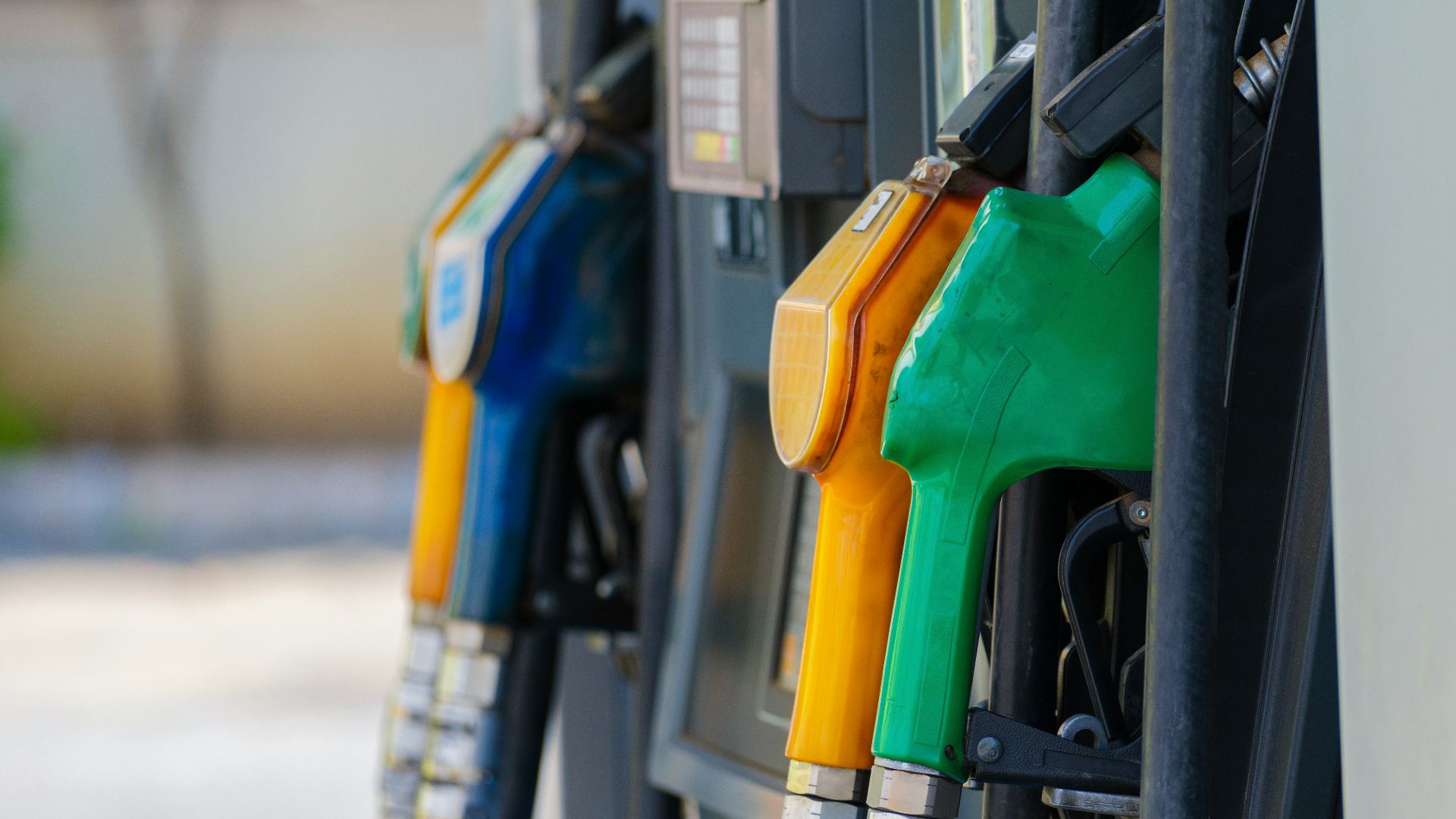
Newer stations feature wider driveways and more pump islands to reduce congestion. Thoughtful traffic patterns make entry and exit safer and improve the overall fueling experience.
17. Loyalty Programs
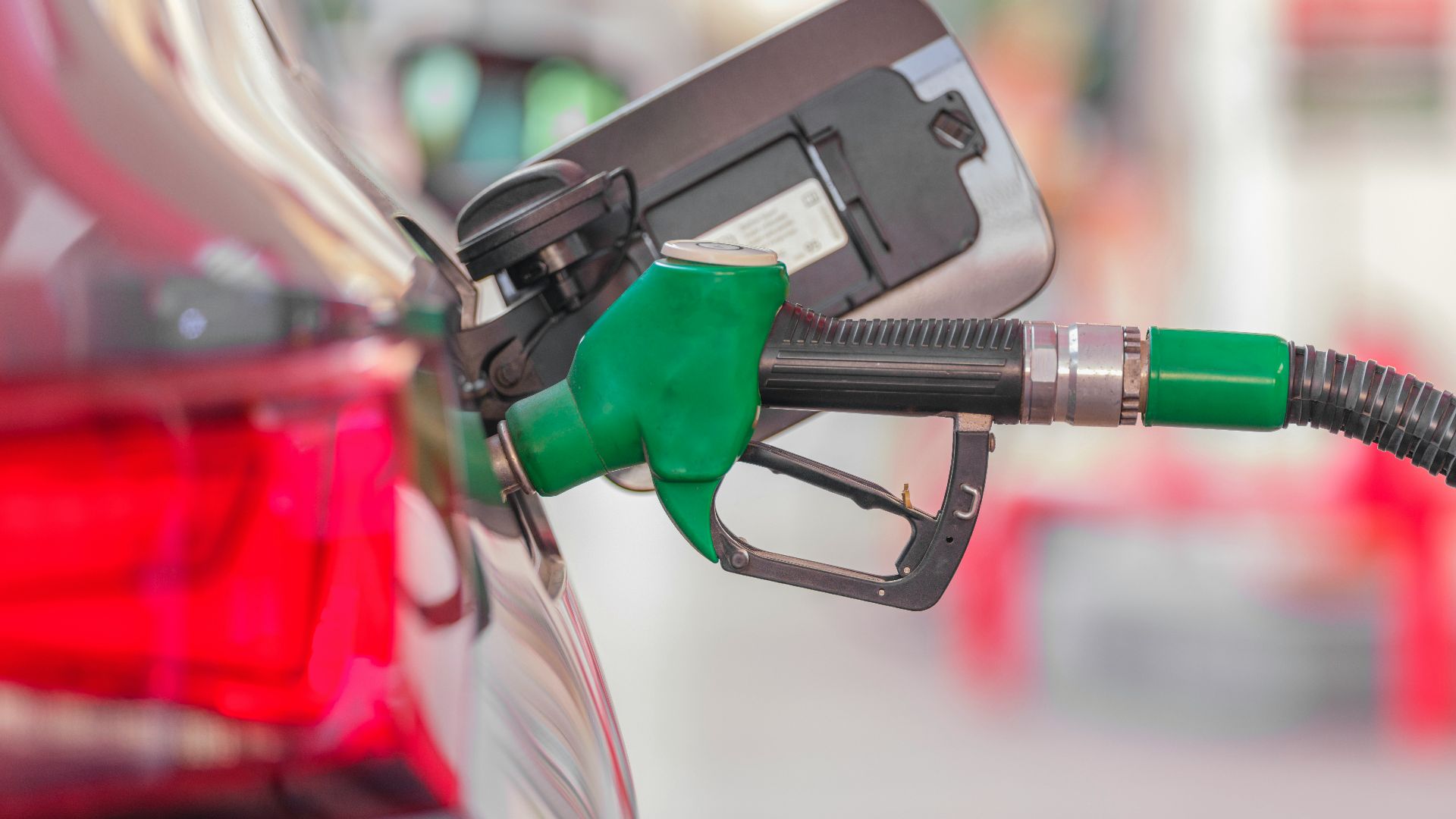
Gas stations and convenience chains now offer loyalty cards that provide discounts or points with each purchase. Many apps track rewards automatically, making it easier for customers to participate and return.
18. Car Wash
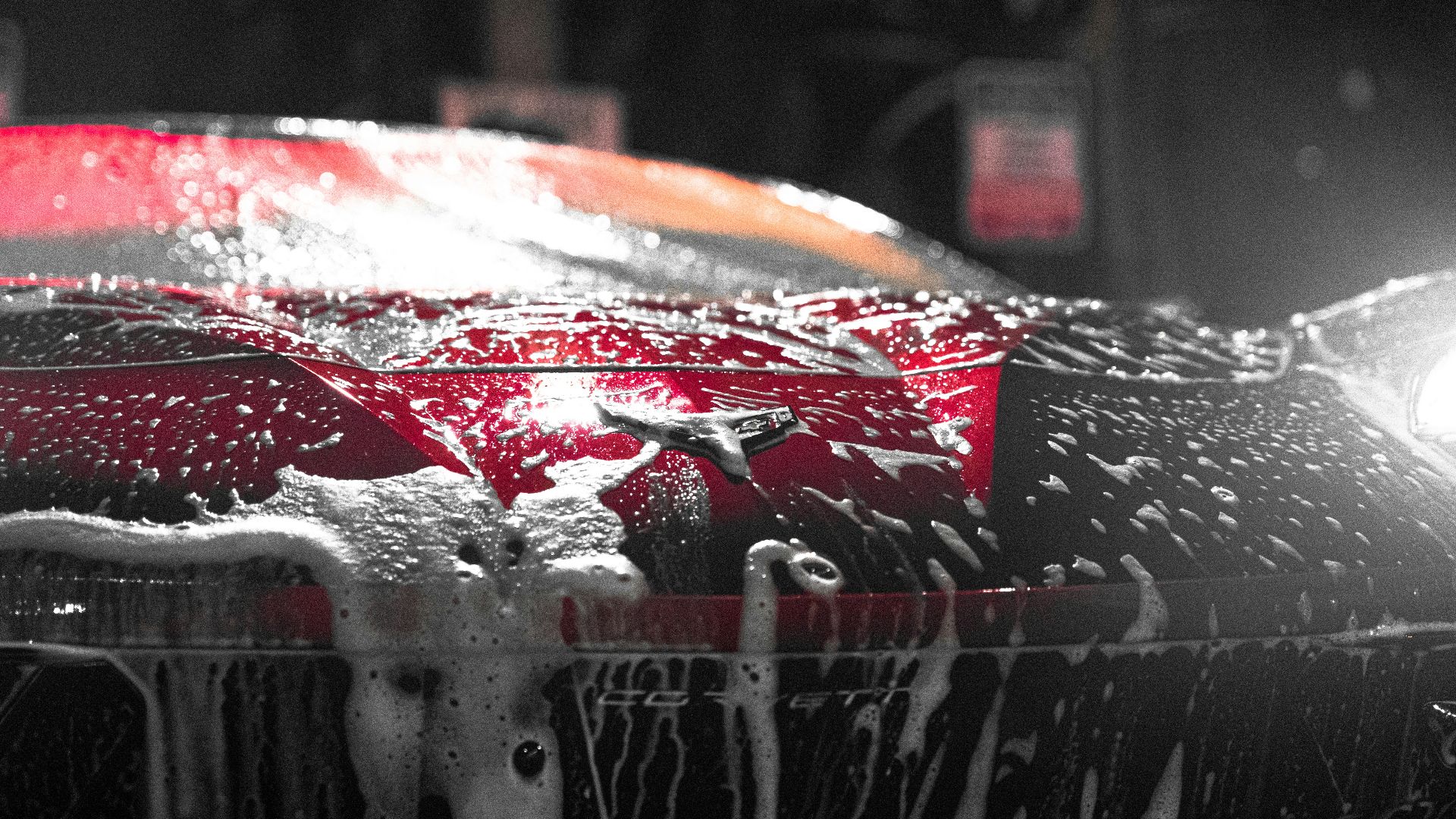
Automated car washes provide an additional revenue stream. Customers can fuel and wash their cars in one stop. Some chains offer monthly memberships to encourage repeat visits and build loyalty.
19. Full Automation
Technology now allows some stations to operate with reduced or no staffing. Cameras and automated payment systems provide security while allowing customers to fuel independently, enabling 24/7 operation.
20. Fueling Apps
Many apps help consumers find cheaper gas nearby, saving money and offering convenience. The downside is that using different stations for the best prices may prevent customers from collecting loyalty points consistently.