
Avoid Getting Scammed
Buying a used car shouldn't feel like navigating a minefield. You walk onto a lot hoping for transparency, but sometimes you get smoke and mirrors instead. The difference between a trustworthy dealership and a sketchy one often comes down to subtle signs most people overlook. Let's start by looking at a couple of green flags that signal you're in good hands.

1. Transparent Pricing
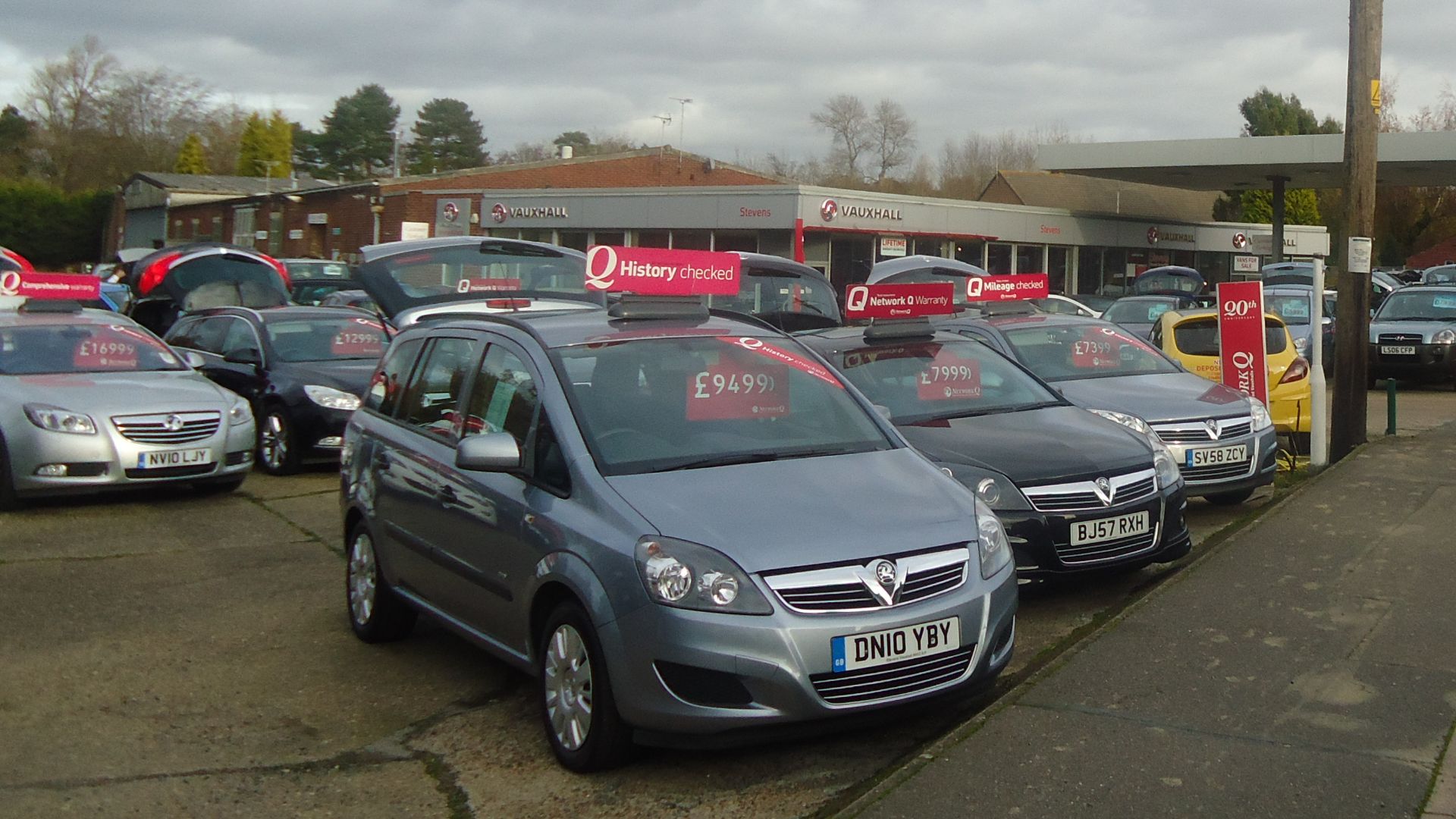
Ever walked onto a car lot and felt like you're playing a guessing game with prices? That shouldn't be the case. Good dealerships plaster clear pricing right on window stickers or signs, showing you exactly what you'll pay without any last-minute additions.
2. Detailed Vehicle History Reports
The moment a dealership hands you a Carfax or similar report without you even asking, you know you've found the good ones. While many places are legally encouraged or required to provide these reports, reputable dealers go beyond bare minimums by offering them proactively.

3. No-Pressure Sales Approach
Imagine you're browsing cars, and the salesperson actually lets you breathe instead of hovering like a hawk ready to pounce. This relaxed environment often means commission-free or salaried staff who aren't desperately pushing for same-day sales to hit their quota.

4. Organized Lot And Facility
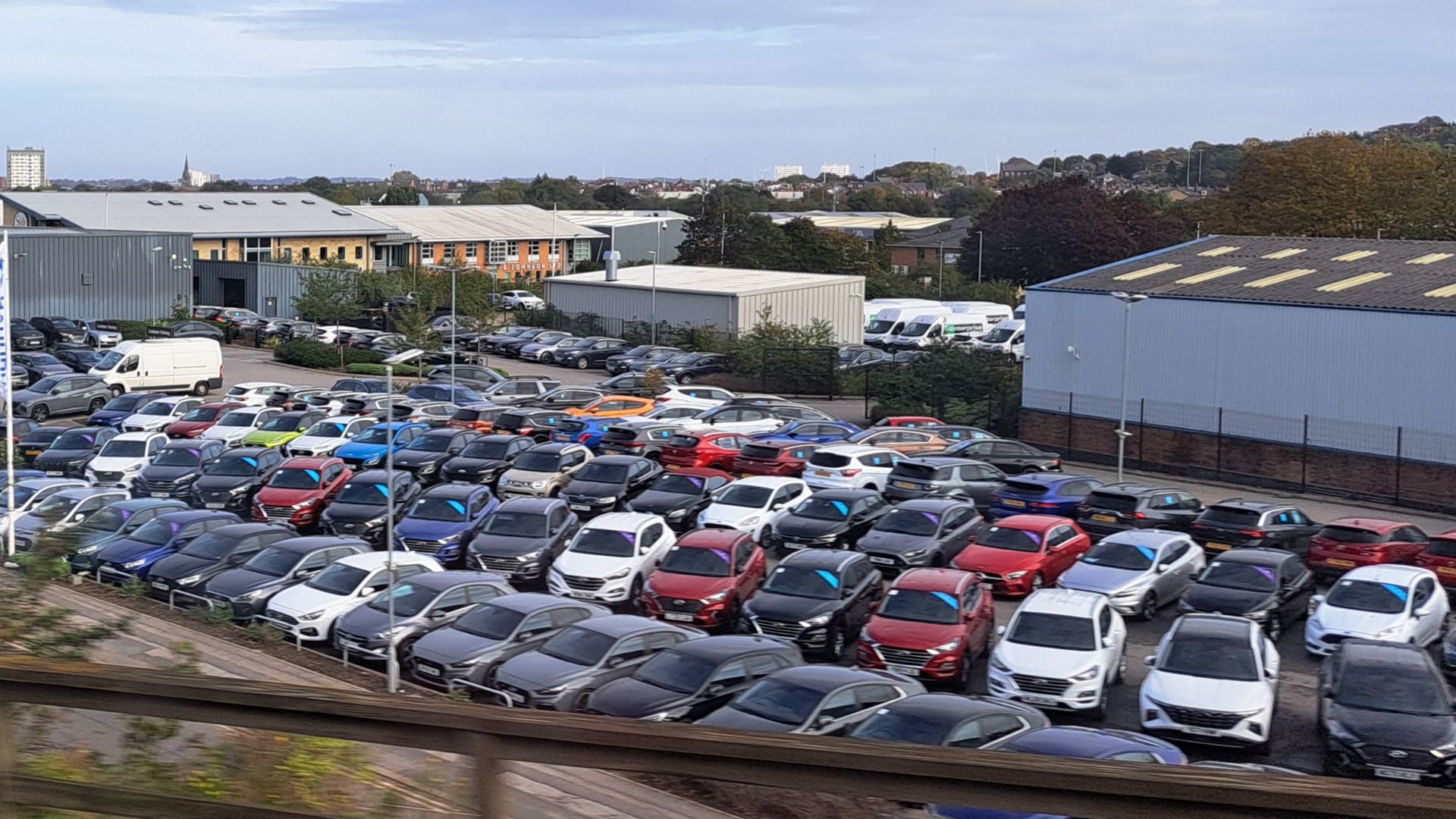
Here's something interesting: some dealerships actually spend more on landscaping and lot appearance than on advertising because first impressions can instantly influence a buyer's perception. When you see a tidy, well-maintained lot and showroom, you're witnessing pride in inventory.
 Christopher Hilton on Wikimedia
5. Positive Online Reviews And Testimonials
Modern car buyers read at least ten online reviews before ever setting foot on a dealership lot. Consistent positive feedback on platforms like Google, Yelp, or DealerRater highlights reliability, transparency, and service, but you shouldn't rely solely on star ratings.

6. Clear Return Or Exchange Policy
Forward-thinking dealerships began offering "no-questions-asked" return periods of up to 7 or 30 days in the 2010s to compete with online car sellers' buyer-friendly models. This straightforward policy—whether it's a money-back guarantee or exchange period—shows tremendous confidence in vehicle quality.

7. Good Staff Knowledge
Top salespeople can tell you quirky vehicle trivia like "this model has a hidden storage compartment under the seat," turning a routine test drive into an engaging discovery session. Such expertise helps buyers make genuinely informed choices rather than gambling on the unknown.

8. Financing Options Explained Clearly
Here's an industry secret: dealerships sometimes earn more from financing arrangements than from the actual car sale itself. Terms, interest rates, and total costs get broken down transparently without hidden markups or pressure toward in-house financing that benefits them more than you.

9. Warranty Options Available
Certified pre-owned warranties can cover vehicles up to 6 or even 10 years old with low mileage, essentially giving you "like-new" peace of mind on a used-car bargain. Good dealers explain coverage details clearly without burying important exclusions in fine print.

10. Reasonable Negotiation Process
In no-haggle dealerships, the entire "negotiation" often amounts to confirming the posted price, saving buyers an average of 2 to 4 hours of exhausting back-and-forth haggling. Good dealers keep negotiations fair and straightforward, with no sudden price changes or false "limited-time" offers.

1. No Test Drives Allowed
A dealership that won’t allow test drives is hiding something. Driving the car reveals issues you can’t spot while parked, like transmission slips, brake problems, or strange noises. If they won’t let you drive it, simply walk away.

2. Advertised Price Suddenly Has Huge Hidden Fees
Some buyers have discovered fees for things like "VIN etching" or "environmental disposal". These are services that might cost the dealer pennies but get marked up hundreds of percent at your expense. This bait-and-switch inflates the final price far beyond the advertised amount.

3. Won't Let You Take The Car To Your Own Mechanic
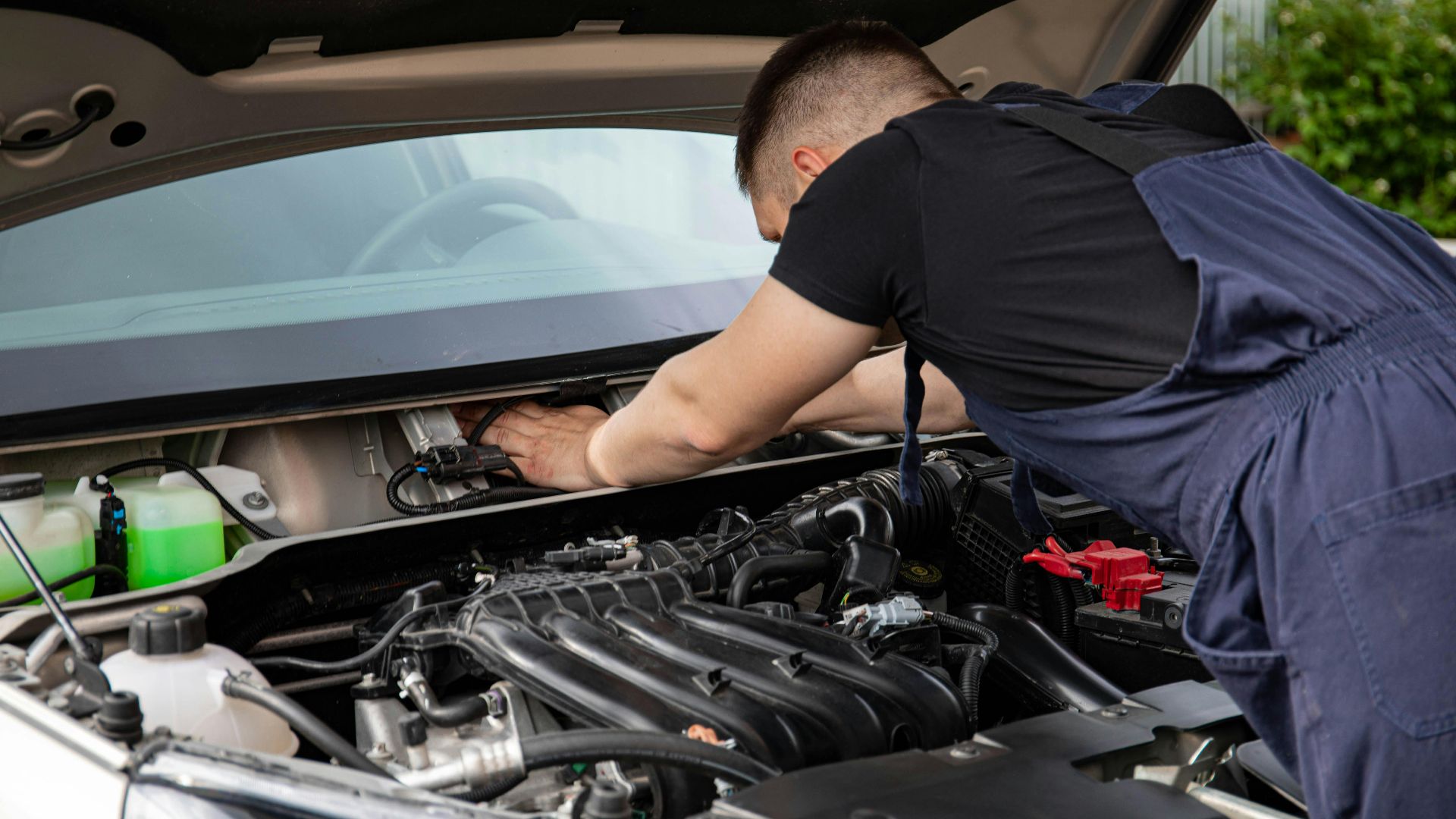
Refusing an independent pre-purchase inspection by your mechanic is a major warning sign. Well, any good independent mechanic can spot red flags like mismatched paint or unusual rust patterns in minutes, turning what looks like a "gem" into an obvious money pit.
4. Forces You To Use Only Their Financing Options
Steering buyers exclusively to in-house or preferred financing often hides higher interest rates or markups that benefit the dealer far more than the buyer. This limits shopping for better rates elsewhere. Reputable dealers allow pre-approval from banks or credit unions without pressure.

5. Suspiciously Low Prices
Obviously, a price that seems too good to be true usually is. Suspiciously low listings often hide costly problems like accident damage, salvage titles, or mechanical issues waiting to surface. A fair deal should make sense and not trigger immediate disbelief.

6. No Business License Visible In The Office
In some areas, "curbstoners"—unlicensed sellers posing as dealers—operate out of parking lots with no office at all, just a phone and a smile to lure unsuspecting buyers. Their absence suggests the operation may be unlicensed or outright illegitimate.

7. Calls You Back Days Later To Change The Deal
The scam gets its name from the yo-yo toy because the dealer "yanks" you back. Sometimes, they even send repo-like teams to retrieve the car aggressively after you've driven off thinking the deal was done. This exploits conditional "spot delivery" contracts.

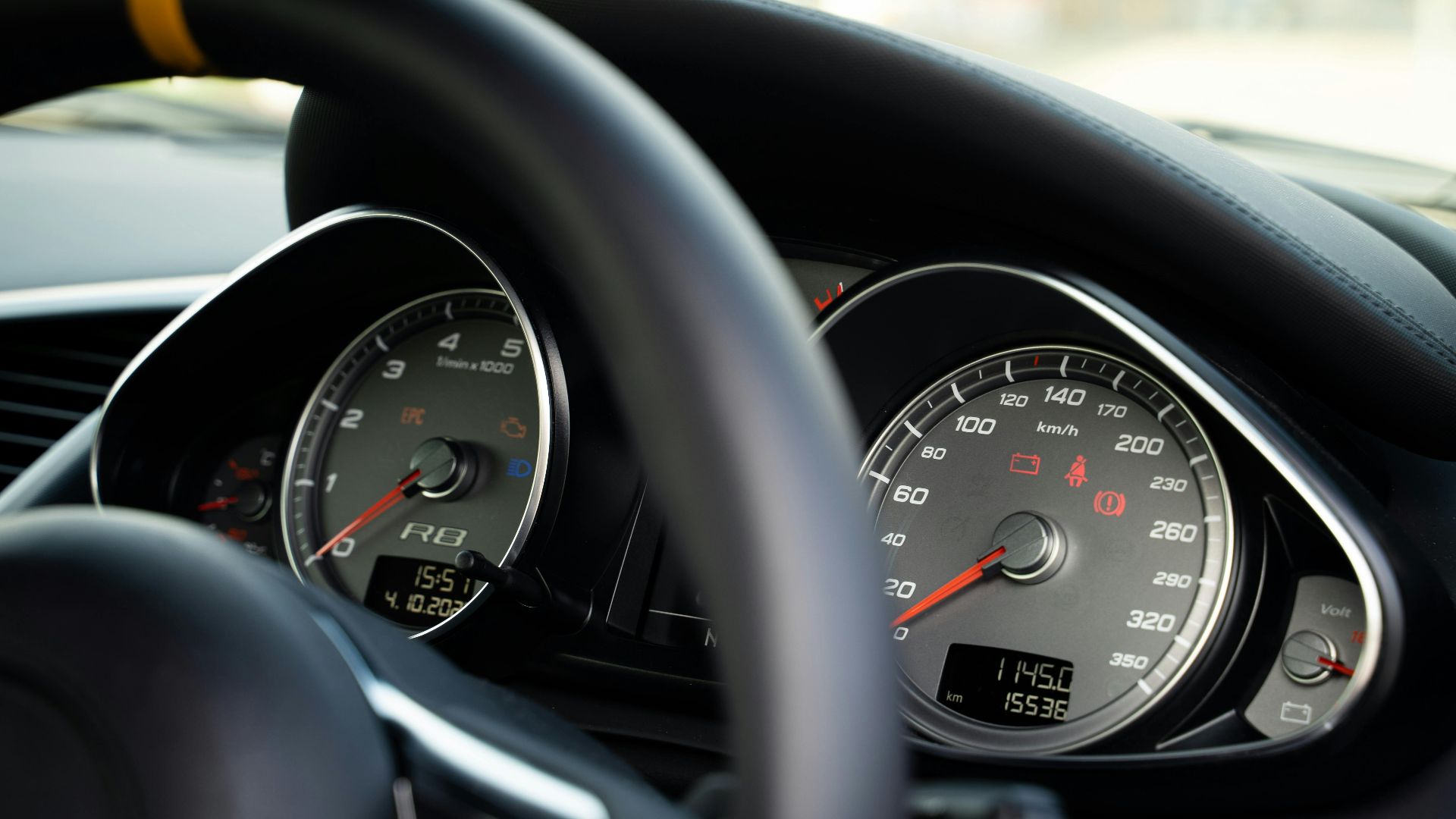
8. Odometer Numbers Don't Match
Digital odometers were supposed to stop rollbacks, but creative scammers have found ways to reprogram them. This makes the car "younger" on paper, while the actual wear tells a completely different story. Discrepancies between low odometer readings and heavy wear indicate potential odometer fraud.
 Media Studio Hong Kong on Pexels
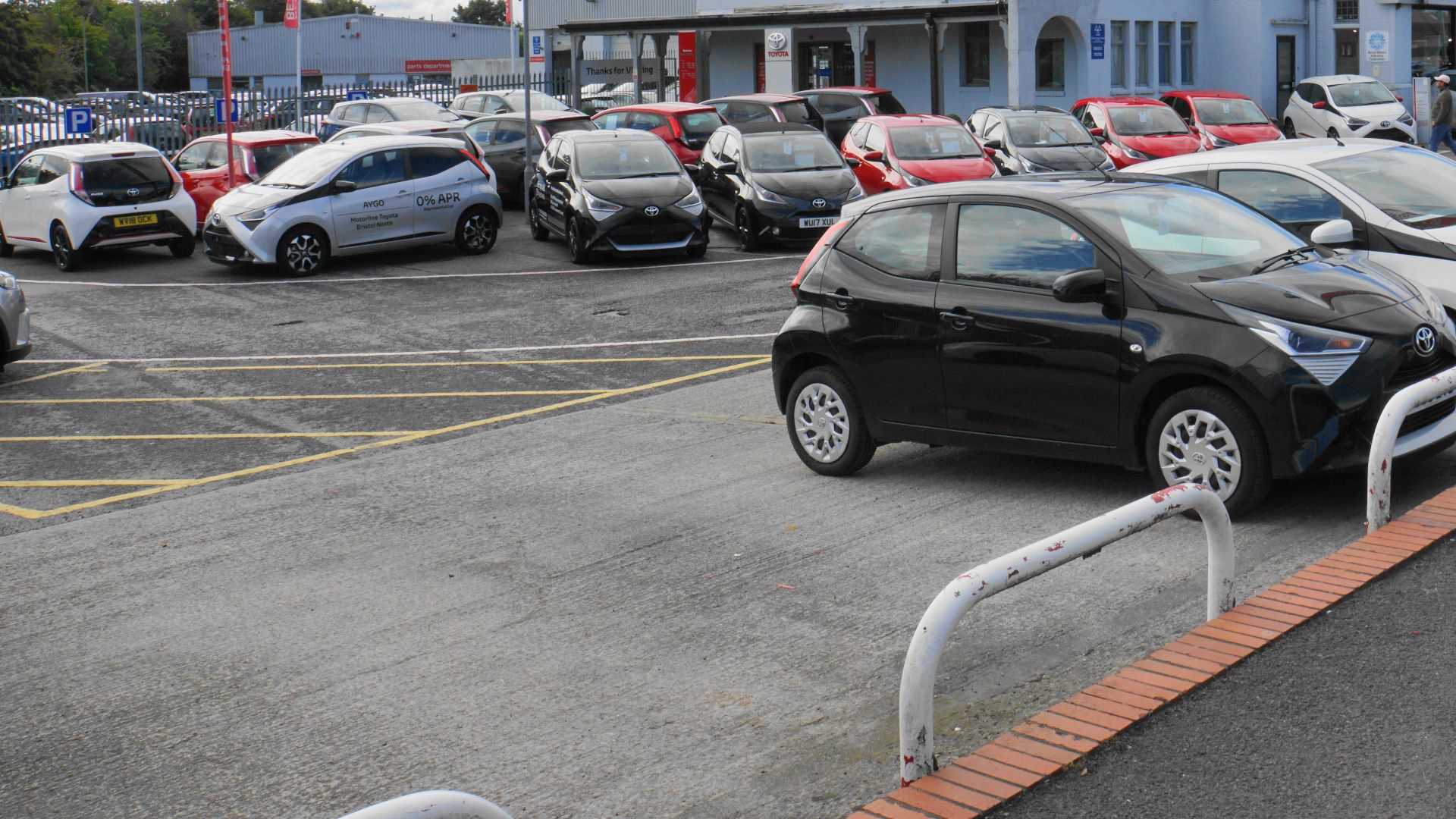
9. No Posted Prices On Cars
Some lots look like a game of hide-and-seek with prices, except the "prize" is usually paying more than you expected after endless back-and-forth negotiations designed to wear you down. Lack of visible pricing forces negotiation from an inflated starting point.
10. Separates You From Family Or Friends During Negotiation
Bringing a friend can feel like having a personal deal bodyguard. They spot the shady moves you might miss in the excitement of finding a car you love. Isolating buyers reduces outside input and makes it easier to apply pressure or spread misinformation.
 Antoni Shkraba Studio on Pexels